From over 100,000 films, discover the handful you'll love.
Free or premium access to the world's largest documentary library.
2305 films(Page 45 of 49)
The National Archives holds over 15 billion sheets of paper, 44 million photographs, and more than 6 billion electronic records.
In 1994, a plumber in Acre discovered a medieval stone tunnel built by the Knights Templar, dating back to the 12th century.
Kuelap, a Chachapoya city, features walls that are 600 meters long and rise between 10 and 20 meters high, constructed from limestone blocks weighing up to three tonnes.
Archaeological findings from a prehistoric grave provide insights into human evolution and explore potential extraterrestrial influences on development.
Akhenaten, the father of King Tutankhamun, engaged in radical myth-making that transformed Egyptian religion during the 14th century B.C.
A pyramid with a perfectly square base measuring 2 kilometers on each side has been discovered beneath the ice of Antarctica.
Jim Barfield seeks the Ark of the Covenant, rushed from the Hebrew temple in Jerusalem.
At a depth of more than 70 feet in the RP-1 Shaft, the Oak Island team discovers an iron strap that may connect to the fabled Money Pit treasure.
A treasure hunter in Virginia searches for $350,000 worth of gold, silver, and heirlooms buried by Confederate Colonel John Singleton Mosby during the Civil War.
Space archaeologist Sarah Parcak employs advanced satellite technology to reveal hidden remnants of ancient Roman civilizations, highlighting her initial setbacks and subsequent successes.
The team investigates an unexplainable response to rocket launch tests in this episode.
A tunnel carved through an extinct volcano by the Nazis has been rediscovered after 80 years, revealing railroad tracks and a minecart.
Twenty inches of sediment cover an underwater road on Oak Island, prompting a search for artifacts that may indicate its historical use.
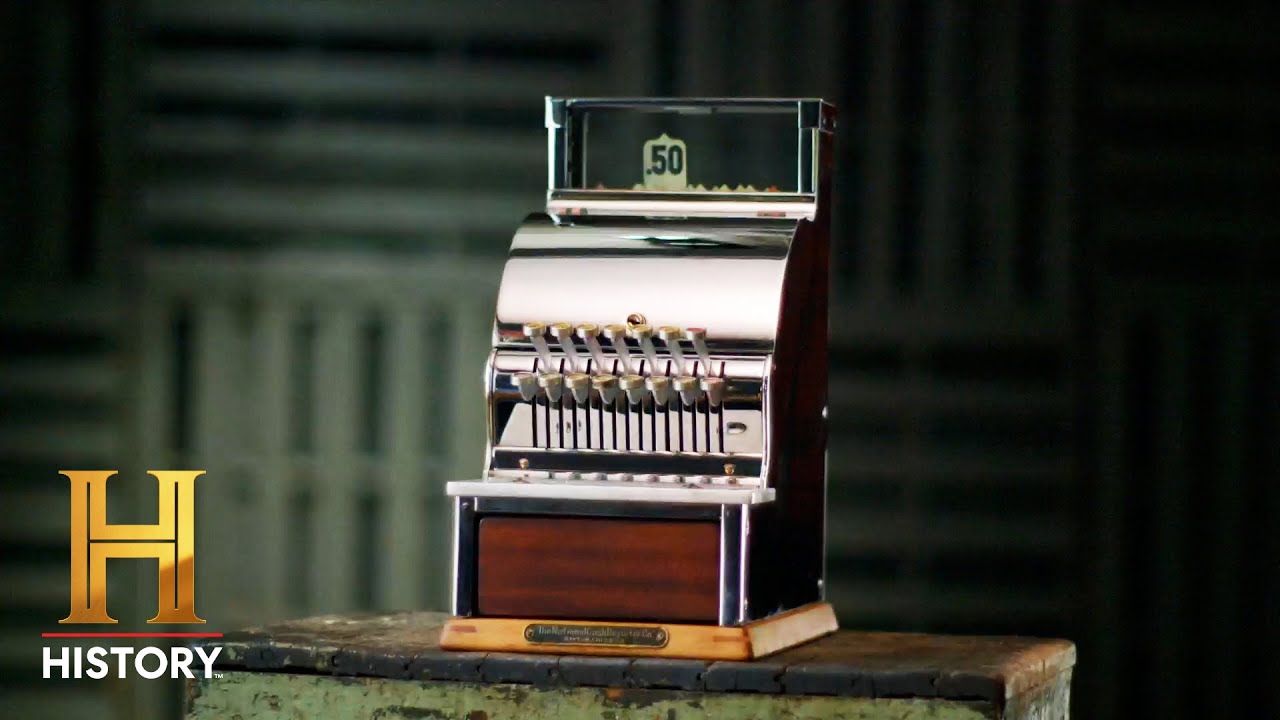
A son enlists some help to restore a 1912 National Cash Register for his dad's surprise.
Curzon discovered ancient Bible texts, including manuscripts and Gospel fragments in Syriac, dating back to the 4th century AD, in a monastery in Egypt.
750 steep stone steps lead to the summit of Mount Sinai, where visitors from various faiths gather to experience this significant biblical site.
A girl recalls a chilling encounter with an alien being in 1960s Brooklyn.
Three unexplained deaths, including one caused by a falling poodle, are examined alongside an eerie island in Mexico filled with mutilated dolls.
The team installs their sixth and final seven-foot-diameter steel shaft, reaching 195 feet underground in search of the legendary Money Pit treasure.
In drought-stricken Sweden in 2018, an eight-year-old girl finds an ancient sword while searching for stones in a shallow lake.
Legendary climber Peter Athans joins a team of explorers to investigate the ancient relics hidden within Nepal's remote sky caves.
Mark Aldenderfer, a grantee, explores the sky caves of Nepal, revealing ancient murals, manuscripts, and artifacts.
Photographer Cory Richards chronicles the challenges and dangers of exploring the remote caves of Nepal in the conclusion of a three-part series.
15,000 years ago, the first people entered Scandinavia, following the retreating ice and adapting to a harsh environment filled with large animals.
Experts analyze unusual structures on Mars and unexplained phenomena on the Moon, presenting evidence that challenges current understanding of these celestial bodies.
Andy and Paul find evidence of strange activity linked to 'Goldie' in Southern California.
A foot-long snake with two heads is discovered in a sunroom in Taylorsville, North Carolina, prompting questions about its survival and origins.
In 1965, a five-page article in Reader's Digest sparked a treasure hunt on Oak Island that captivated brothers Rick and Marty Lagina for decades.
More than 8,000 terracotta warrior statues are unearthed in a small village in northwest China during a desperate search for water in 1974.
Over 10,000 years ago, unique cave paintings were created in Borneo, now a vital discovery for Tewet and his community's future.
The Cretaceous Resinous Interval, a 54-million-year period marked by widespread amber preservation, raises questions about the environmental conditions that caused its sudden disappearance.
Dental calculus, the hardened residue on teeth, serves as a unique fossil record that allows scientists to trace microbial evolution over 40 million years.
In 1987, archaeologist Walter Alva discovered the untouched tomb of the lord of Sipan in northern Peru, filled with gold, silver, and artifacts believed to aid in the afterlife.
Denisovans, an ancient human species known from only a few fossils, present challenges in reconstructing their morphology due to the scarcity of physical remains.
Archaeologists have made claims about Tutankhamun's tomb and its burial goods' origins.
85% of the ancient city of Petra remains underground and untouched, raising questions about its history and the recently discovered stone platform.
De Soto's expedition in the 16th century led to the near extinction of some Native American tribes, with significant population losses documented.
In the eastern United States, geological and evolutionary factors contributed to the absence of well-known dinosaur species like Triceratops, creating a unique prehistoric landscape.
Sauropods, the largest land animals in history, faced significant anatomical and physiological challenges due to their unprecedented size and gigantism.
In Luxor, Egypt, archaeologists have unearthed a well-preserved ancient city from the golden age of the pharaohs, providing insights into daily life and craftsmanship.
More than 25,000 students studied at the University of San Koy in Timbuktu during the 16th and 18th centuries, making it a key center of learning in the Muslim world.
Chimú culture in Peru transformed arid landscapes into flourishing agricultural societies through advanced irrigation techniques and the construction of the adobe city of Chanchan.
Titicaca, the largest lake in South America, lies at 3,820 metres above sea level and covers 9,000 square kilometres, shaping ancient Andean cultures.
Bogotá's Museo Del Oro showcases Colombia's pre-Colombian gold artifacts, highlighting the region's rich history and intricate craftsmanship.
Archaeologists suggest that the Canaanite cities may have been destroyed decades before the first Israelite settlements, challenging the biblical narrative of conquest.
As fossil evidence expands, the genus Homo increasingly includes diverse hominins, prompting exploration of what it means to be human.
A 110-foot search shaft on Oak Island reveals remnants of a 19th-century treasure hunt as the team seeks to solve a 230-year-old mystery.
This episode reveals long sought after relics believed to grant immortality and healing powers.