From over 100,000 films, discover the handful you'll love.
Free or premium access to the world's largest documentary library.
2305 films(Page 37 of 49)
Forensic analysis of a medieval skeleton from Lewis reveals weapon trauma that challenges previous understandings of the 1264 Battle of Lewes involving Simon de Montfort and Henry III.
Roman Britain's ancient roads, including Hadrian's Wall, illustrate the strategic significance of the Roman Empire's presence and settlements in modern Britain.
A skeleton discovered in a medieval burial ground in Ipswich may provide evidence of an African presence in 13th-century England.
Brighton’s history is explored through its Victorian engineering, wartime challenges, and cultural evolution, featuring landmarks like the West Pier and Saltdean Lido.
A female skeleton buried with three babies is found in a grave in Hertfordshire, raising questions about their deaths nearly 2,000 years ago.
Historian Dan Jones explores significant Roman roads like the Fosse Way and Watling Street, revealing their impact on trade and community in ancient England.
Viking artefacts and historical records reveal the complex society and expansive reach of Scandinavian culture during the Viking Age.
The Bermuda Triangle's mysteries are examined through the lens of Bimini Road and the Methane Hydrates Theory, linking historical events to modern scientific theories.
Sir Anthony De Lucy, a 14th-century English knight, is examined through the archaeological discovery of his remarkably preserved body and the brutal realities of medieval warfare.
More than 20 human remains, believed to be 3,000 years old, were discovered in underground caves on the North Yorkshire Moors.
Petra, the ancient city in Jordan, faces significant threats from looting and black market sales, highlighting the urgent need for preservation efforts to protect its archaeological treasures.
Groundbreaking discoveries from a Bronze Age cemetery in the Hebrides reveal Britain's first mummies and insights into pre-Roman urban life and spirituality.
Novanstein Castle, built from 1869 to 1886, features only 20 completed rooms out of the 120 planned, reflecting the unfinished vision of King Ludvig II.
Depths of 220 meters conceal the wreck of the 19th-century paddle steamer Säntis in Lake Constance, a site of numerous historical artifacts and shipwrecks.
Archaeologist Tim Sutherland investigates the lost graves of Agincourt, following clues from antiquarian John George Woodford and exploring the battle's historical significance.
The lost Ark of the Covenant and other mysterious artefacts are examined through legends, conspiracies, and theories that challenge established historical narratives.
Hardwick Hall features six imposing turrets and extravagant glass facades, built by Bess of Hardwick, a powerful figure in 16th century England.
Jump into the debate on crystal skulls and their mysterious origins in Forbidden History.
Forensic experts analyze ancient human remains across various historical contexts, reconstructing faces and revealing the intricate lives of forgotten individuals.
Alan Tichmarsh reveals hidden stories behind Britain's historic landmarks and secrets.
Legends of lost Nazi gold and stolen art are explored as investigators search for treasures hidden in lakes, bunkers, and vaults across Europe.
A 10-ton stone gate known as the Gateway of the Sun marks the ancient site of Tiahuanaco, which flourished on the shores of Lake Titicaca in Bolivia.
Seventeen skeletons discovered in Norwich reveal dark truths about medieval England's past.
Lost relics like the Ark of the Covenant and secret Vatican archives are examined alongside ancient discoveries and conspiracy theories in this historical compilation.
Forensic scientists and archaeologists in the UK analyze human remains to solve ancient mysteries, revealing significant historical narratives.
Archaeologists have revealed a significant double-henge structure near Stonehenge, alongside Dark Age burial sites at Tintagel, reshaping the understanding of early medieval Britain.
A pilot finds a massive geoglyph on Arabana land between Kuri Ptiri and Marree in South Australia.
Hardwick Hall, built by Bess of Hardwick in the 16th century, features six imposing turrets and extravagant glass facades that reflect her rise to power.
Viking burial ships from Estonia date back to the late 8th to mid-11th centuries, revealing insights into their burial practices and societal values.
Hardwick Hall, built by Bess of Hardwick in the 16th century, features six imposing turrets and extravagant glass facades that reflect her remarkable life.
The excavation of a medieval well in Norwich reveals 17 skeletons, prompting forensic analysis to determine the causes of death among these individuals.
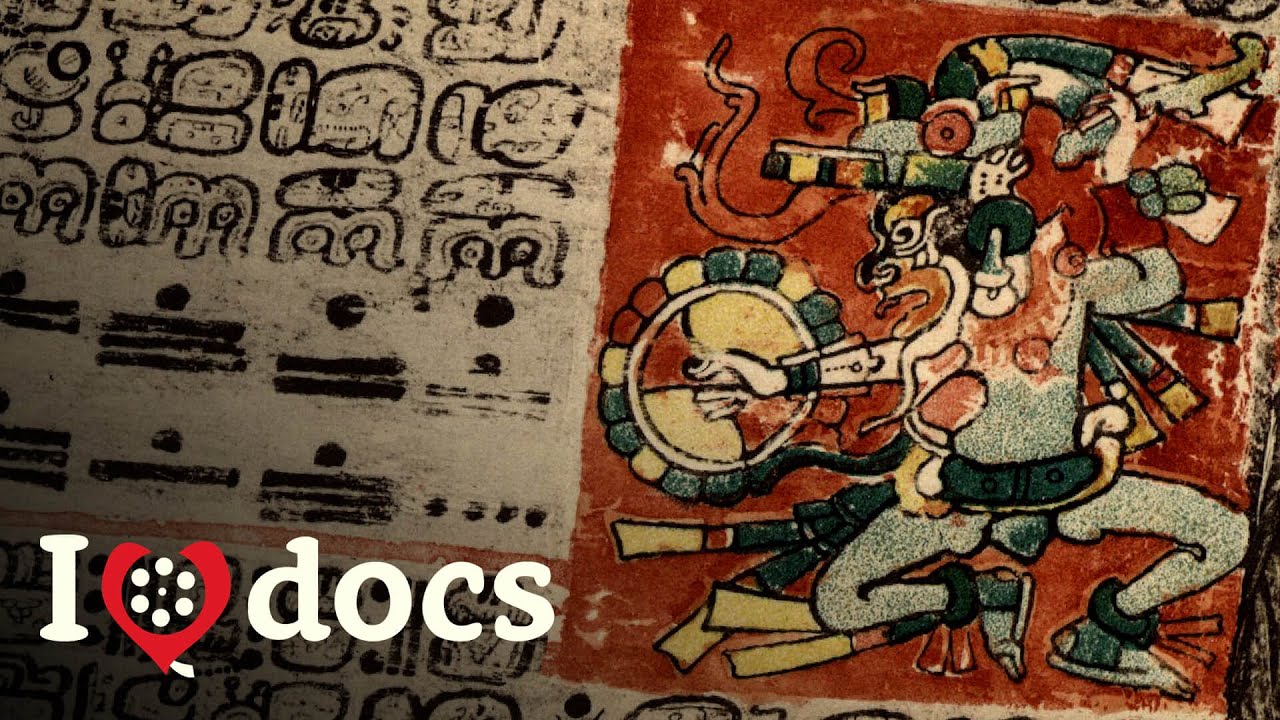
Elisabeth Thieriot explores the Mayan calendar's B’aqtun cycle in the Yucatan Peninsula and Guatemala, challenging myths about the 2012 end-of-the-world theories.
Chad and Wendle spend 30 minutes inside an underwater cavern, searching for evidence of a hidden treasure beneath Blind Frog Ranch in Utah.
A forgotten German tunnel from World War I reveals rare artifacts like bullets, grenades, and a mysterious pistol, shedding light on soldiers' experiences.
At 1:00 PM on August 24th, 79 AD, Mount Vesuvius erupts, leading to the destruction of Pompeii and the chaos that ensued among its residents.
Moses is described as a towering figure in Abrahamic religions, yet there is little archaeological evidence to confirm his existence or the events of the Exodus.
A mummified head from Egypt, separated from its body, is examined to reveal details about the individual and the circumstances of his death.
Ancient Egyptian civilization is examined through its enigmatic structures and artifacts, alongside theories of extraterrestrial influences on these historical wonders.
Watling Street, the first Roman road in Britain, stretches 240 miles from the Kent coast to the Midlands and played a key role in the Roman invasion.
New recruits of the Knights Templar were reportedly forced to spit on the cross and deny Christ during their initiation rituals.
At least 17 disarticulated remains, including 11 children aged from just 2 years old, were discovered at the bottom of a medieval well in Norwich.
A C-47 transport plane crashes in Nebraska in July 1944, killing 28 people, including a group of trainee fighter pilots.
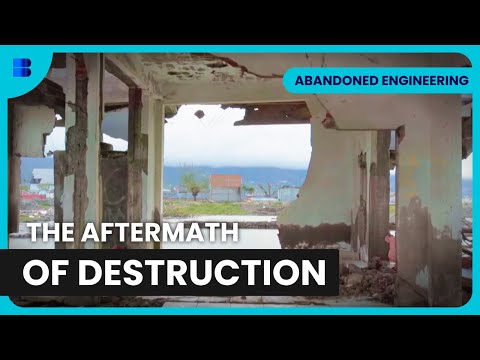
Abandoned industrial complexes and devastated communities around the world reveal tragic tales of ambition and loss, highlighting the remnants of dreams shattered by unseen forces.
In the Saudi Arabian desert, researchers reveal 7,000-year-old life-size animal carvings of camels, challenging existing narratives about ancient artistic traditions.
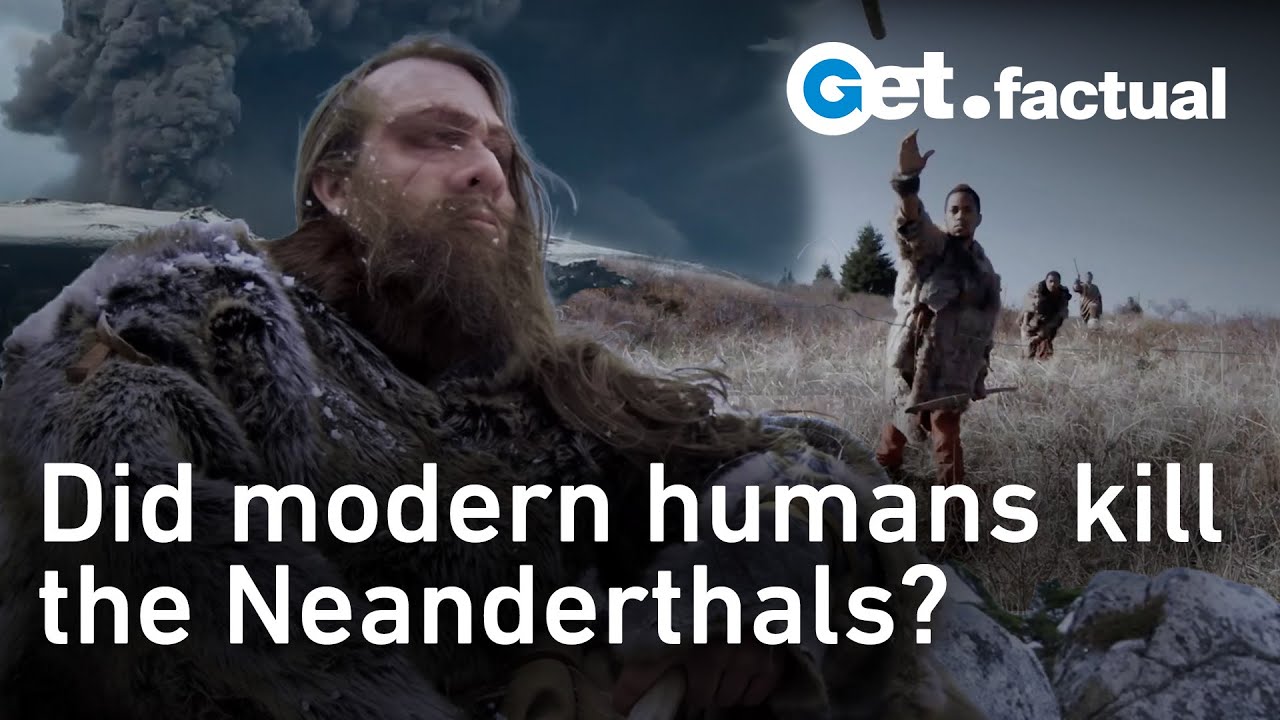
Neanderthals used thrusting spears, which caused significant internal damage, but they eventually faced starvation and extinction due to changing conditions.
Herod the Great, known for his monumental constructions in Judea, has his tomb's location re-evaluated through new archaeological findings by Ehud Netzer.
Seven medieval swords, discovered after the Battle of Castillon in 1453, are central to an ongoing investigation into their origins and historical significance.