From over 100,000 films, discover the handful you'll love.
Free or premium access to the world's largest documentary library.
2305 films(Page 27 of 49)
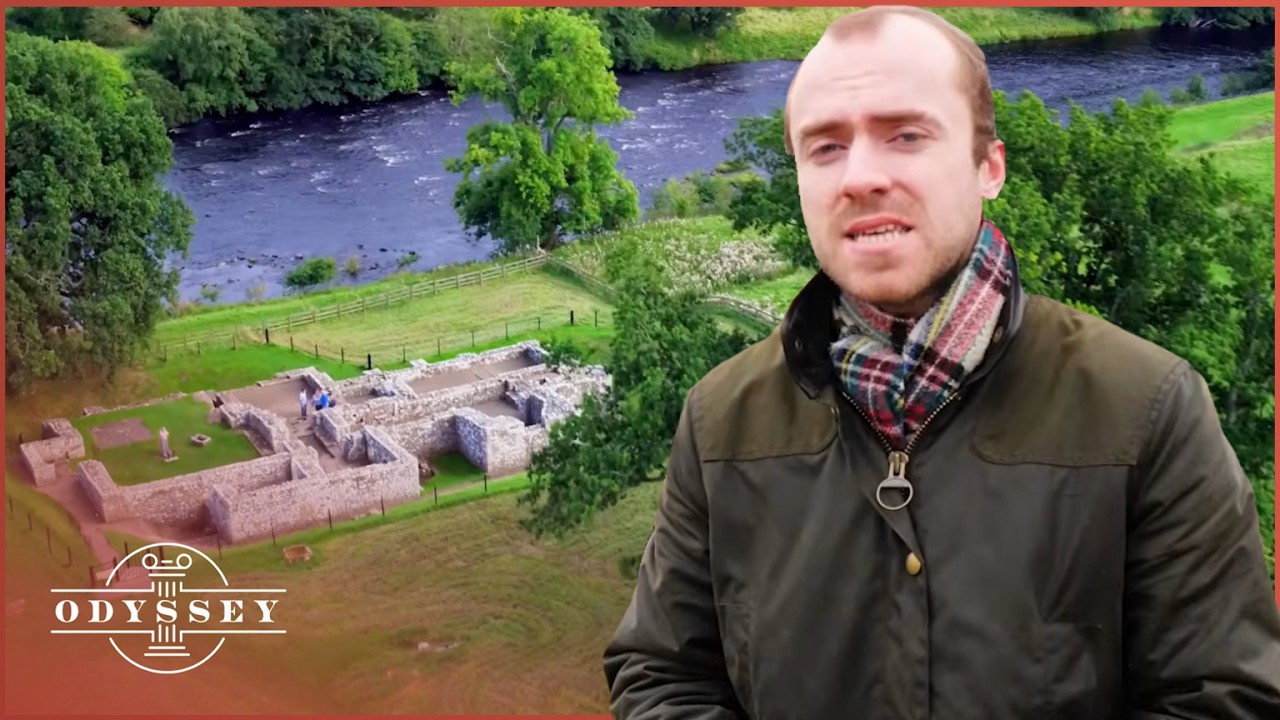
Chesters Roman Fort in Northumberland reveals the daily lives of Roman cavalrymen, including their advanced heating systems, security vaults, and the Temple of Mithras.
Dr Alice Roberts and her team investigate significant archaeological finds from Great Britain, including early Christian burial rituals and Viking hoards.
In Central Asia and Afghanistan, an expedition seeks to identify a forgotten civilization linked to Alexander the Great and the myth of Jason and the Argonauts.
Ancient Athens stands as a testament to the extraordinary achievements of its builders, thinkers, and inventors, shaping the course of Greek history.
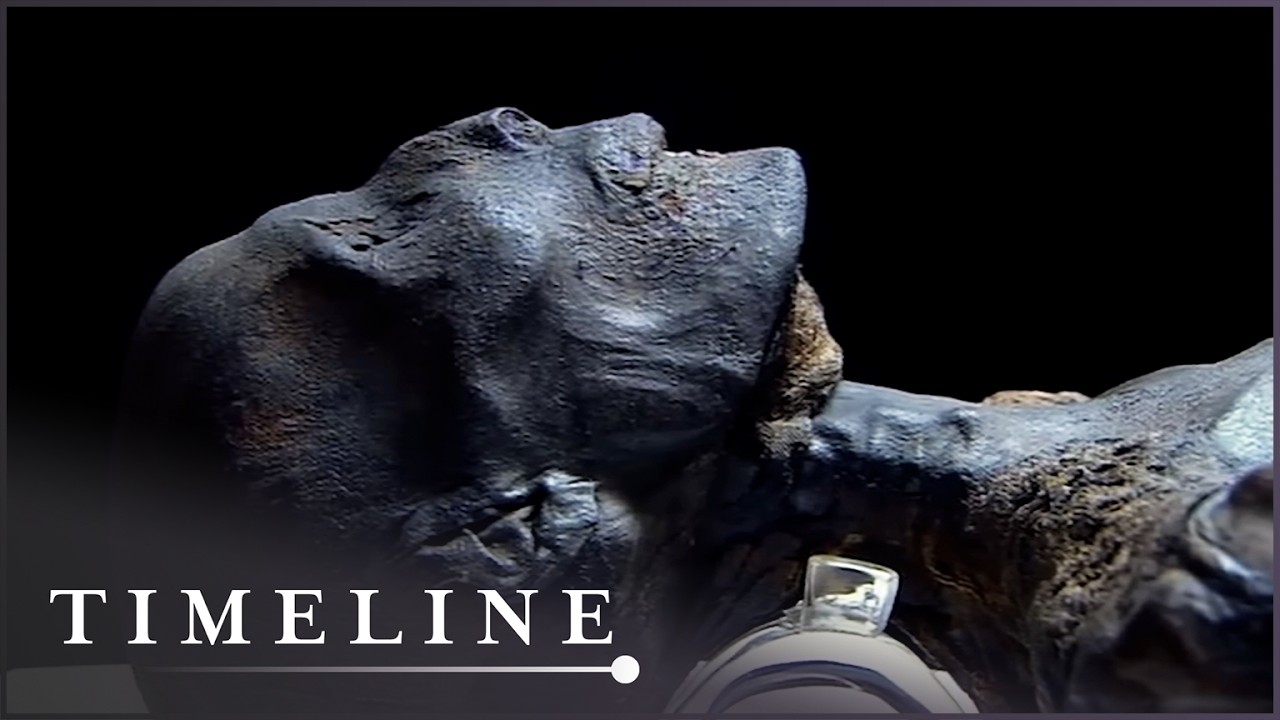
Dr. Joanne Fletcher investigates a mummy found in Bolton Museum, revealing that the individual was likely a victim of a brutal murder.
The Promised Land, considered the most sacred area on Earth, has been contested for millennia, raising questions about its biblical significance and ownership.
Rome's history spans 28 centuries, with ancient temples and amphitheaters integrated into the city's modern urban design.
Renowned archaeologist John Romer examines the influence of the Babylonian exile and Alexander the Great's conquests on the writing of the Hebrew Scriptures.
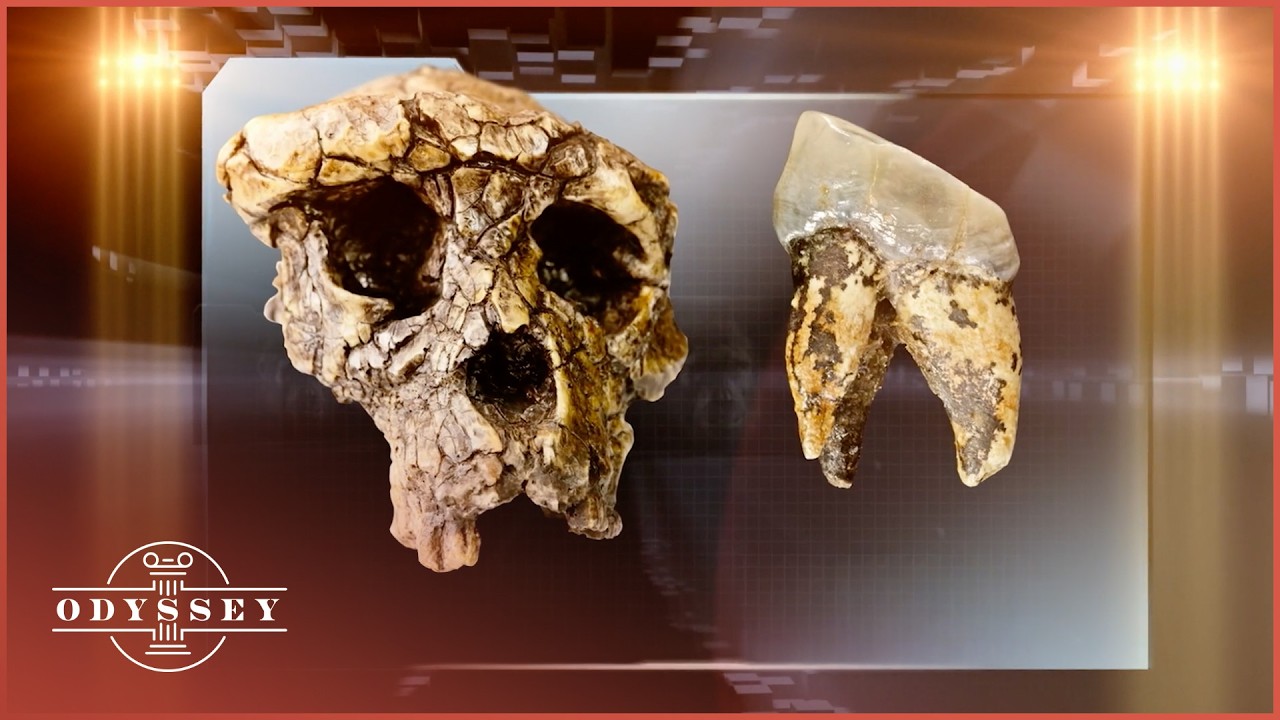
Homo ergaster, the earliest human ancestors from southern Africa, exhibited unique adaptations that paved the way for the evolution of modern humans.
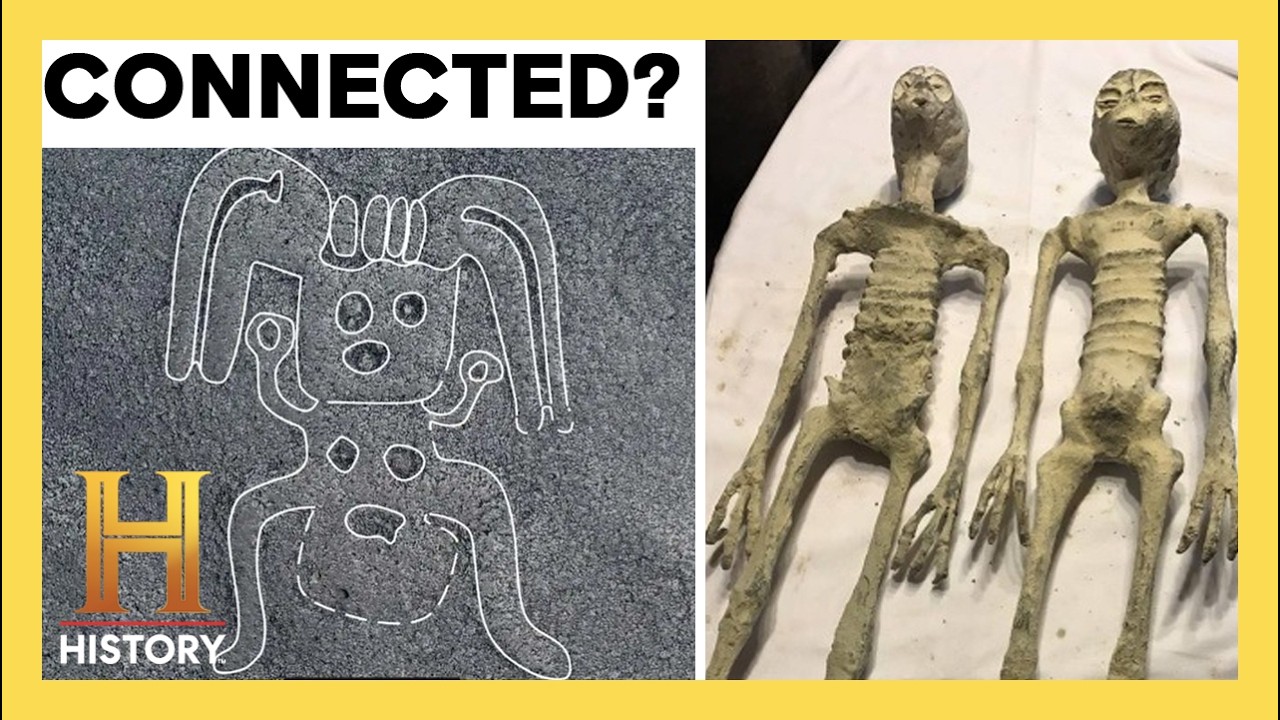
The Nazca Lines in Peru, featuring enormous geoglyphs visible only from the sky, raise questions about their purpose and connection to ancient civilizations and extraterrestrial theories.
Excavations at Jacob's Ford, a Crusader fortress built in 1179, reveal its unfinished state and the brutal siege that led to its fall to Saladin's forces.
Recent fossil discoveries in Greece and Germany, including 11.6-million-year-old remains of Danuvius guggenmosi, challenge the Out of Africa theory of human evolution.
Easter Island archaeologists Terry Hunt and Carl Lipo present a new theory regarding the transportation and construction of the island's iconic moai statues.
Elisabeth Thieriot examines the myths surrounding the December 21, 2012 end-of-the-world theories related to the Aztec and Mayan calendars.
The Trojan War, often regarded as a significant historical event, is examined for its blend of myth and reality, revealing the complexities of its true origins.
Abu Rawash, an ancient Egyptian site near Cairo, reveals insights into the construction and eventual disappearance of a pyramid that has puzzled historians.
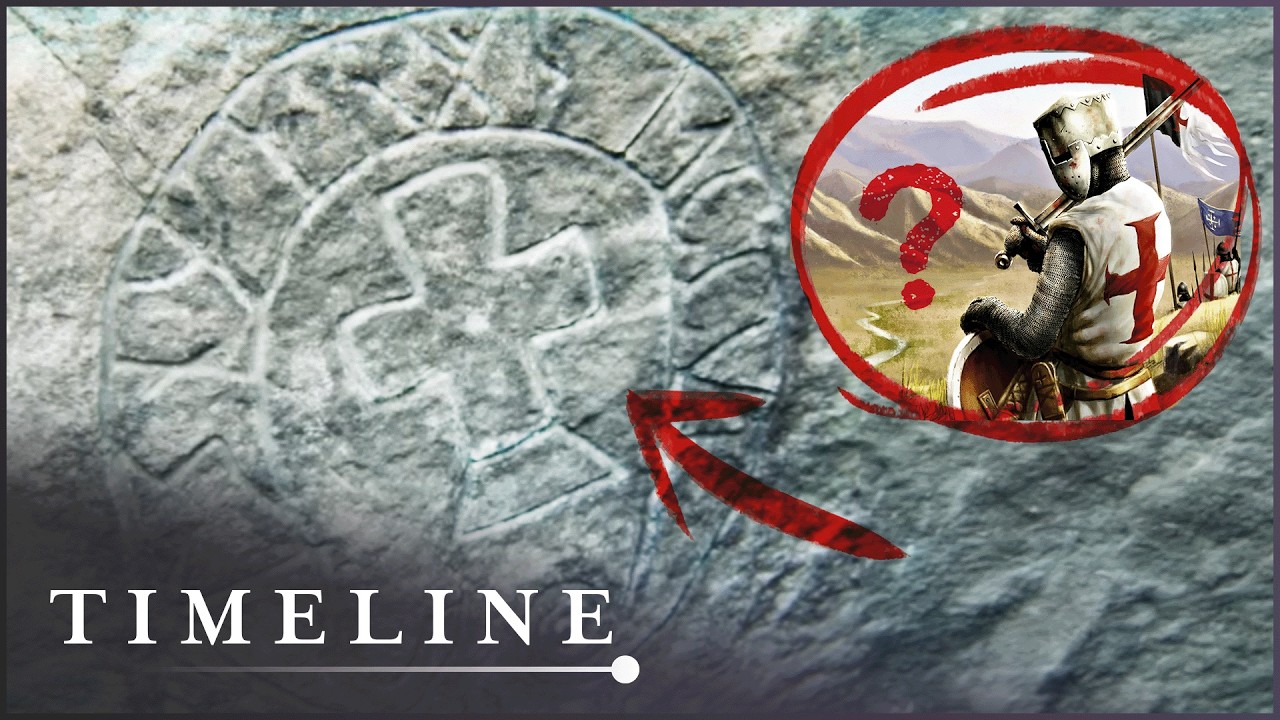
Forensic geologist Scott Wolter investigates the Knights Templar's legacy in America, examining coded symbols and historical sites from Pennsylvania to France.
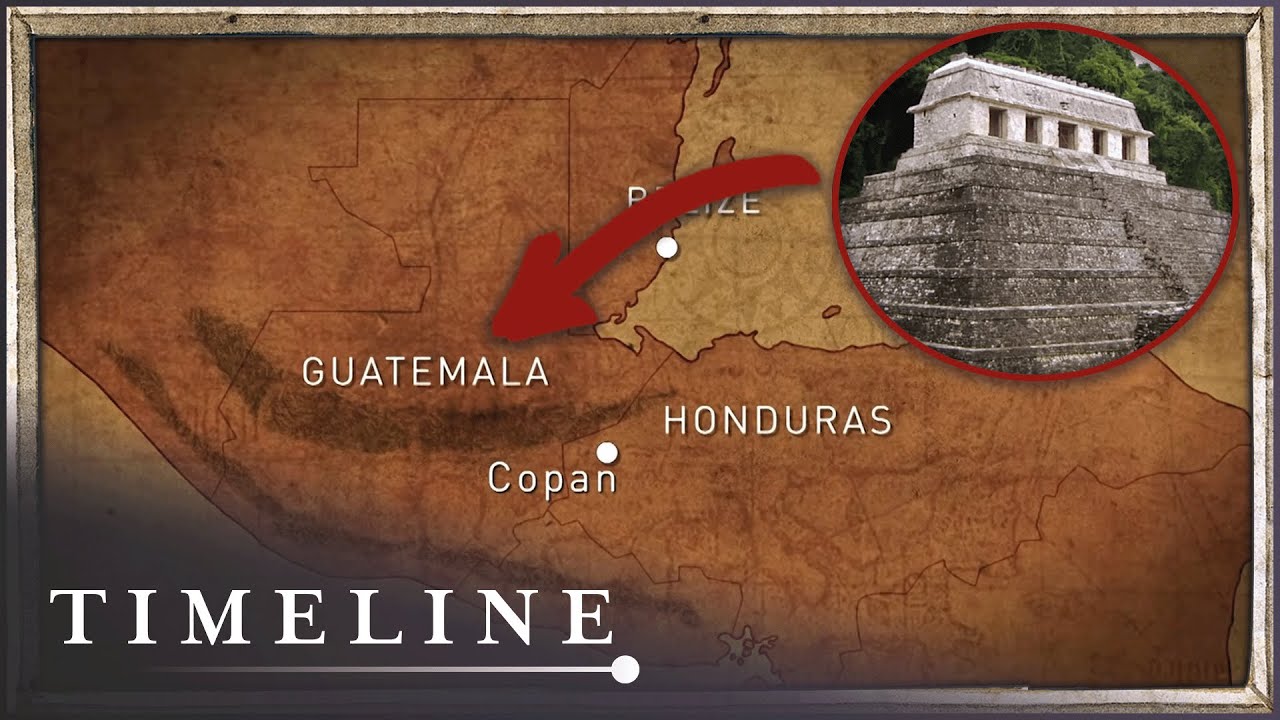
Two explorers uncovered the remains of 44 ancient Mayan cities in the jungles of Central America during their expedition in the 1840s.
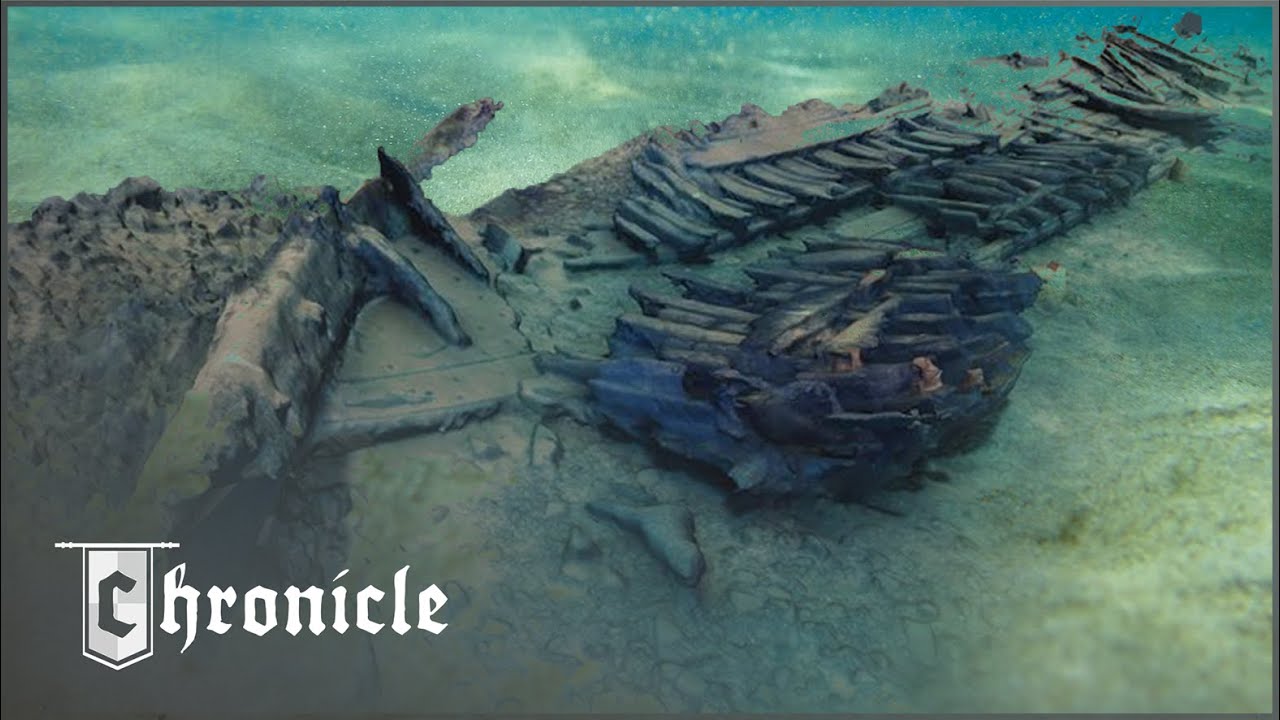
The Gresham Ship, a Tudor shipwreck, reveals insights into Sir Thomas Gresham's maritime ventures and the economic landscape of Henry VIII's England.
In Jerusalem, the excavation of a home foundation reveals 2,000-year-old relics, prompting a comparison between amateur finds and professional archaeological practices.
Richborough, a significant Roman-occupied site in Britain from 43 AD to the Roman departure, showcases its complex history through archaeological remains with insights from Andrew Roberts and Tristan Hughes.
Recent archaeological findings challenge the historical accuracy of the Israelites' conquest of Canaan as described in the Book of Joshua, suggesting a local revolt instead.
In 1817, Giovanni Belzoni's exploration in Egypt led to the discovery of the largest tomb in the Valley of the Kings, belonging to Ramesses the Great.
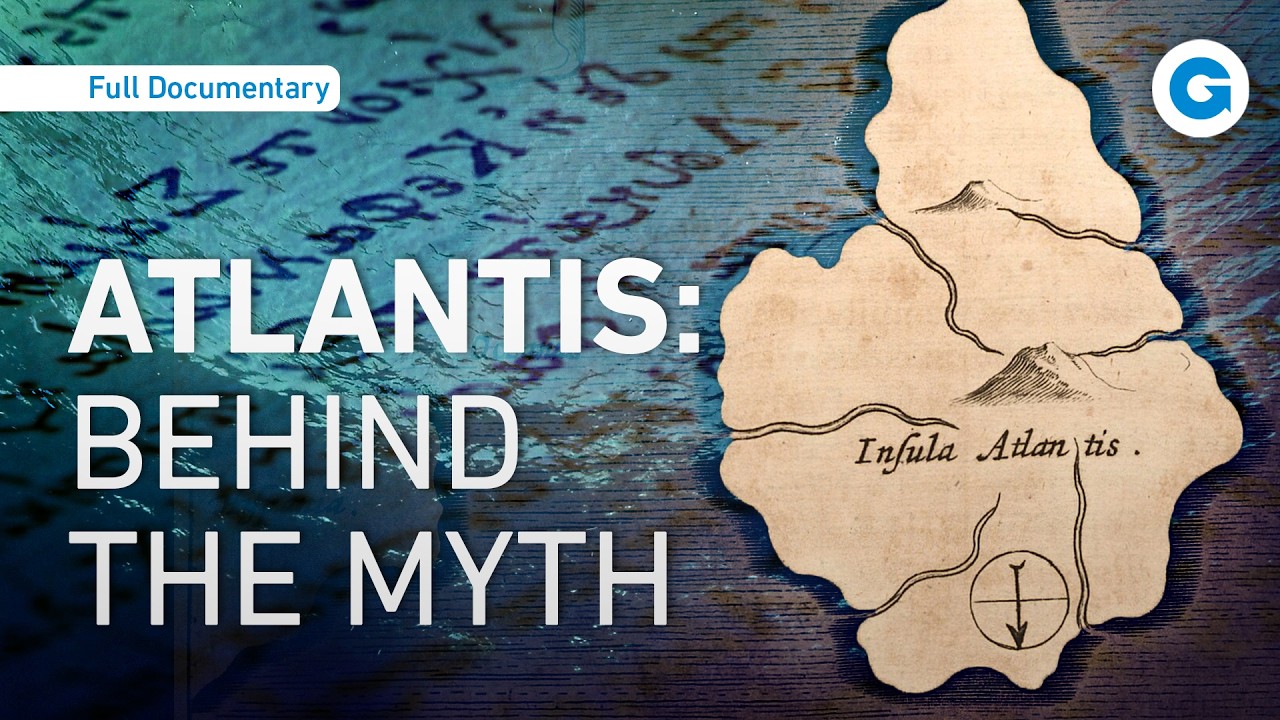
In 373 BCE, the Greek city of Helike vanished beneath the sea, prompting speculation about its connection to the legendary Atlantis.
In Loch Nell, Scotland, forensic geologist Scott Walter investigates a serpent-shaped mound, revealing connections to Ohio's Serpent Mound through ancient rituals and celestial alignments.
Ancient tombs served as visual memorials for the dead, reflecting diverse burial practices across cultures and time periods.
In 1924, the Taung Child skull was discovered in South Africa, prompting Dr. Kevin Kuykendall to investigate its origins and the violent world of Australopithecus africanus.
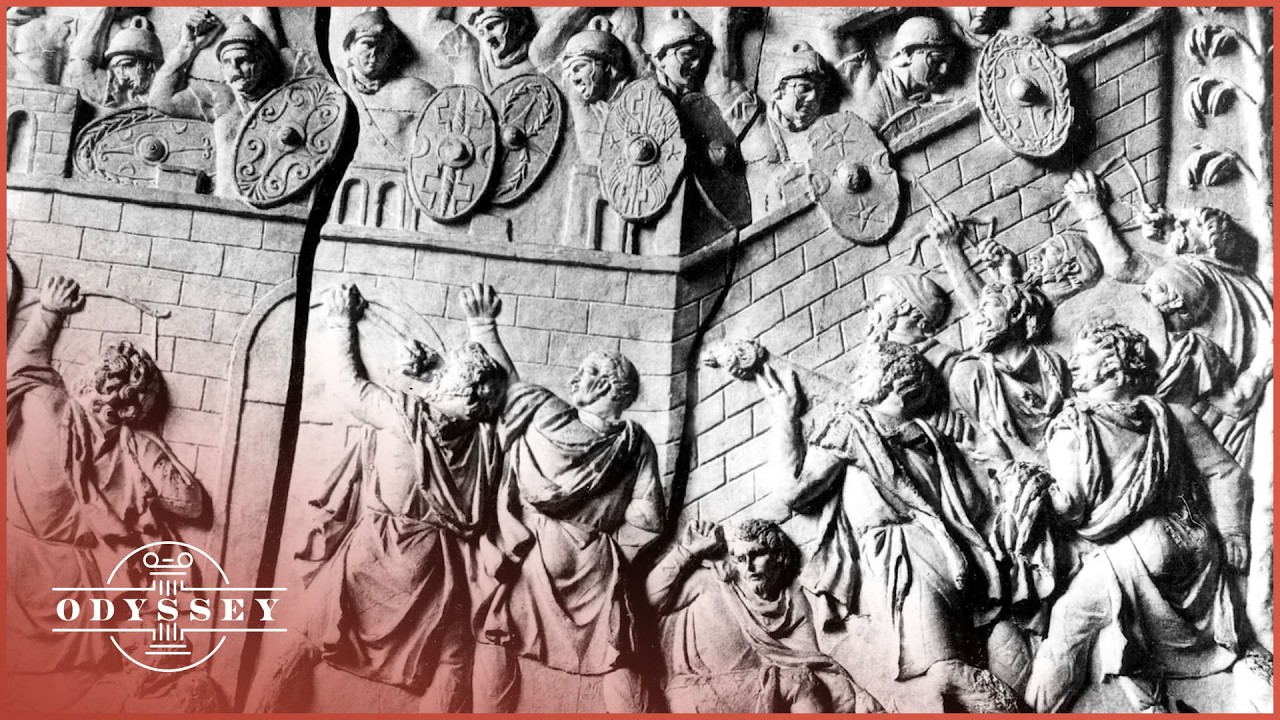
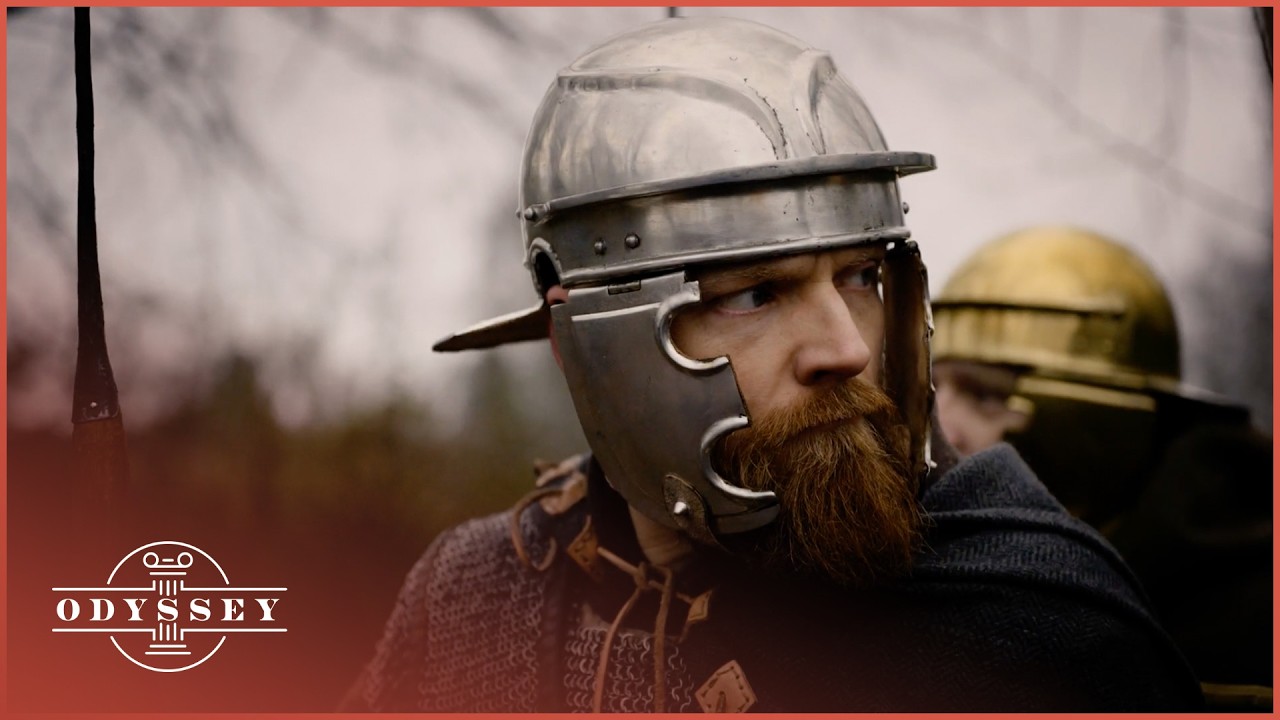
In Kalkriese, Germany, historians and archaeologists reconstruct the Battle of the Teutoburg Forest, examining artifacts and the brutal tactics used in Rome's worst military defeat.
In East Yorkshire, a team of archeologists has excavated the remains of only the third upright chariot burial from Iron Age Britain.
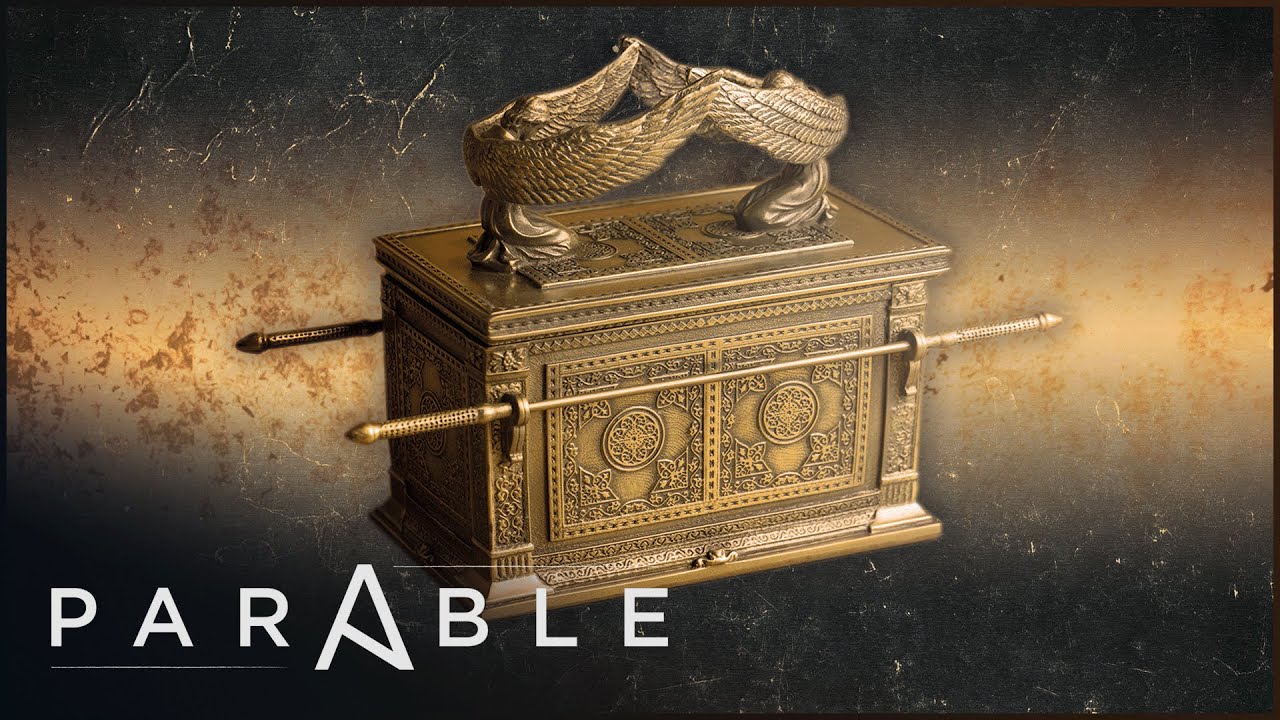
The Ark of the Covenant, a biblical relic associated with immense power and danger, is examined alongside the historical figure of Moses and ancient scientific theories.
Forensic geologist Scott Walter investigates archaeological findings, including Florida's "Bog People" and a 13,000-year-old mastodon carving, challenging traditional narratives of early American migration.
A team from Wessex Archaeology discovers two neolithic henges just three miles east of Stonehenge, raising questions about their purpose and timeline.
For thousands of years, various cultures have believed that talismans can harness hidden energy, providing protection and good fortune.
Fifty-five nobles set sail on the Argo in search of the Golden Fleece, a quest rooted in ancient Greek mythology and historical fact.
In ancient Europe, Druids served as judges, astronomers, and healers, wielding both divine knowledge and brutal power, while engaging in ritualistic human sacrifice.
Controversies surrounding the James Ossuary and Jehoash Stone highlight the complexities of authenticity in the antiquities market, influenced by political factors.
In search of the Great Golden Disc of the Sun, David Adams explores Puncuyoc, the sacred Sister City of Machu Picchu, long sought by Hiram Bingham.
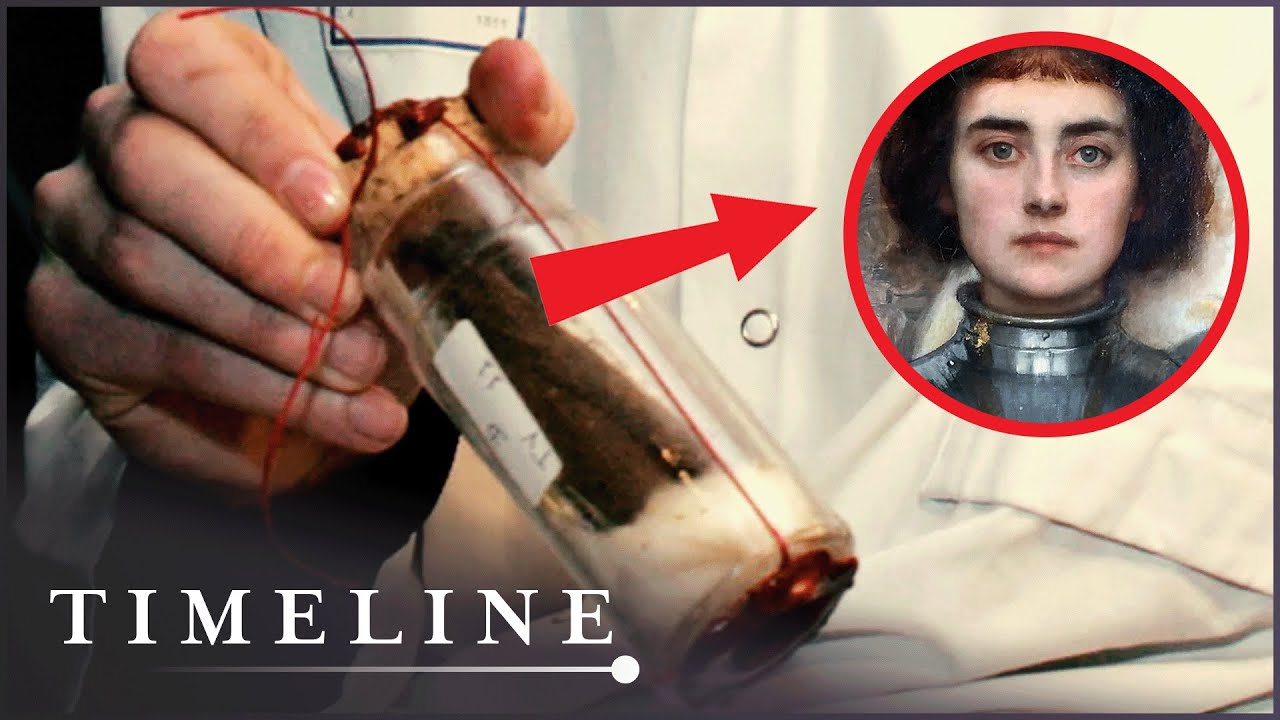
Philippe Charlier investigates remains claimed to be those of Saint Joan of Arc in Paris.
William Ryan and Walter Pitman present their theory linking Noah's Flood to the formation of the Black Sea, supported by evidence from their extensive expedition.
Ancient megacities like Tenochtitlan and Rome are examined for their societal structures and daily life, highlighting their impact on human civilization.
At 70 meters high, Temple 4 in Tikal is the second highest pyramid ever built, following the Great Pyramid of Giza.
In a remarkable forensic archaeology case, experts analyze the remains of a mother buried with three infants in the UK, revealing insights into ancient life and death.
In October 2017, astronomers at the Pan-STARRS observatory detected 'Oumuamua', the first known interstellar object, sparking debates about its origins and nature.
Mapungubwe, an ancient city on South Africa's northern border, served as a vital center of trade for centuries and reveals a thousand years of untold history.
Over 4,000 ancient documents have been brought to light by professor James Charlesworth, who believes many more scrolls remain undiscovered.
New scientific research indicates that climate change drove the Vikings from Scandinavia to establish settlements and an empire in Britain and Ireland, including Dublin's Viking harbour.
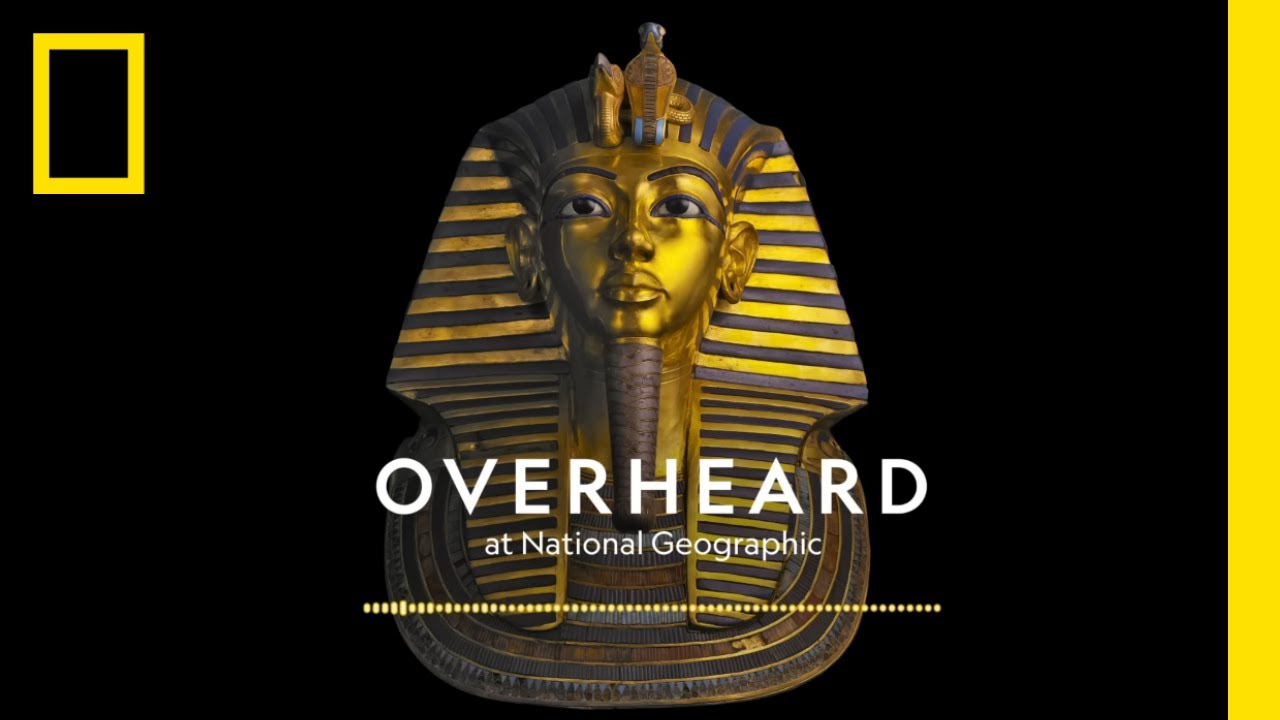
King Tutankhamun's tomb continues to intrigue archaeologists like Fred Hiebert and Salima Ikram, who explore the mysteries surrounding his burial and missing heart.
Controversies surrounding the James Ossuary and Jehoash Stone illustrate how politics complicates the scientific assessment of ancient artefact authenticity.