From over 100,000 films, discover the handful you'll love.
Free or premium access to the world's largest documentary library.
2305 films(Page 28 of 49)
In southern Britain, archaeologists have uncovered a significant unrecorded Ancient Roman fort, revealing its crucial role in the Roman Empire's presence in the region.
In Greece, historian Dan Snow investigates the historical and archaeological evidence surrounding the legendary lost city of Atlantis, as described by Plato.
In Ethiopia, a solitary monk claims to possess knowledge of hidden truths in history, challenging established narratives through expert interviews and investigations.
Viking seafaring expeditions across Europe led to the accumulation of vast treasures in gold and silver, explored in Season 4, Episode 12 of History's Greatest Mysteries.
Ancient petroglyphs around the world, featuring human-like figures and flying craft, are ranked in Season 19, Episode 20 of Ancient Aliens.
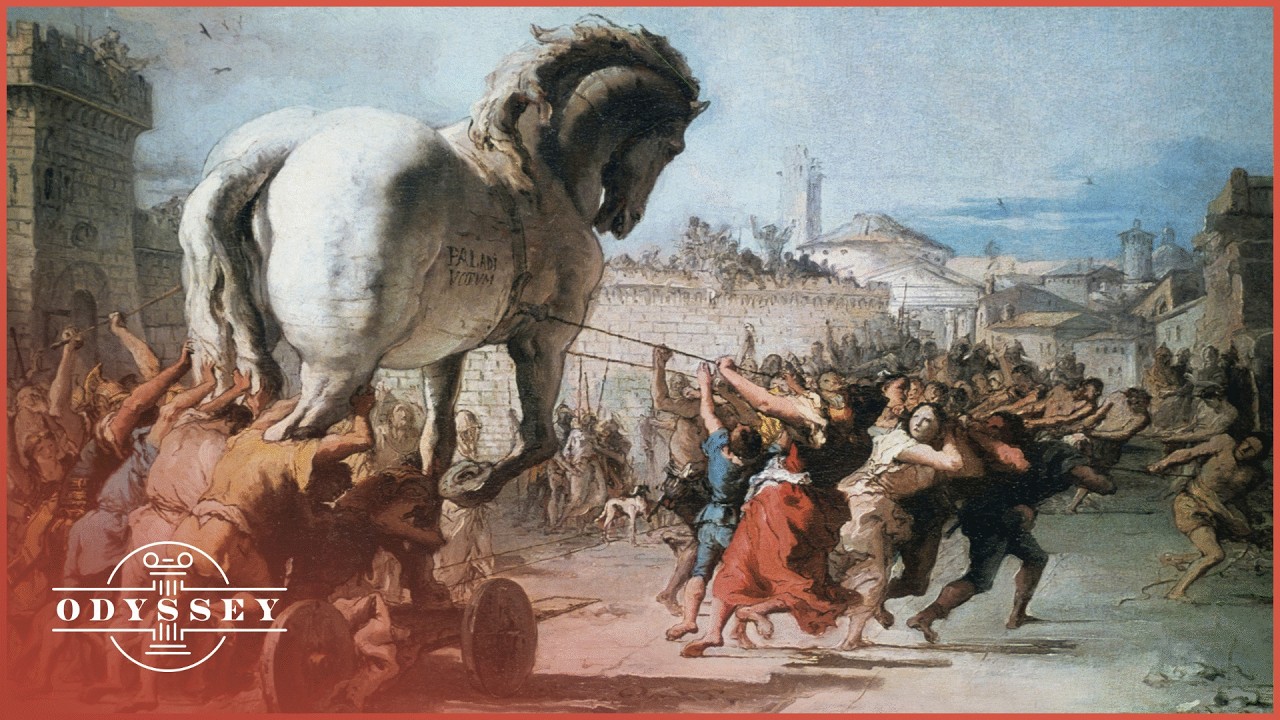
Troy, located atop Turkey's Hissarlik hill, evolved from a modest village into a fortified city, enduring multiple reconstructions and inspiring ongoing archaeological research.
Scott Wolter investigates the significant removal of 1.5 billion pounds of copper from Lake Superior, linking it to a prehistoric civilization and the Bronze Age.
Lugdunum's aqueducts stretched over 200 kilometers, making it the second largest water supply system in the Roman Empire after Rome itself.
22,000 blocks of marble weighing 100,000 tons were used to construct the Parthenon, a symbol of ancient Athens' architectural achievements.
Explorer Tara Roberts, computer scientist Gloria Washington, and photographer Ruddy Roye discuss their work reimagining Black history through maritime archaeology, AI, and photojournalism.
Ancient China's archaeological treasures, including jade armor and vast tomb complexes, are examined by leading experts in this exploration of historical mysteries.
Tall el-Hammam in modern-day Jordan has been identified by archaeologists as a potential site of the biblical city of Sodom, destroyed by a cataclysmic event.
Brothers Rick and Marty Lagina return to Oak Island, Nova Scotia, to search for clues related to a 200-year-old treasure mystery after dating a Spanish coin to 1652.
George Mallory and Andrew Irvine's early attempts to summit Mount Everest are examined alongside the successful 1953 ascent by Edmund Hillary and Tenzing Norgay.
In the heart of Paris, the Sainte-Chapelle and the Conciergerie exemplify medieval architectural ingenuity through advanced construction techniques and enduring design.
Gobekli Tepe, long considered humanity's oldest monument, faces new scrutiny as research suggests its sister site, Karahan Tepe, may be even older.
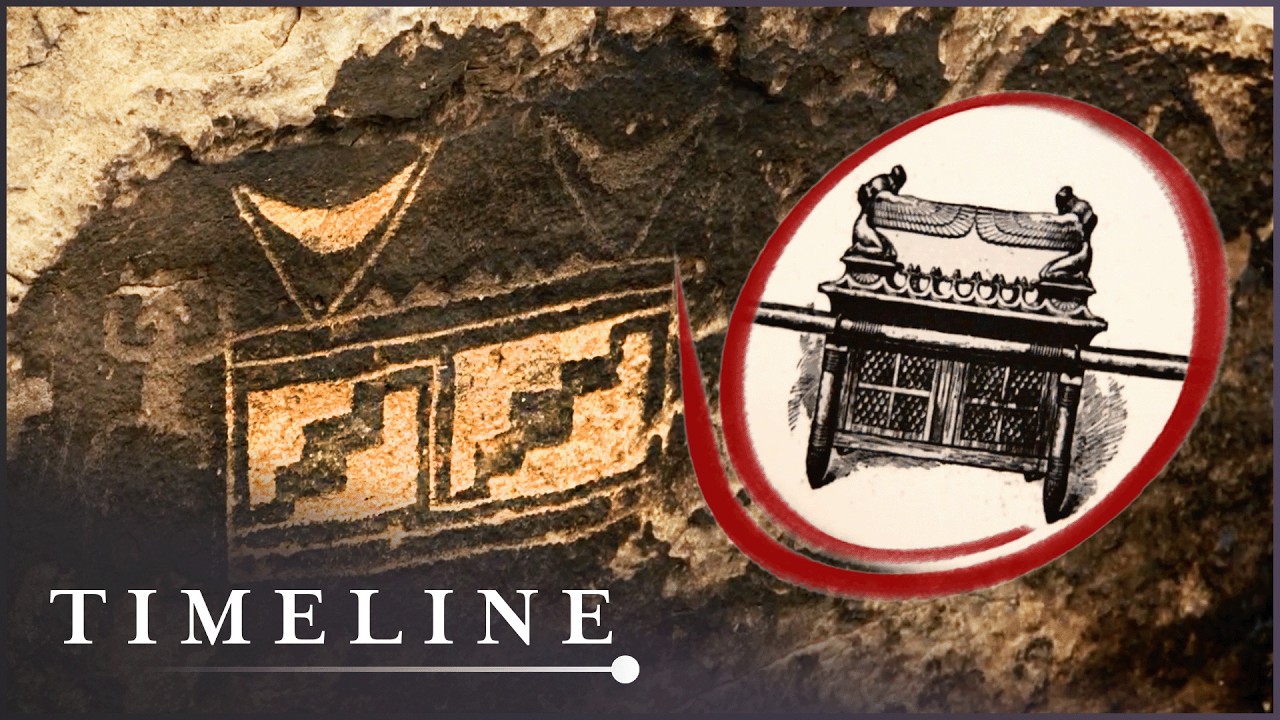
The Ark of the Covenant, a wooden chest said to hold the Ten Commandments, disappeared from religious records around 597 BC and may be in the United States.
Lugdunum, the ancient capital of the Gauls, was once the largest city in France, and its rise and decline are explored through archaeological findings in Lyon.
Three million shipwrecks exist around the world, with an estimated thousand ships lost each year, many containing valuable cargoes.
In 60 CE, Spiculus, the favored gladiator of Emperor Nero, rises to prominence as a symbol of power and spectacle in Imperial Rome.
In northwest Turkey, archaeological findings challenge the perception of the Trojan War as mere myth, revealing connections to Homer's The Iliad and Bronze Age history.
In Mississippi, Mike Wolfe and Frank Fritz find a 65-million-year-old dinosaur bone, which is appraised by the curator of the Mississippi Museum of Natural Science.
A lone berserker's last stand on an English bridge in 1066 marked a significant moment in the history of Viking warfare.
In Afghanistan's Bamiyan Valley, David Adams explores the historical significance and remnants of the ancient Buddhas destroyed by the Taliban in 2001.
King Arthur's fabled grave at Glastonbury Abbey, Ivan the Terrible's lost library in the Kremlin, and Japan's Honjo Masamune sword are investigated for their historical significance.
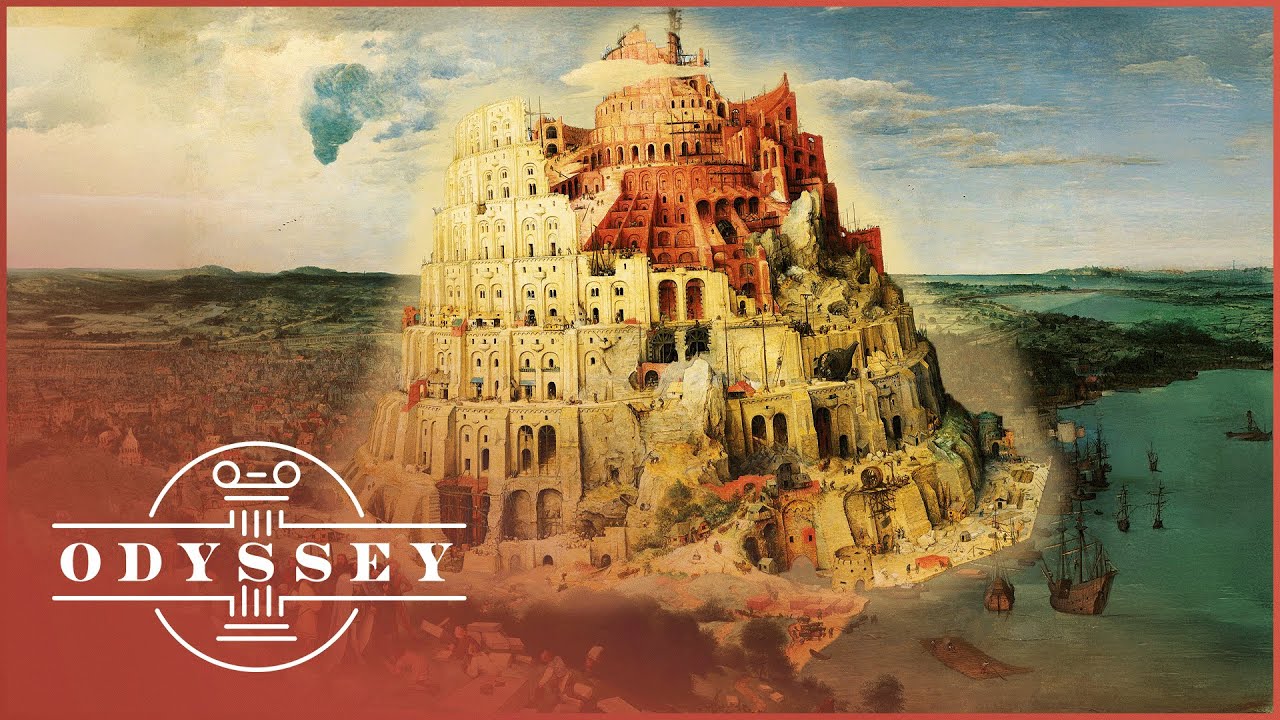
Modern explorers investigate biblical events such as the Great Flood, the Tower of Babel, and the Holy Grail, seeking historical truths behind these ancient stories.
Tutankhamun's mask, nearly 3,500 years old, may contain erased hieroglyphics that could reveal the name of its original owner.
Forensic geologist Scott Wolter investigates the legend of the Menehune in Hawaii, examining evidence that suggests these ancient builders may have existed.
Tutankhamun's tomb is reconstructed using 2D and 3D imagery to explore its significance in shaping Egyptian history and the Valley of the Kings.
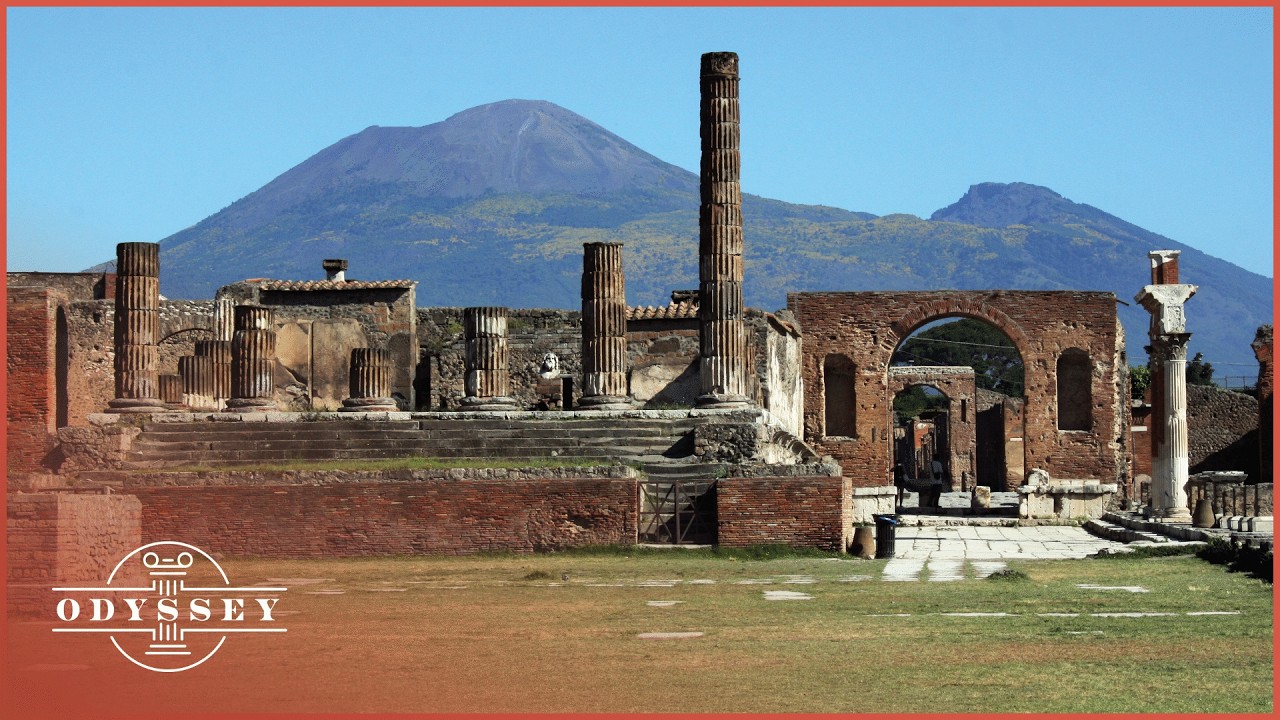
Mount Vesuvius's catastrophic eruption in 79 AD buried the Roman city of Pompeii, preserving its remnants and offering insights into ancient civilization.
Joshua, a central figure in the Old Testament, is examined for his historical existence and the lack of archaeological evidence supporting his conquests in Canaan.
California's hidden history reveals that the buried secrets of Old Hollywood may be stranger than the stories portrayed on screen.
Bill Saturno presents evidence that the Maya civilization anticipated the continuation of time beyond 2012, challenging common misconceptions about their calendar.
Prehistoric Europe experienced dramatic transformations, from tropical rainforests and ancient supervolcanoes to the arrival of Neanderthals and the rise of the Roman Empire.
Massive stone monoliths, ancient energy spheres, and buried giant figures are examined for their significance and the motivations behind their construction.
Last year, customs officers intercepted over 65 antiques, including sculpted stones valued at 250,000 euros, linked to the illegal trade from war zones.
Dr Alice Roberts examines archaeological findings across ancient British sites, from prehistoric landscapes to Viking settlements, highlighting the cultural heritage of the region.
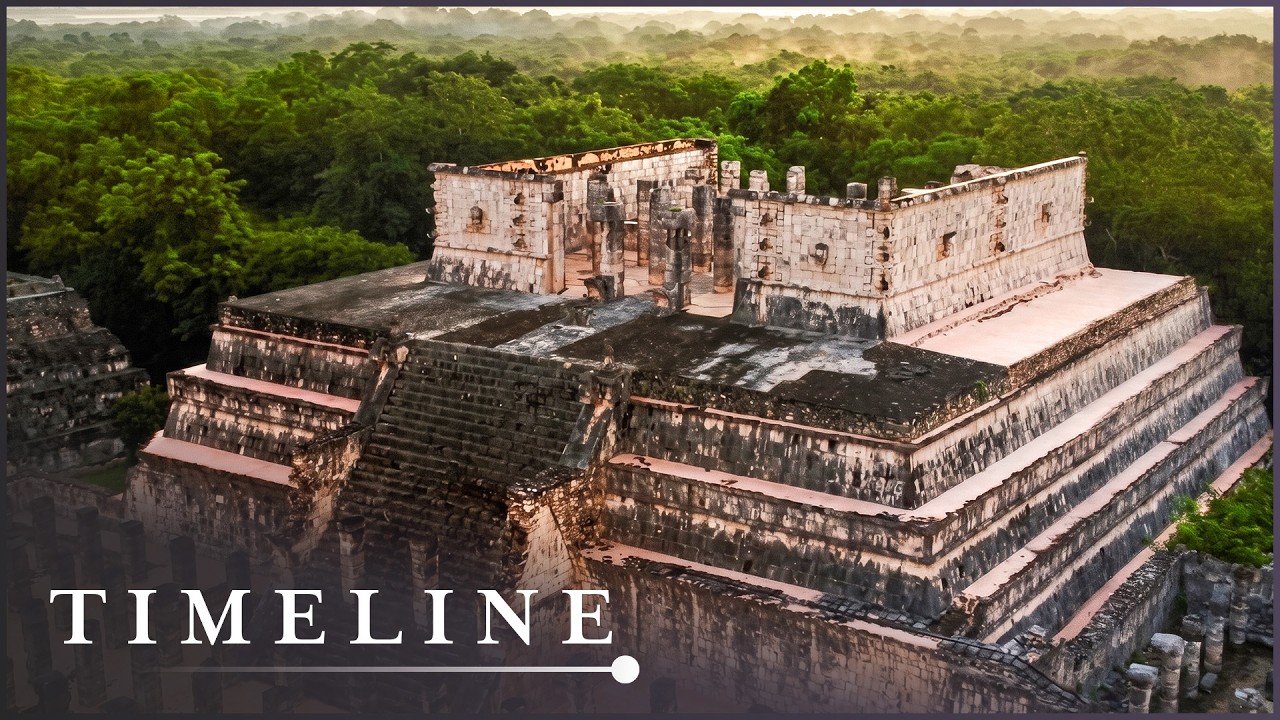
Mesoamerica's most powerful empires, including Chichen Itza, Tikal, and Teotihuacan, experienced sudden collapses despite their advanced engineering and complex societies.
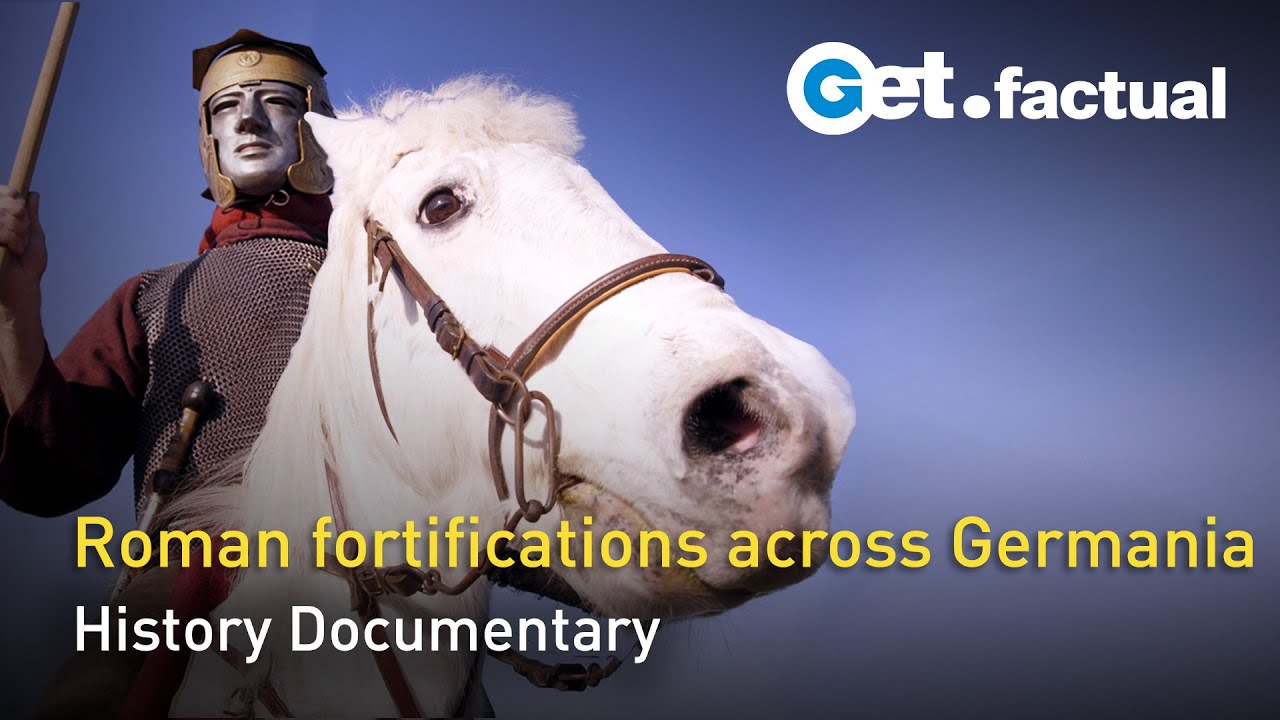
A straight line of watchtowers, part of a 5,000-kilometer border, marked the Roman Empire's defenses against tribes in Germania.
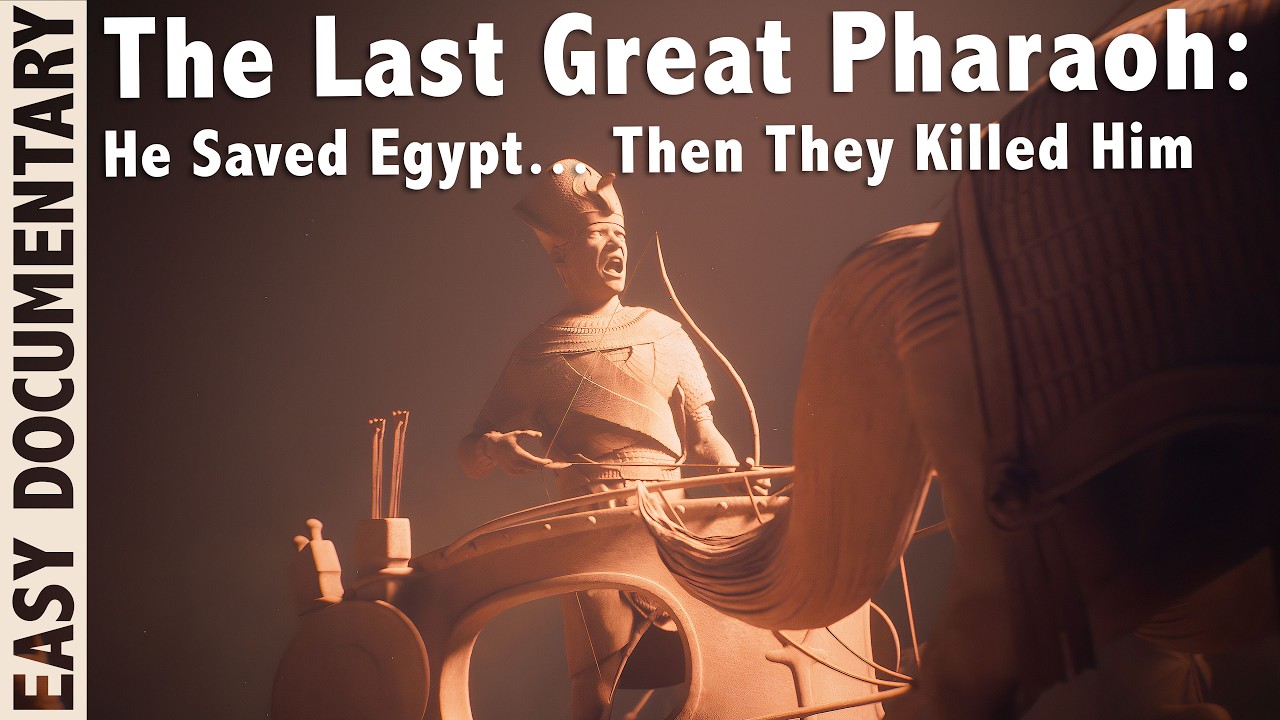
Ramesses III, the last great pharaoh of Egypt, fought off invasions and was ultimately betrayed and murdered by those closest to him, revealing a conspiracy documented in the first judicial papyrus.
In Canada, paleontologists explore fossil-rich sites to piece together the prehistoric world, revealing insights into ancient ecosystems and dinosaur behavior.
Forensic archaeology experts in the UK utilize DNA analysis and isotopic testing to examine human remains, revealing identities and historical narratives from the past.
A 2,400-year-old body discovered in a Danish bog reveals insights into ancient burial practices and preservation techniques.
Palaeontologist Jack Herer leads groundbreaking research in Argentina and Wyoming, revealing insights into dinosaur behaviour and evolution through newly discovered embryos.
Pompeii, once a modest settlement, evolved into a thriving Roman supercity through innovative urban planning, advanced engineering, and strategic trade along the Sarno River and Tyrrhenian Sea.
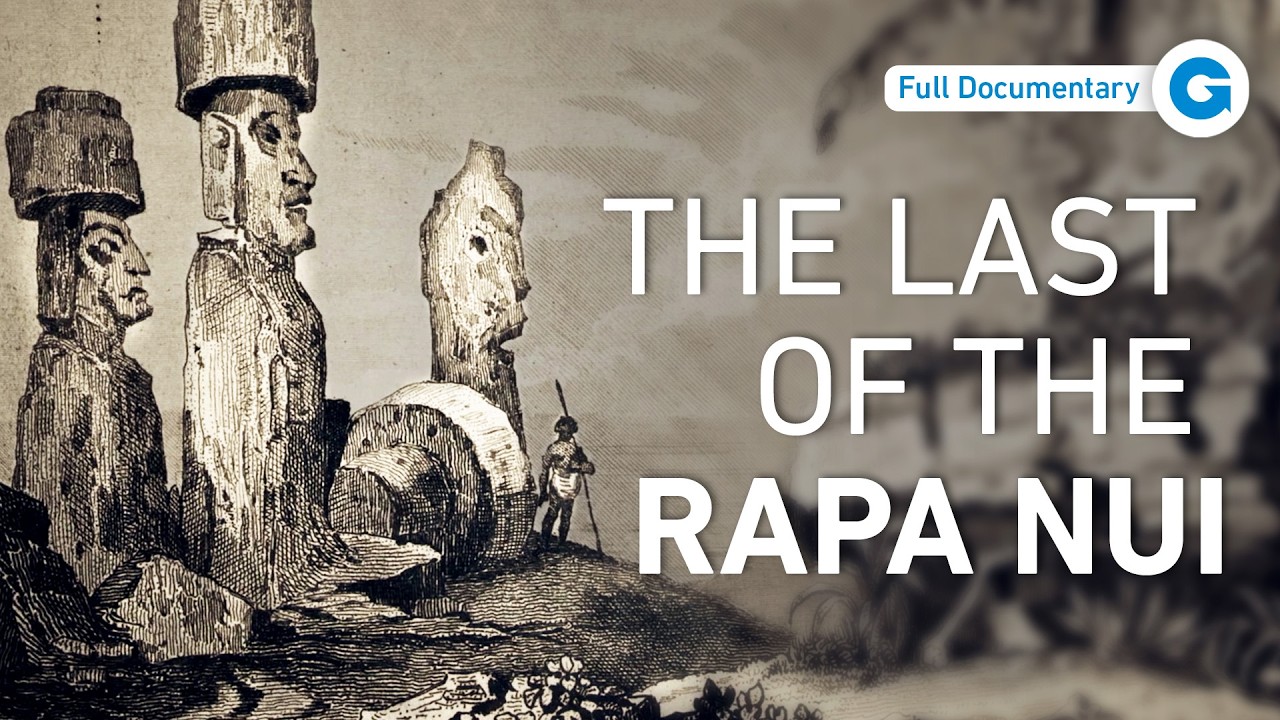
Easter Island's Rapa Nui civilization experienced a catastrophic decline due to internal conflict and subsequent societal collapse, leaving their rich culture largely forgotten.
An army of workers built a 800-foot wide, 100-foot tall set for Cecil B. DeMille's 1923 silent film "The Ten Commandments," which later vanished.
Ancient Egypt's enduring monuments, including the Pyramids and the Karnak Temple, reveal insights into the civilization's remarkable legacy and cultural significance.