From over 100,000 films, discover the handful you'll love.
Free or premium access to the world's largest documentary library.
2305 films(Page 41 of 49)
The Timna Valley mines reveal that not all workers were enslaved, despite rich diets found.
Ancient stone troughs at Gobekli Tepe in eastern Turkey, dating back 11,000 years, suggest early humans engaged in complex social practices beyond survival.
Three timber platforms, dating back 11,000 years, were discovered at Star Carr in Yorkshire, revealing insights into Mesolithic life and possible ritual practices.
In 1947, Bedouins near the Dead Sea found ancient copper scrolls that transformed Biblical scholarship and provided crucial insights into ancient manuscripts.
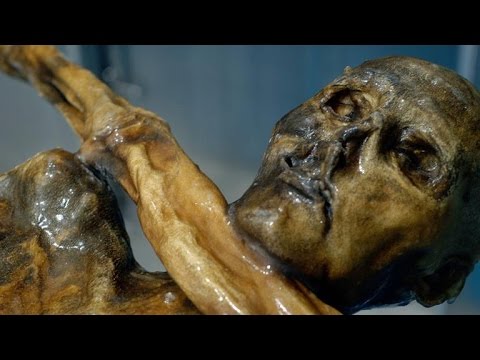
In the Ötztal Alps, hikers Erika and Helmut Simon find the frozen remains of Ötzi, a 5,300-year-old corpse that provides insights into prehistoric life.
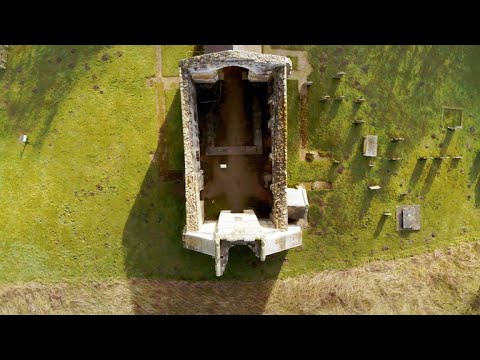
Archaeologists discovered a pit containing over 100 human bones near the church in Wharram Percy, raising questions about burial practices in the medieval village.
KV-64 tomb in Egypt reveals dual burials, including a lost princess of a high-ranking priest.
Palenque, an ancient Mayan city in Mexico, is celebrated for its stunning architecture and as the burial site of the legendary king Pakal the Great.
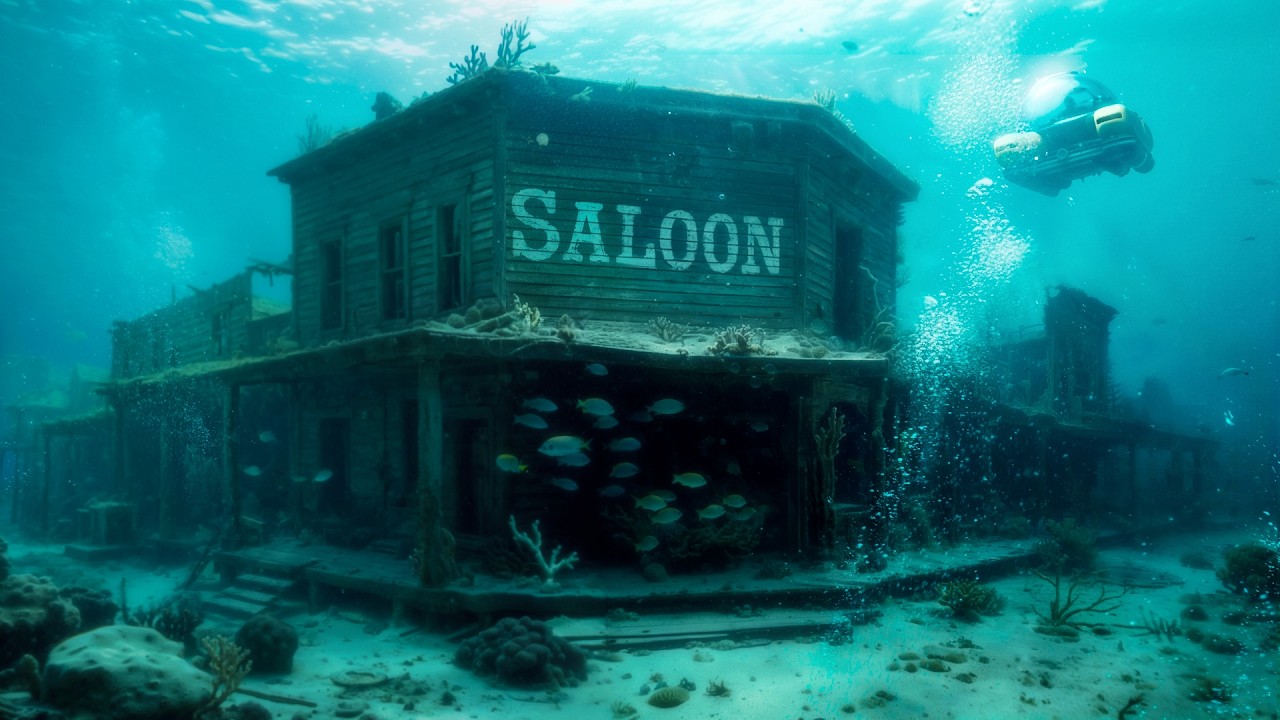
In 373 BCE, the city of Haliki vanished beneath the waves, leaving its location a complete mystery in classical archaeology.
The Amesbury Archer burial site near Stonehenge reveals significant Mesolithic artifacts.
Yunnan province in China reveals 76 Lufengosaurus specimens from the Jurassic era.
Structures at Göbekli Tepe are at least 12,000 years old, making them the oldest monumental structures ever found.
The Leshan Giant Buddha in China is a revered ancient site carved from Mount Emei.
Gobekli Tepe in Turkey, with its intricate stone structures, is over 6,000 years older than Stonehenge, challenging previous beliefs about ancient civilizations.
A newly discovered pyramid yields a royal tomb for a mystery woman, raising intriguing questions.
Cardiff Castle, built during William the Conqueror's time, remains a Welsh icon today.
The Great Temple of Amun was constructed over 3,000 years ago and served as the home of the most important deity in ancient Egypt.
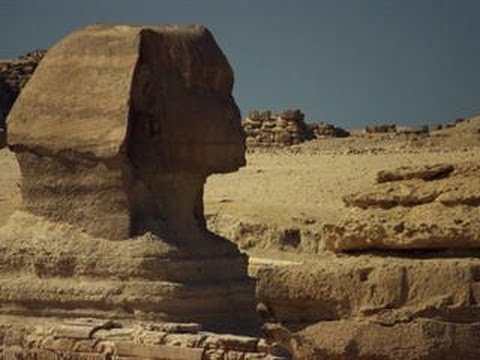
Some archeologists theorize the Great Sphinx of Giza was originally a lion.
This Spanish video highlights the ancient city of Tiahuanaco near Lake Titicaca.
Lake Titicaca in Bolivia is home to the ancient site of Tiahuanaco and the sacred islands of the sun and moon, where local traditions honor Pachamama and Viracocha.
The Ashmolean Museum at Oxford University, established in the 17th century, showcases a vast collection of art and antiquities reflecting its historical significance.
In Lake Lanier, Georgia, advanced scanning technology reveals the submerged remnants of a once-thriving community, highlighting its history and personal stories.
Ancient underground cities in Turkey reveal the architectural ingenuity of past civilizations and their significance as refuge and living spaces throughout history.
The Great Pyramid of Giza, an iconic symbol of ancient Egypt, is examined for its historical significance and architectural features, revealing its hidden secrets.
Charles IV of Bohemia wields the Spear of Destiny to enhance his power and image.
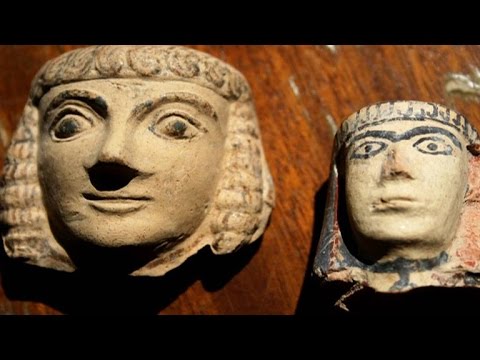
Aphrodite's origins may link to Eastern civilization, revealing her influence on Greek mythology.
The video discusses theories that King Tut's tomb may have been built for a woman.
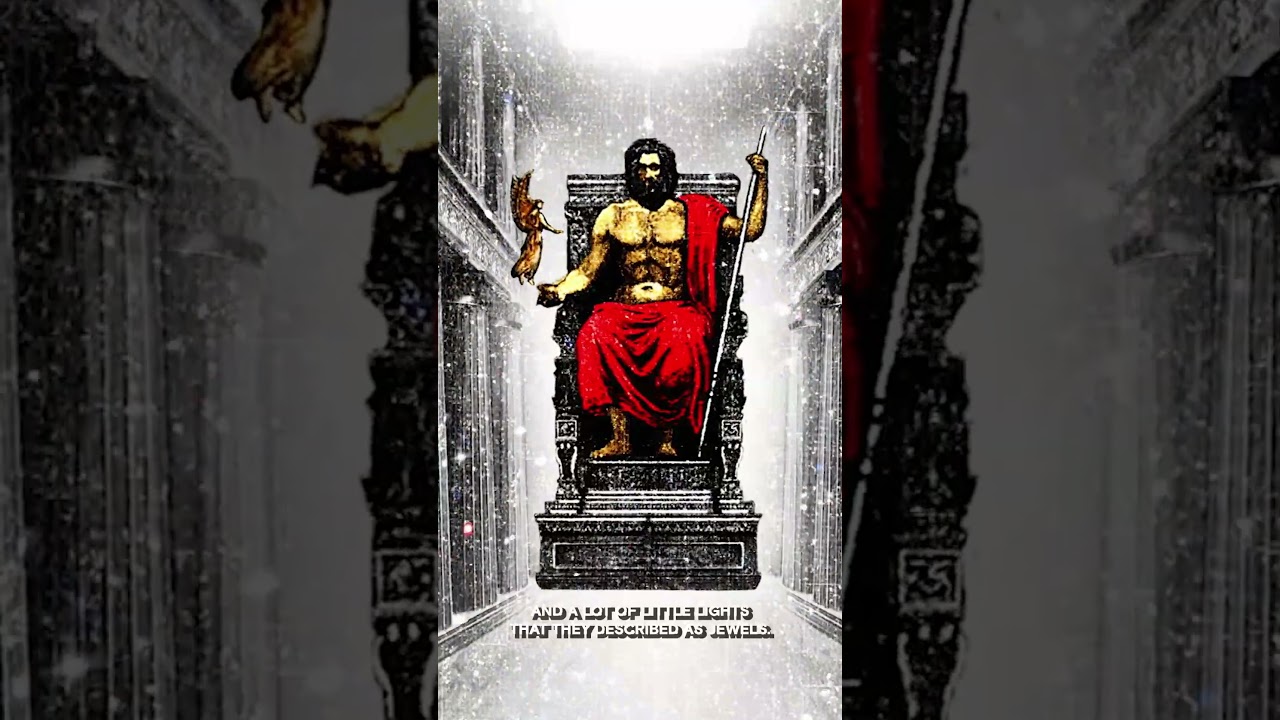
Watch Ancient Aliens returning on Aug. 29, exploring Mount Olympus as an alien spaceship.
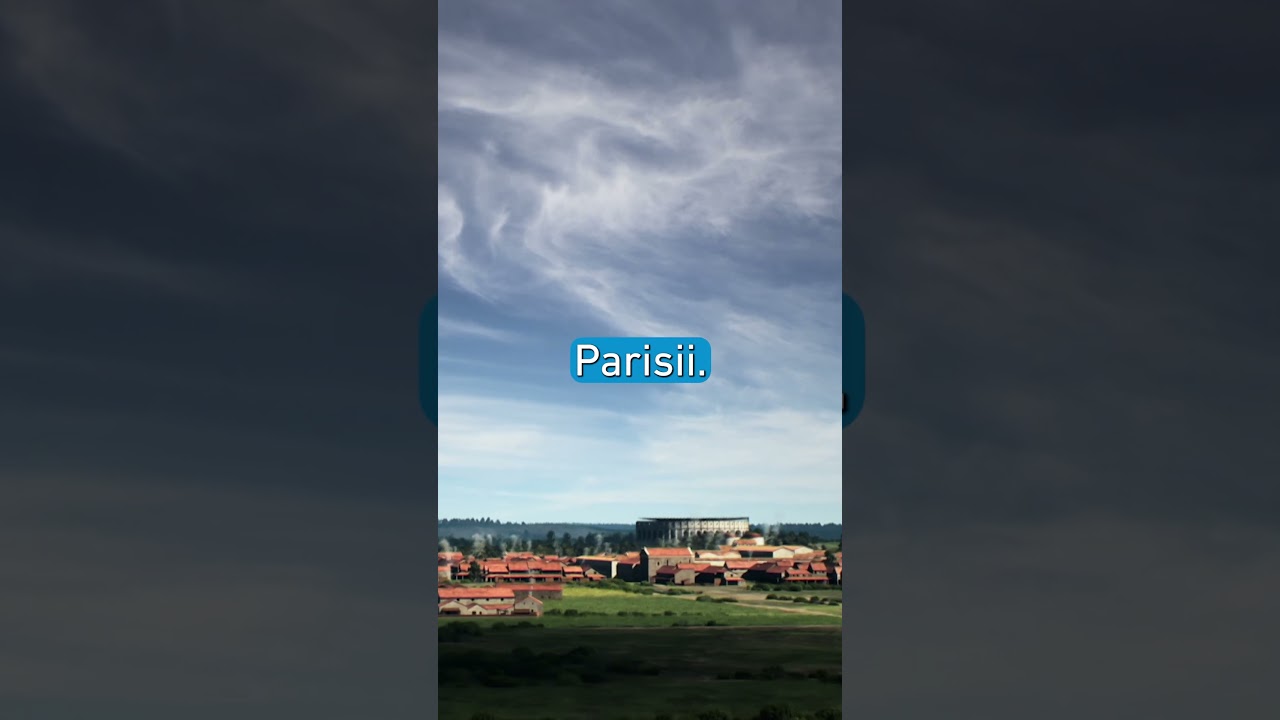
Paris's origins are examined through the lens of Celtic history, questioning the extent of their influence on the city's founding.
A 2,000-foot ridge supports Krak des Chevaliers Castle, which features a lethal entrance designed to trap invading armies through a narrow killing zone.
Whoever robbed the ancient Egyptian tomb KV-64 did so before Nehmes Bastet's burial.
At Sandby Borg, archaeologists analyze the remains of ancient warriors, revealing evidence of an ambush that raises questions about pre-Viking tribal conflicts.
A Spanish burial ground features design elements intended to prevent revenants from rising, revealing intriguing historical and cultural legends.
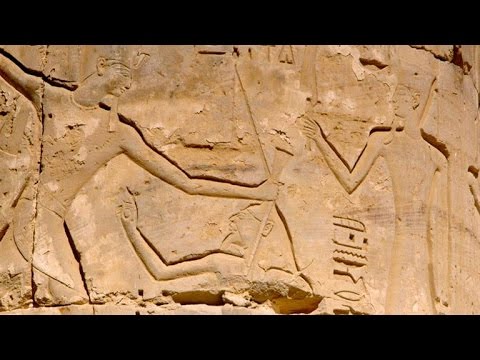
Researchers reveal the truth behind grand depictions of The Pharaoh in battle.
Otzi the Iceman, despite being ancient, had surprisingly high-tech hiking gear for survival.
Researchers believe that caves with wall paintings served as spiritual sites for initiation ceremonies in the Stone Age.
Researchers analyze Turkish forts to reveal insights about the Great Arab Revolt.
Gladiator school offers comfort and strict training for fighters, uncertain if voluntary or prison-like.
Colossal stones weighing six tons were cut to block the passageways of Han dynasty tombs, designed to protect valuable relics from tomb raiders.
In 1961, archaeologists in southern Israel uncovered documents that reveal the significant social status and agency of Nabataean women in first-century Petra.
Ancient Carthage, a powerful city-state in present-day Tunisia, is explored through its rich history and cultural significance in this documentary.
Most people believe the Great Wall of China was built at once, but it took centuries to construct.
New evidence suggests King Djedefre may have built the Great Sphinx after all.
A gilded wooden box and a miraculous healing cup, revered by cultures and sought after by emperors and popes, highlight the historical significance of mystical objects.
The Great Sphinx in Giza protects the tombs of Khafre and Khufu, raising questions about its face.
Krogan Man, found in a bog in central Ireland, had well-trimmed nails and a leather armlet, suggesting he held a high social status in ancient society.
The historic Salisbury Plain features Mesolithic Post Holes that reveal ancient human activity.
Sections of the original first-century Roman wall in Caerwent rise up to 17 feet high, making it one of the most perfectly preserved fortifications in northern Europe.