From over 100,000 films, discover the handful you'll love.
Free or premium access to the world's largest documentary library.
2305 films(Page 32 of 49)
At the end of World War II, a team of experts, including Robert Edsell and historian James Holland, investigates Hermann Göring's missing multi-billion dollar art collection.
Stonehenge, Hadrian's Wall, and the Pyramids of Giza are examined by archeologists to reveal insights into their construction and historical significance.
Lot's cave, the tombs of Abraham, Isaac, and Jacob, and the oak where the Lord appeared to Abraham are explored near the Dead Sea.
Desert cliffs in Wadi Rum rise up to 400 metres high, revealing a rich history of Bedouin culture and ancient trade routes in Jordan and Iran.
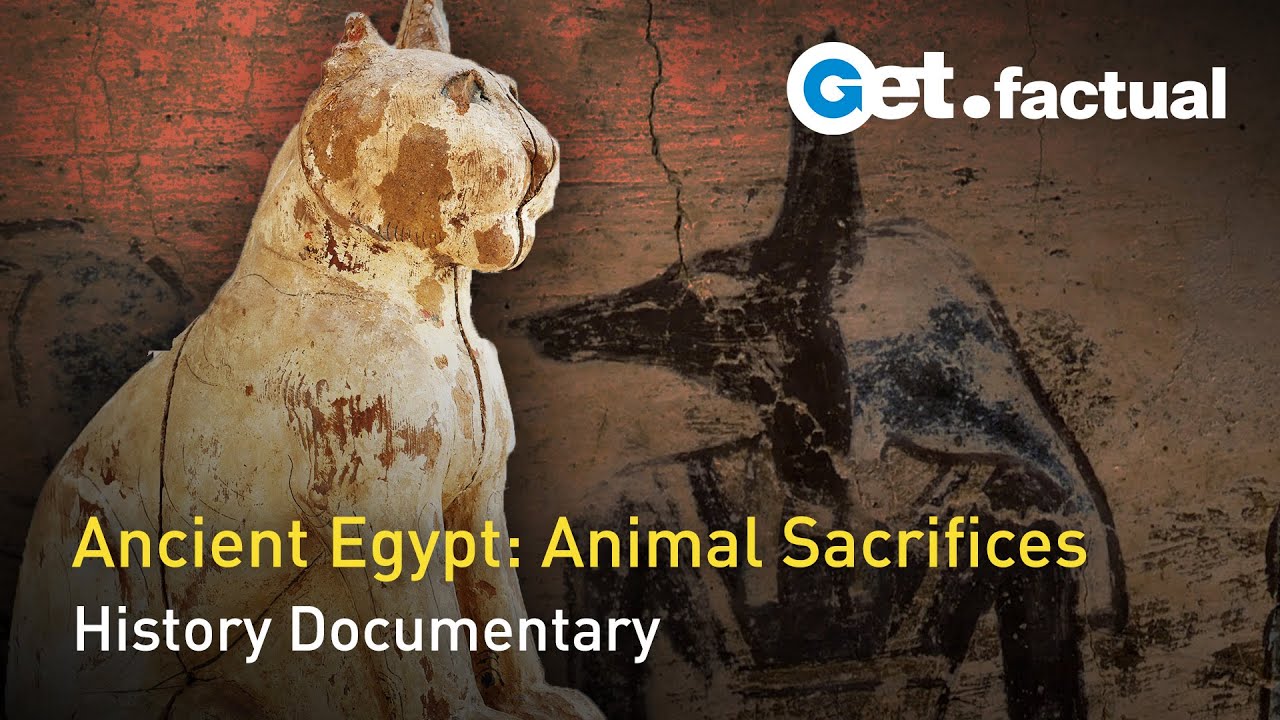
180,000 cat mummies were destroyed in the 19th century, yet countless others remain, raising questions about ancient Egyptian animal mummification practices.
Teotihuacan, an ancient Mexican metropolis, showcases remarkable engineering feats like the Pyramid of the Sun, revealing the capabilities of a lost civilization.
Ancient architectural marvels such as the Pyramids of Giza, the Great Wall of China, and Stonehenge are examined for their engineering significance and influence on modern construction.
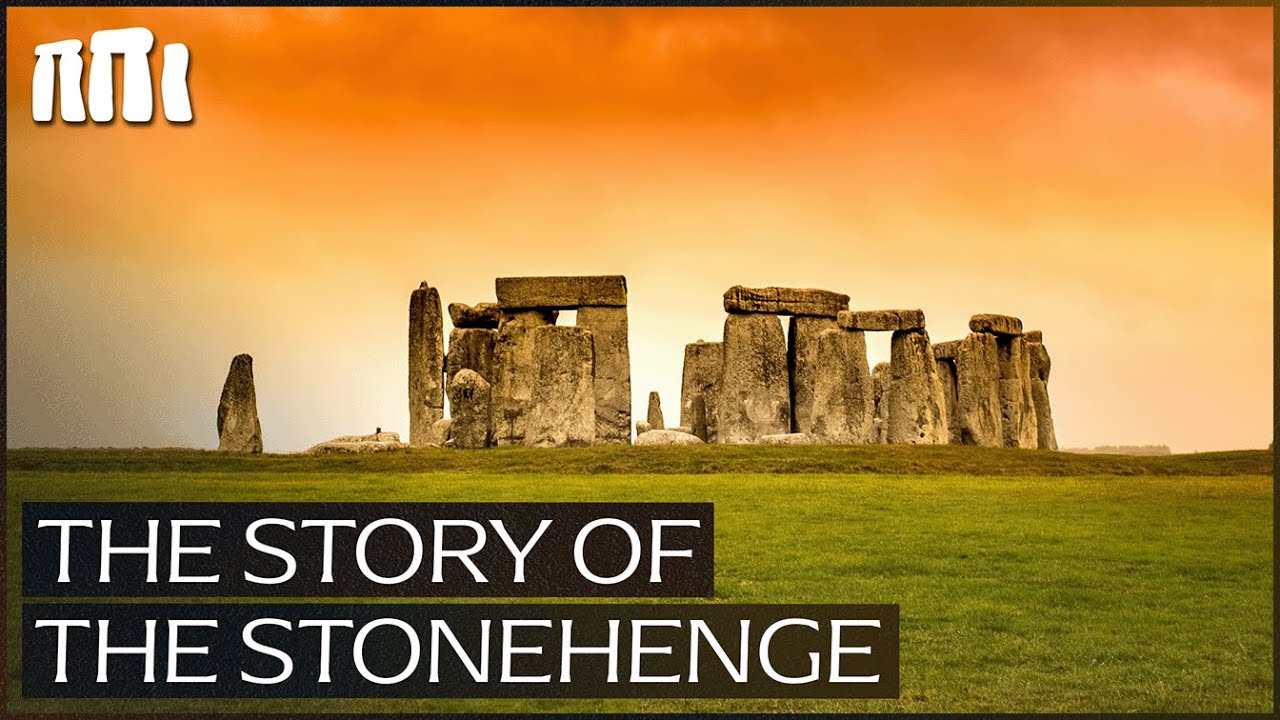
Stonehenge, the iconic megalith on Salisbury Plain in Wiltshire, serves as a focal point for exploring the methods used to transport its massive stones from Wales.
Controversial theories and suppressed historical events are examined through expert interviews and investigations, challenging established narratives about the past.
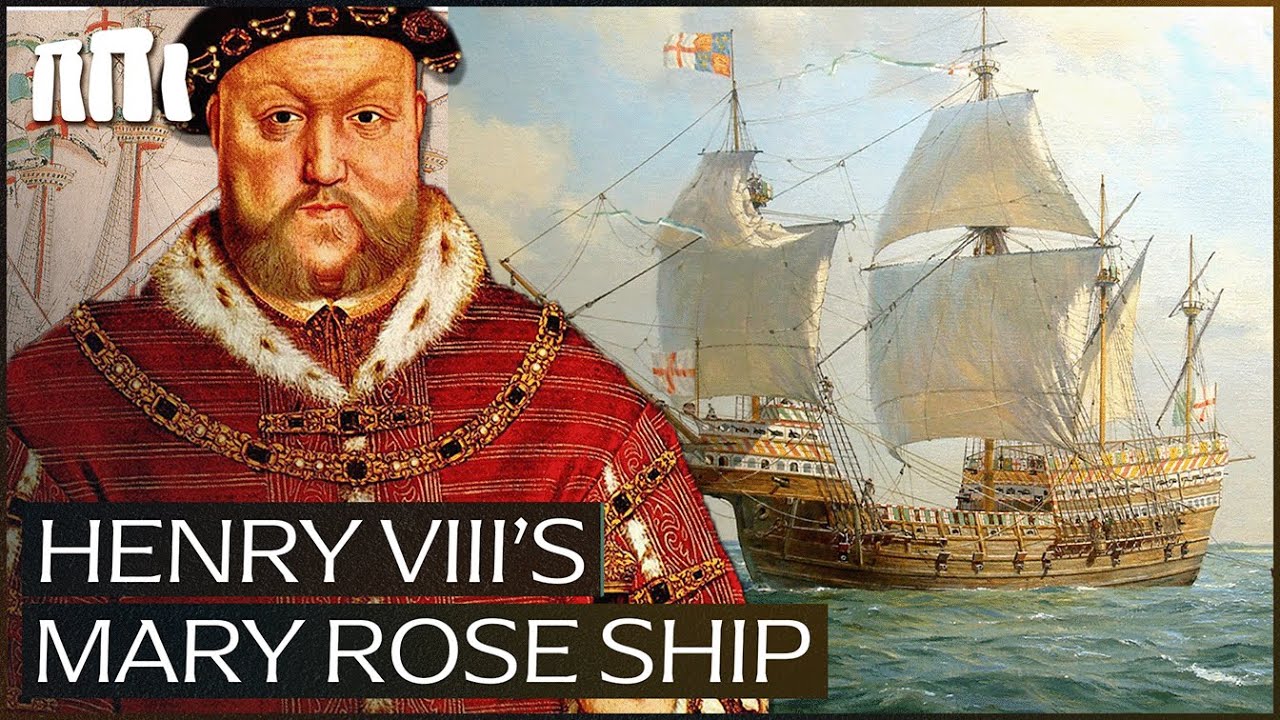
Henry VIII's warship sank in 1545, leading to various theories about the causes, including enemy fire, construction flaws, and royal decisions.
Ancient powers in Mesopotamia and Rome engage in brutal warfare to defend their territories and expand their influence across the region.
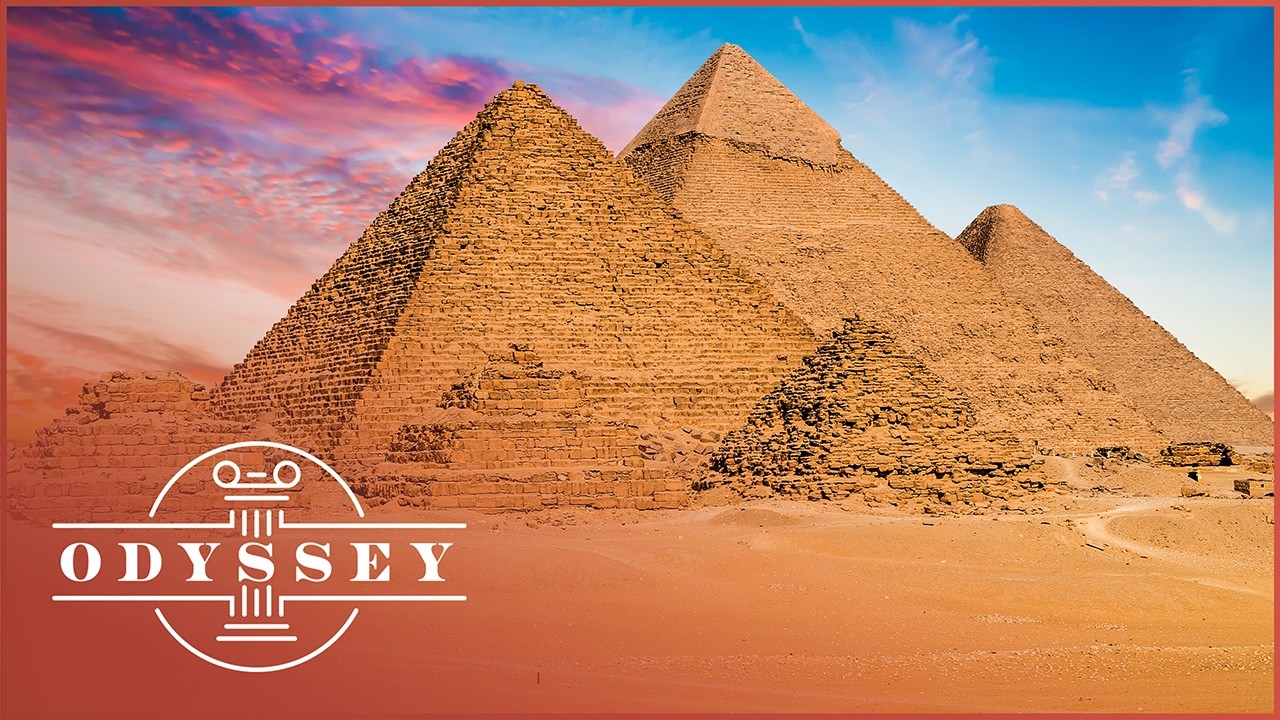
The Giza Pyramids, constructed with 2.3 million stones, exhibit precise alignments with cardinal points and celestial bodies, revealing the ancient Egyptians' advanced astronomical knowledge.
Teotihuacan, an ancient Mesoamerican city in Mexico, is examined for its monumental architecture and cultural significance, narrated by Stacy Keach.
Archaeological findings in Rome and Istanbul suggest that Emperor Constantine strategically merged various deities to promote Christianity as a synthesis of sun gods.
Ötzi, a 5,000-year-old murder victim found in the Alps, is examined by homicide detective Rod Demery and Professor Turi King, who analyze pollen in his stomach for clues.
Forensic geologist Scott Wolter examines the connection between the ancient serpent mounds of Ohio and Scotland, suggesting a shared prehistoric knowledge.
Sabertooths, Irish Elks, and Tasmanian Tigers are examined for their unique histories and the factors contributing to their extinction.
Scott Walter investigates the potential locations of the Ark of the Covenant in America, examining sites from Virginia to Arizona and their biblical connections.
Teotihuacan, Tikal, and Chichen Itza reveal new archaeological findings and LiDAR technology that illustrate the complex interactions and achievements of the Maya civilization.
Controversial theories challenge traditional beliefs about the construction of the Great Sphinx and the historical existence of Biblical figures David and Solomon.
Ron Wyatt claims to have found the Ark of the Covenant, but evidence remains elusive.
Experts, including archaeologists and astrophysicists, provide new insights into the Bayeux Tapestry, an iconic artefact steeped in historical mystery.
Forensic geologist Scott Wolter and a treasure hunter investigate the legend of Prince Henry Sinclair and the Knights Templar's treasure in Nova Scotia.
In Salme, Estonia, archeologists excavate two 1300-year-old Viking burial ships containing human remains and a variety of grave goods, reshaping the understanding of Viking culture.
In New Hampshire, America's Stonehenge features ancient stone formations that raise questions about their origins and cultural significance.
In the Iron Age, archaeological findings from sites like Heuneburg and the tomb of the Vix Princess reveal that Celtic women held significant power and wealth through a matrilineal system.
LiDar scans near Saqqarah reveal an ancient canal that allowed boats to reach the necropolis over 4,000 years ago.
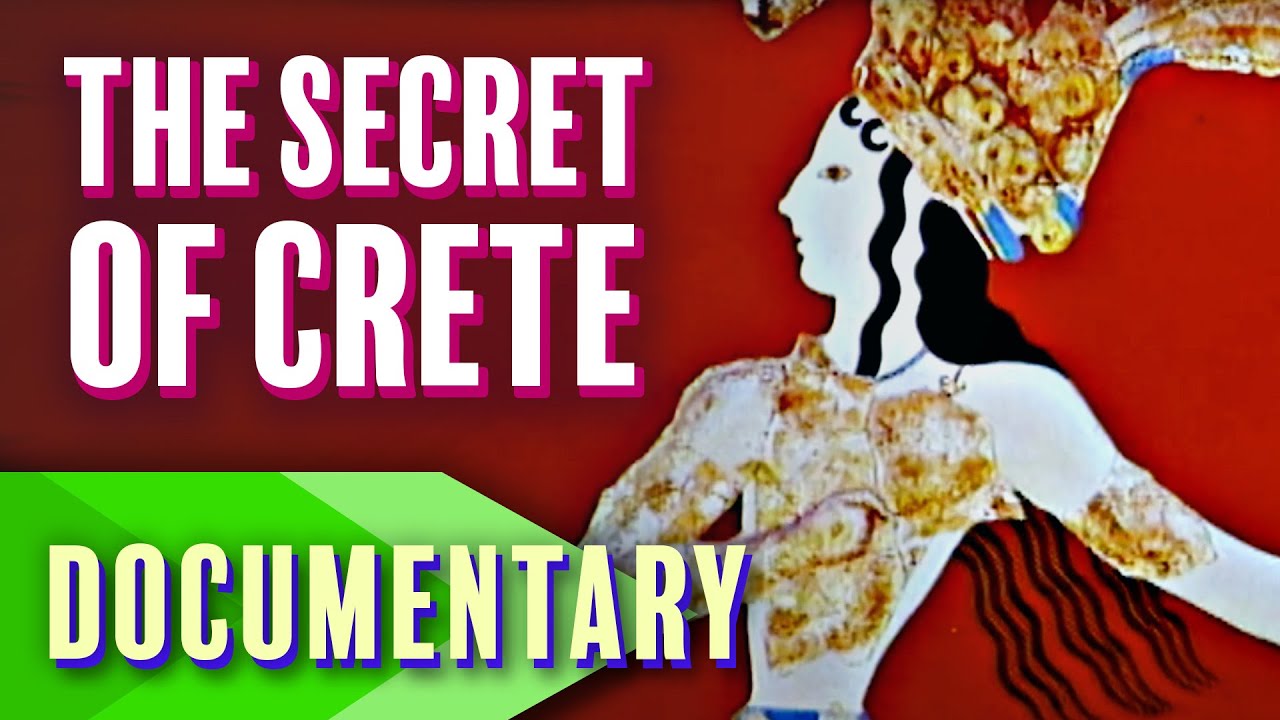
In Crete, ancient cities, unique geological formations, and sacred sites illustrate the island's complex historical narrative and cultural heritage.
The antiquities market has a long history of fakes and forgeries, including a fabricated culture that infiltrated major museums like the British Museum.
Lake Titicaca, the largest lake in South America, lies at 3,820 meters above sea level and covers 9,000 square kilometers.
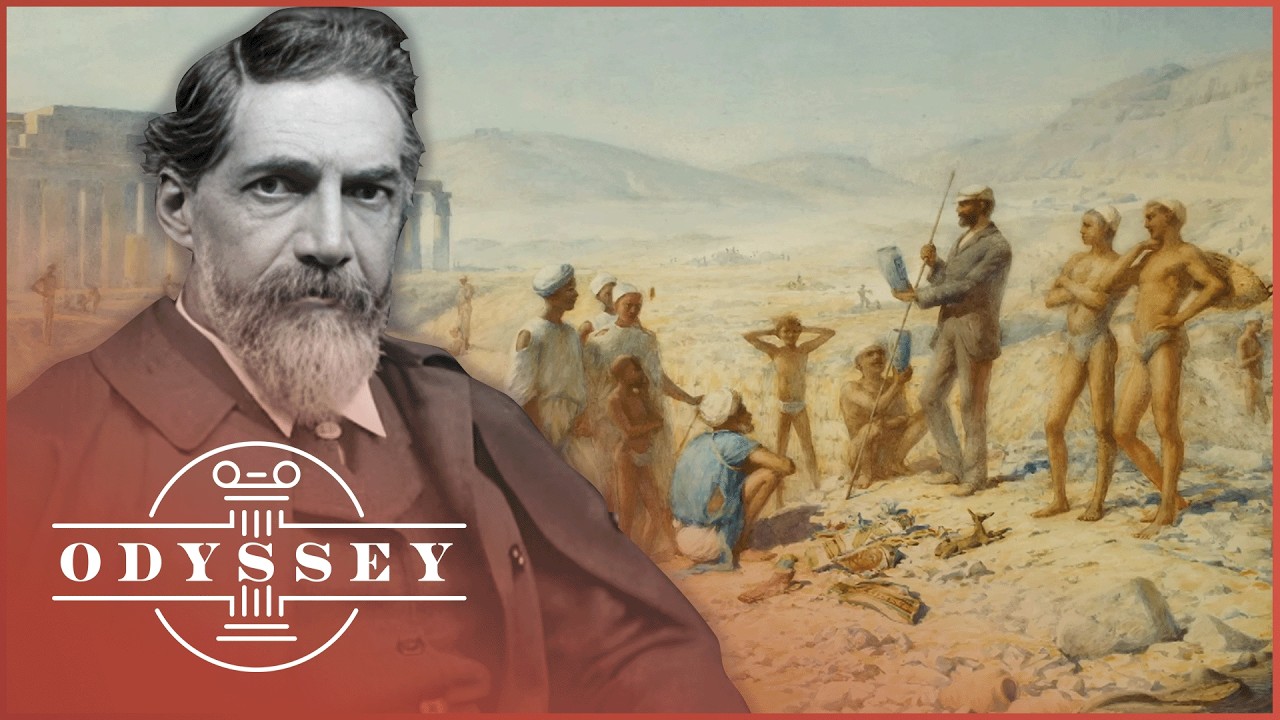
Flinders Petrie, an English Egyptologist, pioneered systematic archaeological methods to combat the vandalism of ancient Egyptian sites by treasure hunters.
In Dahshur, the Bent Pyramid and the Red Pyramid represent significant advancements in ancient Egyptian pyramid construction, marking a pivotal evolution in architectural design.
Ancient Egypt's pyramids, built over centuries, are evaluated by experts to determine which are the most significant and what they reveal about pyramid construction.
Leros, a Greek island, reflects on its World War II history marked by occupation, shipwrecks, and ongoing efforts to preserve its complex legacy.
Nazi Germany's camp system evolved from political incarceration to systematic genocide, with Operation T4's medical murders serving as a blueprint for the Holocaust.
Forensic geologist Scott Wolter investigates Viking exploration in North America, examining evidence from Heavener, Oklahoma, and Massachusetts to challenge historical narratives.
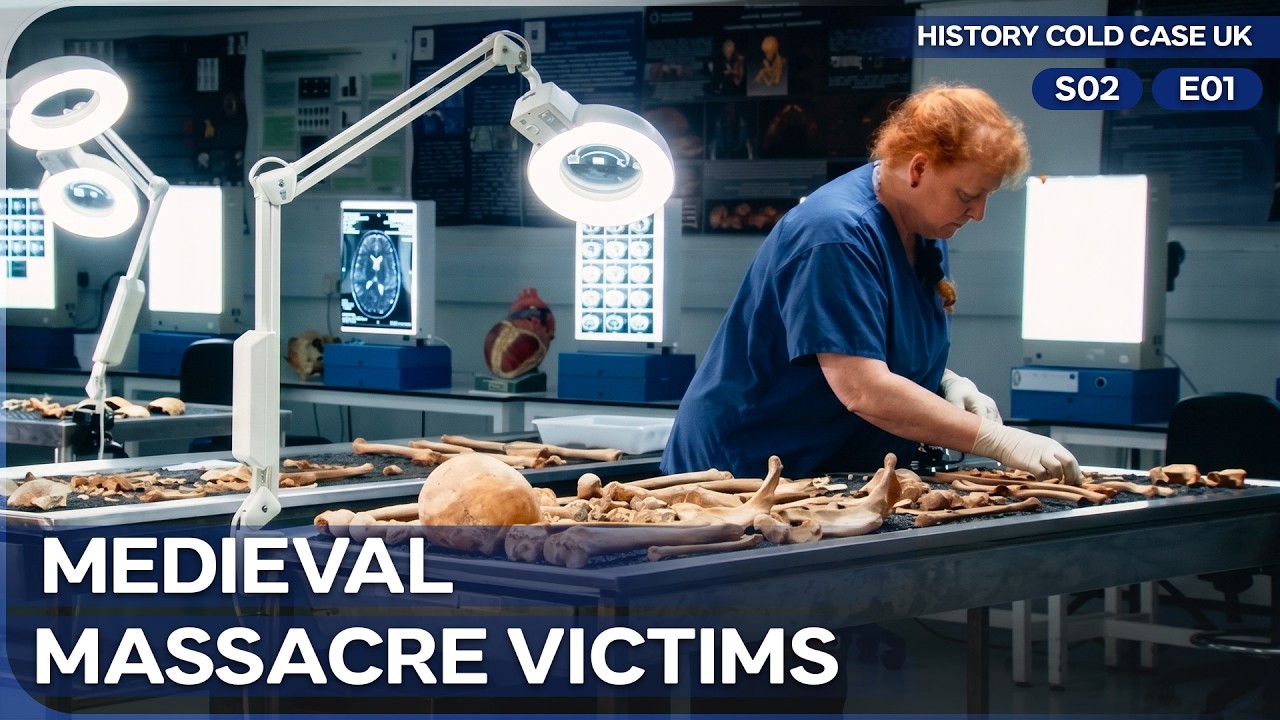
Forensic archaeology experts in the UK utilize advanced techniques like DNA analysis and facial reconstruction to examine 600-year-old human remains and reveal their historical significance.
Masada, an ancient fortress in Israel, is examined for its historical significance and the mysteries that have surrounded it for centuries.
A Roman catapult could launch projectiles nearly a quarter of a mile, prompting a team to recreate this ancient weapon in three days.
Forensic geologist Scott Wolter investigates the theft of the Narragansett Stone in Rhode Island, exploring its connections to the Knights Templar and the Holy Grail.
Ramesses II, who reigned for 66 years, sought immortality while facing health issues, as revealed by a 1976 autopsy in Paris that preserved his mummy.
On October 24, AD 79, the eruption of Mount Vesuvius buried the Roman city of Pompeii under volcanic ash, preserving its final moments and daily life for centuries.
Chinese, Greek, and Roman philosophies, including Confucius' humanism and Plato's Republic, significantly shaped contemporary social and political thought.
George Armstrong Custer's alleged hidden fortune from the Battle of the Little Bighorn is examined through artifacts, maps, and historical evidence.
Chartres Cathedral in France is examined for its architectural significance, historical context, and the sacred traditions that define its legacy.
A vast subterranean cemetery beneath Rome, created by ancient Romans nearly 2,000 years ago, contains thousands of human skeletons recently unearthed by archaeologists.
Forensic archaeology experts in the UK utilize DNA analysis and isotopic testing to investigate medieval burials and Victorian-era mysteries.
The Great Pyramids of Giza, built during the reign of Pharaoh Khufu, continue to intrigue historians and archaeologists regarding their construction methods and purpose.