From over 100,000 films, discover the handful you'll love.
Free or premium access to the world's largest documentary library.
2305 films(Page 9 of 49)
300,000 people lived in Athens at its peak in the fifth century BC, a city that significantly influenced the development of democracy and philosophy.
In the Azores, a team investigates potential links between Portuguese Templar activity and a coin related to the ongoing treasure hunt on Oak Island.
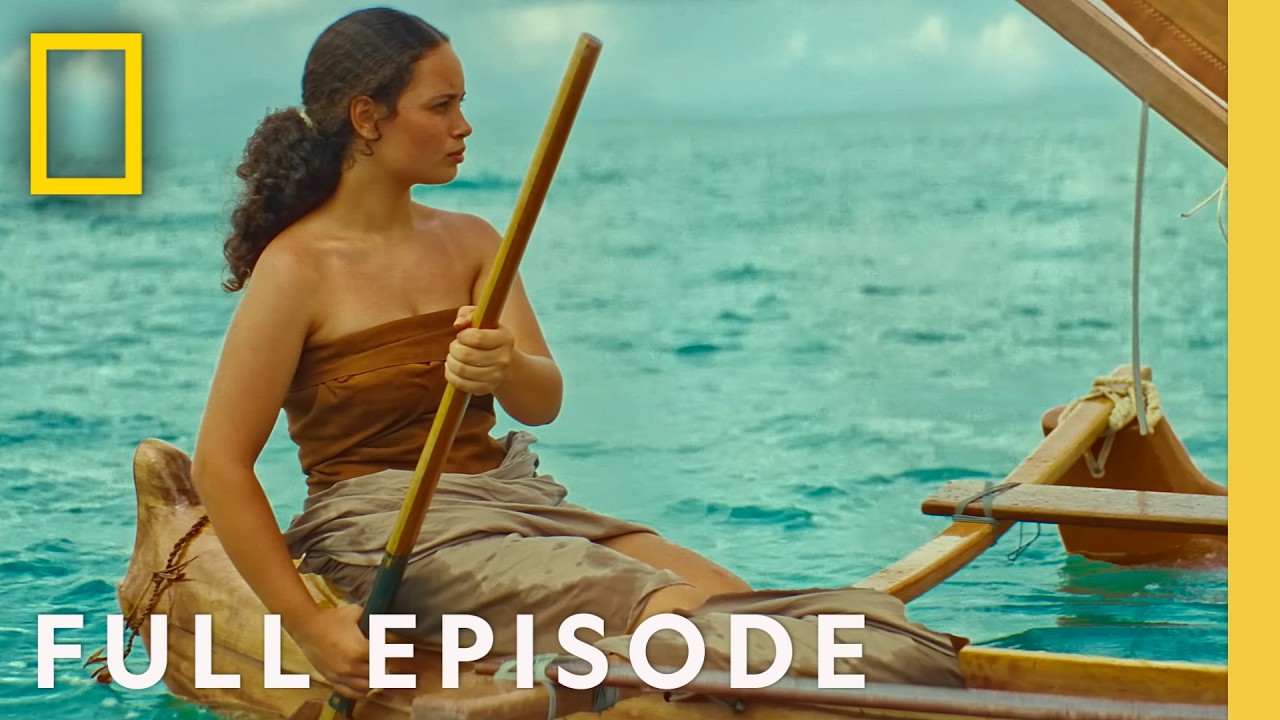
Ancient Pacific voyagers, guided by ancestral knowledge, navigated the treacherous waters of the Pacific Ocean, settling islands from Guam to Vanuatu.
Freddy Crystal, a prospector in Utah, claims to have located the long-lost treasure of Aztec Emperor Montezuma, sparking multiple excavation attempts.
Nine test pits are dug in Bitterley, Shropshire, to investigate the village's historical roots and its possible connection to a deserted medieval settlement.
Archaeologist Leslie Alcock's 1960s excavation at Cadbury Hill in Somerset revealed evidence of fortifications, contributing to the debate on the historical basis of King Arthur.
A team of forensic archaeologists investigates the 800-year-old murder of a young male victim found in Scotland, revealing evidence of a professional dagger attack.
A 5,300-year-old mummy and ancient hunting tools are emerging from ice patches in the Yukon, revealing secrets of prehistoric human life.
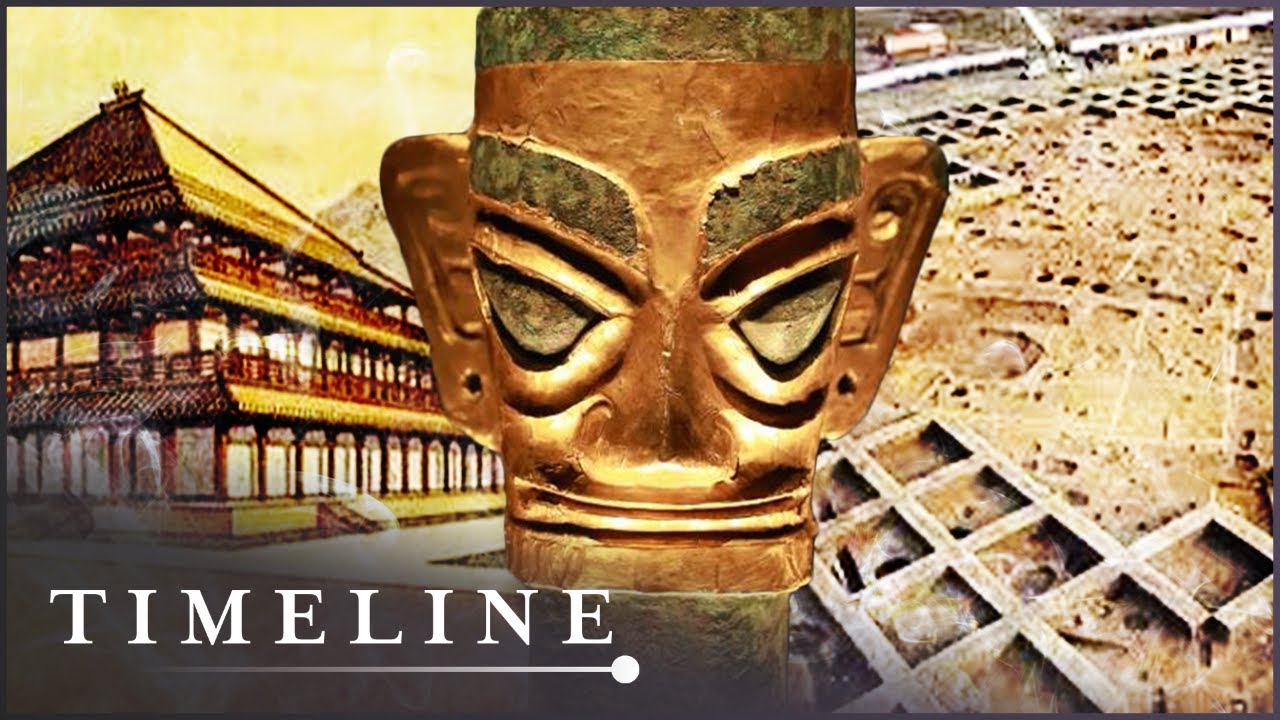
Archaeologist Agnes Hsu-Tang investigates the ancient kingdom at Jinsha in China.
In the grounds of The Manor of More, designed by Cardinal Wolsey, schoolboys play above the remnants of Britain's most opulent palace.
In Lincoln's Inn, London, archaeologists search for the remains of a 13th-century palace once owned by Henry III's Lord Chancellor.
Archaeologists found bones that may belong to the founder of a 6th-century chapel on the Isle of Mull, revealing a lost community from over 1,500 years ago.
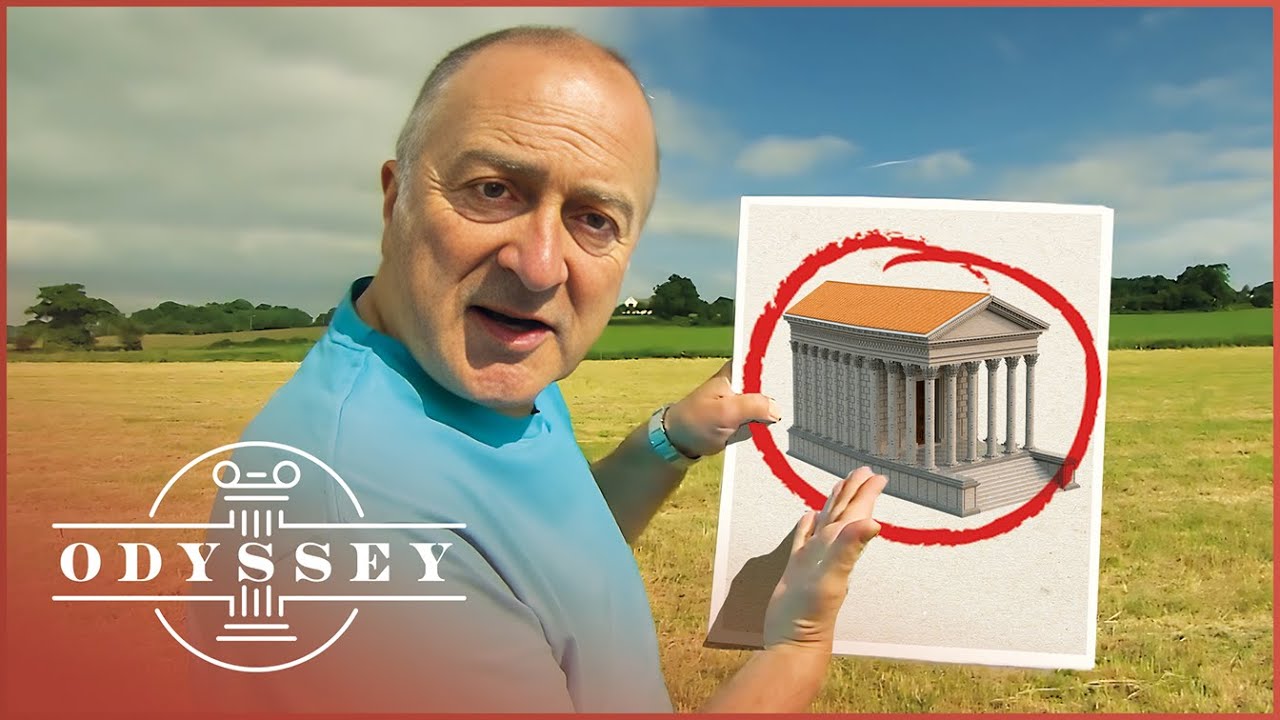
Time Team's excavation at a site in England reveals a complex of four ancient Roman temples, including a tessellated pavement and a coin hoard.
A genuine mosaic-lined Roman bathing pool, one of only six in the country, is uncovered during an excavation at White Staunton Manor in Somerset.
In Fetlar, one of the Shetland Islands, the Time Team investigates the Giant's Grave mound, exploring its potential connection to Viking pottery found nearby.
Three days of excavation at Wittenham Clumps reveal that the Iron Age hill fort was first built around 600 BC, alongside a thriving community.
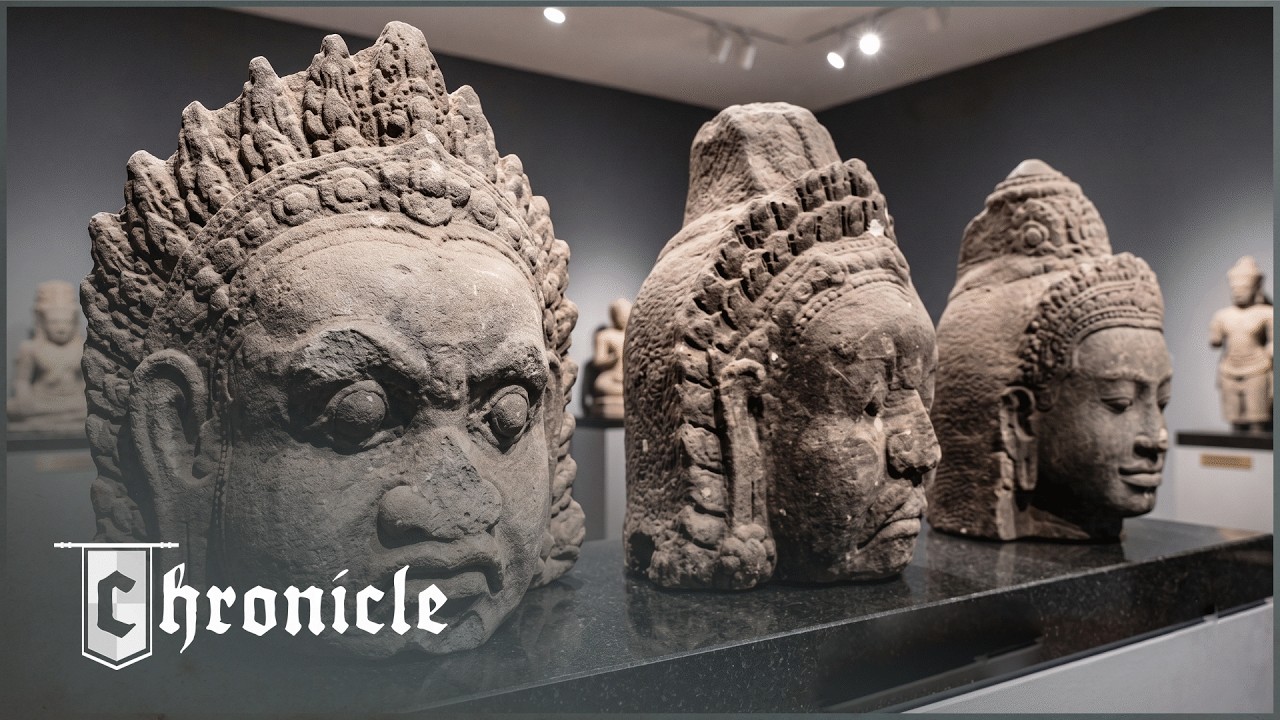
Archaeologists, federal agents, and reformed looters investigate the looted treasures of the ancient Khmer Empire, tracing smuggling routes from Cambodia to New York.
King Offa, the Anglo-Saxon ruler of Mercia from 757 to 796, is the focus of an archaeological search for his legendary palace in Herefordshire.
In 1671, Captain Henry Morgan led a fleet of 36 ships and nearly 2,000 pirates to raid the Chagres River, targeting Spanish riches.
A Roman building nearly 110 meters long, with walls almost 2 meters wide, is excavated beneath the graveyard of St Kyneburgha Church in Cambridgeshire.
At 482 feet high, the Great Pyramid was the tallest structure on Earth for 4,000 years and served as the final resting place of pharaoh Khufu.
In Northern Ireland, archaeologists including Colm Donnelly and Hiram Morgan search for the medieval castle of Dungannon, linked to the O'Neill dynasty.
Archaeologists in the West of England reveal a massive Anglo-Saxon war cemetery alongside insights into Britain's earliest leprosy hospital and Roman military practices.
A Roman wall nearly 2 meters wide and 110 meters long is discovered beneath St Kyneburgha's church graveyard in Castor, Cambridgeshire.
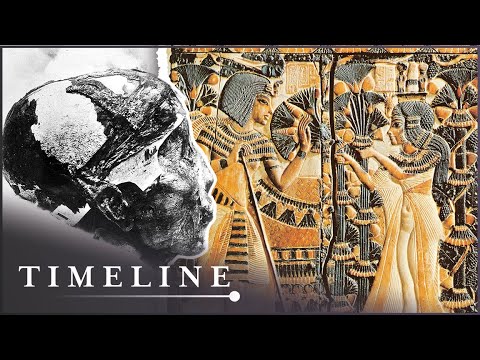
Tutankhamun's burial was a rush job, with evidence suggesting that powerful factions competed for the throne immediately following his unexpected death in 1323 BC.
Marty and Gary investigate a mysterious stone well on Lot 5 of Oak Island, seeking evidence to support theories about a 13th-century structure.
In Cornwall, legends of a visit by Christ and Joseph of Arimathea are explored as archaeologists investigate the historical significance of a vanished chapel.
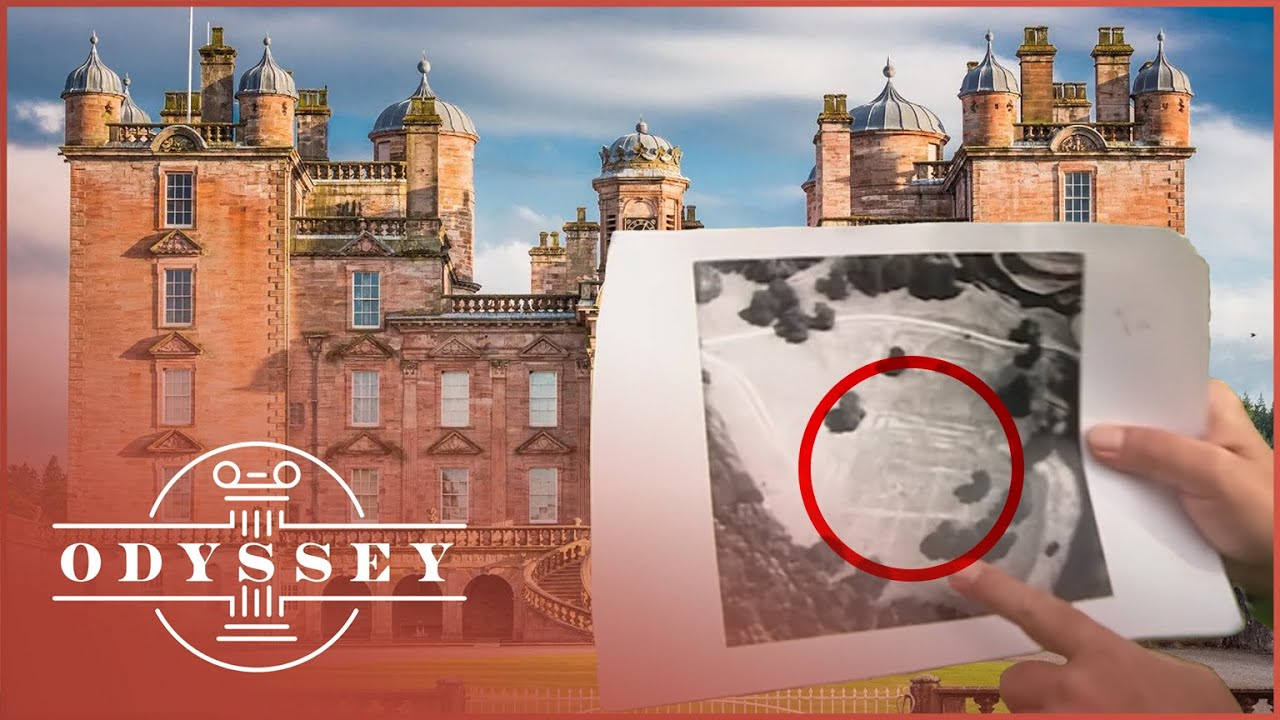
Parch marks in Dumfries, Scotland, revealed the outline of a Roman fort near Drumlanrig Castle, prompting an archaeological investigation into its historical significance.
Coventry's lost medieval cathedral reveals a burial chamber and artifacts from the Saxon and Early English periods, buried since King Henry VIII's dissolution of the monasteries.
In the New Forest, archaeologists investigate a Saxon cemetery revealing an array of grave goods, including a rare Byzantine brass bucket and Anglo-Saxon artifacts.
In the western swamp of Oak Island, a team investigates a sand-covered cobblestone road that may link to a mysterious feature of possible Portuguese origin.
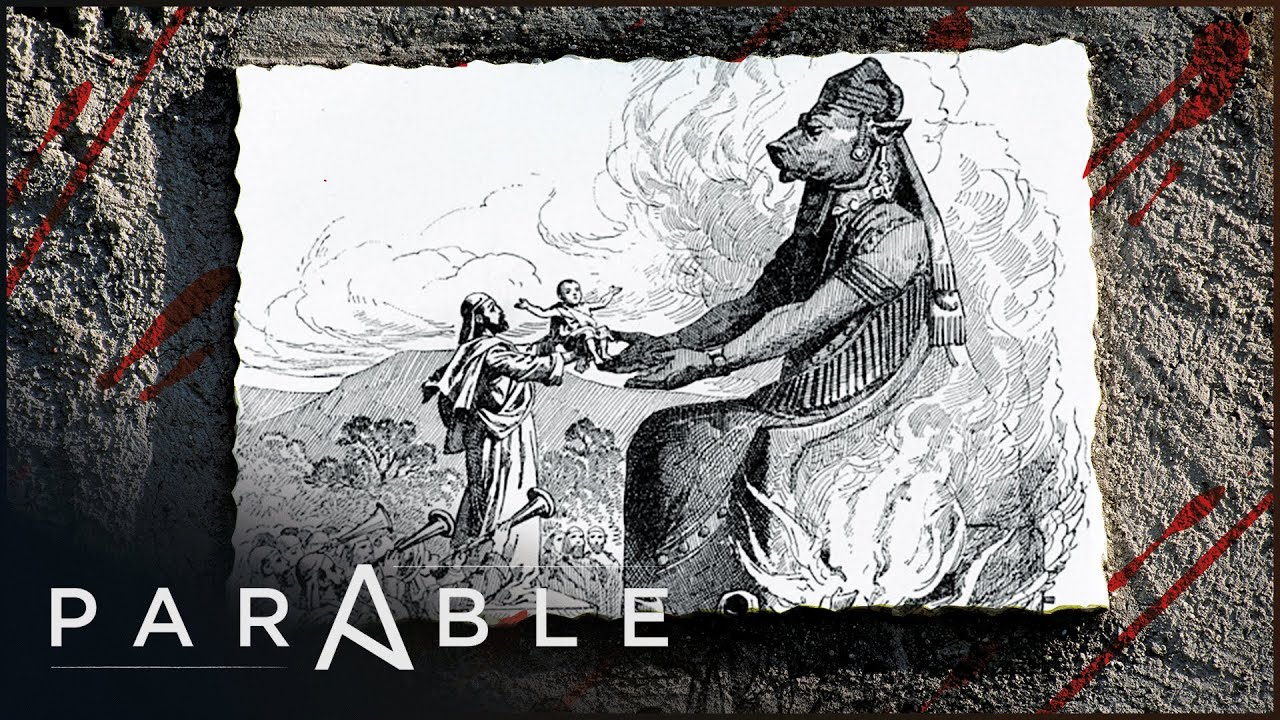
Ancient Phoenicians, also known as Canaanites, are examined for their alleged involvement in child sacrifice rituals, raising questions about historical accuracy.
Ancient civilizations are examined for evidence of extraterrestrial influence on technology and societal development throughout history.
Muhammad died in 632 A.D., and within a century, the Islamic Empire expanded to cover all of Spain, North Africa, and the Middle East.
Ancient Egyptian cities, the Black Sea's shipwrecks, Loch Ness, and a Pacific pirate ship are explored in this MEGA EPISODE.
Watling Street, a key route in Roman Britain, is examined for evidence of an ancient pub that sheds light on the daily lives of Roman travelers.
A medieval castle built atop an ancient Roman fort reveals insights into the historical significance and cultural evolution of the region's inhabitants.
Llancaiach Fawr manor in South Wales is investigated by geophysicists seeking to determine the historical significance of an ancient moat surrounding the site.
Ancient Alexandria, founded by Alexander the Great in 331 BC, evolved into a global center of culture, attracting wealth and knowledge from around the world.
A circular crop mark near Peterborough, believed to be a 6,000-year-old causewayed enclosure, is examined by Francis Pryor and Ben Robinson for its origins.
The Time Team investigates an 11th-century flour mill site near Stoke Trister in Somerset.
An ancient Roman industrial site in Stilton reveals a cheese press and an unexpected landscape filled with human remains, prompting questions about its history.
Ancient Sumerians, credited with establishing the world's first civilization over 7,000 years ago, attributed their advancements to the Anunnaki gods.
In the hills of Cornwall, archaeological investigations reveal evidence of Iron Age human sacrifices and cannibalism linked to ancient inhabitants.
The Honjo Masamune, a legendary samurai sword crafted by Goro Nyudo Masamune, remains missing since its surrender to Allied forces after World War II.
A 750-meter-long causeway at Unas Pyramid Complex symbolizes the connection between life and death during Ancient Egypt's transition from prosperity to turmoil.
Dr. Martin Pepper searches for Atlantis in Santorini, using sonar scans and Plato's clues.
Three and a half thousand years ago, a tightly packed community of ordinary Egyptians lived in a village on Luxor's West Bank, near the Valley of the Kings.