From over 100,000 films, discover the handful you'll love.
Free or premium access to the world's largest documentary library.
2305 films(Page 4 of 49)
5,398 objects from Tutankhamun's tomb are reunited for the first time in a new $1 billion museum, revealing insights into the pharaoh's life and legacy.
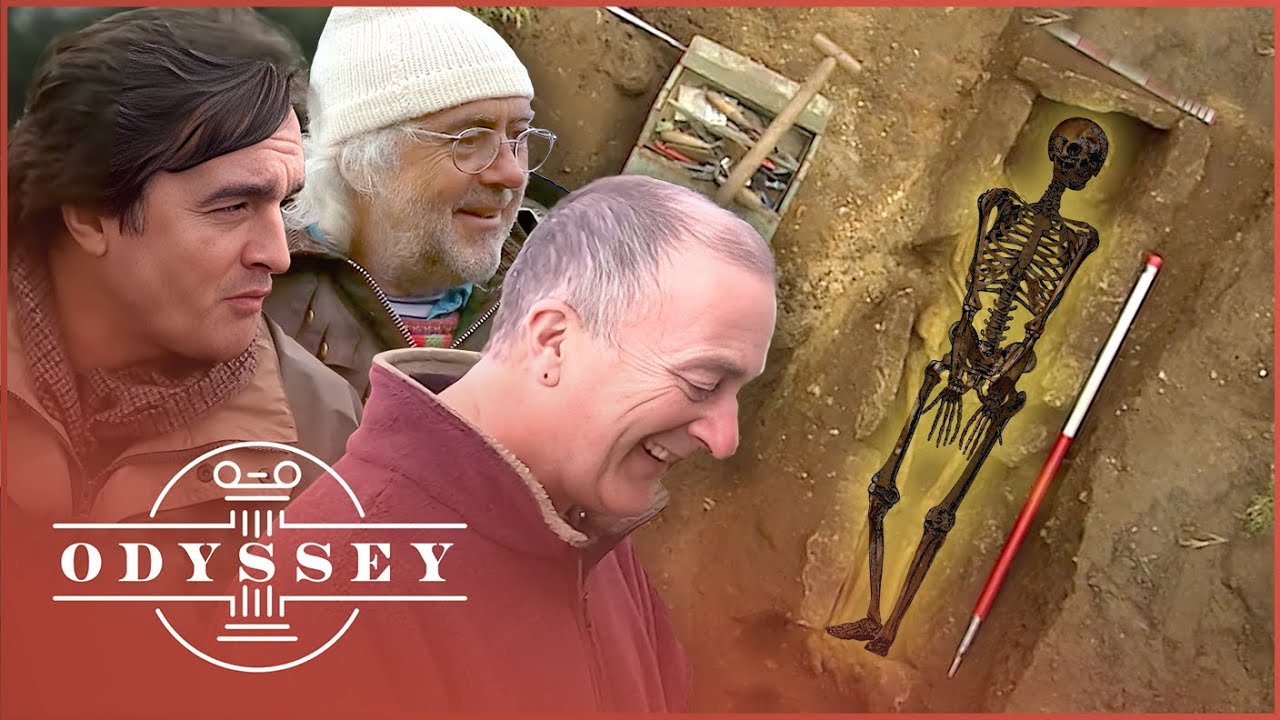
British archaeologists investigate the Anglo-Saxon invasion in early Dark Age Britain, revealing insights through artefacts and sites like Bamburgh Castle.
Archaeological excavations in Israel have provided new clues about the birthplace of Saint Peter, traditionally believed to be buried under Saint Peter's Basilica in Rome.
66 million years ago, an asteroid impact in the Gulf of Mexico caused the extinction of the dinosaurs and reshaped life on Earth.
In the Late Cretaceous Period, Hateg Island served as a hunting ground for a giant pterosaur, presenting unique survival challenges for its inhabitants.
A British archaeologist named Arthur Evans discovered the Minoans, a sophisticated Bronze Age civilization, over a century ago on the island of Crete.
Ancient tomb robbery in Egypt's Valley of the Kings is examined, revealing state-sanctioned activities on an industrial scale.
Thirty-eight skeletons, discovered in a mass grave in Yorkshire, reveal brutal injuries from the Battle of Towton, challenging myths of medieval chivalry.
An international team of experts investigates the potential existence of a Bronze Age civilization beneath the Black Sea, exploring archaeological evidence and historical context.
A layer of ash and charred wood, dating back to around 1200 BC, marks the destruction of the Hittite city of Hattusa during the Bronze Age Collapse.
Petra's monumental Treasury, built 2,000 years ago, stands 127 feet tall and is carved directly into the sandstone cliffs of Jordan.
A thirty-foot-wide cavity beneath the Taposiris Magna temple may hold the lost tomb of Cleopatra, according to archaeologist Kathleen Martinez.
Rome depended on 150 to 300 million tons of grain annually to feed its population of 1 million, the largest city in the world by the first century AD.
Simcha Jacobovici explores the significance of the red heifer prophecy and its connection to the Temple Mount in Jerusalem through various historical theories.
Francis Pryor argues that the political changes in Britain after the Roman Empire's fall in 410 AD were due to internal shifts rather than an Anglo-Saxon invasion.
Ten men were chosen to commit suicide at Masada as the Romans advanced, marking a significant moment in the struggle between Jewish traditions and Roman power.
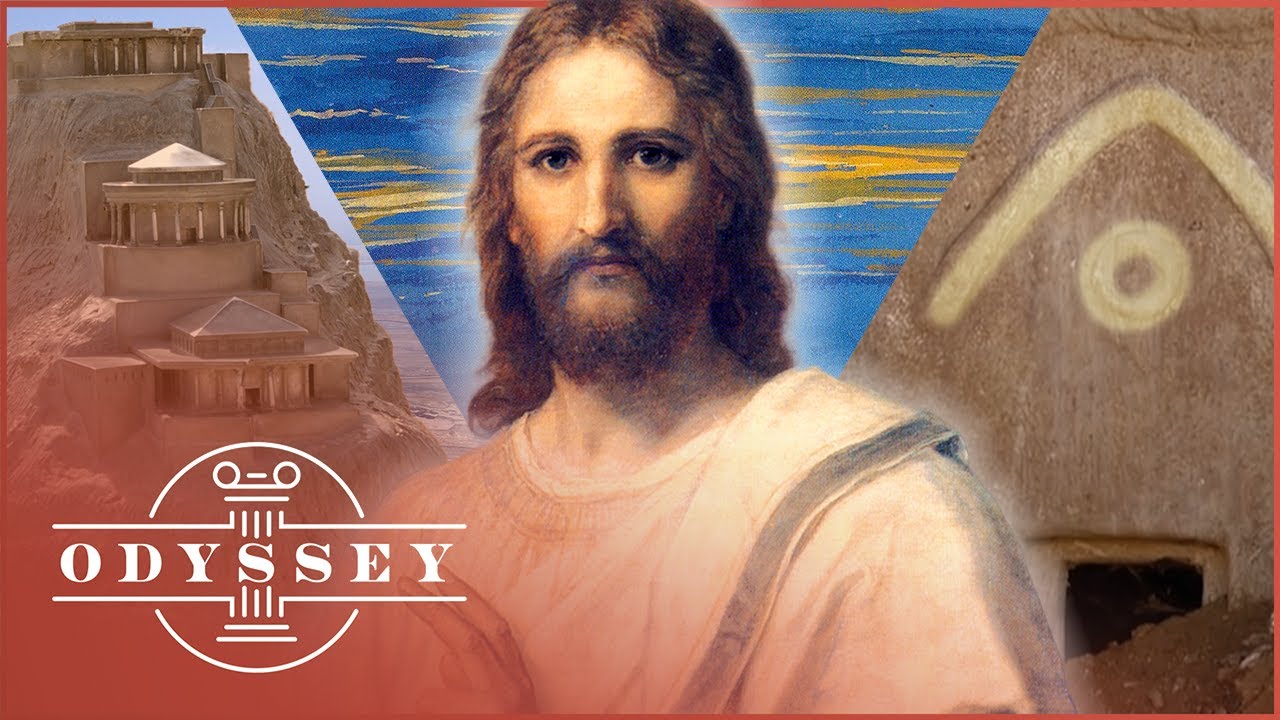
An ancient stone tablet from the Jordanian antiquities market suggests the existence of a dying and rising Messiah prior to Jesus in ancient Israel.
Archaeologists in Britain investigate Anglo-Saxon graves and artifacts, revealing evidence of a warrior culture marked by violence and ornate burials.
Joann Fletcher investigates a female mummy from the Ramesses II dynasty, revealing unexpected complexities surrounding its identity and origins.
A team of archaeologists has identified dozens of new Roman structures at Caerleon, revealing its significance as more than just a military outpost.
Archaeologists uncovered an intact ship and burial chamber at Sutton Hoo, revealing a wealth of objects belonging to a wealthy Anglo-Saxon individual.
The Battle of Visby in 1361 saw 1,800 farmers on Gotland face a well-trained Danish army, resulting in a significant archaeological legacy of the fallen.
In 1858, Gustave Flaubert traveled to Tunisia to document the ruins of Carthage and Utica, seeking inspiration for his novel about the ancient empire.
In Anatolia, historians and archaeologists explore the historical basis of the Trojan War, utilizing archaeological findings and Hittite archives from Hattusa.
The 13 Crystal Skulls, ancient artefacts shrouded in mystery, are examined for their authenticity and potential connection to apocalyptic prophecies.
Around 253 million years ago, a massive volcanic event began in what is now Siberia, leading to the Great Dying and the largest mass extinction in Earth's history.
China's burial ground rivals Egypt's Valley of the Kings with its massive pyramid tombs.
Aguada Fenix, a monumental Maya structure in Mexico, dates back 3,000 years and challenges previous assumptions about the civilization's origins.
Megalithic blocks weighing up to 10 tons are found in the dragon house on Mount Ochi, raising questions about their construction and possible extraterrestrial ties.
In Cirencester, a significant site of Roman Britain, Time Team reveals their first-ever ancient mosaic alongside other remarkable archaeological finds.
A stylus, possibly the earliest evidence of writing found in Cornwall, dates back to around 200 A.D. and suggests ancient trade connections with the continent.
Archaeologists believe Green Island was an industrial site producing shale ornaments and iron artifacts 2,000 years ago, contributing to early mass production.
An 80-meter-long tunnel, part of an ancient hydraulic system, diverted water around Petra to manage floods and supply the city.
Croghan Man and Clonycavan Man, two 2,000-year-old Iron Age bodies from Irish bogs, reveal insights into ancient rituals and elite leadership through their violent deaths.
In 1323 BC, Tutankhamun sustains a thigh bone injury that may have resulted from battle, leading to his eventual death, while exploring the 1920s phenomenon of Tutmania.
3 million shipwrecks are estimated to exist worldwide, raising concerns about the preservation of the Titanic and its artifacts amid ongoing disputes.
Two mummified priests, Chanam and Yut, are discovered in a tomb complex dating back to 600 BC, revealing connections to a previously unknown cult.
Egyptologist Vassil Dobrev investigates the elusive reign of Old Kingdom pharaoh Pepy and seeks archaeological evidence of his rule in ancient Egypt.
Albert Lin investigates the historical events that may have inspired the biblical narratives of the parting of the Red Sea and the destruction of Sodom and Gomorrah.
A 35-metre-long Roman barge, once sailing the Rhine, is investigated by Dutch archaeologists and specialists before impending construction threatens its preservation.
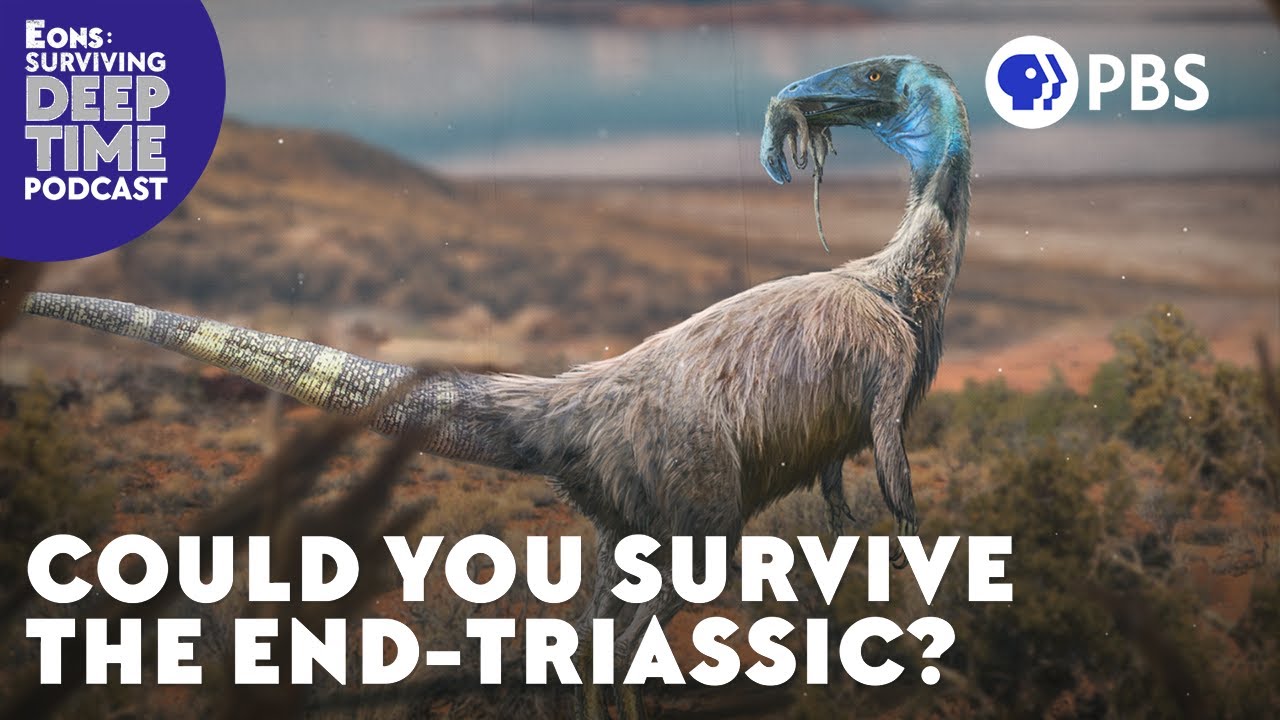
At the end of the Triassic Period, the earliest dinosaurs faced a catastrophic extinction event following the Great Dying and rapid evolutionary changes.
4,300-year-old hunting tools are melting out of ice patches in the Yukon, revealing insights into the lives of ancient human inhabitants.
In Peru, Doctor Joann Fletcher investigates an enigmatic mummy to reveal insights about the individual's identity and lifestyle in ancient times.
In Lincolnshire, archaeologists from Time Team investigate the Roman town of Ancaster, revealing what may be their most significant find to date.
Experts from various fields, including archaeology and astrophysics, provide new insights into the historical significance and mysteries of the Bayeux Tapestry.
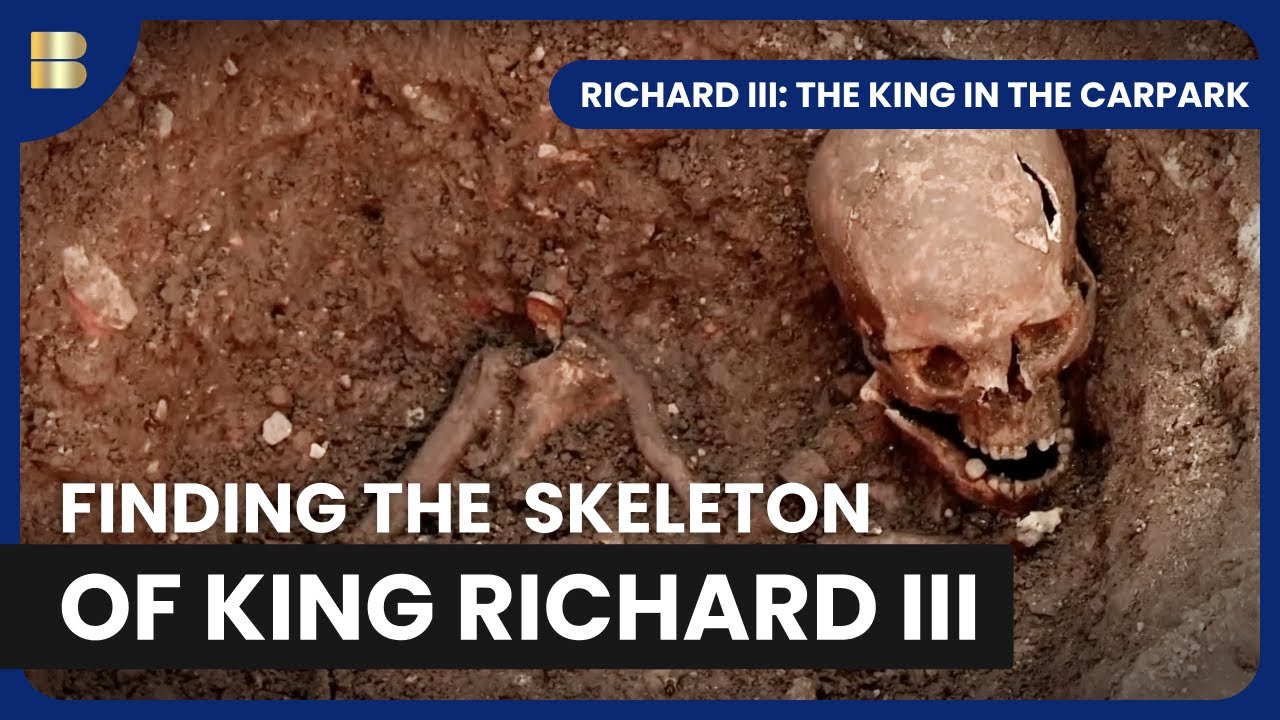
A team of archaeologists unearthed a skeleton in a Leicester car park, believed to be the remains of Richard III, missing for over 500 years.
On May 7, 2007, archaeologists discovered the long-lost tomb of King Herod the Great after 35 years of searching in Israel's Herodium.
The Egtved Girl, a remarkably preserved Bronze Age woman found in Denmark, provides insights into the daily life of people in Bronze Age Europe.