From over 100,000 films, discover the handful you'll love.
Free or premium access to the world's largest documentary library.
1294 films(Page 2 of 27)
In 1968, astronauts Frank Borman, James Lovell, and William Anders orbited the Moon and captured the iconic "Earthrise" photograph from their spacecraft.
Astronomers are mapping the positions of galaxies across the sky, linking their evolution to conditions that existed at the dawn of time.
NASA engineers built and launched the James Webb Space Telescope, the most complex astronomical instrument ever created, to explore the universe's earliest galaxies and exoplanet atmospheres.
Twelve humans have walked on the Moon, returning samples that support the giant impact theory of its formation from a collision with a Mars-sized body.
NASA's Artemis program aims to return humans to the Moon, while advancements in satellite technology and Virgin Galactic's space tourism plans are also explored.
Orson Welles quotes H.G. Wells, stating that in the early 20th century, Earth was being watched by intelligences greater than man's.
Astronauts collected 382 kilograms of lunar rocks during the Apollo missions, which scientists now study to understand the moon's history and its link to Earth.
A total solar eclipse cast a shadow about 40 miles wide across the continental United States on August 21, 2017.
Conspiracy theories surrounding space travel, including the moon landing and UFO sightings, are examined alongside scientific insights into human survival in space.
Over 40 trillion kilometers from the Sun, Proxima Centauri b is considered a potential candidate for extraterrestrial life due to its size and location.
In 1957, the launch of Sputnik marked the beginning of the Space Age, prompting the United States to establish NASA within a year.
The evolution of spacesuit design is examined alongside the exploration of rocky planets and asteroids in the solar system, highlighting key probes and their findings.
Three personnel were exposed to oxidizer during a major spill at a test cell, prompting immediate evacuation and medical support.
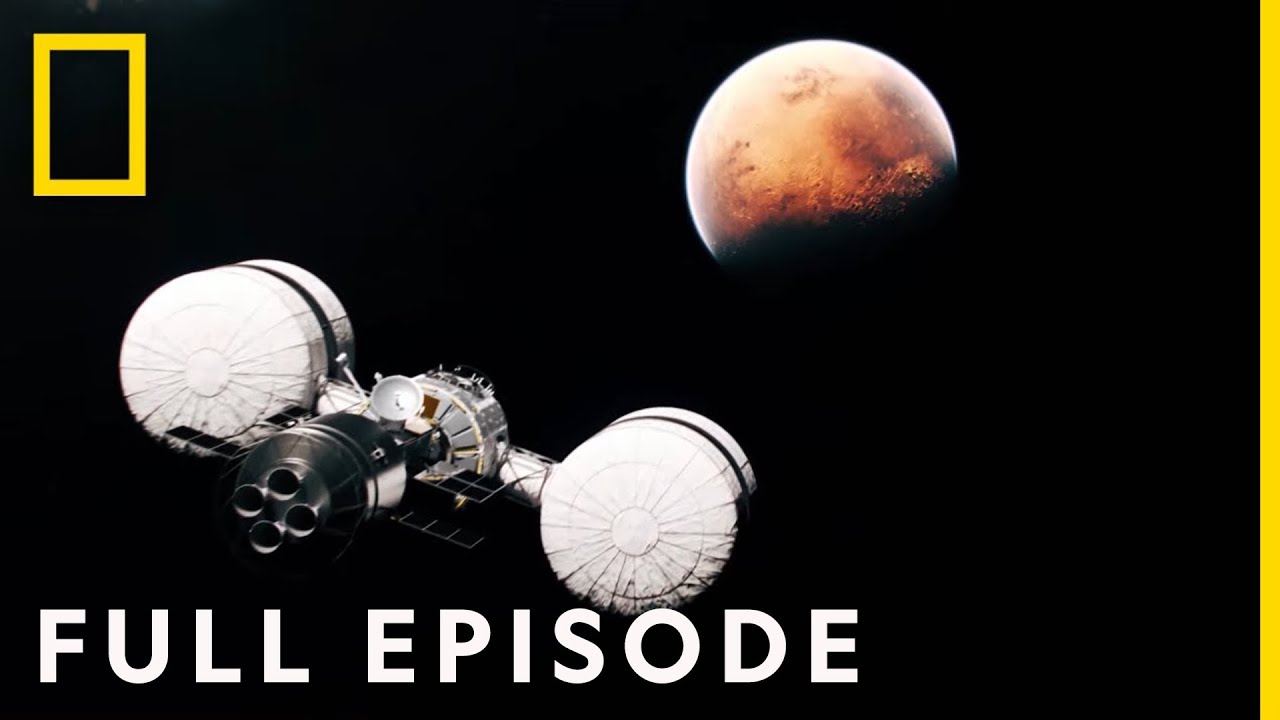
Mars has a thin atmosphere that can melt spacecraft hitting at speeds over 16,000 km an hour, complicating plans for human landings.
Energy transfer in the universe is explored through phenomena such as colliding stars and Earth's largest explosions, revealing the immense power scales at play.
Scientists detect planets around thousands of stars, exploring potential for life beyond Earth.
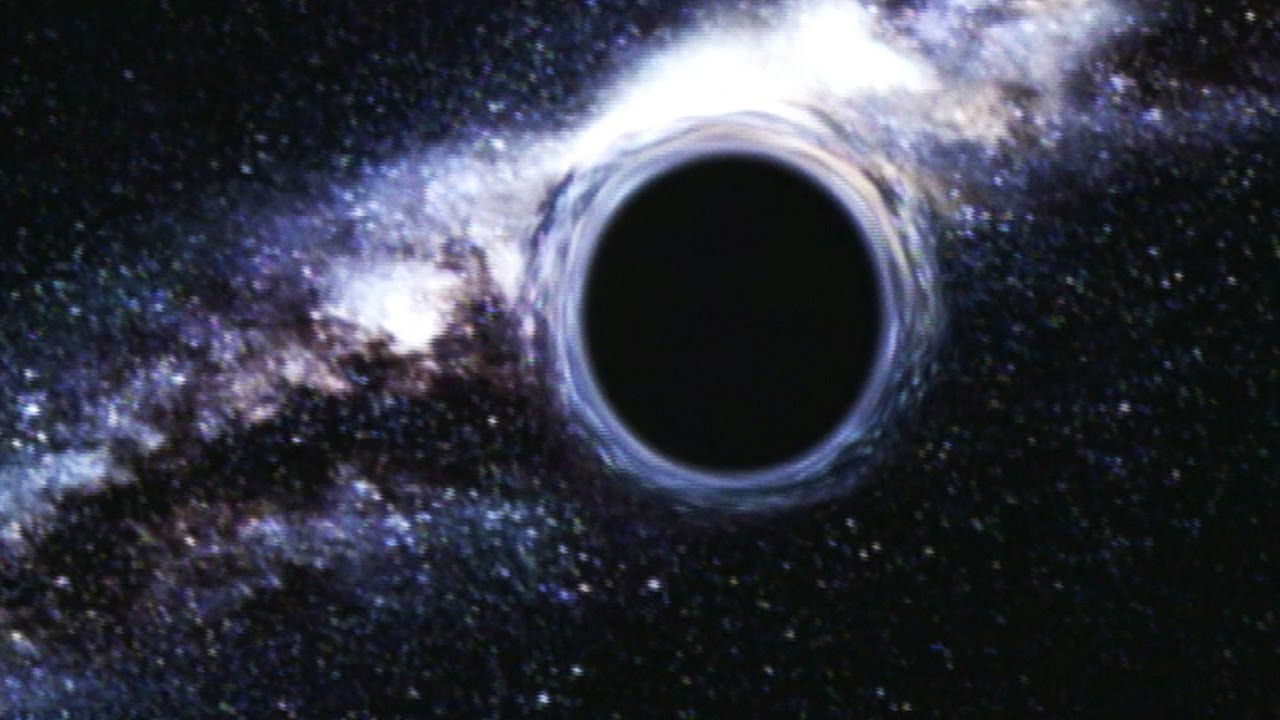
Black holes, regions of spacetime with immense gravitational pull, are explored through their structure, formation, and impact on the universe.
Perseverance entered the Martian atmosphere at a speed of 5.3 km/s in February 2021, marking a significant milestone in space exploration.
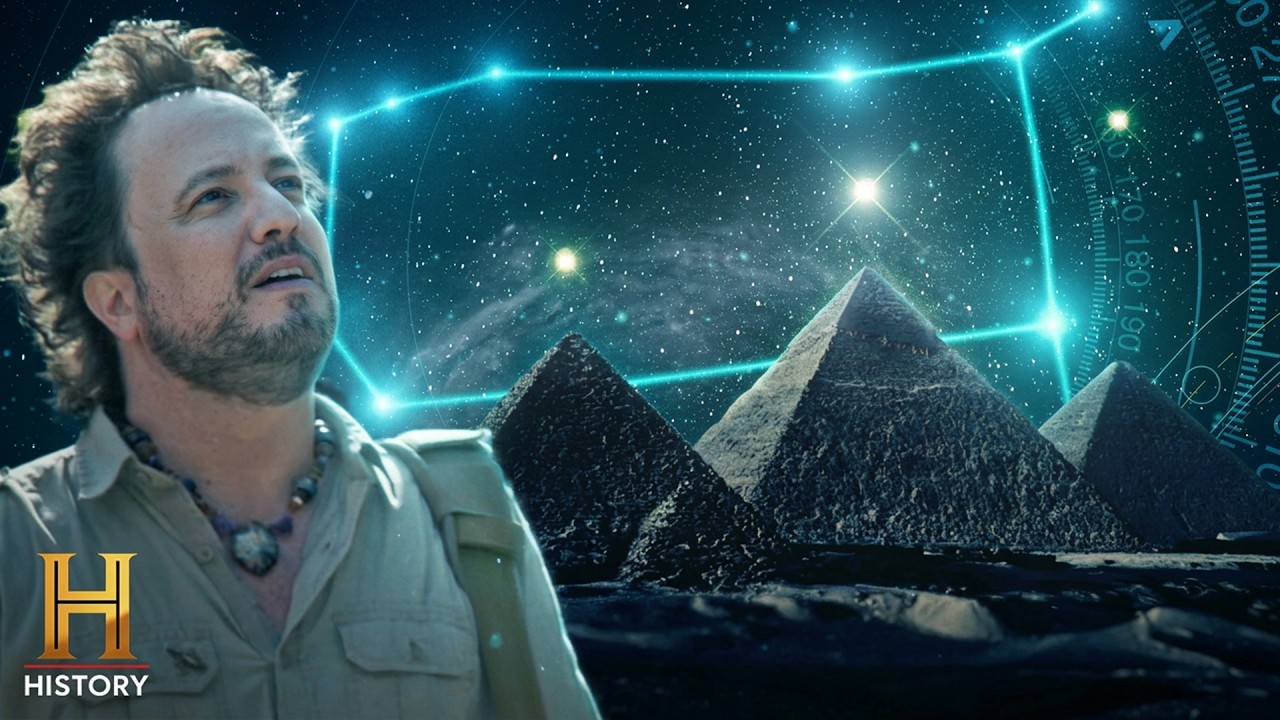
Homo sapiens appeared on Earth 195,000 years ago, influenced by a master race from the stars known as the Anunnaki, who created humans to work as slaves.
Jupiter's massive gravitational power acts as a vacuum cleaner for the solar system, preventing comets from striking Earth every few hundred years.
More than a million Earths could fit inside the Sun, which will eventually become too hot for life, melting the planet's surface and evaporating its oceans.
Alpha Centauri, located 4.37 light years from Earth, is identified as a potential target for humanity's first interstellar mission to a habitable world.
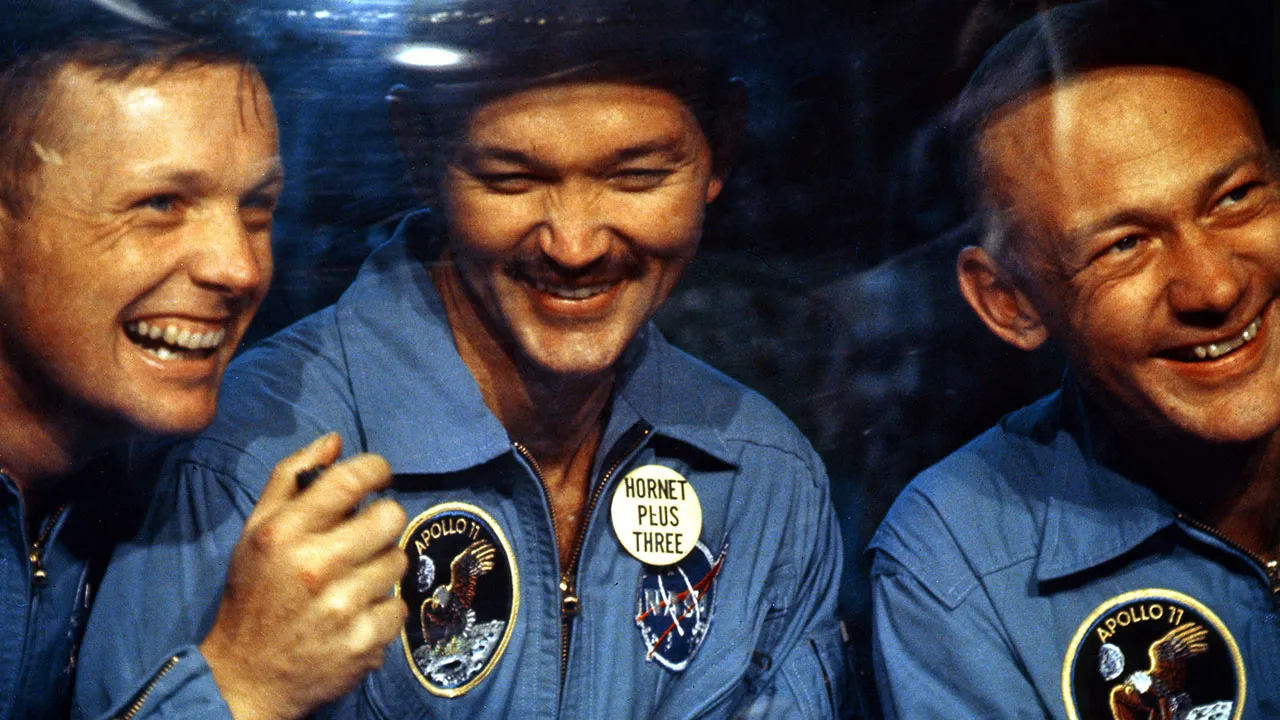
Neil Armstrong, the first person to walk on the Moon during NASA's Apollo 11 mission in 1969, is explored through archival footage and personal stories.
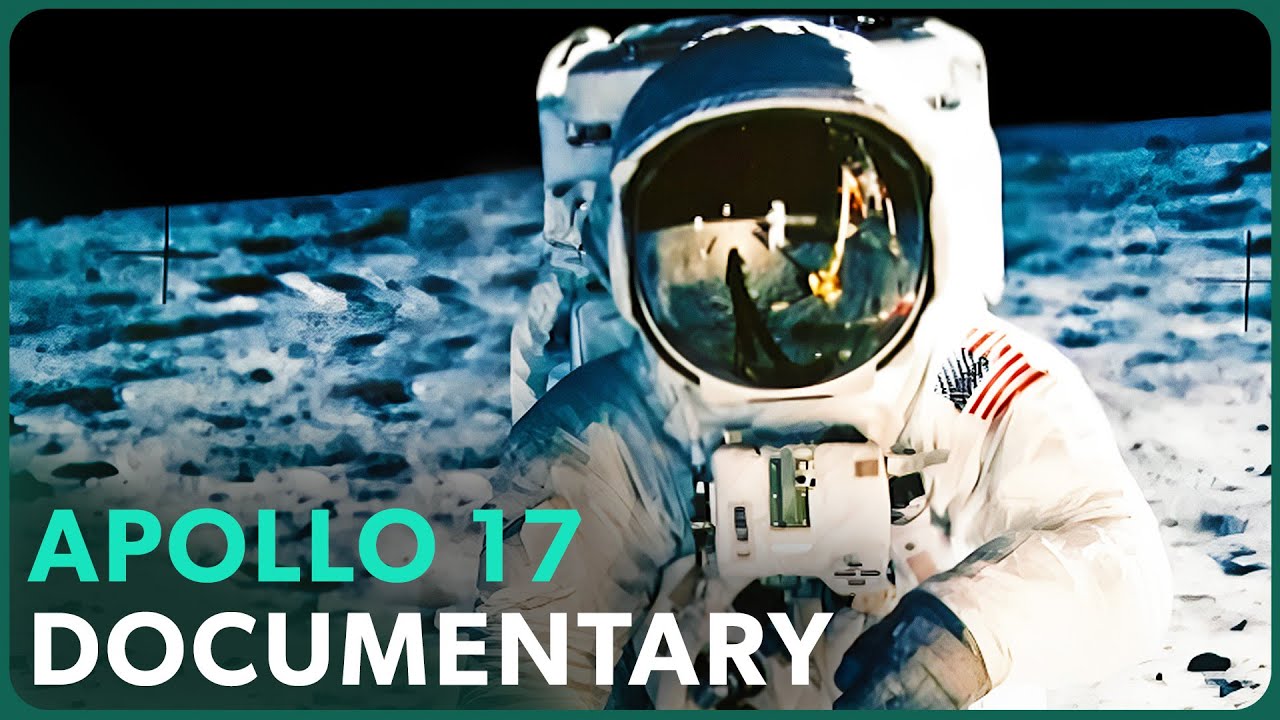
Apollo 17, the final mission of NASA's Apollo program, showcases the achievements of astronauts Eugene Cernan, Harrison Schmitt, and Ronald Evans in lunar exploration.
Ancient civilizations, including those in Italy, looked to the night sky and constellations for guidance, suggesting possible connections to extraterrestrial influence.
Gravity governs the solar system, with the Sun's mass influencing planetary orbits.
Astronaut Scott Kelly spent 520 days in space across four missions, providing insights into the challenges of long-duration space travel.
Venus's double-eyed vortex measures 1,800 meters wide, featuring hurricanes that whirl around each other in its turbulent atmosphere.
The Artemis program aims to return humans to the moon and explore Mars through space exploration.
Mars, once resembling Earth, is explored through probes and rovers, while Saturn's rings are studied via the Cassini probe to understand solar system evolution.
Humanity's exploration of the universe is examined through insights from scientists and rich narratives of achievements and challenges in space exploration.
Oumuamua, the interstellar object identified by astronomer Robert Weryk using the Pan-STARRS telescope in Hawaii, raises questions about its true nature as a comet, asteroid, or possibly an artificial probe.
Venus has a surface temperature of 900°F, making it inhospitable and drastically different from Earth despite their similar beginnings.
A gamma ray burst recorded by the Swift satellite in March 2011 lasted four and a half hours and originated from a galaxy 3.8 billion light years away.
Since the early 1960s, scientists have attempted 46 missions to Mars, with over half failing at launch or upon arrival.
Earth ploughs through about 40 tons of material in space each day, a process that has shaped its formation over 4.5 billion years.
Two megawatts of power, enough for around two thousand homes, fuel the Paranal Observatory in Chile, a key site for studying dark energy.
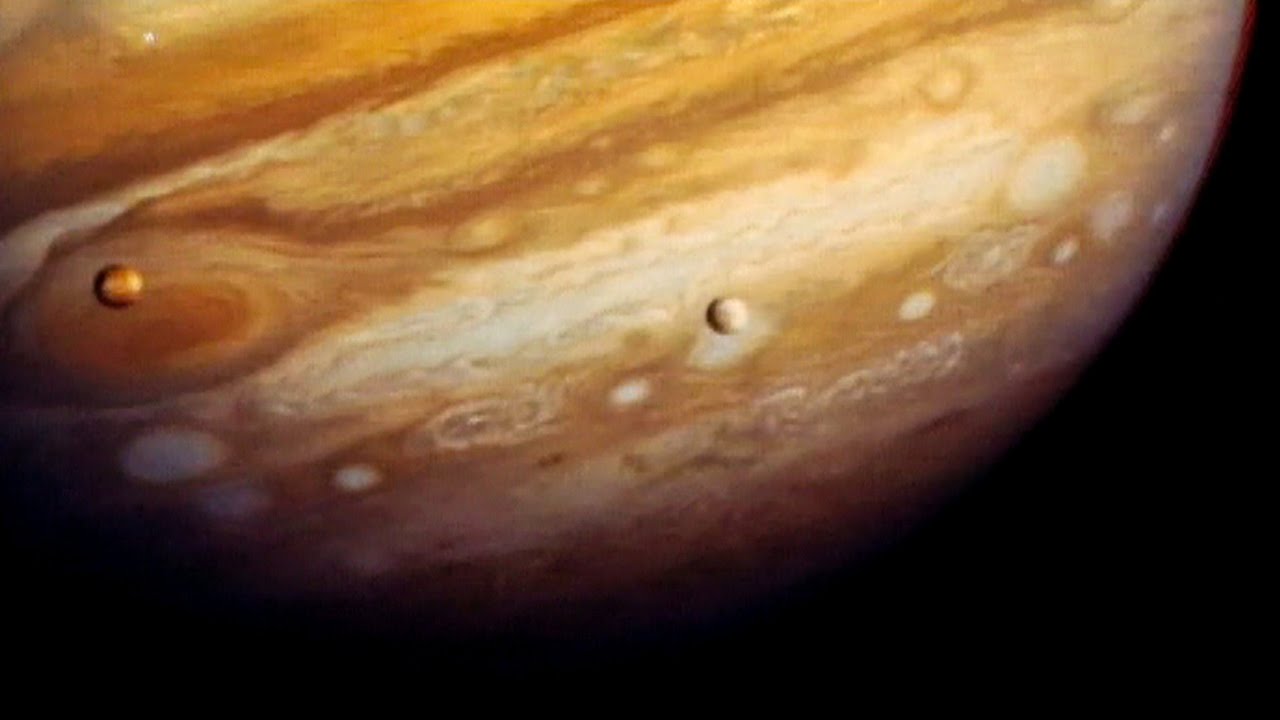
NASA's Juno mission explores Jupiter's extreme environment, revealing its massive ocean of liquid metallic hydrogen and the technology that enables this research.
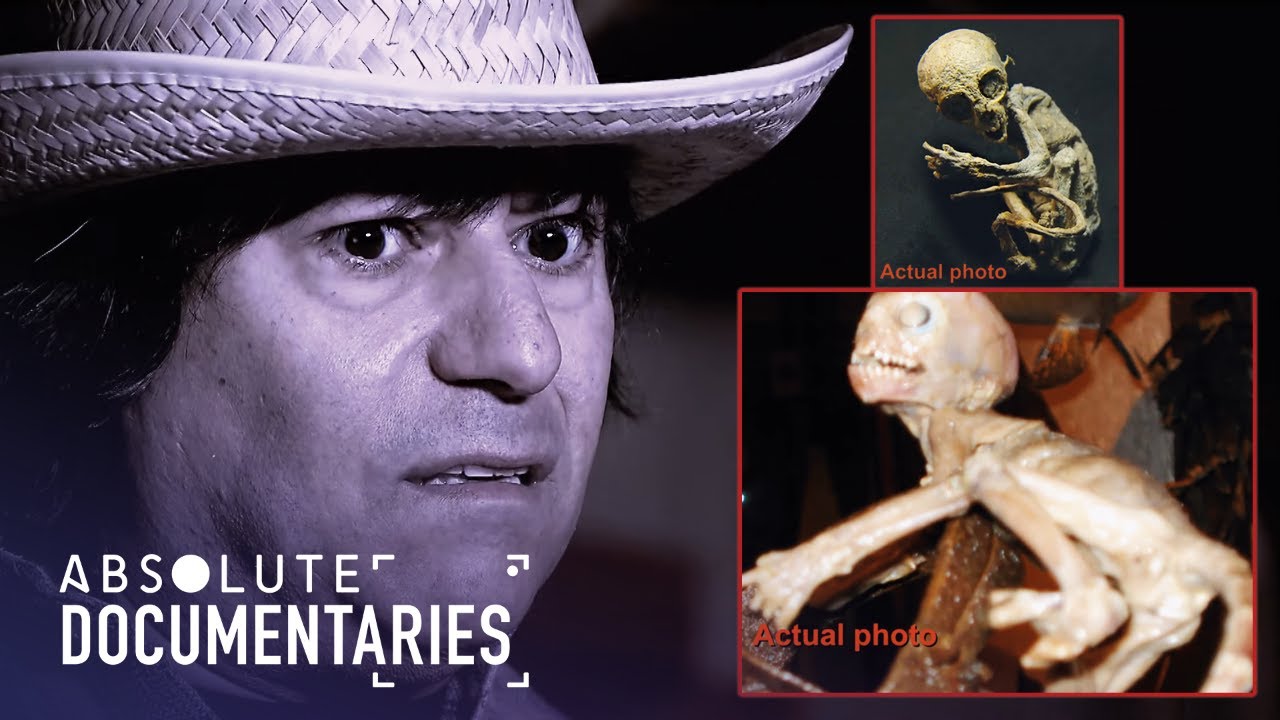
A farmer in Mexico discovers a tiny human-like being in a rat trap, raising questions about extraterrestrial life on Earth.
Frozen landscapes and ancient mysteries are examined for their connections to theories of extraterrestrial activity and unexplained discoveries in extreme cold environments.
China is a country that has been rapidly changing to lead in modern science and technology.
A Saturn 5 rocket, weighing about 6 million pounds, was designed to place the Apollo spacecraft in the vicinity of the Moon during the 1960s.
A delta 4 heavy rocket, with a thrust equivalent to around 50 million horsepower, successfully launched the Orion spacecraft into Earth orbit.
Twelve astronauts walked on the moon between 1969 and 1972, leaving behind footprints and equipment that will last for millennia.
Astronomers at a remote outpost in the Andes Mountains use the Reuben telescope to gather data on dim objects and exploding stars in distant galaxies.
Yuri Gagarin's space odyssey lasted just one hour and forty-eight minutes before he died in a plane crash on March 28, 1968.
The sun, containing 99.
Join a tour from Earth to the outermost reaches of the universe in this informative documentary.