From over 100,000 films, discover the handful you'll love.
Free or premium access to the world's largest documentary library.
1294 films(Page 8 of 27)
Six astronauts aboard the Space Shuttle Endeavour experience the view of Earth from 233 kilometers above, describing it as a stunning sight.
Mining diamonds from a frozen volcano in Canada involves extreme tasks and innovative creations, including gyroplanes and high-speed boats.
NASA's Mariner IV space probe, launched in 1964, completed an eight-month mission that provided humanity's first close-up images of Mars.
In October 2014, an Antares rocket built by Orbital Sciences was set to ferry supplies to the International Space Station.
3,700 known exoplanets have been identified, yet no signals indicating extraterrestrial life have been detected in nearly 60 years of searching.
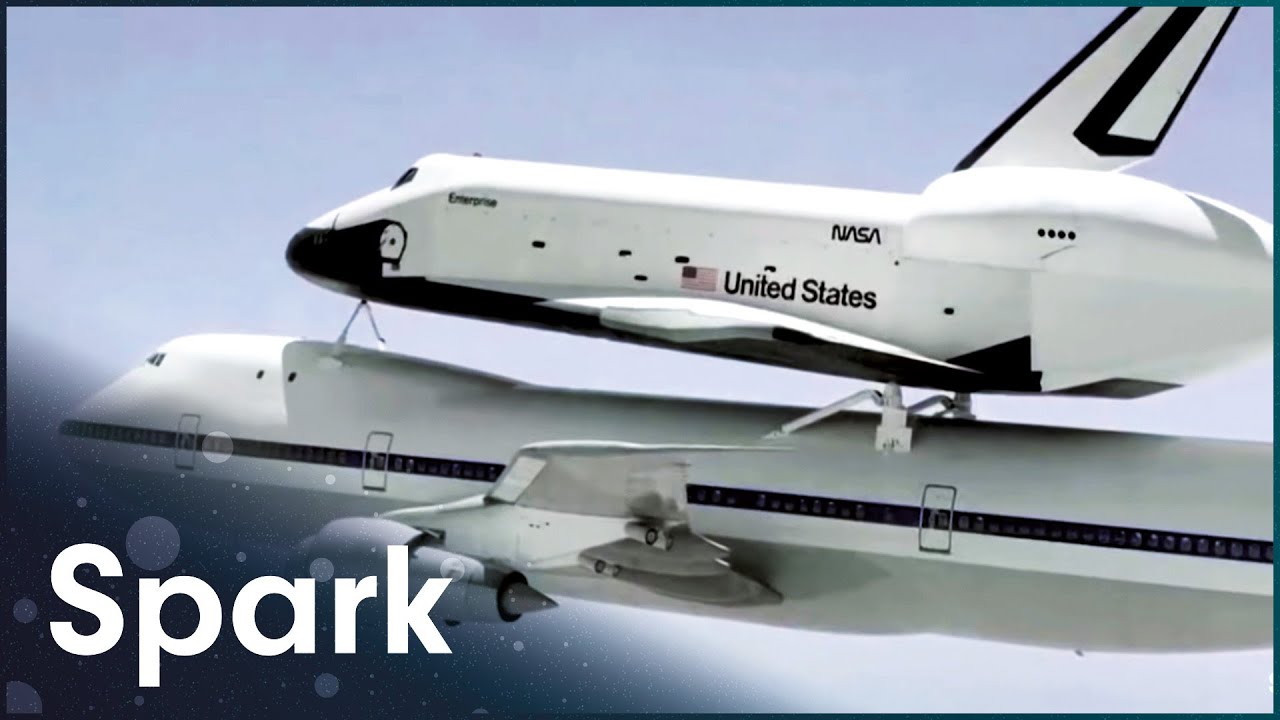
The space shuttle program completed 133 missions and transported nearly 150 astronauts, significantly advancing human space flight and scientific research.
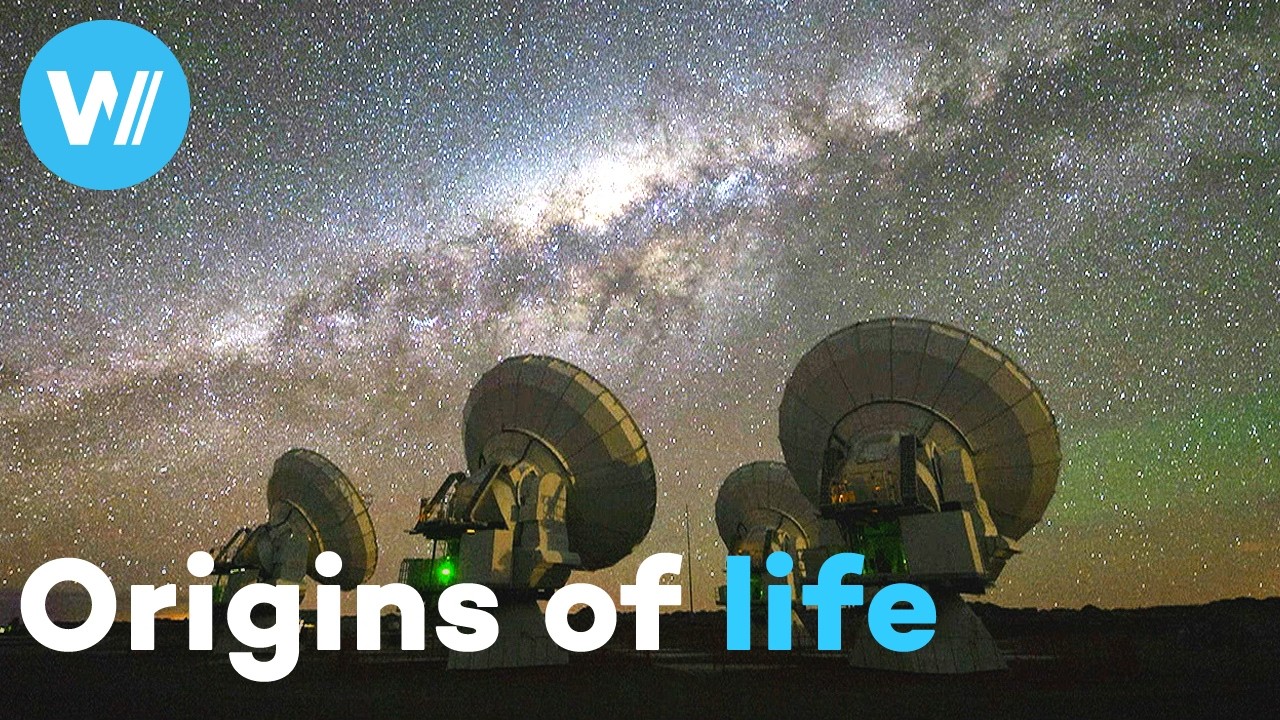
The Milky Way's beauty serves as a backdrop for exploring cosmic wonders and the potential for life across the universe's vast expanse.
Three competing theories about the moon's origins emerged during the space race, each tested by unmanned lunar probes launched by the United States and the Soviet Union.
Wales' dramatic coastline features cockle collectors racing against tides, church congregations on island sermons, and serves as a Mars testing ground for ESA.
The Shuttle Program marked the first reusable spacecraft in history, while the Challenger Disaster highlighted the dangers of rushed launch schedules in space exploration.
Milestones in space exploration are examined, highlighting the Apollo program's achievements, Europe's IXV re-entry vehicle, and the challenges faced by Galileo satellites.
Mercury and Venus, the two innermost planets of the solar system, are examined for their extreme environments and proximity to the sun.
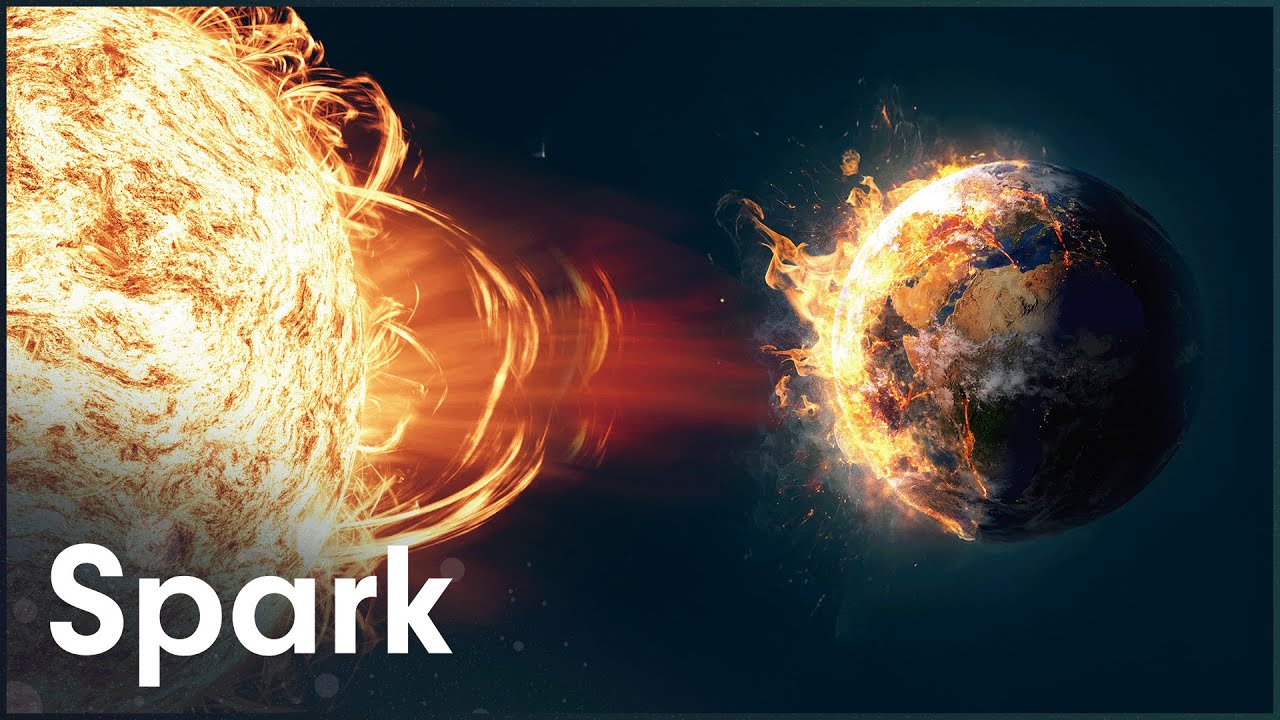
The sun's colossal nuclear storms threaten Earth, disrupting technology and communications.
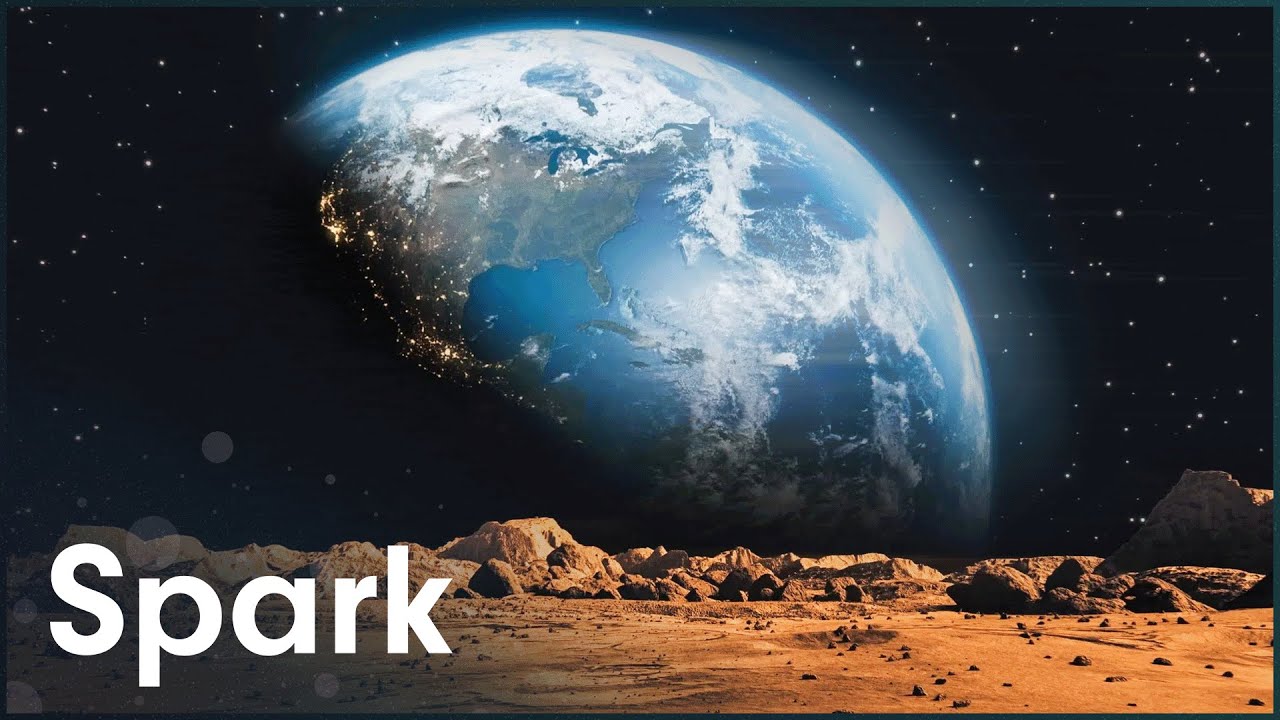
The Moon is 239,000 miles from Earth and is being considered as the first potential home for humanity beyond our planet.
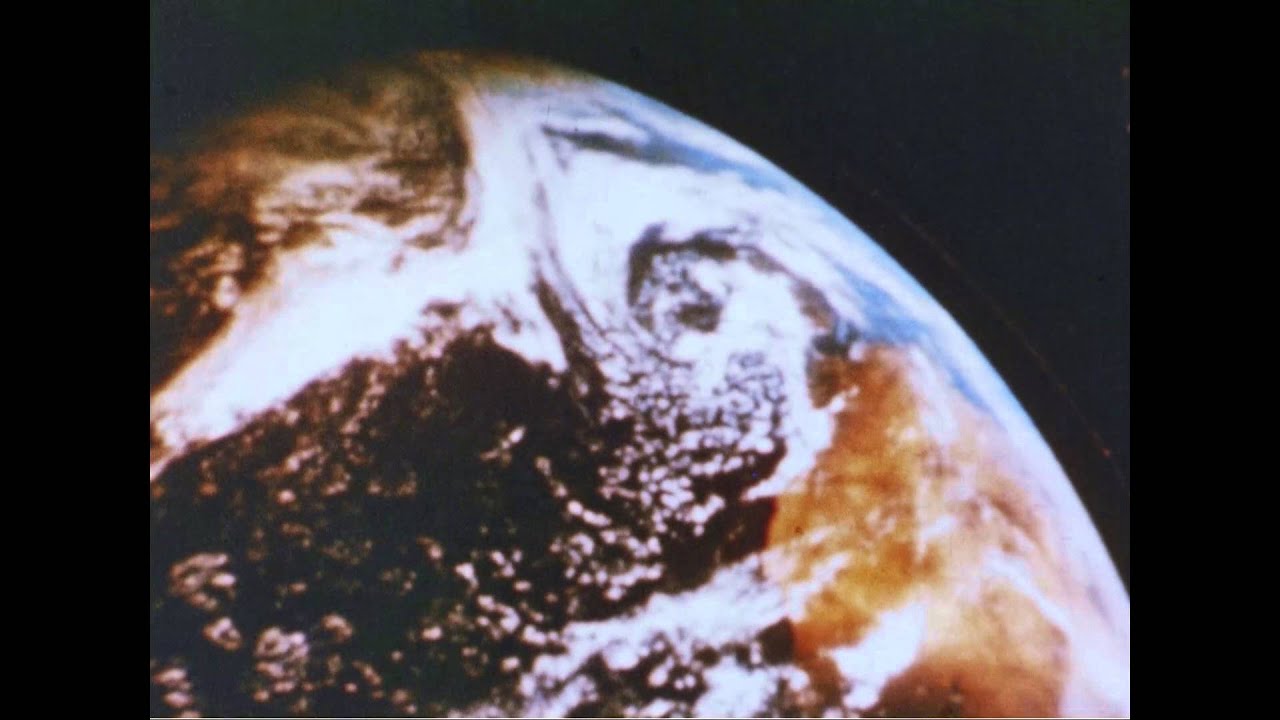
Apollo 8 orbited the Moon in 1968, revealing Earth as a fragile "little Blue Marble" from a quarter of a million miles away.
President Kennedy's moon landing goal in July 1961 relies on Werner Von Braun's vision and expertise.
Origami's mathematical principles are being applied by scientists and engineers, including roboticist Shuguang Li, to innovate technologies like shape-shifting robots and artificial organs.
More than 100 planets orbiting distant stars have been discovered since 1995, raising hopes for finding a new home for humanity.
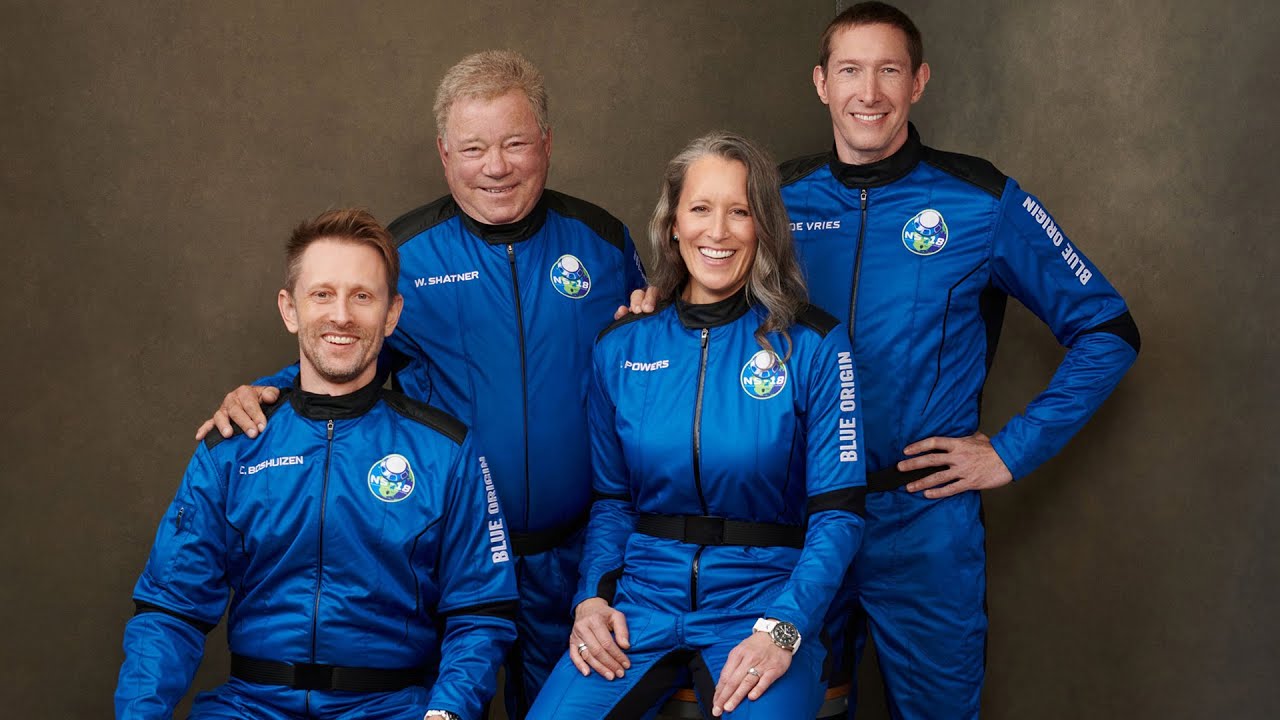
William Shatner, known for his role as Captain Kirk in Star Trek, becomes the oldest person to travel to space aboard Blue Origin's New Shepard.
Russian cosmonauts Oleg Novitskiy and Anton Shkaplerov conduct a 7.5-hour spacewalk to enhance the Nauka Multipurpose Laboratory Module at the International Space Station.
A day on Mercury lasts 58 Earth days, with temperatures ranging from minus 300°F to 840°F, making it an inhospitable candidate for human life.
Today, many records from The Space Race and The Hubble remain unsurpassed in space exploration.
The Hubble Space Telescope has revealed that the Milky Way contains 100 million times the number of stars visible to the naked eye.
A beam of light takes one year to travel 10 trillion kilometers, illustrating the vast distances in interstellar space.
LIGO's measurement of gravitational waves from a black hole merger and the Event Horizon Telescope's image of a black hole represent major advancements in astrophysics.
A 21-day launch window allowed NASA to send the Lucy spacecraft to study Trojan asteroids, which have remained untouched since the Solar System's formation.
Hundreds of experiments are conducted each year aboard the International Space Station, contributing to advancements in aerospace and bioengineering.
Voyager 1, launched in 1977, is now 22 billion kilometers from Earth and transmits data at a rate equivalent to sending Morse code.
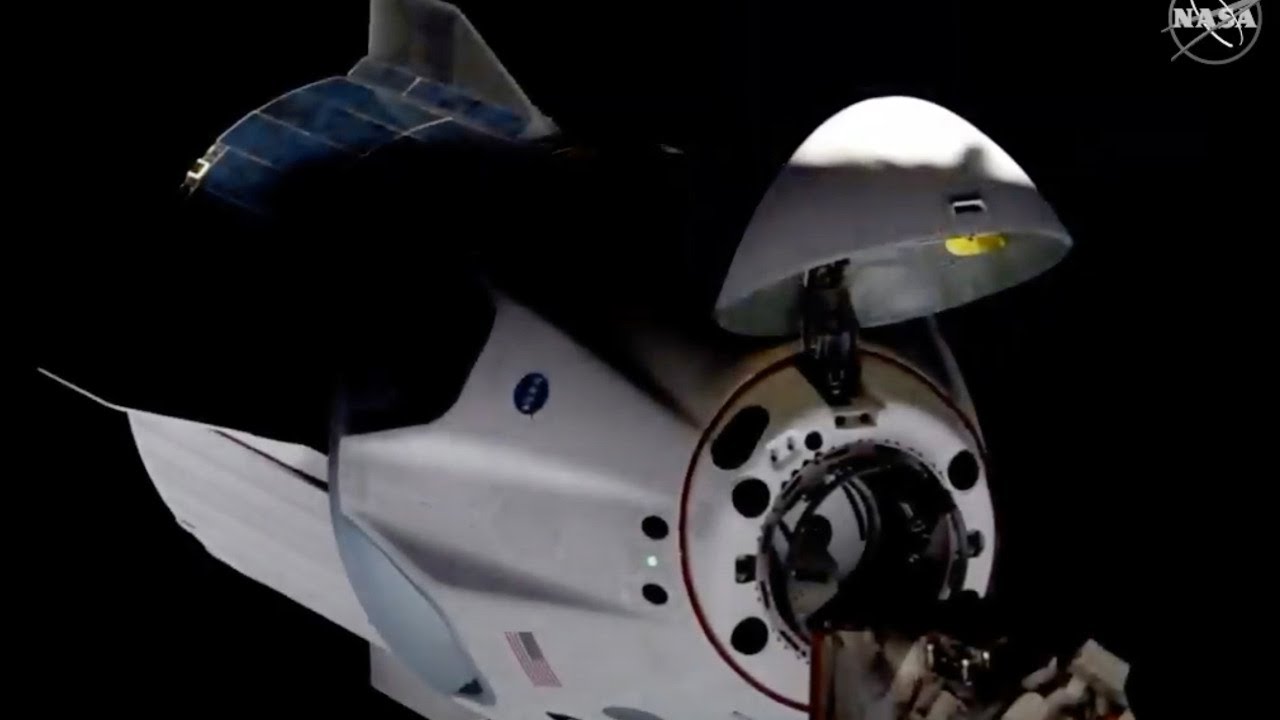
NASA astronauts Doug Hurley and Bob Behnken return to Earth aboard SpaceX's Crew Dragon spacecraft after undocking from the International Space Station.
Apollo's lunar missions faced declining public interest and technological complications, marking the transition to the end of the program and the era of manned moon landings.
Twelve astronauts walked on the moon between 1969 and 1972, facing significant technical challenges and personal sacrifices during the Apollo missions.
On Christmas Eve 1968, astronauts Frank Borman, Jim Lovell, and Bill Anders orbited the Moon, becoming the first humans to achieve this milestone.
NASA astronauts Doug Hurley and Bob Behnken returned to Earth in a SpaceX Dragon capsule, completing a historic test flight with a splashdown in the Gulf of Mexico.
SETI, the Search for Extraterrestrial Intelligence, employs radio and optical telescopes to scan the cosmos for potential signals from alien life.
On October 4, 1957, the Soviet Union launched the first man-made satellite, marking the beginning of the Space Age and prompting the creation of NASA.
Project Mercury marks the beginning of NASA's first manned space program, alongside the European Space Agency's Mars Express and Russia's Soyuz launch system.
Project Gemini's advancements, Cassini's complex missions at Saturn, and Mars exploration efforts highlight key milestones in space exploration.
The first permanent settlers of Mars arrive to self-building habitats that produce air, water, and food for future generations born on alien planets.
The Hubble Space Telescope captures images of planetary nebulae and galaxies, highlighting their structures and the potential for new star formation.
The "Sentinel 6 Michael Freilich" satellite, launched by SpaceX from California, aims to enhance ocean observation and measure sea level rise.
13.8 billion years ago, the Big Bang initiated the formation of the universe and the building blocks of life found throughout it.
NASA launched twin satellites in 2006 to study solar storms and sunspots, which affect Earth's climate and technological systems.
Astrophysicists Gordon Walker and Bruce Campbell, pioneers in exoplanet detection, reveal their groundbreaking techniques and the search for Earth-like planets.
Alan Lightman examines modern scientific findings to explore humanity's place in the cosmos, featuring insights from astronomer Dan Snow.
Neil Armstrong's historic moon landing in 1969 marked a pivotal moment in the space race, leading to further lunar missions and future exploration plans.
Project Gemini's docking challenges, the Curiosity rover's findings on Mars, and satellite swarms investigating Earth's magnetic field are explored in this episode.
The Rosetta mission, launched by the European Space Agency, successfully landed on comet 67P/Churyumov-Gerasimenko to study the origins of the solar system and life.
Milestones in space exploration are examined, highlighting the Cold War rivalry, the Hubble Space Telescope's servicing, comet missions, and the issue of space debris.