From over 100,000 films, discover the handful you'll love.
Free or premium access to the world's largest documentary library.
1294 films(Page 24 of 27)
The asteroid belt, located between Mars and Jupiter, contains millions of asteroids, including the dwarf planet Ceres, which are separated by vast distances.
The range of the Little John missile is 20,000 meters, demonstrating the advanced capabilities of U.S. artillery systems during the Vietnam War.
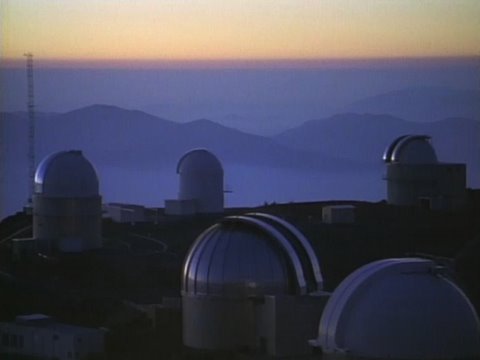
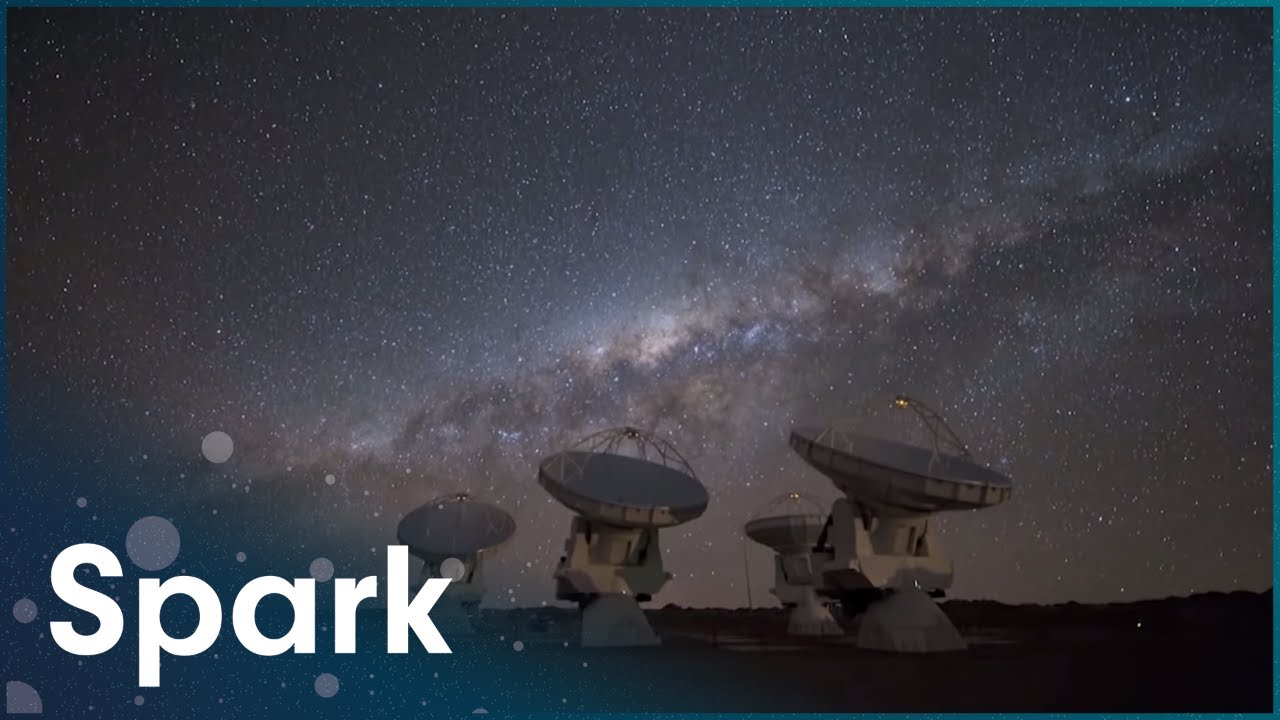
Cerro Paranal in the Chilean Atacama desert offers crystal-clear, dark skies for stargazing on about 320 nights per year.
In 1955, Britain began building its first space rockets, but government support for the program dwindled, ultimately leading to its cancellation.
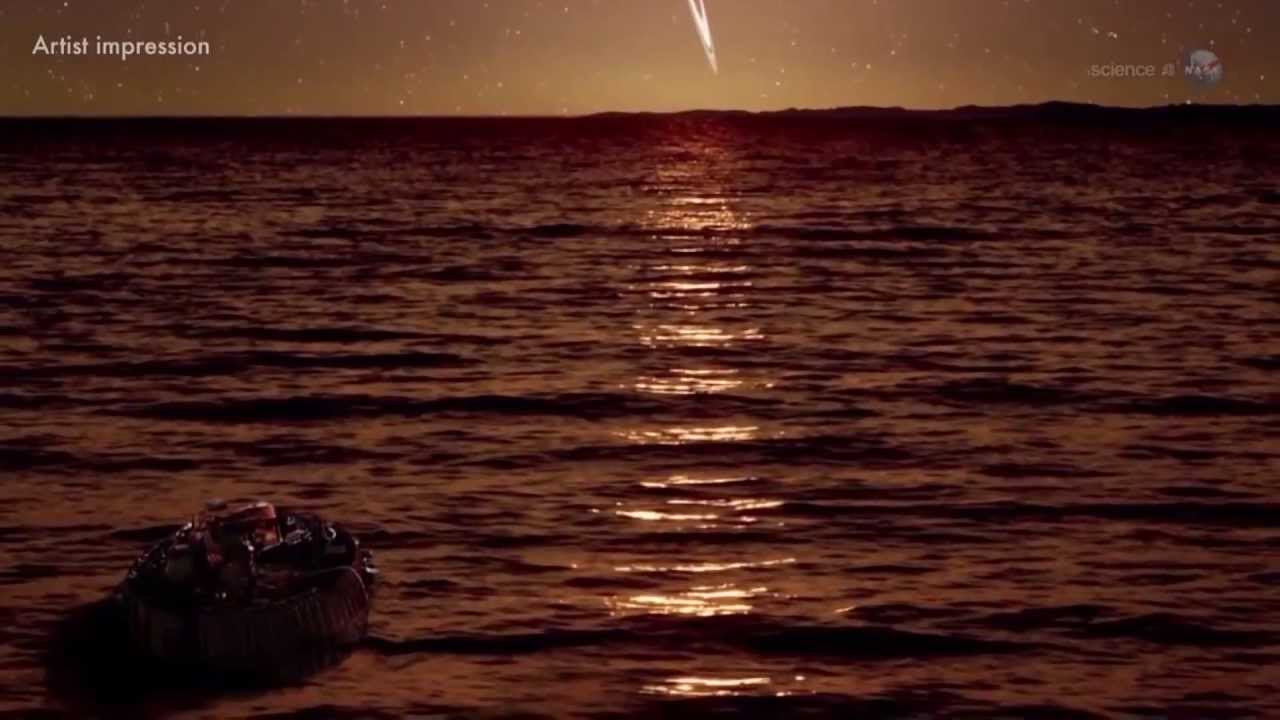
Titan, Saturn's largest moon, has stable surface liquids but no wave activity.
Huygens must transmit data from Titan's surface to the Cassini spacecraft, navigating Saturn's rings to ensure the mission's success.
The Hubble Space Telescope reveals galaxies billions of light years away with new star formations.
Today, astronomical science is being transformed by technological advances on mountaintops around the world.
In December 1980, Betty Cash, Vickie Landrum, and her grandson Colby encounter a diamond-shaped craft in Dayton, Texas, leading to health issues and unanswered questions.
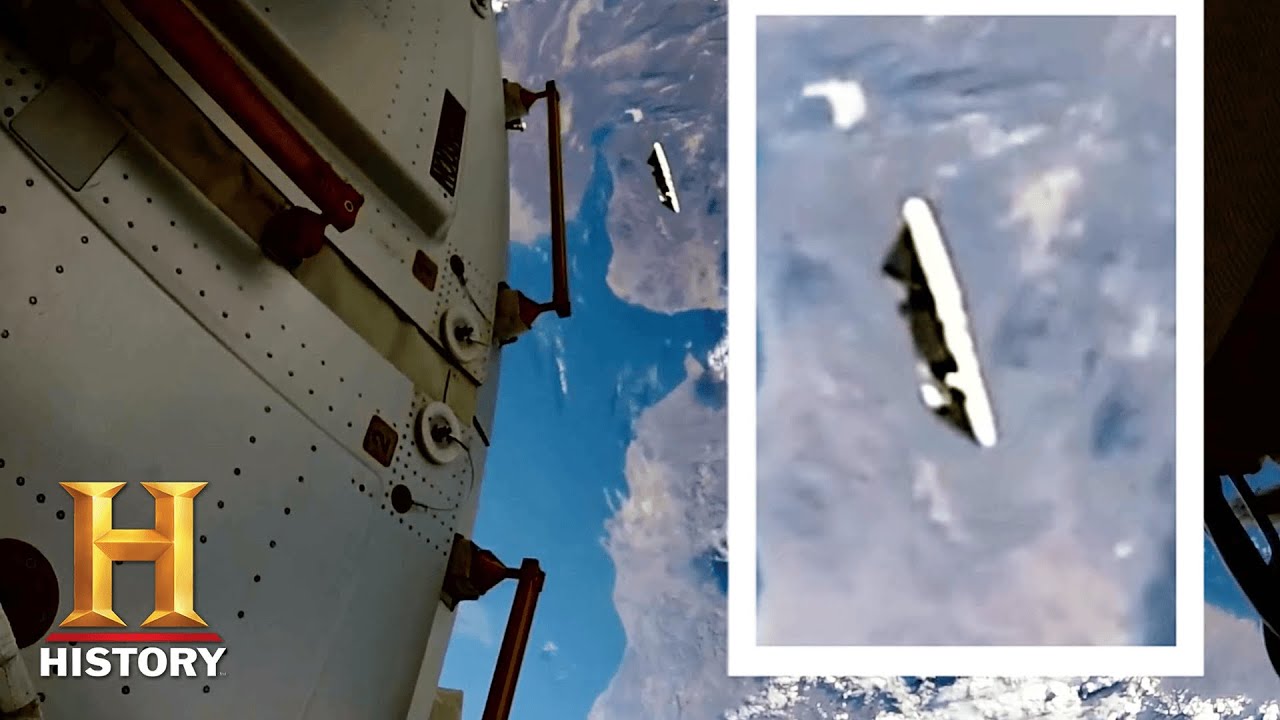
Footage from the ISS raises questions about UFOs monitoring Earth from space.
Blind Frog Ranch serves as the backdrop for Josh and Chad's exploration of underwater caves and a mysterious metal cylinder, while Duane Ollinger pursues hidden treasure.
Lieutenant Ryan Graves recounts his experiences as a Navy pilot encountering unidentified flying objects during training exercises off the East Coast in 2014.
In the 1990s, measurements of distant supernovas revealed that the universe is not slowing down but accelerating, challenging existing astrophysical theories.
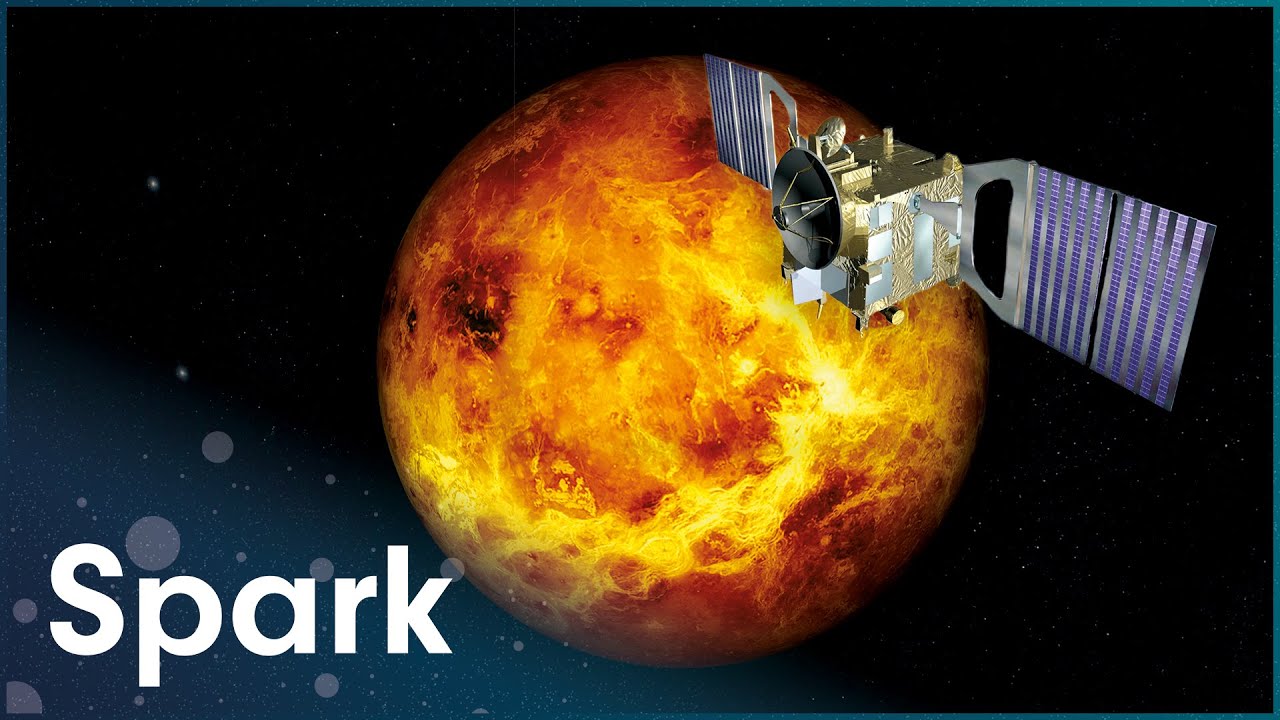
The European Space Agency's Venus Express was the first probe sent to Venus, contributing to significant advancements in our understanding of the planet.
Watch how engineers develop probes to explore Venus' extreme conditions and gather data.
A modified Boeing 727, known as the "Vomit Comet," creates short bursts of zero gravity for aspiring astronauts like Nigel during parabolic flights.
In 2019, the U.S. established the Space Force, marking the first new military branch in over 70 years amid rising concerns about warfare in space.
NASA's MAVEN mission aims to analyze Mars' upper atmosphere to determine if the planet was once a water-rich environment like Earth.
Gravitational wave astronomers announced a moderately confident detection of ripples in space-time, believed to fill the cosmos, using a pulsar timing array.
NASA's ATS-III spacecraft captured the first color film of Earth from 22,300 miles above, showcasing regions from Brazil to the Caribbean in November 1967.
Astronauts capture images of the Namib Desert's red sand dunes and unique cloud formations from the International Space Station.
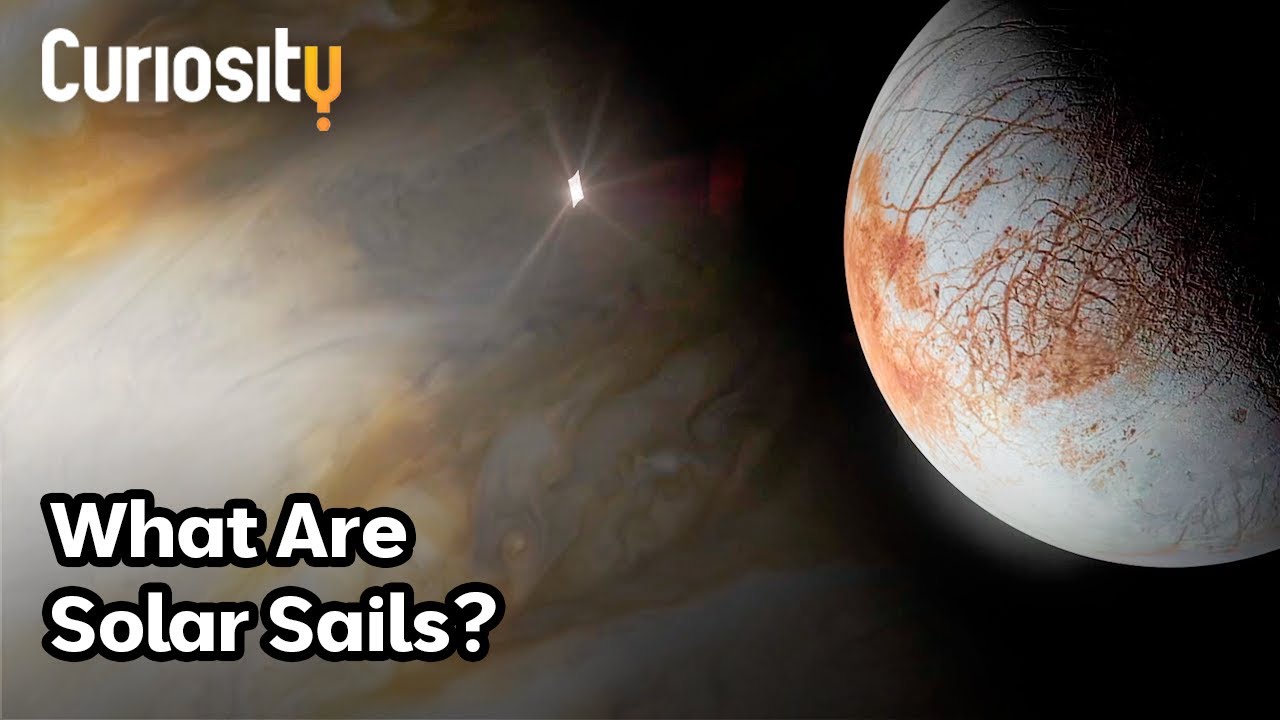
A 5-kilogram spacecraft, about the size of a bread box, uses sunlight to propel itself through space in a new method of interstellar travel.
The first planet orbiting another star was discovered in 1995, located nearly 51 light-years from Earth in the constellation of Pegasus.
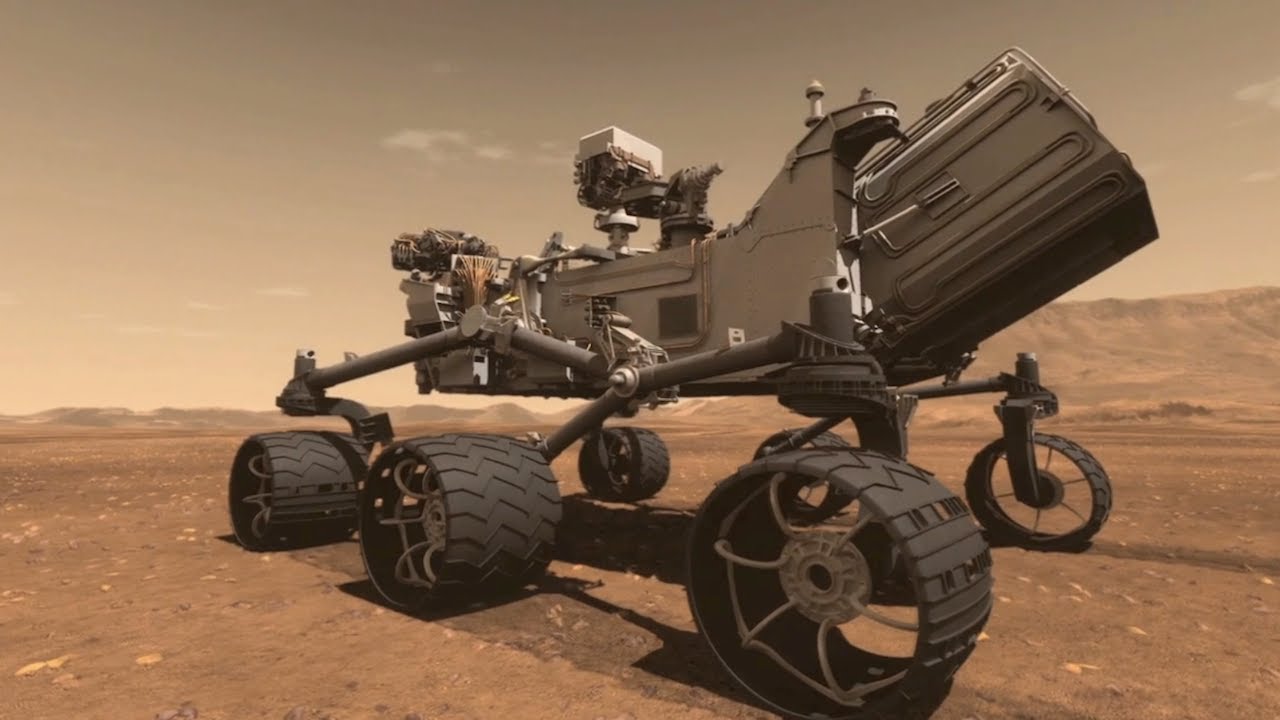
Curiosity, NASA's Mars rover, navigates the rocky terrain of Aeolis Mons while searching for clues about the planet's past and environment.
Computer simulations illustrate the evolution of galaxies and the exploration of alien worlds, showcasing stunning HD imagery of the solar system's celestial wonders.
A black hole forms when a large star dies in a supernova explosion, which can be as bright as a billion billion suns.
NASA's Cassini spacecraft detected jets of water vapor spewing from the south pole of Enceladus, a moon of Saturn, in November 2005.
One million Americans gathered in Central Florida to watch the launch of Apollo 11, marking a historic moment in space exploration.
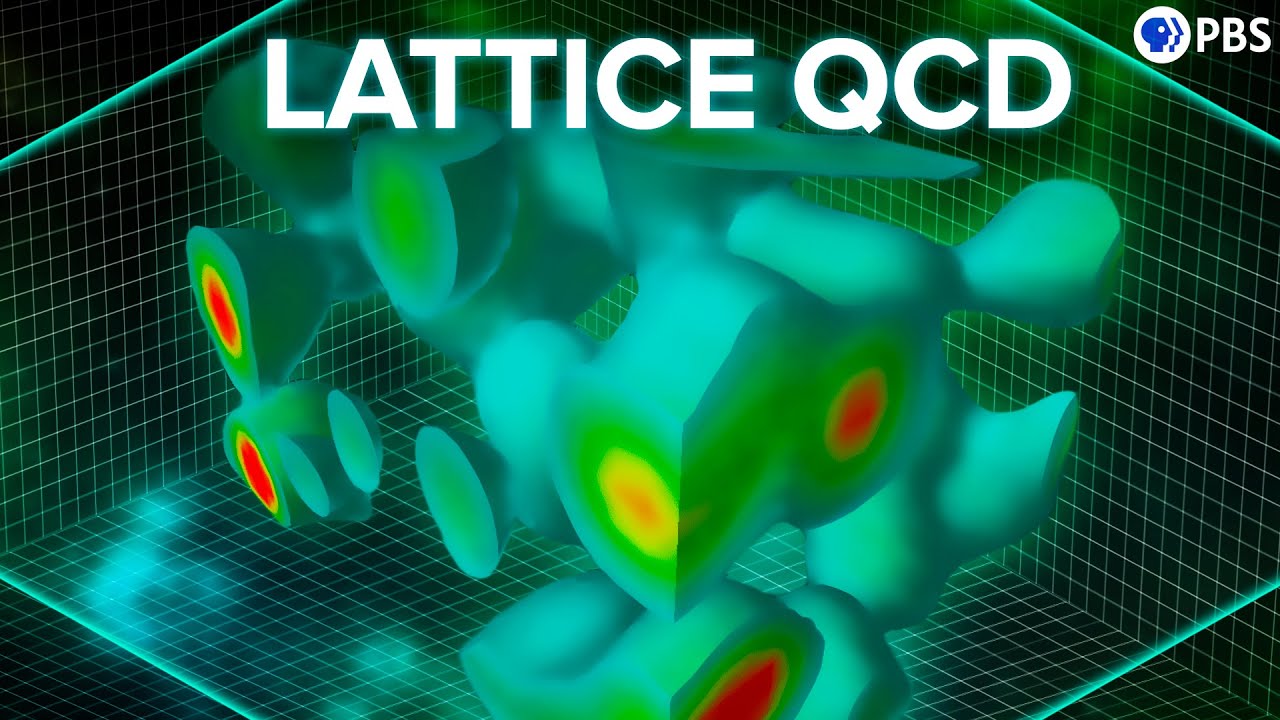
Three quarks and gluons make up each proton and neutron, creating a complex structure that challenges current computational physics.
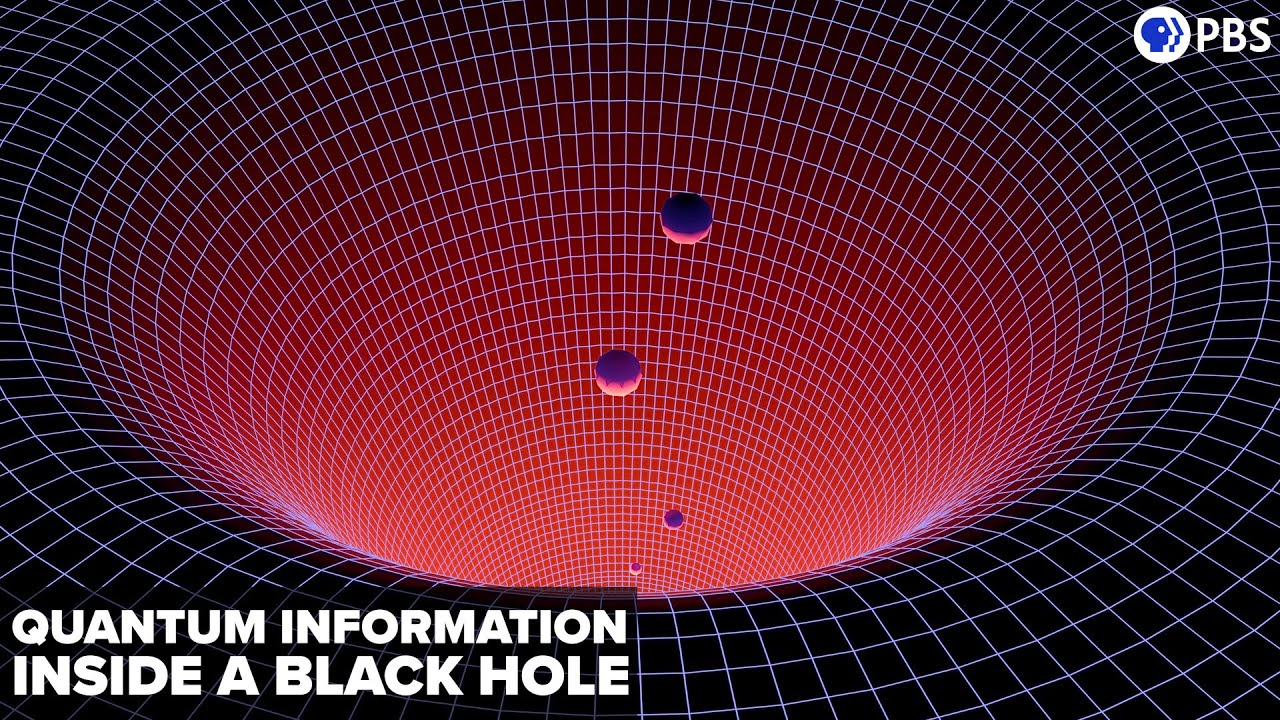
Alice carries a clock that emits high-energy gamma rays as she prepares to jump into Sagittarius A*, the supermassive black hole at the center of the Milky Way.
Recurring UFO sightings in locations like Norway and the Pacific Ocean raise questions about their impact on technology and the reasons behind these phenomena.
A corned beef sandwich nearly caused a life-threatening accident during the Gemini 3 mission in 1965, illustrating the unexpected challenges of space travel.
1932 marked the year when Werner Heisenberg proposed isospin, a new fundamental property of matter that challenges the understanding of electric charge.
Measuring the equation of state of the universe with increasing precision will reveal insights about its fabric, origin, and fate.
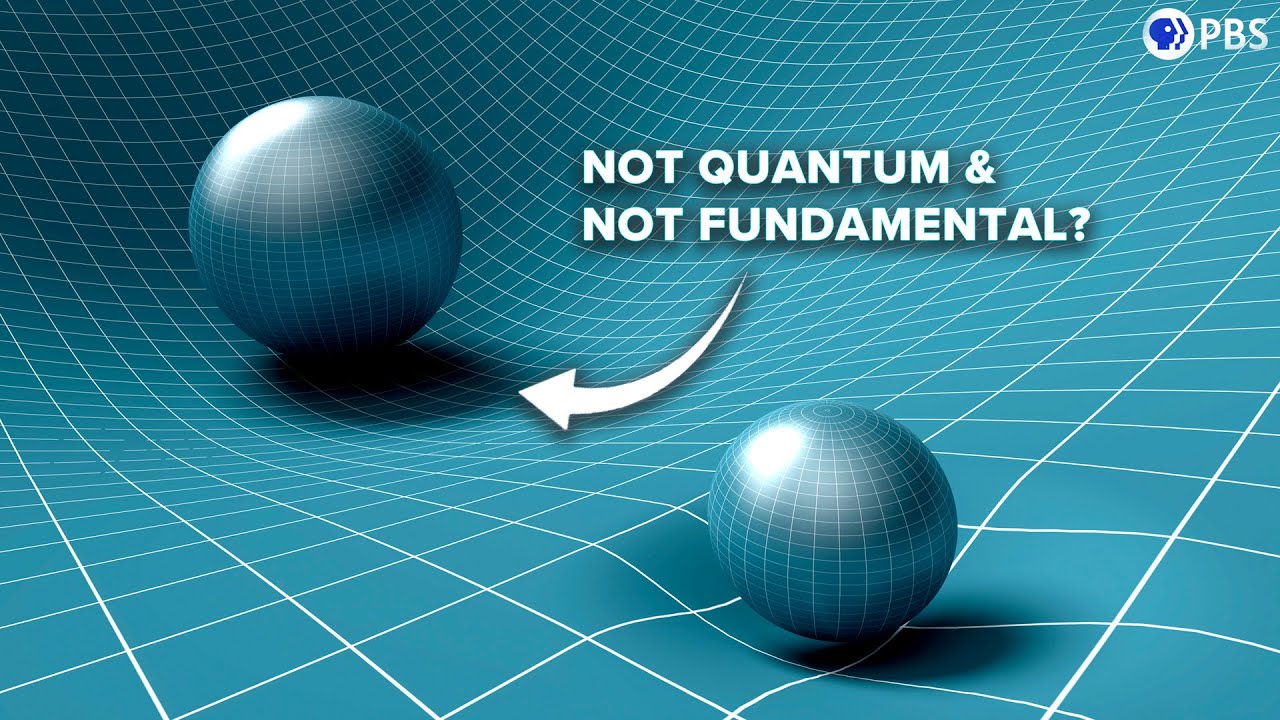
Gravity is proposed as an entropic byproduct rather than a fundamental force, challenging traditional views on its role in the universe's structure.
Humanity has existed for only a blink of an eye compared to the 13 billion years since the big bang, raising questions about our place in the universe.
A recent paper by Roy Kerr suggests that the singularity at the center of black holes may not exist, challenging the Penrose Singularity Theorem.
Curiosity, a 900-kilogram rover, carries 15 times more scientific equipment than its predecessors to investigate the potential for life on Mars.
An object discovered on October 19, 2017, changed brightness by a factor of 10 every eight hours, raising questions about its unusual nature.
Curiosity, part of the Mars Science Lab, lands on Mars at Gale Crater in August 2012.
Jim Romansky investigates a mysterious object in Pennsylvania on December 9, 1965.
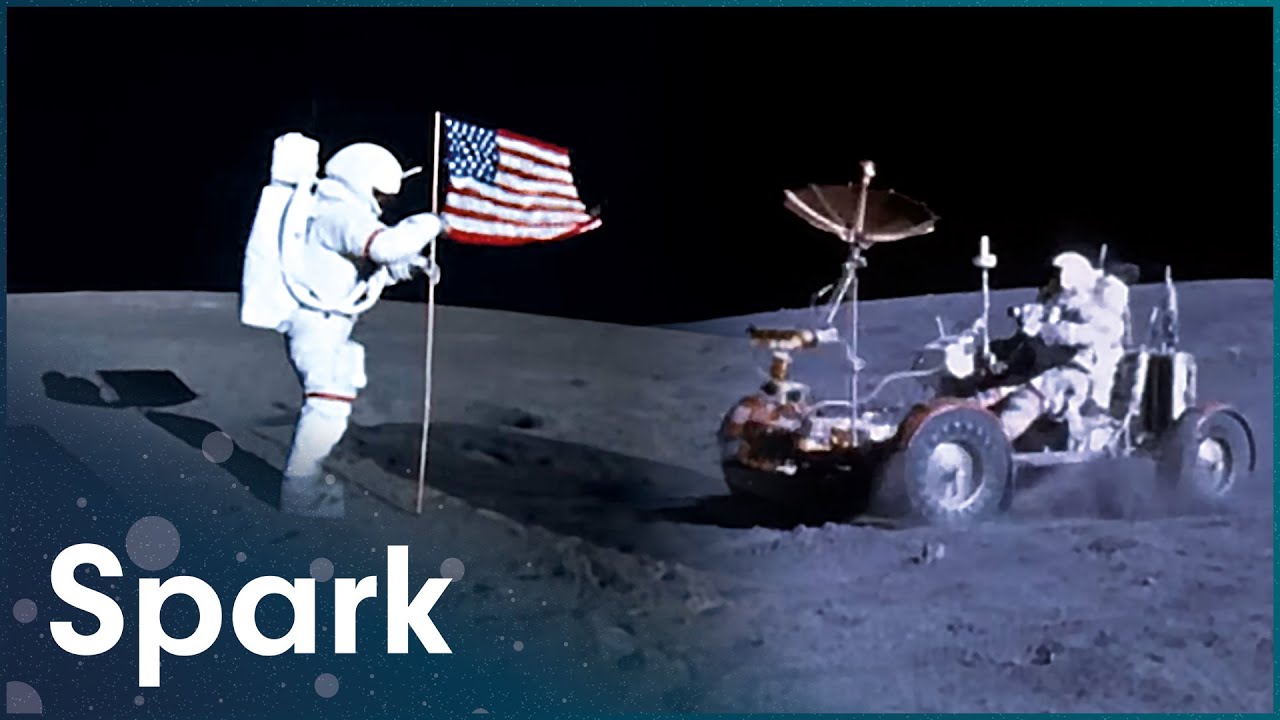
Only a dozen Americans have walked on the lunar surface, but new missions aim to establish permanent bases on the Moon within the next 10 to 15 years.
A 110-mile-wide crater in Mexico's Yucatán Peninsula marks the site of an asteroid impact that caused the extinction of 75% of life on Earth 66 million years ago.
Humans living on Mars may undergo evolutionary changes, potentially leading to a new species within just a few generations.
Earth's abundance of water is believed to have originated from meteorites, space dust, and solar contributions, unlike the water scarcity found on Mercury, Venus, and Mars.
Cerro Paranal, located 2.6 kilometers above sea level, hosts the Very Large Telescope, which consists of four large telescopes and four smaller ones.
The concept of the universe's center is examined through expert insights and various cosmological theories, highlighting its significance in understanding space.
Antimatter engines, once considered science fiction, are explored as a feasible technology that could be developed and launched within the next few decades.