From over 100,000 films, discover the handful you'll love.
Free or premium access to the world's largest documentary library.
1294 films(Page 22 of 27)
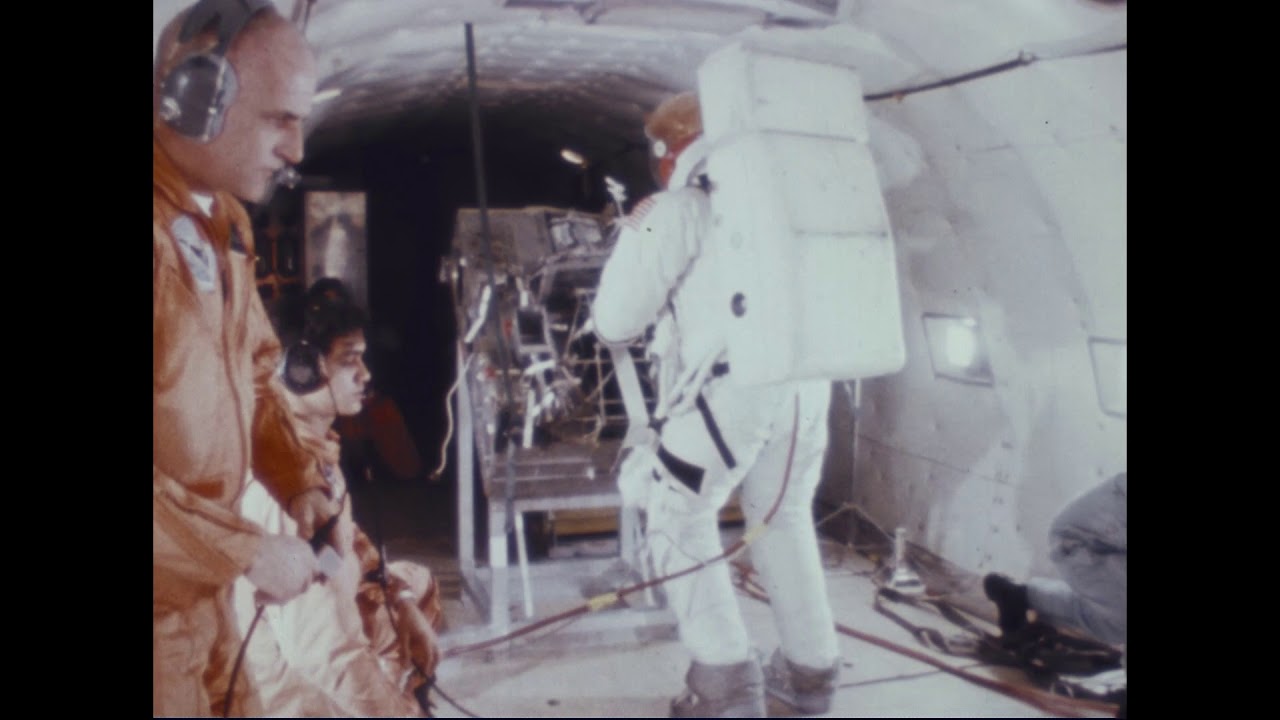
Astronauts Neil Armstrong, Buzz Aldrin, and Fred Haise engage in lunar sample collection training at 1/6 gravity aboard a KC-135 aircraft.
Astronauts Jim Lovell and Fred Haise conduct training exercises with lunar equipment and mockups at the Manned Spacecraft Center in 1970.
A neutron star has the mass of the sun but a radius of only about six miles, resulting in an incredibly dense object with intense gravity.
Chip Freeman captures a mysterious purple beam of light in Anchorage, Alaska, in October.
At La Silla observatory in Chile, astronomers document an unexpected red flash of light, raising questions about its implications for astronomical studies.
Astronauts visited Hubble in 2009 to install the Cosmic Origins Spectrograph and WFC3.
Neil Armstrong and Buzz Aldrin face challenges during their Lunar Module descent on July 20th.
NASA's Kepler space telescope detected two planets orbiting Kepler-62, located 1,200 light-years from Earth, that may hold water and support life.
A team from Vice News travels to Arizona to meet people who believe they have encountered aliens and engage in a meditation dedicated to ambassadors of the universe.
In 2015, Professor Karen Oberg used the Alma telescope to detect organic molecules in the disk of the young star MWC 480, suggesting the potential for life elsewhere.
A piece of equipment that has not been serviced by human hands in over 10 years is still working on Mars, continuing to send back scientific data.
The Late Heavy Bombardment bombards Earth with comets and space debris for 200 million years.
75% of the samples collected from asteroid Bennu will be archived for future analysis by scientists.
In Bolivia, Parker Schnabel and his team encounter miners extracting gold from hillside tunnels, reflecting on the legacy of the Klondike Gold Rush.
In the jungles of Peru, Parker Schnabel searches for virgin ground, inspired by his grandfather John Schnabel, as part of the Gold Rush series.
Parker Schnabel experiences altitude sickness in La Riconada, Peru, highlighting the dangers of gold mining and the challenges he faces in his pursuit of fortune.
Scientists have been able to explore the black hole at the center of our galaxy using advanced technology.
A Japanese airline crew encounters UFOs while flying from Paris to Tokyo over Alaska.
Astronomers estimate there are at least 10 billion potentially habitable Earth-sized planets in the Milky Way Galaxy alone.
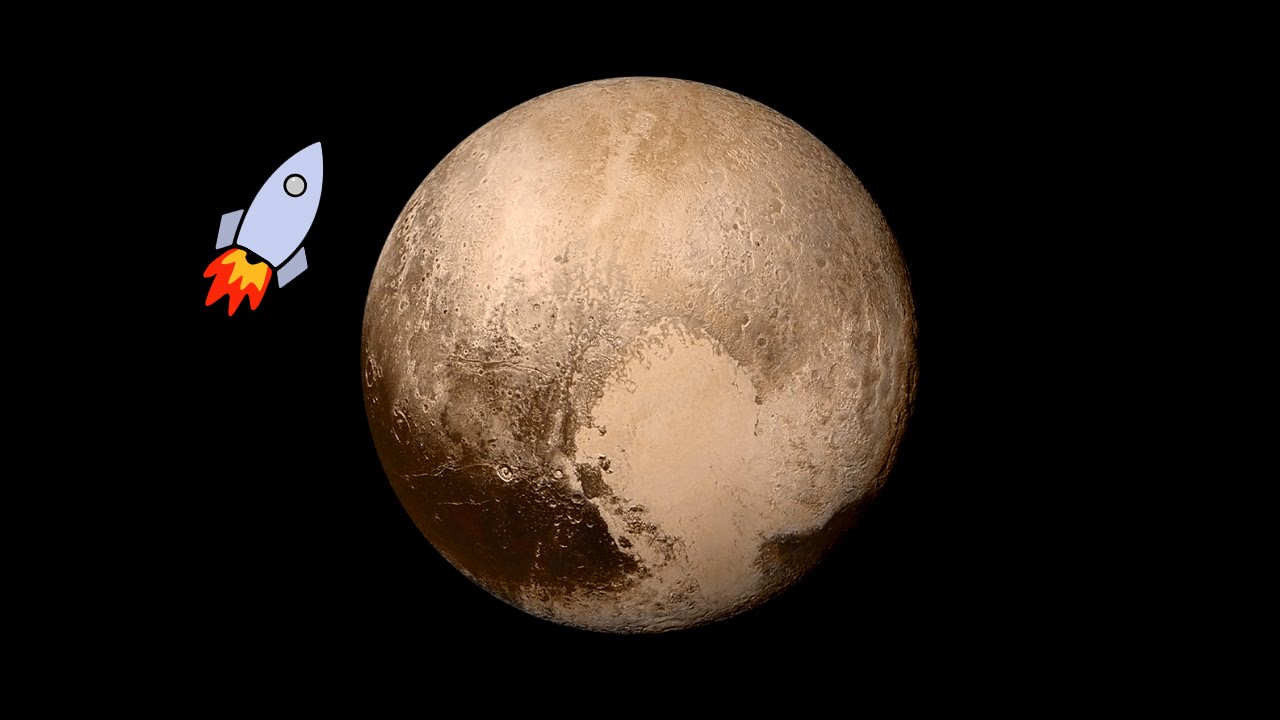
New Horizons traveled at 60,000 kilometers per hour, making it the fastest spacecraft ever launched, to study Pluto and its moon Charon.
A new exoplanet finder uses the Very Large Telescope on Mt Paranal to detect planet atmospheres.
Five F1 engines on the Saturn V's first stage develop a total of 7.12 million pounds of thrust, crucial for launching the Apollo spacecraft into orbit.
Elon Musk and Richard Branson are key figures in the development of private space travel, highlighting their respective companies, SpaceX and Virgin Galactic.
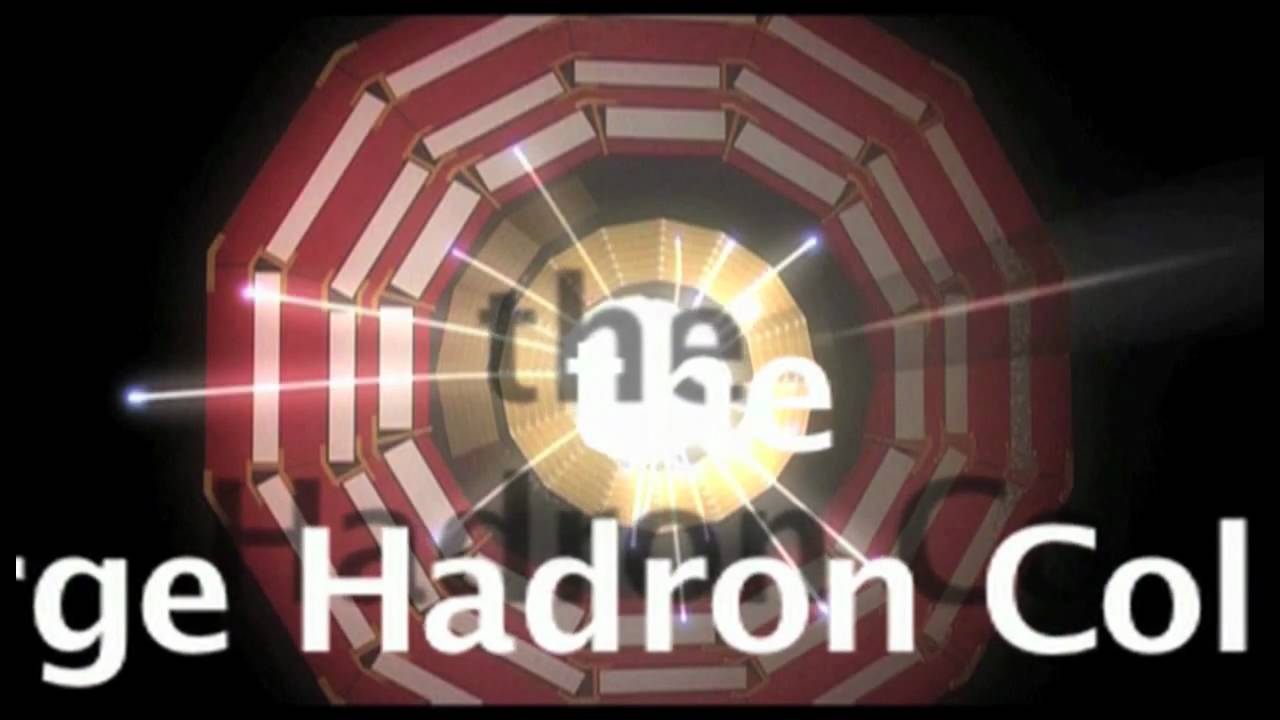
Two billion protons collide every second inside the Large Hadron Collider, recreating conditions from less than a billionth of a second after the big bang.
Gemini 8's docking maneuver was initially successful, but the linked crafts began spinning uncontrollably, forcing astronauts Neil Armstrong and Dave Scott to initiate an emergency return to Earth.
Astronomers detect Proxima b, a planet orbiting Proxima Centauri, our nearest stellar neighbor.
Apollo 11 launched on July 16, 1969, and marked the first successful manned moon landing, with Neil Armstrong's famous words, "That's one small step for man."
Space archaeologist Sarah Parcak employs advanced satellite technology to reveal hidden remnants of ancient Roman civilizations, highlighting her initial setbacks and subsequent successes.
NASA's supercomputer simulation analyzes plasma flows within the Sun to reveal how solar eruptions impact space weather.
An animated exploration of the solar system showcases the intricate details and orbits of celestial bodies, including the moon, Mercury, Mars, and Saturn.
Starting 6 million kilometers from Saturn, the newly discovered ring extends outward about 12 million kilometers, making it the largest ring ever seen around a planet.
Enceladus, one of Saturn's moons, features a bright icy surface, extreme temperatures, and intriguing geological characteristics that suggest potential for scientific exploration.
Science fiction works, from Mary Shelley's "Frankenstein" to "The Jetsons," have significantly influenced technological advancements and real-world inventions.
An 8-meter diameter mirror allows the James Webb Space Telescope to collect six times more light than the Hubble Space Telescope.
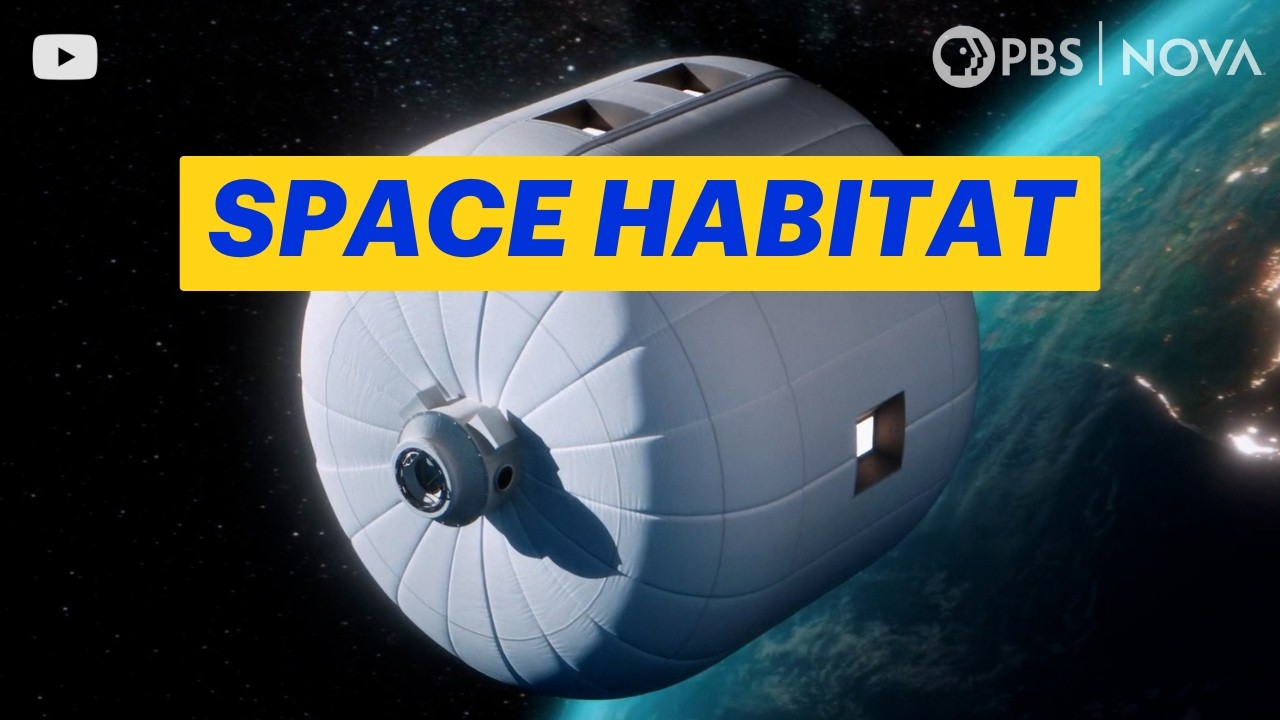
Scientists are developing inflatable habitats for human habitation on the Moon and Mars, testing their ability to withstand high pressures before deployment.
They believe our galaxy teems with planets, despite the stars having offered little evidence of life.
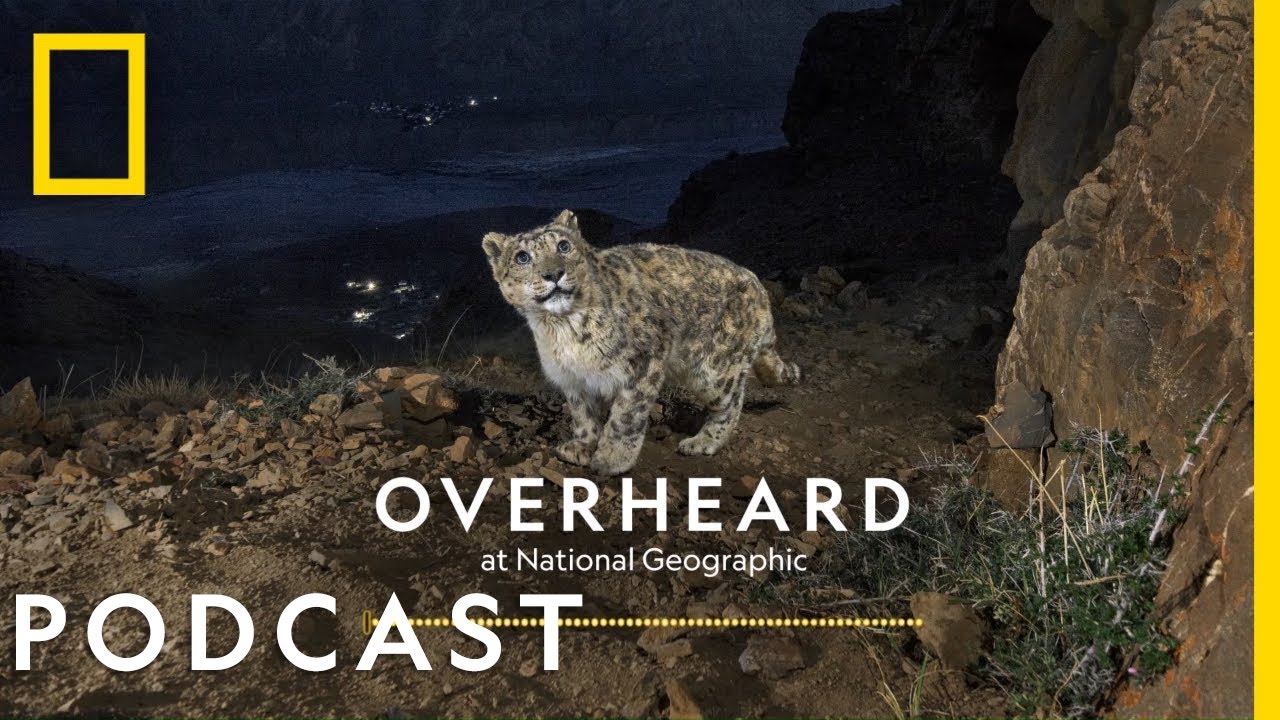
Three snow leopard cubs were spotted in the Spiti Valley, but only two were visible in the camera trap footage months later.
CERN's Large Hadron Collider will conduct a groundbreaking experiment involving ten thousand scientists to explore matter just after the Big Bang.
NASA's Dawn mission began on September 17, 2007, to study the two largest asteroids, Ceres and Vesta, in the asteroid belt.
Carl Jansky discovered radio waves from the Milky Way in 1931, revealing a universe beyond the limits of human eyesight.
Dr. Robert Stein from Michigan State University studies solar dynamics and coronal mass ejections.
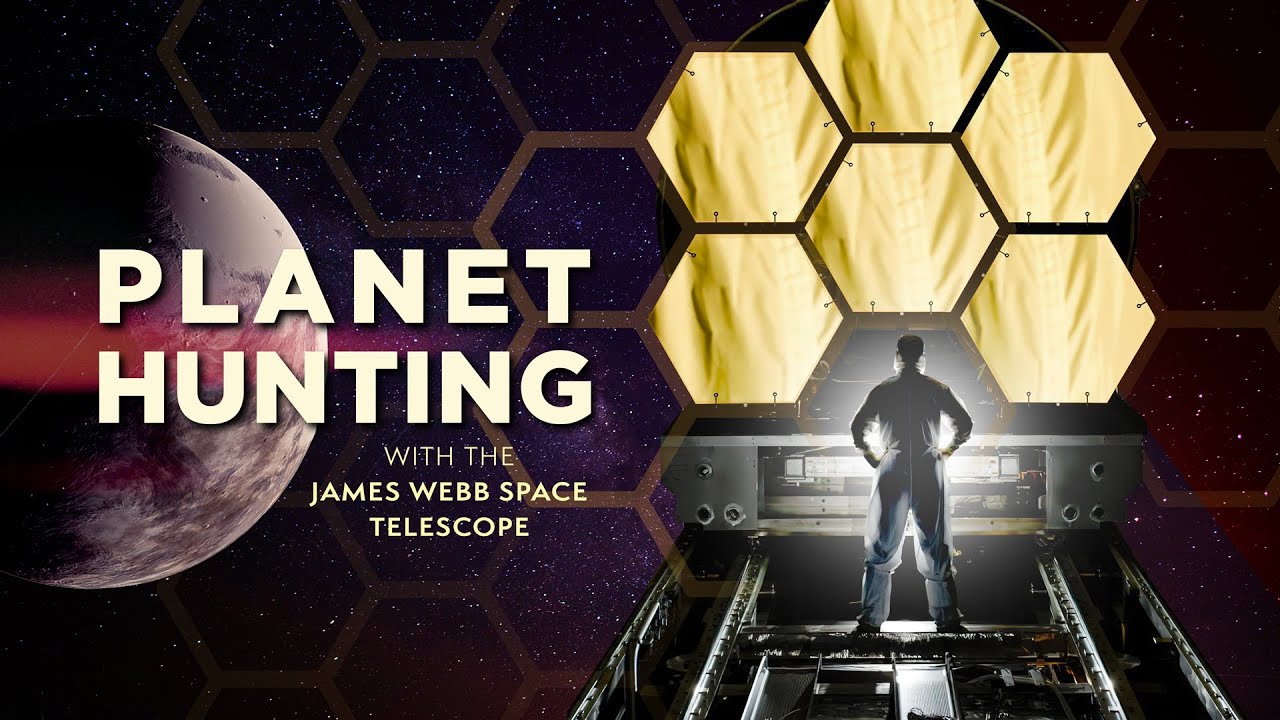
The Webb Space Telescope will study how planets form and evolve in our solar system and beyond.
NASA and private companies like SpaceX face numerous challenges in sending humans to Mars, including life support systems and transportation logistics.
Skylab's three missions conducted a series of scientific experiments, including studies of the universe and human cells, from 1973 to 1974.
Nigel, an acclaimed science populariser, explores the mysteries of the outer Solar System and the debate over the existence of Planet X, engaging students' curiosity.
More than 700 asteroids could be worth over 100 trillion dollars, raising questions about wealth distribution and tax implications in space.
Private money is transforming space exploration through companies like SpaceX and Blue Origin.
NASA's James Webb Space Telescope captures vivid imagery of the Orion Nebula, showcasing the blend of art and science in astronomical photography.




![Documentary backdrop image for Private Space Travel [Elon Musk, SpaceX, Richard Branson] (2014)](https://i.ytimg.com/vi/VHhM53XKlWU/hqdefault.jpg)