From over 100,000 films, discover the handful you'll love.
Free or premium access to the world's largest documentary library.
1294 films(Page 3 of 27)
A one-mile-wide comet crashing into Earth at over 20,000 miles an hour could cause catastrophic damage, as evidenced by the extinction of the dinosaurs.
Billions of Earthlike exoplanets are believed to exist in our galaxy, raising the possibility of life beyond our planet.
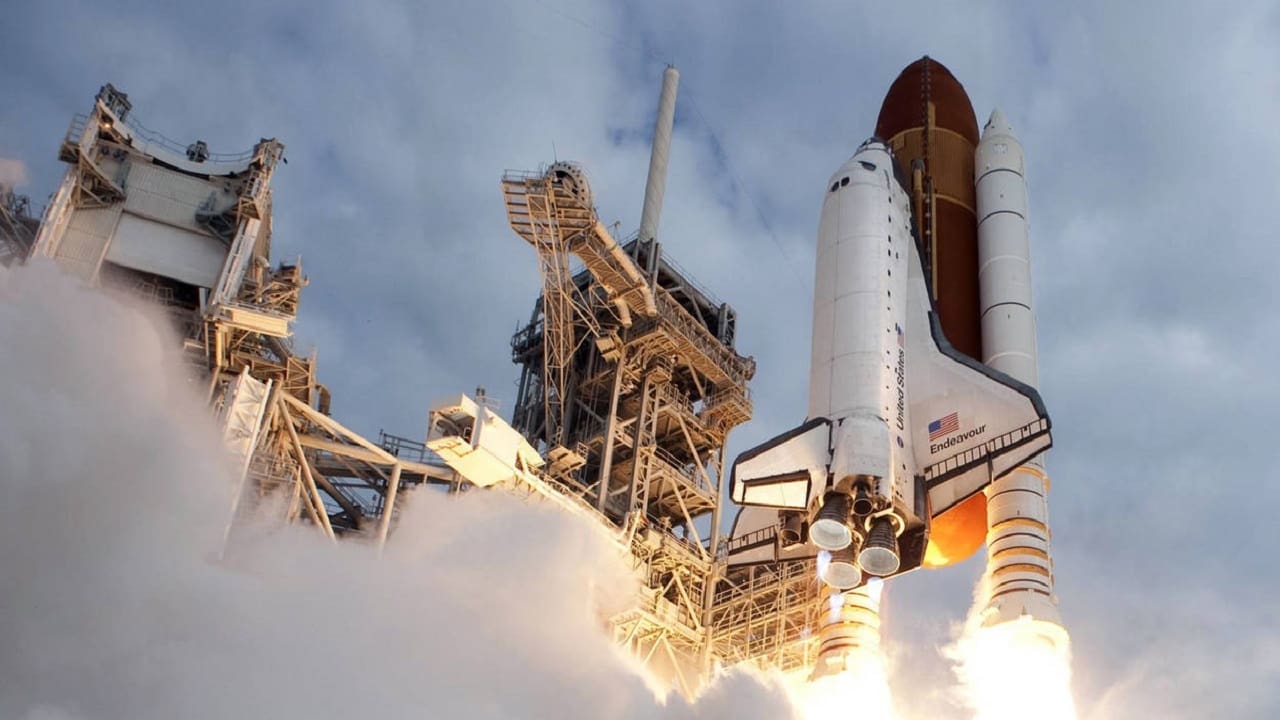
On July 21, 2011, the space shuttle Atlantis landed at Kennedy Space Center, marking the end of America's ability to send astronauts into space.
James May promotes a modified boiler suit and sends ashes into the stratosphere in this episode.
On August 2, 2048, a spacecraft lands on Mars, marking a fictional milestone in human exploration nearly 79 years after the first moon landing.
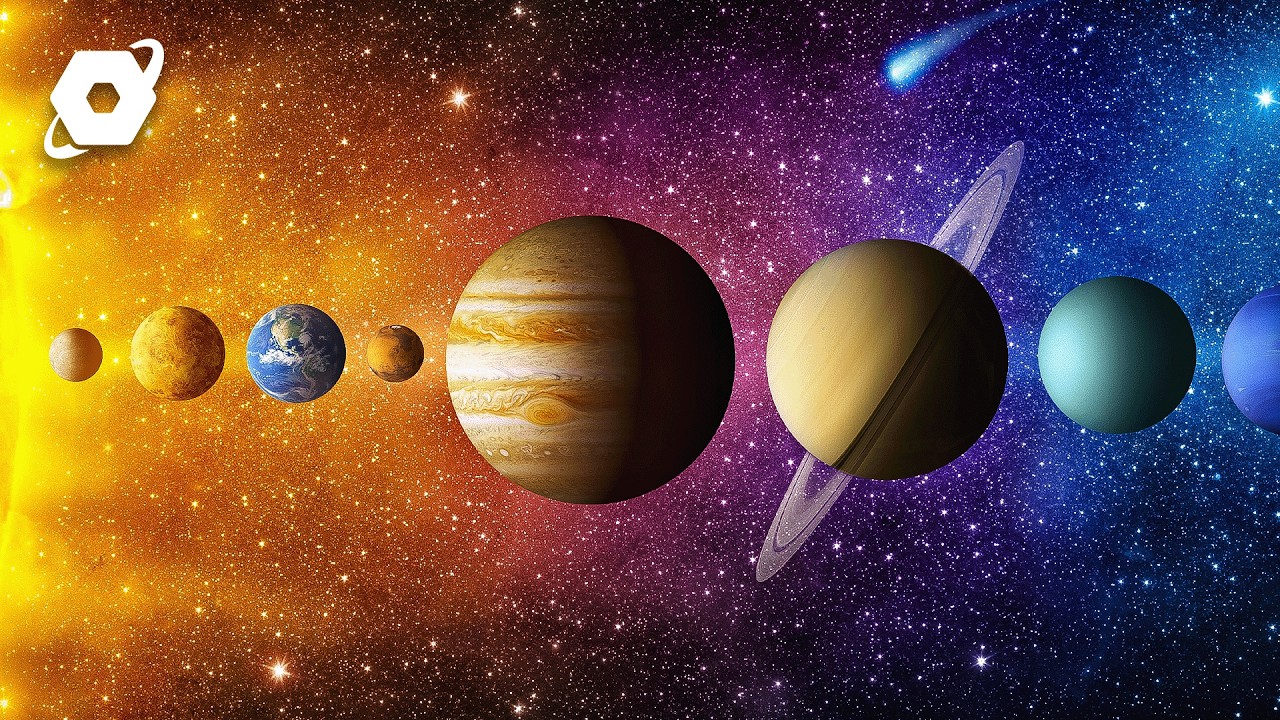
An uncountable fleet of probes reveals discoveries about our solar system's planets.
Titan, Saturn's largest moon, is explored for its potential to support life and the challenges of future colonization efforts by scientists and researchers.
The episode questions if the Moon is just a rock floating in space or holds profound secrets.
Astronomers utilizing the Kepler Space Telescope are investigating the existence of billions of potentially habitable planets beyond our solar system.
William Shatner explores the belief in extraterrestrial life, including claims of UFO sightings and theories about alien-human interactions in America.
Scientific thought has evolved from Isaac Newton's laws of gravitational attraction to Einstein's General Relativity, revealing insights into the universe's expansion.
Mysterious UFO sightings near military bases, theories about extraterrestrial life, and humanity's potential contact with alien intelligence are examined in this compilation.
Jupiter, the largest planet in the solar system, features 400mph winds and Earth-sized storms, while Super Diamonds highlight the allure and power of these rare gems.
Over 20 tons of space debris enter Earth's atmosphere each day, including meteorites that provide insight into the origins of planets and life.
Bill Nye and NASA scientists celebrate 50 years of solar system exploration, highlighting past achievements and future missions in space science.
In the quest for resources, spacefaring nations are developing technologies for mining the Moon and asteroids to support future exploration efforts.
12 billion years ago, a seething mass of energy smaller than an atom grew from nothing, marking the birth of the universe in a violent fireball.
Eight astronauts with over 1,000 days in space share their experiences and insights about Earth's violent and beautiful nature.
For four years, the Kepler mission observed 150,000 stars located three thousand light years away from Earth in the search for Earth-like planets.
Advanced technology provides a new perspective on our solar system, showcasing supernova explosions and the beauty of our planet and the universe.
A 20-meter wide asteroid exploded over Chelyabinsk, Russia, in 2013, injuring over a thousand people and causing widespread damage.
The International Space Station serves as the primary research platform for astronauts, while automated probes like Galileo and Juno enhance understanding of Jupiter.
Machines evolve 10 million times faster, leading to robots managing homes and exploring space.
Eight astronauts with over 1,000 days in space discuss how Earth's shields protect life from the sun's harmful radiation.
Over 30 years, NASA's Space Shuttle program completed 135 missions, featuring rare footage and testimonies from those involved in its historic achievements.
NASA's Cassini spacecraft detected water vapor above Enceladus' South Pole during its 2005 flyby, revealing unique geological activity on the moon.
Voyager 1 has left the influence of the solar wind and is heading for interstellar space after more than 40 years in operation.
The current UFO phenomenon is examined through scientific analysis and expert insights from figures like Brian Dunning and Hal Bidlack, addressing questions about potential extraterrestrial visits.
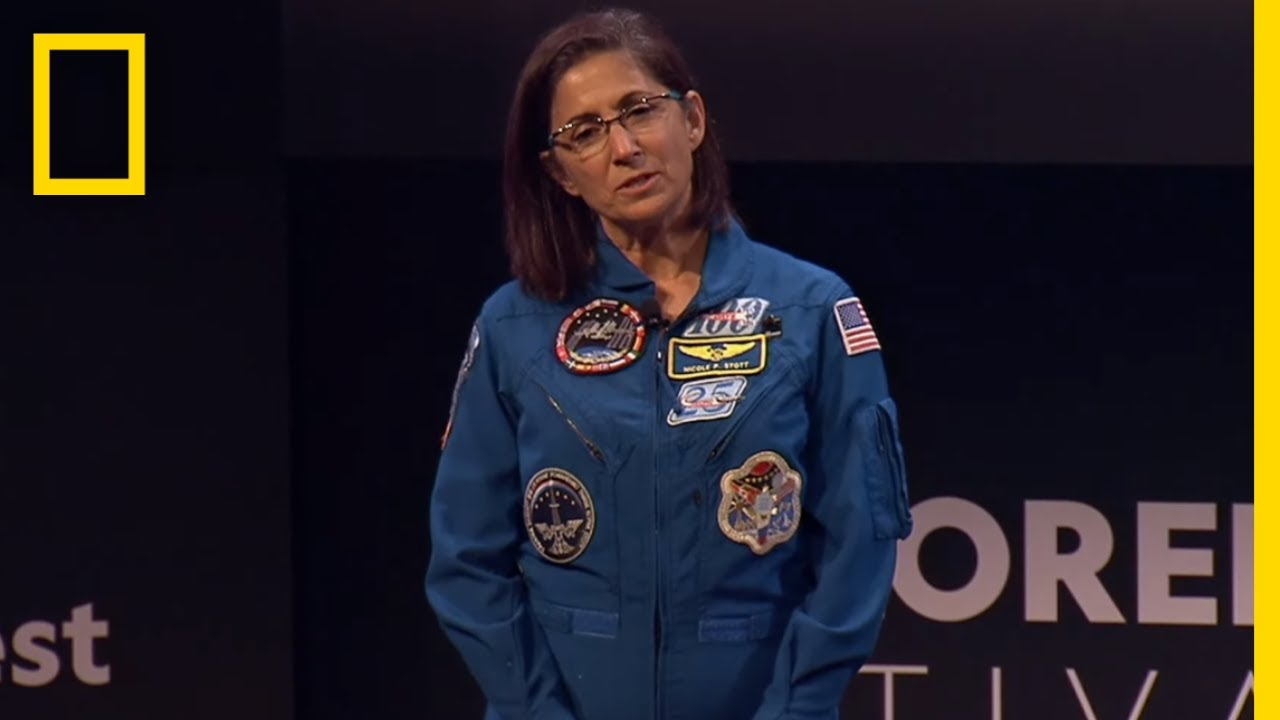
Less than 600 people have traveled to space, and three of them share their experiences and insights at the 2019 Explorers Festival.
Advancements in spacecraft technology and a Maglev launch system aim to make space tourism accessible, transforming Earth's orbit into a bustling construction site.
NASA's enhanced film footage of the Apollo moon landings provides a new perspective on lunar exploration and the evidence collected about Earth's origins.
On July 20, 1969, Neil Armstrong commanded Apollo 11 and became the first person to walk on the moon, forever changing his life and legacy.
NASA's Mars 2020 mission, featuring the Perseverance rover and Ingenuity helicopter, aims to search for signs of past life and collect samples for future return to Earth.
Dr. Ben Longmier and his team are testing rocket components at an altitude of 30 kilometers using helium balloons to advance space travel technology.
Professor Brian Cox explores the Earth's atmosphere from the heights of Alaska, contrasting it with Saturn's moon Titan and emphasizing its vital role in the solar system.
Container ships transport about 90 percent of all global trade, with nearly two billion goods traveling the seas in containers each year.
A black hole at the center of the Milky Way, with a mass of 2.8 million solar masses, devours everything that comes close, including light.
Apollo 13's 1970 mission faced a life-threatening oxygen leak, prompting NASA teams to innovate solutions for the crew's safe return to Earth.
Kevin Fong gains exclusive access to the final preparations of the last space shuttle mission.
A Mars colony could become a reality within the next decade, with plans for crewed flights and cargo missions already in development.
1859 marked a year of extreme solar activity, leading to the first documented link between solar storms and disruptions on Earth.
Mars, the most Earth-like planet, holds secrets yet to be revealed after fifty years of exploration.
The launch of the James Webb Space Telescope from the Guiana Space Center in Kourou, French Guiana, aims to explore the universe's earliest galaxies and planetary systems.
Venus's surface reaches temperatures of 900 degrees Fahrenheit, making it inhospitable and resembling a furnace rather than a potential home for life.
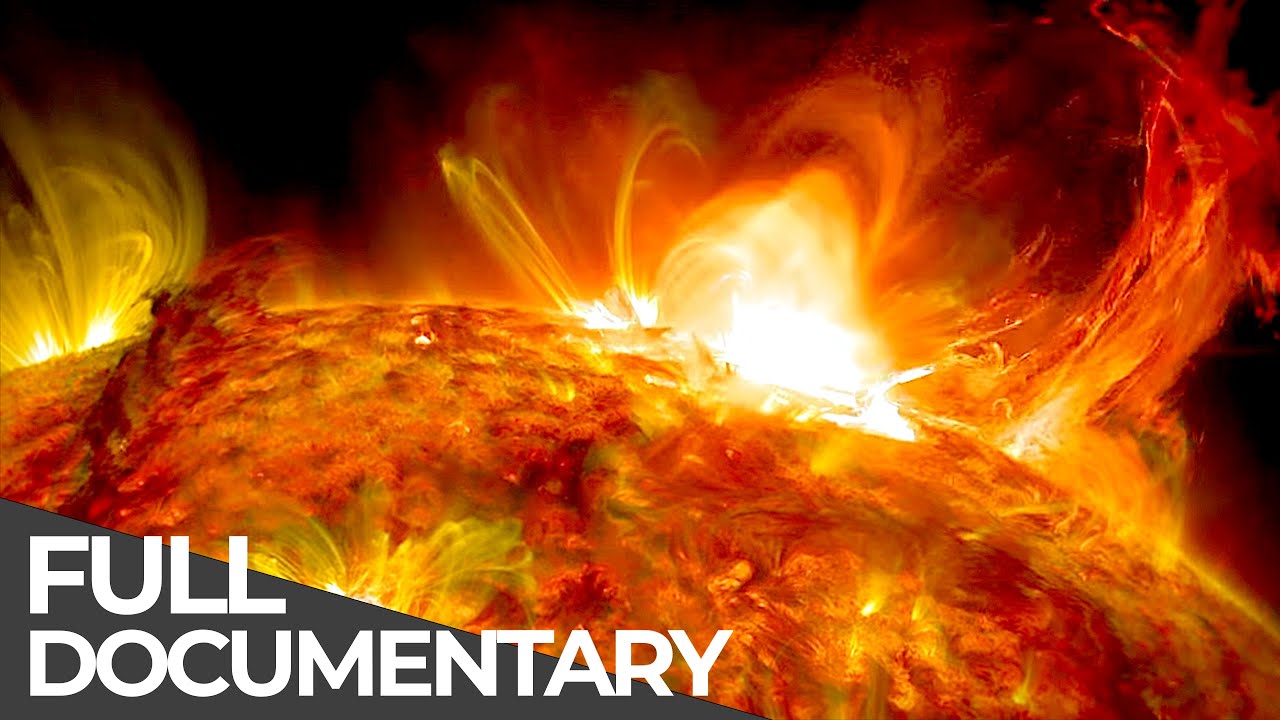
Season Five of Cosmic Vistas explores the formation of stars, their colors, temperatures, and how they create matter, featuring stunning views of the sun and planets.
On February 1, 2003, Space Shuttle Columbia disintegrated into thousands of pieces during re-entry, killing all seven crew members aboard.
Apollo 17, the last lunar landing, took place in December 1972, marking the conclusion of NASA's Apollo Program after sending 24 men to the Moon.
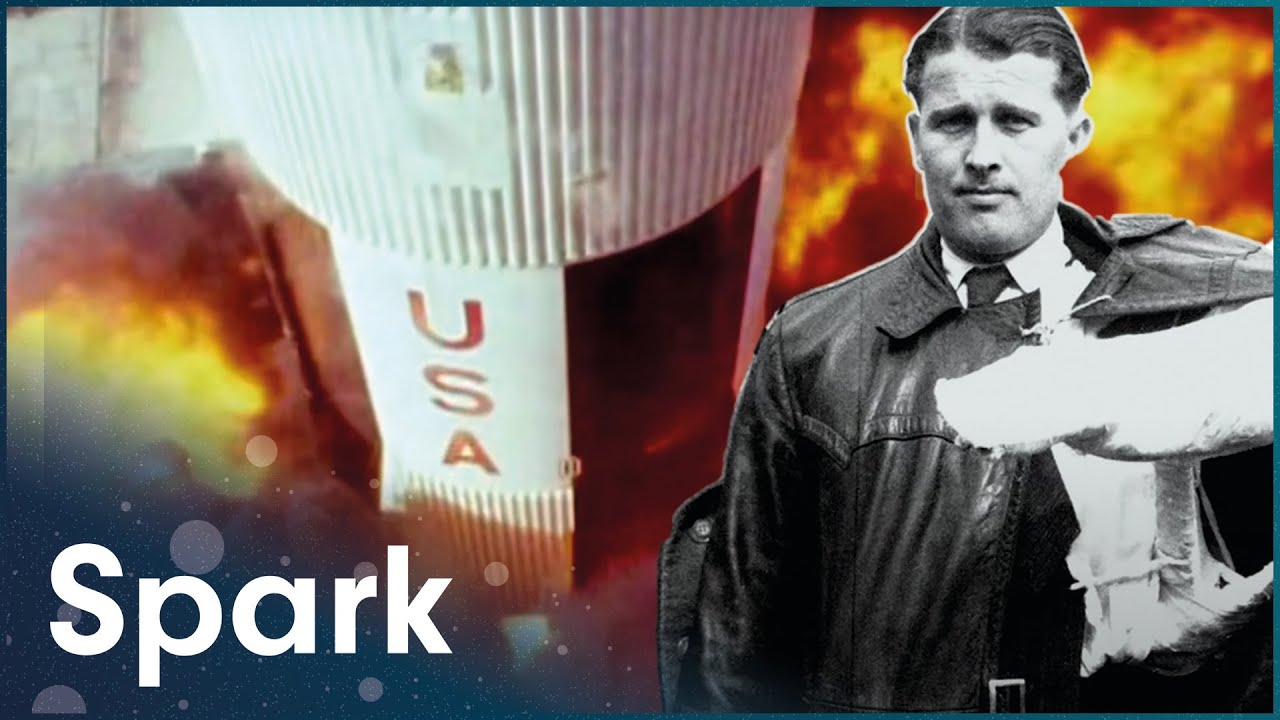
Over 200,000 scientists and engineers contributed to the development of the Saturn V rocket, which remains the most powerful vehicle ever built.