From over 100,000 films, discover the handful you'll love.
Free or premium access to the world's largest documentary library.
1294 films(Page 19 of 27)
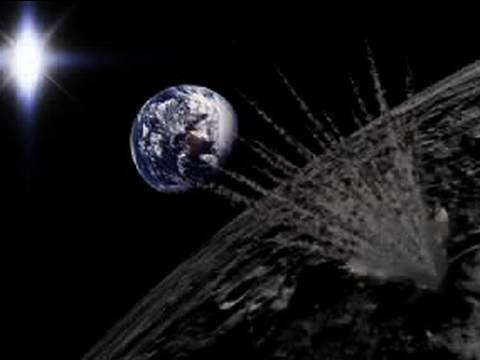
Watch Season 1, Episode 7 of The UnXplained about Earth's alien moons in the solar system.
Sally Ride shares her experiences and insights as the first American woman in space during an uncut interview conducted in 1984.
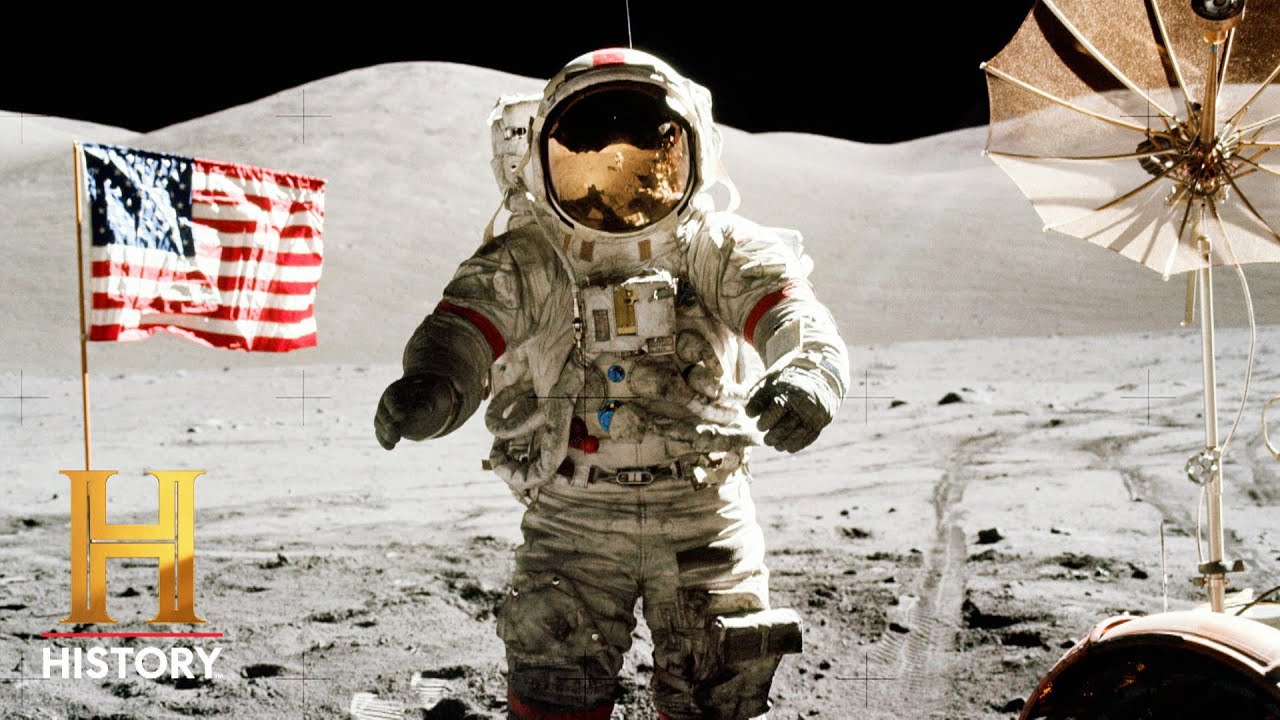
More than a million people gathered along the beaches of Central Florida on July 16, 1969, to watch the launch of Apollo 11.
Elon Musk and SpaceX challenge existing space law frameworks, raising questions about legal authority and enforcement in an era of private space exploration.
For seven decades, chemists searched for element 43, which was eventually created in 1937 by Italian physicist Emilio Segrè using a particle accelerator.
The search for extraterrestrial life examines planets similar to Earth and the implications of recent discoveries on humanity's understanding of the universe.
Orion splashes down in the Pacific Ocean after traveling more than 595,000 nautical miles, marking the end of a 10-day lunar mission.
15,000 asteroids larger than 100 meters remain to be found, prompting plans for intervention missions to protect Earth from potential impacts.
The video highlights Endeavour's final flight and Mark Kelly's retirement from NASA.
A gamma-ray burst from a galaxy 3.8 billion light-years away lasted four and a half hours, challenging previous understandings of black hole formation.
In 1595, navigators Pieter Keyser and Frederik de Houtman charted over 130 stars in the southern sky, leading to twelve new constellations for Europe.
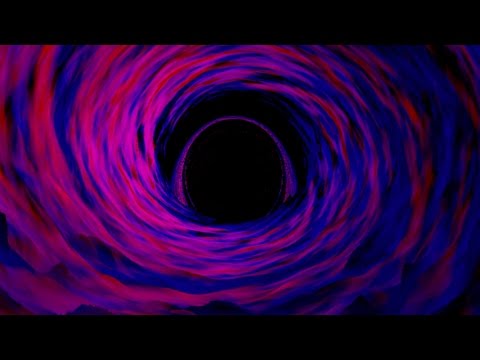
In the center of the Milky Way, approximately 25,000 light years from Earth, a giant black hole interacts dynamically with surrounding stars.
A mini-black hole, measuring six trillionths of a meter in diameter, could potentially power a spacecraft for interstellar travel.
A mini black hole, measuring 6 trillionths of a meter in diameter, could serve as a fuel source for future interstellar spacecraft.
Astronomers use Fermi and Swift to explore black holes and the high-energy universe.
Atlantis's mission showcases the ascent into space and the intricate descent of solid rocket boosters, highlighting advancements in space travel technology.
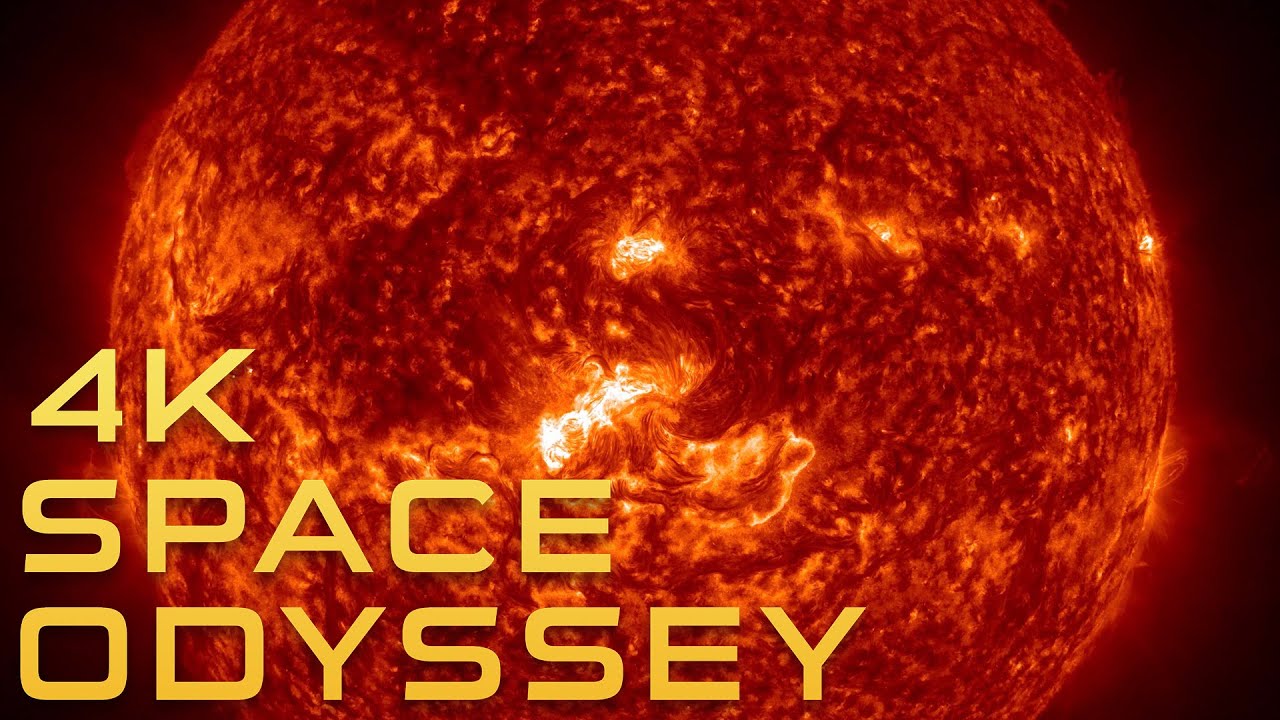
Heat generated in the Sun's core races toward Earth as electrified plasma towers.
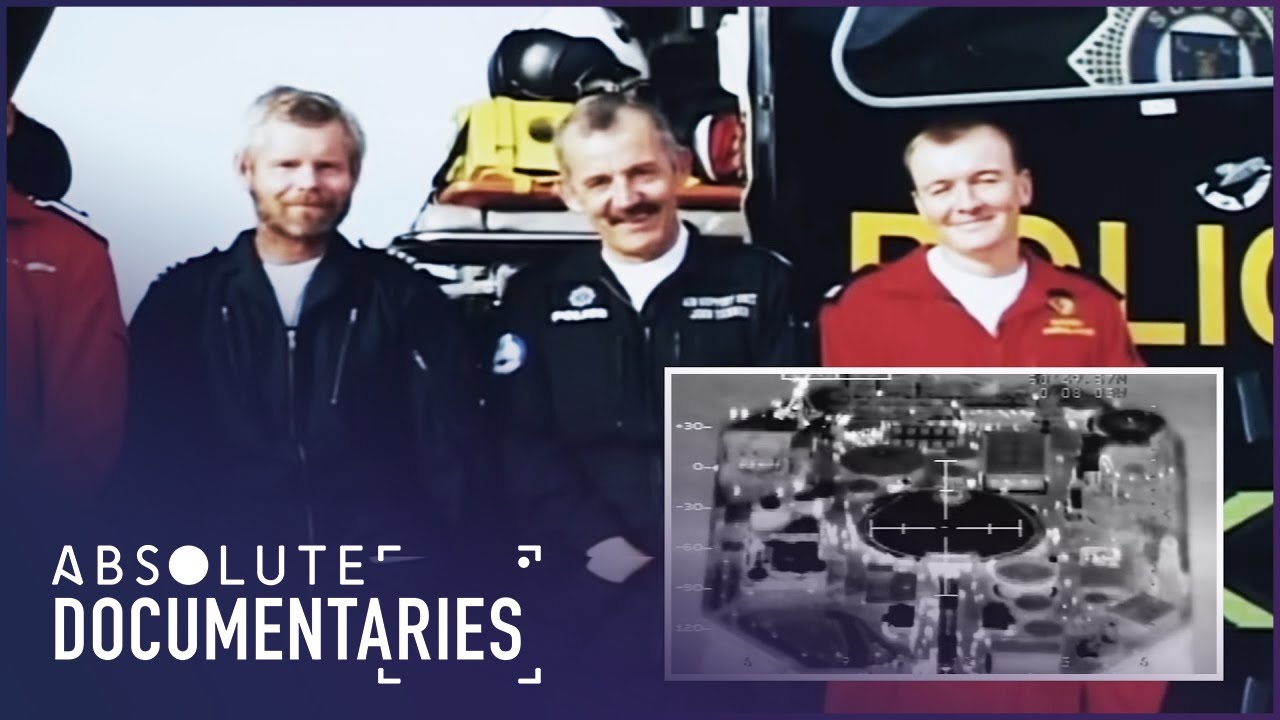
In August 2000, Sussex police spot a mysterious light in the skies above Brighton.
American astronaut Buzz Aldrin advocates for a human mission to Mars by 2035, reflecting on his experiences from the Apollo 11 mission.
Alice must carry a quantum bit into a black hole, where it either crosses the event horizon or vanishes forever during evaporation.
More than 300 companies are now developing launch vehicles, significantly increasing competition and driving down the cost of satellite deployment.
Fritz Zwicky proposed in 1961 a method to move the Sun using a giant particle accelerator that would shoot pellets at it at near-light speed.
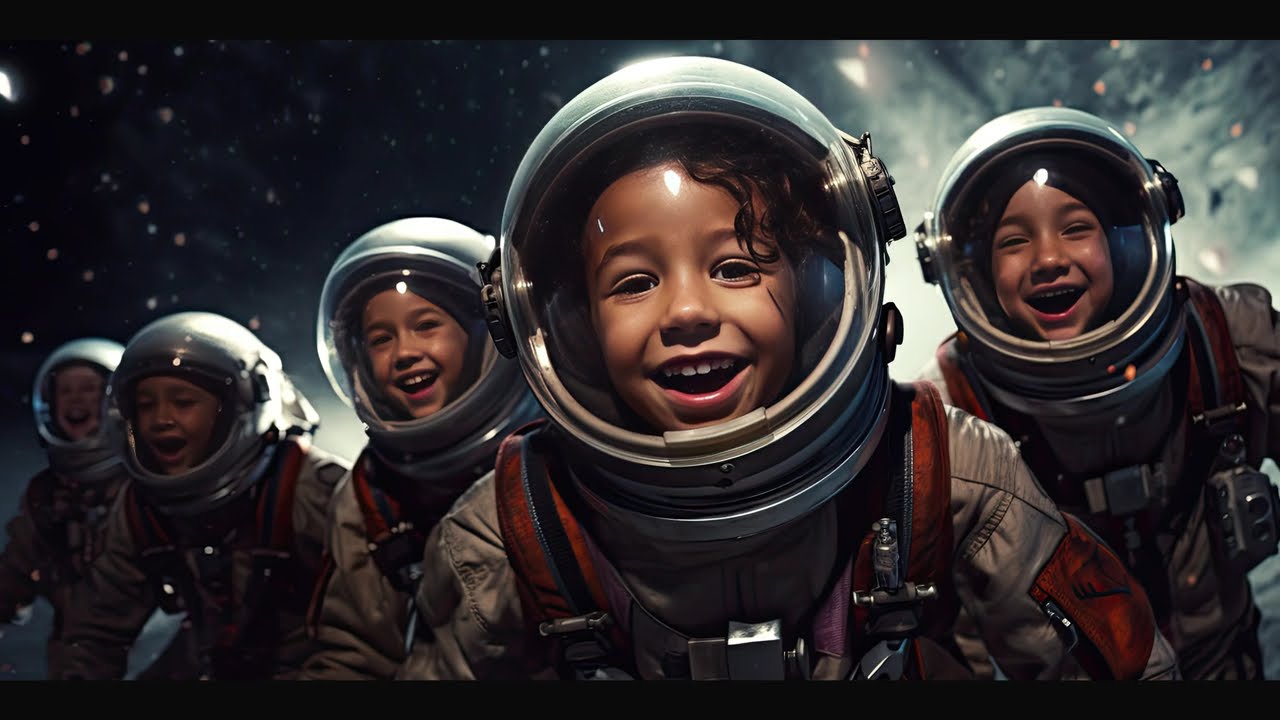
The video discusses raising children outside Earth's atmosphere for future living in space.
A single rocket launch can produce 150 times as much carbon dioxide as a transatlantic flight, raising concerns about the environmental impact of increased space travel.
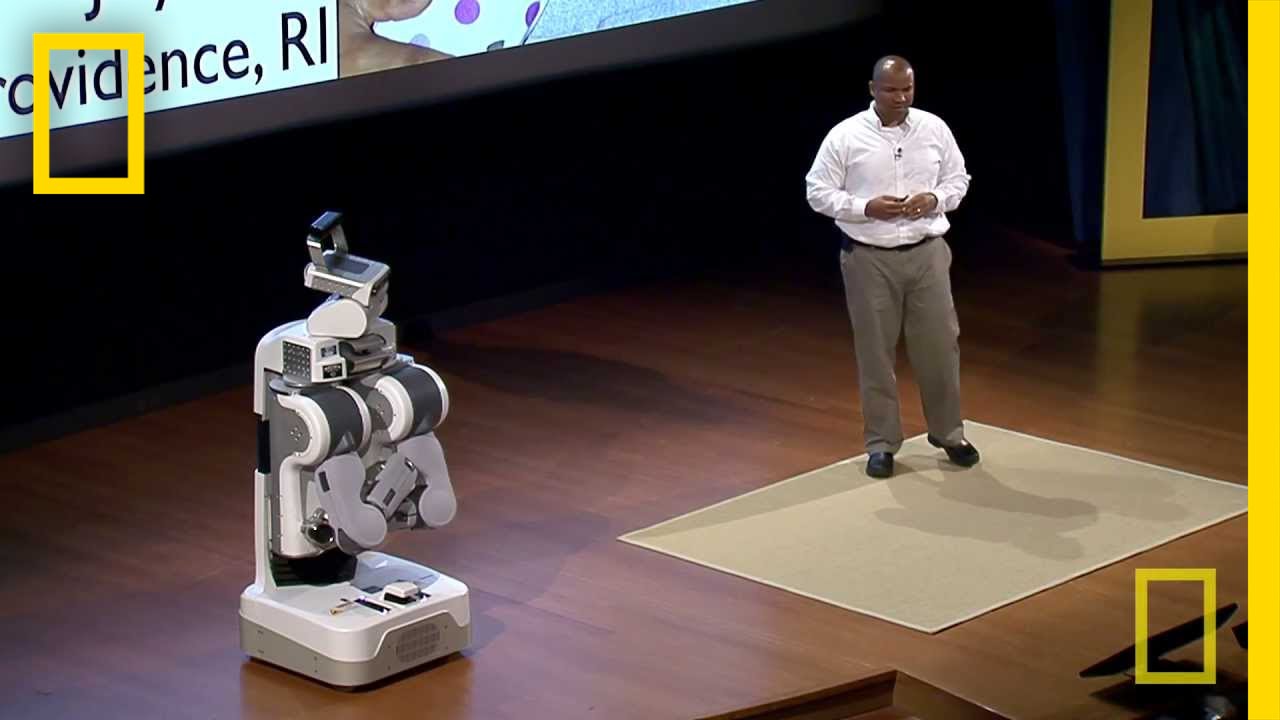
Chad Jenkins explores the application of robotics in various real-world settings, including homes, outer space, and conflict zones.
500 million people gathered around TV sets on July 20, 1969, to watch Neil Armstrong take his first steps on the moon.
The Lunar Orbiter program, developed by NASA from 1966 to 1971, aimed to capture and transmit detailed photographs of the moon using advanced satellite technology.
71-year-old Ron Parker is detained by U.S. Border Patrol while transporting a carbon fiber fuel tank from a SpaceX Starship rocket he bought for $1,850.
The NASA video envisions O'Neal colonies and mining camps on the Moon by the year 2000.
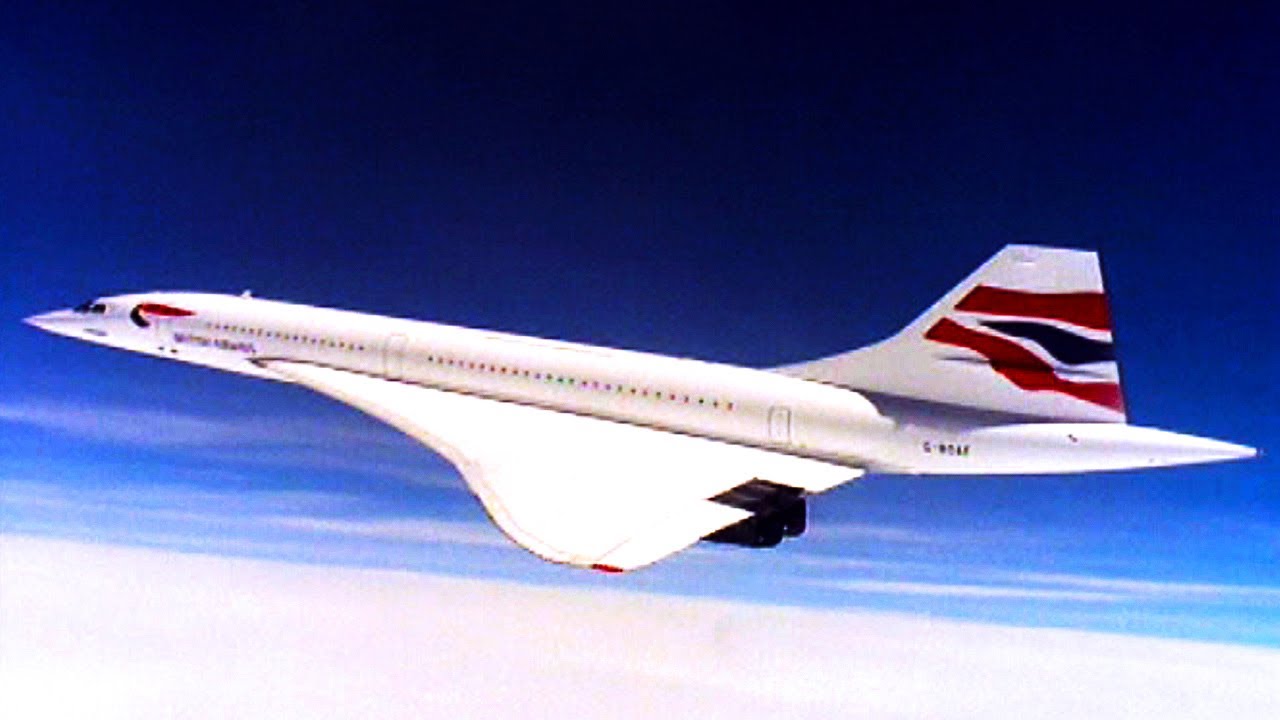
Concorde first smashed through the sound barrier on October 1, 1969, with a sonic boom audible 20 miles away.
In October 2003, a series of solar eruptions sent charged particles racing toward Earth, damaging 28 communication satellites and disrupting power grids worldwide.
A gamma ray burst lasting four and a half hours signals the violent birth of a black hole as a massive star collapses and is torn apart.
46 attempts to send spacecraft to Mars since the 1960s have resulted in over half failing at launch or upon arrival.
A crew of astronauts boards the space shuttle Endeavor for its 134th flight, carrying the alpha magnetic spectrometer to study antimatter in the universe.
Billions of microscopic mid-air collisions at around 250 kilometers above Earth's surface create the colorful glow of the aurora borealis.
Over 60,000 jellyfish were born in space during a NASA mission in the 1990s to study their orientation in microgravity.
In June 2023, scientists from the North American Nano Hertz Observatory for Gravitational Waves detected a background of gravitational waves throughout the universe.
Astronomers are investigating the potential existence of a hidden planet, often called 'Planet Nine,' within the solar system, using advanced techniques and analyzing elusive clues.
Every radio telescope on Earth receives a massive data dump containing instructions for building a faster-than-light propulsion device from an advanced alien species.
Triton, Neptune's largest natural moon, poses questions about potential human habitation.
Astronaut Jessica Meir witnesses the COVID-19 pandemic from the International Space Station.
Cassini's mission ended on September 15, 2017, when the spacecraft crashed into Saturn, providing crucial data about the planet and its rings.
Over 30 private robotics teams are competing for the $30 million Google Lunar XPRIZE, aiming to build and launch rovers to explore the lunar surface.
A Russian mission plans to deploy seismic detectors on the moon to monitor moonquakes and study heat flow from the lunar core.
Six unidentified phenomena are captured on camera flying above Mount Sorei, exhibiting propulsion capabilities that defy conventional physics.
Curiosity rover finds ancient river rocks and beds on Mars, revealing past water flow.
The program presents a collection of unusual facts and striking images of Saturn's moons, featuring highlights from the Cassini spacecraft's mission.
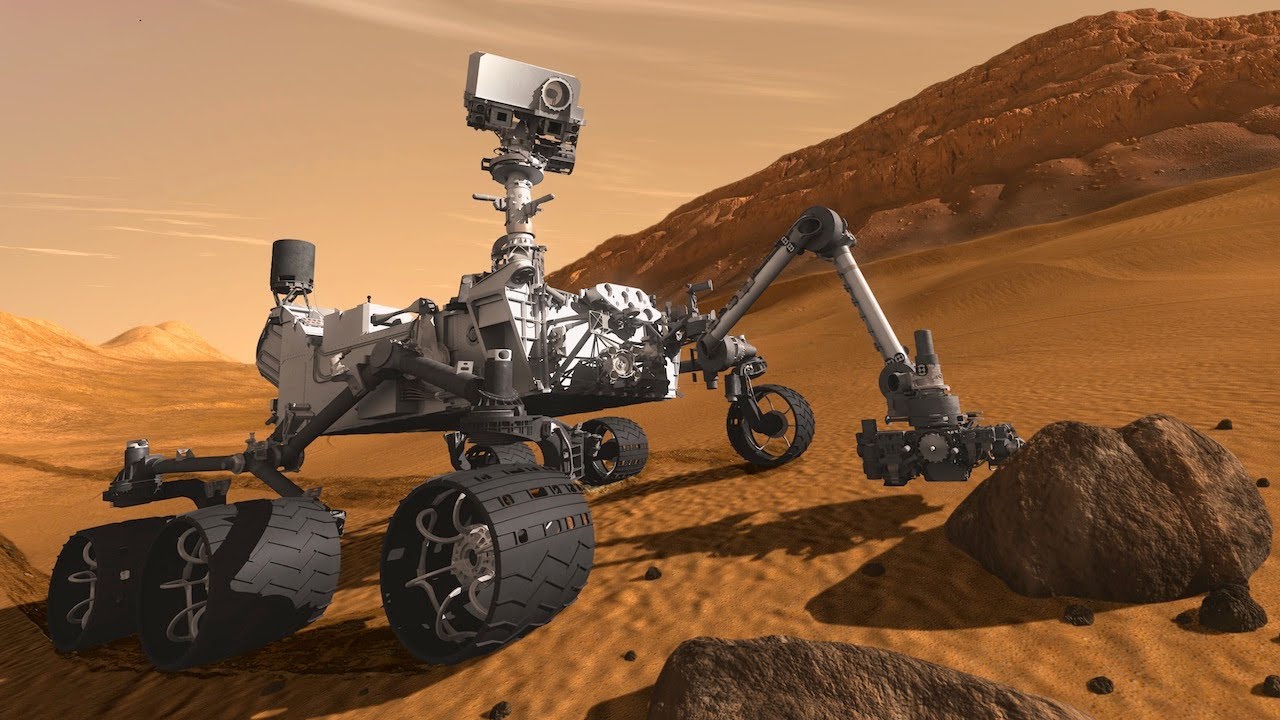
The Rover Curiosity landed on Mars to analyze its surface and search for signs of life.