From over 100,000 films, discover the handful you'll love.
Free or premium access to the world's largest documentary library.
1294 films(Page 5 of 27)
The Harrier jet's design underwent over 20 significant modifications to enable its operation on aircraft carriers.
In the 21st century, UFOs have transitioned from fringe science to mainstream interest, with advanced technology enabling a new generation of UFO hunters and government investigations.
Ceres, the largest asteroid, measures nearly 1,000 kilometers across and is visible to the Hubble Space Telescope, revealing its rotation and surface features.
Over 200 robotic probes have been sent into space since the 1950s, providing critical data about Mars and Saturn's moon Titan.
NASA's Lucy spacecraft is set to explore eight asteroids near Jupiter, providing insights into the formation of the solar system and the origins of Earth's water.
Since 1995, astronomers have discovered more than 100 planets orbiting distant stars, raising hopes for finding a new home for humanity.
NASA's Kepler space probe, launched in 2009, revealed that there are billions of Earth-like exoplanets in our galaxy alone.
Asteroids have silently roamed the solar system, threatening Earth with catastrophic impacts.
The Antonov AN-225 has a maximum take-off weight of 800 tons, making it the largest aircraft in the world capable of transporting the heaviest air freight.
The Artemis program aims to return humans to the moon, utilizing the Orion spacecraft and focusing on lunar resources like water for future exploration.
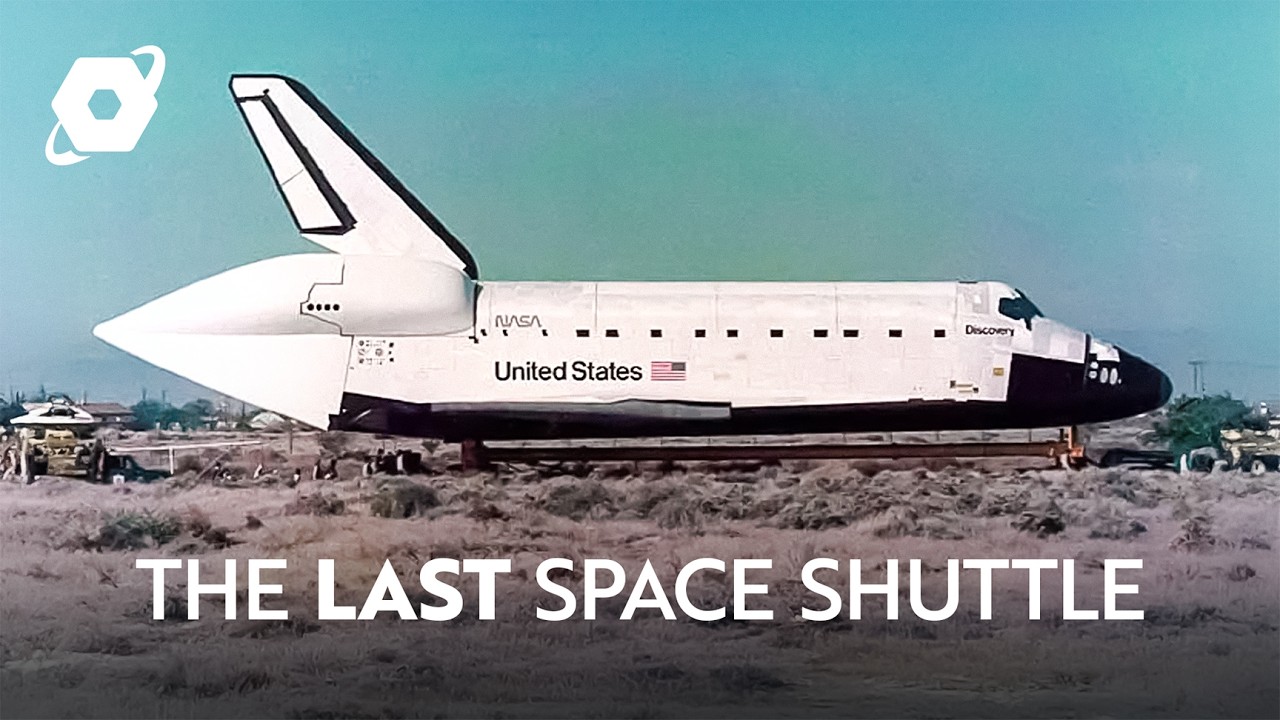
NASA's space shuttle Discovery, with over 27 years of service and 148 million miles traveled, completes its final flight to the Smithsonian National Air and Space Museum.
Jupiter's atmosphere is examined through data from the Juno mission, building on insights gained from the Cassini spacecraft and Huygens lander.
More than 140 instances of unexplained UAP encounters were documented in a 2021 Pentagon report, prompting renewed interest in sightings over Arizona.
The Perseverance rover travels through space at over 50,000 miles per hour, aiming to collect samples and search for signs of past life on Mars.
On August 15, 1977, a powerful radio signal lasting 72 seconds was detected by Ohio State University's Big Ear telescope, suggesting a possible extraterrestrial source.
Over 600 witnesses have validated claims that the U.S. Air Force recovered a UFO and nine human-shaped bodies following the Roswell incident in 1947.
The solar orbiter has traveled over 2.5 billion kilometers since its launch in 2020, studying the Sun's atmosphere and solar winds.
Asteroids present both a potential resource frontier and a threat to Earth, prompting advancements in detection and diversion technologies by private companies.
Extraterrestrial mysteries are explored through episodes on alleged alien breeders, Mars' hidden secrets, and mountains linked to ancient visitors.
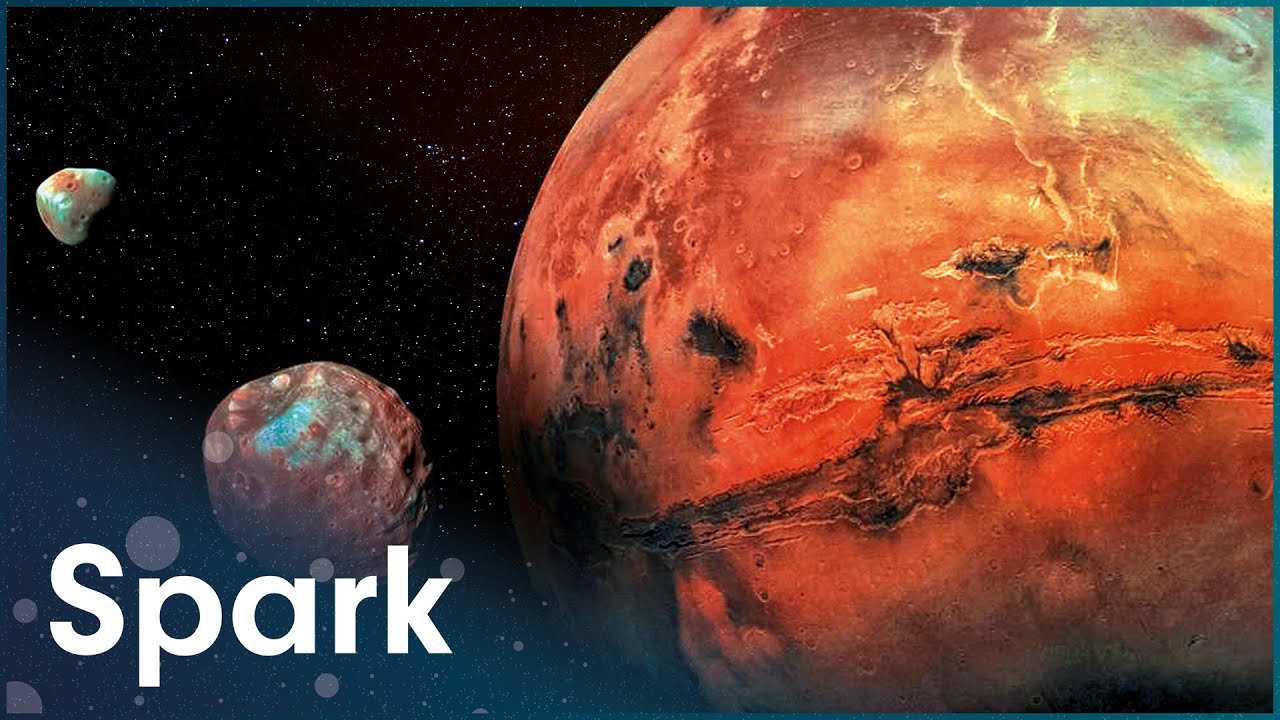
Olympus Mons on Mars rises to a height of 24 kilometers from its base, making it the tallest peak in the solar system.
The James Webb Space Telescope, launched by NASA in December 2021, captures images of the Cosmic Dawn, revealing insights into the universe's early history.
Mercury, Venus, and Mars are examined for their unique characteristics and the insights they provide into the formation of the Solar System and potential off-world colonies.
Water is the most valuable material found on asteroids, which could serve as refueling stations for spacecraft in future deep space missions.
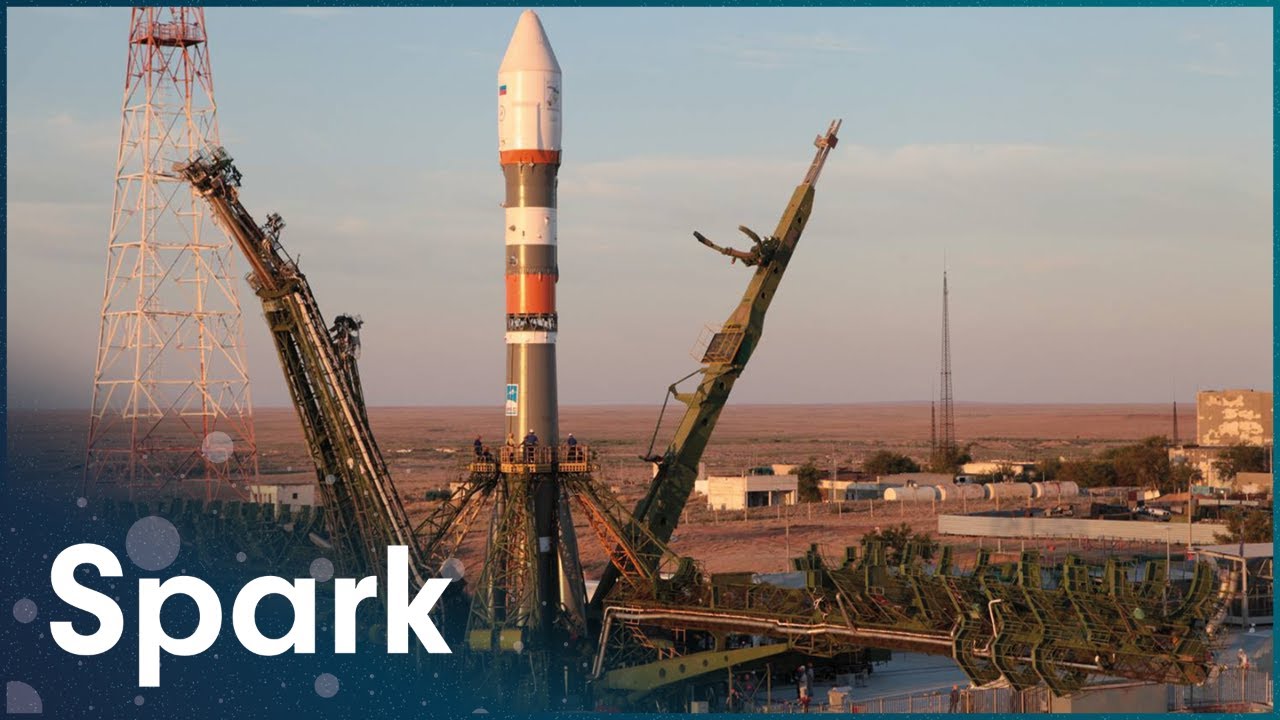
Abandoned hospitals, hotels, and factories across Germany, Italy, and Poland, along with the Baikonur Space Station in Kazakhstan, highlight the stories of forgotten places.
NASA's Kepler space probe has identified billions of Earthlike exoplanets in our galaxy, suggesting that life beyond Earth is a possibility.
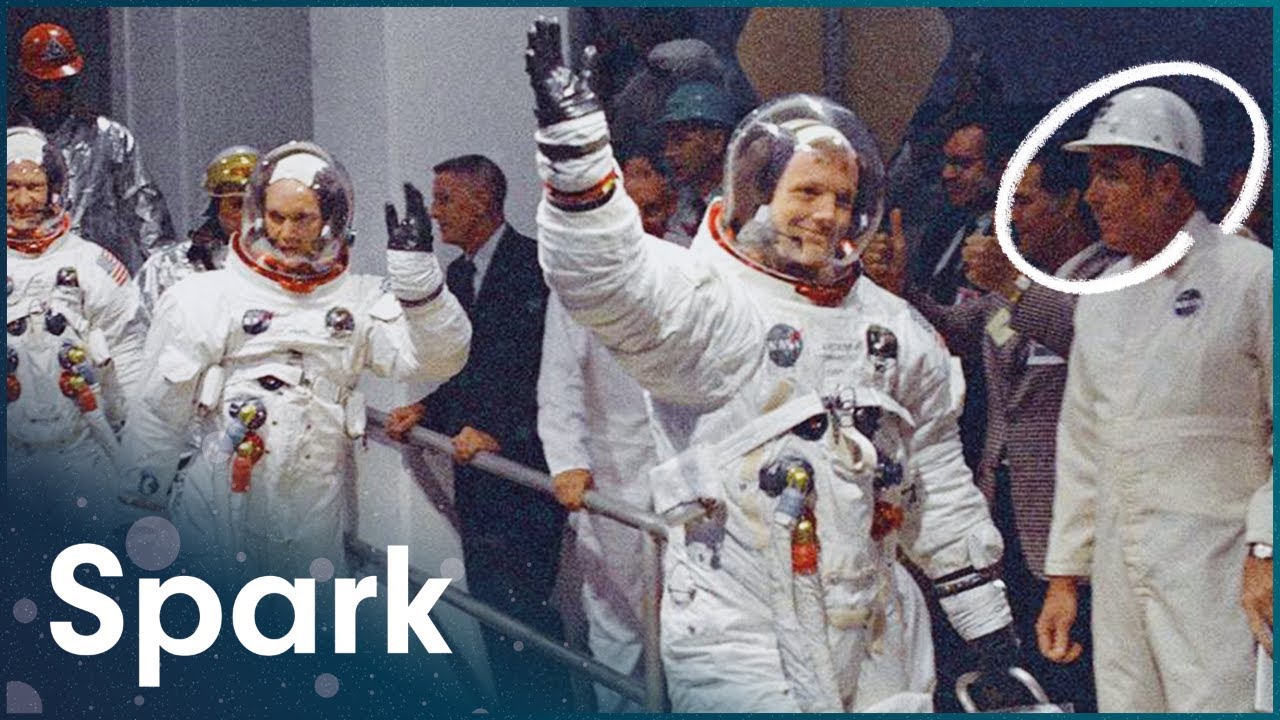
Half a million people contributed to the Apollo program, a monumental effort that reshaped space exploration and technology in the 20th century.
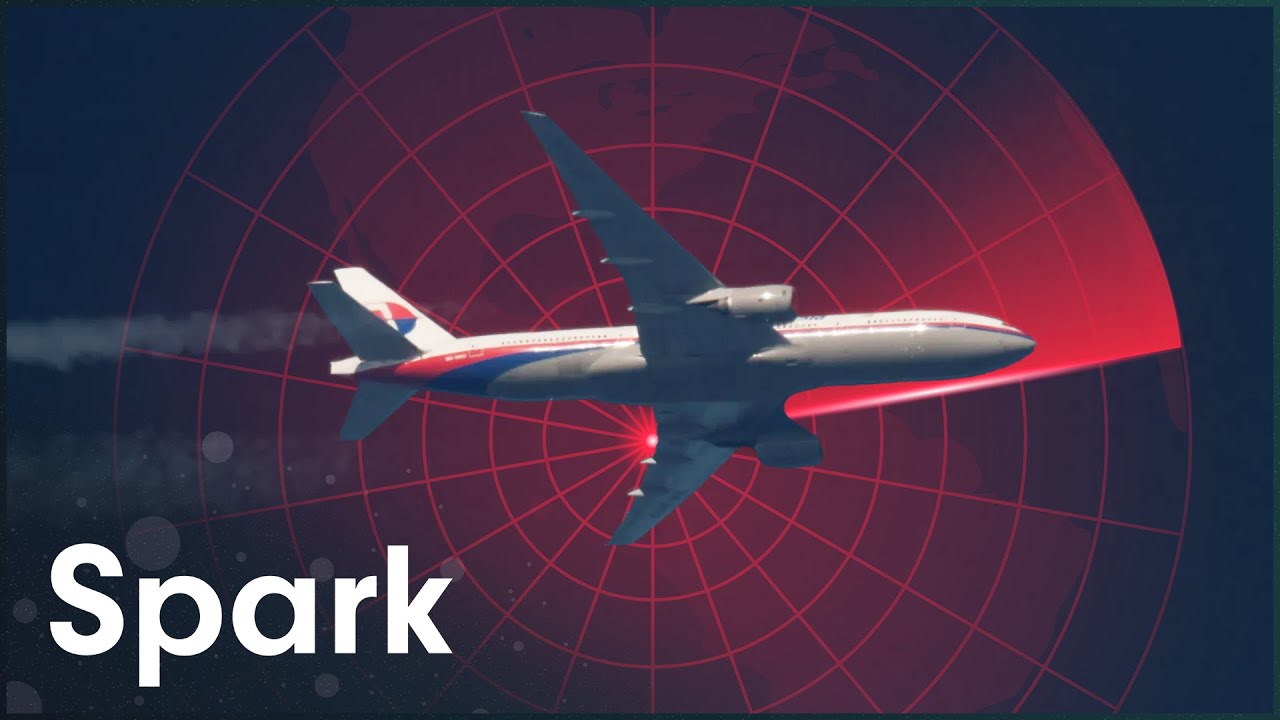
On March 8, 2014, Malaysian Airlines flight MH370 disappears from radar with 239 people on board, prompting a decade-long search for answers.
Future missions to Mars and Jupiter aim to gather data that could reveal the existence of life beyond Earth and reshape humanity's understanding of the cosmos.
The exploration of space and its natural design is presented as evidence supporting creationism, reflecting the director's spiritual connection to the universe.
In 2019, space nations including China, Japan, and the United States reignite lunar exploration ambitions, exploring the feasibility of moon bases and tourism.
A 130-foot asteroid could strike New York City, causing serious injuries or fatalities to 80% of the population within a five-mile radius.
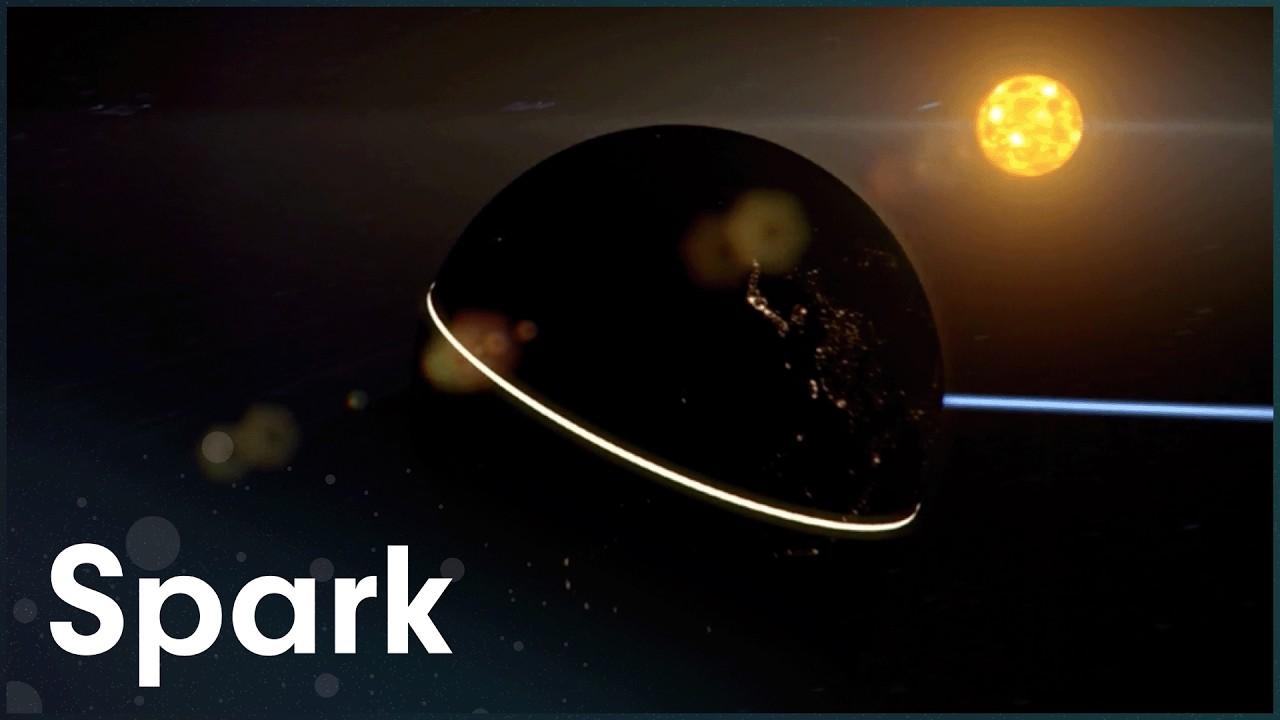
Kate Humble and Dr Helen Czerski explore Earth's orbit around the sun from January to the March equinox, highlighting its environmental impacts.
Strange signals from deep space and unexplained objects in orbit are analyzed by experts, including veteran journalist Tony Harris, to assess phenomena like UFOs and alleged mutants.
A dagger found in the tomb of Tutankhamun was forged from a meteorite, revealing advanced ancient Egyptian metalworking techniques.
In January 2019, China's Chang'e 4 mission to the far side of the Moon reignited global interest in lunar exploration, prompting a new space race involving NASA's Artemis program and international collaborations.
Earth's orbit has remained stable for 4.2 billion years, allowing life to flourish, while chaotic orbits elsewhere in the universe lead to destruction.
A supernova can send a vast wall of gas racing toward the Pillars of Creation, compressing gas and dust into new stars and solar systems.
Twelve Americans walked on the moon during six successful Apollo missions, marking a significant achievement in the Cold War space race.
More than 700 exoplanets have been discovered beyond the solar system, many of which exhibit extreme conditions that challenge the possibility of life.
A black hole can form when a star's energy runs out, causing gravity to compress its atoms into an ultra-dense state known as a white dwarf.
On January 31, 1961, a four-year-old chimpanzee named Ham launched into space aboard a Mercury Redstone rocket, marking a milestone in the space race.
Jupiter and Saturn have played a major role in shaping the evolutionary history of the solar system, influencing its development after gas planets formed.
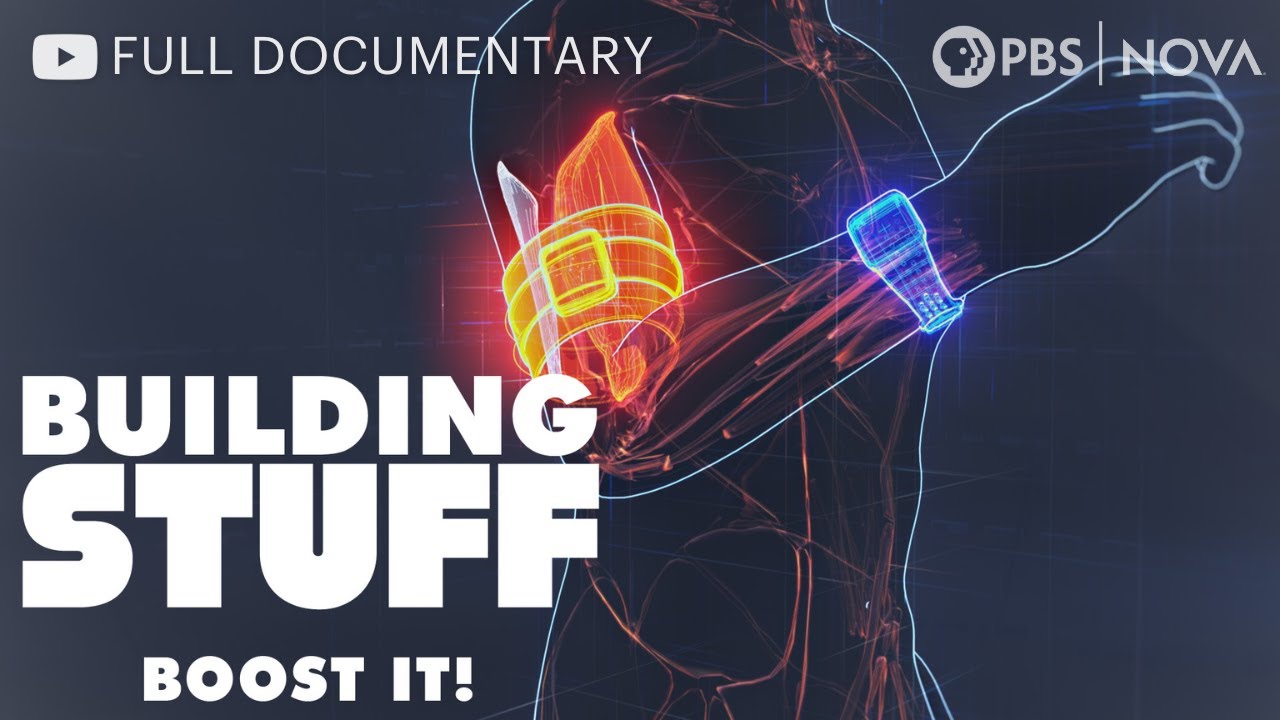
Engineers around the world are developing innovative technologies, such as artificial vision and advanced rocket launch systems, to enhance human abilities and senses.
A cache of rocket engines, developed in secret by the Soviet Union, became a key component in American space missions after the Cold War.
More than 100 astronauts have lived and worked on the International Space Station since 2000, conducting research under unique conditions.
Trillions of asteroids, ranging from the size of a car to hundreds of miles across, played a crucial role in the formation of the solar system.
This video reveals how physics describe interactions in our Universe and the solar system.
Einstein's theory of general relativity, quantum mechanics, and the concept of a holographic universe are examined through groundbreaking scientific breakthroughs.