From over 100,000 films, discover the handful you'll love.
Free or premium access to the world's largest documentary library.
1294 films(Page 10 of 27)
In the Solar System, over 200 moons, including Io's active volcanoes and Titan's methane rivers, reveal the hidden complexities of these celestial bodies.
Gary Fildes embarks on a 15-hour flight to Santiago, Chile, to investigate the region's significant contributions to astronomy and dark sky preservation.
Only two probes have been sent to investigate Mercury, with the first close-up imagery coming from the US probe Mariner 10 in 1974.
24 astronauts traveled to the Moon between 1968 and 1972, with Apollo 17 marking the last human footsteps on the lunar surface in December 1972.
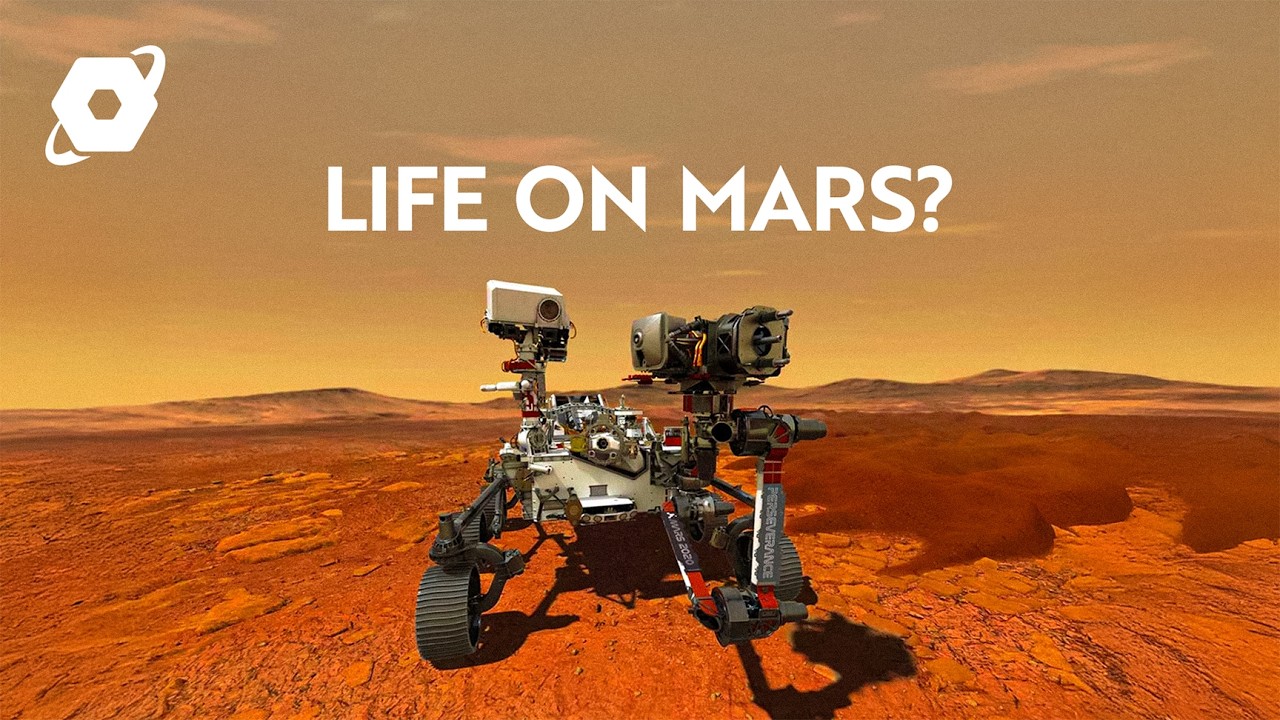
Mars exploration has advanced with NASA's Perseverance rover, equipped with advanced technology to analyze the planet's surface for signs of past life.
Astronauts aboard the retired Space Shuttle Endeavour observe Earth from 233 kilometers above, highlighting the shuttle program's missions and scientific research.
Interviews with women at NASA reveal that equal opportunity and teamwork are essential for success in space travel, regardless of race, creed, color, or sex.
Over 4,000 cases of UFO sightings are documented, yet tangible evidence remains scarce as experts seek to determine their origins.
In 1654, Anna Feldmans was accused of witchcraft and sentenced to burn at the stake, reflecting the era's struggle for truth amid fear and superstition.
Launched aboard an Ariane 5 rocket, the James Webb Telescope orbits one million kilometers from Earth, aiming to reveal the universe's early galaxies.
Astronomers have created a high-resolution three-dimensional model of the Milky Way, mapping nearly two billion stars and their movements.
Astronaut Buzz Aldrin and mountaineer Conrad Anker discuss the risks and rewards of exploration, including missions on Mount Everest and the potential for Mars colonization.
Astronomers discovered that supermassive black holes, weighing three billion times the mass of the Sun, exist at the core of every large galaxy.
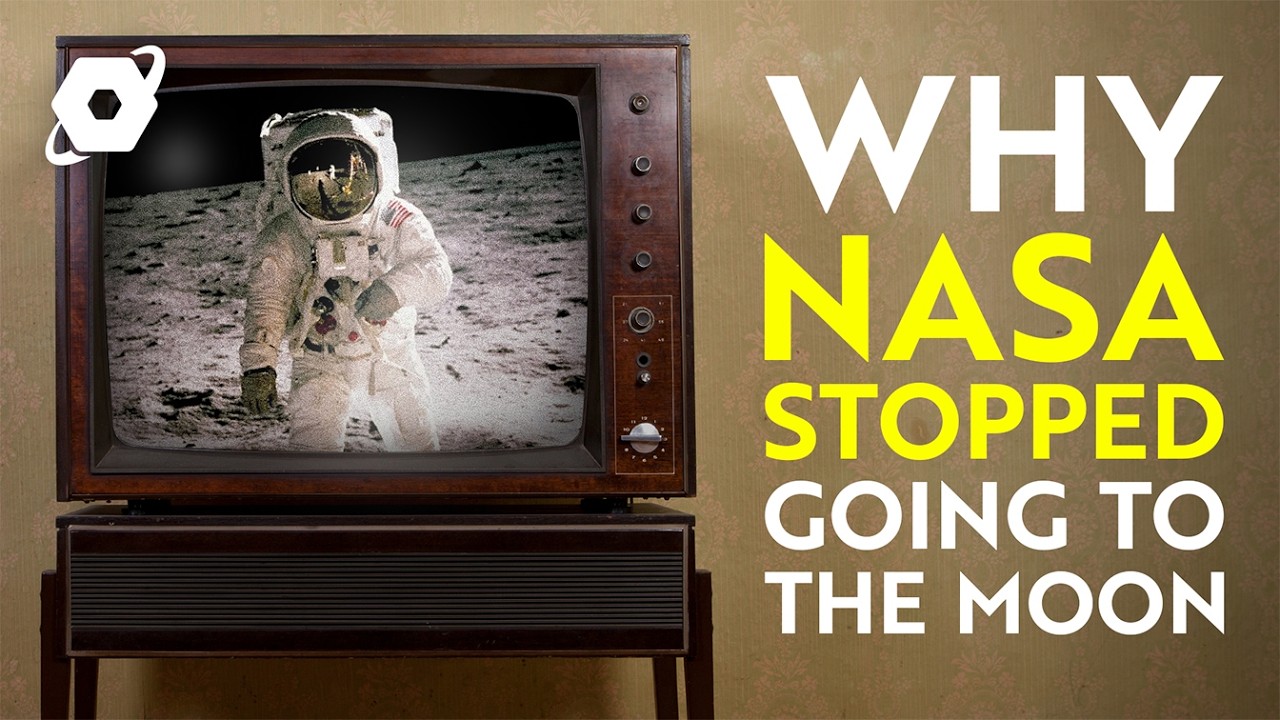
NASA's Apollo program faced political and public pressure as it concluded its lunar missions, raising questions about the future of human space exploration.
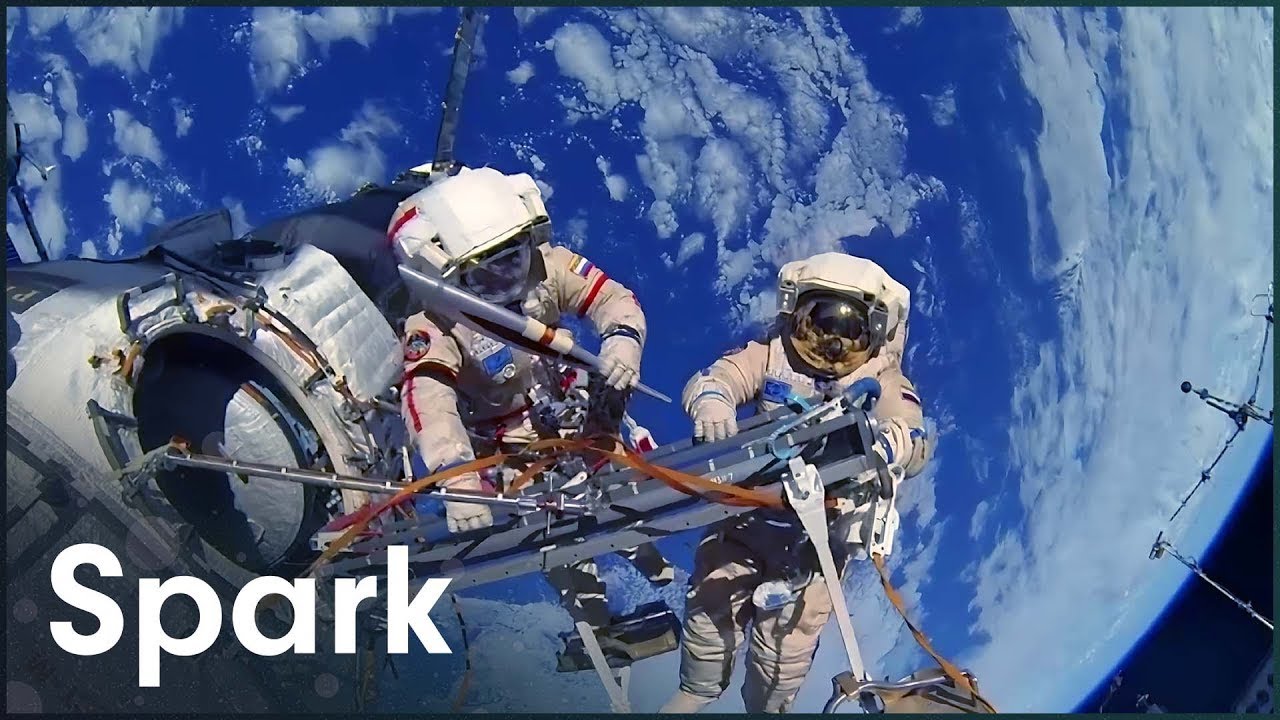
The International Space Station orbits the Earth every 90 minutes, serving as a platform for scientific research and international collaboration.
Astronomers are studying the supermassive black hole at the center of the Milky Way galaxy by tracking stars orbiting it at extraordinary speeds.
Innovations in clean electric aircraft and autonomous sky taxis signal a potential end to the traditional jet age in the aviation industry.
A rocket 30 meters high launched the first Sputnik on October 4, 1957, marking the start of the intense space race between the USSR and the United States.
Sky History presents official UFOs as real with hosts Craig Charles and Sarah Cruddas.
Since the launch of the first Sputnik satellite in 1957, more than 10,000 satellites have been sent into space, with half still active today.
Cosmic rays, originating from exploding stars, are examined by scientists at CERN and observatories in Spain and Argentina for their role in shaping life on Earth.
NASA's Apollo missions returned lunar samples that revealed enough water locked inside the moon to cover its surface in a layer 1 meter deep.
Edwin Hubble demonstrated that the Milky Way is one galaxy among countless others, reshaping our understanding of the universe's vastness.
Three billionaires, Elon Musk, Jeff Bezos, and Richard Branson, are competing in a new space race to make space travel accessible and colonize Mars.
Marjorie Townsen, a lead electronic engineer at NASA, played a key role in developing telemetry systems for spacecraft, including the Nimbus weather satellite.
NASA successfully concludes the Apollo Program with the December 1972 Apollo 17 mission.
A flight to the moon takes only three days today, as space agencies prepare for a new era of lunar missions and the goal of establishing a permanent presence.
Solar research has advanced significantly since the 1859 observations by Richard Carrington and Richard Hodgson, with the Parker Solar Probe providing crucial insights into the Sun's corona.
Katherine Johnson's mathematical expertise was crucial in launching America into space, guiding missions such as Apollo 11 and Apollo 13 at NASA.
Asteroids and meteorites are examined across Argentina, Chile, and Colombia, highlighting their potential to impact life on Earth and the significance of sites like Campo del Cielo.
A six-month residency at the Science Museum features the Collider exhibition, which aims to answer fundamental questions about the universe.
Evidence from South Australia’s deserts supports the theory that Earth was once entirely covered in ice, raising questions about future climate implications.
Parallel worlds and multiverses are explored through discussions with leading thinkers, examining the possibility of intelligent life beyond Earth.
NOVA's interactive escape room series, "Live Escape Room Night 1: Balance, Decode, and Repair," challenges participants to prevent a Y3K meltdown.
Water in the main belt of asteroids may explain how Earth acquired its water, which is essential for the emergence of life.
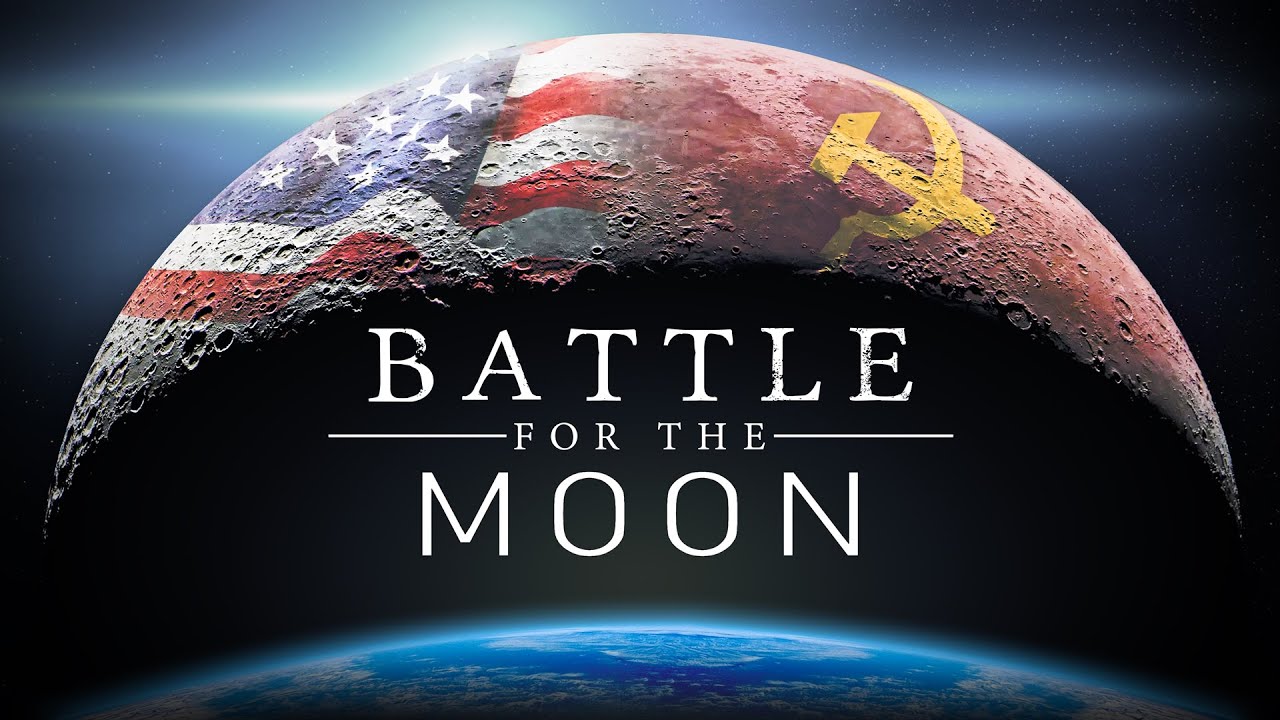
The launch of Sputnik by the Soviet Union ignited the Space Race, leading to NASA's Apollo program and the historic Moon landing by American astronauts.
Twelve Americans walked on the moon during six successful lunar landing missions between 1969 and 1972, marking a key achievement in the space race.
NASA's mission to Mars drives advancements in nanotechnology, focusing on microscopic robots and nanomedics that aim to revolutionize disease detection and treatment.
A team of international astronomers, led by Dr Shep Doeleman, aims to capture the first image of a black hole, a feat that has never been accomplished.
In the summer of 1977, Ohio radio astronomers detected the Wow!
Two lateral boosters of the Ariane 5 weigh 227,000 metric tons each when full of fuel, providing 6,000 kN of thrust during launch.
Space exploration encompasses distant galaxies, black holes, and the Solar System, providing a soothing backdrop for relaxation and imagination.
In Sydney, Ray Taylor's 1962 inquiry about extraterrestrial life reflects the societal fascination with UFOs that surged during the space race era.
View relaxing visuals of the universe, featuring new planets and distant galaxies, while highlighting the vastness of space and inspiring exploration.
Dr. Ben Longmier and his team plan to use helium balloons to send rocket engine components to an altitude of over 30 kilometers for testing in space.
Nichelle Nichols reflects on her groundbreaking role as Uhura in Star Trek and her advocacy for diversity in NASA's recruitment efforts.
A meteorite strike that ended the Cretaceous era is linked to various unexplained pilgrimage sites worldwide, shaping cultural beliefs and practices.
Career opportunities for minorities and women at NASA are highlighted in a 1979 film produced by the National Aeronautics and Space Administration.