From over 100,000 films, discover the handful you'll love.
Free or premium access to the world's largest documentary library.
1294 films(Page 21 of 27)
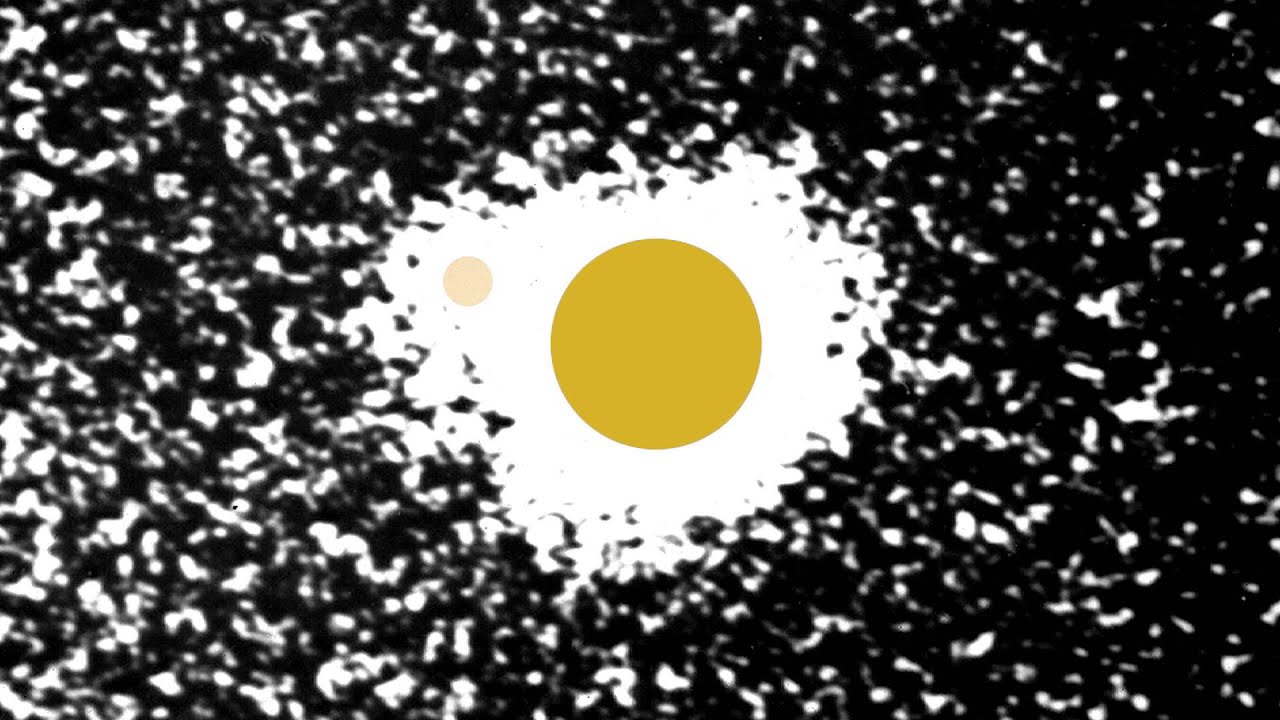
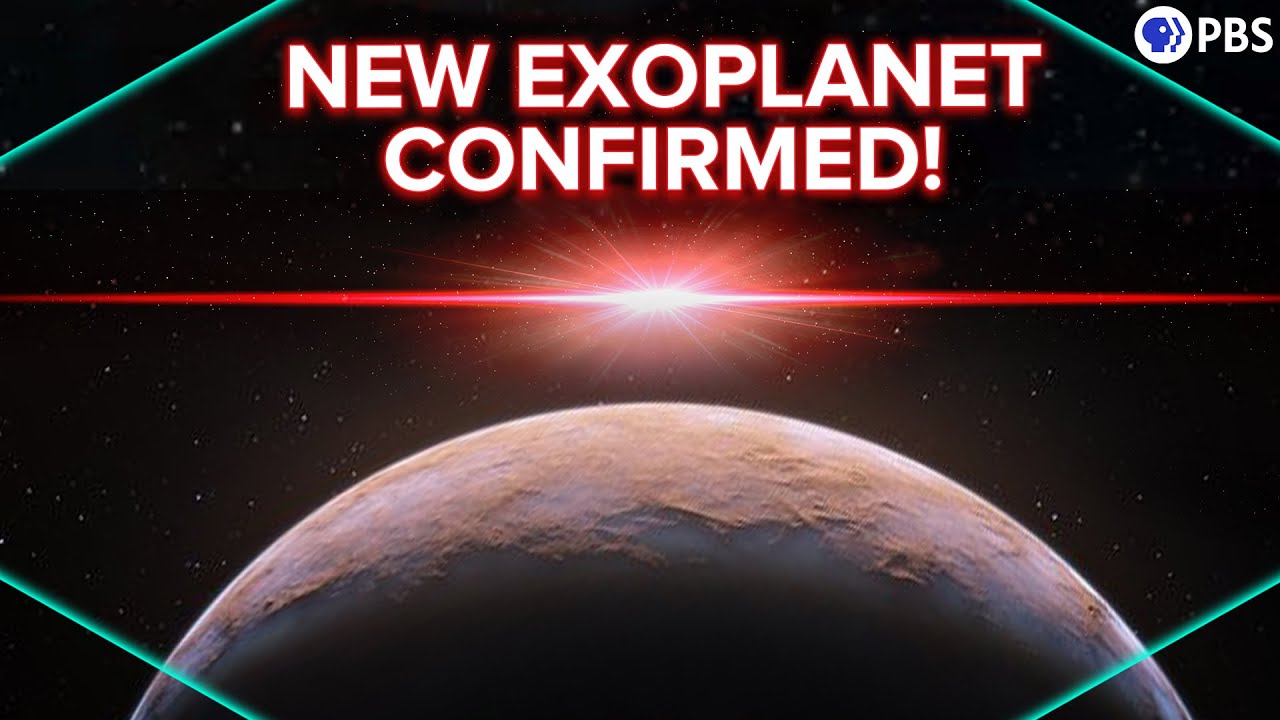
K2-18b, an exoplanet located 124 light years away, may have traces of dimethyl sulfide, a molecule associated with life on Earth.
Dr. J hosts an awards ceremony celebrating the Hubble Space Telescope's 20th anniversary in space.
Hubble Space Telescope's launch in 1990 promised unprecedented views of the Universe, but a distorted mirror necessitated a costly repair mission.
Today, Hubble helps scientists measure and image the effects of black holes in space.
This episode features answers about Hubble's observations of empty space and distant objects.
The Hubble Legacy Field reveals one of the most important images in human history.
The Hubble Space Telescope reveals new images of the Eagle Nebula's Pillars of Creation.
Hubble Space Telescope engages in ambitious projects to enhance astronomical data collection.
Hubble reveals key discoveries about Pluto before New Horizons' flyby in July 2015.
Hubble's Time Tunnel showcases Hubble's role in understanding the early universe's mysteries.
Hubblecast highlights Galileo Galilei's first telescope demo and Hubble's discoveries.
Dwight completed 129 memorials and over 18,000 gallery pieces, reflecting on a life shaped by the opportunity to become the first Black astronaut.
Astrobotics is developing a GPS system that enables precise lunar landings, essential for future moon colonization and supply deliveries from Earth.
Proxima Centauri, a faint red dwarf star, is located just over four light years from Earth and hosts the newly discovered exoplanet Proxima D.
Around two billion years ago, the first eukaryote cell emerged, marking a turning point in Earth's evolutionary history and offering a potential explanation for the Fermi Paradox.
Reverend John Flute manages the maintenance of SETI@home, a network that processes signals from the Arecibo radio telescope in Puerto Rico.
The International Space Station has been occupied since the year 2000, serving as a hub for scientific research and international collaboration in space.
On April 12, 1961, the Soviets launched Yuri Gagarin, the first person to orbit the Earth, intensifying the U.S. space race under President John F. Kennedy.
Landsat 8, launched in February 2013, carries advanced cameras that capture images of Earth in multiple wavelengths, revealing details invisible to the human eye.
Ce documentaire présente les plus gros trous noirs de l'univers et leur impact sur les étoiles.
The Lightcraft is a laser-propelled spacecraft concept for future space travel innovations.
A young male astronaut may lose 15% of his bone density after one year in space, raising concerns about long-term survival in zero gravity.
Cassini Project scientist Dr.
Planetary scientist Kevin Hand explores the potential for life in the ocean worlds of the solar system, focusing on Jupiter's moon Europa.
Dr.
Dr. Edwin Powell Hubble's work decades before the Hubble Space Telescope revolutionizes astronomy.
NASA studies Mars' inhospitable conditions and prepares for human exploration challenges.
Scientists have created the Illustris simulation to model 13 billion years of cosmic evolution.
On February 20, 1962, astronaut John Glenn orbited the Earth three times, marking a significant milestone in the early years of NASA's manned space flight program.
Technicians at NASA's Lyndon B. Johnson Space Center in Webster, Texas, demonstrate the use of space foods alongside a clock and barber shop.
Astronomers use the Great Observatories Origins Deep Survey to study the Universe more effectively.
In a visual exploration of the cosmos, the film showcases Earth's atmosphere, neighboring planets, and the vastness of the universe using advanced CGI.
Mars Express has been operational for 20 years, providing critical data on the Martian surface and atmosphere.
A $125 million Mars climate orbiter disintegrated in 1999 due to a simple unit conversion error, illustrating the risks of space exploration.
NASA geologist John Grant examines Martian rocks for evidence of past life on the red planet in a presentation from Live.
Geologist Ken Edgett from Malin Space Science Systems analyzes Martian rock layers using the Curiosity rover to reveal insights about Mars and Earth.
NASA scientist Pan Conrad analyzes findings from the Curiosity rover to address the mysteries of Mars and enhance understanding of the red planet.
A discovery made on St. Patrick's Day reveals Mars' vulnerability to solar activity.
Mike Rowe captures scorpions in the Arizona desert, where one scorpion catcher claims to have caught 300 scorpions in a single night.
Millions of dollars in damage occurred in Nome, Alaska, after a storm and fire destroyed homes and businesses, leaving residents in crisis.
More than 4 billion years ago, heavy elements were pushed to Earth's center, leaving its crust largely devoid of precious metals found in asteroids.
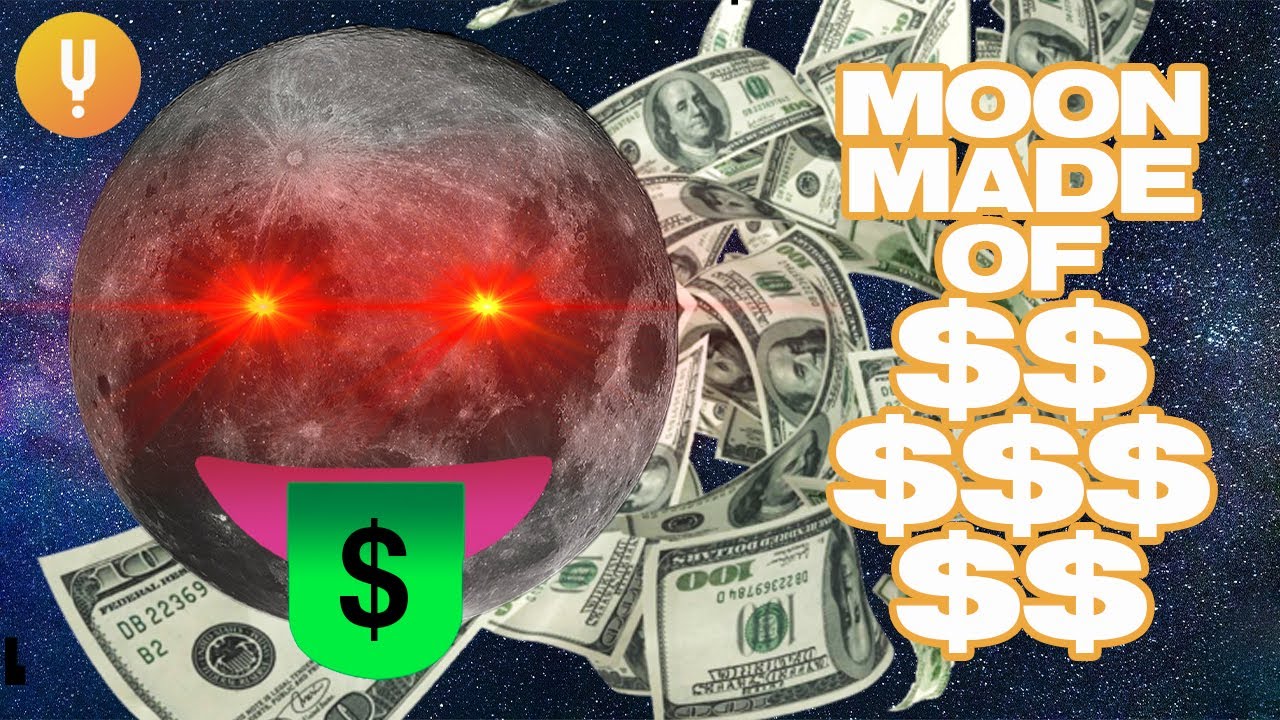
The moon's rare earths and Helium 3 present lucrative opportunities for future mining ventures.
Astronaut Michael Collins prepares for training in a spacesuit at Chamber B of the Space Environment Simulation Laboratory on June 27, 1966.
Astronaut Neil Armstrong participates in training exercises within Chamber B of the Space Environment Simulation Laboratory at NASA's Lyndon B. Johnson Space Center.
Astronaut Neil Armstrong trains in the Lunar Landing Training Vehicle at NASA's Johnson Space Center one month prior to the Apollo 11 mission launch.
Technicians at the Pillsbury Company Research and Development Laboratories prepare food for NASA's Apollo program in 1966.
Astronaut Neil Armstrong descends the Lunar Module ladder and conducts activities on the Moon's surface during the Apollo 11 mission on July 20, 1969.
Astronaut Neil Armstrong participates in underwater training with Lunar Module and Apollo Lunar Surface Experiments Package mock-ups at NASA's Johnson Space Center.