From over 100,000 films, discover the handful you'll love.
Free or premium access to the world's largest documentary library.
1294 films(Page 15 of 27)
NASA shows how black holes may help find Weakly Interacting Massive Particles.
Black holes are mind-blowing objects essential to understanding our universe's fabric.
NASA's visualization studio presents enhanced images of blue-flame plasma on the sun.
Radio signals captured by spacecraft reveal the interactions of solar winds and plasma, providing an auditory glimpse into the dynamic nature of the cosmos.
NASA's Solar Dynamics Observatory reveals unbelievable images of a Coronal Mass Ejection.
Scientists at NASA Goddard observe solar waves that reveal energy movement in the sun's corona.
Yutu, the Jade Rabbit, is China's unmanned lunar rover from the Chang'e 3 mission.
Mars Express, ESA's first planetary mission, maps the Red Planet and reveals its landscapes.
Energy is exchanged and transferred across the universe, from nearly frozen atoms to the explosive forces of colliding stars and black holes.
Nigel, an acclaimed science populariser, explores the future of the solar system and the mysteries of the cosmos in this informative presentation.
Nigel, an internationally acclaimed science popularizer, explains the concept of a light-year as a measure of astronomical distance equivalent to about 9 trillion kilometers.
White holes, as explained by Nigel in response to a question from Willow Roberts, are hypothetical regions of spacetime that allow matter and light to escape.
In 2006, the International Astronomical Union reclassified Pluto as a dwarf planet, reducing the Solar System's recognized planets to eight and highlighting its unique characteristics.
Ice Moons such as Europa and Enceladus are examined for their potential to harbor alien life, highlighting ongoing scientific research and exploration.
55 Cancri e, a planet composed largely of diamond, raises questions about the potential for human habitation in extreme extraterrestrial environments.
NASA's Curiosity rover encounters various technical challenges during its mission to Mars, highlighting the complexities of space travel and engineering solutions.
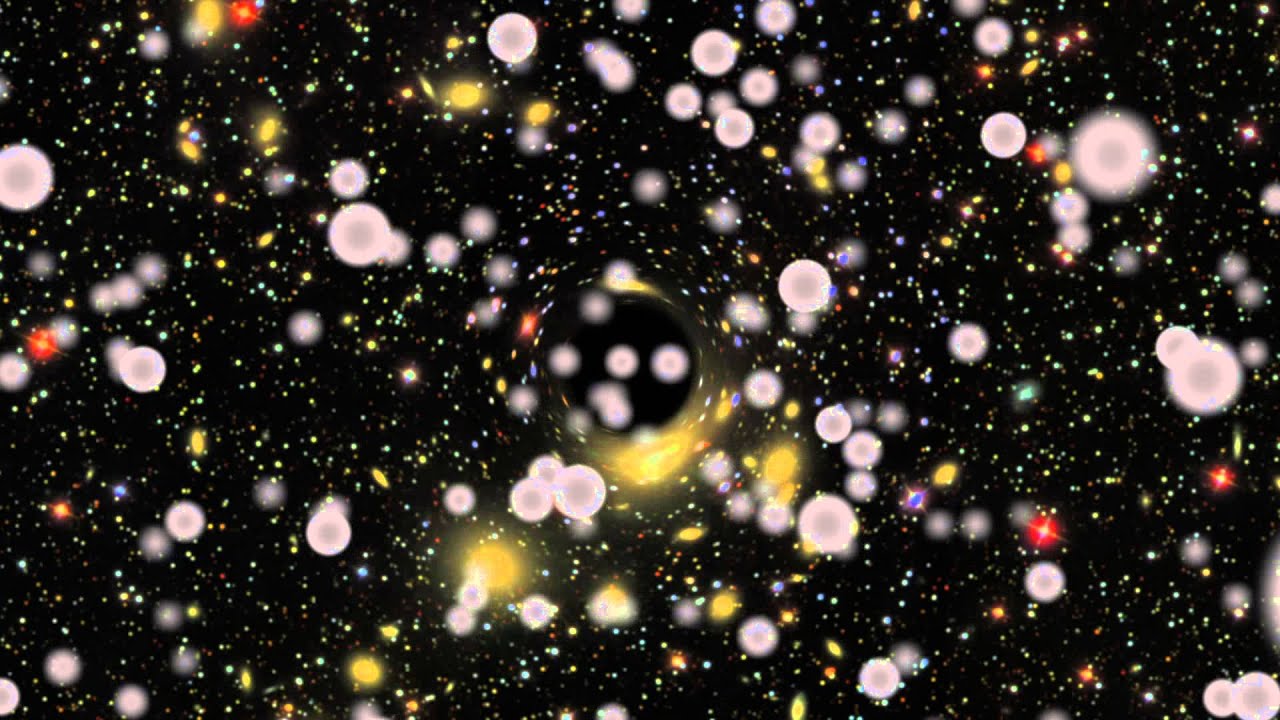
Astronomers use the Very Large Telescope in Chile to reveal new galaxies in the Universe.
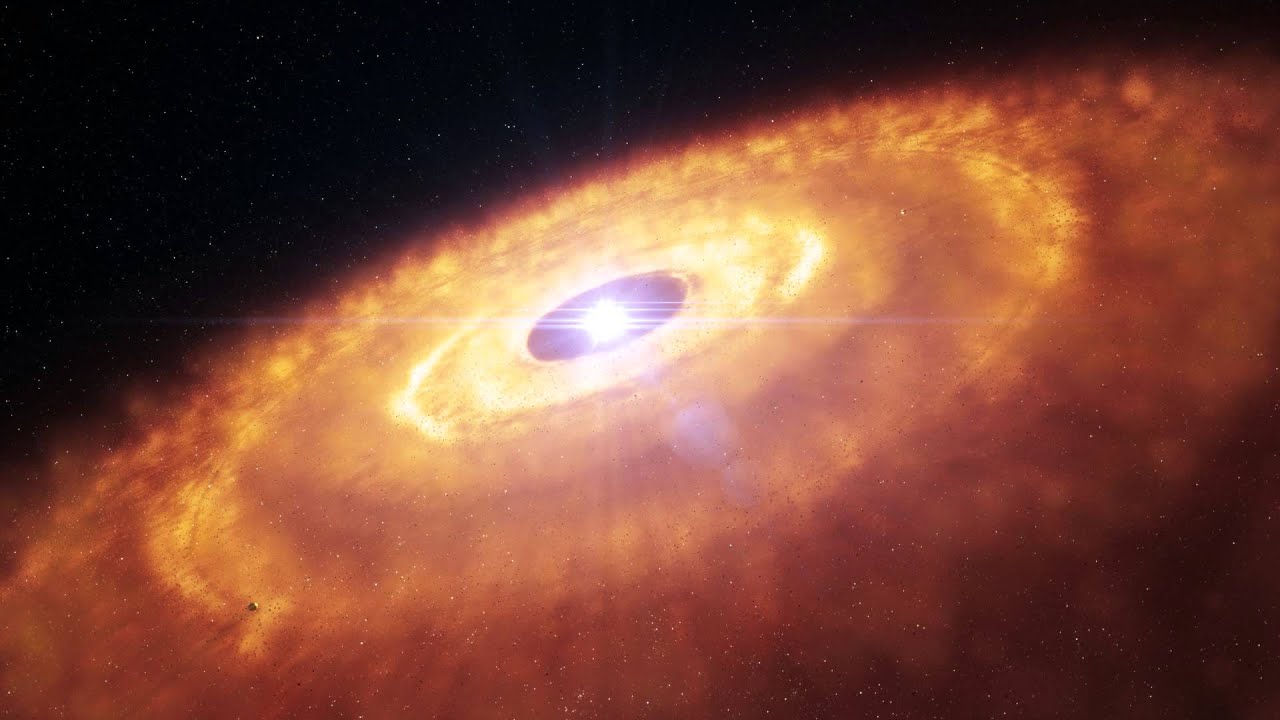
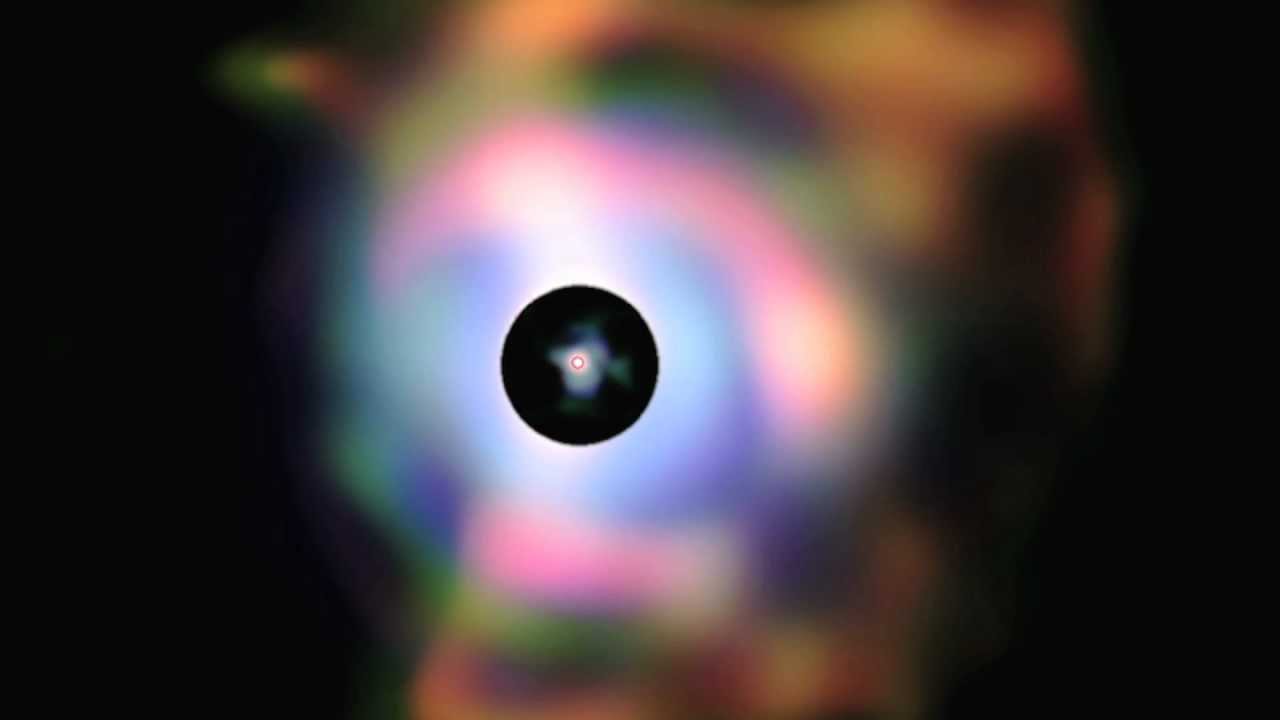
Astronomers using the NASA/ESA Hubble Space Telescope and ESO’s Very Large Telescope analyze unique wave-like structures in the dusty disc around AU Microscopii.
The ancients looked into the night sky and thought the universe revolved around Earth.
This parody humorously contrasts ancient views of auroras with modern scientific explanations.
There are 180 meteor impact points scarring Earth, raising concerns about future impacts.
Astronomers measure the size of Eris during a rare occultation event.
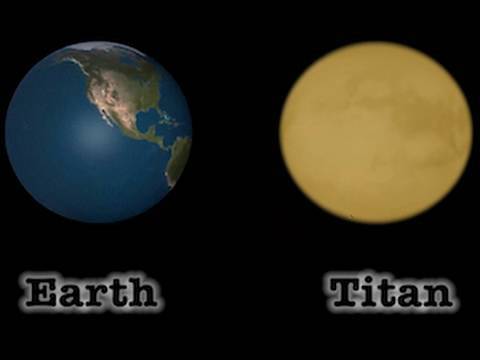
NASA scientists look for Earthly examples to understand Titan's terrain features.
Astonishingly beautiful images from the International Space Station showcase Earth’s beauty.
The Spitzer Space Telescope reveals the imprint of a star's explosive death on the galaxy.
SpaceX's Starlink technology aims to provide uninterrupted internet access globally, connecting remote areas and enhancing communication capabilities.
Black holes, with their intense gravitational pull and warping light near the event horizon, challenge the laws of physics at their singularity.
Watch this to understand how solar flares impact Earth and technology.
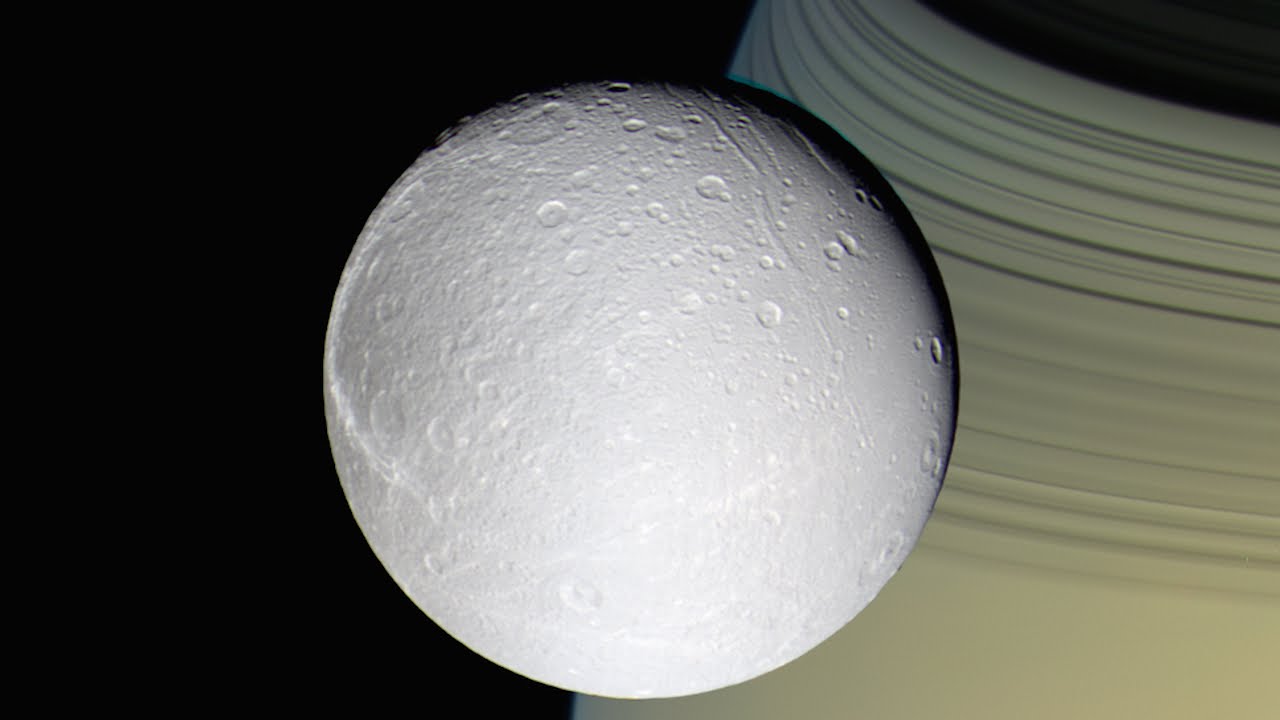
The Cassini Spacecraft conducts its last close flyby of Dione, showcasing detailed observations after over a decade of exploring the Saturn system.
A five-mile fall without a parachute is examined through experiments and discussions about gravity and impact in a final science class led by Mike O'Hara.
Blind Frog Ranch in Utah becomes the focal point for Duane Ollinger's quest for Aztec Black Gold obsidian, revealing challenges and mysteries along the way.
NASA’s Kepler Space Telescope has utilized transit photometry to confirm over a thousand exoplanets, significantly advancing the search for planets beyond our solar system.
Time-lapse imagery showcases the night sky's brilliance, featuring the Milky Way and celestial phenomena, accompanied by Kevin MacLeod's "Moonlight Hall."
Black holes pose extreme dangers due to their intense gravitational forces, leading to two popular theories on how they would kill an unsuspecting victim.
The Very Large Telescope (VLT) utilizes active optics technology to maintain mirror shape and provide astronomers with sharp images of distant celestial objects.
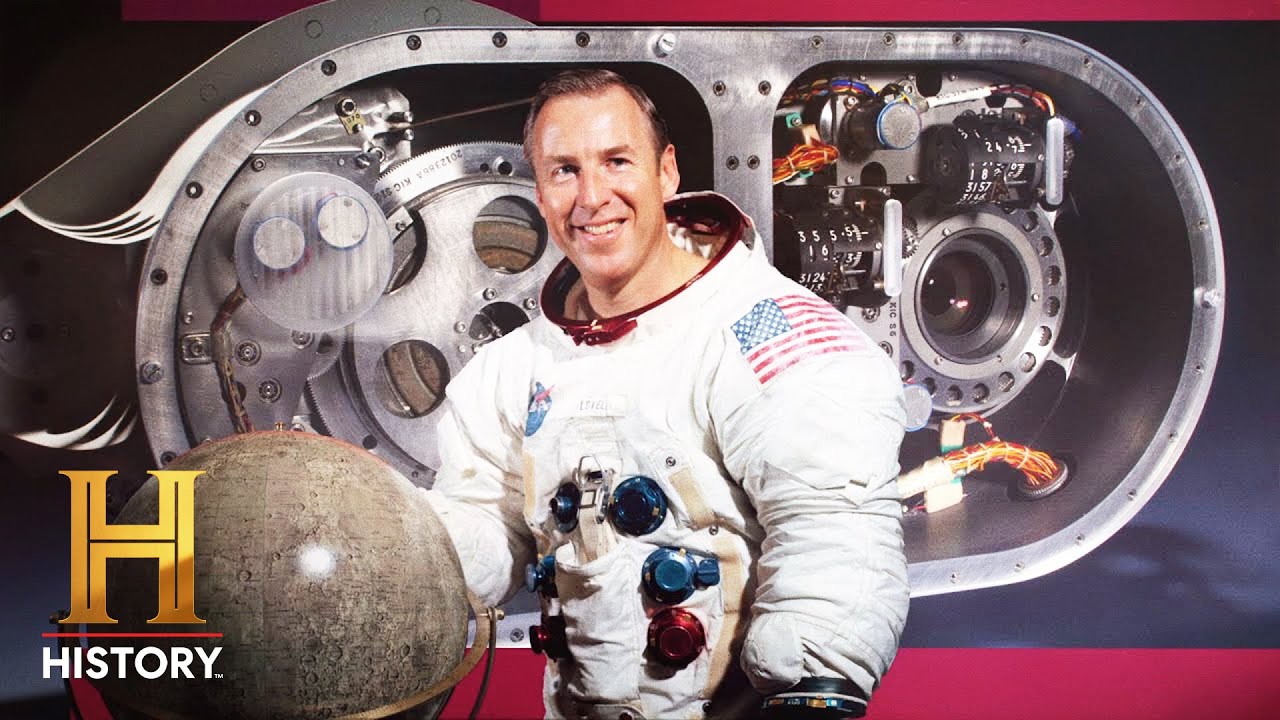
Apollo 13 astronauts Jim Lovell, Fred Haise, and Jack Swigert navigated their way back to Earth using 250 years of American technological advancements.
The Milky Way galaxy's size is almost impossible to comprehend, raising questions about life within it.
The Soviet Union wins the Cold War space race with Sputnik and Laika, leaving Americans disheartened.
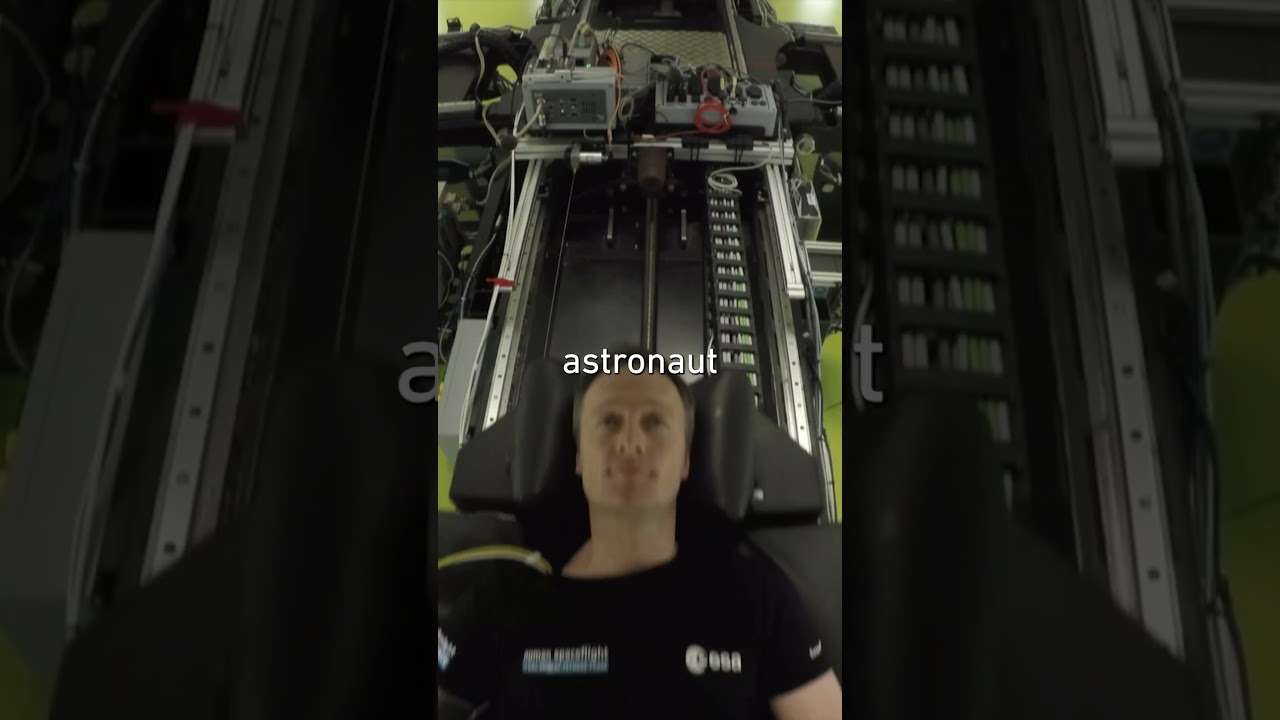
Six astronauts from the European Space Agency, including Matias Mara, are training for lunar missions set to launch in 2025.
This video explains how rockets travel from Earth to the Solar System using Newton's laws.
Duct tape plays a crucial role in saving the real Apollo 13 crew during their mission.
Neil Armstrong saves Gemini 8 from spinning out of control after a space docking.
Neil Armstrong practices landing the lunar module on a training vehicle designed for Apollo missions.
NASA's James Webb Telescope visualizes star formation in the Eagle Nebula's dense clouds.
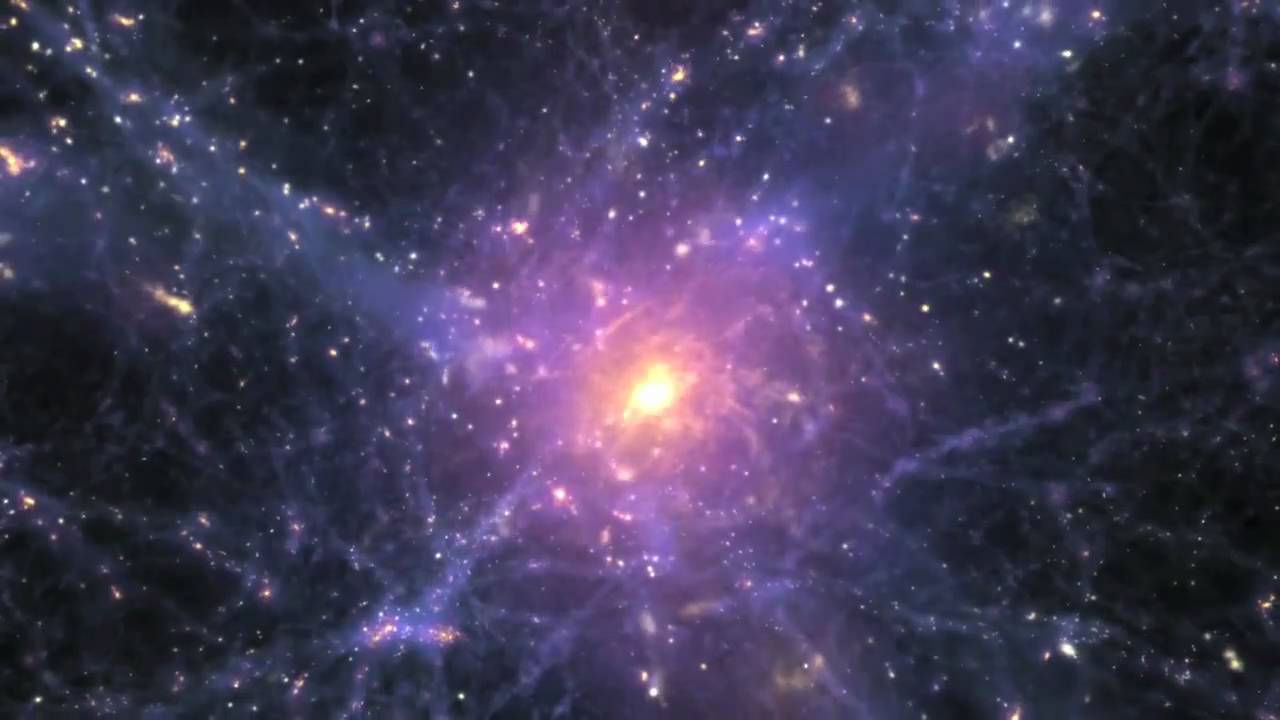
NASA's James Webb Telescope shows how gravity forms large-scale structures in the universe.
More than 17,000 new satellites are expected to be launched by 2030, increasing the risk of collisions from space debris in low Earth orbit.
A total solar eclipse occurs approximately once every 18 months somewhere in the world, with the last coast-to-coast eclipse in the U.S. happening in 1918.
Smithsonian scientists provide practical tips and techniques for photographing Mars, detailing necessary equipment and settings for optimal results.