From over 100,000 films, discover the handful you'll love.
Free or premium access to the world's largest documentary library.
2822 films(Page 5 of 59)
Japanese troops landed on Guadal Canal in April 1942, threatening Allied positions in the Pacific and prompting a shift to offensive operations.
On July 10, 1940, RAF pilots engaged in aerial combat against the Luftwaffe, facing overwhelming odds of ten enemy aircraft to one.
In summer 1944, as Hitler's army retreats, the Allied Forces launch a massive offensive against Germany, revealing the harsh realities of the final battles through rare archive footage.
A German division of 250,000 soldiers advanced on Stalingrad in 1942, facing heavy bombardments and fierce urban combat.
Rare color footage filmed by American military cameramen, including George Stevens, captures the Allied advance into Germany during the final months of World War II.
Eagle Warriors served as elite shock troops in the Aztec Empire, renowned for their ruthless tactics and role in capturing enemies for human sacrifice.
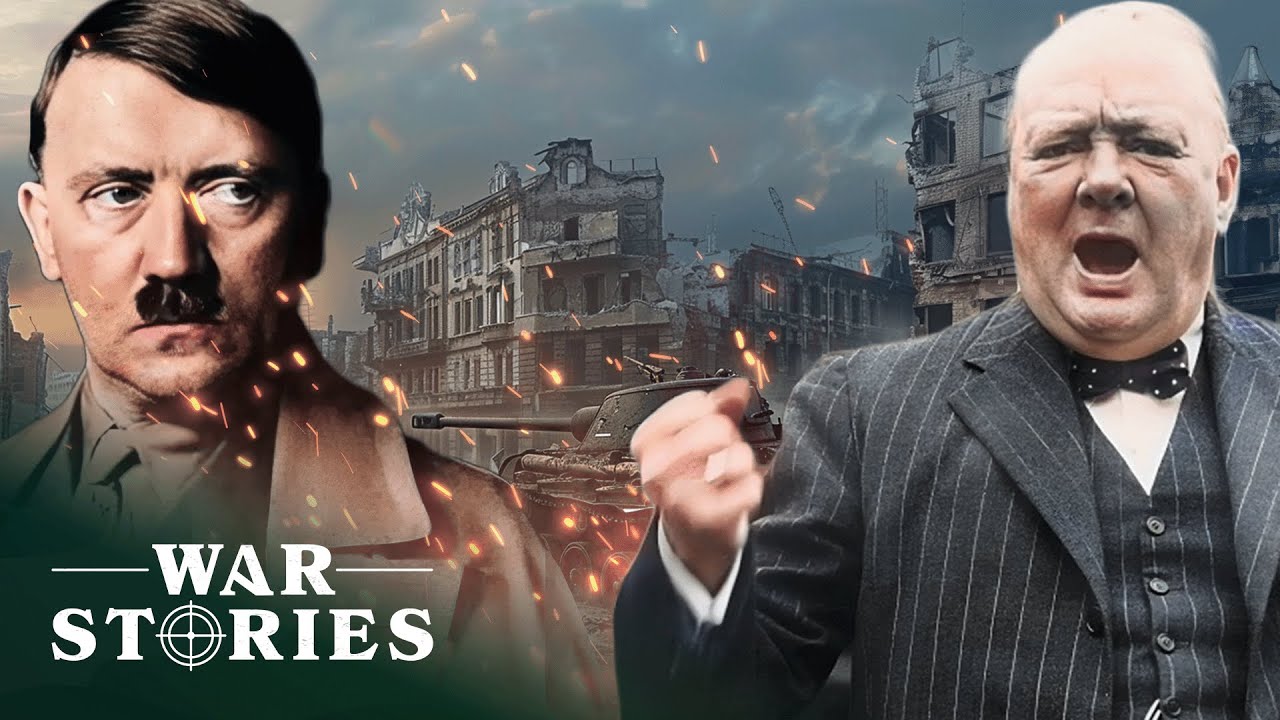
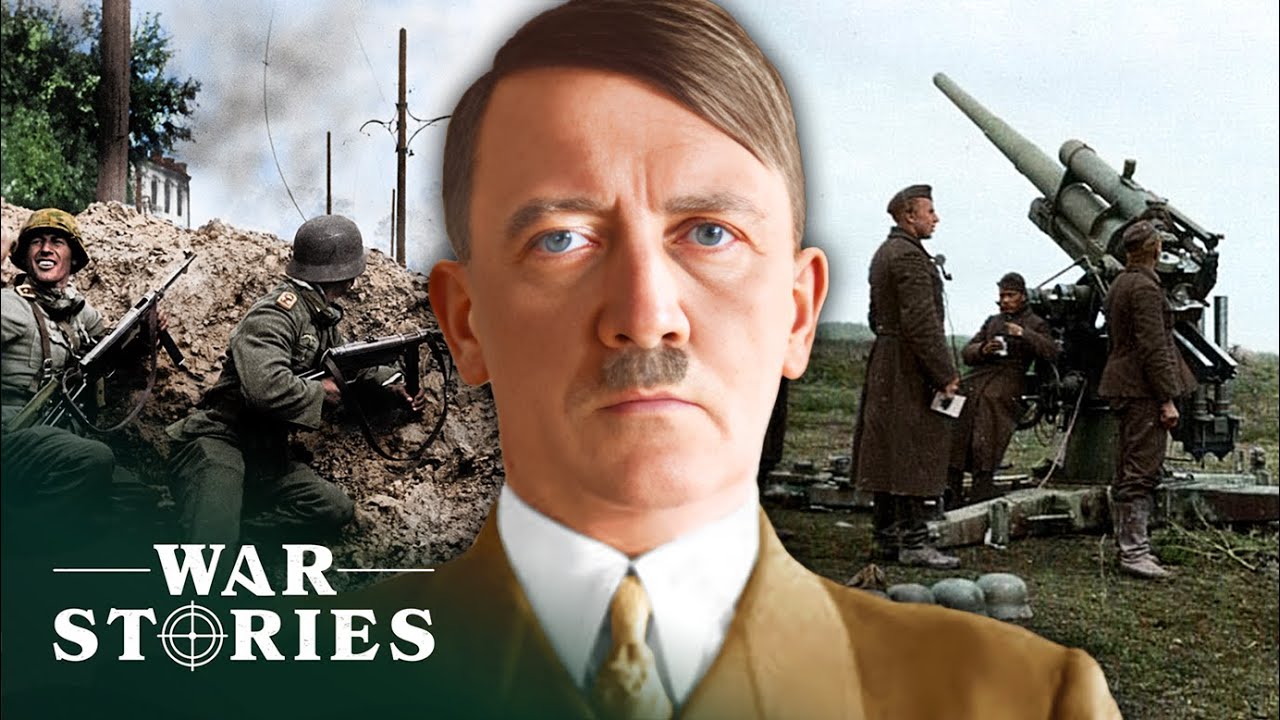
Hitler's early World War II successes are examined through his invasions of Poland, the implementation of Blitzkrieg tactics, and the challenges of Operation Barbarossa.
By the end of July 1945, B-29 bombers had conducted missions that nearly obliterated Japan's ability to wage war, paving the way for the atomic bomb.
Over 2 million British and Commonwealth soldiers were wounded during World War I, with many relying on stretcher bearers and nurses for survival.
In December 1941, the Japanese attack on Pearl Harbor propels the United States into World War II, leading to significant battles in the Pacific and the internment of Japanese Americans.
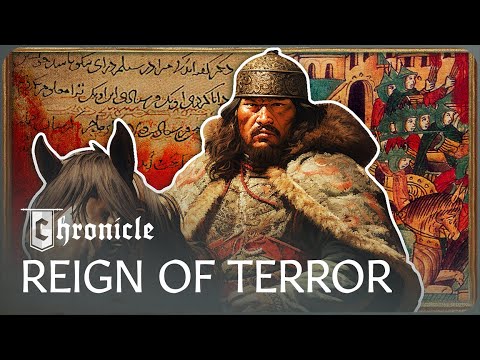
Genghis Khan's legacy as a brutal conqueror is examined alongside his strategic brilliance and the vast expansion of the Mongol Empire in the 13th century.
Pearl Harbor's surprise attack in 1941 marked the beginning of the Pacific Theater in World War II, leading to pivotal battles and the eventual use of atomic bombs.
American soldiers in the Vietnam War faced moral dilemmas and public opposition while navigating the complexities of a conflict they often did not understand.
Major Bill Barkworth led a post-war mission to track down the Gestapo and SS executioners responsible for the execution of over 30 SAS soldiers in France during Operation Loyton.
Operation Overlord, the Allied invasion of Northern France during World War II, was a meticulously planned amphibious assault that ultimately secured victory for the Allies.
American WWII soldiers faced significant challenges with Post Traumatic Stress Disorder (PTSD) as they navigated their reintegration into society, highlighted in a banned film from the 1940s.
Hitler's invasion of the Soviet Union marked a critical turning point in World War II, highlighting the catastrophic miscalculations that led to Nazi Germany's downfall.
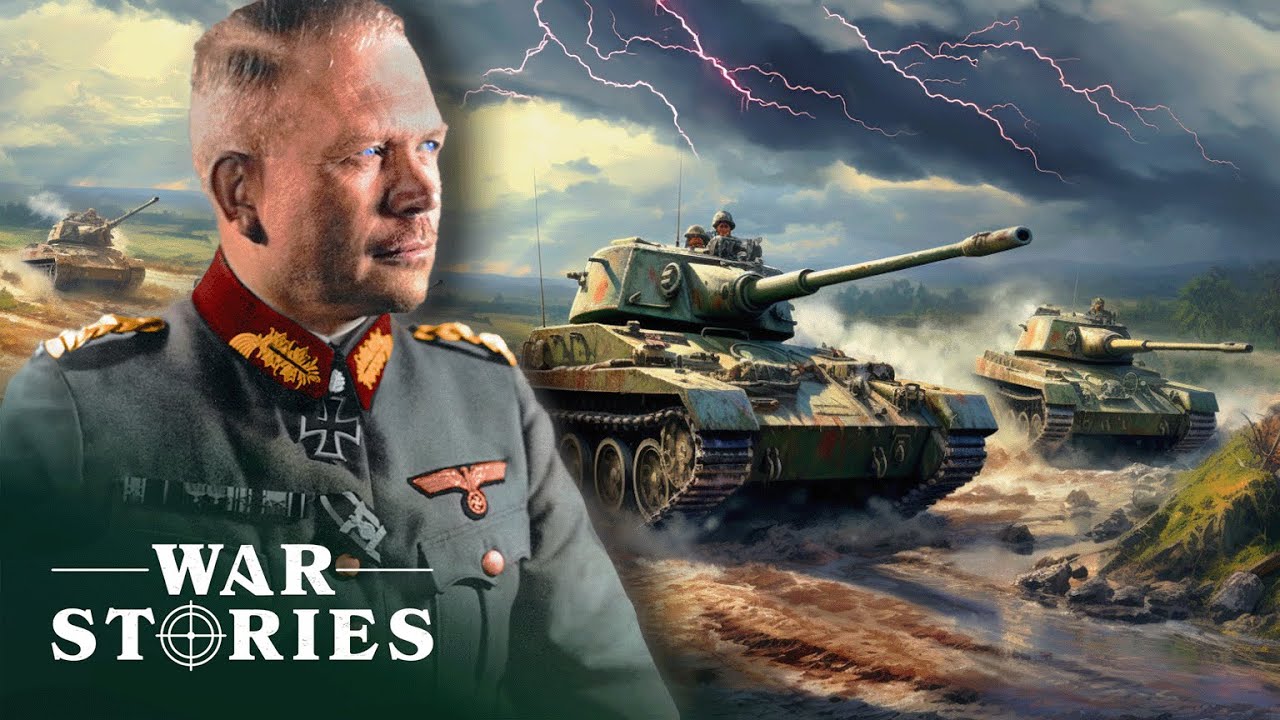
Heinz Guderian, a key figure in World War II, revolutionized mechanized warfare with his blitzkrieg tactics that emphasized speed and combined arms.
Germany's Kaiserschlacht, or Spring Offensive, marked a critical last-ditch effort in 1918 to secure victory in World War I through strategic military maneuvers.
In 1942, Port Moresby was the only allied base in New Guinea, while Japanese forces controlled the rest of the island.
In the Pacific theater of World War II, American forces captured the Japanese-held islands of Guam, Tinian, and Saipan, marking a crucial turning point in the conflict.
Operation Barbarossa, Hitler's 1941 invasion of the Soviet Union, marked the largest and costliest land offensive in history during World War II.
In 1942, the US Marine Corps launched the first amphibious tank assault in history to reclaim Japanese-held islands in the South Pacific following Pearl Harbor.
The Battle of Stalingrad marked a pivotal victory for the Red Army during World War II, characterized by intense tank battles that resulted in significant casualties.
World War I is examined through a detailed analysis of the staggering casualties and events from the trenches of the Somme to the gas attacks at Ypres.
The Nazis' massive construction project shelters factories underground during World War II.
Survivors of the Battle of Stalingrad recount their experiences, highlighting the intense combat and sacrifices made by both German and Russian soldiers during World War II.
In the Pacific theater during World War II, American pilots faced perilous conditions while conducting bombing missions against Japan, often losing planes during their return to aircraft carriers.
The Short S. 25 Sunderland, a British flying boat patrol bomber, served for three decades and became one of the RAF's most effective aircraft against U-boats.
The North African Campaign during World War II showcased the intense conflict between Axis and Allied forces, highlighted by rare archive footage from the front lines.
Heinrich Himmler directed elite German troops in wartime Italy to search for Tacitus' 'Germania', aiming to fabricate a mythical Aryan history to justify Nazi policies.
In 1917, as First World War casualties exceeded 5 million, German commanders faced the challenge of reversing their army's decline amid unprecedented loss.
35 years of dictatorship in Libya shaped the roles of Gaddafi's elite female bodyguards, who balance military duty with societal expectations.
Operation Overlord and subsequent Allied offensives on the Eastern and Western Fronts, along with the Pacific island-hopping strategy, culminated in the defeat of Nazi Germany and Japan in World War II.
A combined operation involving hundreds of thousands of American and British soldiers was planned over 125 days to launch the Allied invasion of Tunisia.
Life as a Roman centurion involved rigorous training, long marches, and the responsibilities of leading troops in one of history's most formidable military forces.
In 1942, the Vemork Power Plant in Norway produced 1,000 kilos of heavy water, a crucial component in Nazi Germany's nuclear ambitions.
On May 23, 1945, British troops arrested Admiral Donitz, marking the final act of the Nazi regime as the Allies took control of Germany.
Antoine, a 23-year-old lieutenant, endures accelerations of up to 6g during a centrifuge test as part of his training to become a fighter pilot.
Medieval knights navigated a violent landscape marked by invasions, long wars, and evolving warfare strategies during the Norman conquest and the Battle of Hastings.
In 1991, Iraq's once-mighty army faced a swift and overwhelming defeat by Coalition forces during the Gulf War, collapsing in just 100 hours.
More than 700,000 Rohingya have fled Myanmar since 2017 due to a military campaign marked by violence and human rights violations.
34 soldiers undergo a month-long survival training course in the Amazon rainforest, facing extreme physical and mental challenges.
The Battle of Stalingrad marked a pivotal turning point in World War II, representing Hitler's first major defeat and a significant shift in the conflict's momentum.
In 1942, as Hitler's forces occupied vast territories in Europe, key strategic decisions began to shift the momentum of World War II in favor of the Allies.
In Bougainville Island, a multi-year expedition led by Dick Portillo and Andy Guiles seeks the crash site of Japanese Admiral Isoroku Yamamoto's plane, revealing a potential gold tooth linked to him.
Elite forces operate in the shadows, trained to kill without leaving a trace for America.
Ships represent the largest and fastest vehicles on Earth, featuring the OOCL Hong Kong, the Höegh Traveller, and the HSC Francisco among others.