From over 100,000 films, discover the handful you'll love.
Free or premium access to the world's largest documentary library.
2822 films(Page 37 of 59)
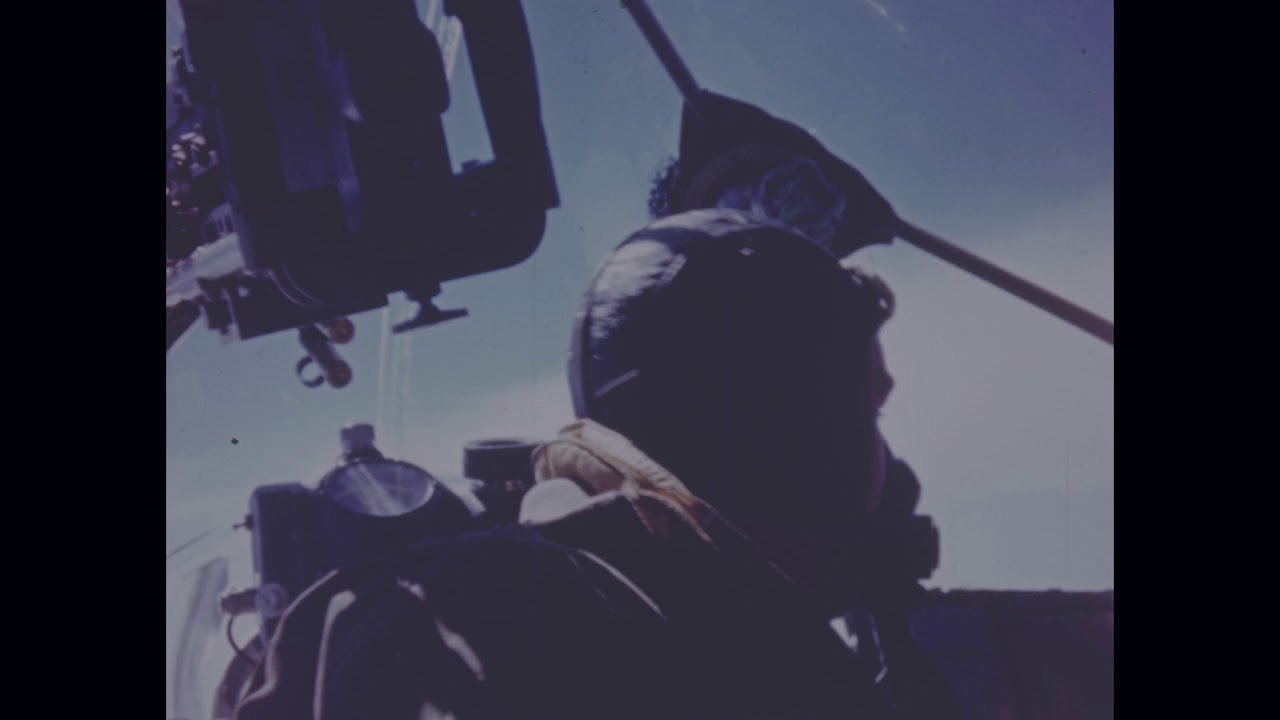
Eighth Air Force operations during World War II are documented through footage of the B-17 bomber Memphis Belle and its subsequent tour across the USA.
Eighth Air Force operations during World War II are documented through silent footage of the B-17 bomber Memphis Belle and its combat missions.
Eighth Air Force activities during World War II are documented, featuring the B-17 bomber Memphis Belle and notable visits from King George VI and Cardinal Spellman.
Eighth Air Force activity during World War II is documented through outtakes featuring the B-17 bomber Memphis Belle and its crew after completing 25 missions.
Eighth Air Force activity during World War II is documented through silent footage of the B-17 bomber Memphis Belle's tour across the USA after completing 25 missions.
The Meuse-Argonne Offensive features footage of U.S. troops, including the 1st Division, engaging in combat and interacting with refugees in France from September to November 1918.
The Meuse-Argonne Offensive showcases the 26th Division's activities from September 26 to November 11, 1918, including troop movements, medical treatment, and battlefield conditions.
The Meuse-Argonne Offensive features U.S. troops from the 35th Division engaging in combat activities, including artillery fire and troop movements, during World War I.
In the Meuse-Argonne Offensive, footage captures the aftermath in towns like Aincreville and Remoiville, showcasing troops, medical care, and military operations.
The Meuse-Argonne Offensive features the 305th Machine Gun Battalion, 306th Infantry, and 308th Field Artillery, highlighting key events and figures from September to November 1918.
The Meuse-Argonne Offensive features silent footage of the 79th Division's operations, including troop movements, aid stations, and German positions from September to November 1918.
The 90th Division's involvement in the Meuse-Argonne Offensive is documented through silent footage of troop movements, captured positions, and military reviews in France.
Heavy artillery operations during the Meuse-Argonne Offensive are documented, showcasing the 5th and 60th Coast Artillery Regiments' activities in 1918.
In the Meuse-Argonne Offensive, German and Austro-Hungarian prisoners are shown being processed, interrogated, and housed at the Souilly stockade.
Scenes of transportation challenges during the Meuse-Argonne Offensive include damaged infrastructure, supply trains, and troop movements in France from September to November 1918.
Supply activities during the Meuse-Argonne Offensive are documented, showcasing the unloading of provisions and ammunition near Montfaucon and Dieue.
General Bullard greets General Petain at Rampont, while various U.S. Army generals coordinate efforts during the Meuse-Argonne Offensive in 1918.
U.S. military activities in the Philippine Islands from 1917 to 1930 are documented through scenes of troop movements, local culture, and military parades.
Ten women compete for a special assignment in Belgium, with military etiquette and grooming standards playing a crucial role in the selection process.
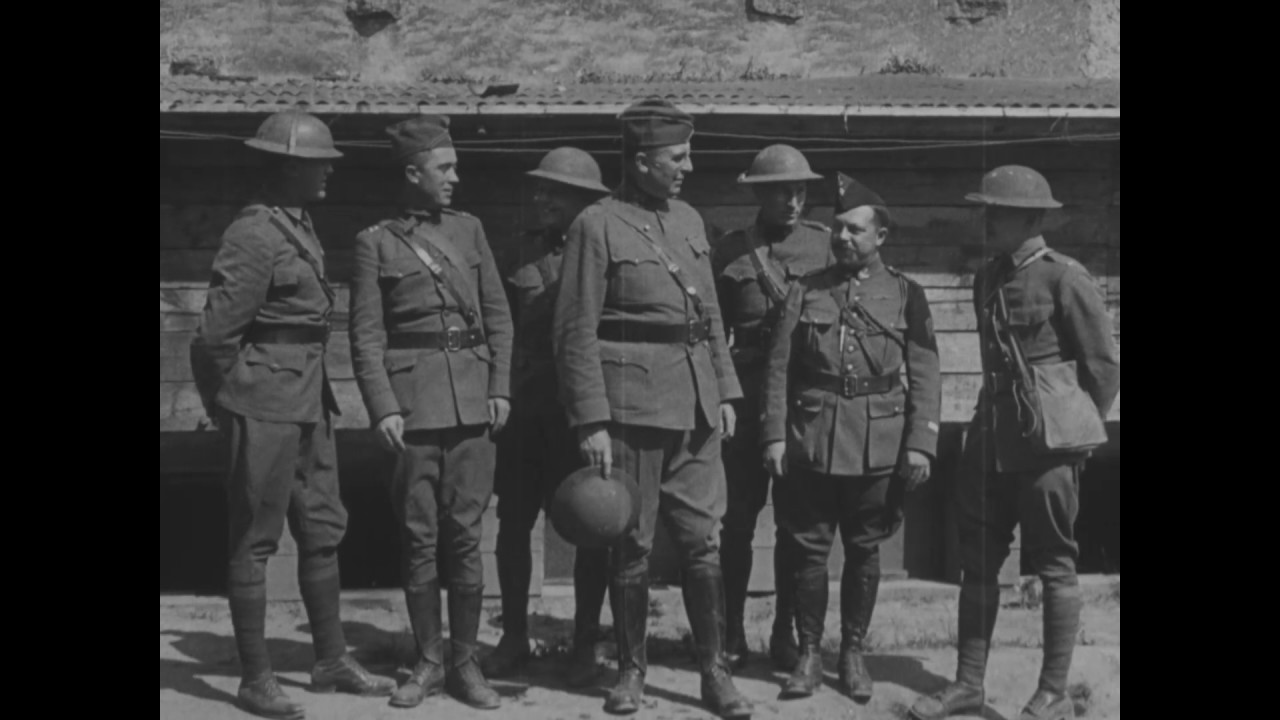
Chaplains and military personnel are shown at the American General Headquarters in Chaumont, France, during the final months of World War I, featuring inspections and parades.
World War I activities are documented through inspections of cattle in Chicago, food preparation, and the care of military animals at various U.S. Army camps.
In April 1918, junior officers of the 1st Division, including the 16th, 26th, and 28th Infantry Regiments, mobilized and prepared for combat near Haudivillers, France.
At nine years old, a boy begins attending militia meetings with his father, where discussions center on preparing for an impending war.
Recruits at Great Lakes Naval Station in 1918 undergo training that includes calisthenics, boxing matches, and military tactics in various exercises.
In 1943, Royal Air Force Lancaster bombers conducted night raids on Essen, Germany, while the destroyer Sullivan was launched in honor of five fallen brothers.
On June 9, 1944, Allied troops moved inland after executing a massive amphibious assault on German-occupied beaches in Normandy.
Over 800 kilometers were traveled across North Korea to photograph daily life using a 3D stereoscopic technique, capturing images of schools, farms, and factories.
Citizens of Oslo celebrate their liberation as President Truman and Allied leaders discuss post-war agreements in 1945.
Norway is enhancing its defense capabilities through a comprehensive rearmament program, focusing on NATO ties, naval strength, and Arctic military presence.
In Baccarat, France, from March 21 to June 21, 1918, the 42nd Division conducted military operations, including artillery barrages and troop inspections led by Col. Douglas MacArthur.
Allied defenses and the aftermath of the April-June 1918 battles in Cantigny, Picardy, are documented, highlighting troop movements and casualties.
In June and July 1918, American and French troops engaged in various activities, including artillery operations and inspections by Generals Pershing and Bullard, in the Cantigny sector of Picardy.
Activities of the 32nd Division during the occupation of Alsace from May 20 to July 19, 1918, are documented, featuring troop training and inspections by Generals Pershing and Haan.
Chateau Thierry served as a critical battleground during World War I, showcasing the efforts of the 3rd and 26th Divisions from June 18 to July 14, 1918.
The 12th Field Artillery and Marine units are shown in action during the occupation of Chateau Thierry, featuring inspections by Generals Harbord and Pershing.
U.S. troops of the 35th Division engaged in combat operations in the Gerardmer sector of Alsace, showcasing military activities and conditions during World War I.
In February and March 1918, the 42nd Division's operations in the Luneville Sector included troop movements, artillery fire, and inspections by General Menoher and War Secretary Baker.
Panoramic views of Gezoncourt and Griscourt, along with military activities of the 55th Infantry and 20th Field Artillery, are documented during the occupation of Lorraine.
In October and November 1917, First Division troops engaged in trench warfare near Gypse Hill, with supply trains and medical aid operations documented in silent film.
U.S. troops, including the 117th Field Signal Battalion and the 167th Infantry, are shown preparing for combat and managing daily life during the 1918 occupation in France.
In June and July 1918, the 82nd Division conducted military operations in the Lagney Sector of Lorraine, featuring troop movements, trench construction, and medical evacuations.
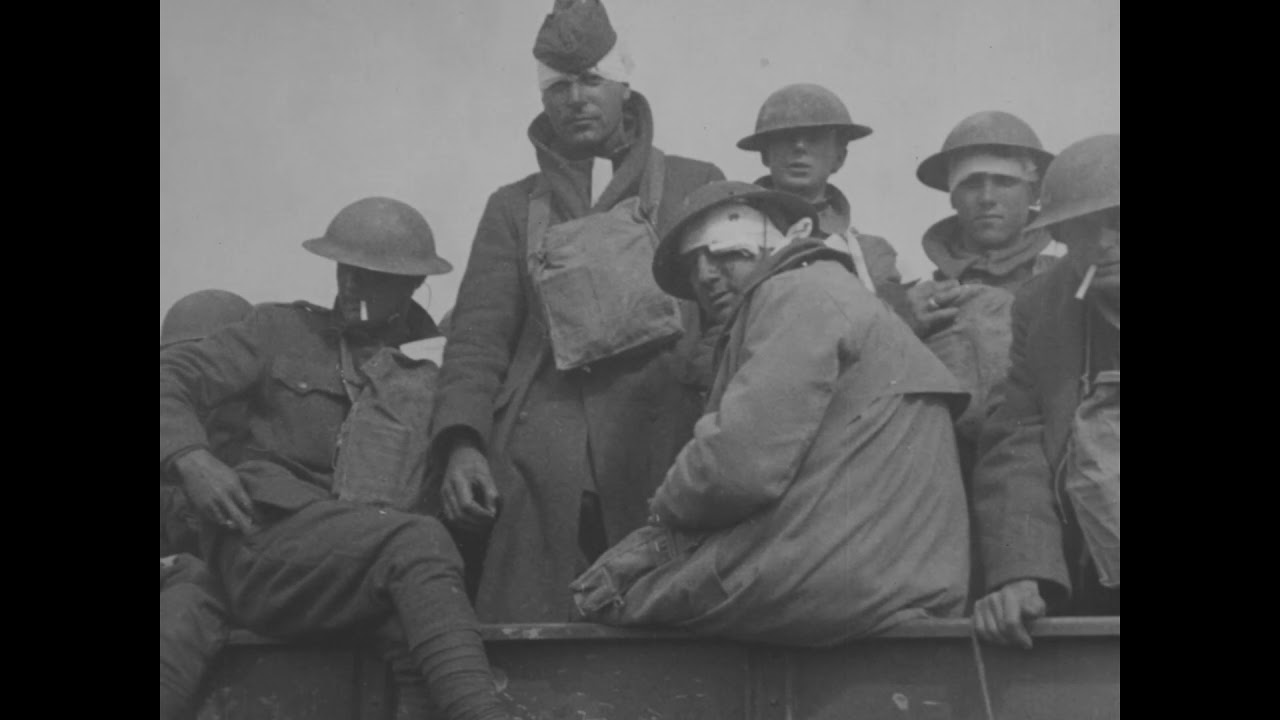
In August and September 1918, American and French troops engaged in the Oise-Aisne Operations, showcasing military advances, wounded aid, and German prisoners.
Ten days of leave lead a soldier to make reckless choices, resulting in a series of dangerous incidents that culminate in a tragic accident.
USS Mt. Olympus (AGC-8) arrives at the Navy Yard in Washington, D.C., where Admiral Richard E. Byrd greets Secretary of the Navy Chester W. Nimitz.
In Quang Tri, Vietnam, on October 11 and 12, 1967, U.S. Marines conduct Catholic Church services and MEDIVAC operations in a combat area.
Temperatures reached -50°F (-45°C) as British Army mountain commandos trained in the Canadian Rockies during the winters of 1944 and 1945.
In Manila, General Douglas MacArthur and President Manuel L. Quezon are seen alongside U.S. military operations, including troop movements and aerial activities during World War II.




![Documentary backdrop image for Miscellaneous Activities at American G.H.Q. [France, 1918-1919] (2017)](https://i.ytimg.com/vi/ujlvdpLHfqc/maxresdefault.jpg)







![Documentary backdrop image for Occupation of Center Sector (Lorraine [SIC]), May 20-July 19, 1918, 32nd Division (2017)](https://i.ytimg.com/vi/s7cfJePbqq0/maxresdefault.jpg)