From over 100,000 films, discover the handful you'll love.
Free or premium access to the world's largest documentary library.
2821 films(Page 6 of 59)
Stalingrad, a pivotal city during World War II, became the site of a fierce battle where the Red Army halted the advance of the Nazi forces in 1942.
NATO's Operation Brown Jack involved the largest military exercise in Denmark, demonstrating the alliance's readiness during the Cold War.
Historian James Holland and ex-US Army Ranger Dr Mike Simpson analyze the planning, logistics, and execution of the Normandy campaign during World War II.
The Battle of the Teutoburg Forest in 9 AD marked a decisive defeat for the Roman Empire, as Germanic tribes led by Arminius annihilated three legions.
Operation Sea Lion, Hitler's planned invasion of Britain following the Battle of France, ultimately failed due to British resilience and strategic defenses.
Operation Urgent Fury in Grenada marked a significant military intervention by the United States in 1983, reflecting Cold War tensions and strategic interests in the Caribbean.
Michael Wittman, renowned as the greatest tank ace of World War II, is portrayed as both a celebrated hero in Germany and a feared adversary among Allied forces.
The West Wall, Leningrad, Guadalcanal, Okinawa, and the Balkans are examined as key locations in World War II's bloodiest battles.
China is building air strips on disputed islands in the South China Sea, raising concerns about potential military conflict with the United States.
Alexander the Great's rapid conquests across the known world in just 12 years are examined, highlighting the historical context of his rise and fall.
At 2:39 a.m. on May 7, 1945, German General Alfred Yodel signed the unconditional surrender of Nazi Germany, marking a significant moment in history.
Depleted uranium munitions were used extensively in the 1991 Gulf War, where hundreds of Iraqi tanks were destroyed in just 10 hours.
14 days of rigorous training in the rainforest push legionnaires to their limits as they learn survival skills and the demands of military discipline.
America's elite special operations soldiers, the Rangers, were formed during World War II and played crucial roles in battles such as Pointe du Hoc and Brest.
Over 6,000 tanks participated in the Battle of Kursk in July 1943, marking the largest tank battle in history and a turning point in World War II.
In 1975, a US Navy SEAL platoon left their interpreter Minh behind in Vietnam, prompting veterans decades later to search for him and confront their past.
The Battle of Goose Green, a pivotal engagement in the 1982 Falklands War, is examined through uncensored footage and firsthand accounts of the intense combat.
In 1939, Germany deployed 1,200 Panzer I tanks, which were originally designed for training and lacked the firepower to engage enemy armor effectively.
In the final weeks of World War II, American soldiers experienced intense combat in Nuremberg and participated in the liberation of Dachau concentration camp.
Operation Barbarossa, Hitler's 1941 invasion of the Soviet Union, failed due to strategic blunders and the impact of Stalin's purges on the Red Army.
B-52 bombers have performed their mission for almost 80 years, making them the longest-serving bombers in history.
A flamethrowing tank could fire a jet of flame for up to 50 yards, designed to force enemy infantry out of fortified positions during World War II.
Liberty Ships, unveiled at Baltimore docks in 1941, transported two-thirds of all US cargo during WWII, significantly aiding the Allies' victory.
The Kokoda Track Campaign in 1942 marked a significant turning point in the Pacific theater of World War II, as Australian forces repelled Japanese advances in New Guinea.
The Battle of Midway, fought from June 4 to June 7, 1942, resulted in the United States Navy's decisive defeat of the Imperial Japanese Navy.
The War of 1812 marked a significant conflict between the United States and Great Britain, highlighting issues of territorial expansion and national sovereignty.
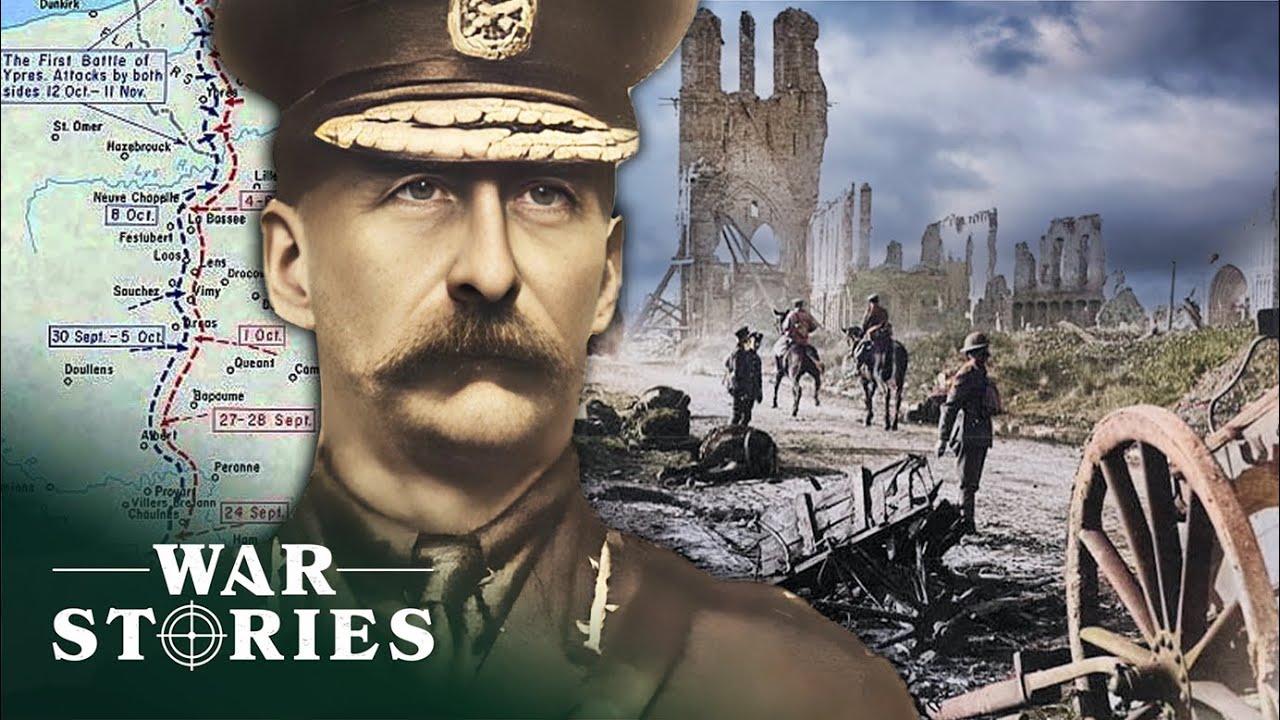
General Sir Arthur Currie's leadership of the Canadian Corps during key battles of the First World War, including Ypres and Vimy Ridge, is examined by military historian Norm Christie.
Nazi Germany's advanced aircraft technology, including the Me 262 jet fighter and V2 rockets, faced significant military shortcomings during World War II.
Operation Barbarossa, Hitler's invasion of the Soviet Union in World War II, faced insurmountable challenges due to Nazi racial ideology and the Red Army's fierce resistance.
In the 9th century, elite Spartan warriors, forged through rigorous training, became the most feared military force in Ancient Greece, dedicated to defending their homeland.
Churchill, standing at 5 feet 6 inches tall, received thousands of gifts from an adoring American public during his visit to the United States in 1941.
The First World War marked a significant transformation in military tactics and technology, shifting from traditional infantry to mechanized warfare across Europe.
Key battles of the Pacific War, including Pearl Harbor, Midway, and Okinawa, are examined alongside significant conflicts from other theaters of World War II.
Allied air power played a crucial role in securing supply shipments across the Atlantic during World War II, significantly countering German U-Boat threats.
World War II air raids, particularly those over cities like Dresden and London, exemplified the devastating impact of aerial bombardment on civilian populations.
Approximately 12 million tons of Allied shipping were sunk by German U-boats during World War I, significantly impacting naval warfare.
In Tucson, Arizona, the US Air Force operates the largest airplane junkyard, while a family in Thailand lives in a graveyard and settlers in Laos repurpose war ammunition.
Nazi Germany's defenses during the Normandy invasion, including the Atlantic Wall, failed due to strategic miscalculations and underestimations of Allied forces.
The history of the German Navy, from its origins in the Prussian-German Empire to its current role within NATO as the Bundesmarine, highlights its evolution and challenges.
In December 1944, the Battle of the Bulge marked a surprise German offensive against American troops in the Ardennes Forest, challenging their winter preparations.
The Battle of the Atlantic highlights the strategic maneuvers and technological advancements that enabled the Allies to counter the U-boat threat during World War II.
The Soviet campaign in Manchuria in 1945 significantly weakened the Imperial Japanese Empire, overshadowed by Japan's surrender following the atomic bombings.
21 ships of the U.S. Pacific Fleet were sunk or damaged during the Japanese attack on Pearl Harbor on December 7, 1941.
Operation Gothic Serpent escalates into the Black Hawk Down battle in Mogadishu, where elite American soldiers face intense combat after two helicopters are shot down.
More than 100 fully equipped German divisions waited on the invasion coasts, poised to attack Britain during World War II.
The Ardennes counteroffensive, also known as the Battle of the Bulge, marked a critical German attack against Allied forces in Belgium and Luxembourg from December 1944 to January 1945.
The Burmese Campaign of World War II, fought between 1941 and 1945, involved Allied forces from Britain, India, China, and the US against Japanese troops in Myanmar.
Five thousand Canadians died during the Battles of Mount Sorrel and Hill 70 in 1916, significant events in the development of the Canadian Corps.