From over 100,000 films, discover the handful you'll love.
Free or premium access to the world's largest documentary library.
2822 films(Page 8 of 59)
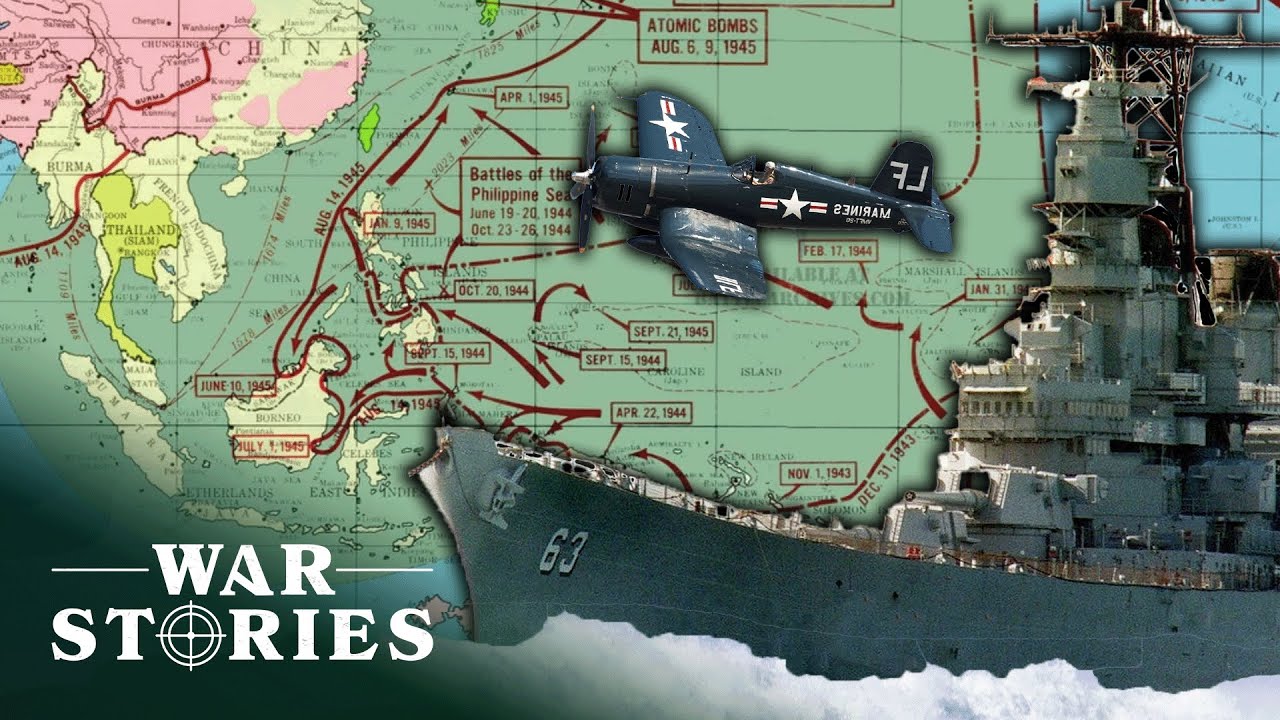
After Japan's attack on Pearl Harbor, the United States developed a strategic military plan to confront the Japanese empire's vast island territories during World War II.
Nearly 40,000 Italian soldiers were taken prisoner after a swift British counterattack in December 1940 during Italy's campaign in North Africa.
Hitler's ambition for naval supremacy is examined through the rise and fall of the Third Reich's advanced battleships in World War II.
The Battle of France marked a pivotal moment in WWII as Hitler's blitzkrieg advanced through Luxembourg and Belgium, leading to the Vichy Government's surrender.
A combined airborne and amphibious assault, codenamed Urgent Fury, involved the U.S. 75th Ranger Regiment, 82nd Airborne Division, and 22nd Marine Amphibious Unit.
On September 15, 1940, British pilots engaged in 13 hours of aerial combat that proved to be a turning point in the fight against Nazi Germany.
The US Eighth Air Force played a crucial role in World War II, showcasing their aerial combat prowess through the accounts of seasoned veterans.
On August 31, 1940, 39 British fighter planes were shot down, marking the deadliest day of the Battle of Britain.
Seven Bolivian soldiers are killed and 12 taken prisoner as revolutionary Che Guevara seeks to destabilize South America and threaten U.S. interests.
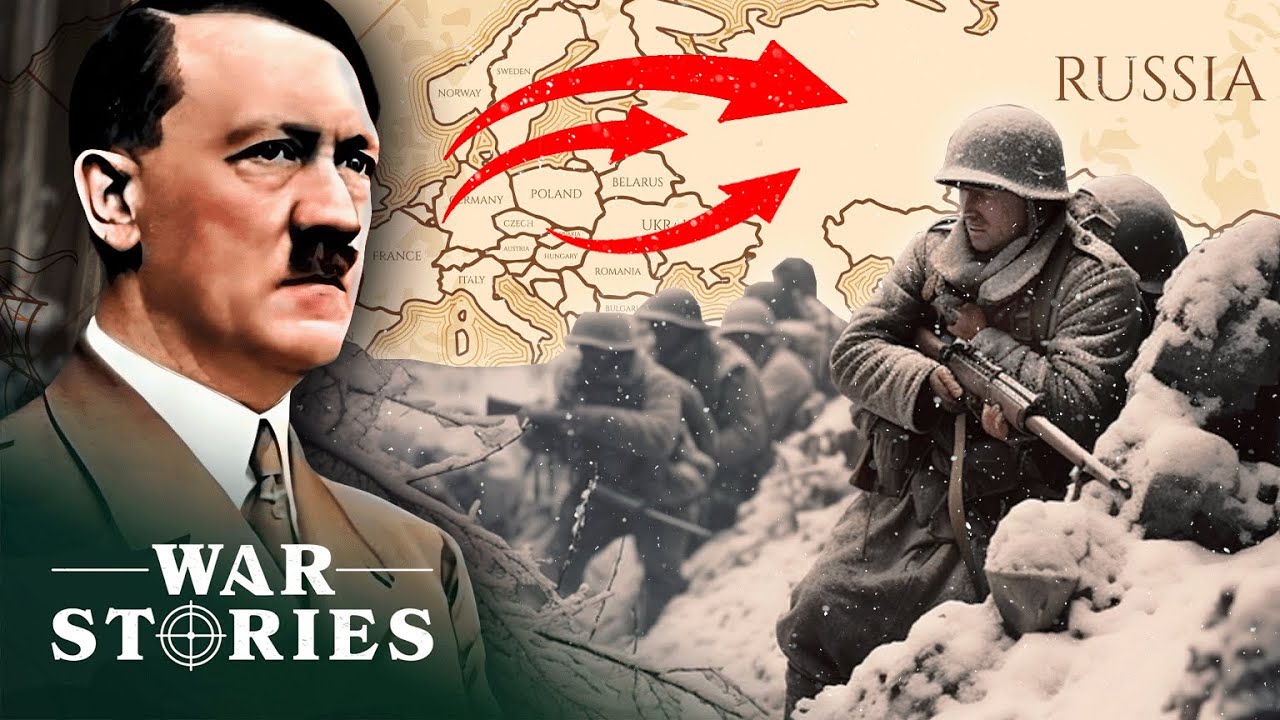
Operation Barbarossa marked Hitler's 1941 invasion of the Soviet Union, involving three million German troops and resulting in significant suffering and destruction.
Mozambique has a history marked by a civil war that lasted 17 years and resulted in nearly one million deaths.
Footage recorded in the aftermath of the 1941 Japanese attack on Pearl Harbor provides an analytical perspective on the events of that pivotal day in history.
Tank warfare evolved significantly during World War II, highlighted by Germany's blitzkrieg tactics and the introduction of the Churchill tank by Britain in 1942.
In 1943, the Battle of Kursk marked the largest tank battle in history, involving 6,000 tanks and 2,000,000 troops in a failed Nazi offensive against Soviet forces.
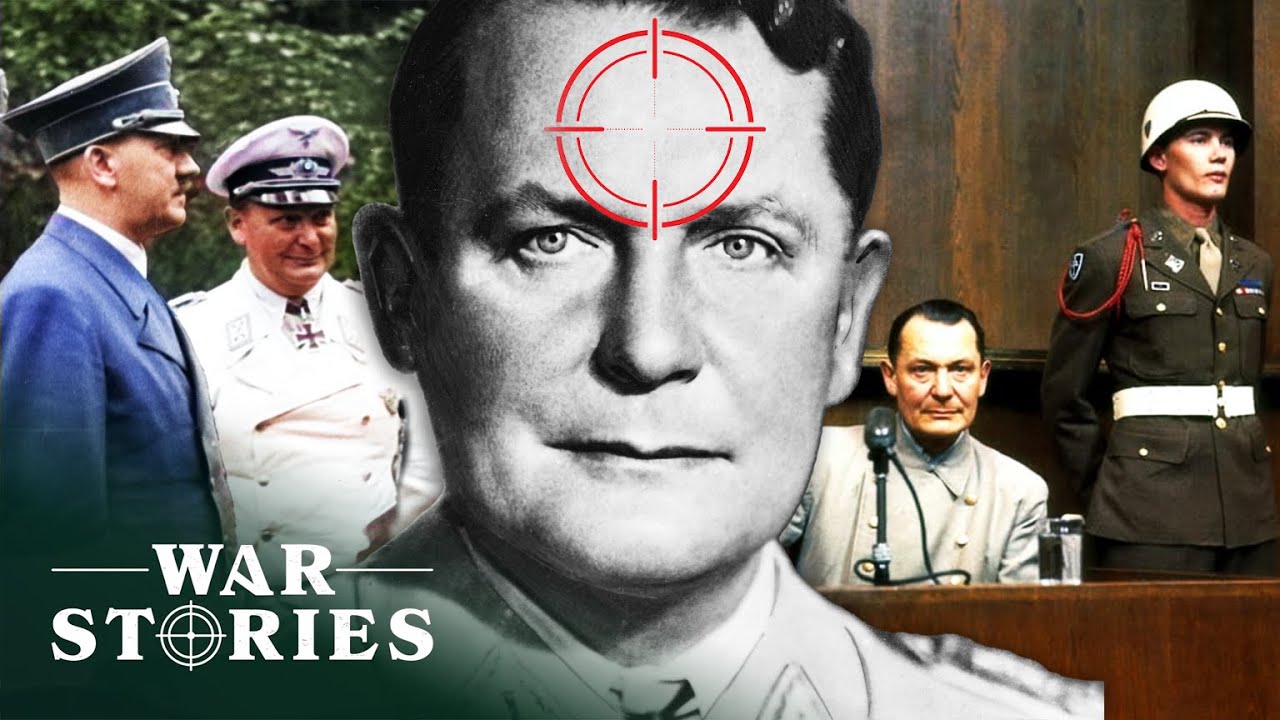
Hermann Goering's life is examined through secret footage, highlighting his rise as Hitler's second-in-command and his eventual capture and trial at Nuremberg.
Temperatures during the training can drop to -30°C, while candidates must climb the equivalent of summiting Mount Everest ten times over nine months.
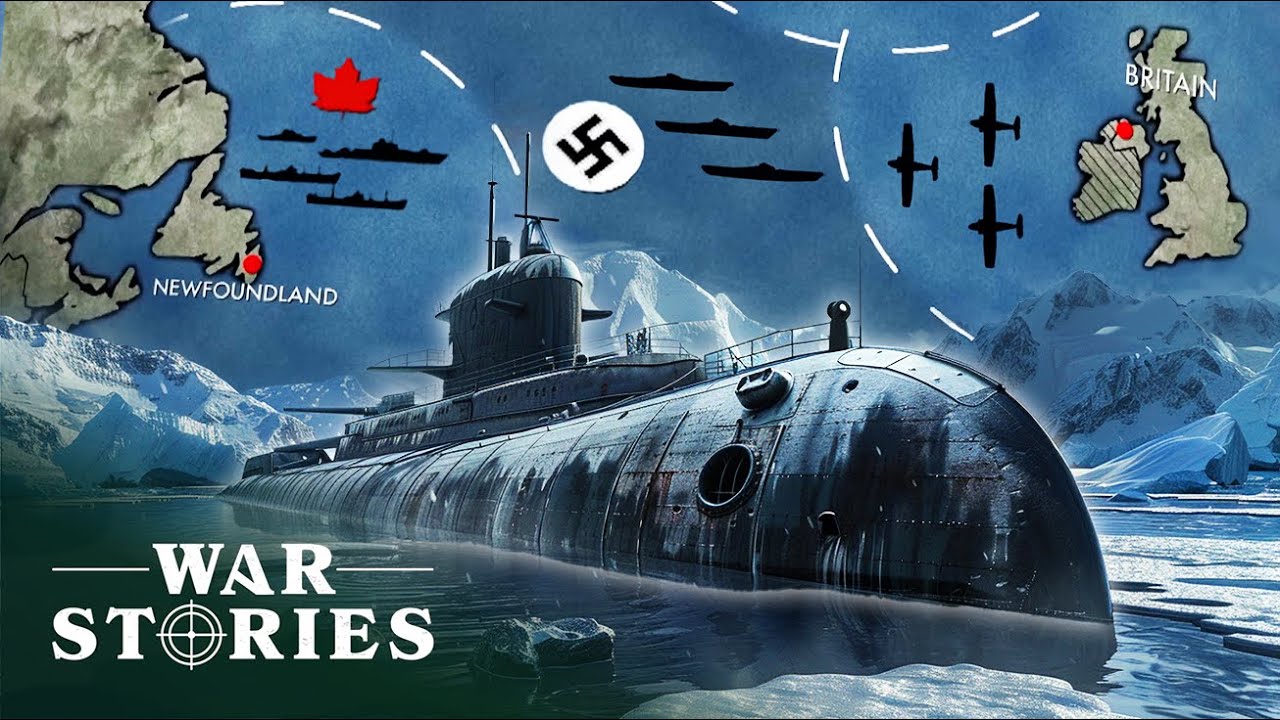
Five escort ships accompanied a convoy of merchant vessels from Halifax, facing the constant threat of German submarines during World War II.
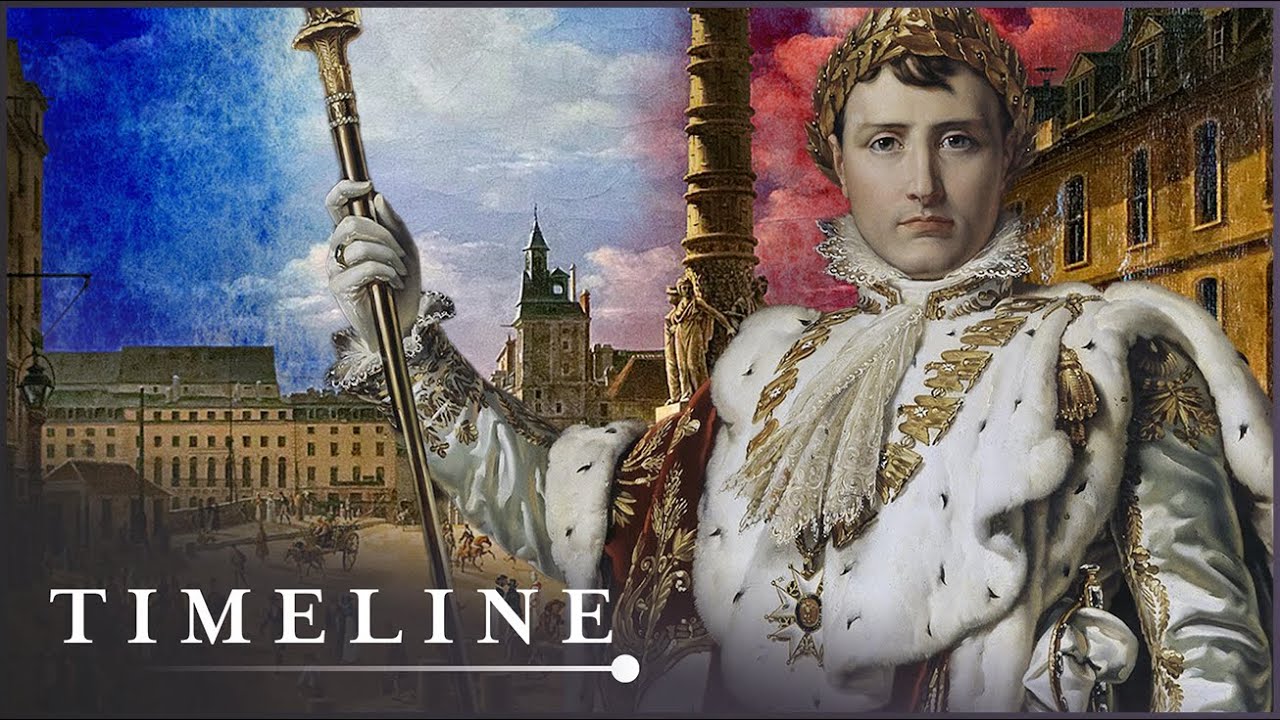
By 1808, Napoleon Bonaparte had ascended to the throne of France, wielding unprecedented influence across Europe following a series of military victories.
During the Battle of the Leyte Gulf on October 25, 1944, Japanese kamikaze pilots launched suicide attacks against American warships, raising questions about their effectiveness.
Hitler's fixation on advanced weaponry, including giant tanks and jet fighters, ultimately hindered Germany's military effectiveness during World War II.
Hadrian's Wall, built in 122 AD, spans over 80 Roman miles across northern England and serves as a significant historical site reflecting Roman military strategy and culture.
On April 24, 1951, 10,000 Chinese troops advanced toward Australian and Canadian positions in the Capyong Valley during a critical battle in the Korean War.
Technological advances during the American Civil War fueled an arms race on the seas and rivers, revealing the ships that significantly influenced America's maritime history.
Between 1941 and 1945, German factories produced a variety of armored fighting vehicles in just a few months to meet the urgent demands of the Eastern Front.
In June 1944, Allied forces launched Operation Overlord, leading to 100 pivotal days of combat in Normandy that culminated in the liberation of Paris.
Top-secret government experiments include monkey glands for immortality, hypnotized assassins, and a brain-linked cyborg couple, showcasing some of history's strangest occurrences.
A Typhoon jet, costing 60 million pounds and capable of flying at almost twice the speed of sound, represents the Royal Air Force's advanced technology.
Over 320,000 Allied troops were evacuated from Dunkirk in 1940, allowing them to continue fighting against German forces in World War II.
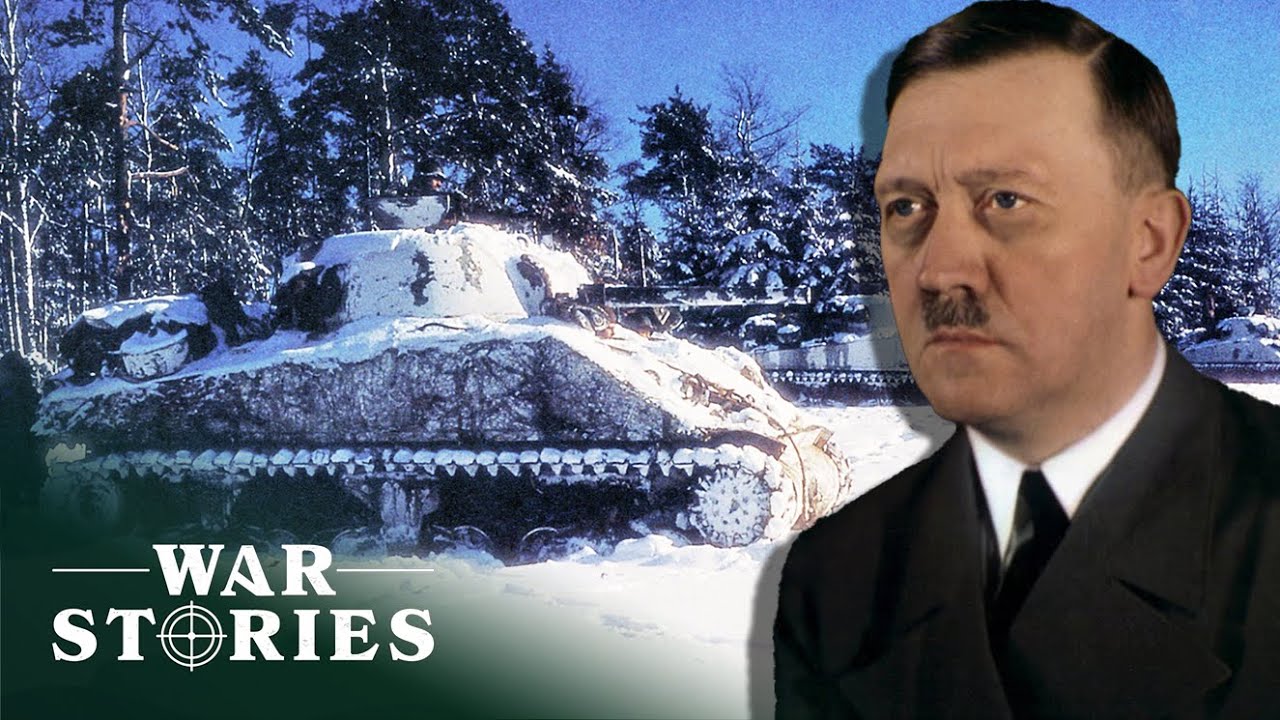
Hitler's surprise attack through the Ardennes in December 1944 aimed to capture Antwerp and turn the tide of World War II on the Western Front.
Foreign nationals played a significant role in the Spanish Civil War (1936-1939), influenced by political ideologies and the fight against fascism.
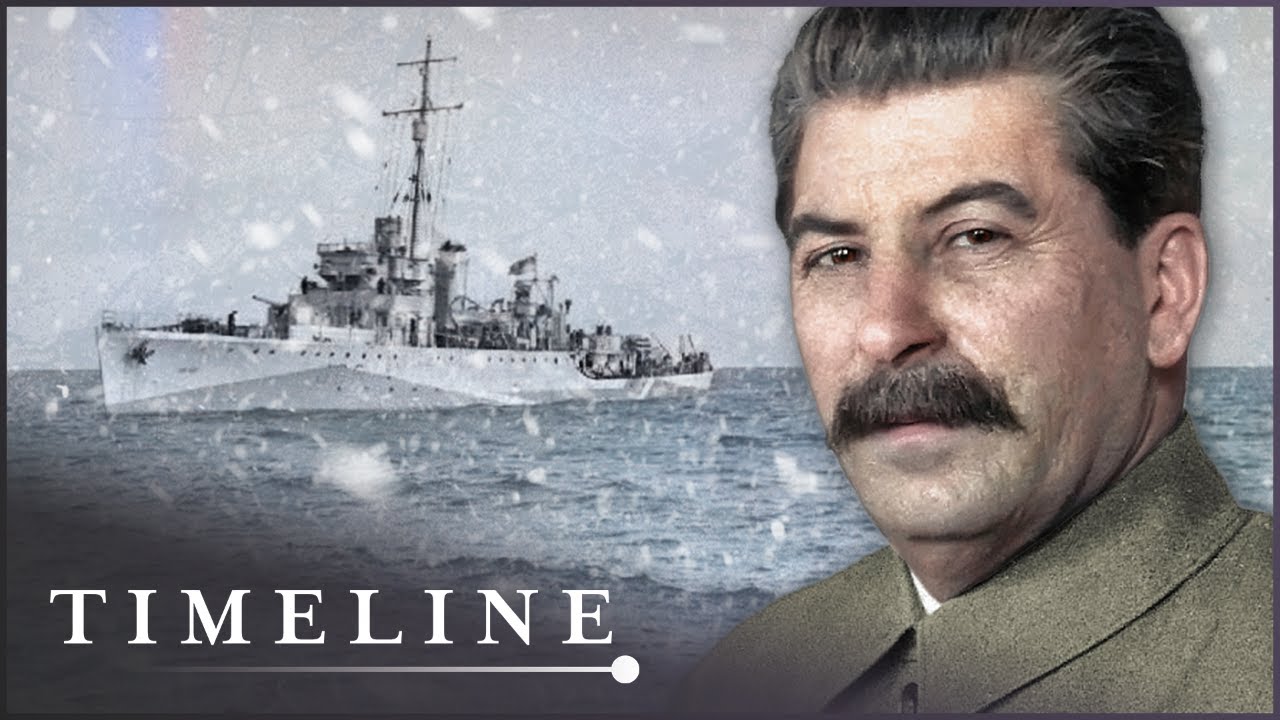
In August 1941, the Allies launched Operation Dervish to support the Soviet Union during WWII.
Three major UFO sightings in 1947 in Phoenix, Arizona, led to the establishment of Project Blue Book by the United States Air Force.
Carthage, once Rome's greatest rival, faced a series of conflicts known as the Punic Wars, culminating in its complete destruction by the Roman Empire.
The Varangian Guard, Assassins, Berserkers, Ninja, and Aztec Eagles represent the top five deadliest warriors of the medieval world.
The second battle of El Alamein in 1942 marked a pivotal moment in World War II, showcasing the strategic prowess of Generals Bernard Montgomery and Erwin Rommel.
On June 6, 1944, Allied forces launched the invasion of Normandy, with ships carrying thousands of troops across the English Channel despite bad weather.
In December 1941, Japan's surprise attack on the American naval base at Pearl Harbor marked a pivotal moment that propelled the United States into World War II.
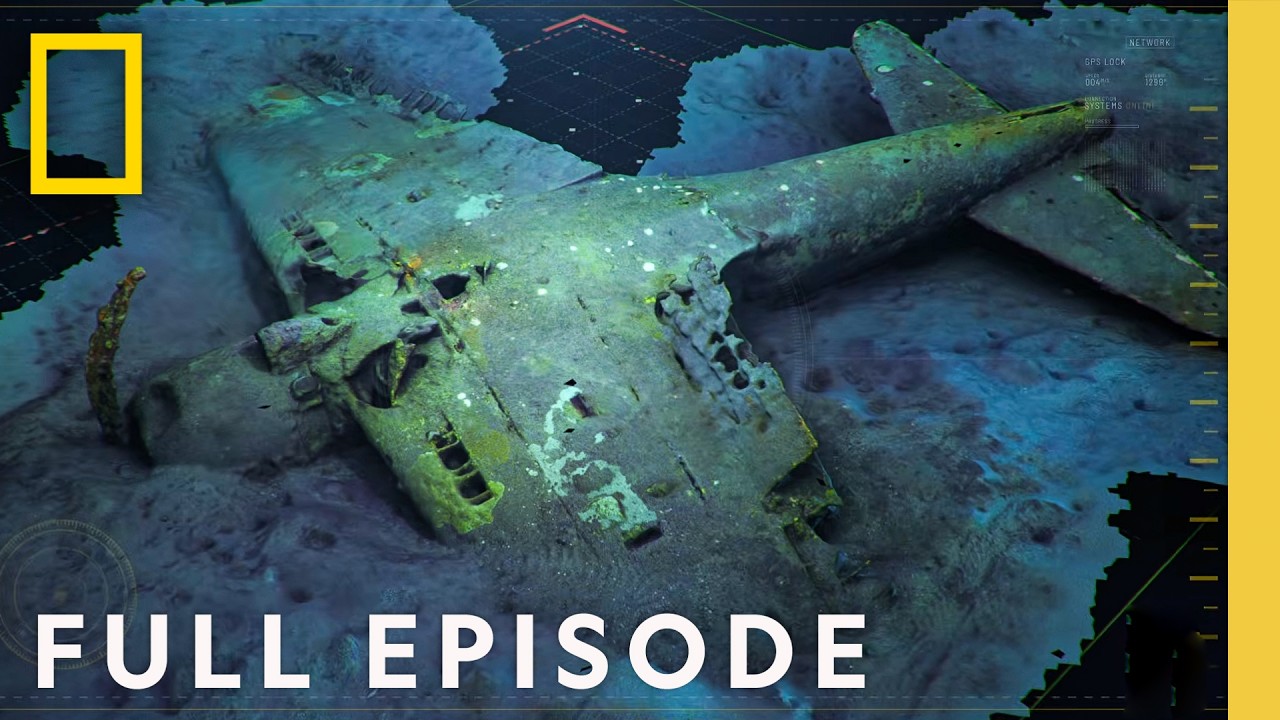
On May 26, 1941, a Catalina flying boat piloted by Ensign Leonard B. Smith located the Bismarck, leading to its eventual destruction by British forces.
In WWII Britain, Winston Churchill authorized unconventional weapon innovations, including the candy-inspired limpet mine, to enhance military capabilities.
In 1960s America, former WWII enemies Gus Maisel, a U.S. Army soldier, and German paratrooper Fred James Steck reflect on their combat experiences in Sicily and Stalingrad.
In a rigorous training environment, students at the U.
On August 15, 1944, the US Navy initiated Operation Dragoon by bombarding the beaches of the Côte d'Azur, enabling the US 7th Army to establish a beachhead in southern France.
In Normandy, historian James Holland and ex-US Army Ranger Dr Mike Simpson examine the complexities of the D-Day invasion and its aftermath.
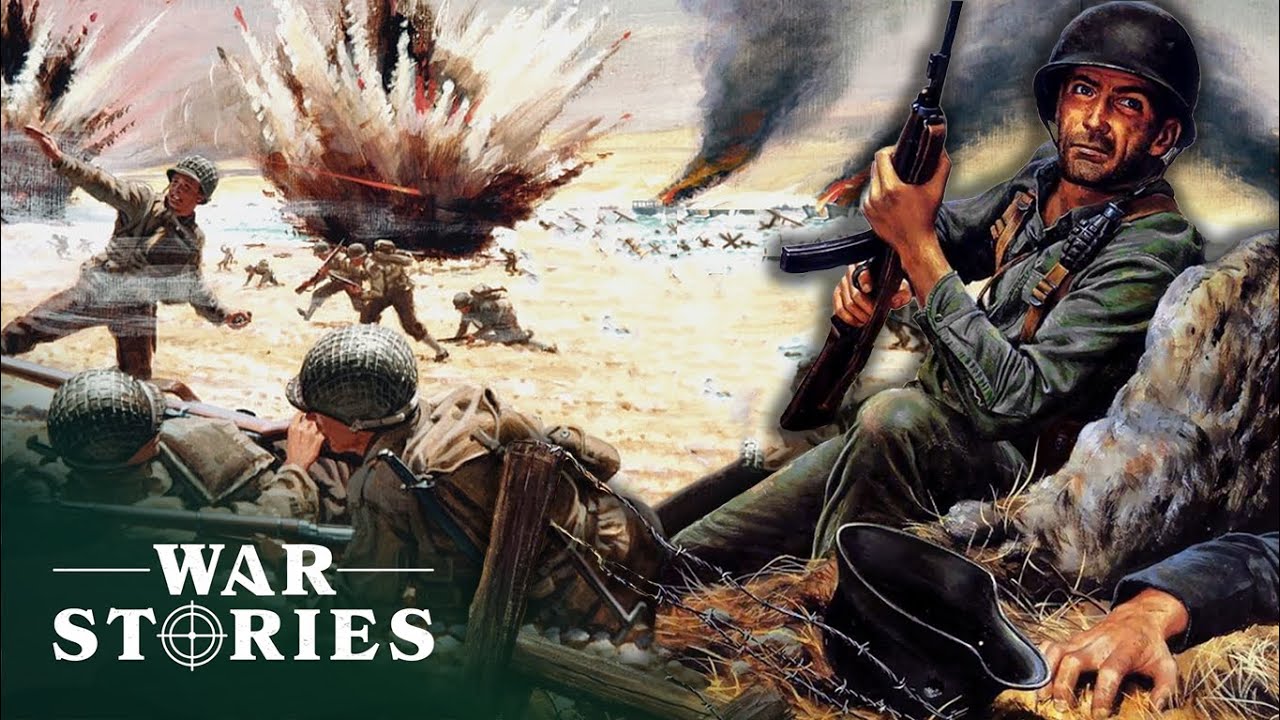
Omaha Beach serves as the backdrop for historian James Holland and veteran Dr. Mike Simpson's examination of the tactical and emotional challenges faced by American and German forces during D-Day.
General Douglas MacArthur's military career, marked by his leadership in World War I, World War II, and the Korean War, is examined alongside his controversial political actions.
Around 14,000 Allied soldiers, including 7,000 Americans, lost their lives in the fight for Papua New Guinea during World War II.
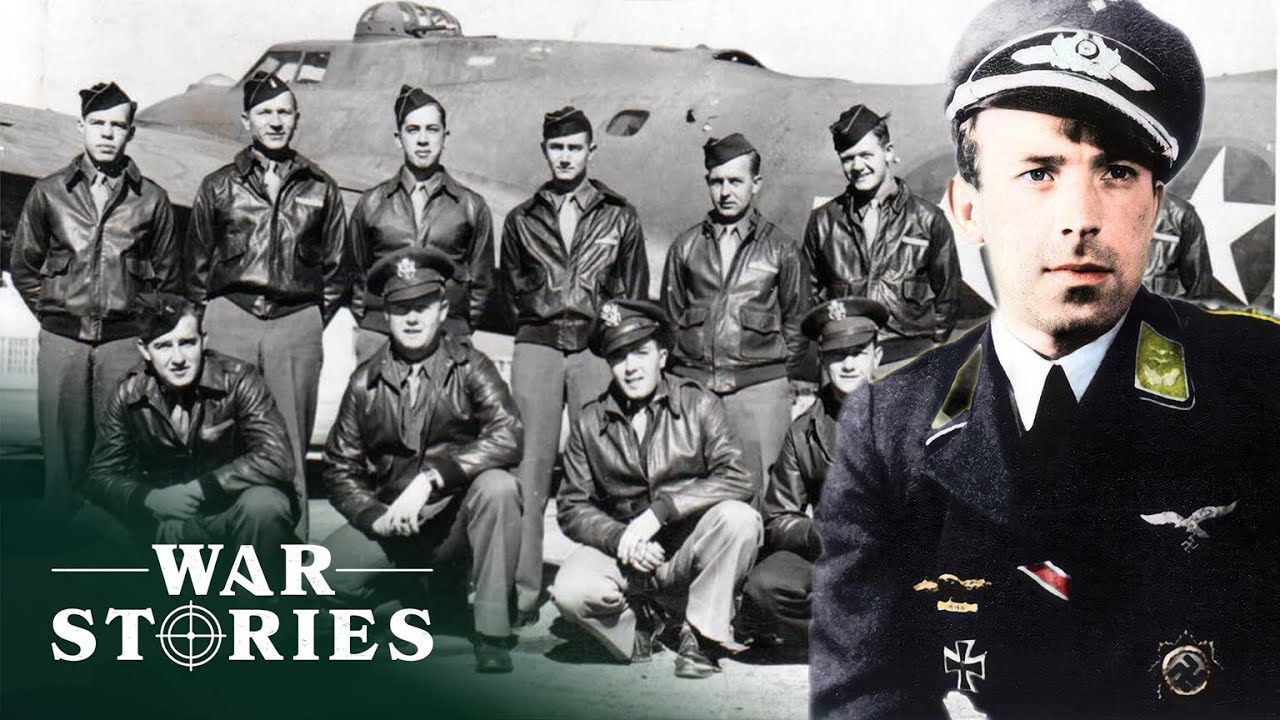
Franz Stigler, a German Luftwaffe pilot during World War II, risked his life to save the crew of an American B-17 bomber after a combat encounter.
General Eisenhower narrates the strategic challenges faced by American forces during the Kasserine Pass battle in Tunisia and subsequent operations in Sicily and Italy.