From over 100,000 films, discover the handful you'll love.
Free or premium access to the world's largest documentary library.
2822 films(Page 7 of 59)
26,000 young men did not return from the brutal fighting in Burma during World War II, where British and Burmese forces united against Japan.
5,000 men, women, and children attempted to flee the Soviet army aboard the General Von Steuben before it sank in the Baltic Sea in 1945.
A rusted, 40-foot shipwreck is discovered in the St. John's River, revealing hidden aspects of the American Civil War and its impact on society.
Key battles in the Pacific Theater, Mussolini's downfall, and the brutality of the Eastern Front are examined as pivotal moments that shifted the outcome of World War II.
Germany's invasion of Poland in September 1939 is examined through political context, including the Molotov-Ribbentrop Pact, and the brutal realities of warfare.
The US 101st Airborne Division began landing approximately 30 minutes before civil twilight on D-Day to assist in the assault on Normandy.
Allied forces conducted strategic bombing raids over Germany during World War II to disrupt Nazi operations and weaken the German war machine.
World War II bomber pilots faced intense enemy fire and the emotional toll of missions over London and German cities, highlighting their bravery and terror.
Several lesser-known Panzer models from World War II, produced in limited quantities, are examined for their historical significance and design features.
General Douglas MacArthur's promise to return to the Philippines after his 1942 evacuation culminated in the Allied liberation of the islands in 1944.
Ypres, a pivotal battleground in World War I, exemplifies the transformation of warfare through industrialization, featuring innovations like the Lee-Enfield rifle and trench warfare.
Volunteers from the U.S. Army's elite ceremonial unit undergo rigorous training at the Tomb of the Unknown Soldier in Arlington National Cemetery.
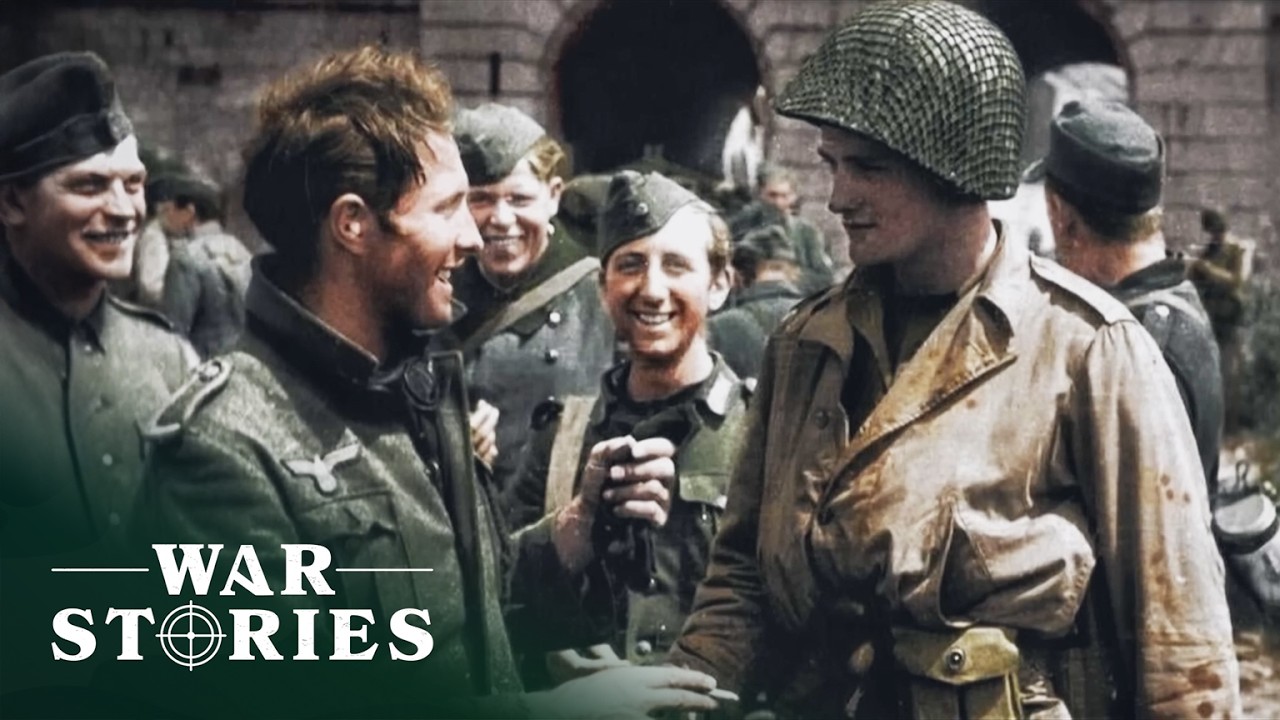
On May 5, 1945, American soldiers and defected Wehrmacht troops joined forces to defend Castle Itter in Austria against an SS attack, protecting French VIP prisoners.
On May 20, 1941, over 500 German transport planes carried the first wave of paratroopers to capture Crete, but local resistance turned the invasion into a disaster.
By March 1796, Napoleon Bonaparte had married Joséphine de Beauharnais and was preparing to lead 24,000 troops into battle against the Austrians in Italy.
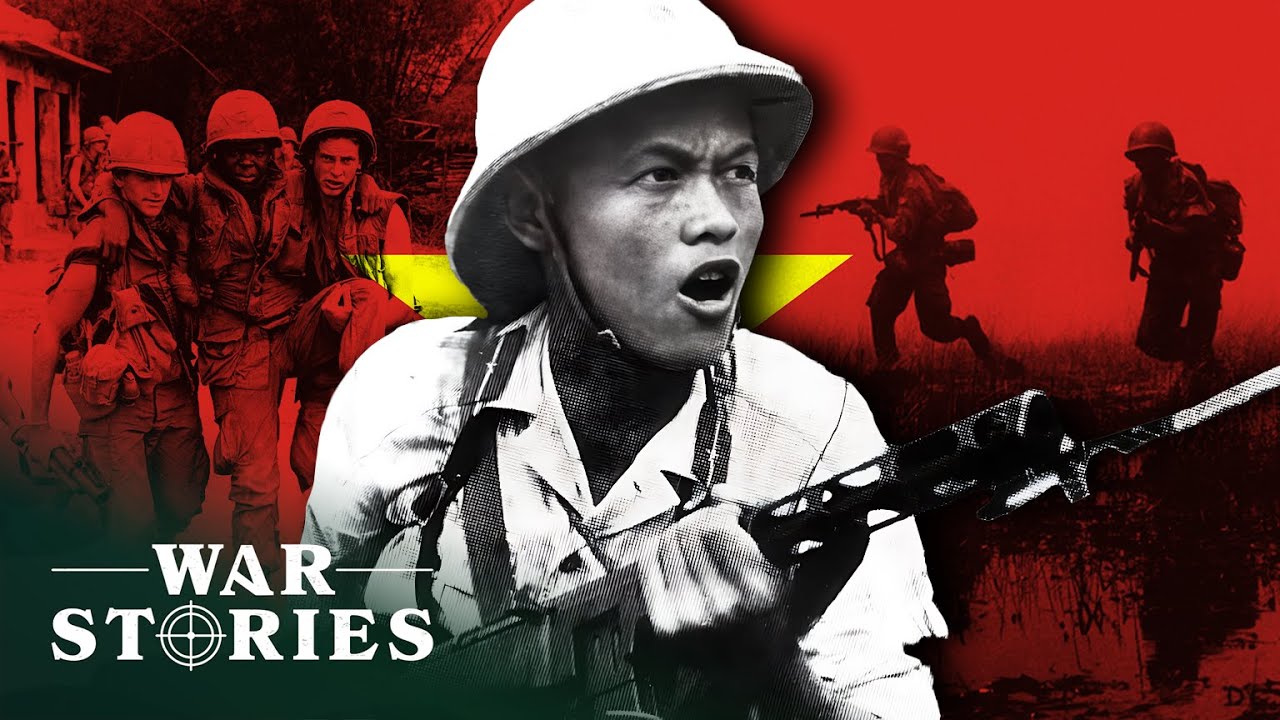
The Tet Offensive marked a turning point in the Vietnam War, leading to America's withdrawal and the eventual victory of North Vietnam by 1975.
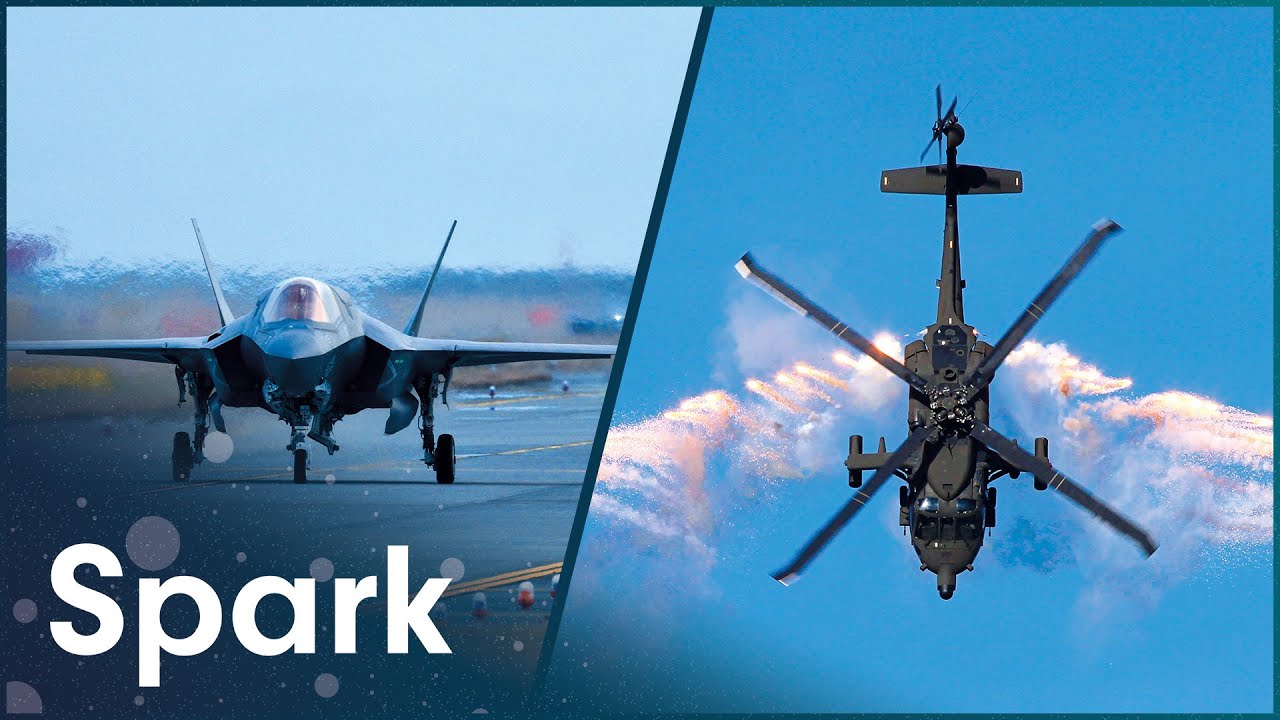
Military helicopters are essential for the Bundeswehr's land, sea, and air missions, providing crucial transport, combat, and rescue capabilities under various conditions.
Twenty-two aircraft were shot down in 20 minutes during a bombing mission over Germany, leaving Jim Moffat as the sole survivor of his crew.
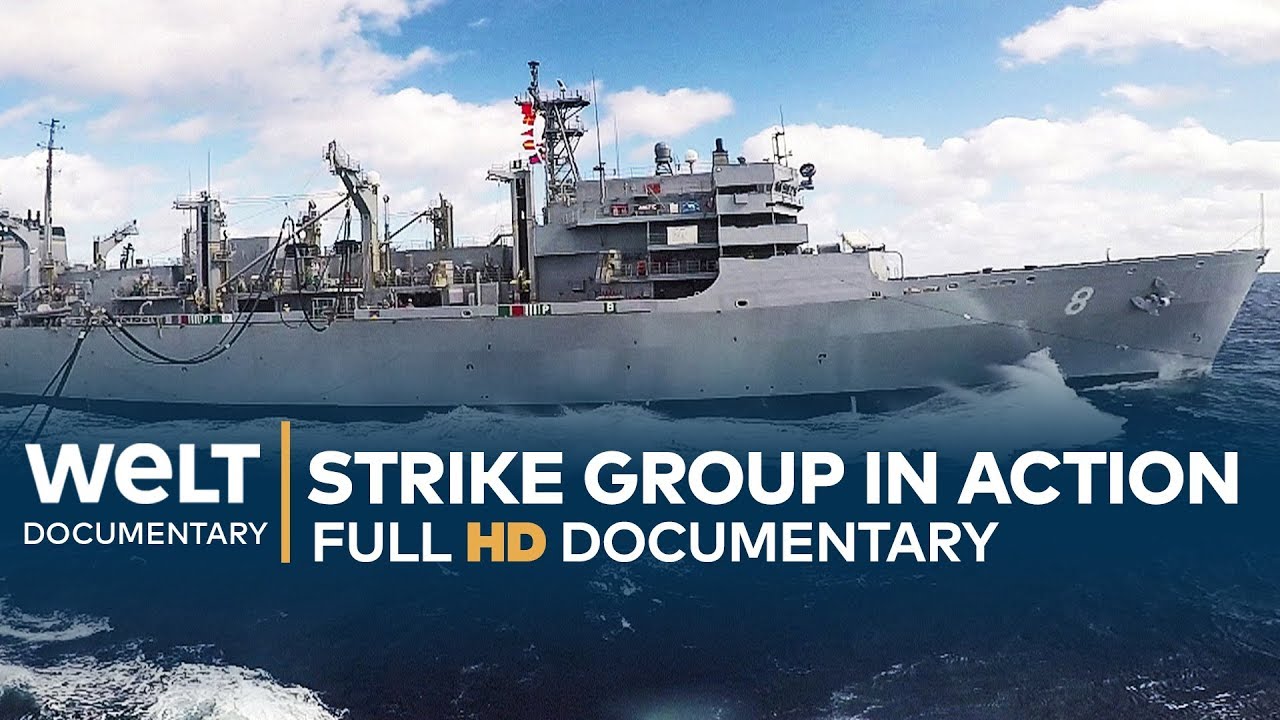
7,000 personnel aboard the USS Harry S. Truman participated in a two-week military exercise involving live-fire drills and simulated combat scenarios.
Ancient Sparta's elite warriors, including the famed Spartan 300, operated a secret death squad targeting the Persian king during their military campaigns.
Nazi ideology, particularly the focus on the Aryan dream, significantly distracted Hitler from essential military strategies during World War II, contributing to the regime's downfall.
Candidates must complete a 3000-meter cross-country run in full gear within 19 minutes to qualify for the elite lone fighter training course.
On July 20, 1944, Klaus von Stauffenberg carried a briefcase containing two bombs into Hitler's Wolf's Lair in an attempt to assassinate the dictator.
In 1942, United States Marines engage in intense combat on Guadalcanal to halt the advance of Japanese forces following the attack on Pearl Harbor.
Warships have evolved from 17th-century galleys to modern aircraft carriers, showcasing over 400 years of naval engineering and military strategy.
Operation Market Garden, launched by Bernard Montgomery in September 1944, aimed to breach German defenses but ultimately resulted in a costly Allied defeat due to poor tactics and communication.
In 1942, the aftermath of Pearl Harbor catalyzed Japan's rapid conquests and Germany's U-boat campaign, while the United States mobilized its industrial power to shift the war's momentum.
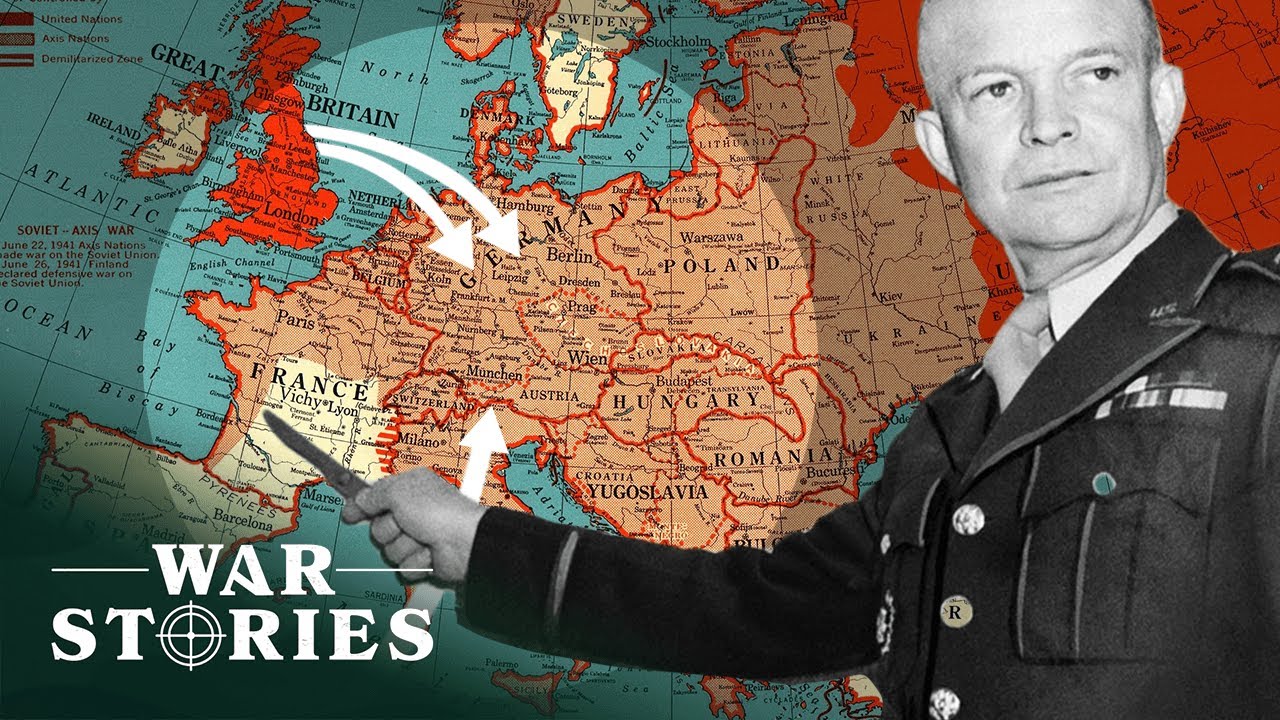
After D-Day, the Allies advanced from the Normandy beachhead towards the Rhine, while the Red Army launched Operation Bagration in the East.
The D-Day landings on June 6, 1944, and the subsequent Battle of Normandy are chronicled through rare footage, highlighting key events and military strategies.
The F-117 Stealth fighter, known for its ability to evade enemy radar, gained prominence during the Gulf War in 1991.
Captured by 150 army cameramen, the film features authentic footage from the Volga battlefield during the summer of 1942, amidst the Battle of Stalingrad.
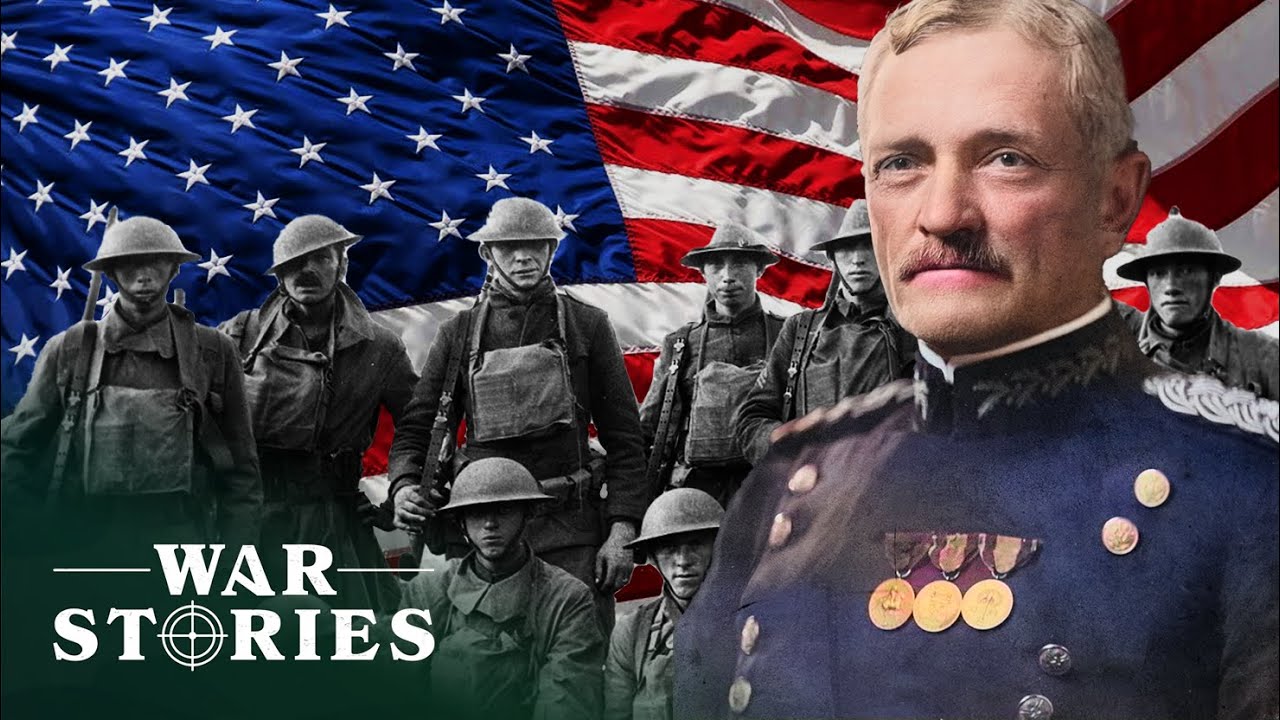
General John J. Pershing's leadership and military strategies continue to influence young American cadets as they explore his historical achievements and modern impact.
In 480 BC, 300 Spartans faced overwhelming Persian forces at Thermopylae, sacrificing themselves to protect Greece from invasion.
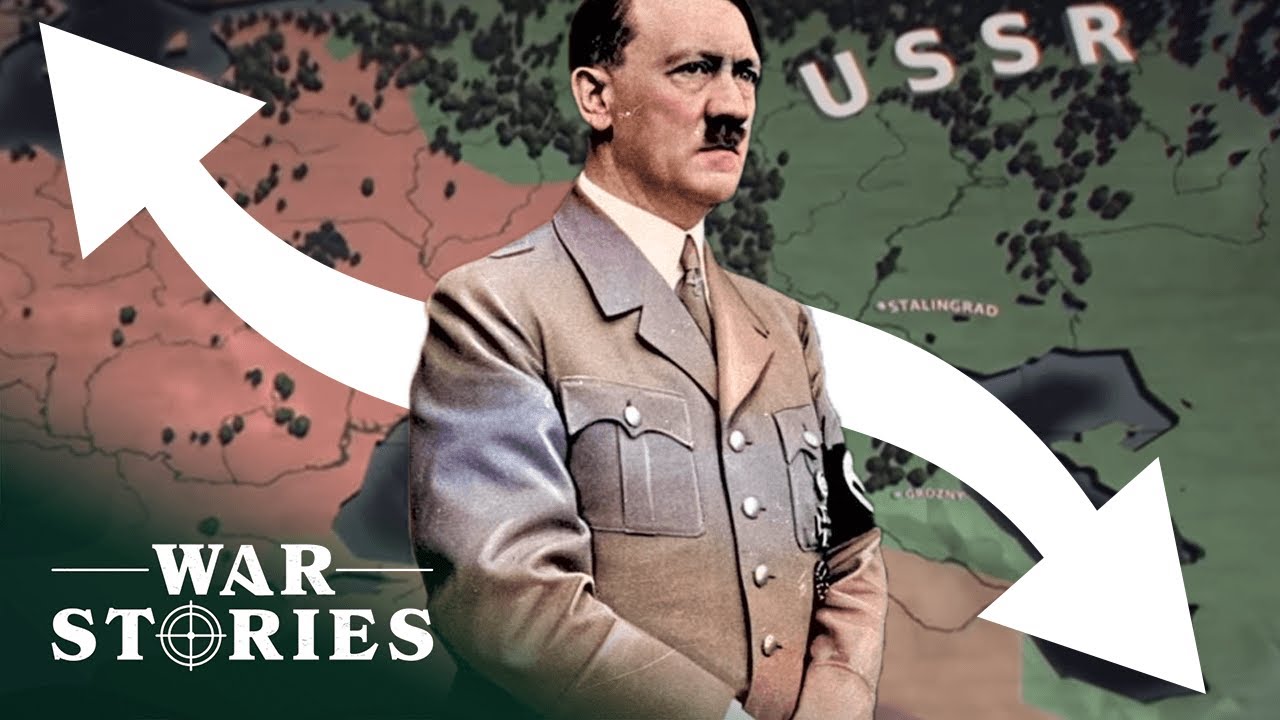
In 1942, Adolf Hitler's decision to split his forces between Stalingrad and the oil-rich cities of Maikop, Grozny, and Baku significantly impacted the Eastern Front.
150 bodies of Hezbollah fighters are returned by Israel in exchange for two Israeli soldiers during the conflict that began in 1984.
7,000 people died in the defense of Malta during World War II, as the island faced intense bombing from the Axis powers.
The tank battles at El Alamein featured commanders Bernard Montgomery and Erwin Rommel, significantly influencing the outcome of the North African Campaign in World War II.
In 1943, the Axis powers faced significant setbacks in World War II, marking a turning point that shifted the momentum towards the Allies.
The Battle of the Atlantic in 1941 marked a pivotal year in World War II, influenced by events in North Africa, the Balkans, and Operation Barbarossa.
On June 10, 1918, the Austro-Hungarian battleship Szent Istvan sank after being hit by torpedoes, an event documented through original footage and historical reenactments.
In 1320, the Declaration of Arbroath asserted that as long as 100 men remained alive, Scotland would never submit to English domination.
The Allied victory at El Alamein marked a pivotal moment in World War II, showcasing the defeat of Erwin Rommel's German forces by Bernard Montgomery's troops.
In autumn 1942, the Red Army faced Nazi Germany in Stalingrad, marking a pivotal and brutal confrontation in World War II.
World War II, involving over 30 nations and resulting in more than 70 million deaths, is examined through its battles and profound global impact.
Neutral Scandinavia faced significant threats during World War II as competing powers violated its sovereignty to control strategically vital territories.
In 1944, British strategists deemed Adolf Hitler a more beneficial presence alive than dead, analyzing his disastrous military decisions like the Halt Order at Dunkirk and Operation Barbarossa.
In 1945, as British and American forces advanced into Germany and the Red Army pushed from the east, the final days of World War II unfolded amid complex geopolitical tensions.
Operation Blue marked a pivotal moment in World War II as the German Army's attempt to capture Stalingrad resulted in one of the deadliest battles in history.