From over 100,000 films, discover the handful you'll love.
Free or premium access to the world's largest documentary library.
2821 films(Page 22 of 59)
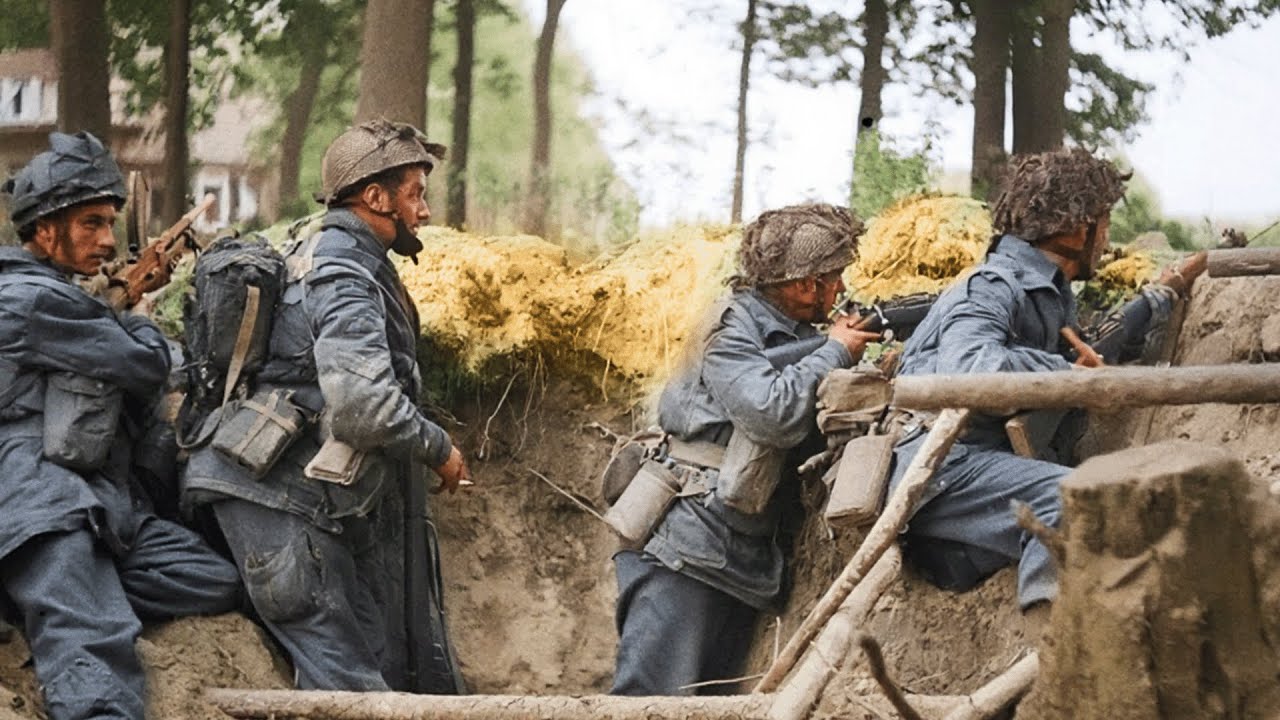
Operation Market Garden aimed to split German forces during World War II, highlighting the strategic clashes between commanders Montgomery and Eisenhower.
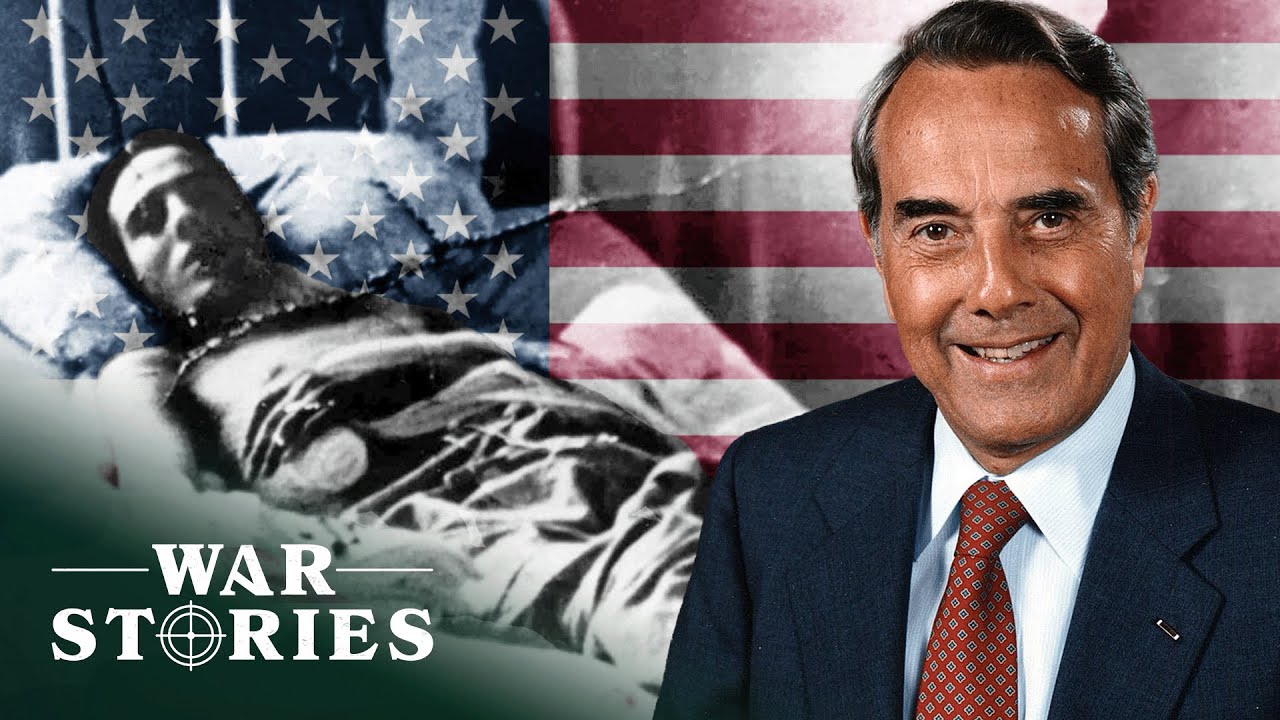
Bob Dole, a soldier in the 10th Mountain Division, was severely wounded during World War II's brutal fighting on Hill 913 in Italy before becoming a prominent U.S. Senator.
Spitfires played a crucial role in defeating the Axis during World War II, showcased through their action in the Battle of Britain, Italy, and D-Day.
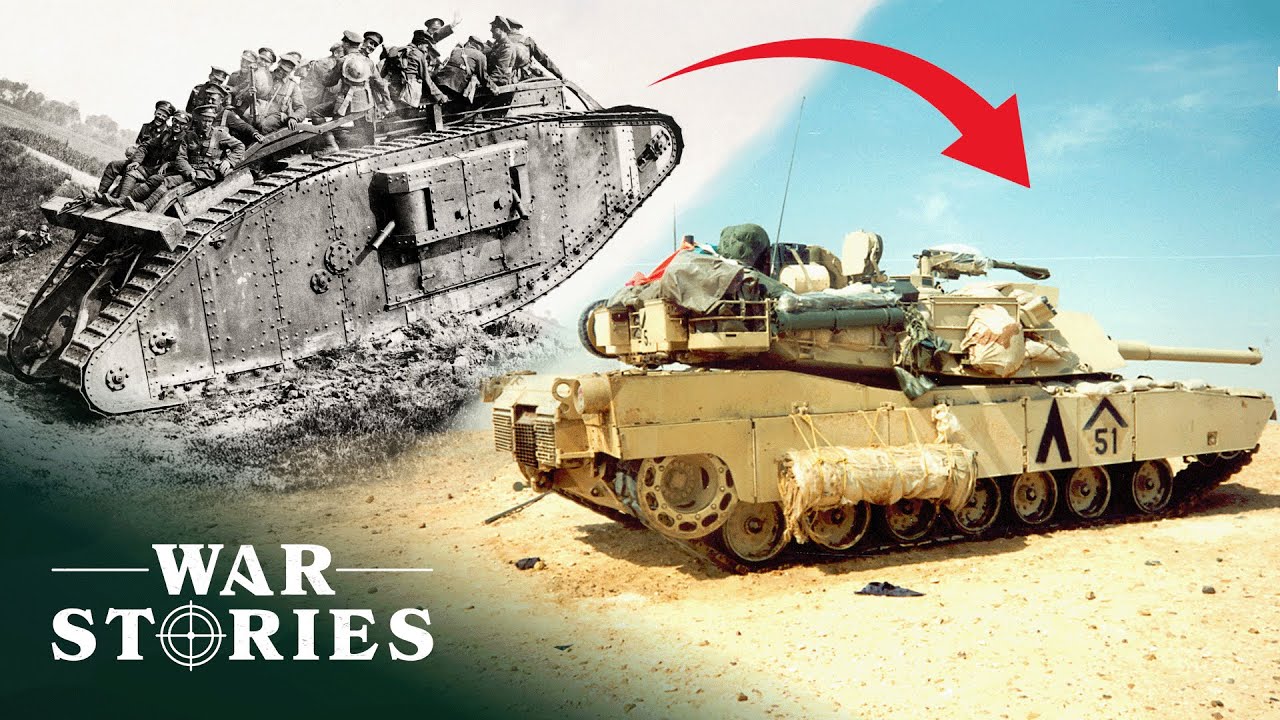
Specialized armored assault vehicles have evolved over the last century, playing crucial roles in conflicts from World War I's trenches to the Gulf War.
Captured German records at the National Archives provide insights into American POWs during World War II, including card files and historical context.
On September 11, 2001, eyewitnesses at the Pentagon recount their experiences and acts of rescue during the terrorist attack that claimed 125 lives.
Israeli Defence Force military strategies during the conflict with Hezbollah led to extensive bombardment of Shia areas in Lebanon, impacting civilian populations and regional stability.
Court-martial records at the National Archives at St. Louis provide insights into military trials, covering cases from theft to conscientious objection.
In December 1950, General Douglas MacArthur's offensive led to a desperate escape for American troops encircled by Chinese forces near the Yalu River during the Korean War.
World War II combat cameramen from the U.S. Army Signal Corps documented military activities, with their photographs now featured in the book Aftershock.
In Issoudon, France, the Third Aviation Instruction Center trains students in aerial maneuvers, aircraft assembly, and weapon handling during World War I.
General Ann Dunwoody, the first female four-star general, shares leadership lessons from her 38 years in the U.S. Army, followed by a book signing.
General Pat Foote reflects on her military career, the integration of women in the Army, and her advocacy for equal opportunities during her service.
Britain's battlefields are examined through the lens of pivotal conflicts, featuring insights from archaeologists and weapons experts on historical warfare.
On November 26, 1941, a Japanese midget submarine was sighted near Hawaii, raising questions about its connection to the Pearl Harbor attack on December 7.
Since 2015, Eric Kilgore has worked with the National Park Service to digitize records of casualties from the December 7, 1941, Pearl Harbor attack.
Military, service, and casualty records are accessible online through the National Archives Electronic Records Division, aiding researchers and families in understanding military history.
The Battle of the Meuse-Argonne marked the deadliest clash in American history, where over a million soldiers under General John J. Pershing defeated the German army in 1918.
Claire Kluskens discusses how thousands of civilian employees supported the Union Army during the American Civil War, focusing on their often-overlooked roles.
On December 26, 1980, servicemen Jim Penniston and John Burroughs encountered a UFO near RAF Woodbridge, leading to radiation readings and documentation by Lieutenant Colonel Charles Halt.
The Army Corps of Engineers developed the Army Mobility Model to enhance troop movement and vehicle performance in military operations.
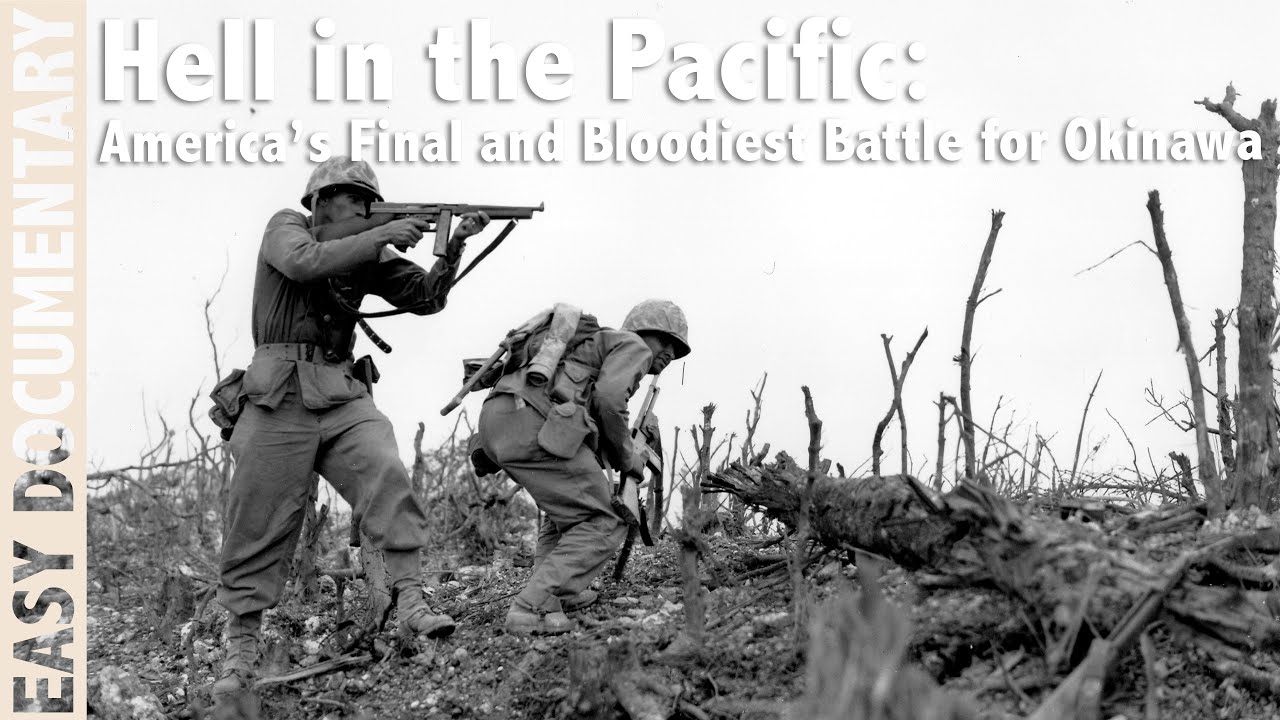
150,000 residents lost their lives during the 82-day Battle of Okinawa, which resulted in the destruction of 90% of the island's buildings and cultural heritage.
Archivists Theresa Fitzgerald and Ashley Mattingly discuss military and civilian personnel records at the National Archives in St. Louis, detailing access and reproduction processes.
500,000 people lined the streets to view Franklin D. Roosevelt's funeral procession as his flag-draped coffin was carried to the White House.
Over 40 percent of paratroopers in the 82nd and 101st Airborne Divisions were casualties during the D-Day and Normandy campaign in World War II.
370 years ago, members of Parliament engaged in armed conflict with King Charles I, marking a turning point in England's first civil war.
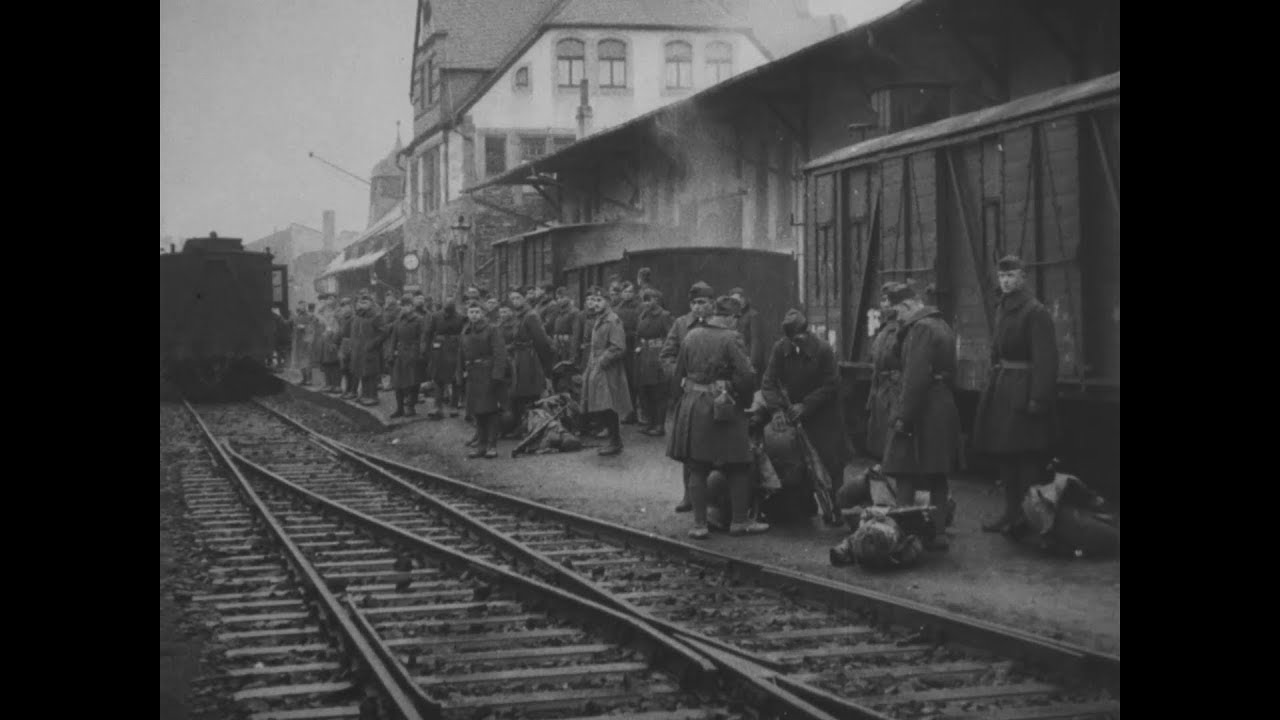
Coblenz, Germany, in 1919 showcases U.S. Army activities, including troop inspections, horse care, and military ceremonies following World War I.
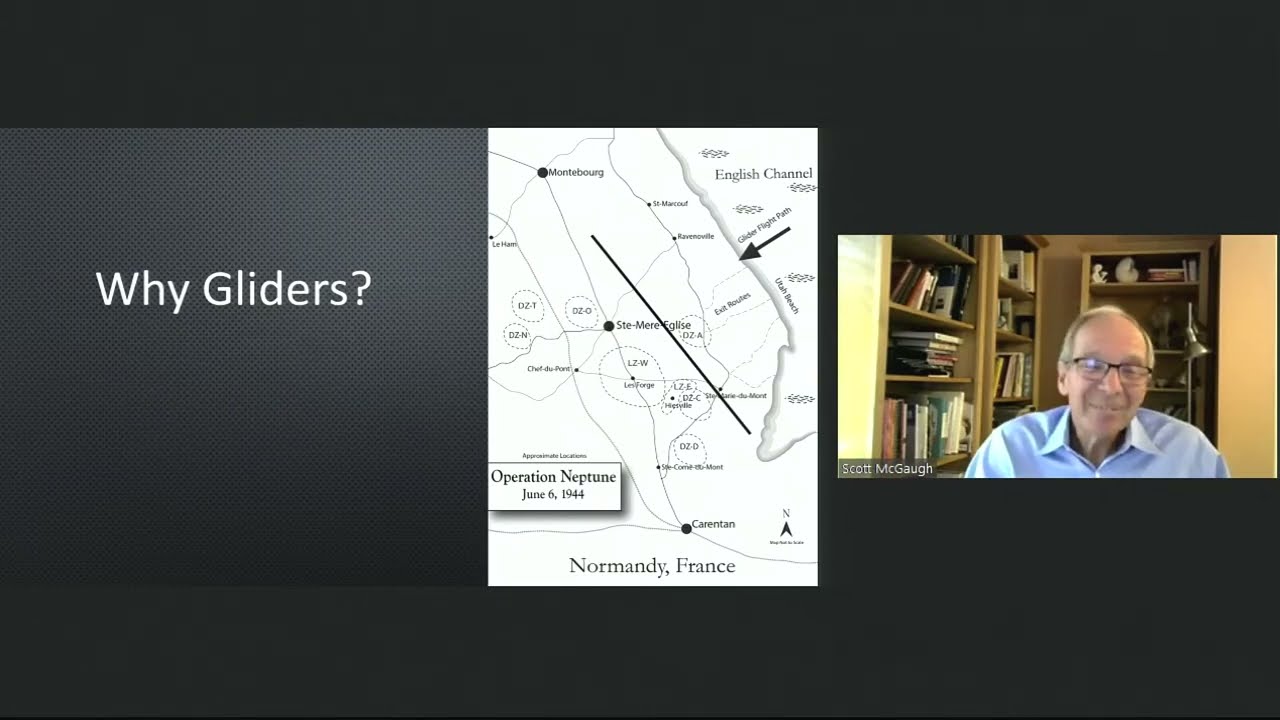
American glider pilots in World War II undertook perilous missions in unarmed, engine-less aircraft, facing a projected 50 percent casualty rate.
In May 1918, the 77th Division trains in Picardy, France, with British troops on bayonet tactics, machine guns, and field communications.
Accessing burned military records at the National Archives at St. Louis is possible through content recovery scanning, as explained by Preservation Specialist Ashley Cox.
American military women, including SGM Donna Lowery, served in various roles during the Vietnam War, contributing significantly from 1962 to 1973.
Joseph Bruchac's illustrated book highlights the life of Chester Nez, an original Navajo code talker, emphasizing the significance of indigenous heritage.
2,400 troops crossed the ice-filled Delaware River on Christmas night in 1776, thanks to the efforts of the Marblehead Regiment during the American Revolution.
The Marine Barracks in Washington, D.C., built in 1801, is the oldest Marine Corps post in the United States and has hosted every Marine commandant since.
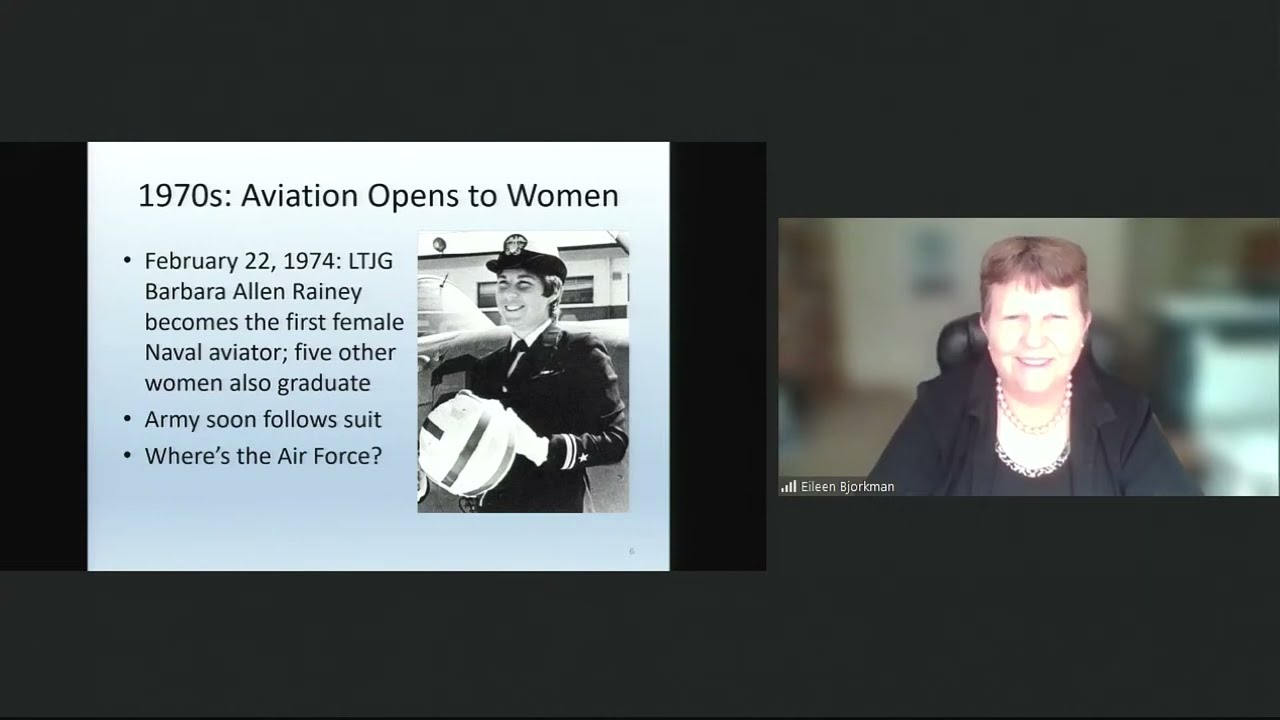
In 1993, Jeanie Levitt became the first female combat pilot in the U.S. Air Force, marking a significant milestone for women in military aviation.
In 1916, 400 New Zealand miners excavated 19 km of tunnels in Arras, France, to support a surprise attack during World War I, significantly impacting the battle's outcome.
In Montabaur, Germany, the 1st Division of the U.S. Army conducts military maneuvers, inspections, and community events from December 1918 to September 1919.
Britain's bloodiest Monday in history is examined through the lens of pivotal conflicts, featuring insights from archaeologists and weapons experts.
Historian Norm Christie leads a team of experts in a quest to locate the mass grave of 44 soldiers from the Battle of Vimy Ridge, lost for a century.
In 1919, the 90th Division's activities in Germany are documented, showcasing troop movements, military decorations, and local events in Mehren and Berncastle.
Women in the U.S. Armed Forces have gradually gained access to combat roles and leadership positions, culminating in the 2015 policy change allowing full participation.
In Spring 1919, American soldiers attended classes at the University of Beaune, engaging in various educational and agricultural activities under the supervision of General Pershing.
Georges P.
On June 2, 1924, Congress enacted the Indian Citizenship Act, granting citizenship to all Native Americans born in the United States.
The Samurai code, rooted in 10,000 years of Japanese history, shaped the warrior class and influenced Japan's societal structure through World War II.
Eighth Air Force activity during World War II is documented through silent footage of the B-17 bomber Memphis Belle's tour across the USA after completing 25 missions.
Canada's refusal to join the 2003 US-led military mission in Iraq highlights the complexities of diplomatic relations and the potential costs of failed diplomacy.
Over 150 hours of interviews with individuals involved in the Abu Ghraib events form the basis of Erol Morris's latest project.