From over 100,000 films, discover the handful you'll love.
Free or premium access to the world's largest documentary library.
2821 films(Page 18 of 59)
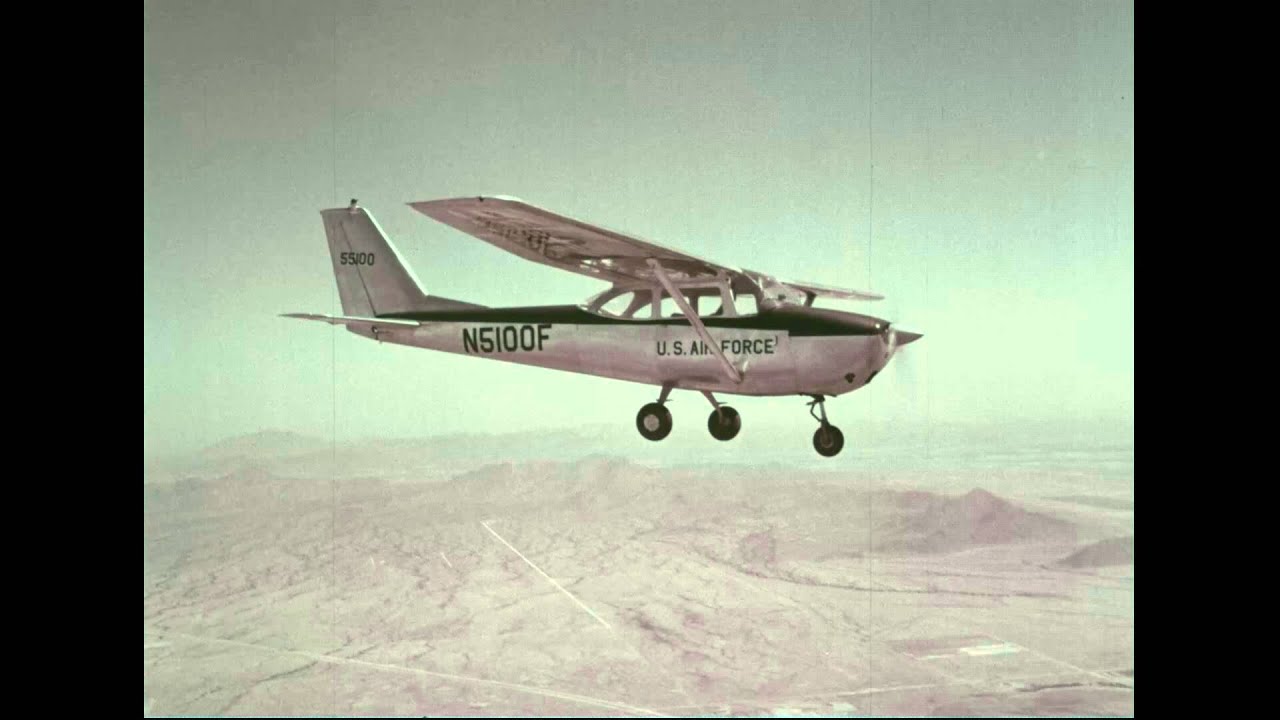
Air Force pilots participate in a comprehensive year-long training program, as documented in a 1966 film featuring Mike Farrell and produced by the Department of Defense.
197,000 tons of bombs were dropped on France by Allied forces in the nine weeks leading up to D-Day, illustrating the scale of World War II air operations.
In 1944, the British Special Operations Executive planned Operation Foxley, a covert mission to assassinate Adolf Hitler at his Bavarian retreat.
As Germany invades Russia, the United States enters World War II, achieving victories in North Africa and intensifying bombing campaigns against German industry.
American codebreakers played a crucial role in the Pacific Theater during World War II, significantly influencing the outcome of battles against Japan from 1941 onward.
In 1944, the Allied forces launched significant offensives across Europe and the Pacific, leading to the eventual defeat of Nazi Germany and Imperial Japan.
In August 2000, an explosion aboard the Kursk submarine resulted in the tragic entrapment of Russian submariners at the bottom of the Barents Sea.
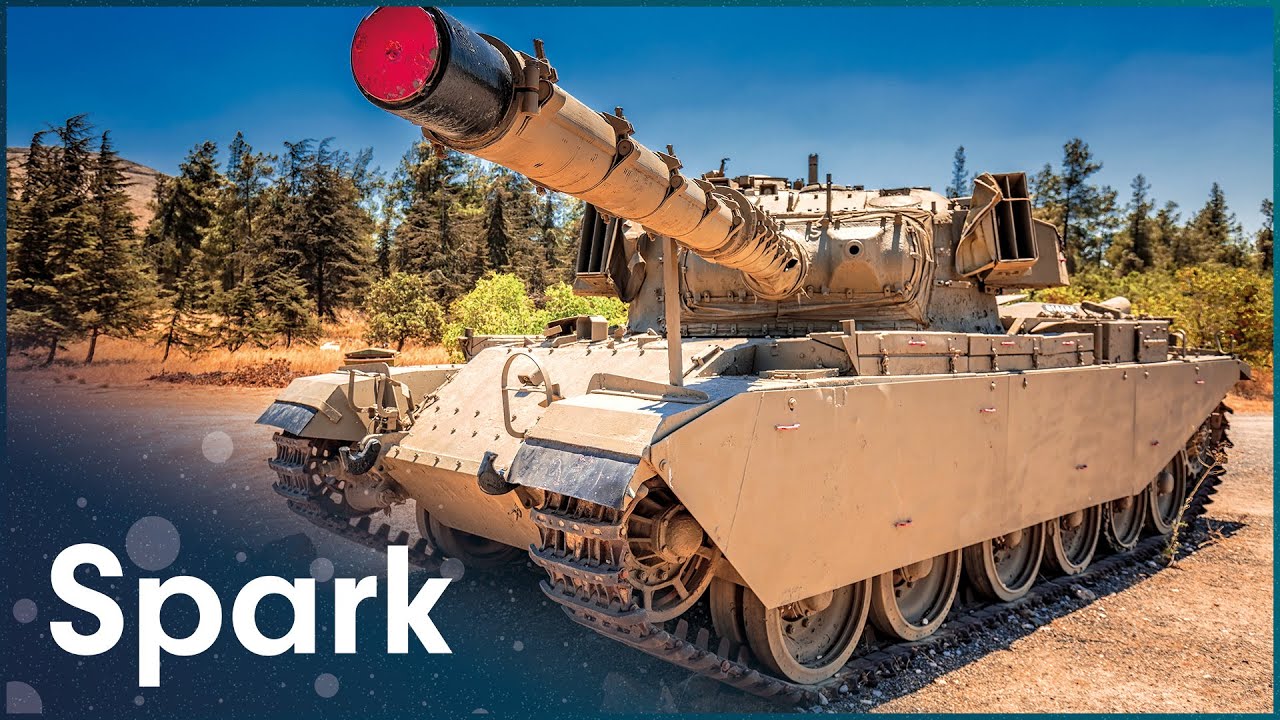
A 400-meter slalom course tests the performance of the leopard tank against a Volvo, illustrating the capabilities of modern military vehicles.
Naval aviation has evolved significantly since the first shipboard landing in 1911, showcasing the development of supersonic jets and unmanned aerial vehicles.
1,000,000 feet of seasoned spruce must be kept in kilns at all times to meet the demands of military aeroplane production during World War I.
Air superiority played a crucial role in World War II, particularly in the intense aerial battles between the RAF and the Luftwaffe.
In 1944, Nazi Germany faced significant military defeats on the Western and Eastern fronts, alongside internal crises including the July 20th Plot and the liberation of Majdanek.
In 1944, the Axis powers faced significant setbacks as Allied forces launched major offensives, including the D-Day landings and the Italian campaign at Monte Cassino.
Pearl Harbor's bombing, President Roosevelt's war message, and key events leading to World War II are documented through archival footage and commentary.
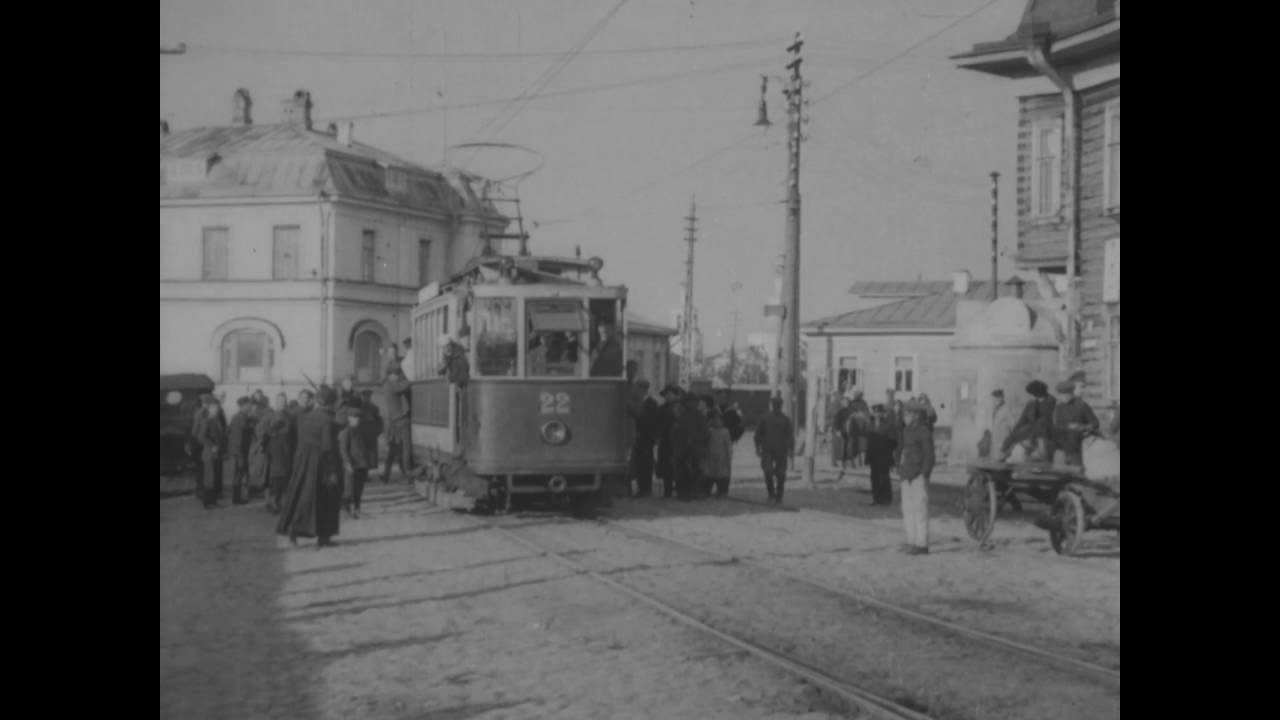
In Siberia from 1918 to 1919, U.S. and allied troops, including Japanese and Czech forces, engaged in military operations amidst the Russian Civil War.
Temperatures during the German Bundeswehr's elite Army Mountain Guide training can drop to -30°C, with candidates ascending altitudes of 5,000 meters.
Este excelente documental muestra tácticas de distracción en la II Guerra Mundial.
In 1942, Axis successes in World War II prompted a significant Allied response, highlighted by the Battle of Midway and the Bataan Death March.
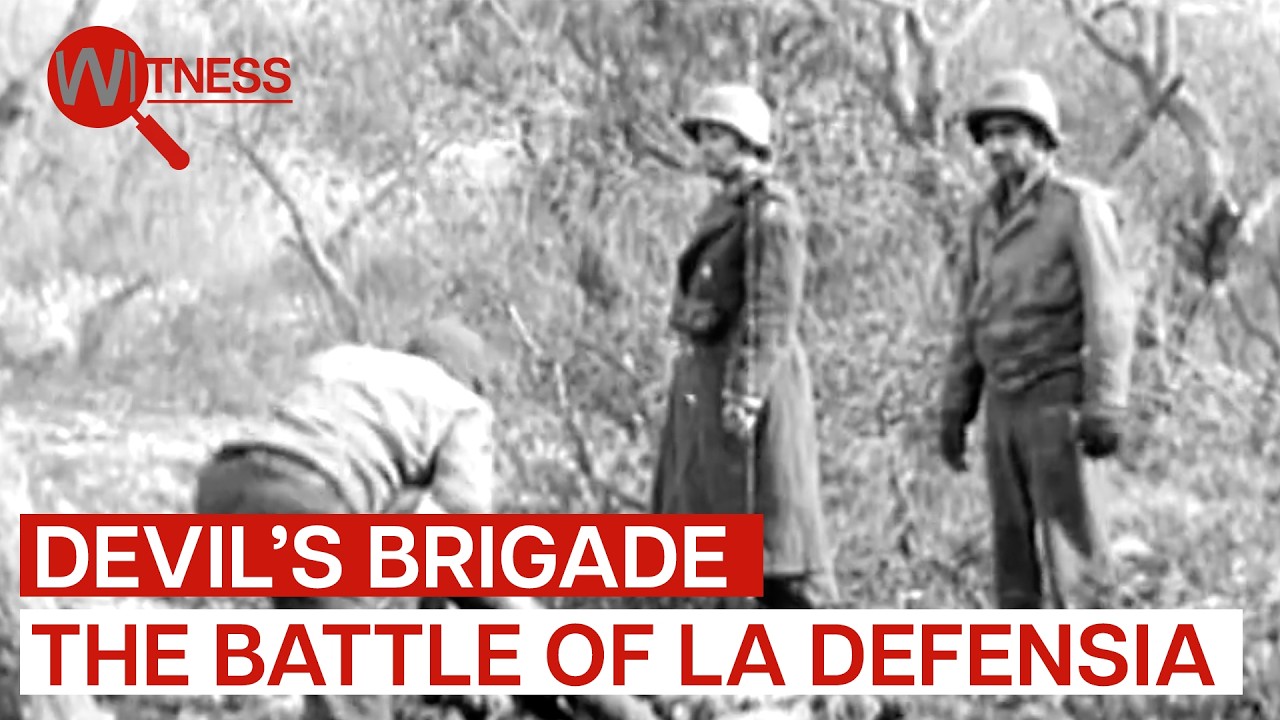
Montana's rigorous training grounds for the Devil's Brigade highlight the bold operations of this elite commando unit during World War II.
In November 1991, Nelson Mandela visited Goree Island in Senegal, marking his first trip to Africa after 27 years of imprisonment.
Military bomber aircraft, from the Avro Lancaster to the B-52 Stratofortress, have significantly influenced warfare strategies and historical conflicts.
Parachutes have evolved from entertainment to essential life-saving devices, showcasing their historical significance and technological advancements throughout centuries.
British and Australian troops prepare for and engage in combat during World War I, showcasing supply operations, artillery fire, and troop movements.
U.S. troops of the 339th Infantry participated in the Allied intervention in Northern Russia from 1918 to 1919, engaging in various military and humanitarian activities.
L’Indomptable, a decommissioned French Navy nuclear submarine, undergoes a complex dismantling process involving over 60 engineers and hazardous materials like asbestos.
In 1881, Hyram Maxim invented the first machine gun, allowing continuous fire without reloading, which changed the nature of warfare forever.
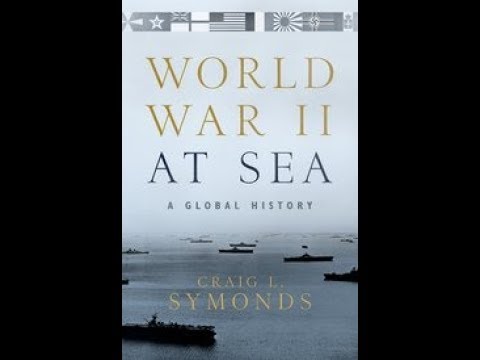
Craig L. Symonds provides a comprehensive narrative of World War II's naval battles across all oceans and seas from 1939 to 1945.
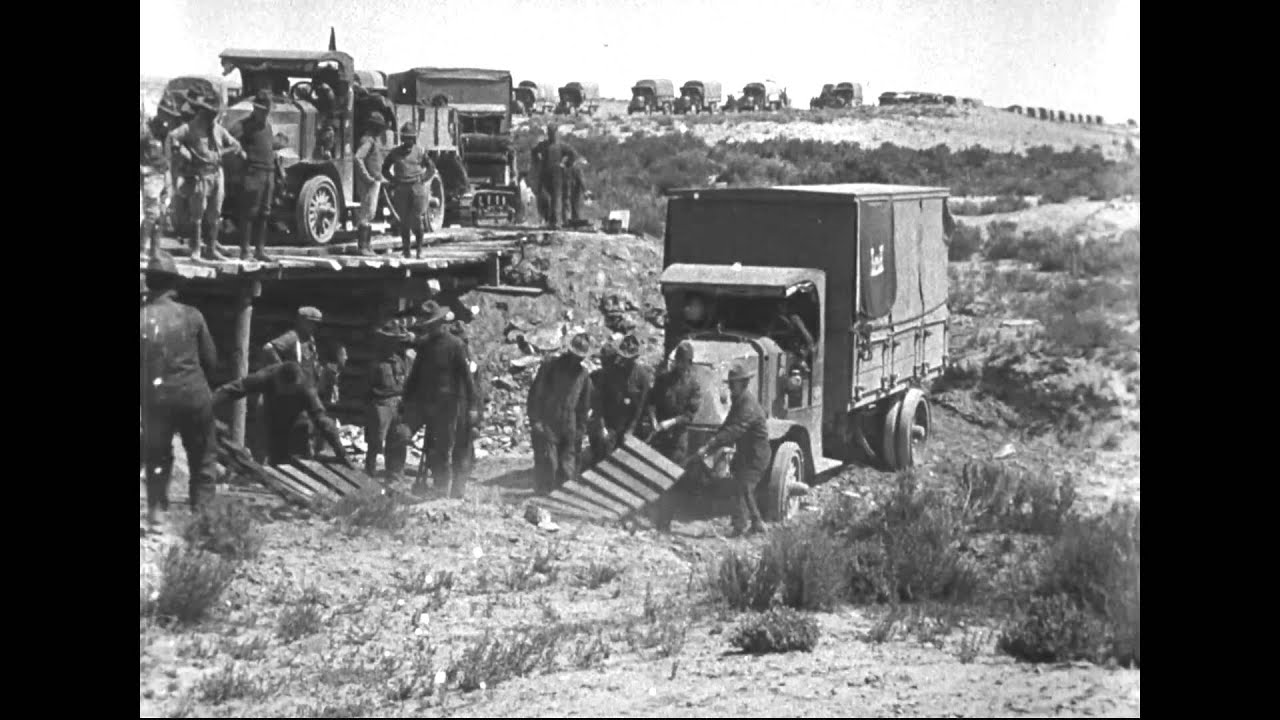
In 1919, the United States Army's transcontinental convoy trip highlighted the logistical challenges of military travel across diverse terrains like the Blue Ridge Mountains and Sierra Nevada.
In March 1973, U.S. military personnel, including notable figures like John McCain and Col. Laird Guttersen, returned to Clark Air Base in the Philippines after being released from captivity in Hanoi, Vietnam.
In March 1966, Sergeant Bennie Adkins and 16 Green Berets defended Camp A Shau against overwhelming enemy forces along the Ho Chi Minh Trail.
West Germany's military buildup during the Cold War is illustrated through archival footage from the Department of Defense and the War Department.
In January 1968, General Westmoreland claimed the end of the Vietnam War was in sight, while the North Vietnamese prepared for a major offensive.
8300 British troops were stationed in Afghanistan in 2009, where Royal Navy chaplains provided spiritual support amid the dangers of combat.
Ancient powers in Mesopotamia and Rome engage in brutal warfare to defend their territories and expand their influence across the region.
On December 2, 1943, a German air raid devastated the port of Bari, revealing a cover-up involving the USS John Harvey and its secret cargo of mustard gas.
More than 1,700 women applied to serve as telephone operators in World War I, but only 223 were sent to France to support the U.S. Army.
On November 11, 2021, Arlington National Cemetery commemorated the 100th anniversary of the Tomb of the Unknown Soldier with a reading by author Jeff Gottesfeld.
In conjunction with a display of Vietnam War-era helicopters, members of the North Carolina Vietnam Helicopter Pilots Association engage in a discussion program.
Phil Taylor travels to California's Central Valley to paint a portrait of fallen Navy Corpsman James Layton, highlighting the personal stories of military sacrifice.
In 1759, the Battle of the Plains of Abraham in Quebec City resulted in the fatal wounding of British General James Wolfe and French General Marquis de Montcalm.
John McCain reflects on his military upbringing, service in Vietnam, years as a prisoner of war, and over three decades in the U.S. Senate, addressing his legacy and battle with brain cancer.
More than 15,000 African American soldiers served in World War II, facing challenges and fighting for liberty against Nazi ideology.
September 1, 1939, marks the start of World War II, highlighting key events such as the Winter War, the scuttling of the Admiral Graf Spee, and the Dunkirk evacuation.
In Lorraine from January 15 to April 3, 1918, U.S. troops, including the 18th Infantry and 6th Field Artillery, engaged in trench warfare and logistical operations during World War I.
Robert Bernardis, an Austrian officer executed after the failed assassination attempt on Adolf Hitler on July 20, 1944, exemplifies the conflict between loyalty and morality in wartime.
In 1940, the Battle of Britain marked a pivotal moment in World War II, as Germany faced its first significant defeat after underestimating British resistance.
Aerial views and street scenes from the Meuse-Argonne region depict the devastation of World War I, showcasing ruined buildings and civilian celebrations in Brieulles.
In 1982, the British submarine Conqueror sank the Argentine cruiser General Belgrano, resulting in the loss of 368 lives during the Falklands War.






![Documentary backdrop image for The World at War [1931-1941] (2014)](https://i.ytimg.com/vi/UIkots7wJig/maxresdefault.jpg)