From over 100,000 films, discover the handful you'll love.
Free or premium access to the world's largest documentary library.
2822 films(Page 4 of 59)
In 1916, British forces introduced the first tanks on the Western Front, significantly altering the dynamics of World War I combat.
In Vietnam in 1965, General William Westmoreland leads American Marines and tank battalions in an attempt to engage Viet Cong forces in conventional warfare.
Integration and equal treatment of Black sailors in the U.S. Navy during World War II are highlighted, showcasing their contributions and achievements.
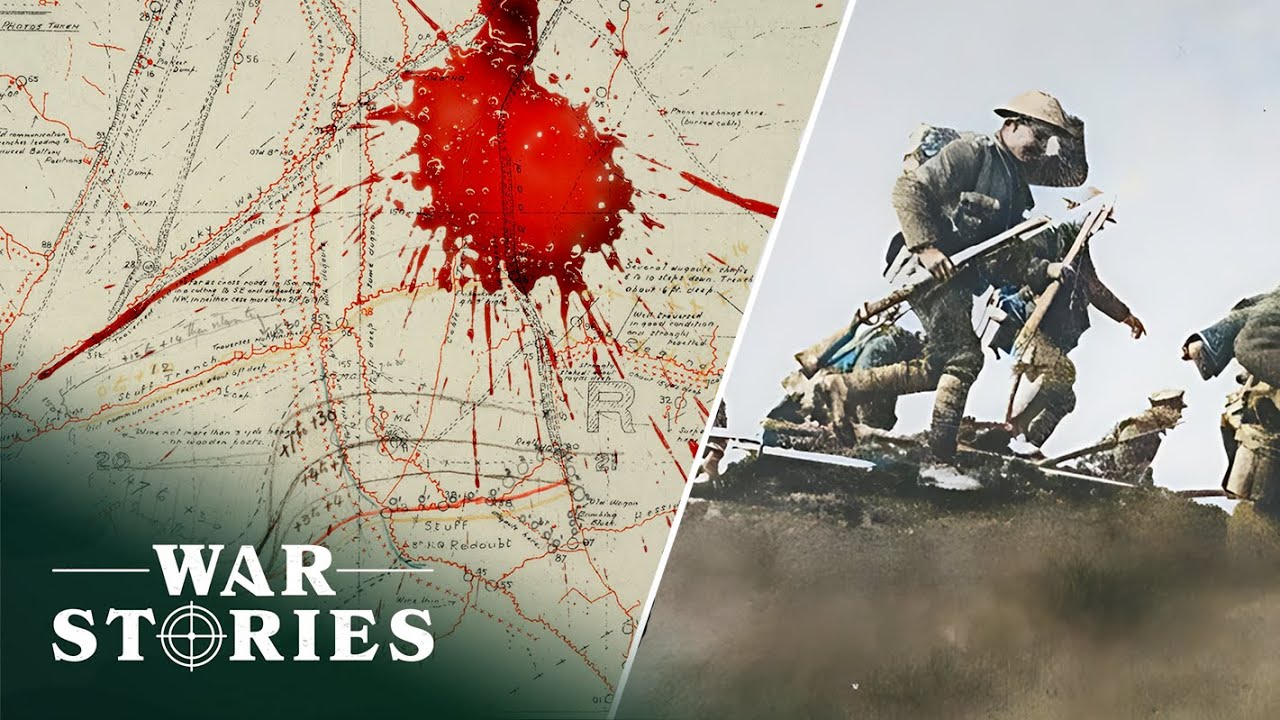
The Battle of the Somme, a pivotal event in World War I, involved over 3 million soldiers and resulted in approximately 1 million casualties.
In 1945, the Battle of Okinawa marked the largest amphibious invasion in the Pacific theatre, resulting in significant casualties and paving the way for the US assault on mainland Japan.
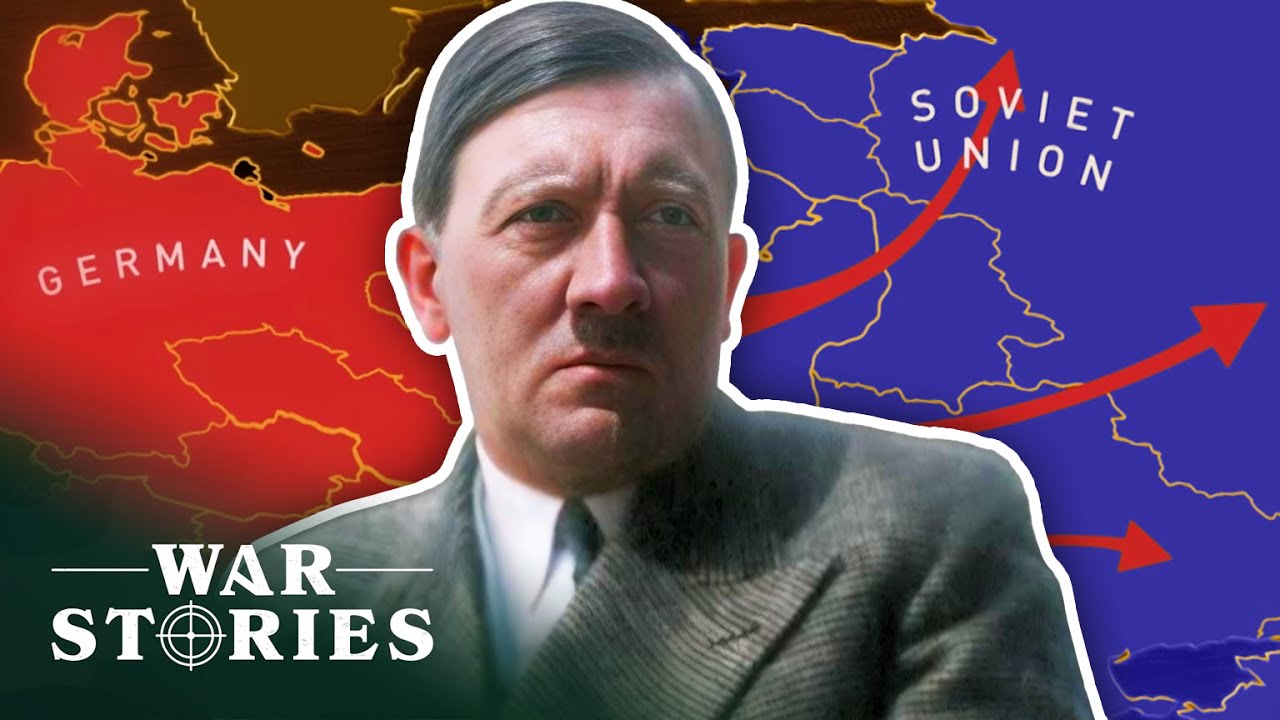
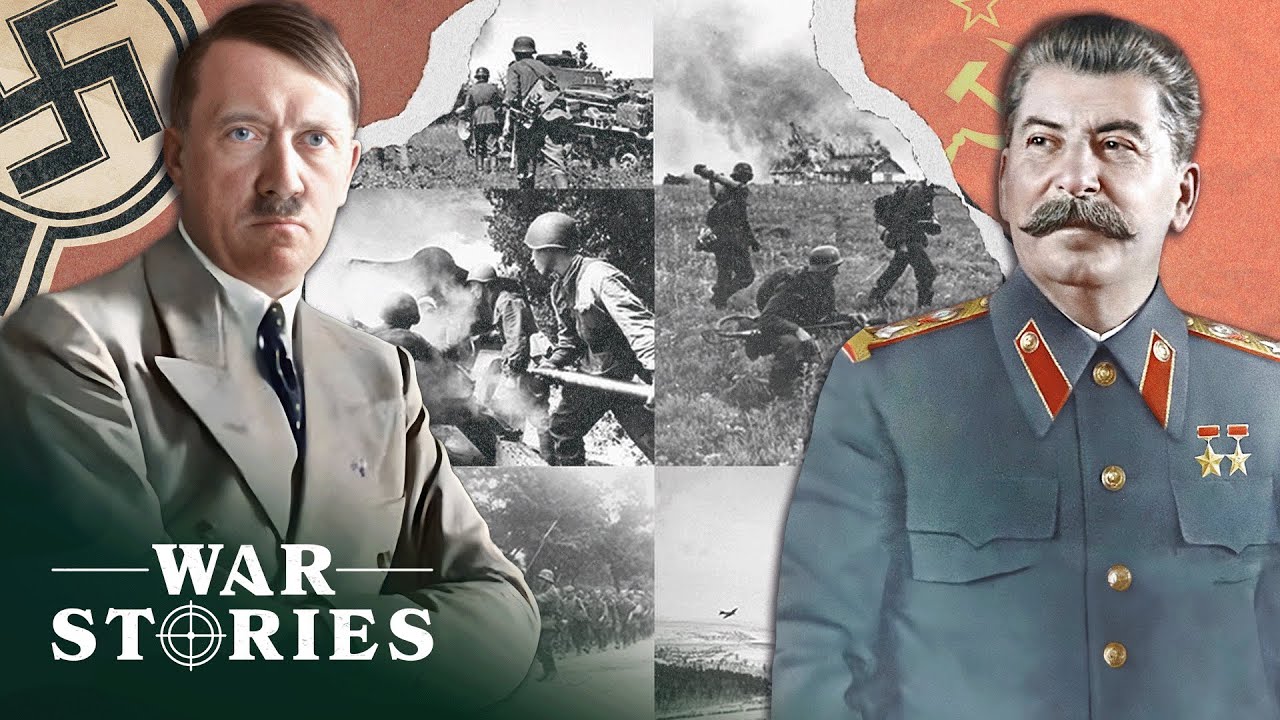
Hitler's invasion of the Soviet Union in 1941, marked by early advances and harsh winters, became a pivotal blunder that contributed to the Nazi regime's downfall.
The siege of Leningrad lasted 900 days, resulting in an estimated death toll of at least 1 million people, one of the highest in history.
The bombing offensive against Hitler's Third Reich during World War II is chronicled through authentic archive footage and firsthand accounts from veterans.
By early spring of 1941, German U-boats had sunk a total of 650 ships, severely threatening Allied shipping during the Battle of the Atlantic.
With a maximum output of 150,000 horsepower, the Eurofighter Typhoon can reach speeds of Mach 2.35, nearly 2,900 km/h.
Gustavus Adolphus, Sweden's greatest king, is examined through his military strategies and pivotal battles that significantly influenced Swedish history.
Two 19-year-old recruits, David Bratland and Jesper Bruseth, train in Kirkenes to monitor and defend the nearly 200-kilometre-long border with Russia.
7,000 sailors and pilots aboard the USS Harry S. Truman conduct thousands of take-offs and landings during a four-week NATO training operation.
Eleven peacekeeping soldiers are held captive by a drug-crazed warlord in Sierra Leone, prompting a high-stakes Special Forces rescue mission.
Nazi Admiral Karl Dönitz's U-Boat tactics during World War II, particularly his Wolfpack strategy, nearly led to Britain's starvation and surrender.
China is building air strips on disputed islands in the South China Sea, raising concerns about potential military conflict with the United States.
Combat vehicles, including the Leopard 2, Tiger I, and Merkava Mark IV, showcase the evolution of military technology and design over the decades.
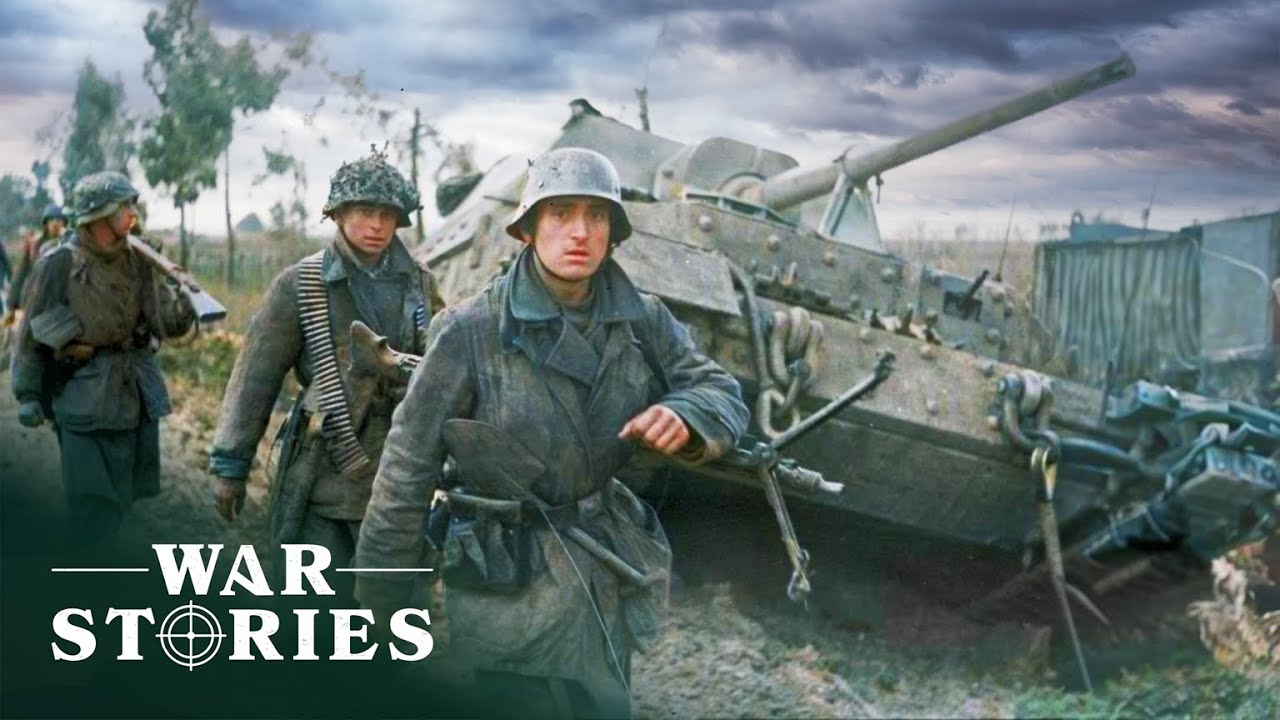
Operation Barbarossa marked the beginning of a brutal conflict on the Eastern Front, leading to pivotal battles such as Moscow, Stalingrad, and the retreat to Berlin.
Hitler's obsession with the Spear of Destiny, the actions of Hermann Göring in rescuing Jews during the Holocaust, and government experiments on citizens are examined.
US forces faced significant challenges patrolling Vietnam's rivers during the war, as these waterways were crucial for Viet Cong supply routes.
188 aircraft were destroyed during the Japanese attack on Pearl Harbor on December 7, 1941, marking a significant escalation in World War II.
The Battle of the Somme, the bloodiest conflict of World War I, is examined through the extraordinary bravery of seven men awarded the Victoria Cross.
From Lenin's death to Gorbachev's reforms, the evolution of the Soviet Union is marked by political turmoil, war, and the eventual collapse in 1991.
In January 1942, the British Eighth Army faced off against the German Panzer Army Africa, with Rommel commanding 228 tanks against over 400 British tanks.
Hitler's underestimation of the United States during World War II is examined through the lens of the US War Department's strategies and personal accounts from soldiers.
Military technologies such as the Brown Bess musket and the world's first combat submarine played crucial roles in the American colonies' fight for independence.
38,000 new Marines complete boot camp each year, undergoing intense training at the USMC School of Infantry to prepare for combat.
Operation Barbarossa, launched by Adolf Hitler in 1941, marked the largest military invasion in history and revealed the brutal realities of the Eastern Front during World War II.
Hugh Dowding's leadership and strategic foresight were crucial in enabling RAF Fighter Command to defend Britain during the pivotal Battle of Britain in 1940.
Scottish clans, rooted in Pictish heritage and influenced by Viking culture, developed formidable military tactics to resist English rule, notably during the wars of independence led by figures like William Wallace.
Allied troops faced significant challenges in capturing the French town of Caen, encountering fierce German resistance led by General Michael Wittmann's Tiger II tank.
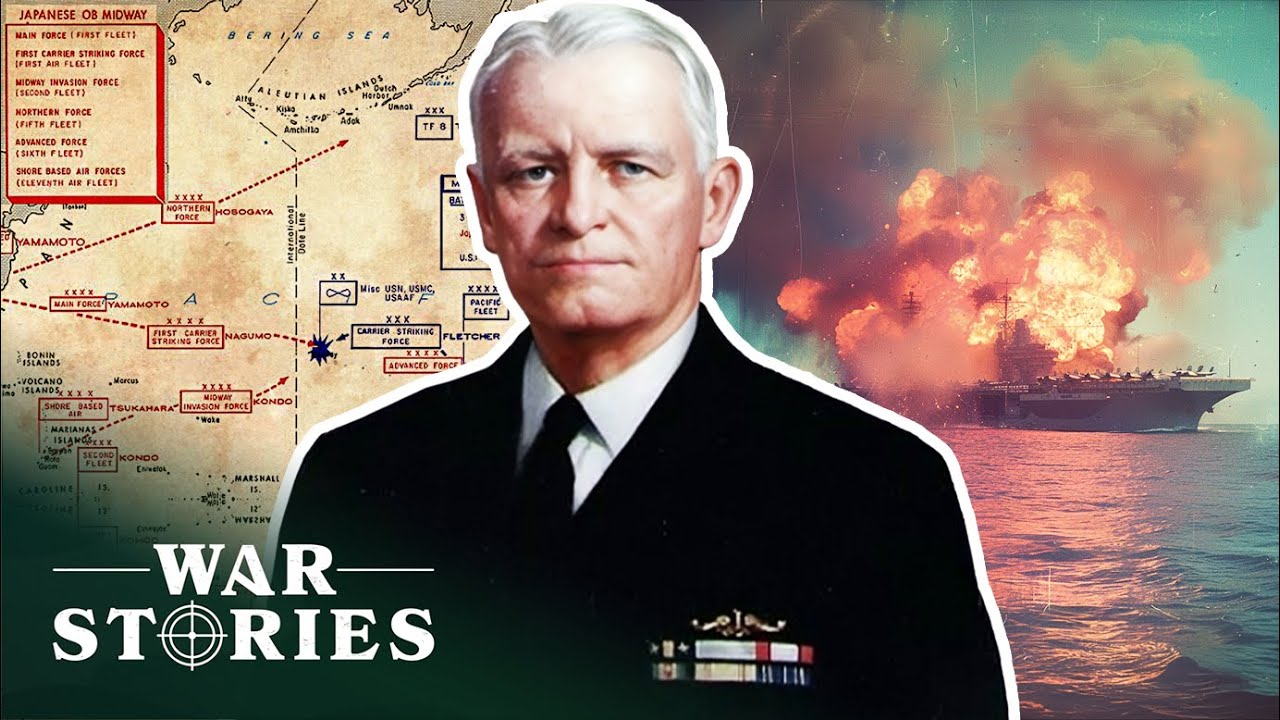
The Battle of the Philippine Sea marked a decisive American victory against Japan in 1944, characterized by superior pilot skills and the infamous Great Marianas Turkey Shoot.
A total of 91,000 German soldiers entered Soviet captivity at Stalingrad, marking a significant defeat for the Nazi regime during World War II.
The Christmas Truce of 1914 saw soldiers from opposing sides on the Western Front temporarily cease hostilities to share stories, bury the dead, and play football.
Key battles of World War II, including Stalingrad and Berlin, are examined for their roles in the defeat of Hitler and the Nazi regime.
Operation Desert Storm, launched by a coalition of Western countries in response to Iraq's invasion of Kuwait in 1991, achieved its objectives in just 100 hours.
Hitler's failed invasion of the Soviet Union, the Allied Normandy landings, and the atomic bombings of Hiroshima and Nagasaki are pivotal events of World War II.
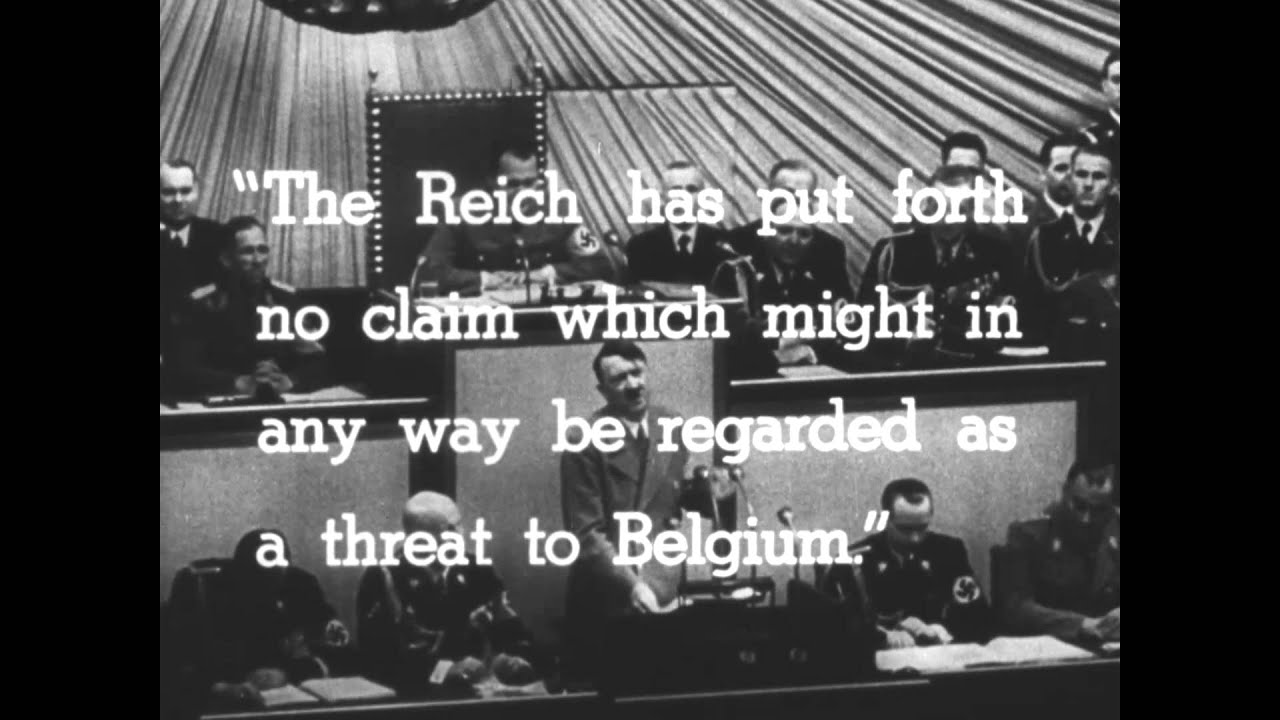
In 1943, a U.S. military orientation film details the German military offensive from 1939 to 1940, highlighting key events such as the invasion of France and the evacuation at Dunkirk.
Military historian Norm Christie tracks down the stories of 20,000 missing Canadian soldiers from WW1 across key battlefields like Vimy Ridge and the Somme.
On August 20, 1944, a Russian offensive trapped the German 6th and Romanian 3rd armies, marking a significant turning point in the Eastern Front.
The Battle of Okinawa in 1945 resulted in approximately 240,931 casualties, marking it as the deadliest conflict in the Pacific theatre of World War II.
In June 1941, Nazi Germany launched Operation Barbarossa, marking the beginning of a brutal invasion of the Soviet Union, as depicted through rare archive footage.
Operation Barbarossa, launched by Nazi Germany against the Soviet Union in 1941, was marked by strategic errors and brutal war crimes that led to its eventual failure.
In April 1945, Adolf Hitler reflects on the strategic errors that contributed to Nazi Germany's defeat as the Red Army and Allied forces close in.
Eagle Day, the Luftwaffe's operation led by Hermann Göring to destroy RAF Fighter Command, ultimately failed to achieve its objective during the Battle of Britain.
In April 1982, British forces launched a significant nighttime raid on Port Stanley in response to Argentinian aggression during the Falklands War.
The final phase of World War II is marked by Allied advances into Germany, General Montgomery's Operation Market Garden, and Hitler's last offensive during the Battle of the Bulge.
Ferdinand Porsche's design of super tanks for Nazi Germany ultimately failed due to technical issues and inefficiencies, contributing to the Axis defeat in World War II.