From over 100,000 films, discover the handful you'll love.
Free or premium access to the world's largest documentary library.
2821 films(Page 10 of 59)
Over five million men died on the Western Front during World War I, many buried in thousands of war cemeteries across France and Belgium.
In 1944, Erwin Rommel prepares Germany's Atlantic Wall for the Allied invasion at Omaha Beach, unaware that the Resistance has obtained his plans.
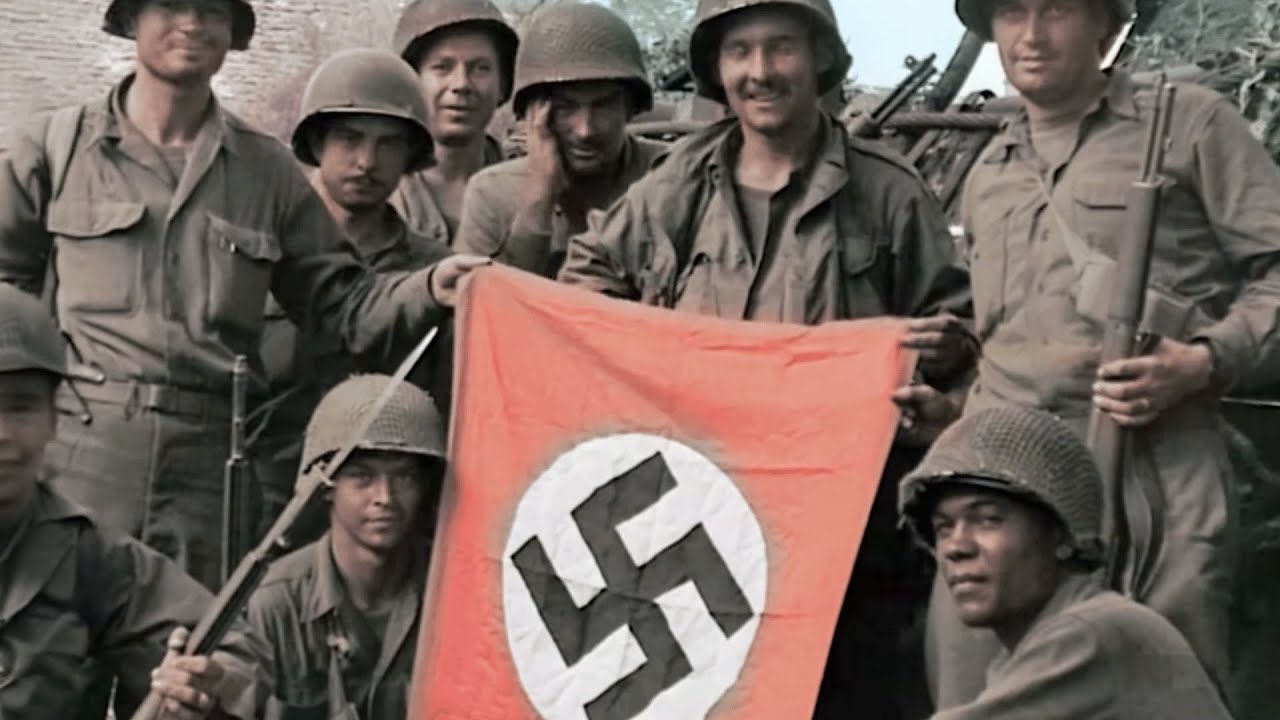
Rare 16mm color footage captured by George Stevens and the US Air Force documents the final months of World War II in Europe, highlighting key events from Aachen to the liberation of concentration camps.
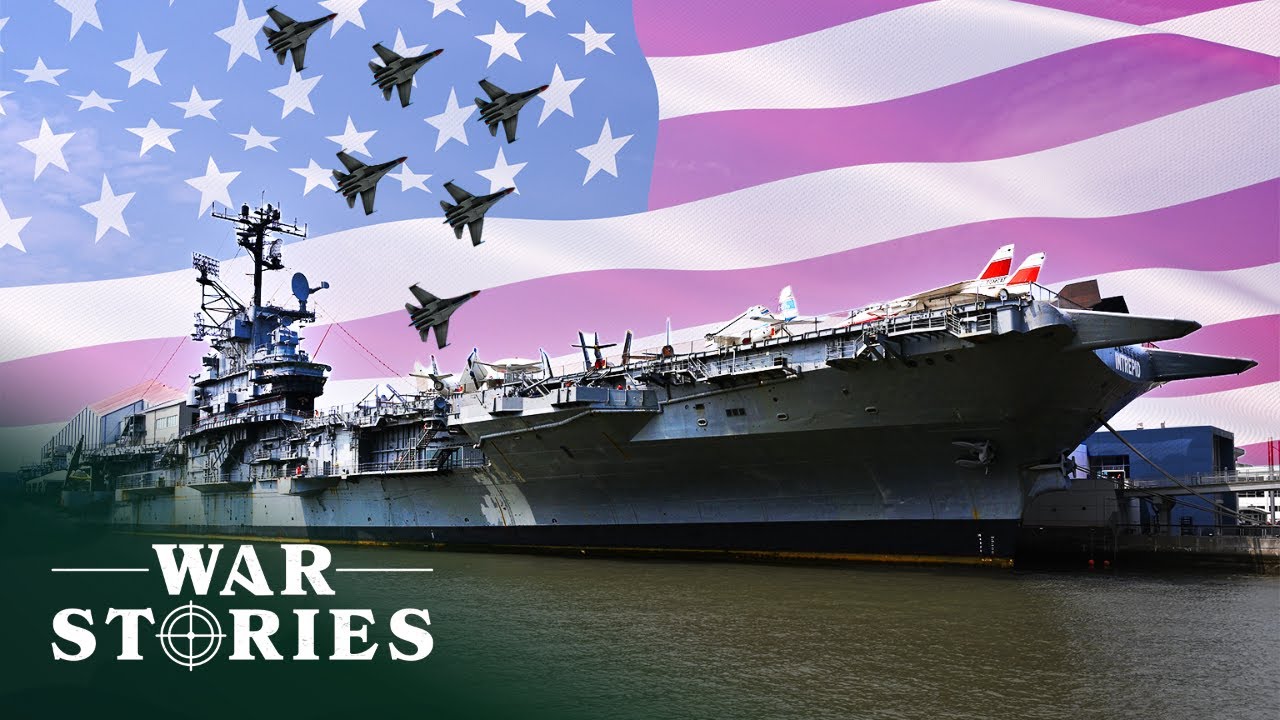
Naval aviation has evolved over a century from early gliders to modern supersonic jets, highlighting the rigorous training of pilots on aircraft carriers.
In the early 1940s, the Manhattan Project brought together leading scientists to develop nuclear weapons, culminating in the bombings of Hiroshima and Nagasaki.
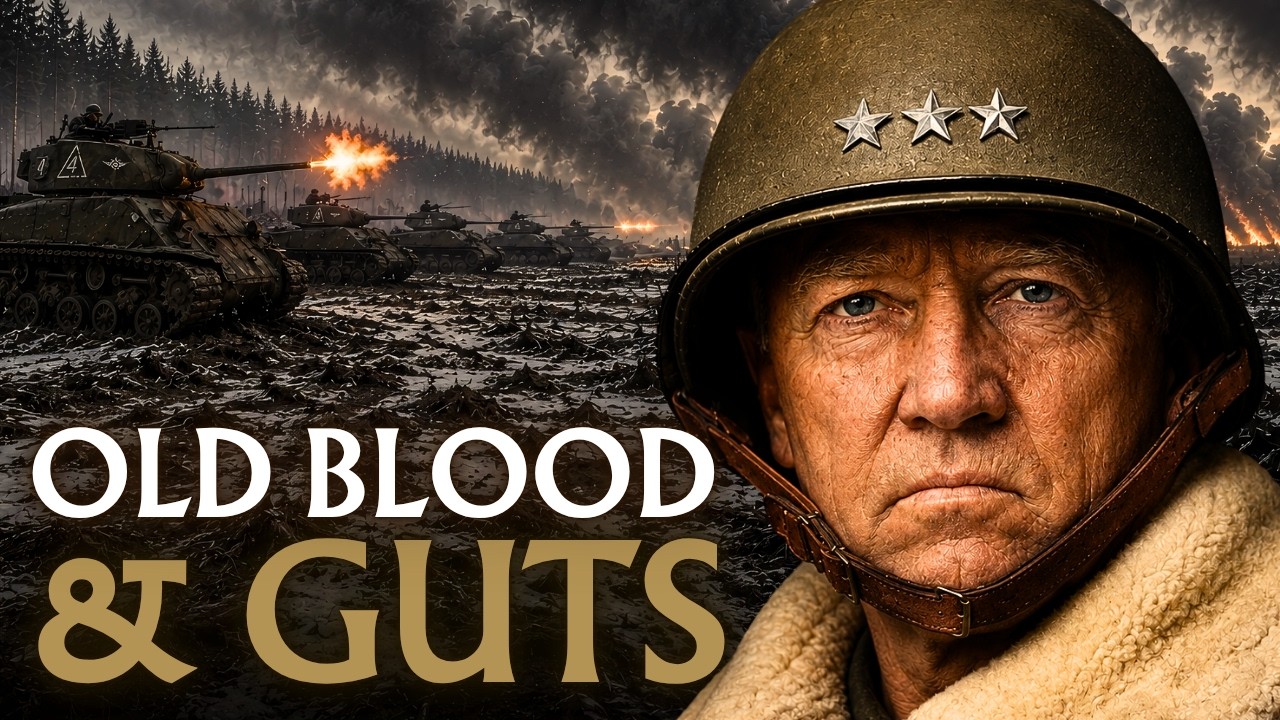
George S. Patton's military career is examined, highlighting his leadership in key battles such as North Africa, Sicily, Normandy, and the Battle of the Bulge.
Following the defeats at Stalingrad and Kursk, the Red Army launched a series of rapid and brutal offensives against the Wehrmacht during World War II.
Peleliu's Bloody Nose Ridge became the site of intense combat during the Mariana and Palau Islands campaign, marked by fierce resistance from Japanese forces against American troops.
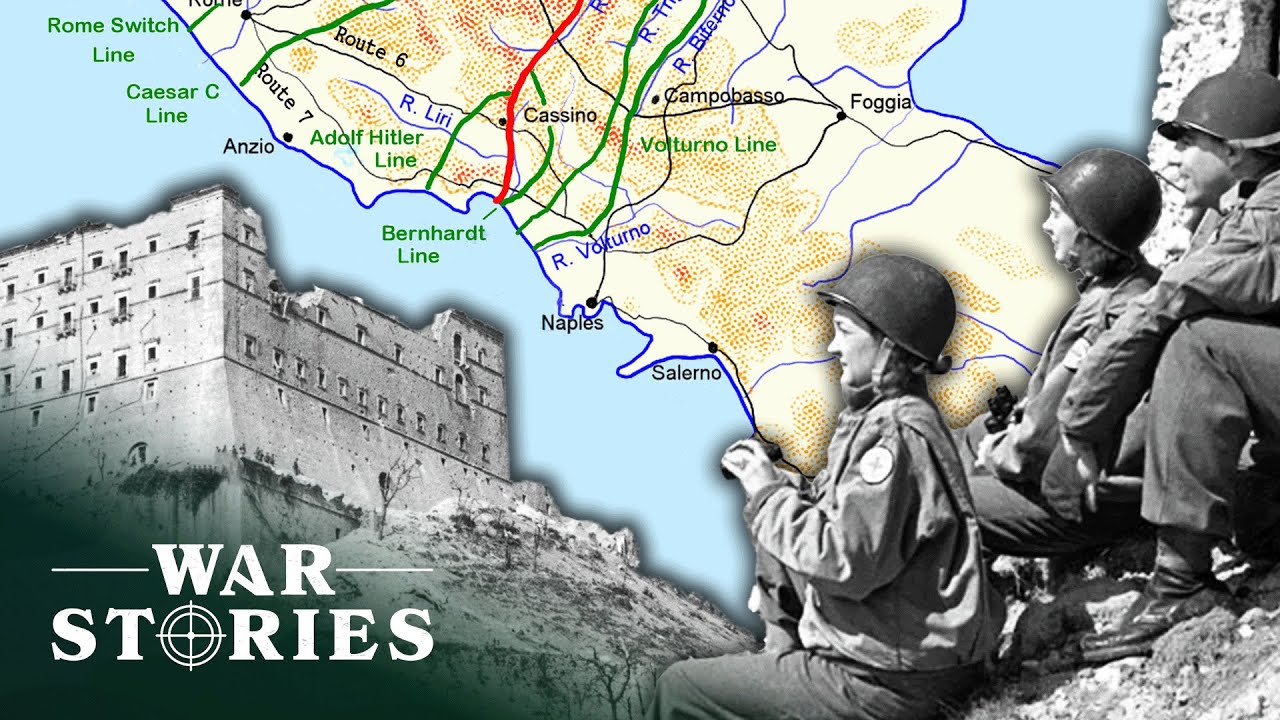
In Southern Italy, Allied forces faced formidable German defenses along the Gustav Line, particularly in the strategically significant town of Cassino during World War II.
Ribchester, located in the North of England, served as a Roman fortification site, revealing insights into the defenses and lives of soldiers at the Empire's edge.
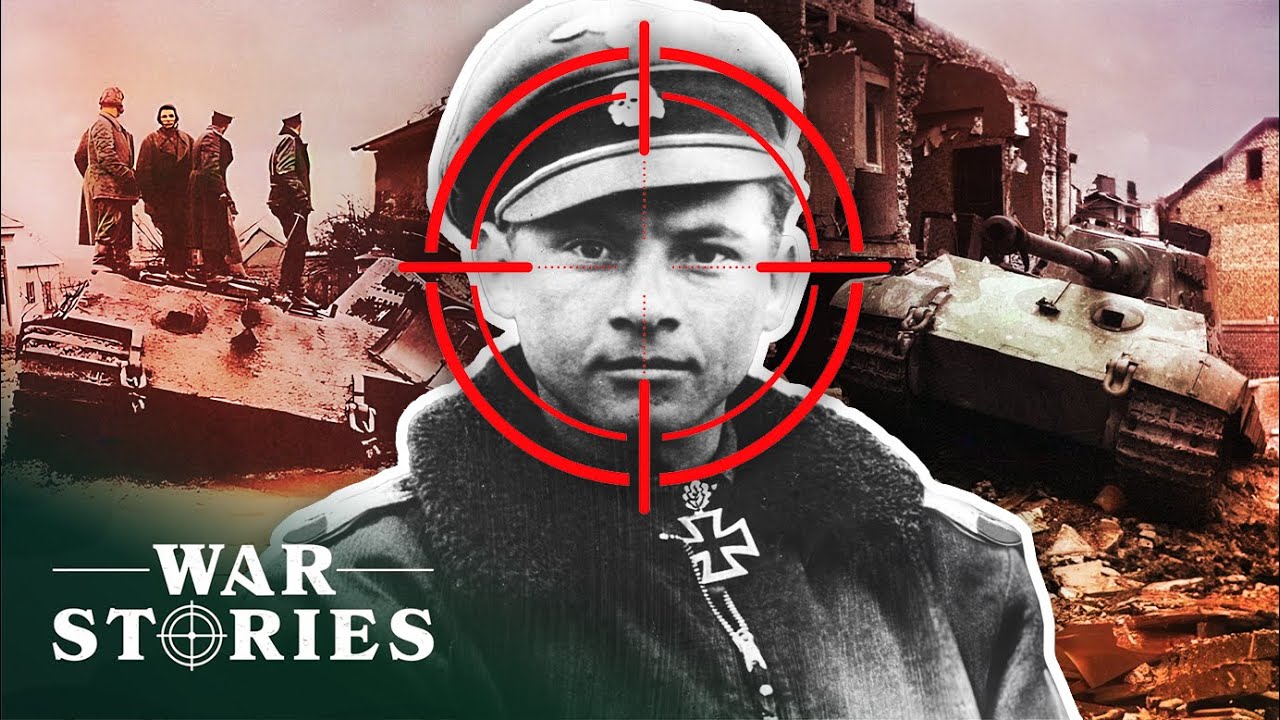
Michael Wittmann, Germany's highest-scoring Panzer ace, met his end in the 1944 Normandy battlefield, with investigations into who was responsible for his demise.
In December 1944, the Battle of the Bulge saw the elite Sixth Panzer Army, equipped with Panther and King Tiger tanks, face significant challenges against outnumbered American forces due to fuel shortages and tactical miscalculations.
Knights Templar, a powerful religious order formed during the Crusades, adhered to vows of poverty, chastity, and obedience while becoming elite warriors in medieval history.
In 1415, the Battle of Agincourt showcased how 6,000 English troops, led by Henry V, defeated a larger French army of 30,000 using longbowmen effectively.
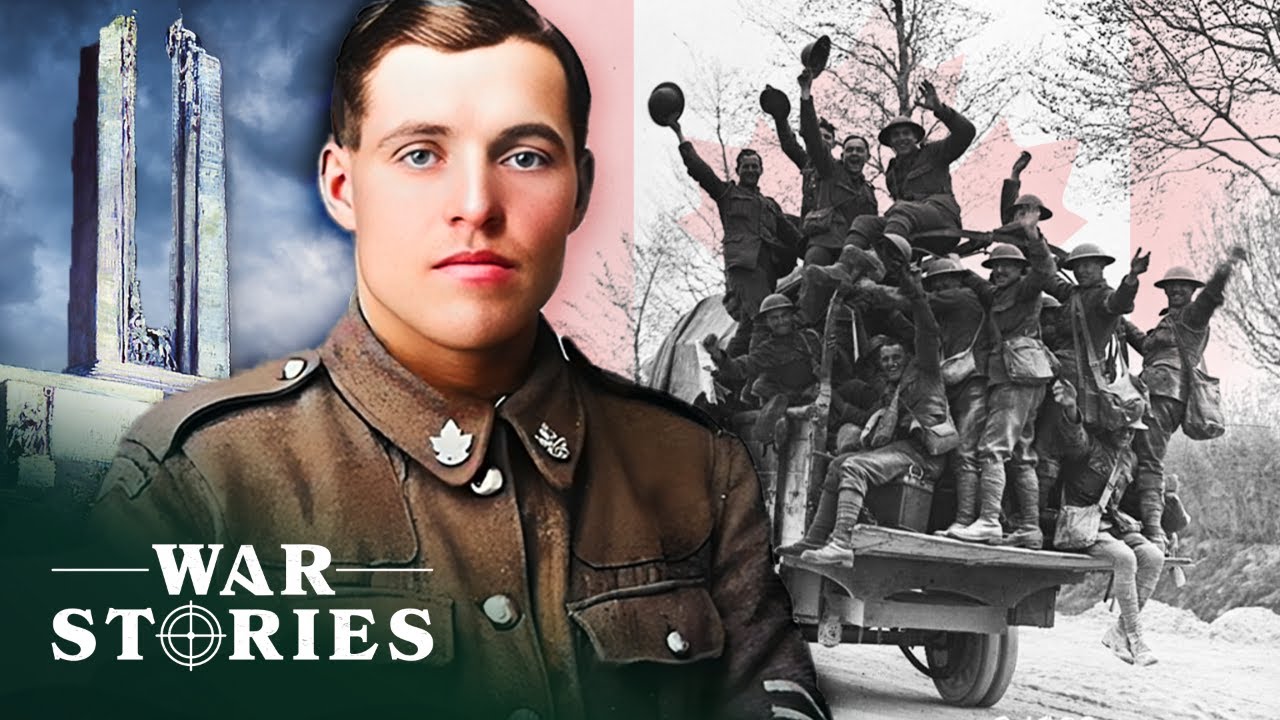
In 1936, over 50,000 Canadian veterans gathered in Normandy for the unveiling of the Vimy Ridge memorial, honoring those lost in the First World War.
The Allied invasion of France on June 6, 1944, marked the beginning of the brutal 80-day campaign that included the Battle of the Hedgerows and the destruction of Caen.
Adolf Hitler's Ardennes Offensive marked a critical moment in World War II, leading to the intense and brutal fighting known as the Battle of the Bulge.
The battleship Bismarck, measuring 250 meters long and weighing over 50,000 tons, was launched by Adolf Hitler on February 14, 1939.
Japan's invasion of New Guinea in 1942 marked a significant phase in the Pacific War, featuring key battles at Milne Bay, Lae, and the Bismarck Sea against Allied forces.
French sailors formed a resistance under General de Gaulle during World War II, operating submarines like the Rubis to combat German battleships.
Operation Overlord, a pivotal military campaign during World War II, marked the Allies' largest amphibious invasion, leading to the liberation of Western Europe.
The intertwined histories of Adolf Hitler and Winston Churchill, shaped by their experiences in World War I, set the stage for their conflict in World War II.
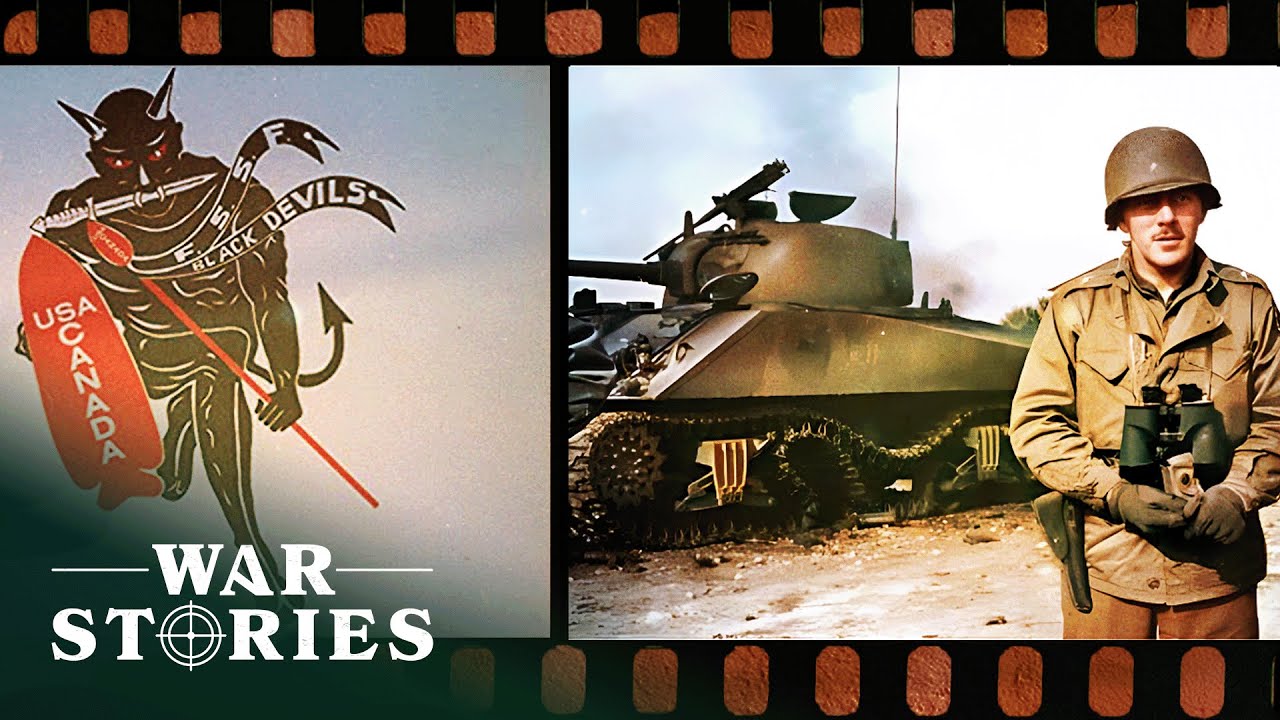
Veterans of the First Special Service Force, known as "The Black Devils," retrace their steps across European battlefields to reflect on their elite military contributions during World War II.
In April 1945, as Germany faces defeat, the crew of one of the last U-Boats operates off the coast of Canada, targeting Allied supply ships.
Tony Vaccaro captured more than 8,000 images during World War II, documenting the daily life and death of soldiers on the front lines.
On September 2, 1945, Japan signed the instrument of surrender aboard the USS Missouri, marking the end of World War II.
On July 10, 1940, six Hurricanes patrolled over Dover and engaged 50 enemy aircraft, marking the start of the Battle of Britain.
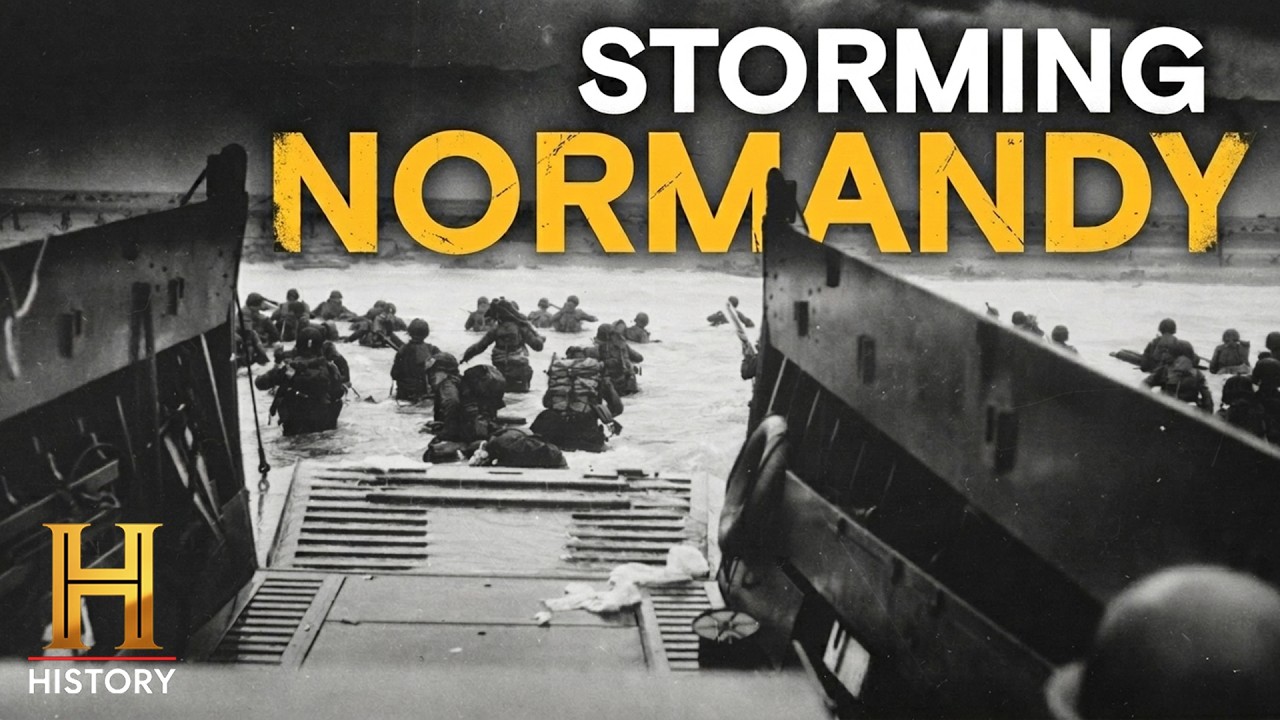
The D-Day landings at Omaha Beach are documented through the rare, uncensored footage captured by courageous cameramen and photographers amidst perilous conditions.
The Medal of Honor, the highest military decoration in the United States, was established to recognize extraordinary acts of valor among service members across various branches.
The Crusades, marked by the conflict between Richard the Lionheart and Saladin in 1190, spanned nearly two centuries of warfare over the Holy Land.
30,000 American lives were lost in the Hürtgen Forest, the site of the longest and bloodiest battle in U.S. Army history during World War II.
The Allied forces faced a prolonged and challenging campaign in Italy during World War II, resulting in significant casualties and strategic setbacks.
Aerial warfare in World War II saw significant advancements and strategic shifts, highlighted by iconic aircraft like the Spitfire and A6M Zero during key battles.
More than 4,000 ships and small craft were prepared to transport Allied forces for the D-Day invasion of Nazi-occupied France on June 6, 1944.
The Battle of Cambrai in 1917 marked the first large-scale use of tanks in World War I, with British forces deploying 476 tanks to breach German lines.
Deep beneath Germany, Cold War bunkers like the Bundesbank's secret facility and East German command centers reveal the extensive underground infrastructure built for nuclear survival.
World War II tank tactics, including Heinz Guderian's blitzkrieg strategies and the history of the Tiger tank, reshaped mechanized warfare on the Eastern Front.
Adolf Hitler's recruitment strategies for Nazi high command are examined through the roles of key figures like Heinrich Himmler and Joseph Goebbels in shaping the regime.
Light machine guns, from the WWII-era MG42 to the modern M249 SAW, are examined for their impact on military tactics and capabilities through expert insights and live demonstrations.
General George S. Patton's military career is examined through his leadership in World War II, tank warfare innovations, and the controversies that shaped his legacy.
In 1899, the British Empire faced unexpected challenges during the Second Boer War, leading to a costly victory that left lasting political and moral scars.
A single German aircraft flew a secret mission over the British Isles on May 5, 1940, to establish contact with IRA members for a planned invasion of Northern Ireland.
The final years of World War II are examined through rare color footage, highlighting key events such as D-Day, the Battle of the Bulge, and the atomic bombings.
Hitler's invasion of the Soviet Union, the Holocaust, and the Allies' denazification efforts highlight the brutal final acts of Nazi Germany and its aftermath.
The Battle of the Somme, fought in 1916, resulted in over 600,000 British and French casualties, marking a significant moment in World War I history.
Operation Barbarossa, Hitler's 1941 invasion of the Soviet Union, marked a critical turning point in World War II due to severe miscalculations and harsh winter conditions.
In September 1944, Allied forces launched Operation Market Garden in Arnhem, Netherlands, aiming to secure key bridges but ultimately faced a catastrophic failure.
The D-Day landings on June 6, 1944, marked the beginning of a brutal 100-day campaign in Normandy, highlighting the fierce resistance of the German Wehrmacht.