From over 100,000 films, discover the handful you'll love.
Free or premium access to the world's largest documentary library.
2821 films(Page 21 of 59)
In Bethlehem Steel Co. plants during World War I, rifle components, cannons, and bombs were manufactured and assembled for the U.S. military.
In 1941, four Italian frogmen employed two-man underwater chariots to plant explosives on British battleships in Alexandria Harbour during World War II.
Bill Babbitt grapples with the moral implications of reporting his brother Manny, a veteran facing mental health challenges and entangled in the criminal justice system.
The 26th Division's operations from February 6 to March 22, 1918, in the Chemin des Dames sector are documented through military activities, troop movements, and interactions with French officers.
World War II's tank warfare featured pivotal models like the T-34 and super-heavy designs such as the German Panzer VIII Maus and the Landkreuzer P.1000 Ratte.
John Deeben, a genealogy archives specialist at the National Archives, examines Civil War death records created by the War Department, detailing soldiers' deaths in various contexts.
The Allied Invasion of Europe and the subsequent victory over Nazi Germany during WWII are chronicled through archived footage from the 1945 US Office of War Information.
In 1967, U.S. Air Force fighter pilot James Shively was shot down over North Vietnam and spent six years as a prisoner in Hanoi prison camps.
The USS Indianapolis sank on July 30, 1945, resulting in the worst sea disaster in U.S. naval history, with survivors facing five days adrift in the Pacific.
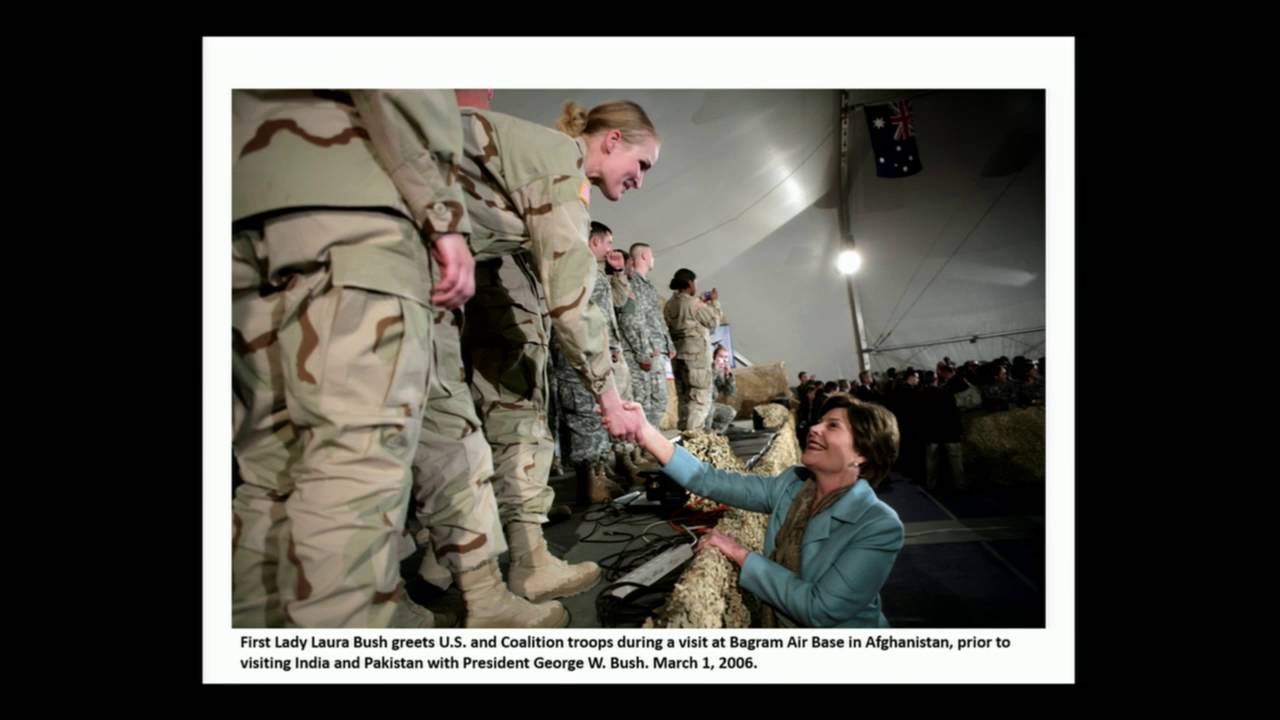
First Ladies throughout American history have influenced societal attitudes and advocated for military families and veterans during times of war and peace.
Ariel Nasr reflects on his Afghan heritage while young Afghans like Rana broadcast radio from Canada, aiming to inspire their peers in Kandahar amid ongoing conflict.
Two soldiers, one Canadian and one German, died at the front, each with a bayonet in the stomach, both just 20 years old.
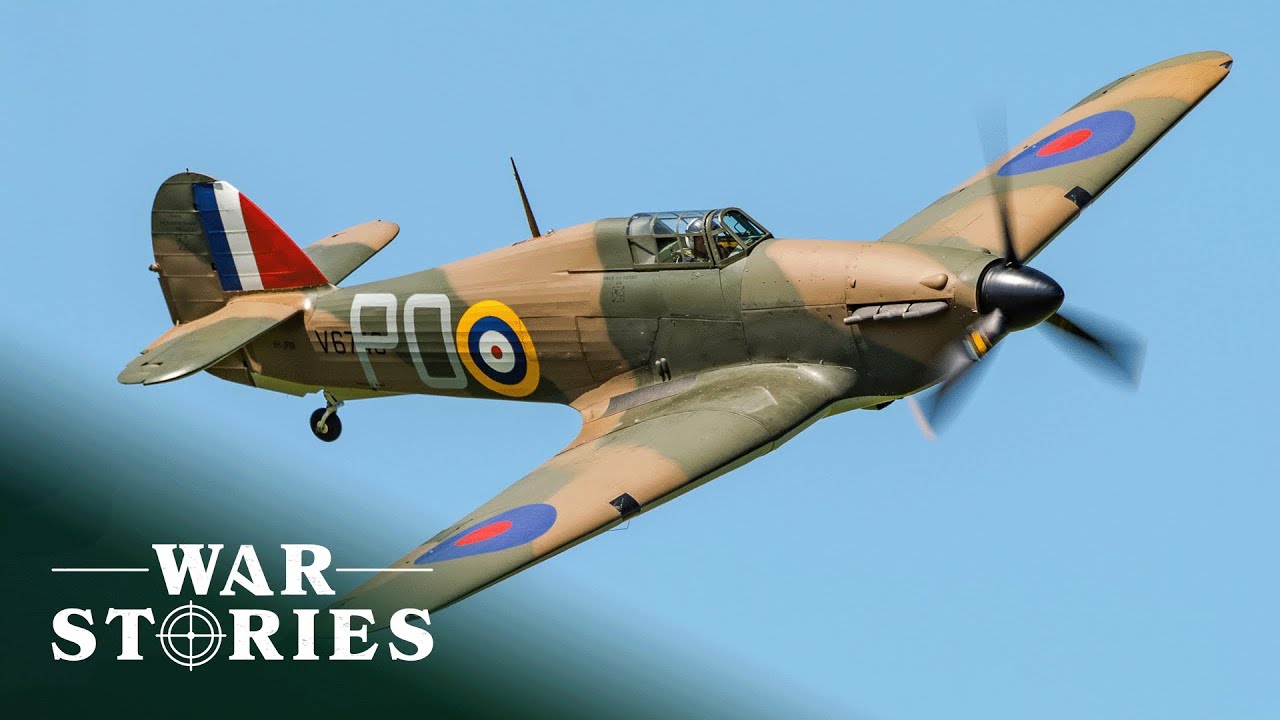
The Hawker Hurricane, designed by Sydney Camm, played a crucial role in the Battle of Britain by downing over two-thirds of enemy aircraft.
Michael Beschloss discusses the American presidents who waged major wars from the early 19th century through the Vietnam War.
In Canada during World War II, over a million women, led by aircraft designer Elsie MacGill, built 1,400 Hawker Hurricanes and hundreds of Curtiss Helldivers.
Winston Churchill's early career is examined in the first episode of a four-part series that explores his leadership during World War II.
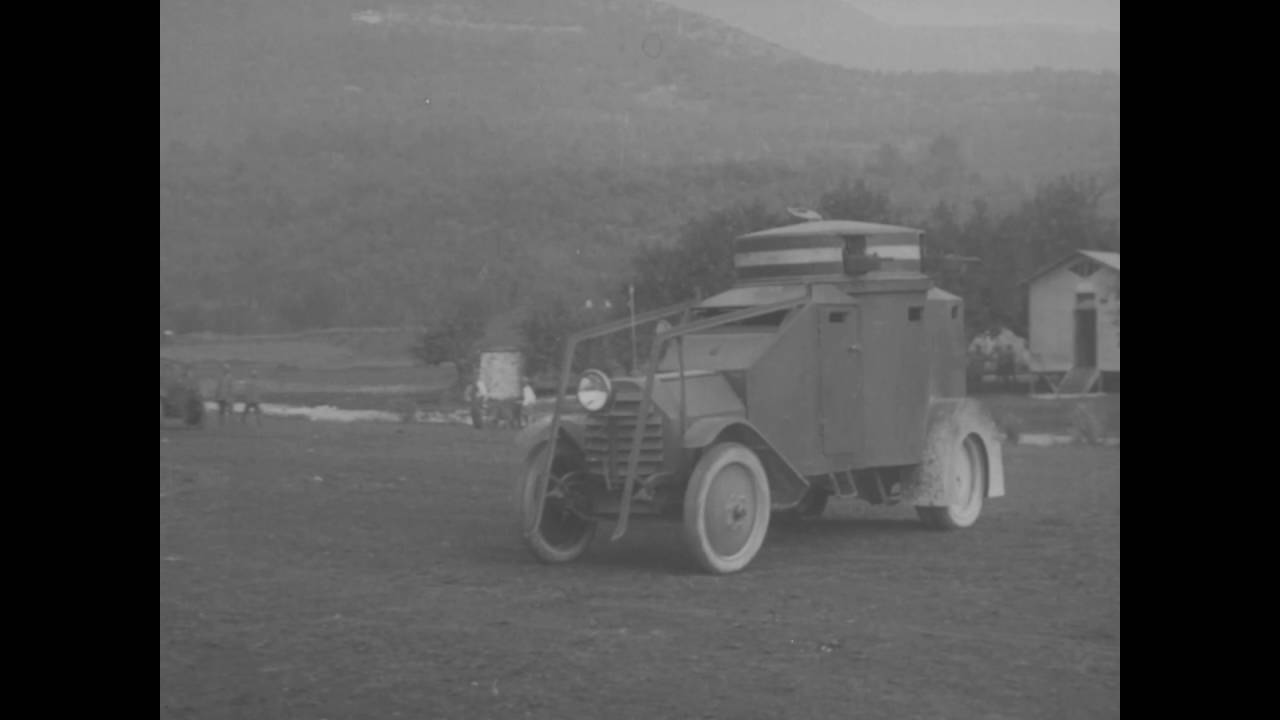
U.S. Army activities in Italy during World War I are documented through footage of troop movements, inspections, and interactions with Italian forces from 1918 to 1919.
Dover Castle, England's most formidable coastal fortress, reveals its military history, including the 12th-century Great Tower and Operation Dynamo's secret tunnels.
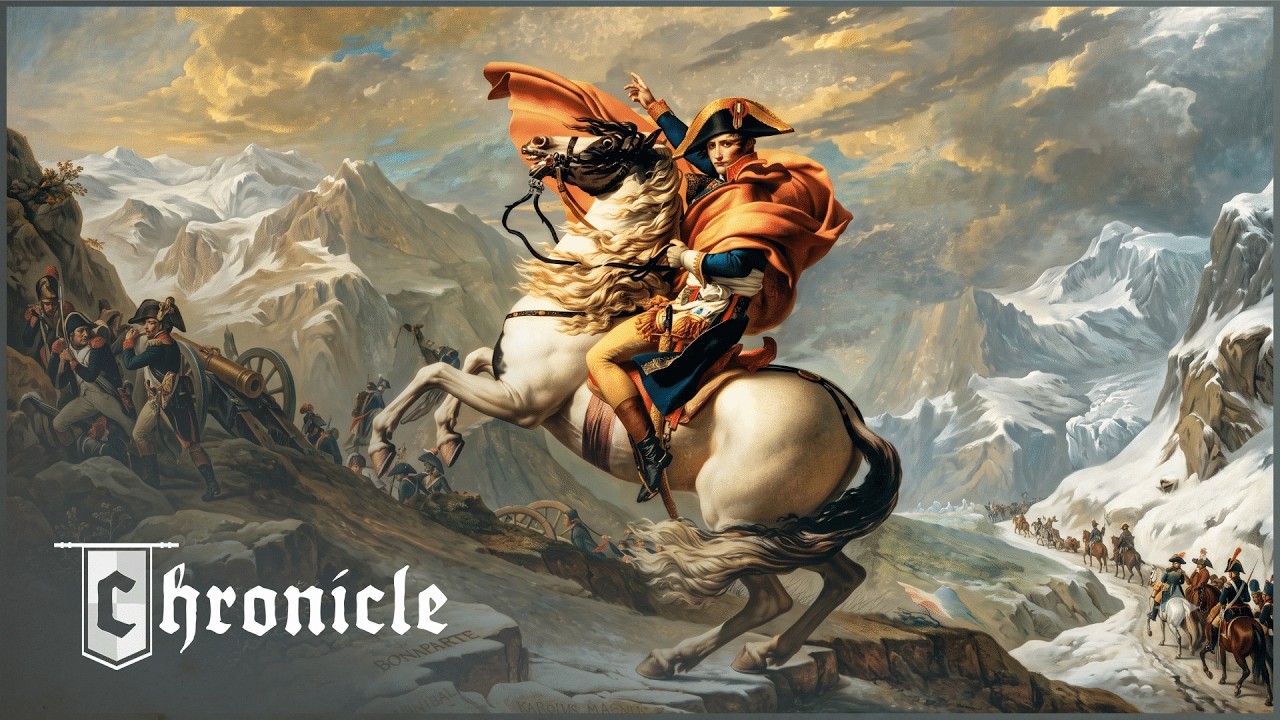
In 1793, Napoleon Bonaparte orchestrated a decisive military strategy to reclaim the French port of Toulon from British forces, marking his rise to power.
Over 2.2 million Union service records are housed at the National Archives, providing essential information about veterans and their families.
John P. Deeben provides an overview of army service during the American Civil War, focusing on its implications for genealogy research.
On February 3, 1943, the USAT Dorchester sank after being torpedoed, resulting in the deaths of 674 of the 904 people on board.
Tommy, a World War II veteran, navigates life in a small town as he prepares for the annual Remembrance Day parade, reflecting on purpose and camaraderie.
A team has three days to reconstruct a flame-throwing boat that helped the Byzantine Empire survive a four-year siege in 678 AD.
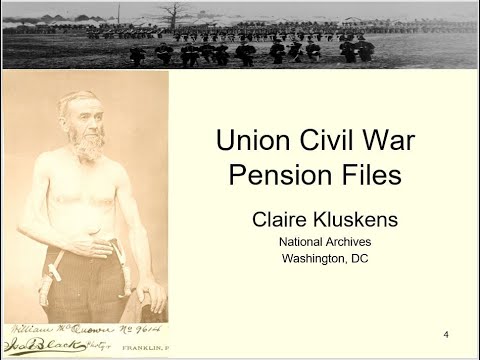
Claire Kluskens, a Digital Projects Archivist, presents records of civilian participation in U.S. military conflicts from the Revolutionary War to World War I.
French troops mobilize supplies and advance in the Verdun region during the intense fighting of October to December 1916, as depicted in historical footage.
A Marine Corps veteran, Ricardo Tapia, faces legal consequences after a shooting incident linked to his PTSD.
In the Burmese jungle, a mission recovers the remains of a Royal Canadian Air Force crew lost during World War II, culminating in a military funeral near Rangoon.
In observance of the 50th anniversary of the Vietnam War, combat photographers from the Army’s Special Photographic Office discuss their iconic work and experiences.
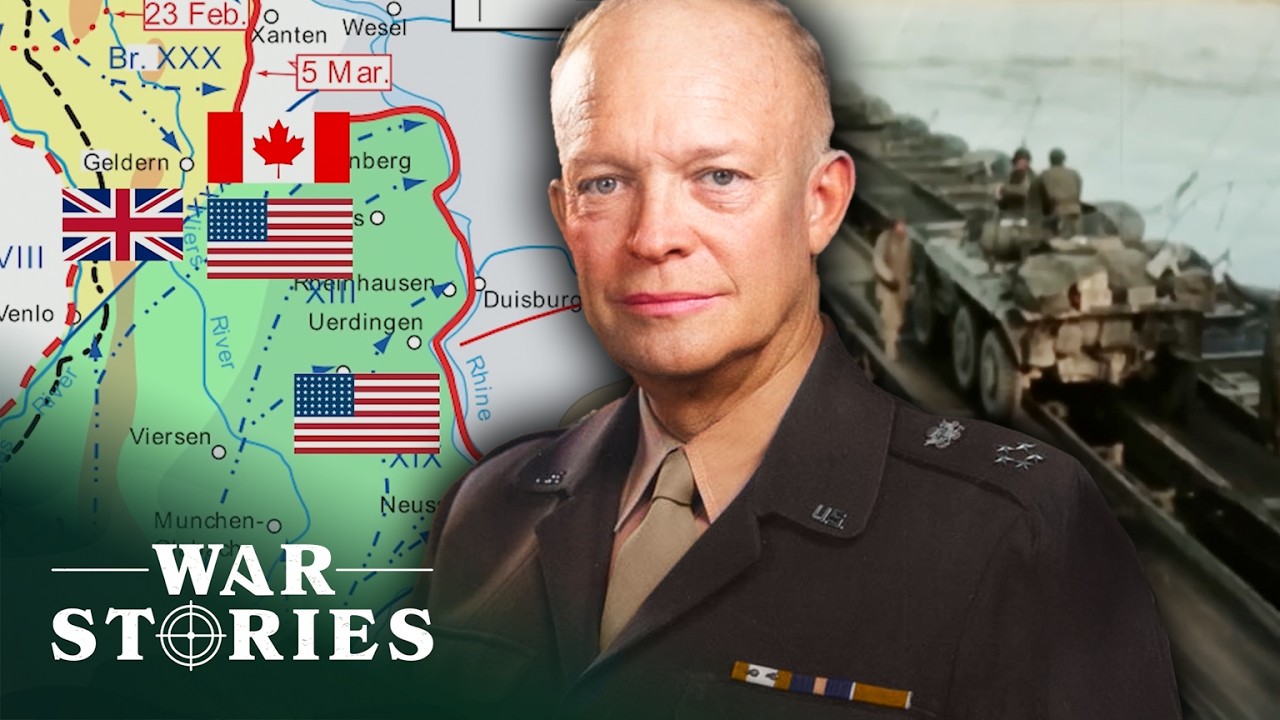
After the Battle of the Bulge, Allied forces launched Operation Veritable and Operation Grenade to breach the Siegfried Line and advance into Germany.
Operation Bodyguard, the elaborate deception plan during World War II, successfully misled Adolf Hitler about the Allied invasion of Normandy on June 6, 1944.
Colditz Castle in Germany, deemed "unescapable" by the Nazis, became the site of some of World War II's most audacious prisoner escapes.
In 1982, the SAS conducted covert operations during the Falklands War, including a disastrous raid on South Georgia and a final deception mission in Port Stanley.
The 100th bomber group of the Eighth Air Force, known as the "bloody hundredth," faced significant losses while conducting bombing missions over Europe during World War II.
In 1863, the U.S. Army began organizing regimental units of African Americans known as the U.S. Colored Troops during the Civil War.
Four presenters from the National Archives discuss records related to Native American veterans who served from 1881 to 1966 during a genealogy session.
Two brothers, Chuck and Tom Hagel, fought in the same infantry unit during the Vietnam War, with one supporting the conflict and the other opposing it.
In April 1943, Operation Mincemeat successfully misled the Axis powers by using a dead British officer to plant false intelligence in Spain.
Archaeologists and weapons experts examine the historical significance of England's lost king, whose remains were found beneath a car park in Leicester.
Hitler's Ardennes Offensive in December 1944 marked a critical moment in the Battle of the Bulge, aiming to divide Allied forces and capture Antwerp.
Troops at Yale University and Camp Meade are shown setting up field radios, signal lamps, and flags, while receiving certificates for their training.
Hill 400, standing at 1,300 feet, became the site of a brutal battle in December 1944 as Lt. Col. James Rudder's 2nd Ranger Battalion advanced into Germany.
On December 12, 1776, British dragoons captured Major General Charles Lee, prompting the Americans to plan their own special operations against British officers.
In 1940, American airmen led by Clair Chennault fought against Japan to protect China's crucial Burma Road, prior to the United States entering World War II.
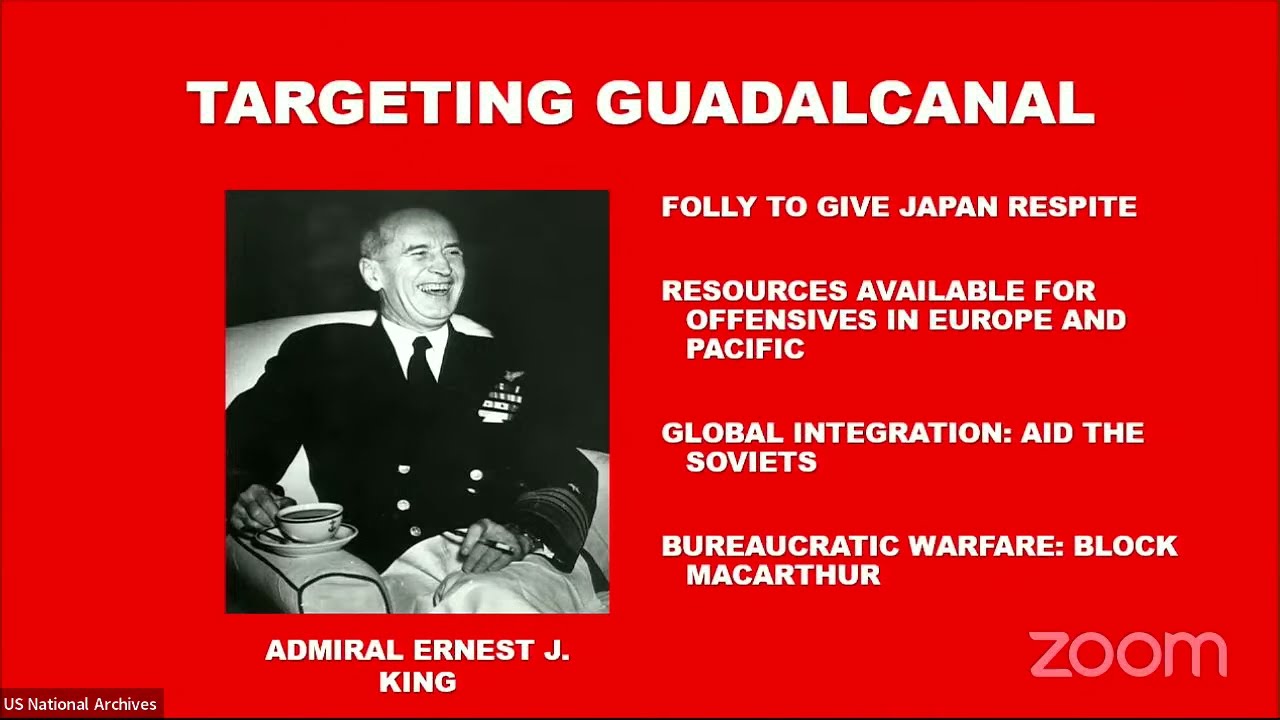
Guadalcanal spans 2,047 square miles and became the site of the first major land defense against Imperial Japan during World War II.
A new group of Army nurses arrives in Korea, quickly assigned to hospital duties while adapting to the challenges of military life.
At the National Archives, veterans and their families can access essential documentation to support their claims and benefits through the Know Your Records program.
In 1314, an estimated 8,000 Scots faced an English army of at least 12,000 men at the Battle of Bannockburn, a key conflict in Scotland's fight for independence.