From over 100,000 films, discover the handful you'll love.
Free or premium access to the world's largest documentary library.
2821 films(Page 20 of 59)
In spring 1945, Allied forces, including Patton's US Third Army, encountered Nazi concentration camps like Auschwitz and Bergen-Belsen, revealing the Holocaust's grim reality.
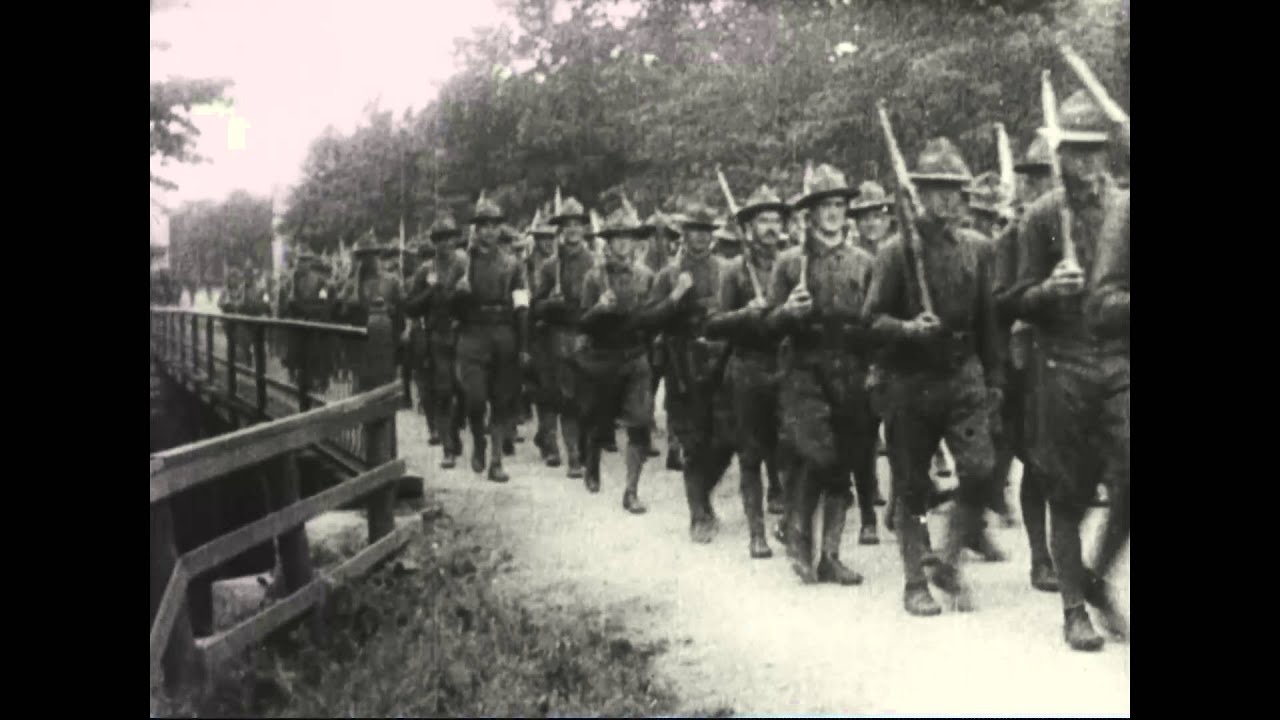
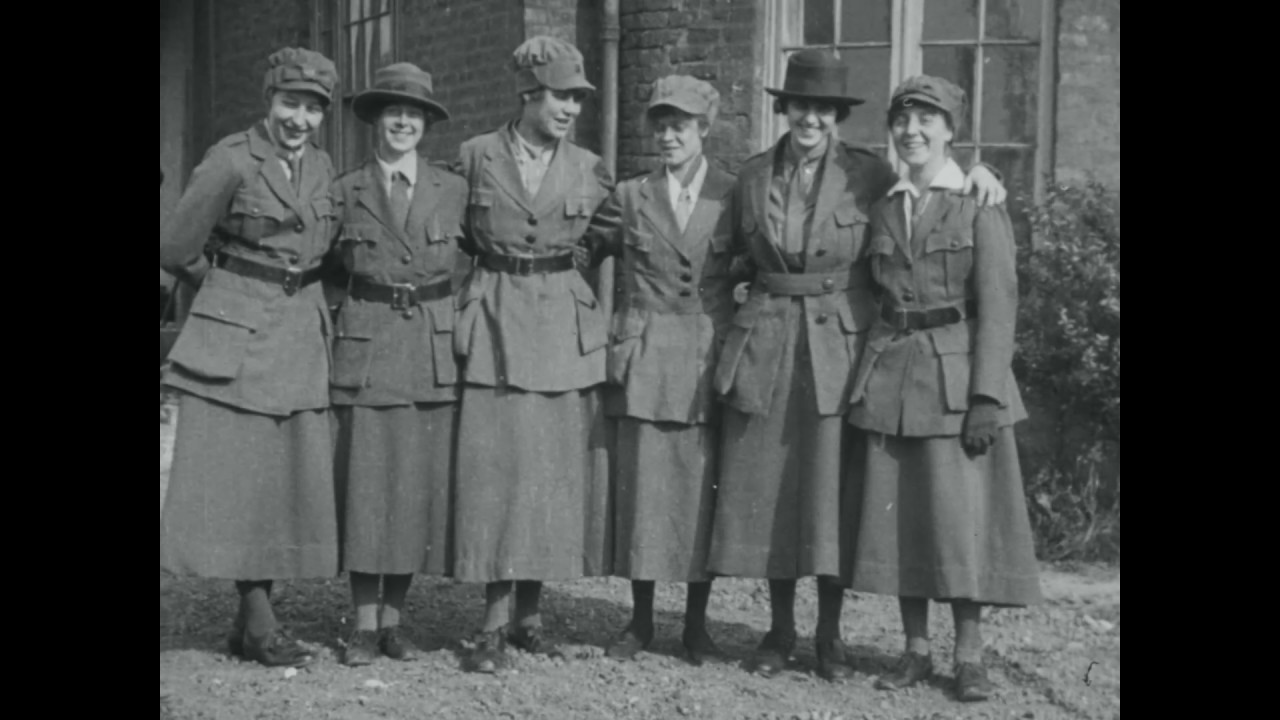
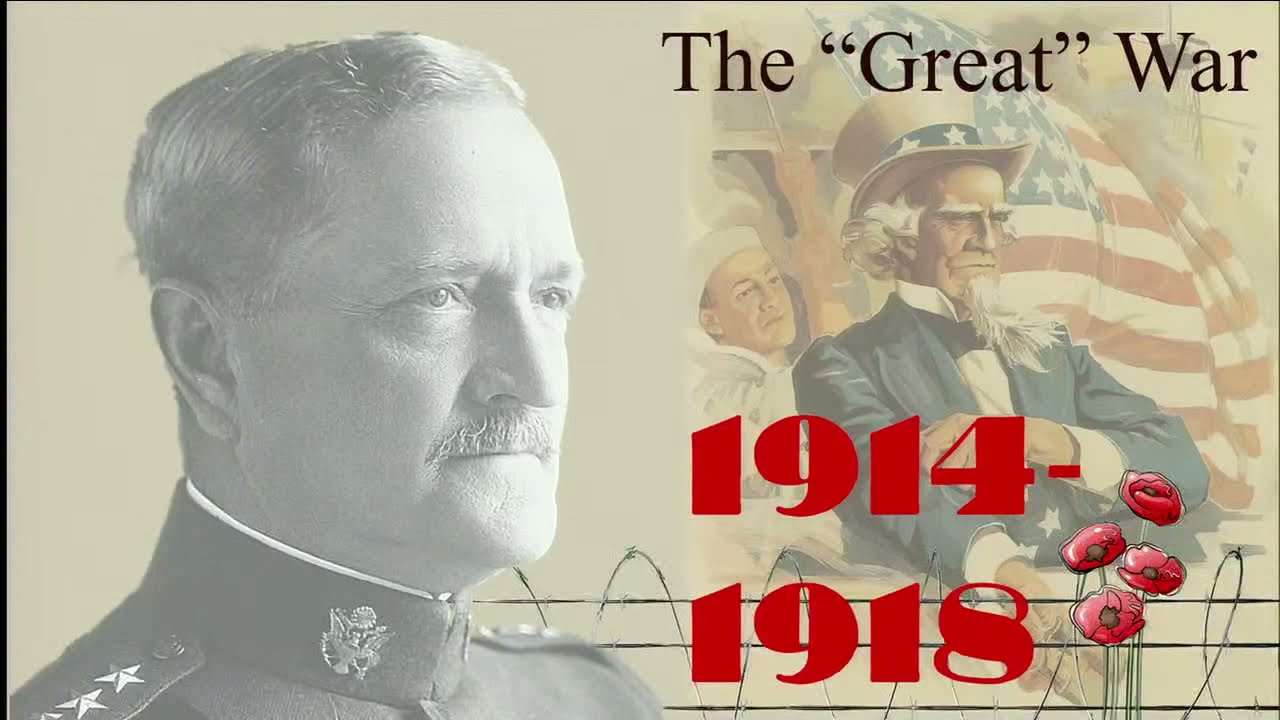
World War I is depicted through silent footage showcasing U.S. troops, including General John J. Pershing, in various military and logistical activities across Europe.
In 1943, the United States Army Air Forces (USAAF) underwent significant expansion, evolving into a formidable global military power during World War II.
Animated maps illustrate the strategic movements of German and Allied forces during the Battle of L'Aisne, highlighting key events from May 27 to June 16, 1918.
France's Charles de Gaulle aircraft carrier, the most powerful vessel in its navy, utilizes advanced catapult technology to launch fighter jets efficiently.
Archives technicians Aaron Arthur and Kaitlyn Crain Enriquez provide strategies for researching World War II military unit photographs at the National Archives.
128 aircraft from six countries participate in the largest air combat exercises at Nellis Air Force Base in Nevada, known as Red Flag.
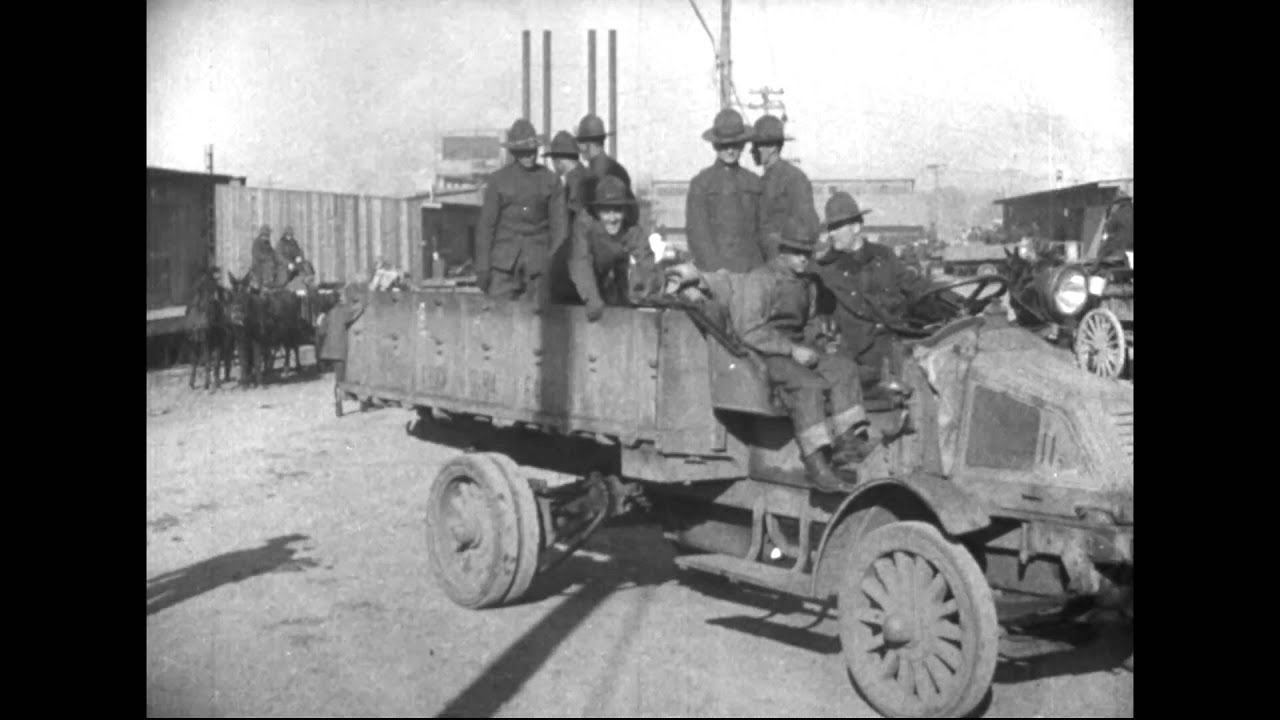
Camp Sherman in Ohio served as a training ground for draftees during World War I, showcasing various military activities and daily life from 1917 to 1918.
Ho Chi Minh declared Vietnam's independence on September 2, 1945, borrowing language from the American Declaration of Independence.
James Stewart narrates an overview of the U.S. Air Force's missile program, highlighting its strategic significance during the Cold War.
On October 17, 2017, Medal of Honor recipients Michael E. Thornton, Thomas R. Norris, and Clarence E. Sasser shared their Vietnam War experiences at the George W. Bush Presidential Library.
Melvin Laird's role as Secretary of Defense from 1969 to 1973 is analyzed through discussions moderated by Erin Mahan and featuring insights from Richard A. Hunt.
Operation Overlord details the strategic planning and execution of the D-Day landings on June 6, 1944, highlighting General Eisenhower's forces against Hitler's Atlantic Wall.
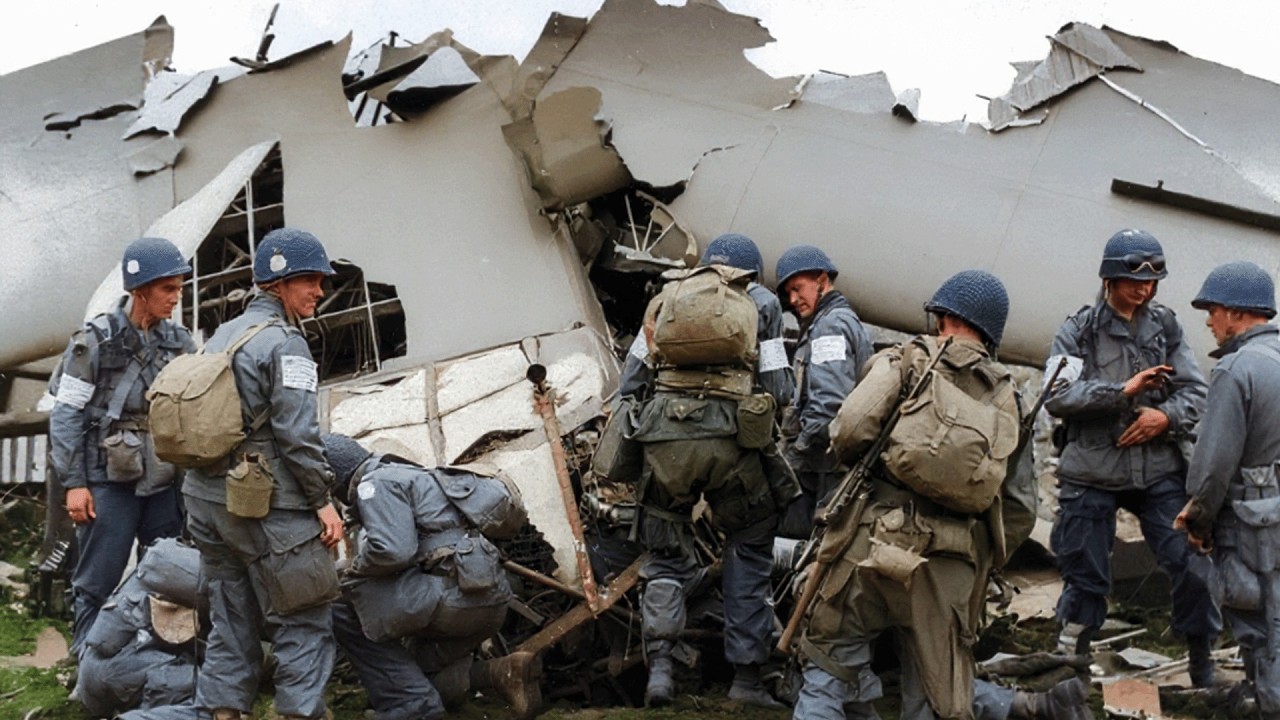
Operation Market Garden's second day saw British Paratroopers fighting at Arnhem bridge while US and British forces faced fierce German resistance along "Hell's Highway."
In 1917-1918, prominent figures such as President Wilson and General Enoch H. Crowder participated in the draft process, showcasing recruitment and internment activities during World War I.
In early 1945, the final months of World War II saw the Soviet advance into East Prussia, the sinking of the Wilhelm Gustloff, and the Battle of Iwo Jima.
During the Vietnam War, U.S. Marines of the 2nd Battalion, 4th Regiment, known as The Magnificent Bastards, fought against the North Vietnamese Army at Dai Do from April 30 to May 2, 1968.
In post-World War I Germany, the 2nd Division of the U.S. Army conducts military exercises, inspections, and community interactions from December 1918 to September 1919.
In Lorraine from January 15 to April 3, 1918, U.S. troops, including the 18th Infantry and 6th Field Artillery, engaged in trench warfare and logistical operations.
In January 1945, the brutal siege of Budapest marked a decisive phase in World War II, coinciding with major German counter-offensives and the Soviet Vistula-Oder offensive.
The U.S. National Archives and Records Administration hosted the Virtual Genealogy Fair 2014, featuring sessions on family research, military records, and the Freedom of Information Act.
Military activity of the 86th Fighter-Bomber Group during the invasion and capture of Sicily in World War II is documented through various scenes of destruction.
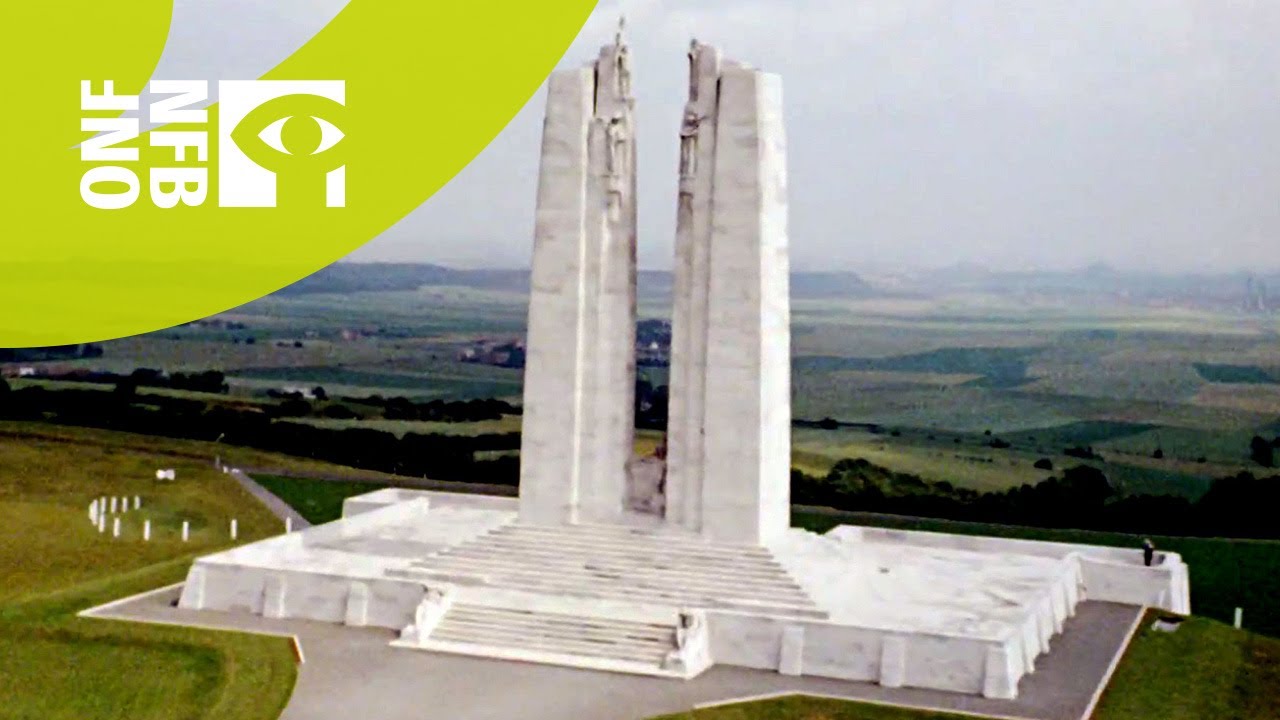
Battlefields across Europe and Asia, where over 100,000 Canadian soldiers perished in the World Wars, are explored alongside their cemeteries.
U.S. troops participate in various events across England in 1918, including a July 4th celebration in London and hospital visits in Liverpool.
Karl Dönitz's brief leadership of the Flensburg Government following Adolf Hitler's suicide in April 1945 highlights the chaotic surrender of German forces in Europe.
Operation Crossroads, the Japanese surrender, and the Tokyo Trials are examined in three episodes highlighting lesser-known aspects of the Pacific War's conclusion.
A.E.F. activities in France during World War I are documented, showcasing troop movements, inspections by General Pershing, and military preparations.
The B-52 bomber has performed its mission for almost 80 years, making it the longest-serving bomber in history.
Step into the T-38 Talon cockpit and follow NATO students at Sheppard Air Force Base.
In 1921, a single unknown soldier was chosen to represent the thousands of unidentified American soldiers lost in World War I and was laid to rest at Arlington National Cemetery.
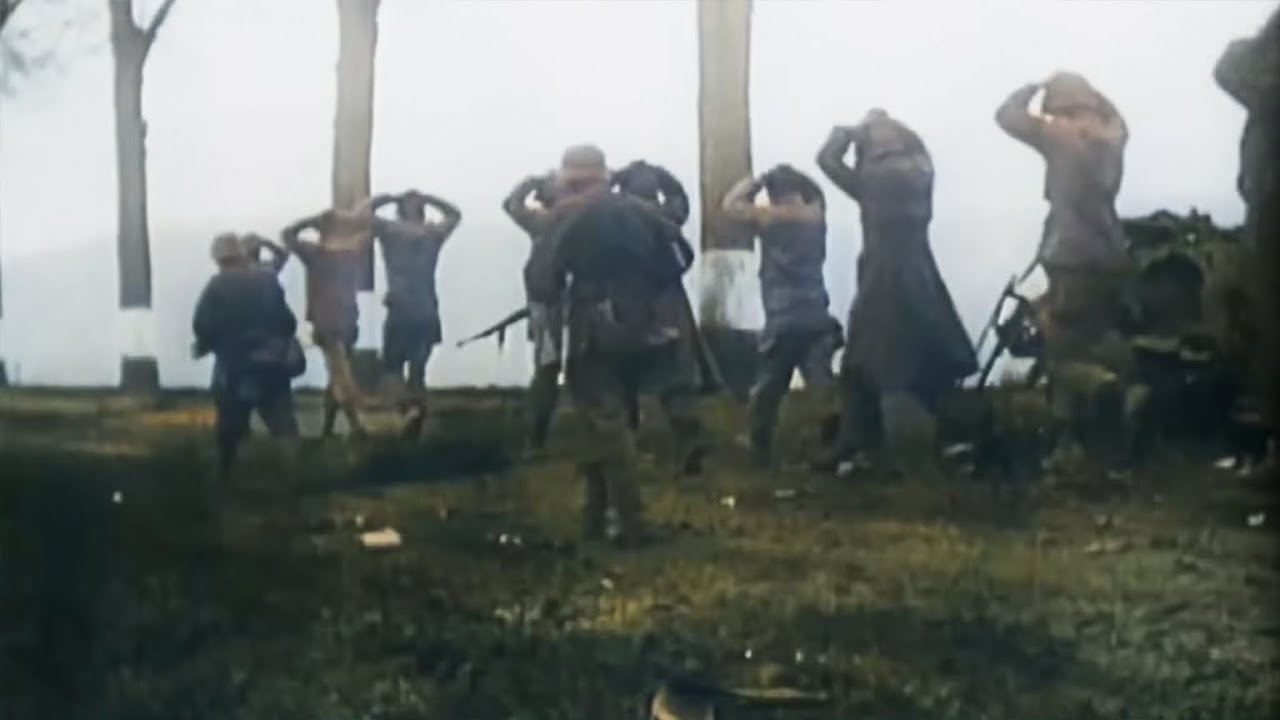
The Battle of the Bulge in December 1944 marked a significant German offensive, culminating in the Malmedy Massacre of American POWs.
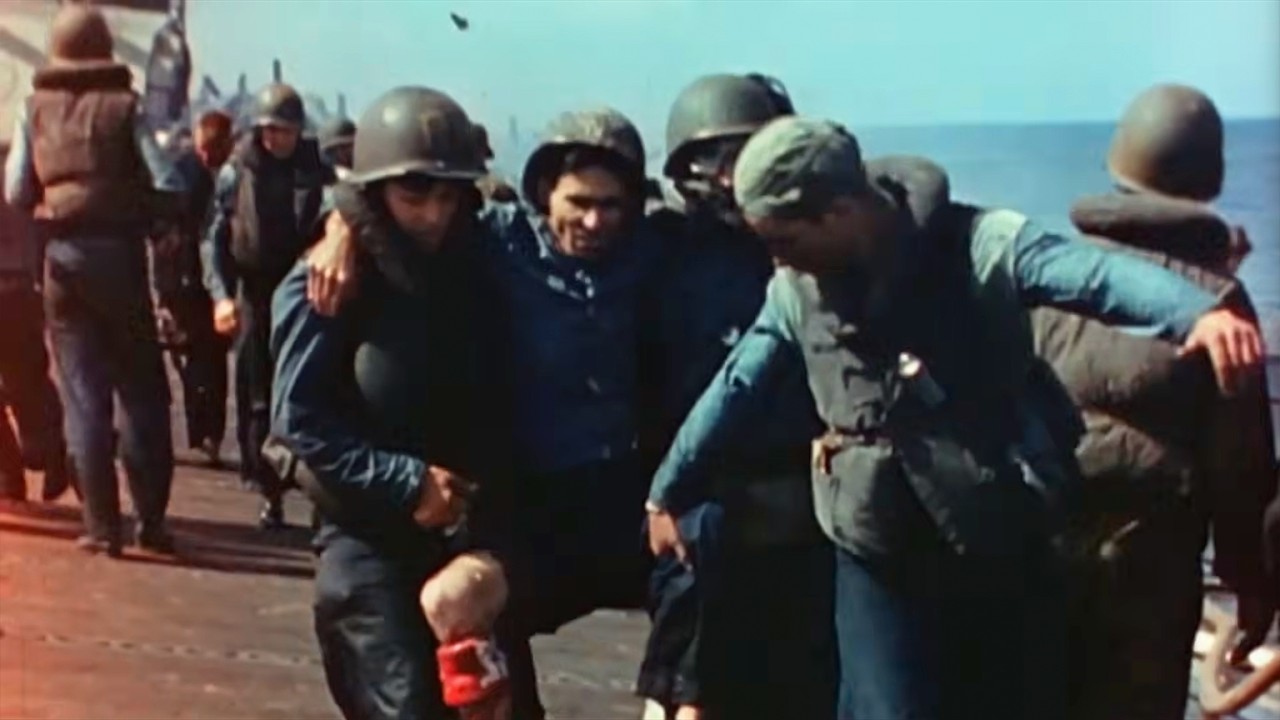
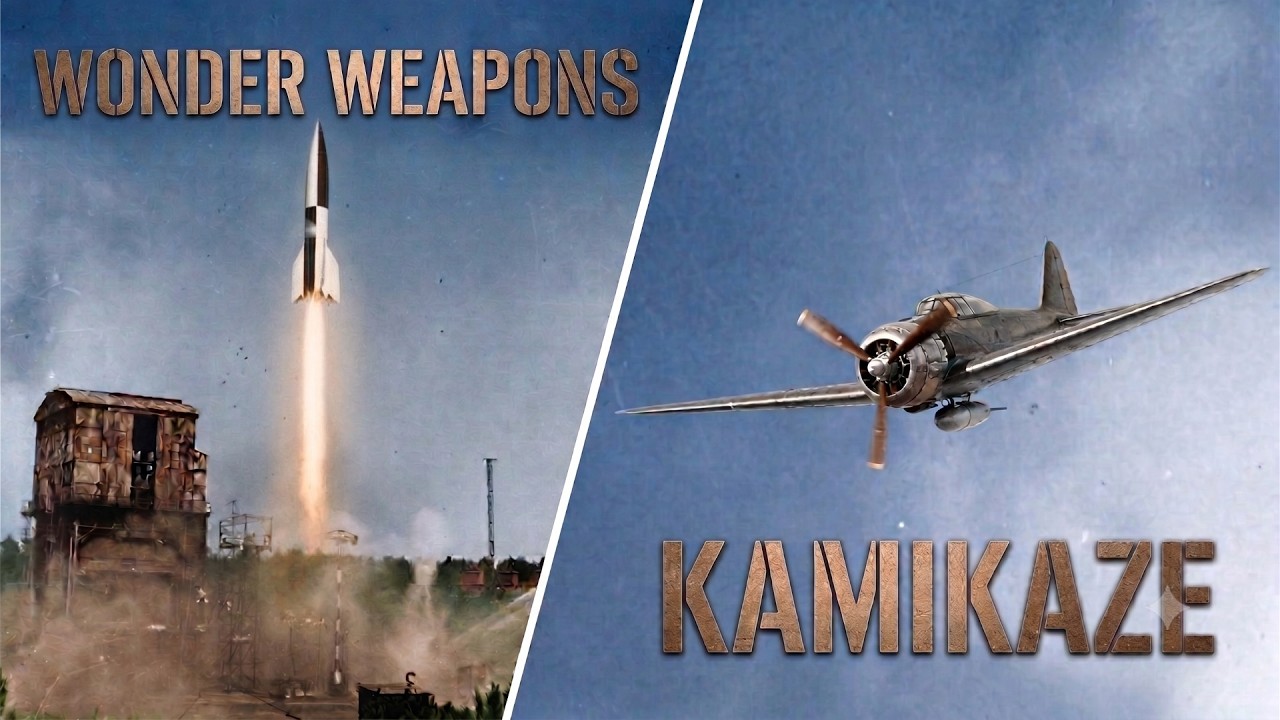
Aerial warfare during World War II transformed military strategy, featuring Germany's V-weapons, Japan's kamikaze attacks, and the atomic bombings of Hiroshima and Nagasaki.
The Battle of the Somme, beginning on July 1, 1916, resulted in catastrophic losses for British and French forces due to strong German defenses and machine gun fire.
The Boeing B-29 Superfortress played a crucial role in the United States Army Air Forces' strategic bombing campaigns during World War II, influencing the outcome of the conflict.
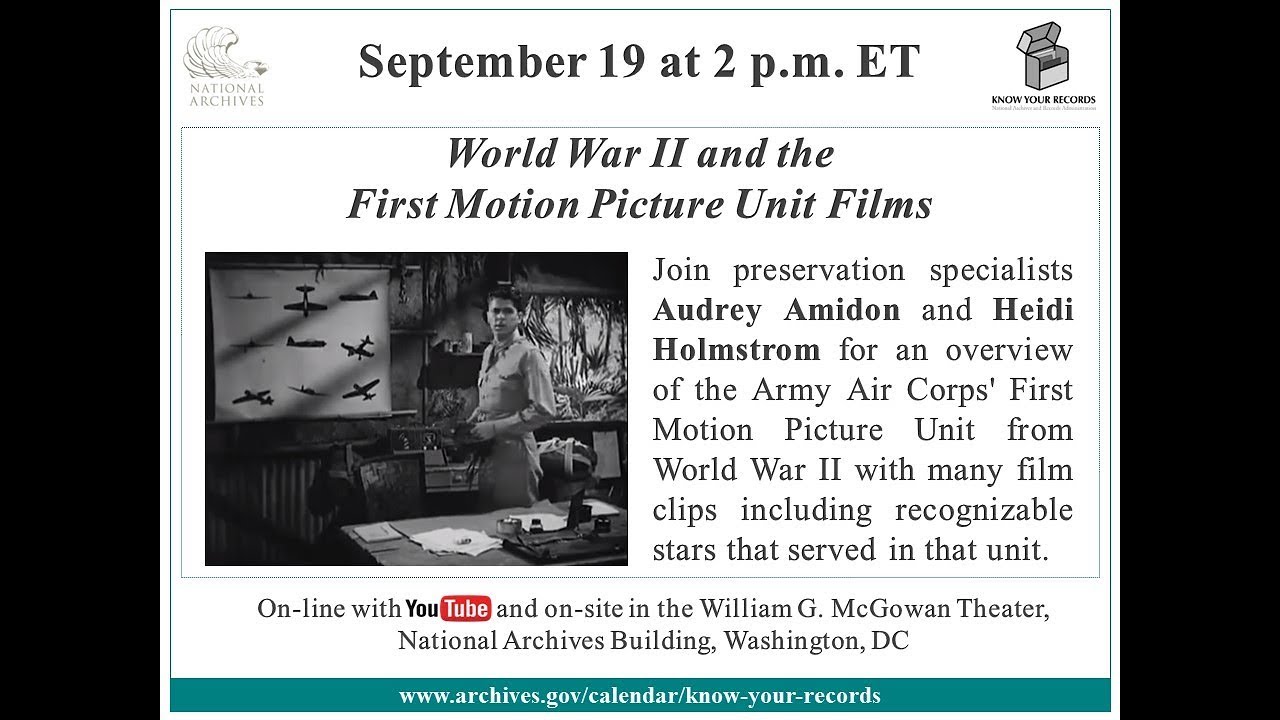
The Army Air Corps’ First Motion Picture Unit during World War II is examined through film clips featuring notable stars who served in that unit.
Successful test drops of torpedoes were made at 2,000 feet with a speed of 350 knots, improving their performance during World War II.
Rare archival footage and declassified documents reveal the intense espionage, nuclear threats, and proxy wars that defined the Cold War between the United States and the Soviet Union.
Human torpedoes and midget submarines played crucial roles in World War II, highlighting the bravery of their crews and the evolution of tank warfare.
Andrew Higgins, a New Orleans boatbuilder, revolutionized amphibious warfare with his innovative landing craft, crucial to the success of the D-Day invasion.
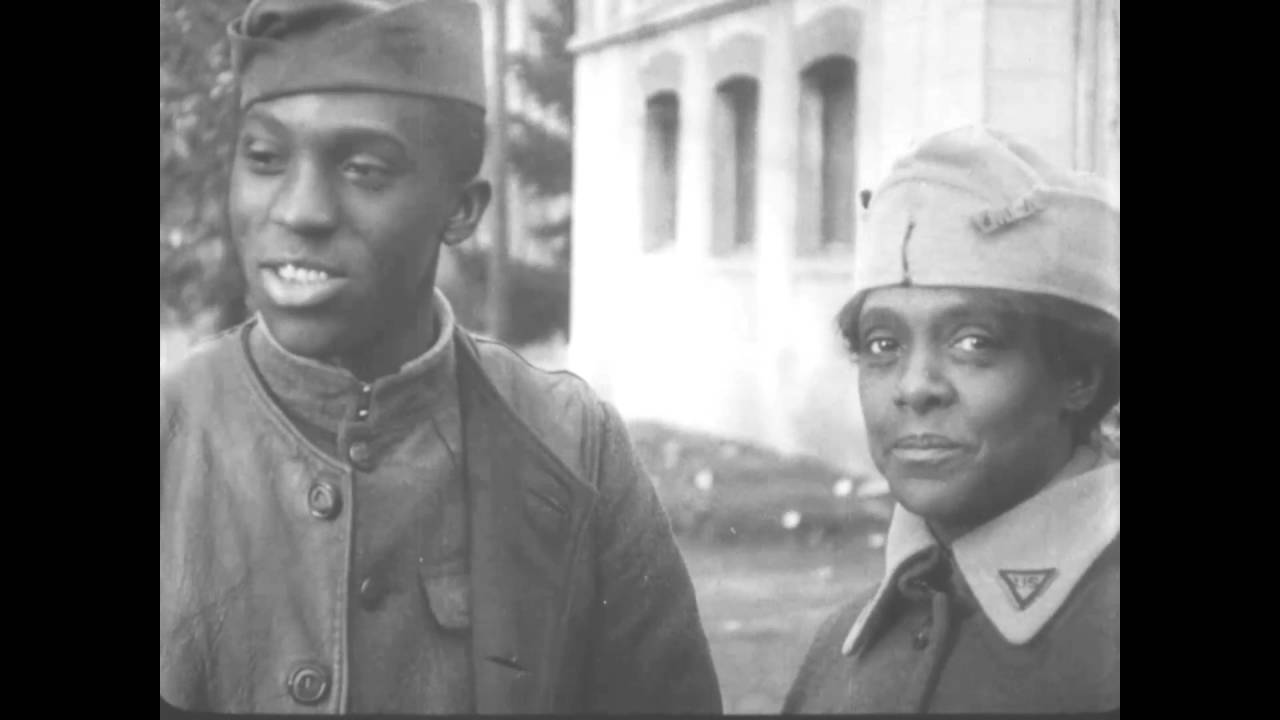
U.S. soldiers in post-World War I France engage in leisure activities, touring landmarks and participating in social events organized by the Y.M.C.A. and Knights of Columbus.
Operation Market Garden, an Allied offensive in September 1944, aimed to secure a bridgehead over the Rhine River but ultimately failed due to underestimated German defenses.
Winston Churchill's leadership during 1941 is examined alongside the British Empire's defeats in Singapore and North Africa, highlighting both strategic successes and failures.
On November 11, 2021, the United States marked the 100th anniversary of the burial of the unknown soldier at Arlington National Cemetery.
The Battle of Watling Street, fought around 61 AD, marked a bloody clash between the Roman army and Celtic tribes in central England.
Washington's Civil War forts, including Fort Stevens, played a crucial role in protecting the capital and later transformed into the Fort Circle Parks.
Nicholas Reynolds, a former CIA officer, argues that no one had written a comprehensive history of American intelligence in World War II until now.
On June 27, 1864, Union General William Tecumseh Sherman ordered an assault on Confederate forces at Kennesaw Mountain, a key strategic location for capturing Atlanta.
In 1907, the United States Army purchased its first military plane from two bicycle mechanics, marking the beginning of military aviation in America.