From over 100,000 films, discover the handful you'll love.
Free or premium access to the world's largest documentary library.
2821 films(Page 9 of 59)
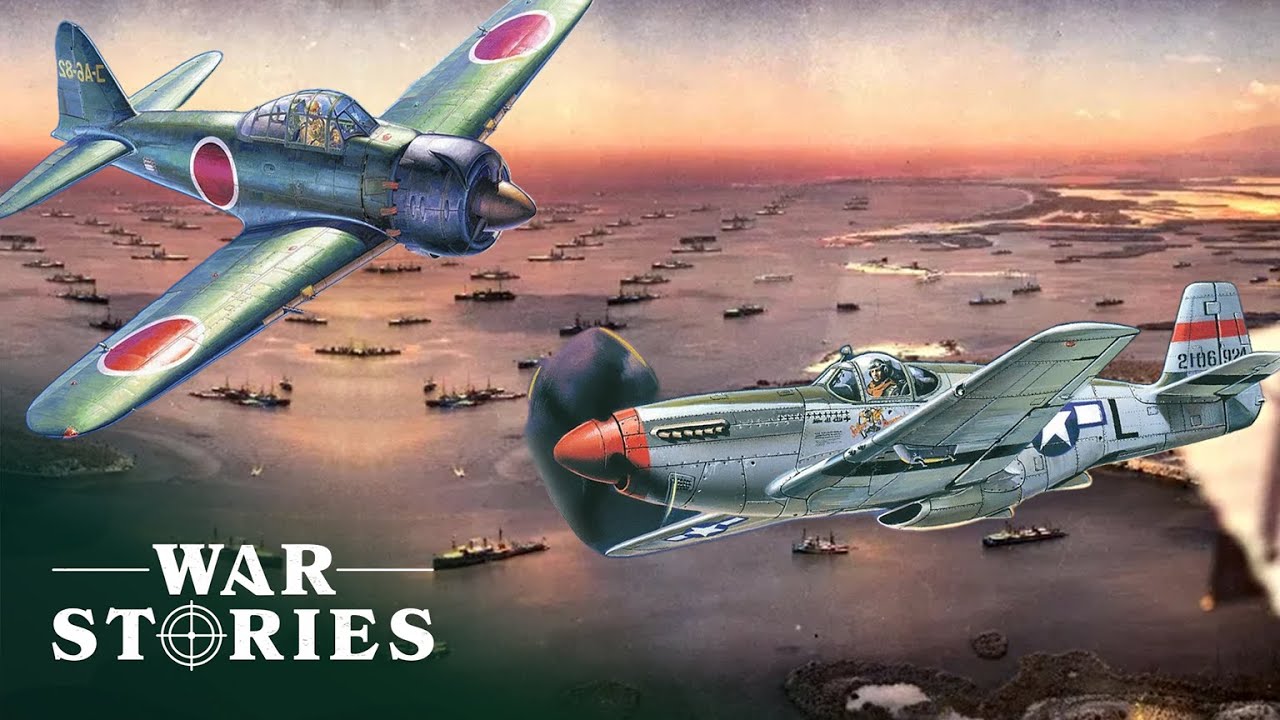
Aerial operations played a crucial role in the Pacific Theatre of World War II, significantly influencing the outcome of key battles across vast oceanic territories.
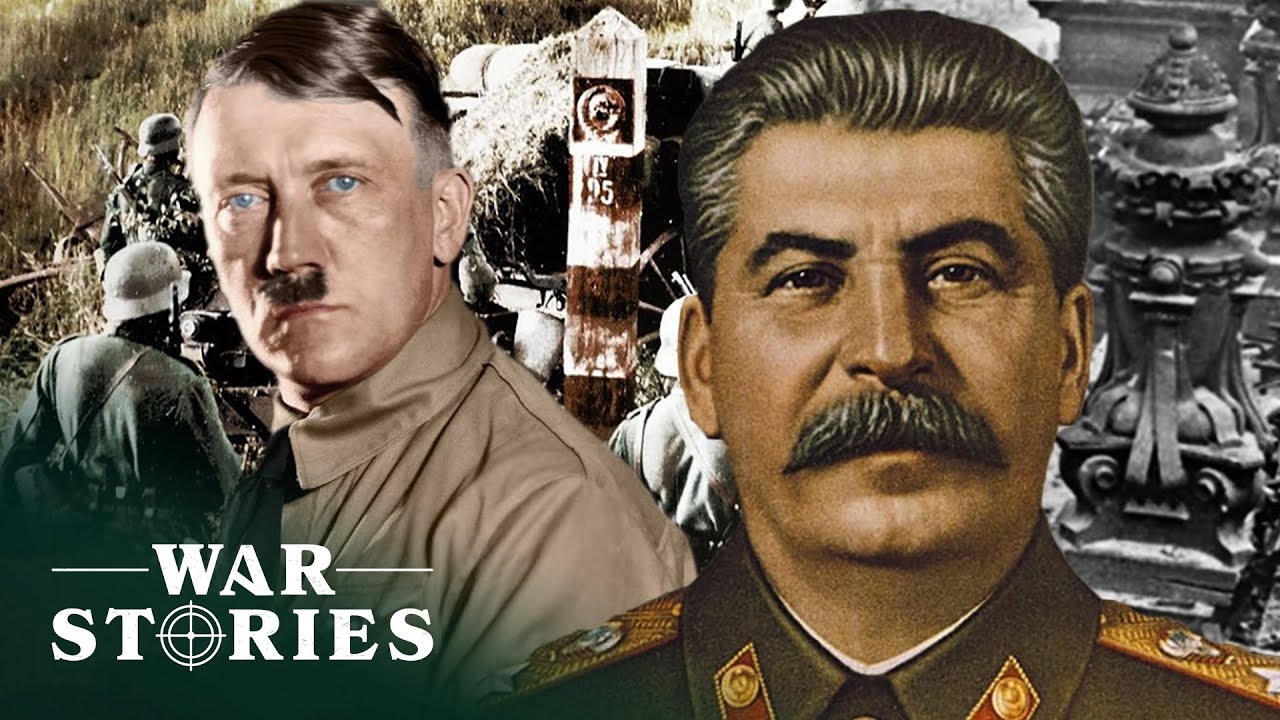
In June 1941, Hitler launched Operation Barbarossa, invading the Soviet Union across a thousand-mile front with the aim of quickly defeating Stalin.
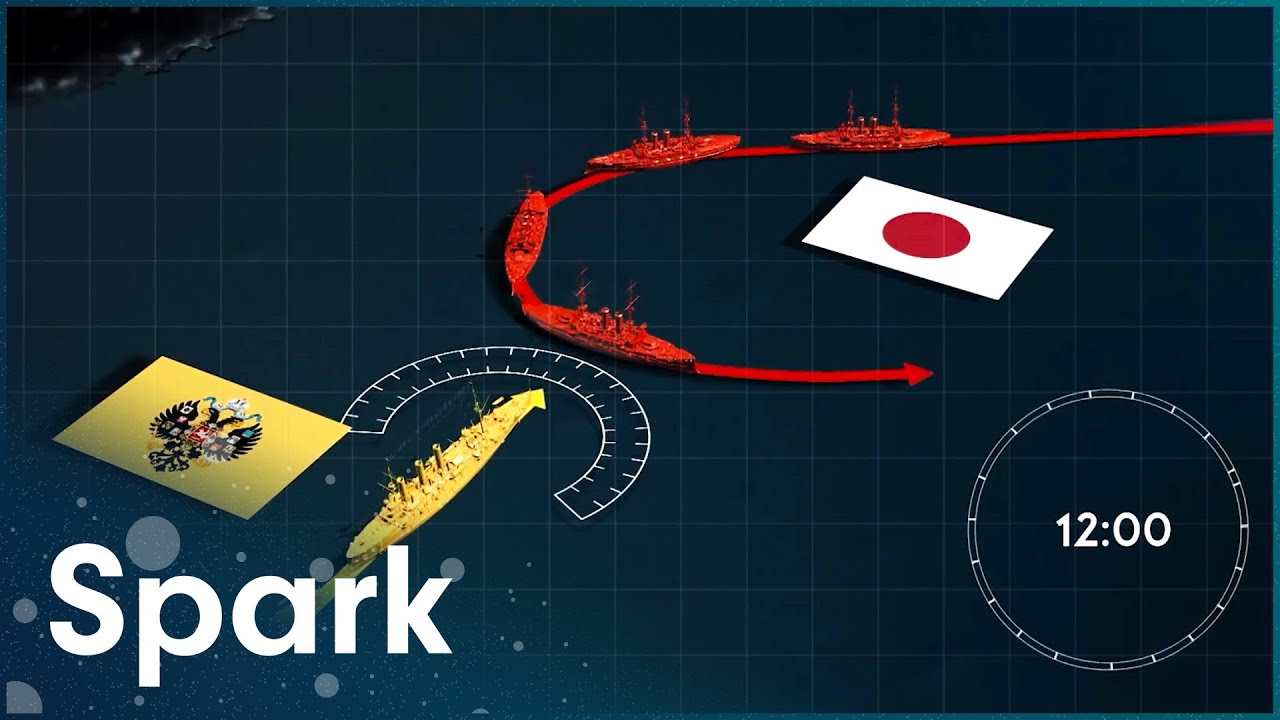
Japan's fleet, led by Admiral Togo on the Mikasa, defeats Russia in the Tsushima Strait.
In May 1945, the Battle of Berlin marked the brutal end of World War II in Europe as Soviet forces overwhelmed Hitler's defenses, leading to the fall of the Nazi regime.
The Russians prepared a total of five main defensive lines around Kursk, with the first two positioned just 10 to 12 miles apart.
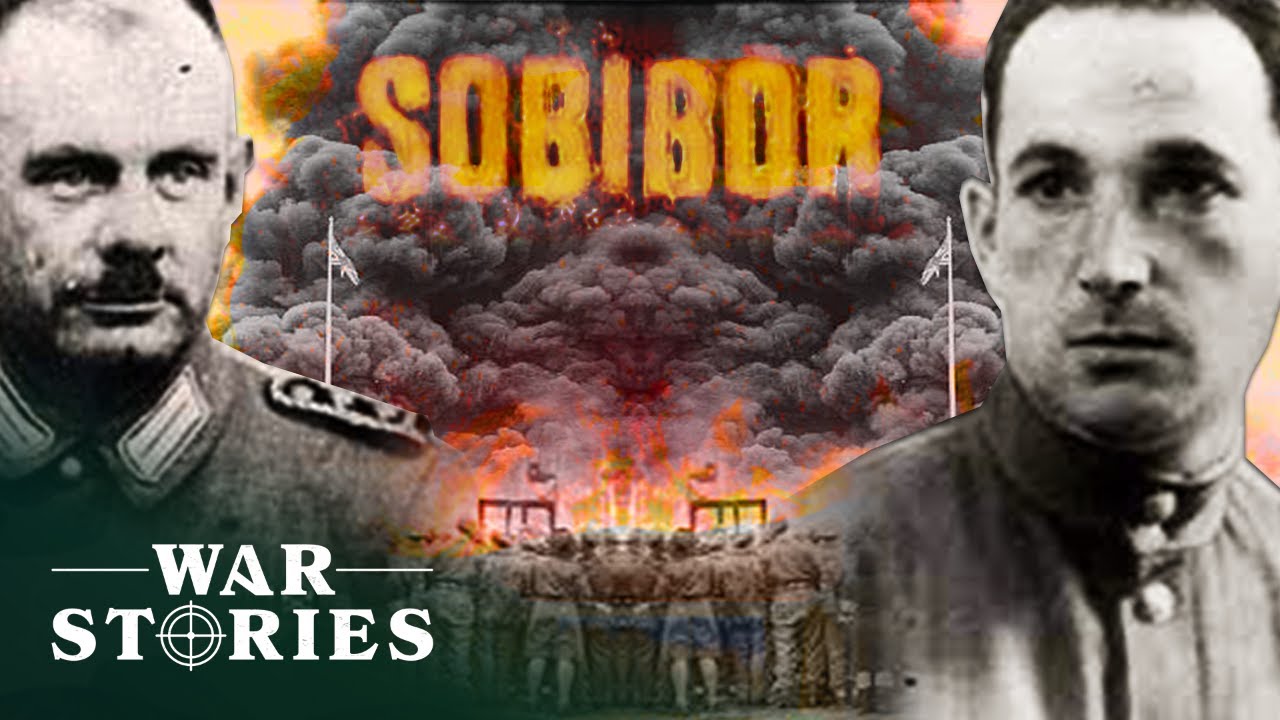
In the Sobibor death camp, Leon Feldhendler orchestrates a daring escape plan to liberate himself and hundreds of fellow prisoners from Nazi control.
In East Anglia during World War II, the US Air Force executed meticulously planned missions against German targets, as narrated by Ronald Reagan.
On May 20, 1941, over 500 German transport planes and 70 gliders carried the first wave of 13 parachute battalions to invade Crete.
At the onset of World War I, major powers like Germany, France, and Britain were equipped with advanced military technology, including artillery, ships, and aircraft, setting the stage for unprecedented conflict.
American aircraft carriers, particularly the USS Enterprise, played a pivotal role in reversing Japan's naval dominance during World War II through superior wartime production.
The USS Texas, launched in 1912, served as the most decorated US Navy ship of World War II, supporting major operations on both the Western and Pacific fronts.
Fast attack boats, including E-boats and US PT boats, played a crucial role in naval battles across the English Channel, North Sea, and Pacific during World War II.
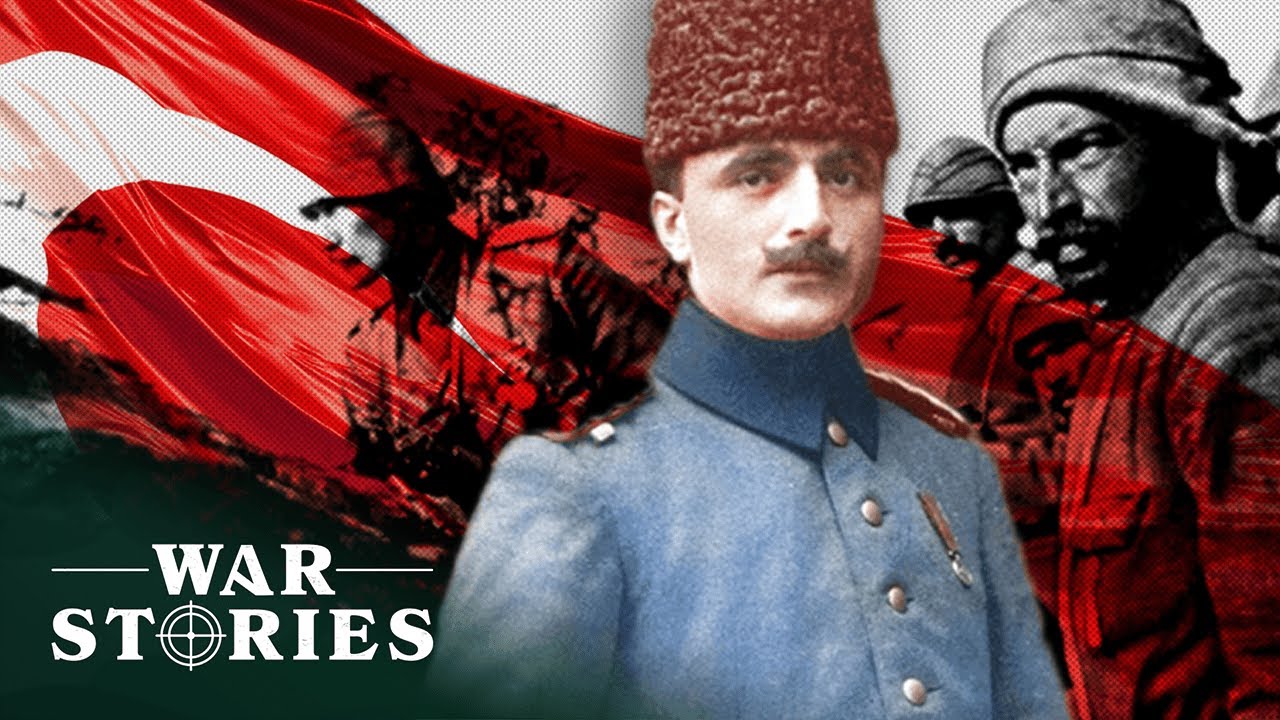
In 1915, the Ottoman Empire achieved a surprising victory over British forces at Gallipoli, highlighting strategic errors made by the West.
In 1941, Joseph Stalin's disbelief in Hitler's intentions led to a delayed response to Operation Barbarossa, despite numerous warnings, ultimately shaping the course of World War II.
Michael Wittmann, known as the Black Baron, was killed during the Battle of Villers-Bocage on August 8, 1944, raising questions about the identity of his killer.
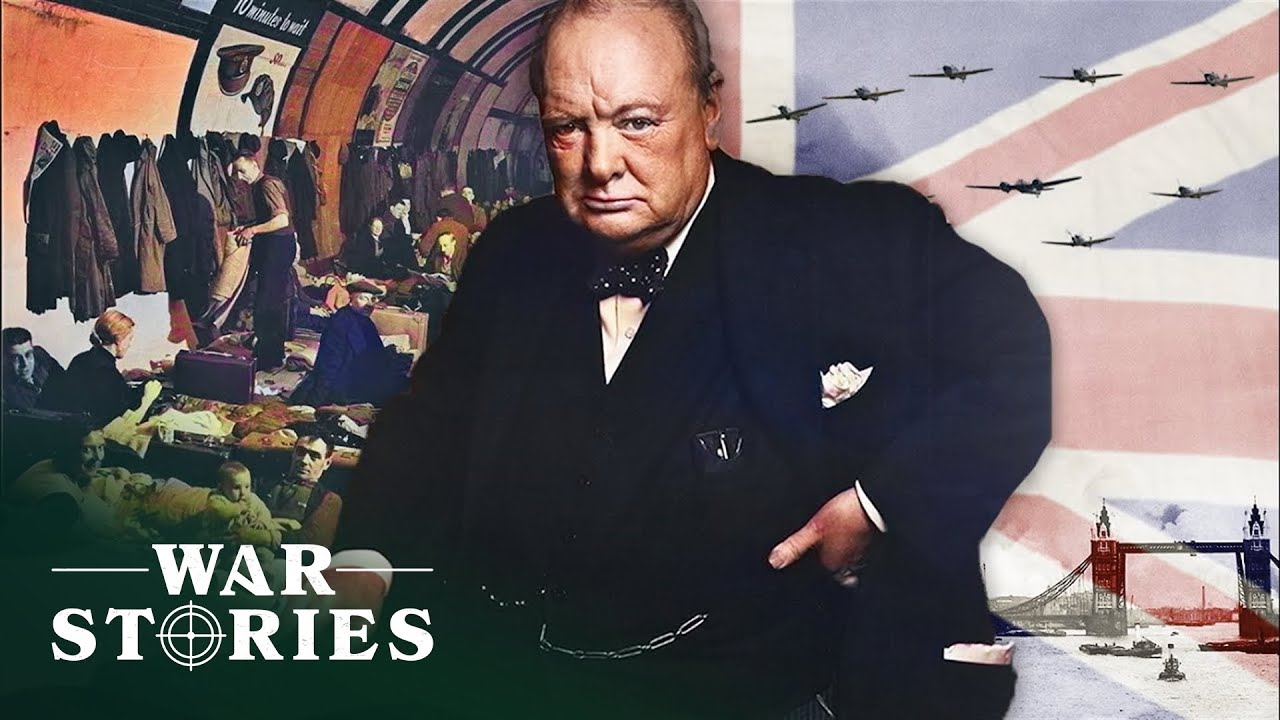
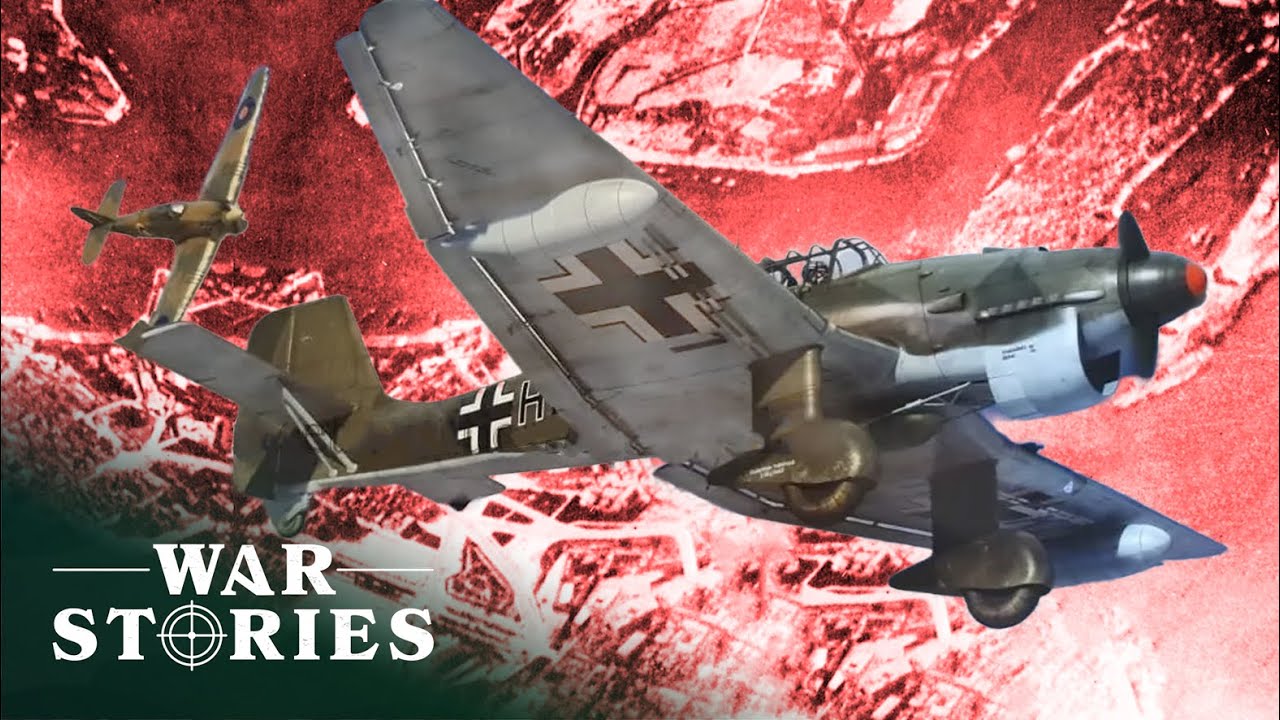
In September 1940, Hitler's Luftwaffe launched a massive bombing campaign against London and Britain's industrial centers, prompting a determined British response.
A group of civilians undergoes 12 weeks of rigorous training to become soldiers in the Canadian Armed Forces, directed by Jean-François Caissy.
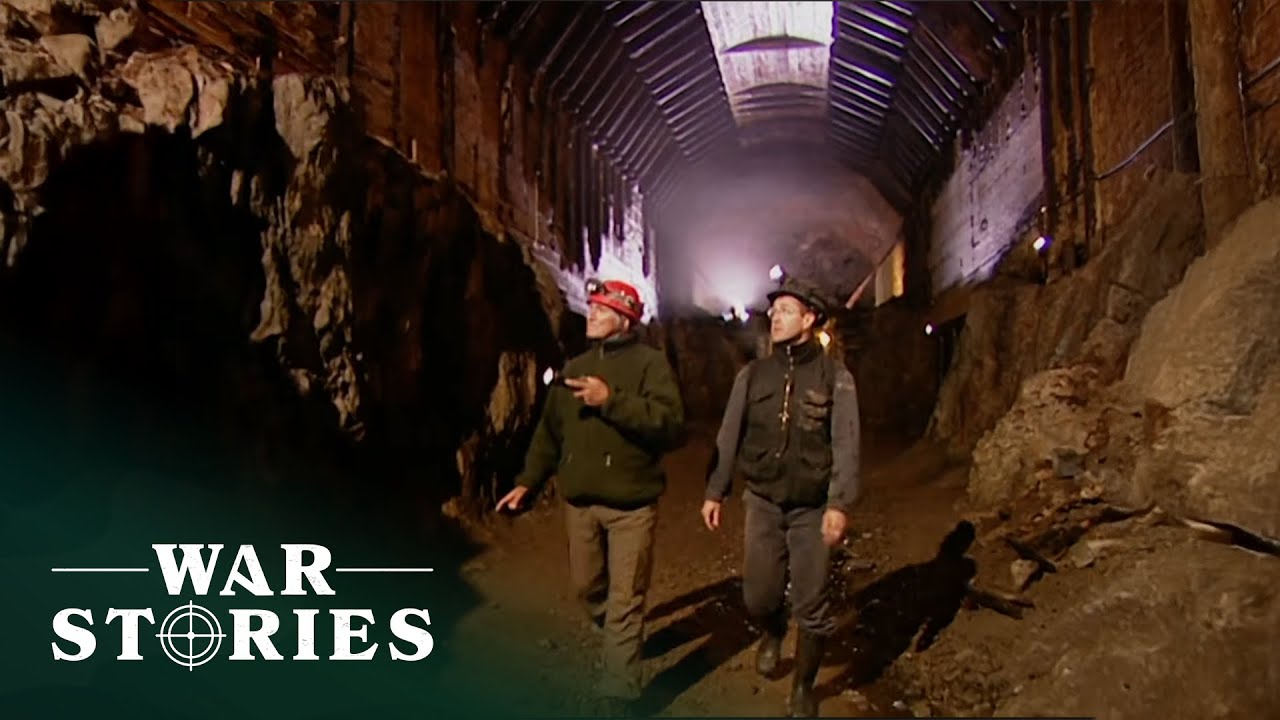
Project Riese, an unfinished Nazi underground city in Poland, features extensive concrete tunnels and bunkers intended to shelter 20,000 people.
In 1944, American forces implemented the island hopping strategy in the Pacific, targeting the heavily defended Marshall Islands and engaging in the Bougainville campaign under General Douglas MacArthur.
On August 7, 1942, five of the eight Wildcats under American pilot James 'Pug' Southerland's command were lost during a fierce dogfight over Guadalcanal.
The Battle of Okinawa highlighted the crucial role of American aircraft carriers and battleships in weakening Japanese defenses, facilitating a successful ground invasion.
Guy Martin has five months to build a 30-ton tank and aims to drive it at Lincoln's Remembrance Day parade on November 11.
The Flying Tigers provide crucial aerial defense for China during the Second World War.
Naval aviation's evolution is chronicled from its early gliders and shipboard landings in 1911 to modern supersonic jets and unmanned aerial vehicles.
After the attack on Pearl Harbor, the US Navy mobilized for extensive naval battles and land invasions across the Pacific during World War II.
On April 18, 1942, the United States executed the Doolittle Raid on Tokyo, led by Commander James H. Doolittle, as retaliation for the Pearl Harbor attack.
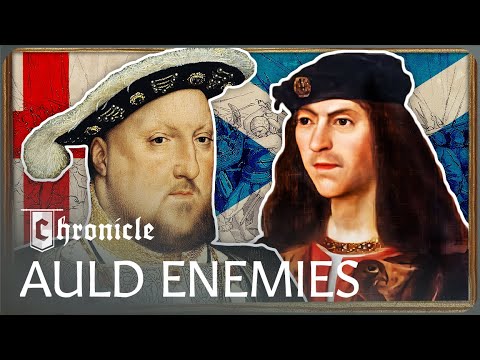
The Battle of Flodden in 1513 marked a significant defeat for Scotland against England, ignited by King Henry VIII's invasion of France and the Auld Alliance's response.
Key battles of World War II in Morocco, Egypt, and Tunisia highlight the strategic significance of North Africa in the conflict between the Allies and Axis powers.
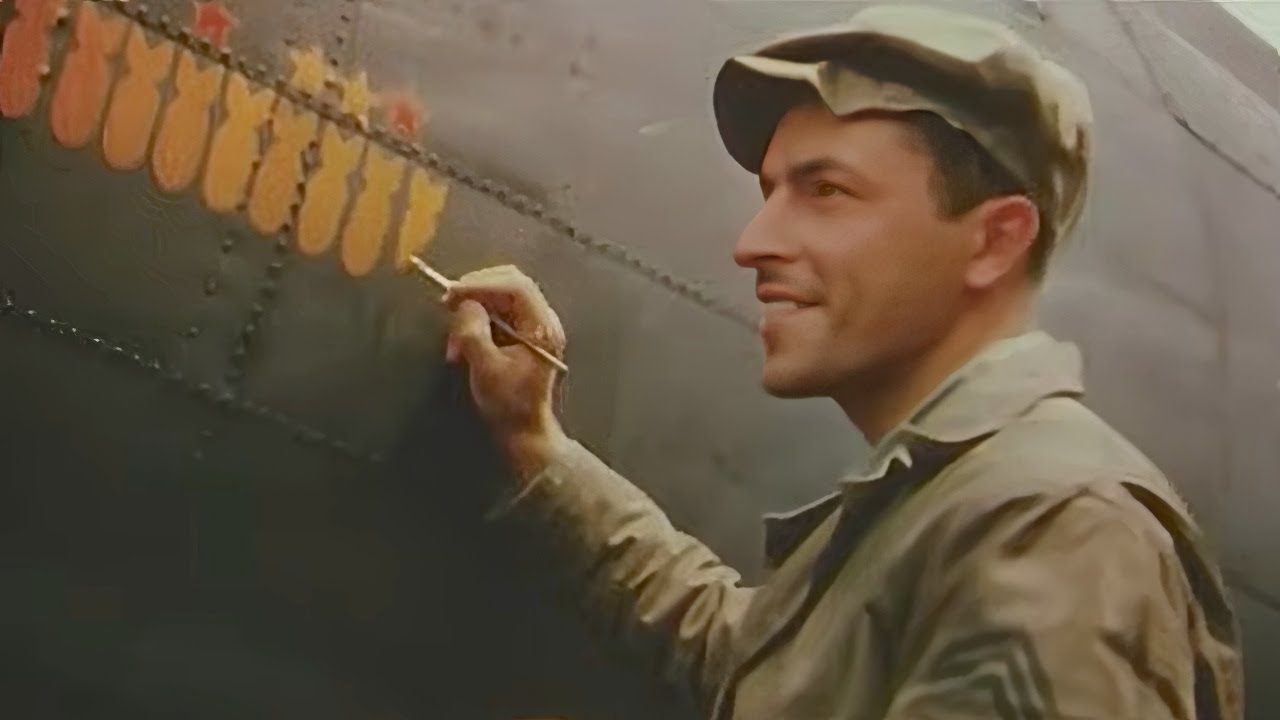
Over 140 aircraft took off in formation for bombing missions during World War II, as veterans recount their experiences of fear and loss in combat.
U.S. combat cameramen documented the dual missions of 'Hearts & Minds' and 'Search & Destroy' during key operations like Starlight, Cedar Falls, and Masher in Vietnam.
7,000 people died in the defense of Malta during World War II, a conflict that significantly influenced the outcome of the war in Europe.
The crew of the Memphis Belle completed 24 missions before their 26th and most important mission, which involved training new aircrew in America.
After the battle of Kursk, Nazi Germany faced a disastrous retreat to Berlin, marked by Hitler's insistence on fighting to the last man despite mounting losses.
Nearly 150,000 UN soldiers died during the Korean War, a conflict often referred to as "the Forgotten War."
Sam's Army highlights Sam Hughes' role in building Canada's World War I military force.
King Henry V of England achieved a decisive victory at the Battle of Agincourt in 1415, with English longbowmen contributing to significant French losses.
Hitler's U-Boats significantly disrupted Allied shipping during World War II, prompting Winston Churchill to express deep concern over the U-boat threat.
Allied air forces engage in a costly battle against the German Luftwaffe during World War II, highlighting the strategic significance of aerial combat in Europe.
The Bataan Death March involved the forced transfer of 60,000-80,000 American and Filipino prisoners of war following the surrender of Bataan to Japan in 1942.
Operation Mincemeat was an Allied strategy that used a dead body to mislead Nazi Germany about the D-Day invasion's true location along the French Coast.
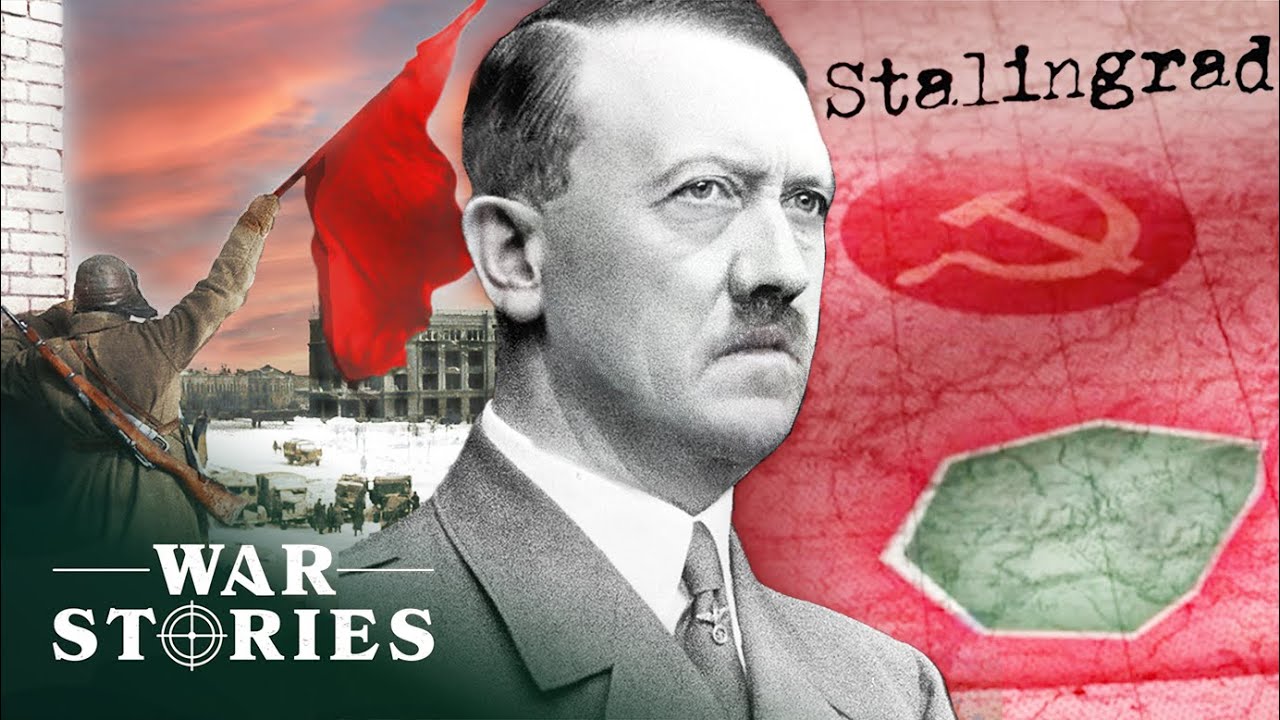
The Battle of Stalingrad marked a pivotal failure for Nazi Germany, contributing to the shift in momentum against Hitler during World War II.
Christian Roman soldiers played a significant role in the spread of Christianity, as evidenced by symbols found in ancient military sites and underground churches across the Empire.
The M4 Sherman, KV Tank, and T-34 exemplify the evolution of armored warfare during World War II, highlighting their impact on the conflict's outcome.
In January 1879, 150 British soldiers successfully defended Rorke's Drift against an overwhelming force of over 3,000 Zulu warriors during the Anglo-Zulu War.
In 1939, Hitler's Blitzkrieg strategy transformed warfare in Europe, leading to rapid military victories for Nazi Germany captured in vivid color footage.
One hundred seventy years of freedom is framed as the basis for America's fight against totalitarian regimes during World War II.
Chicago's factories and the University of Chicago's atomic research played crucial roles in supporting the Allied war effort during World War II.
Codebreaking during World War II emerged as a crucial strategy, with six episodes highlighting key battles where deciphering enemy communications determined outcomes.