From over 100,000 films, discover the handful you'll love.
Free or premium access to the world's largest documentary library.
2821 films(Page 34 of 59)
Aerial bombing tests conducted by the U.S. Air Service from 1921 to 1923 feature General Billy Mitchell and the sinking of various naval ships, including the German battleship Ostfriesland.
Aerial photography training for the U.S. Army Air Corps in 1940 focused on processing, printing, and developing aerial negatives into usable mosaics.
Lt. Gen. Benjamin O. Davis, Jr., a Tuskegee Airman, shares insights alongside stories of Air Force personnel and traditions in this episode of "Air Force Now."
Elaine Harrington is one of almost 3,000 women serving in the Royal Canadian Air Force, where she operates radar stations to protect against air attacks.
Area 51 reveals secrets of America's most covert military base and its undercover operations.
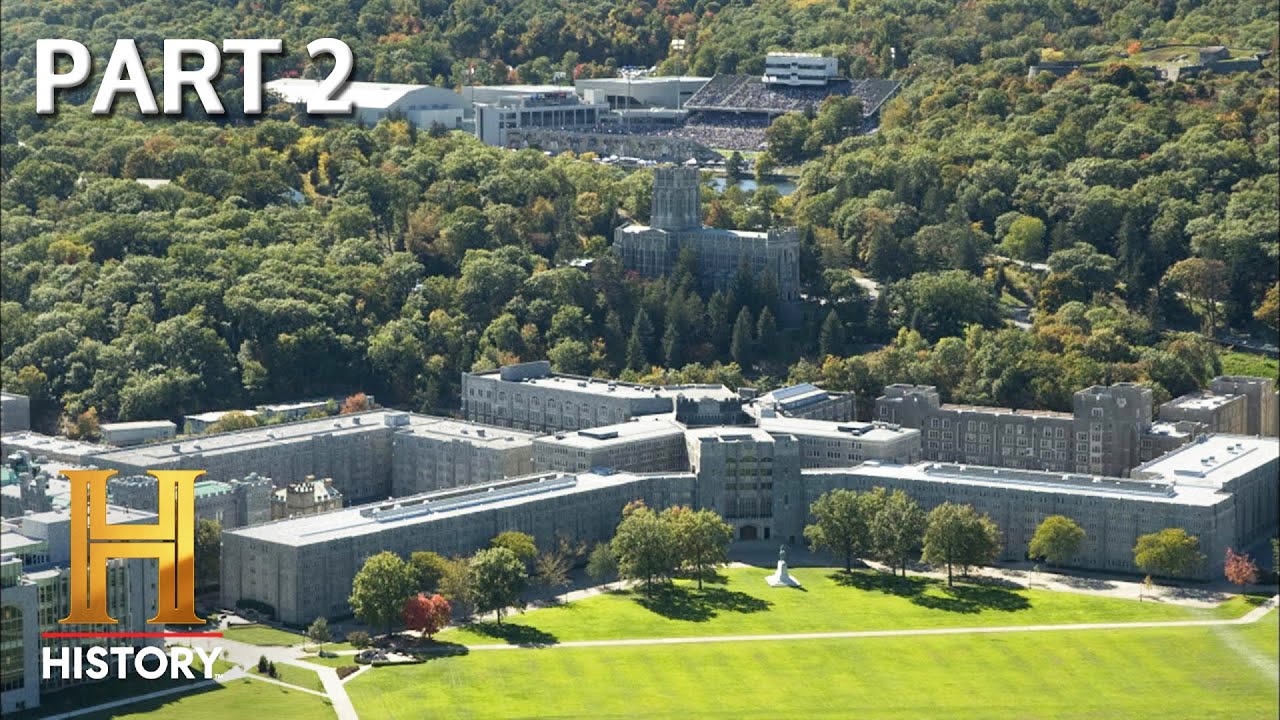
West Point reveals secrets of the most prestigious military academy in Part 1 of Season 1.
West Point reveals secrets of the most prestigious military academy in the Army.
West Point reveals secrets of the most prestigious military academy in the Army today.
Air Force One is equipped with in-flight refueling capability and advanced missile defense systems to protect the president during emergencies.
Some veterans face deportation to Mexico after serving the United States in wars like Kosovo and Iraq.
Eighteen Black soldiers, including Sergeant George Jordan, received the Medal of Honor for their bravery during the Indian Wars in the late 19th century.
The Pentagon allocates over a billion dollars annually to recruit thousands of young people, particularly in economically disadvantaged areas.
In Coblenz, U.S. Generals Allen, Pershing, and British General Moreland observe military maneuvers and engage in various activities with troops and local children.
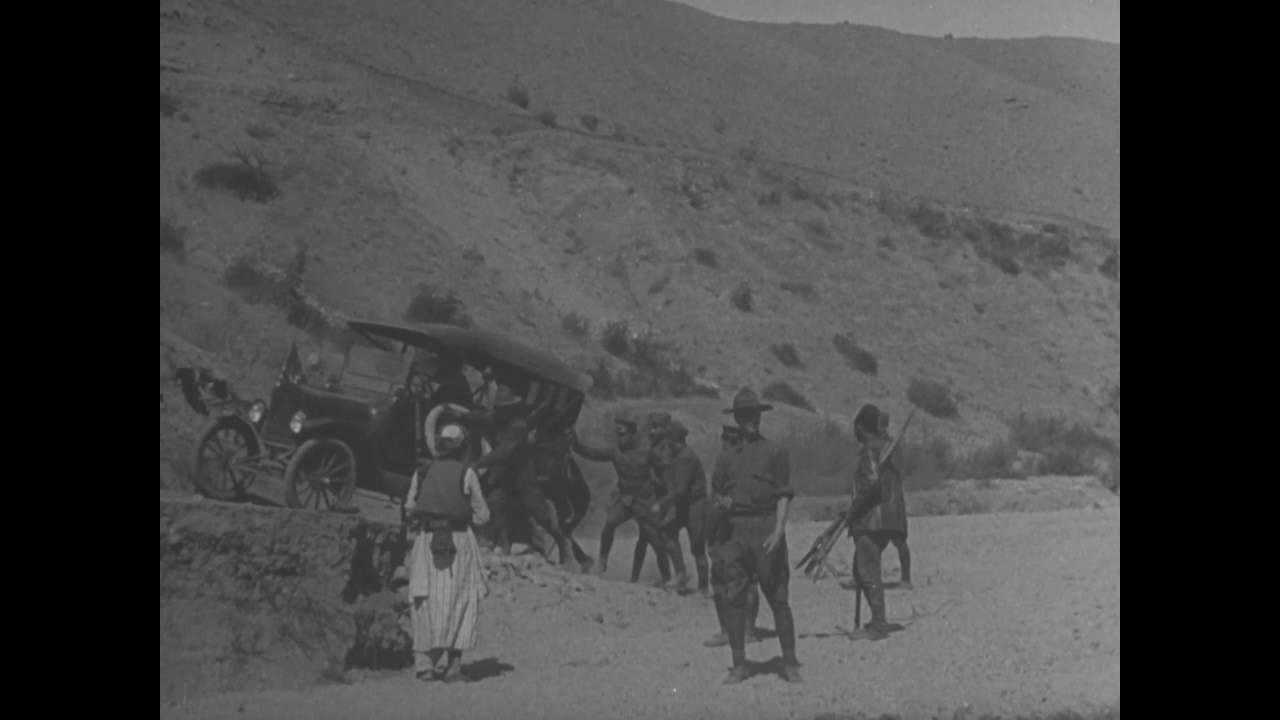
In 1919, General James G. Harbord leads a military mission through Turkey and Armenia, inspecting agricultural sites, military parades, and local customs.
Anastasia Taylor-Lind captures the lives of women in isolated communities, including Siberian supermodels and Cossack military trainees.
In 334 BC, Alexander the Great confronts the Persian forces at the Battle of Granicus, showcasing his military strategy and the fate of Macedon.
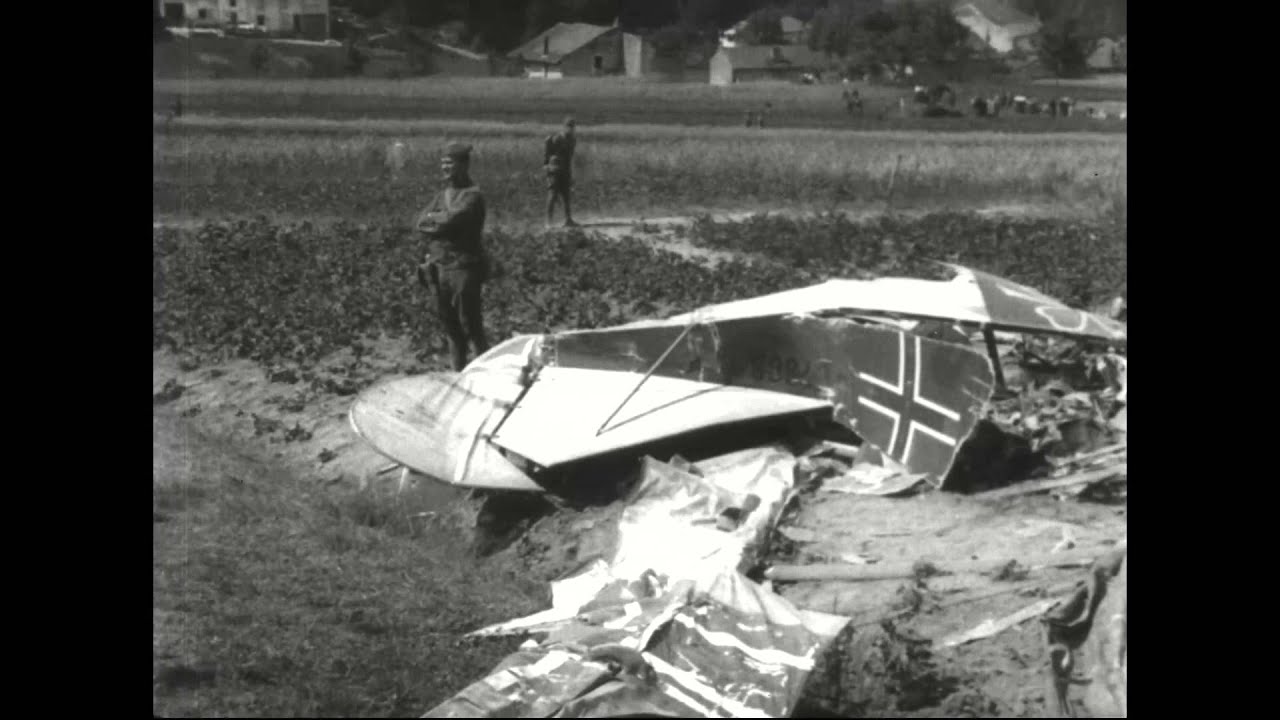
Troops of the 35th Division and French units operate antiaircraft guns and searchlights during German bombing raids in France in 1918.
Antiaircraft drills at Fort Story, Virginia, showcase the operation of sound locators, searchlights, and various artillery against glider targets.
Air strikes conducted by the U.S. Air Force on March 15 and 17, 1965, during the Vietnam War are captured in silent footage from the Army Pictorial Center.
Polling places across the U.S. are shown alongside Bob Hope voting, crowds in Times Square, and U.S. soldiers in Europe awaiting election results.
A wife receives a Silver Star for her husband, a Japanese American soldier killed in action during the Italian campaign of World War II.
290 liberators escorted by 90 Lightnings release 540 tons of bombs over enemy targets in Yugoslavia during a single day of operations.
Army Negro paratroopers are depicted in silent footage as they participate in firefighting efforts during military operations in the mid-20th century.
In 1943, wartime footage showcases U.S. military operations at Camp Claiborne, Texas, and Japanese troop movements in the East Indies and China.
High school students at Garfield High in Los Angeles spend four hours a day in class and four hours working on aircraft production for war efforts.
A million and a half new homes are scheduled to be built each year for the next decade to address the postwar housing crisis in the United States.
In 1946, the Navy Edition of the Army-Navy Screen Magazine highlights various aspects of naval operations and life under the Department of the Navy.
Twenty destroyers escort convoys of freighters across the North Atlantic, ensuring the safe transport of vital military supplies during World War II.
On March 17, 1953, the U.S. Army conducted an atomic test at Yucca Flat, Nevada, as part of its ongoing nuclear weapons program.
Air cadets in the United States during 1917-1918 engage in various training exercises, including bomb-making, aerial dogfights, and aircraft landings.
68% of returning servicemen will require industrial or other employment as they transition back to civilian life after World War II.
Britain's preparations for air attacks during World War II are illustrated through the Royal Air Force's responses and Canada's defensive measures against potential threats.
Atilla the Hun leads a vast Empire, employing ruthless tactics against the Roman cities.
Rome evolves from a small Greek city-state in the 3rd century BC into a powerful empire by the 2nd century AD, driven by military expansion and defense.
In 1917, troops from the 5th Marines and 1st Division disembark at St. Nazaire, France, as part of their arrival and unloading at the port.
Hospital wards and buildings at Savenay are shown, highlighting rehabilitation efforts for wounded soldiers during World War I, including training in various skills.
St. Nazaire's port of embarkation during World War I features Marine Gen. Doyen, the 804th Stevedore Bn., and various military and civilian activities from 1917-1918.
In St. Nazaire, trucks and portable machine shops are unloaded from the freighter Kenilworth, assembled on the dock, and showcased in various motor activities.
In St. Nazaire, Secretary of War Baker and General Pershing inspect military facilities and meet with various Congressmen and military leaders during 1918-1919.
Bordeaux's dock facilities in 1918 showcase the unloading of supplies by the 811th Stevedore Battalion, including potatoes and beef, alongside entertainment by African American troops.
In 1918, heavy artillery and military equipment were unloaded and assembled at the Bordeaux docks, including Browning rifles and portable machine shops.
In Bordeaux, the Pauillac and Genicart embarkation camps showcase stevedore troops engaging in leisure activities, food preparation, and inspections before departure.
In Bordeaux, General W.S. Scott reviews French infantry units and U.S. officers during military celebrations and parades in 1918, showcasing historical events and scenic views.
General John J. Pershing inspects U.S. troops and participates in ceremonies in Bordeaux and Libourne, France, following World War I in 1919.
In Brest, France, U.S. troops and engineers engage in various activities, including construction, fire-fighting, and memorial services during 1918-1919.
In Brest in 1918, cargo including flour, clothing, and food is unloaded from various freighters by the 129th Infantry and labor troops.
Allied troops land on the Normandy coast during D-Day, showcasing the Canadian forces' establishment on the beachhead and the subsequent battles for Caen and Falaise.
![Documentary backdrop image for Aerial Bombing of Ships [1921-1923] (2014)](https://i.ytimg.com/vi/IB-Jwys_KjE/maxresdefault.jpg)












![Documentary backdrop image for Base Section No. 1 (St. Nazaire), Arrival and Unloading of Troops [1917] (2018)](https://i.ytimg.com/vi/NEchQFrVqy8/maxresdefault.jpg)
![Documentary backdrop image for Base Section No. 1 (St. Nazaire), Hospitalization [1918] (2018)](https://i.ytimg.com/vi/pzfu_Sru79M/maxresdefault.jpg)
![Documentary backdrop image for Base Section No. 1 (St. Nazaire), Miscellaneous Scenes of Port of Embarkation [1917-1918] (2018)](https://i.ytimg.com/vi/DTzxJiW7JLs/maxresdefault.jpg)

![Documentary backdrop image for Base Section No. 1 (St. Nazaire), Prominent Visitors [1918-1919] (2018)](https://i.ytimg.com/vi/RpMj3mOZqxg/maxresdefault.jpg)
![Documentary backdrop image for Base Section No. 2 (Bordeaux), Arrival and Unloading of Supplies [1918] (2018)](https://i.ytimg.com/vi/FycsQ1lcLzU/maxresdefault.jpg)
![Documentary backdrop image for Base Section No. 2 (Bordeaux), Arrival, Unloading, and Assembling of Heavy Equipment [1918] (2018)](https://i.ytimg.com/vi/pFGLbRVby-w/maxresdefault.jpg)
![Documentary backdrop image for Base Section No. 2 (Bordeaux), Rest Camp Scenes and Amusements [1919] (2018)](https://i.ytimg.com/vi/QBRX7sjLta0/maxresdefault.jpg)
![Documentary backdrop image for Base Section No. 2 (Bordeaux),Celebrations and Scenes [1918-1919] (2018)](https://i.ytimg.com/vi/P9mqynNQS0s/maxresdefault.jpg)
![Documentary backdrop image for Base Section No. 2 (Bordeaux),Ceremonies And Activities of Troops Returning to the U.S. [1919] (2018)](https://i.ytimg.com/vi/sbmUWJzoQW0/maxresdefault.jpg)
![Documentary backdrop image for Base Section No. 5 (Brest), Miscellaneous Scenes [1918-1919] (2018)](https://i.ytimg.com/vi/ytzS-nWmTuQ/maxresdefault.jpg)

