From over 100,000 films, discover the handful you'll love.
Free or premium access to the world's largest documentary library.
2821 films(Page 11 of 59)
As the Axis powers faced defeat, Germany and Japan implemented contrasting home front strategies that significantly influenced their wartime outcomes.
The Battle of Normandy in June 1944 marked a pivotal moment in World War II, showcasing the brutal realities of armored warfare against Germany's Tiger and Panther tanks.
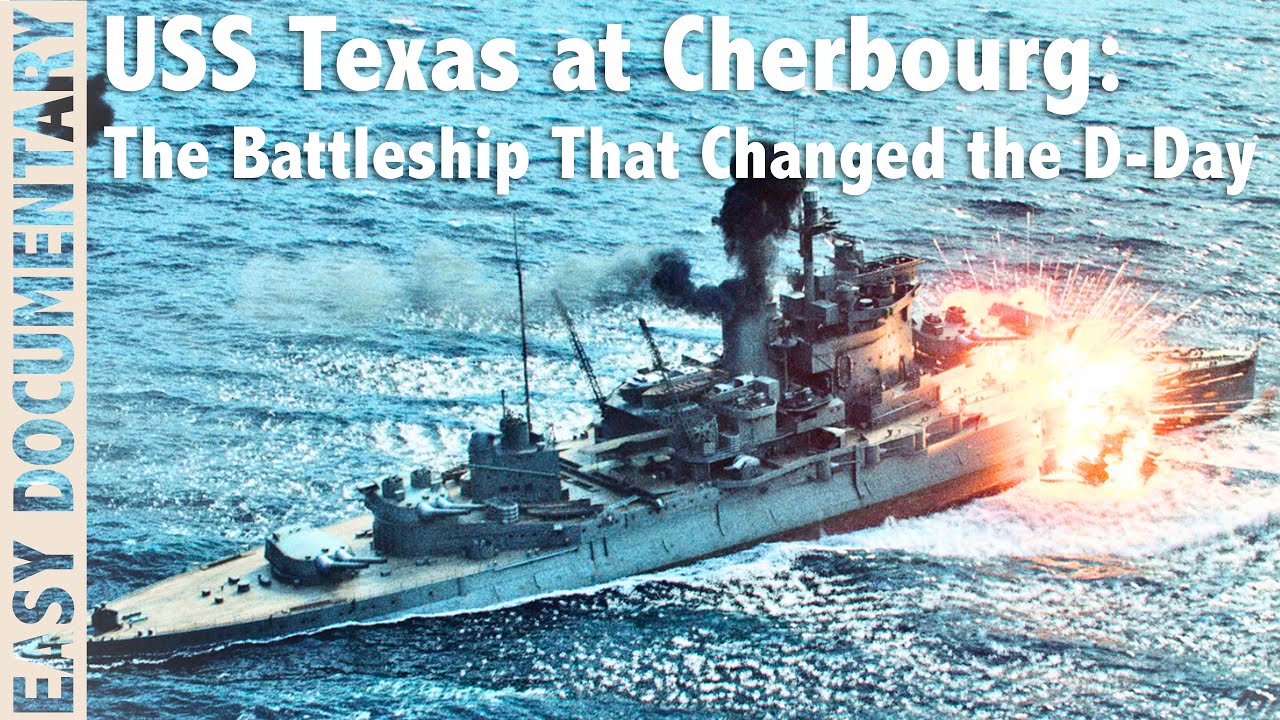
In June 1944, the USS Texas played a crucial role in silencing German artillery at Battery Hamburg to secure the port of Cherbourg during Operation Overlord.
In 490 BC, following their defeat at the Battle of Marathon, the Persian Empire launches a naval offensive against Athens, prompting a united Greek response.
Operation Market Garden, an Allied offensive in World War II led by General Montgomery, resulted in over 8,000 casualties due to strategic miscalculations and ignored intelligence.
After the attack on Pearl Harbor, President Franklin D. Roosevelt, General George C. Marshall, and General Dwight D. Eisenhower coordinated America's military preparations for World War II.
The Sicilian Expedition, led by Athens in 415 BCE, marked a pivotal moment in the Peloponnesian War that ultimately influenced the fate of Ancient Greece.
Nearly 2,000 tons of bombs were dropped on Rabaul in October 1943 as part of the US Navy's campaign against Japanese forces in the Pacific.
Notable armored fighting vehicle engagements are reenacted to illustrate the significant impact of tank warfare on military history.
In 1095 AD, the First Crusade initiated a chaotic confrontation among warlords and princes to reclaim the Holy Land from Islamic control amid the Seljuk threat.
In the Führerbunker, Adolf Hitler and his closest allies struggled to maintain power for 105 days as the Red Army advanced on Berlin during World War II.
Navajo Code Talkers played a crucial role in the US military's success at Guadalcanal by using their language to create an unbreakable code during World War II.
Men trained in evasion techniques must regroup after landing in enemy territory, relying on cover and concealment to avoid capture.
Five miles of un-bloodied sand marked the site of the D-Day landings in Normandy, a key moment in the Allied campaign against Nazi Germany in 1945.
At 07:37 on June 6, 1944, the ramps of the assault landing craft opened, and soldiers from the 6th Battalion Green Howards stormed the beaches of Normandy.
The Mongol Empire's cavalry, known for its discipline and tactical innovation, played a crucial role in establishing the largest contiguous empire in history.
Six Australian army nurses recount their experiences at the only Australian field hospital during the Vietnam War, highlighting the challenges and horrors they faced.
Psychological operations, or PSYOPs, use techniques to influence the behavior and emotions of target audiences, including enemy combatants and civilians.
The Vietnam War's origins are rooted in centuries of cultural and geopolitical tensions, from French colonialism to Ho Chi Minh's rise and Cold War ideologies.
824 American lives were lost during the campaign in New Guinea, which resulted in the capture of 18 new airfields and the isolation of 100,000 Japanese soldiers.
Erwin Rommel led the Afrika Korps in a pivotal tank battle against the British Eighth Army, known as the Desert Rats, during the North African campaign.
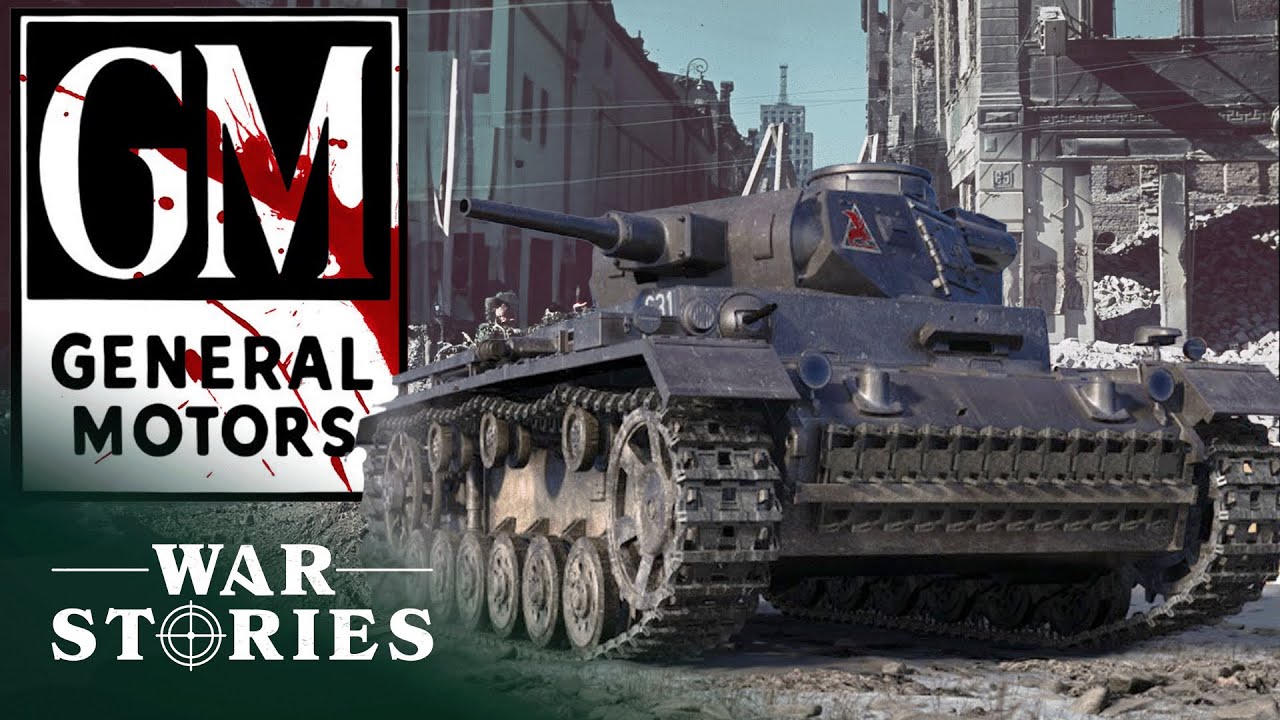
Opel Blitz trucks, produced by the American company General Motors, played a crucial role in supporting Hitler's Blitzkrieg by establishing vital supply lines for the German military.
In late September 1941, firsthand accounts from German doctors and Soviet civilians illustrate the brutal realities of Operation Typhoon and its impact on the Eastern Front.
Norwegian commandoes successfully sabotaged the Vemork hydroelectricity plant during World War II, preventing the Nazis from developing nuclear weapons.
Between 1940 and 1942, Britain and her Commonwealth sent every available soldier to the North African Campaign against Axis forces.
An estimated 75 million lives were lost in World War II, with American pilots facing life-and-death situations during aerial missions over enemy territory.
Alexander the Great's military strategies and leadership qualities are examined to understand his historical significance and effectiveness as a general.
More British and Canadian soldiers died in the Battle of the Somme in 1916 than in all of World War II, marking a significant moment in military history.
In 1933, Rolls-Royce developed the Merlin engine, which powered iconic aircraft like the Spitfire and Lancaster bomber, significantly influencing World War II.
The Dunkirk evacuation in 1940 saw 338,226 Allied troops rescued from the beaches of France, significantly boosting British morale during World War II.
During the May Blitz of 1941, over 2,000 people in Liverpool were either killed or injured as German bombers targeted the city's docks.
Tactics employed by the US in the Korean War included the strategic deployment of paratroopers behind enemy lines to disrupt communist forces.
Corporal Sam struggles to breathe as he is carried on a makeshift stretcher during a grueling 400-meter test through muddy terrain in the Guyanese jungle.
The Battle of the Bulge, initiated by a surprise German offensive in December 1944, highlights the challenges faced by the Allies and the eventual collapse of German forces.
The Doolittle Raid in 1942 marked a significant American military operation against Japan, with Chinese civilians and soldiers risking their lives to assist stranded airmen.
Over 300,000 British and French soldiers were rescued from the beaches of Dunkirk in 1940 during intense German air and ground attacks.
In 1941, the War Department authorized the formation of the Tuskegee Airmen, an all-Black fighter unit that excelled as bomber escorts in Italy during World War II.
More than 23,000 Spitfires were built, making it the only Allied fighter to remain in production throughout World War II.
In the lead-up to World War II, the secret Japanese society known as the League of Blood plotted to assassinate Charlie Chaplin to incite global conflict.
The SS Cap Arcona, once a symbol of German luxury, became a floating prison for concentration camp survivors before its tragic sinking by the RAF in 1945.
Allied newsreels from 1943 and 1944 highlight the pivotal moments and strategies that contributed to the eventual defeat of Nazi Germany in World War II.
Allied troops faced intense resistance from German forces at the Monte Cassino monastery while attempting to breach the Gustav Line before D-Day.
In November 1942, Allied forces launched Operation Torch, landing in Casablanca, Oran, and Algiers to secure North Africa and disrupt Axis supply lines.
In feudal Japan, the samurai rose to prominence through rigorous discipline, advanced martial arts techniques, and a unique warrior code known as Bushido.
The world's first tank, developed during World War I, failed to see combat, while a Japanese soldier continued to fight in the Philippines until 1974.
156,000 men and 20,000 vehicles landed on the coast of Normandy on June 6, 1944, marking a major turning point in World War II.
The history of the Navy SEALs is chronicled through their significant contributions, missions, and the values of honor and commitment that define this elite force.
On December 17, 1944, near Malmedy, Belgium, the SS-led Panzer Division under Joachim Peiper executed over 80 American soldiers from the 285th Field Artillery Observation Battalion.