From over 100,000 films, discover the handful you'll love.
Free or premium access to the world's largest documentary library.
2822 films(Page 2 of 59)
At 1,800 meters above sea level, the Eagle's Nest served as a strategic vantage point for Adolf Hitler and his inner circle during the Nazi regime.
Former Special Forces soldier Jason Fox returns to Afghanistan to reconnect with the country and reflect on the enduring impact of the conflict.
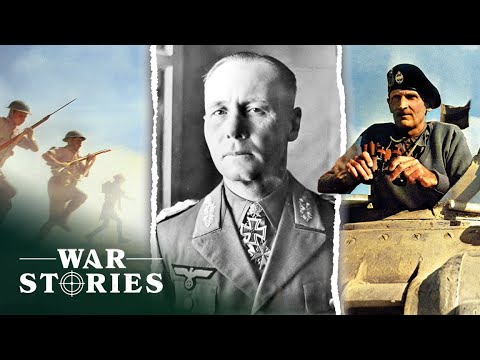
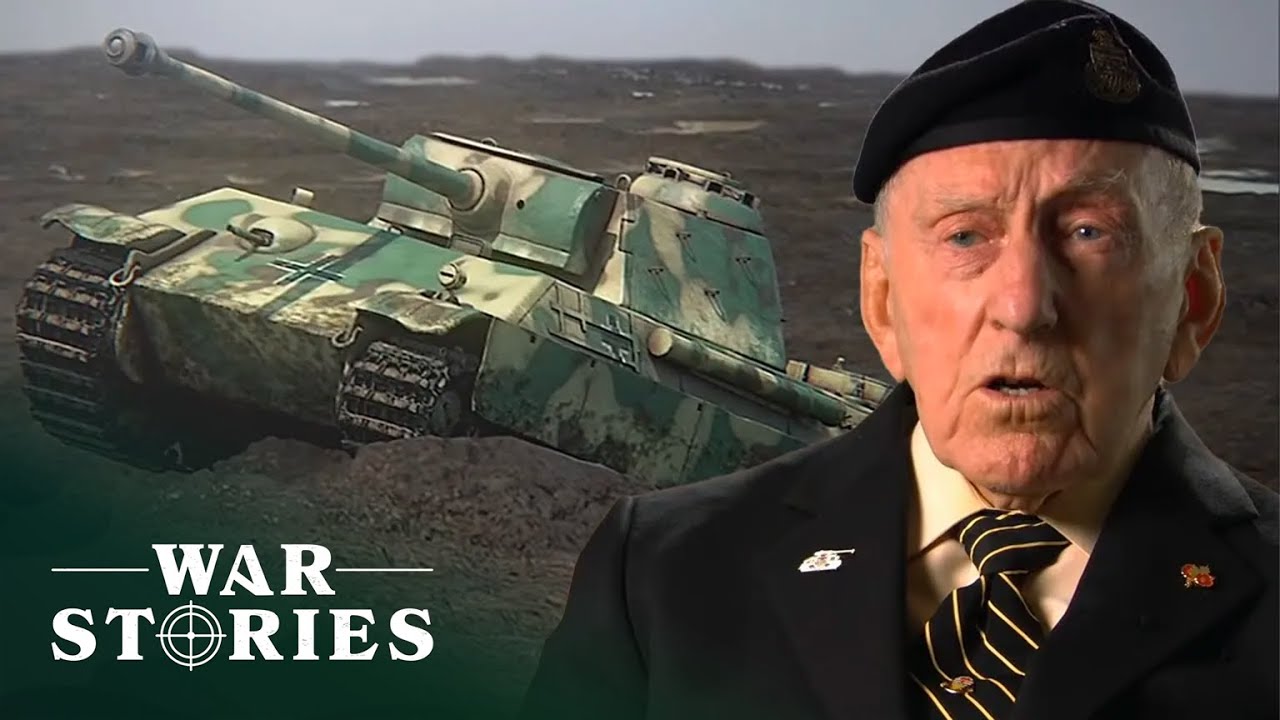
In North Africa, the M3 Lee tank was modified for British use, resulting in the M3 Grant, which played a crucial role in the Battle of El Alamein during World War II.
30 crew members aboard the U32 share less than two square meters of private space as they prepare for a top-secret NATO maneuver off Plymouth.
Between 1940 and 1945, the German army on the Eastern Front lost 50,000 tanks and 4 million men, while the Soviets lost an estimated 80,000 tanks and 7 million soldiers.
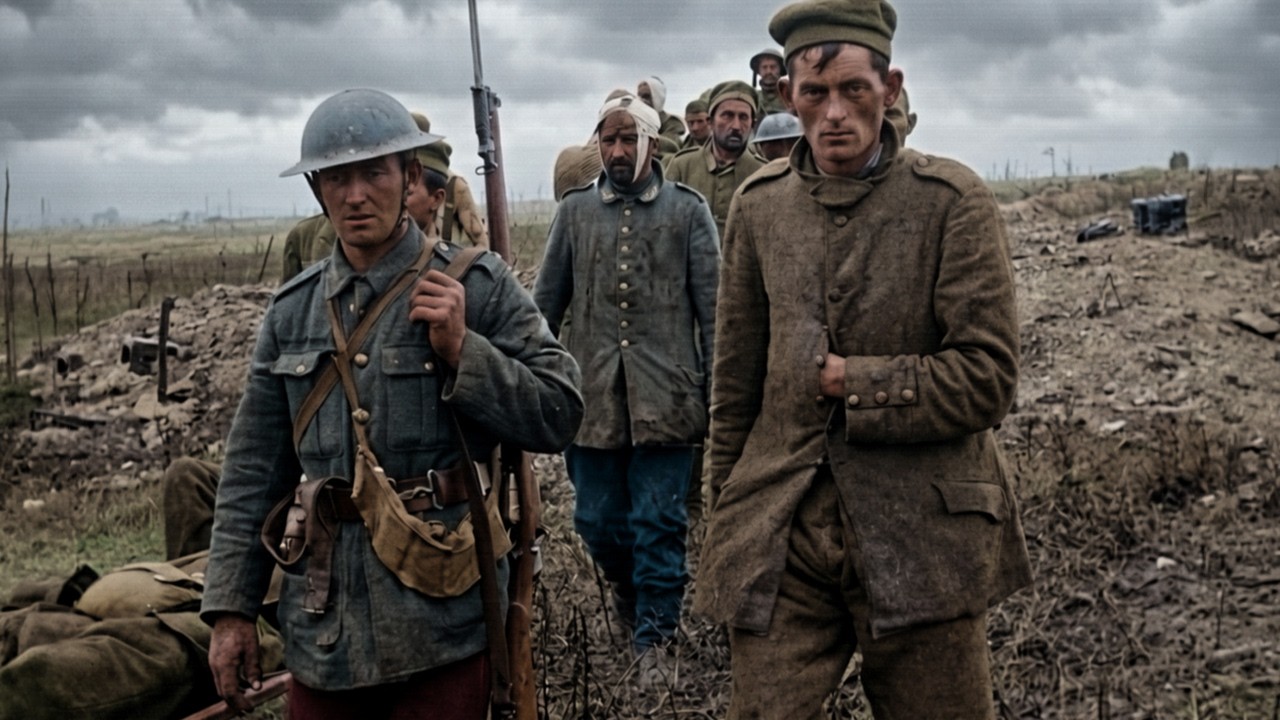
In 1916, the Battle of Verdun became a pivotal conflict of World War I, resulting in 300,000 deaths and showcasing the brutal realities of industrial warfare.
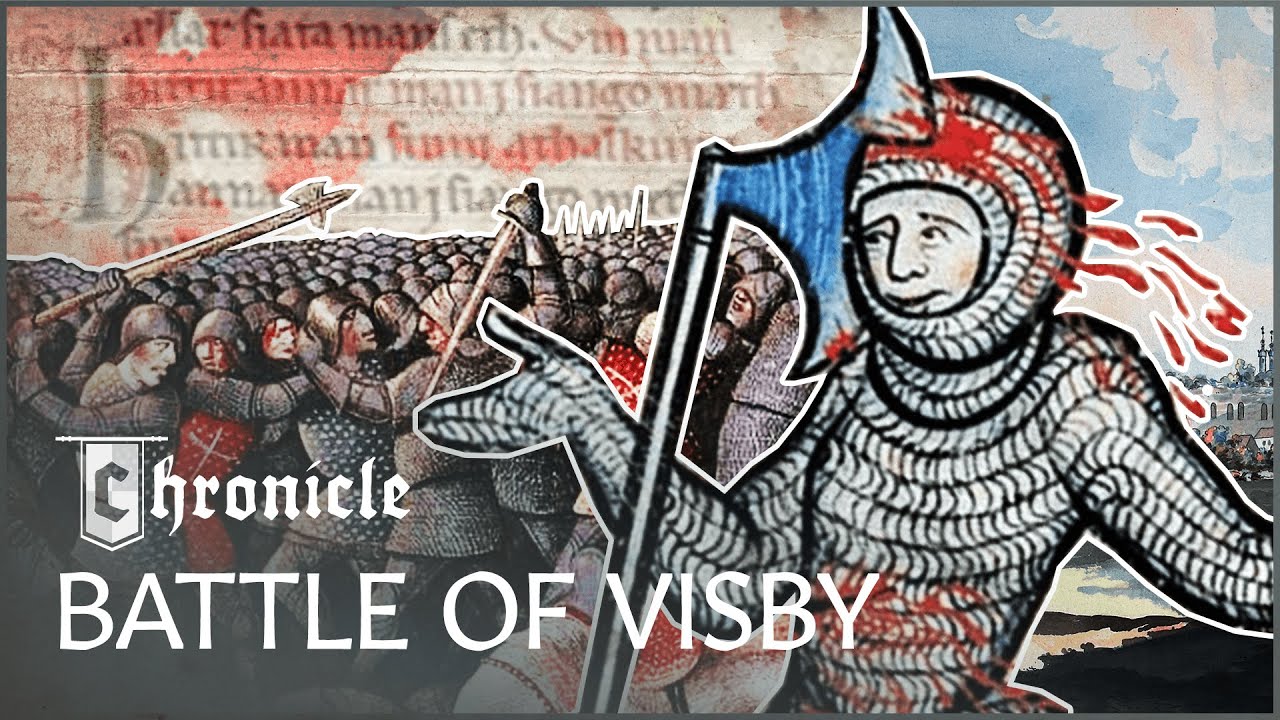
The Battle of Visby in 1361 saw 1,800 farmers on Gotland face a well-trained Danish army, resulting in a significant archaeological legacy of the fallen.
The Russian army has around 800,000 soldiers in active service and an annual budget of 60 billion euros, positioning it as a major military power.
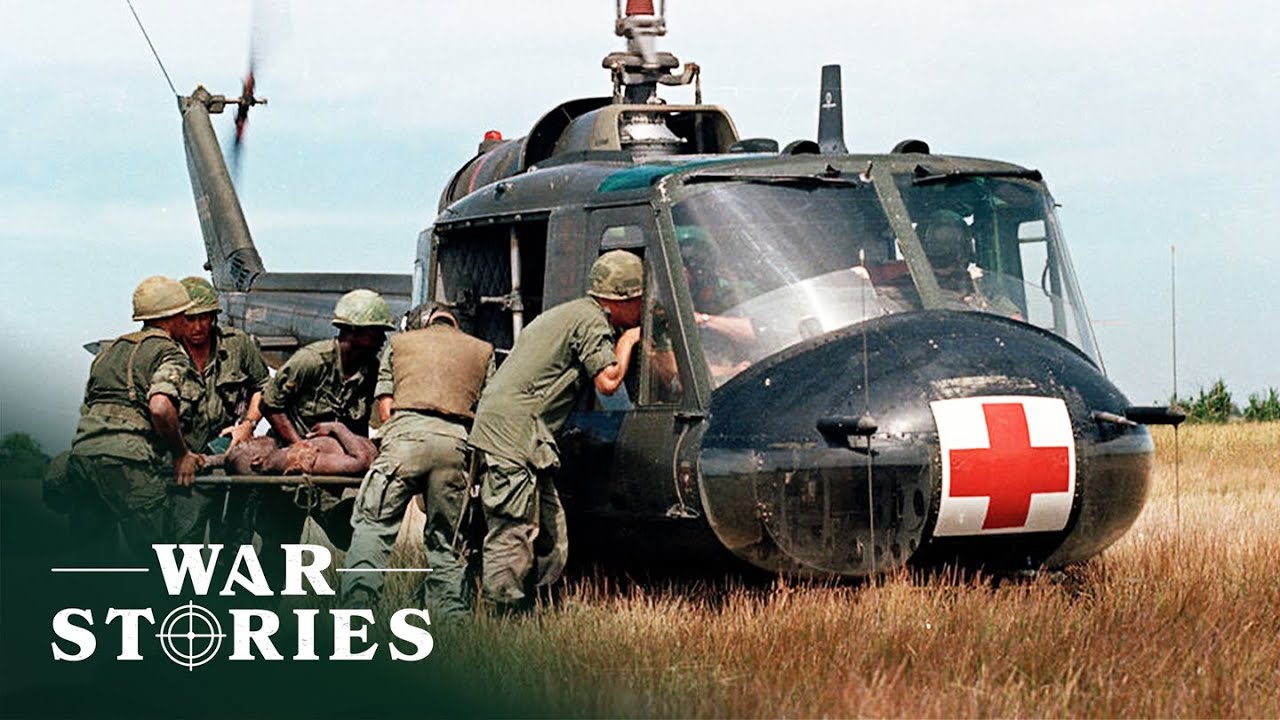
More than 6,000 "dust off" calls for medical evacuations were made in Vietnam last month, as chopper medics rushed to save wounded soldiers.
In 1916, the battles of Verdun and the Somme marked a catastrophic escalation in World War I, resulting in millions of military and civilian casualties.
7,000 personnel participate in a four-week military exercise aboard the USS Harry S. Truman, focusing on high-pressure drills and combat readiness.
15% of Great Britain's international wealth was lost during World War I, setting the stage for political and social unrest in post-war Europe.
Hitler's decision to deploy 3 million soldiers for the invasion of the Soviet Union marked a pivotal moment in World War II, reshaping global alliances and politics.
Fifteen enemy aircraft were shot down during the Battle of Britain, which was won on August 20, 1940, for the loss of one RAF fighter.
In 1943, U.S. soldiers learned about British pubs, where patrons gather for companionship and drink warm beer, in an orientation film produced by the Department of Defense.
On August 9, 1945, the Soviet Union launched an offensive that resulted in over 87,000 Japanese soldiers killed and 594,000 taken prisoner in Manchuria.
More than 10,000 Egyptian soldiers and 700 tanks were lost during the Six Day War, while Israeli forces suffered 1,400 casualties and over 60 tanks destroyed.
A 60-kilometer walk in the mountains with 30 kilos on their backs tests the limits of new recruits in the French Foreign Legion.
Augusto Pinochet's regime in Chile, supported by the United States and the United Kingdom, employed terror and torture against its citizens while the West remained complicit.
The Battle of Stalingrad, fought from 1942 to 1943, is recounted through the firsthand accounts of surviving soldiers who experienced its brutal conflict.
Nearly 60,000 British troops were killed or wounded in just 12 hours during the first day of the Battle of the Somme in World War I.
Native American veterans have the highest per-capita service rate of any group in America, reflecting a deep commitment to military service despite historical injustices.
Surveillance in the United States is examined through insights from experts like Michael German and Sam Antar, challenging the notion of privacy in a monitored society.
Nikola Tesla's secret files were sought by the U.S. military, as explored through his last patent and insights from declassified CIA documents.
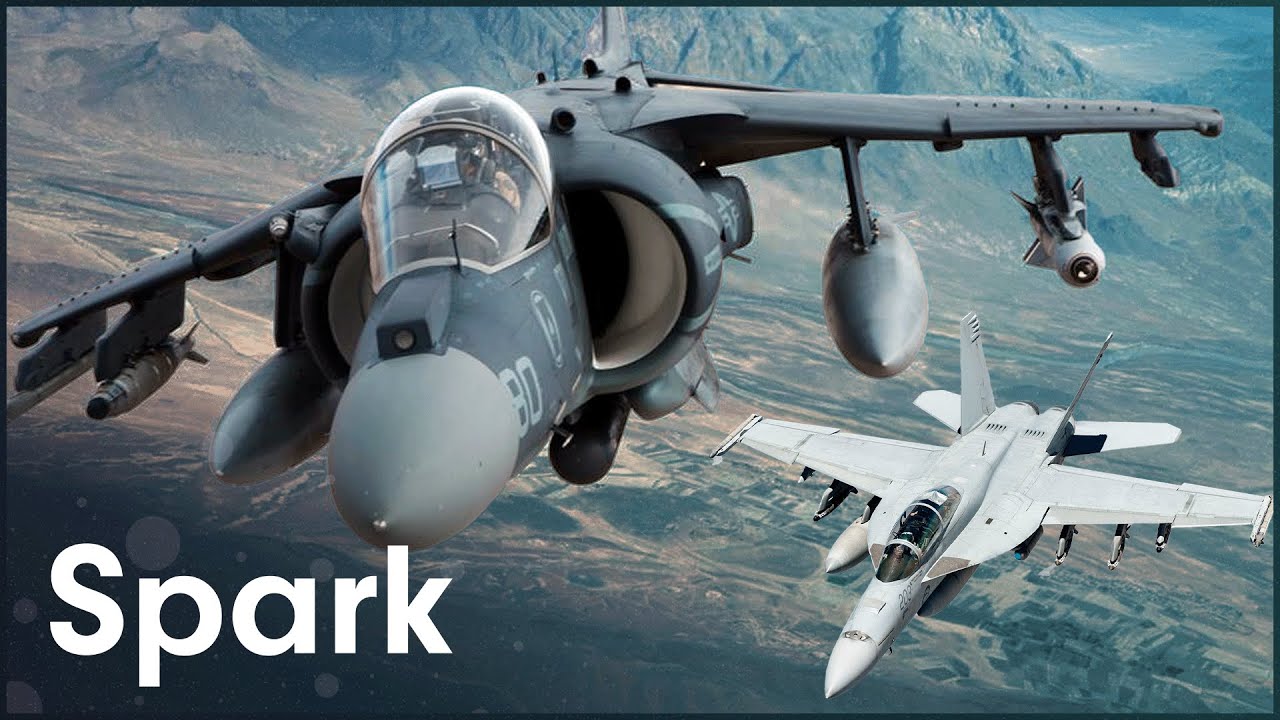
2,300 kilograms of bombs can be carried by the F-117 stealth fighter, which remains undetected by enemy radar during combat missions.
Over 5 million Vietnamese people died in the Vietnam War, which saw American tanks engaged in intense battles against North Vietnamese forces.
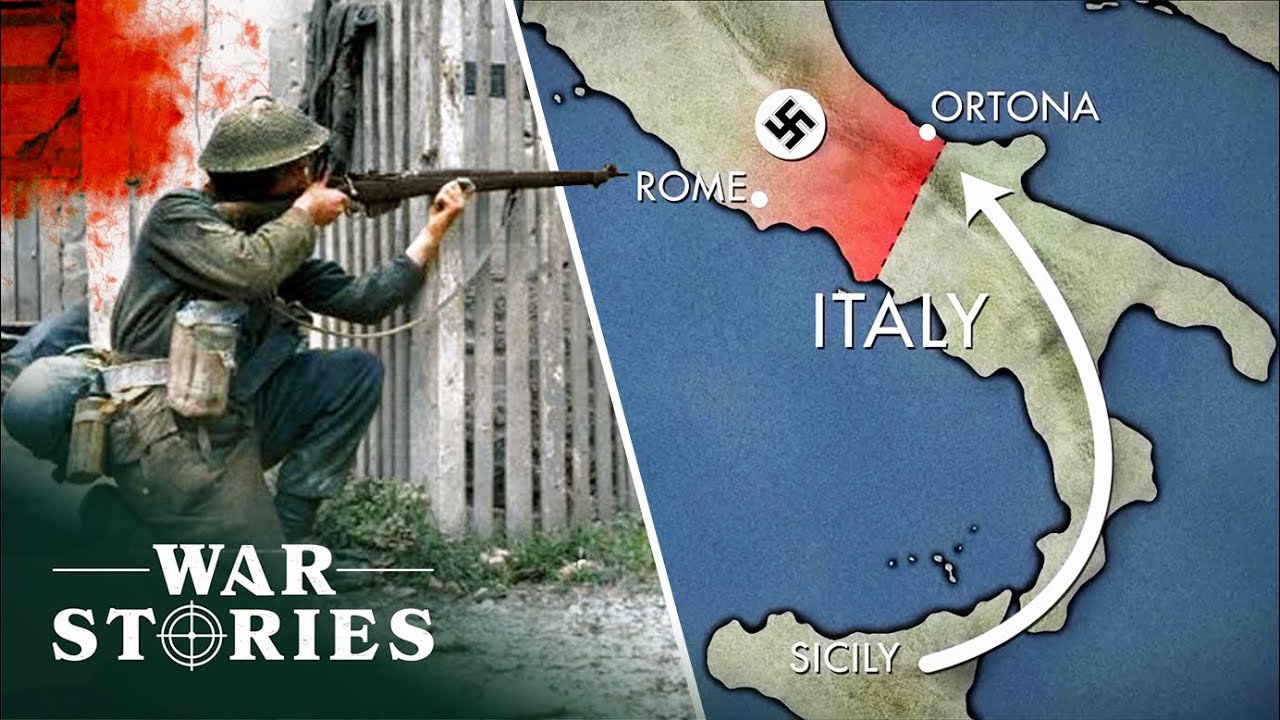
In 1943, Canadian forces faced Nazi Germany's elite airborne troops in the brutal Battle of Ortona, known as the 'Italian Stalingrad'.
5,000 soldiers from Erwin Rommel's forces were killed during the Second Battle of El Alamein, marking a significant Allied victory in North Africa.
In December 2019, the establishment of the United States Space Force marked a significant escalation in the global arms race in Earth orbit amid rising geopolitical tensions.
A 120-strong unit of camera operators, known as the Truth Tigers, documents the Tamil Tigers' battles while risking their lives in the conflict for independence.
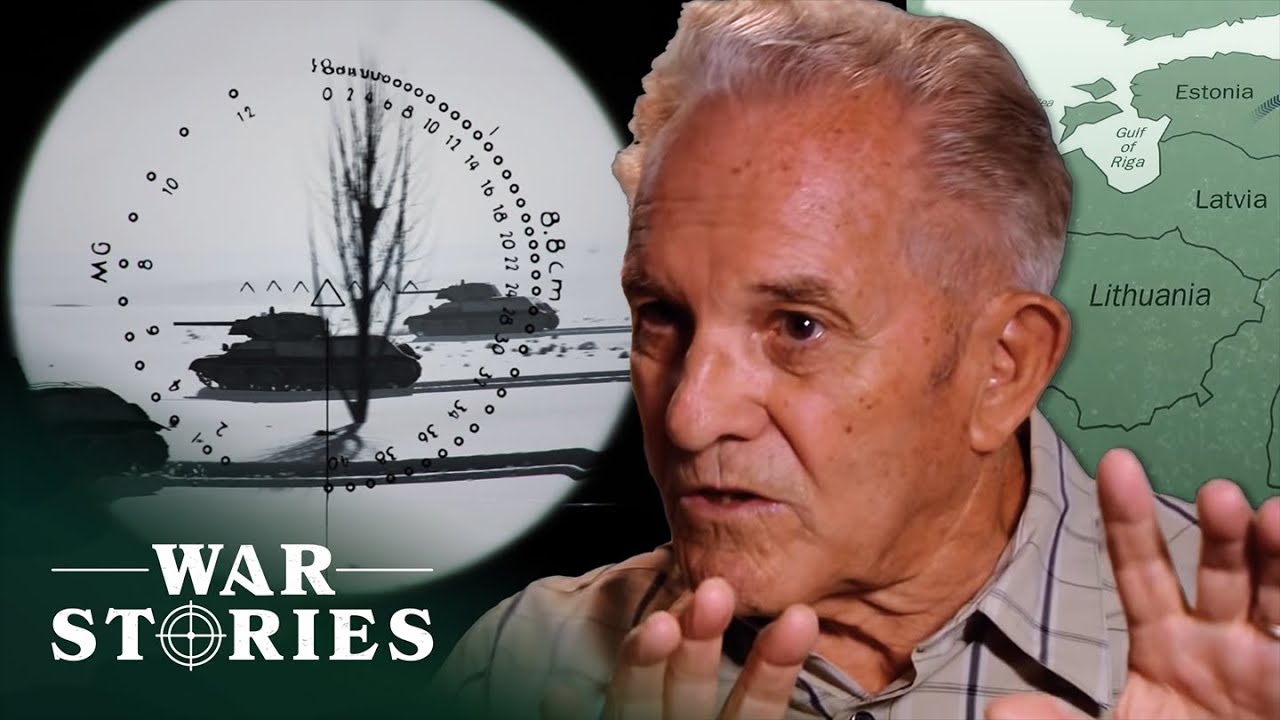
On January 14, 1944, the Soviet Red Army launched an offensive with 1.2 million troops and 1,500 tanks against German forces in the Baltic States.
Operation Barbarossa, launched by Nazi Germany against the Soviet Union on June 22, 1941, failed due to key strategic errors and Hitler's overconfidence.
The Thunder Boat, Tonnerre, serves multiple roles for the Marine Nationale during crises.
Angela Merkel was elected as the first female chancellor of Germany on November 22, 2005, after growing up in communist East Germany.
600 Marines died and 4,700 were wounded during the four-month battle for Guadalcanal, which marked America's first major offensive against Japan in World War II.
Edited private footage chronicles the Normandy Invasion, including the Channel crossing, Utah Beach, the liberation of Paris, and the entry into Aachen, Germany.
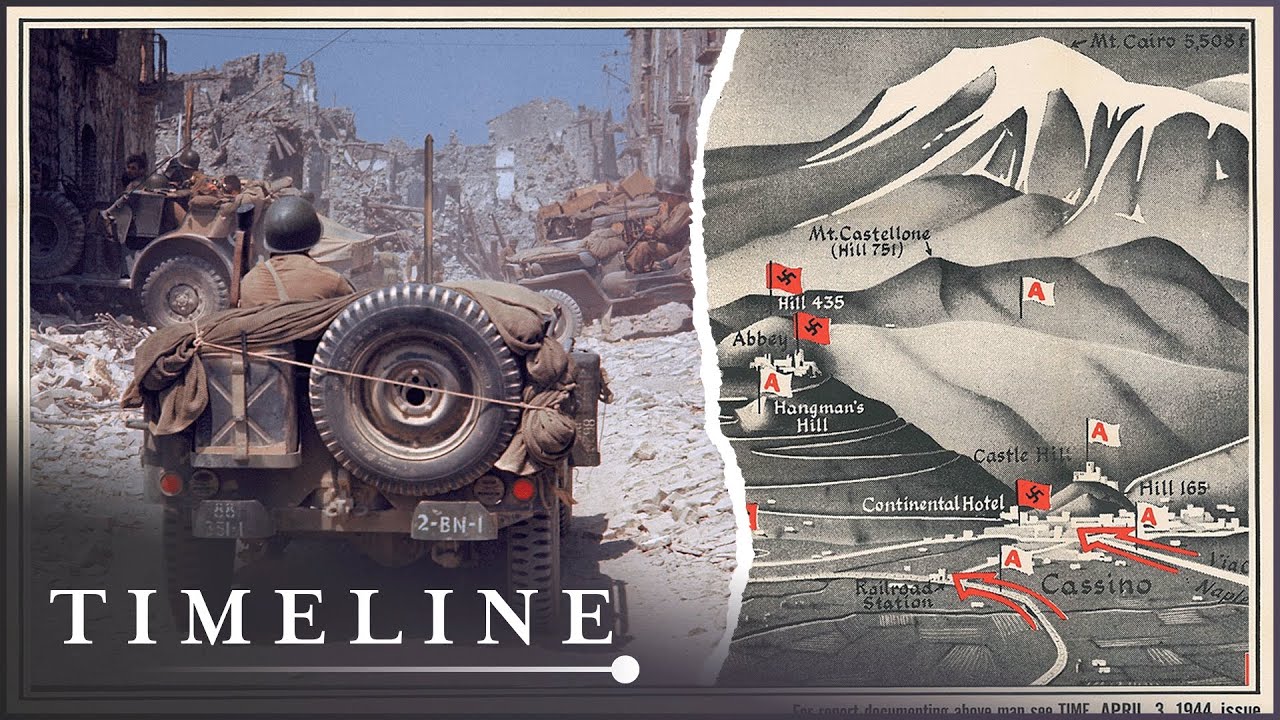
Allied bombers dropped 1,000 tons of bombs on the town of Cassino in a desperate attempt to break through German defenses during a brutal five-month battle.
Student protests at Trisakti University in 1998 marked a pivotal moment in Indonesia's revolution against President Suharto, highlighting the struggle for democracy.
World War II, involving over 30 nations and resulting in more than 70 million deaths, is analyzed through its battles and human cost.
Canadian soldiers in Italy and women on the home front contributed significantly to the Allied war effort during World War II's Italian Campaign.
In December 1941, Japanese Admiral Isoroku Yamamoto predicted Japan would struggle against the industrial might of the United States, a forecast validated by the Battle of Midway.
A 40,000-ton aircraft carrier, the Charles de Gaulle, is the largest ship in the French Navy, carrying around 30 combat aircraft.
In 1941, Adolf Hitler launched Operation Barbarossa, initiating a brutal conflict with the Soviet Union that would become one of history's deadliest wars.
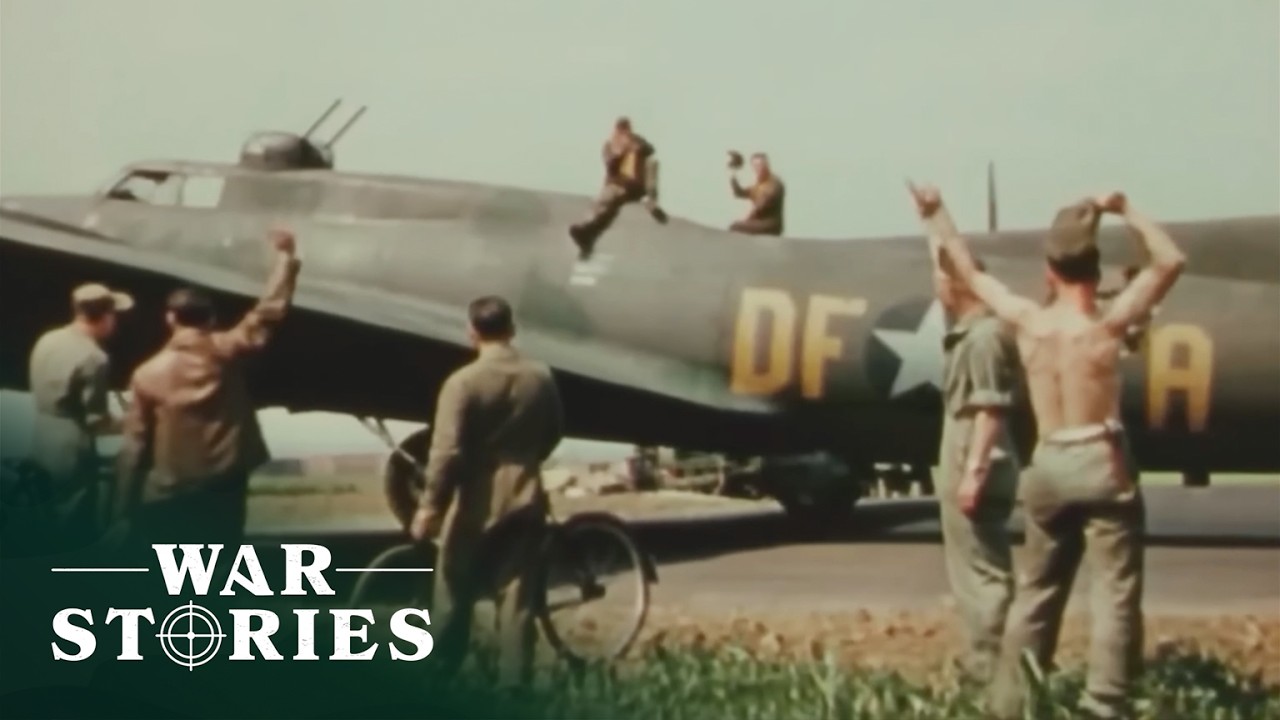
The crew of the Memphis Belle faces intense flak and fighter attacks during a World War II bombing mission over Germany, highlighting their courage and teamwork.
2 million lives were lost during the Pacific Theater of World War II, including 1.74 million military personnel from Japan and nearly half a million Americans.
On February 8, 1945, Canadian forces engaged in a fierce battle at Hochwald Gap, aiming to push the German army back over the Rhine during World War II.
In the Hürtgen Forest, US troops engaged in one of their longest battles on German soil from September 1944 to February 1945, facing severe casualties.
The 1905 Battle of Tsushima showcased Japan's naval superiority as Admiral Heihachiro Togo's advanced fleet decisively defeated the Imperial Russian Navy.