From over 100,000 films, discover the handful you'll love.
Free or premium access to the world's largest documentary library.
2821 films(Page 13 of 59)
World War II air combat is explored through accounts of dogfights, bombing raids, and torpedo attacks, highlighting key battles and strategies.
Eminent WWII historian James Holland explores the Nazi war machine across Europe, examining its extraordinary machines and rare archival materials.
In 1942, the First Special Service Force became the first combined American and Canadian fighting unit, earning the nickname "Black Devils" for their night raids.
The Battle of the Somme in 1916 exemplified catastrophic military strategy, resulting in immense casualties for Kitchener's Army and shaping the Western Front's dynamics.
The 1916 Easter Rising in Ireland resulted in nearly 500 deaths and over 2,000 injuries, significantly influencing the movement for Irish independence.
Merrill's Marauders, an elite American jungle commando unit in World War II, conducted intense operations against the Japanese Imperial Division in Burma.
A D-Day veteran recounts his experiences during the Allied invasion of Normandy on June 6, 1944, providing insight into the life of a World War II soldier.
In December 1914, soldiers on both sides of World War I utilized modernized mining techniques to breach enemy fortifications after months of stalemate.
Viking raids on Francia intensified in the 9th century, culminating in a two-month siege of Paris following the death of Charles the Bald in 877 CE.
Eighty institutions received CIA contracts for mind control research, costing taxpayers the equivalent of 30 million dollars today.
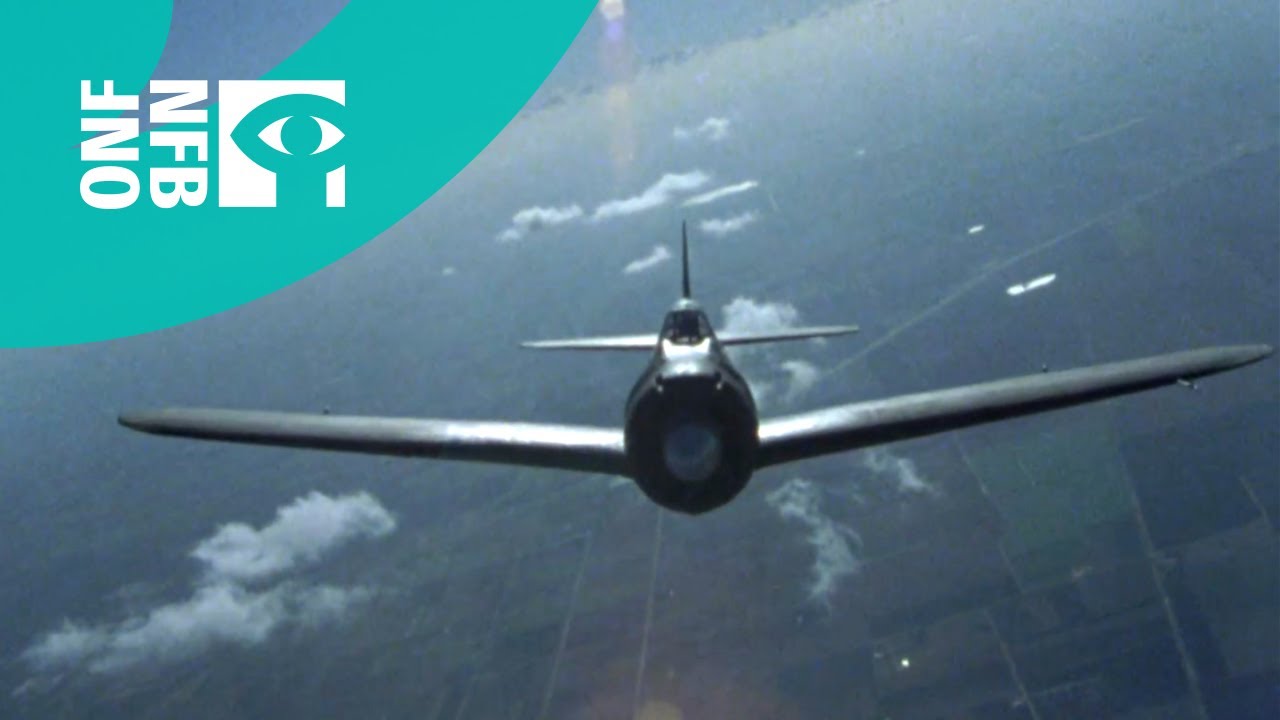
For the cost of 135 F-18s, the Canadian Forces could have purchased 15,000 Defenders, a fighter plane designed by Bob Diemert in Manitoba.
The Italian Campaign during World War II presented significant challenges for Allied troops, influencing strategic decisions and impacting the overall course of the war.
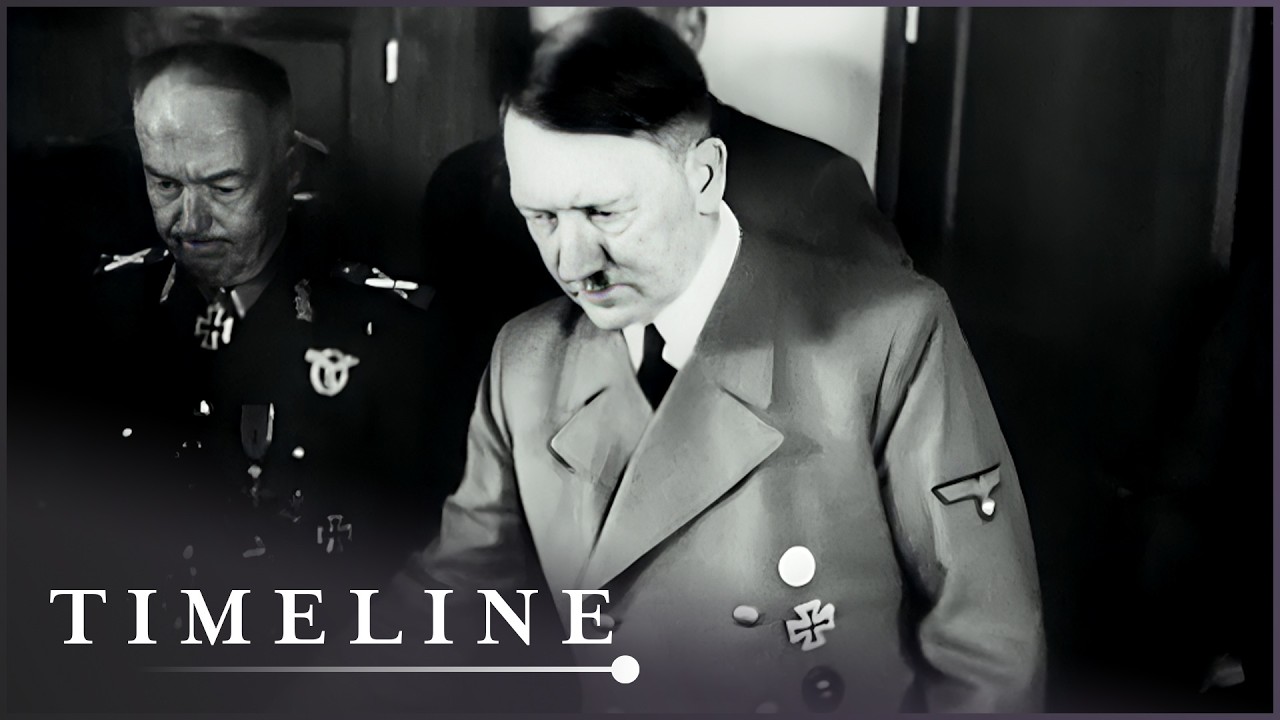
In April 1945, as the Red Army advances on Berlin, Adolf Hitler's leadership deteriorates in the Führerbunker amid paranoia and desperation.
The German battleship Bismarck, one of the largest ships of its time, was sunk by British forces after just eight days of action in 1941.
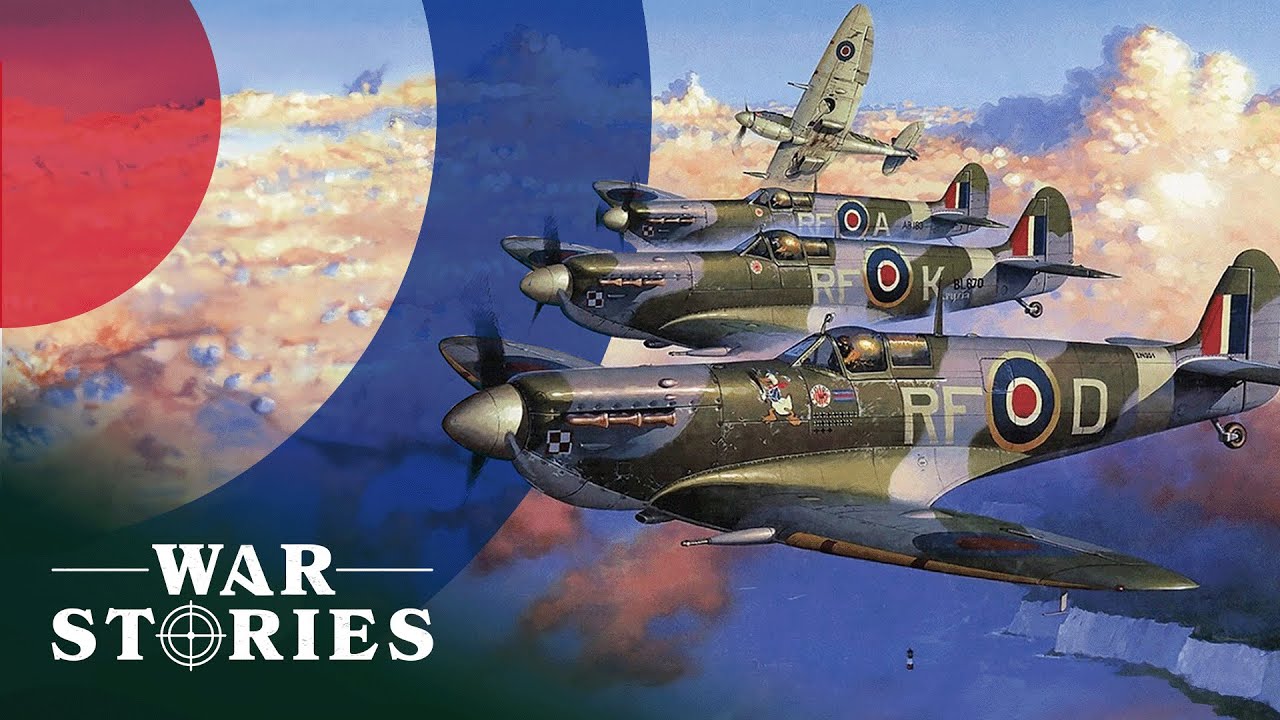
501 Squadron shot down 149 enemy aircraft during the Battle of Britain, while losing 19 pilots in four months of intense aerial combat.
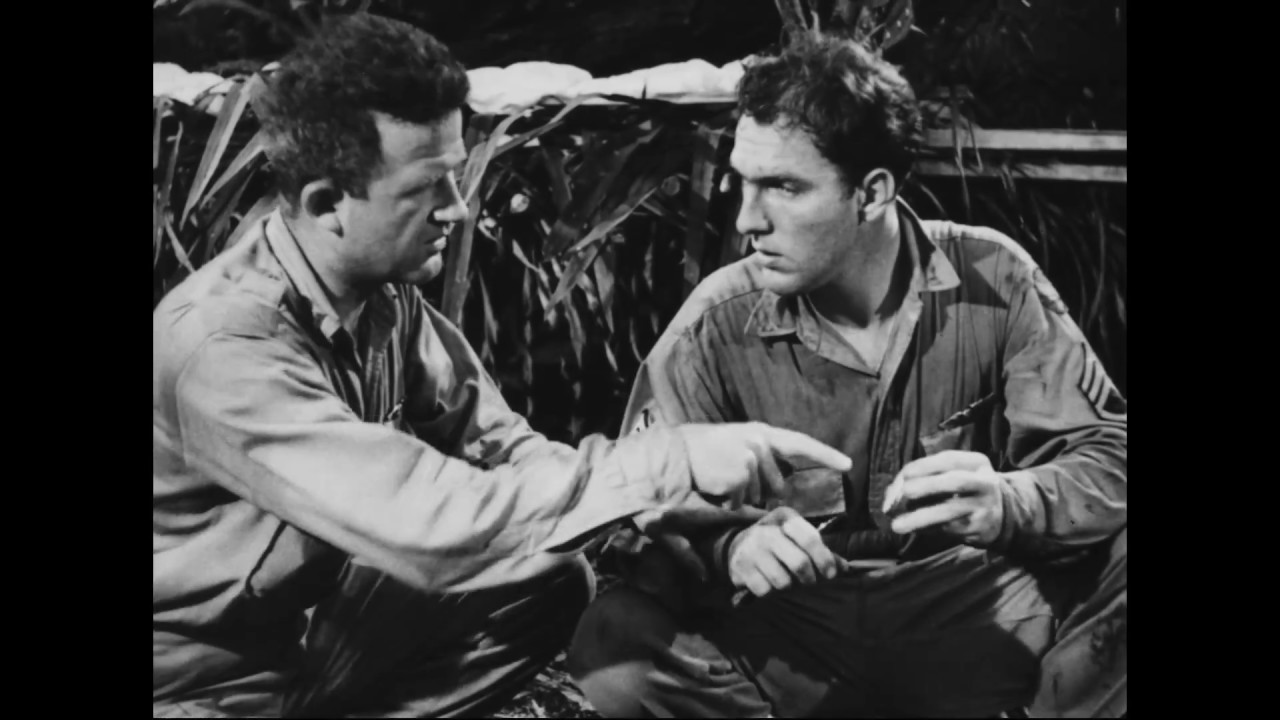
A downed military aircraft crew struggles for survival in the jungle, featuring Van Heflin as Lieutenant Lynn Harrison, in a 1944 training film produced by the First Motion Picture Unit.
The Great Heathen Army, a formidable Viking force, captures the Northumbrian capital of York, showcasing their advanced military strategies and impact on England.
General Montgomery's strategic decisions during the North African campaign, particularly at the Battle of El Alamein, significantly shifted the momentum against Axis forces.
Two World War II veterans from opposing sides revisit the battlefields of their past in a series that highlights their personal experiences and reflections.
Julius Caesar's campaigns from 58 BC to 53 BC against the Gallic tribes illustrate Rome's military expansion and the strategic motivations behind the conquest of Gaul.
Barnes Wallis's innovative design of a bouncing bomb enabled the Avro Lancaster bomber to successfully target and destroy German dams during Operation Chastise.
The Gallipoli campaign, initiated by Winston Churchill in 1915, aimed to break the stalemate on the Western Front during World War I but ultimately failed to achieve its objectives.
The 1st Airborne Division, known as the "Red Devils," was inspired by a German unit and became one of the most daring fighting forces in World War II.
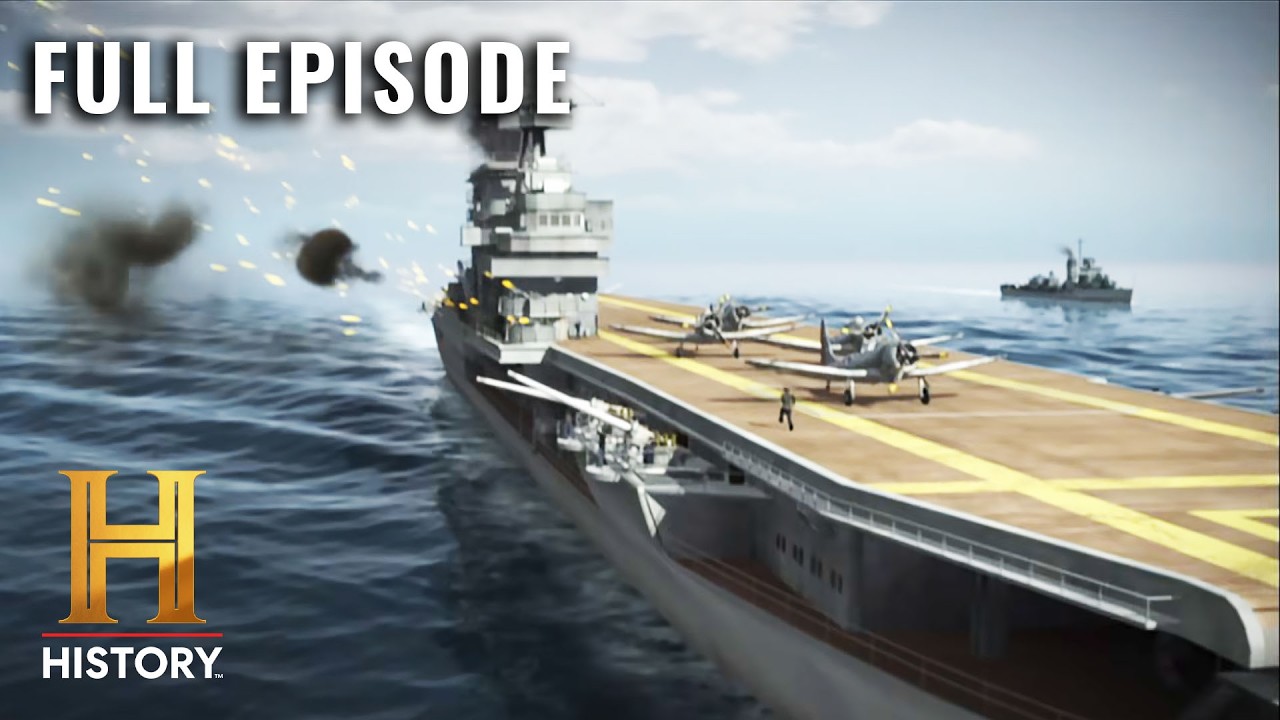
Life aboard the USS Yorktown during World War II is depicted through color footage, showcasing daily routines and intense battles in the Pacific theater.
A devastating attack during the Crusades leads to the formation of the Knights Templar, a legendary group of holy warriors in medieval Europe.
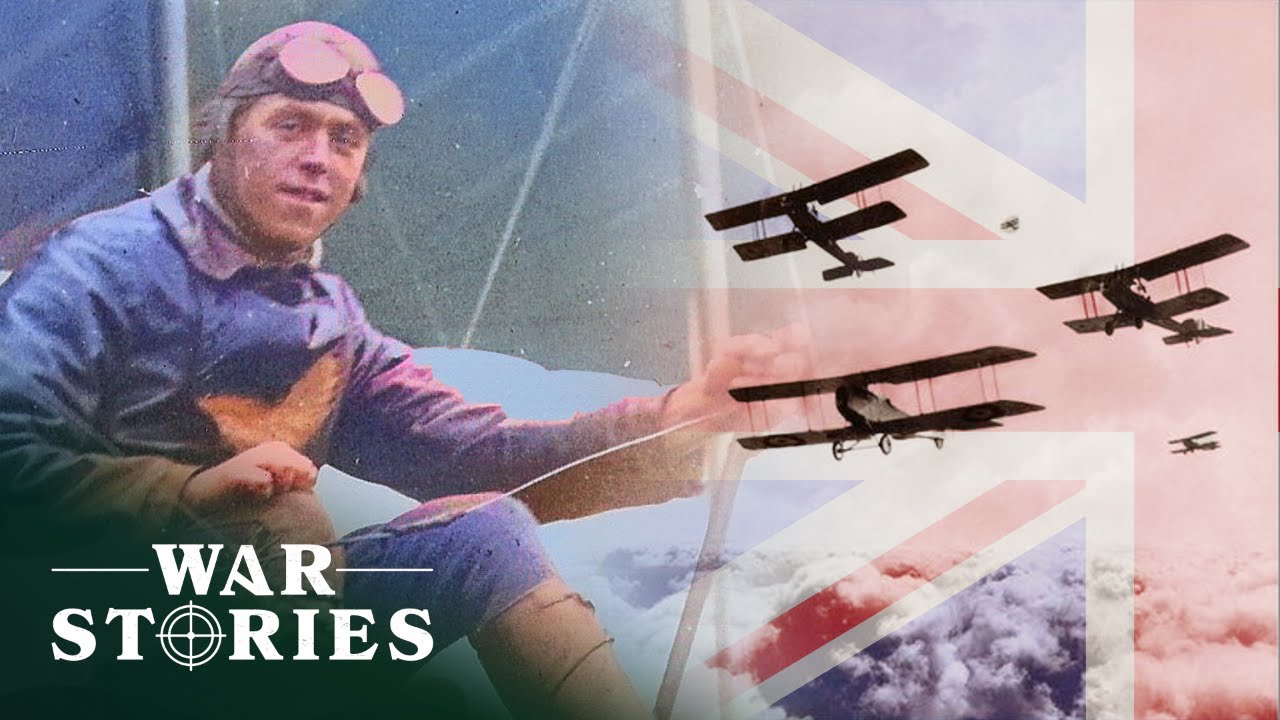
Louis Blériot's 1909 flight across the English Channel highlighted Britain's air vulnerability, leading to the establishment of the Royal Air Force in 1918.
Seoul was captured four times during the Korean War, facing destruction and significant civilian suffering from June 1950 to January 1951.
Pearl Harbor's attack in 1941 prompted a massive enlistment of American soldiers, significantly altering the course of World War II against Japan and the Axis powers.
The 101st Airborne Division, US Army Rangers, Desert Rats, and US Eighth Air Force are highlighted for their critical roles and bravery during World War II.
Operation Overlord marked a pivotal moment in World War II as over 150,000 Allied troops, led by Dwight D. Eisenhower and Winston Churchill, landed on Normandy's beaches.
As Allied forces advanced on Berlin, Nazi Germany faced the consequences of its defeat, leading to the dismantling and punishment of Hitler's regime.
1,177 men died aboard the USS Arizona during the Japanese attack on Pearl Harbor on December 7, 1941, marking a significant moment in American history.
In the aftermath of World War I, the Royal Air Force faced skepticism about its necessity, prompting innovations that transformed military strategy and aerial combat.
On June 14, 1645, King Charles I's last major field army was destroyed at the Battle of Naseby, leading to a significant shift in the English Civil War.
The Greco-Persian Wars began in 499 BCE when a small band of Greek warriors prepared to battle a much larger Persian army in Asia Minor.
In North Africa during World War II, British General Bernard Montgomery's counteroffensive led to the defeat of Erwin Rommel's Afrika Korps in 1943.
72 sorties were flown by one pilot in a Martin B-26 Marauder during 1943, illustrating the aircraft's role in World War II.
A 6-hour battle for Huija saw the 163rd Infantry Brigade engage in close quarter combat, leading to a peaceful election just two days later.
24,000 Spitfires were built during World War II, and a team at Biggin Hill is restoring one of the rare 1943 models for £2 million.
In the Santa Cruz Islands, the intense naval battles of World War II unfold, highlighting the strategic significance and high casualties of the Solomon Islands campaign.
Battleships played a pivotal role in World War II, showcasing advanced engineering and formidable firepower that shaped naval warfare across various theaters.
On July 17, 1975, one billion viewers watched as American astronaut Thomas Stafford and Soviet cosmonaut Alexey Leonov shook hands in space.
Iconic World War II bombers such as the Avro Lancaster, B-29 Superfortress, and Junkers Ju 87 Stuka are examined for their design, reliability, and impact on aerial warfare.
American soldiers in the Aleutian Islands Campaign during World War II faced extreme winter conditions, prompting innovative survival strategies.
Engineers at the Spitfire Factory undertake the meticulous restoration of a Mark 9 Spitfire, while a secret dig recovers a Hawker Hurricane from 1940.
The Battle of Guadalcanal marked the first major Allied land offensive against Japan in the Pacific Theater of World War II, focusing on the six-month struggle for Henderson Field.
Sir David Stirling, the founder of the Special Air Service, revolutionized modern warfare with his unconventional tactics during World War II in North Africa.
World War II's aerial battles, including the Battle of Britain, Pearl Harbor, and the Doolittle Raid, are examined through key events and tactics that shaped the conflict.