From over 100,000 films, discover the handful you'll love.
Free or premium access to the world's largest documentary library.
2821 films(Page 12 of 59)
Combat trauma, from the 'shell shock' experienced by World War I soldiers to contemporary PTSD, highlights the ongoing challenges in understanding and treating mental health in veterans.
The B-17 Flying Fortress "Memphis Belle" and her crew completed 25 successful missions during World War II from May 17, 1942, to November 7, 1943.
Japan's attack on Pearl Harbor on December 7, 1941, marked a pivotal moment that led to America's entry into World War II and altered the course of the conflict.
The de Havilland Mosquito, a wooden aircraft, played a crucial role in World War II as a versatile secret weapon against Nazi Germany.
Viking raids, beginning with the attack on Lindisfarne in 793, were marked by advanced shipbuilding and lethal tactics like the shield wall formation.
In June 1967, Israel's strategic preemptive strikes and leadership under Moshe Dayan led to a swift victory over Egypt, Jordan, and Syria in the Six-Day War.
A bomb blast during World War I killed two cousins, Henry and Walter Whiting, who were buried side by side in a nearby cemetery.
Ancient Carthage, known for its rich culture and beliefs, faced destruction by the Roman Empire, prompting exploration of its life before the fall.
In East Prussia, Adolf Hitler's Wolf's Lair served as a command center for the Eastern Front, reflecting his isolation during the Third Reich's decline.
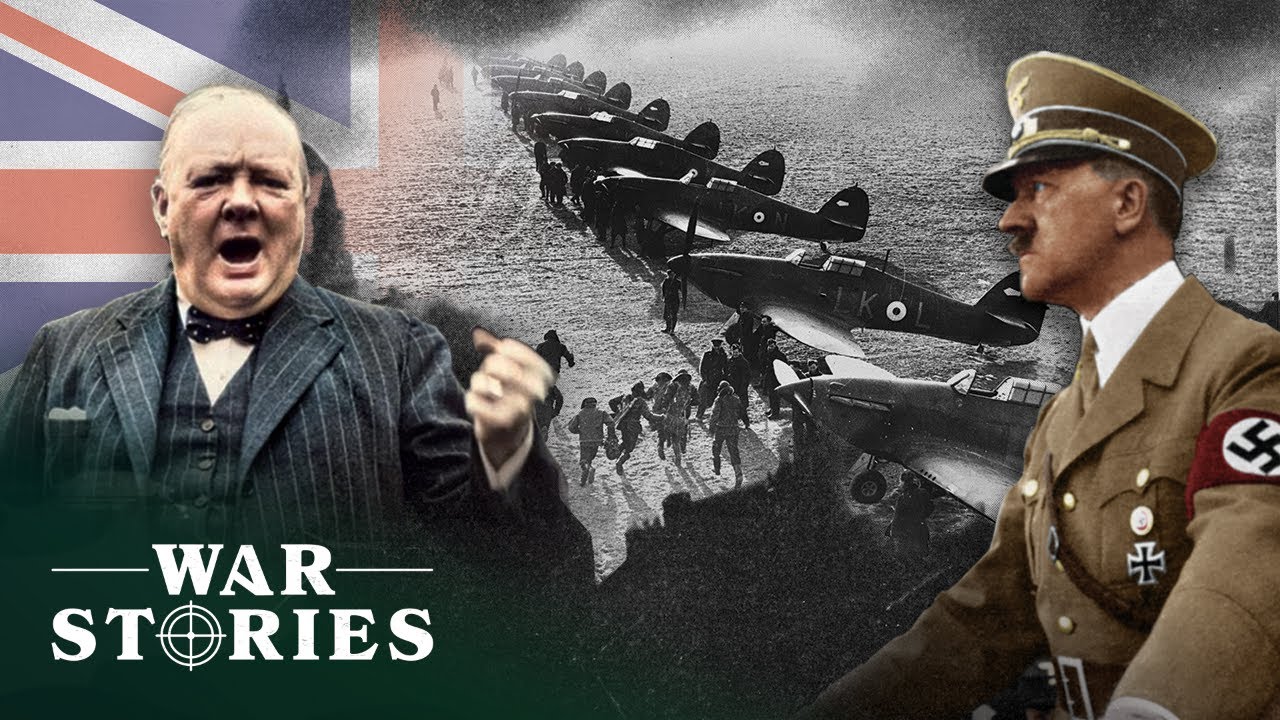
The Battle of Britain in 1940 marked a pivotal moment in World War II, as the Royal Air Force successfully defended the UK against the Nazi Luftwaffe's aerial assaults.
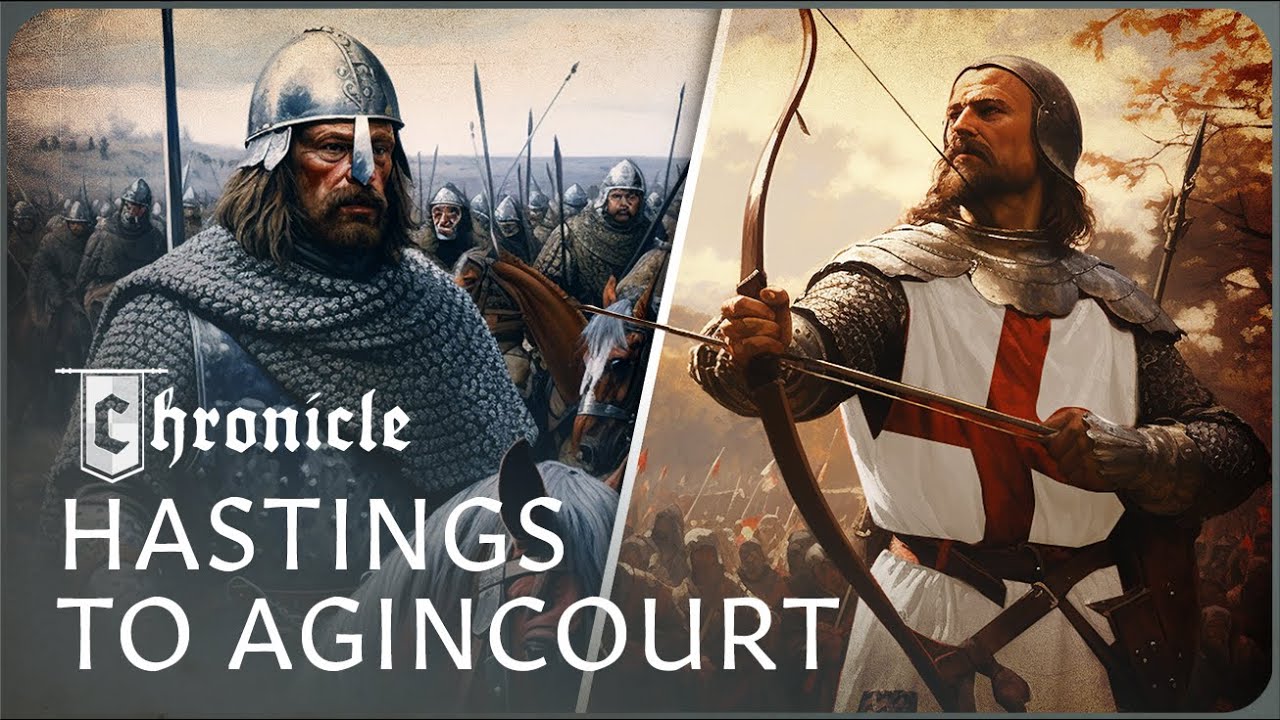
The Battle of Hastings in 1066 marked a pivotal defeat for King Harold II of England by William, Duke of Normandy, while 350 years later, English longbowmen achieved a significant victory against France.
Operation Jaywick, executed by six commandos from the Australian Z Special Unit in 1943, is reexamined through a modern attempt to replicate their daring mission against Japan.
Over nine years, the Romans killed 1 million Gauls and enslaved another million during the brutal Gallic Wars led by Julius Caesar.
Yenya, a town of Glory, faces a tough life under military devotion in Putin's Russia.
Malta's strategic significance during World War II is highlighted through its relentless defense against Axis bombardments and its vital role in maintaining supply lines.
In 1939, Nazi Germany implemented Blitzkrieg tactics, a revolutionary form of mechanized warfare that led to rapid territorial expansion across Europe.
In September 1943, Allied forces under General Montgomery launched a fierce campaign against German defenses in Italy, facing significant obstacles and heavy casualties.
In June 1314, King Robert I led the Scots to a decisive victory at the Battle of Bannockburn, a turning point in Scotland's fight for independence.
The Zimmermann Telegram, an intercepted German message during World War I, played a crucial role in shaping Britain's military strategy and its alliance with America.
In 1941, the British Crown Film Unit documented RAF reconnaissance missions on German targets, leading to an Academy Award win for best documentary in 1942.
517 V2 rockets struck London during World War II, killing 110 people in a single attack on Smithfield Market in March 1945.
Operation Dynamo rescued 338,226 Allied troops from the beaches of Dunkirk between May 26 and June 4, 1940, amid intense enemy fire.
Young fighter pilots train for combat, showcasing discipline and mental strength over several months.
More than 3 million German soldiers launched an invasion on June 22, 1941, marking a significant escalation in World War II.
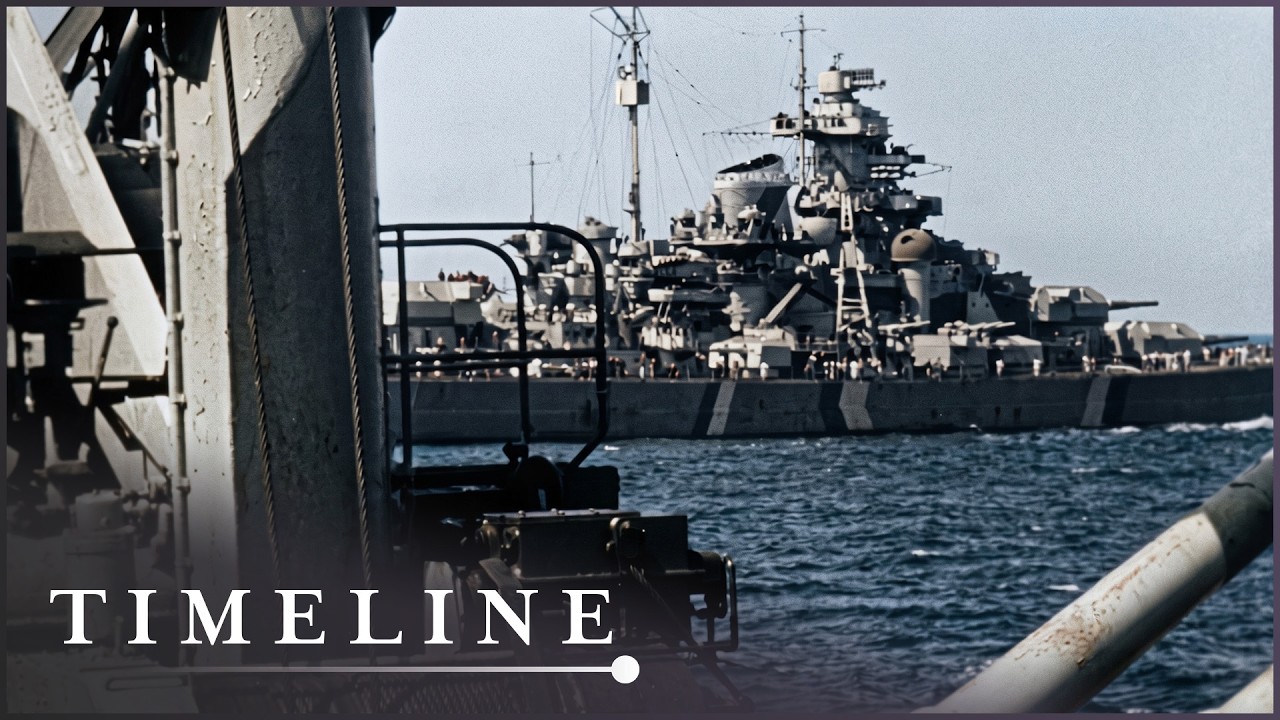
The sinking of the German battleship Bismarck is examined through insights from naval historian Nick Hewitt and curator Andrew Choong at the National Maritime Museum.
Winston Churchill's early life and political career are examined to illustrate how his determination contributed to Britain's victory over Nazi Germany in World War II.
In 1940, the introduction of the Churchill tank marked a significant advancement in Allied tank warfare during World War II, countering Germany's blitzkrieg tactics.
The Supermarine Spitfire, a British aviation icon, evolved from Schneider Trophy seaplanes to a crucial fighter aircraft during World War II, as recounted by veterans and experts.
In December 1944, Adolf Hitler launched the Battle of the Bulge, a desperate counteroffensive aimed at reversing Allied gains in Western Europe.
In early 1939, America was reluctant to enter World War II, but Frank Capra's propaganda film series, Why We Fight, played a crucial role in rallying public support for the war effort.
Adolf Hitler's suicide on April 30, 1945, led to Germany's surrender and the United States' use of atomic bombs on Hiroshima and Nagasaki, ending World War II.
The Mediterranean theatre played a crucial role in World War II by serving as a vital supply route and drawing German resources away from other fronts.
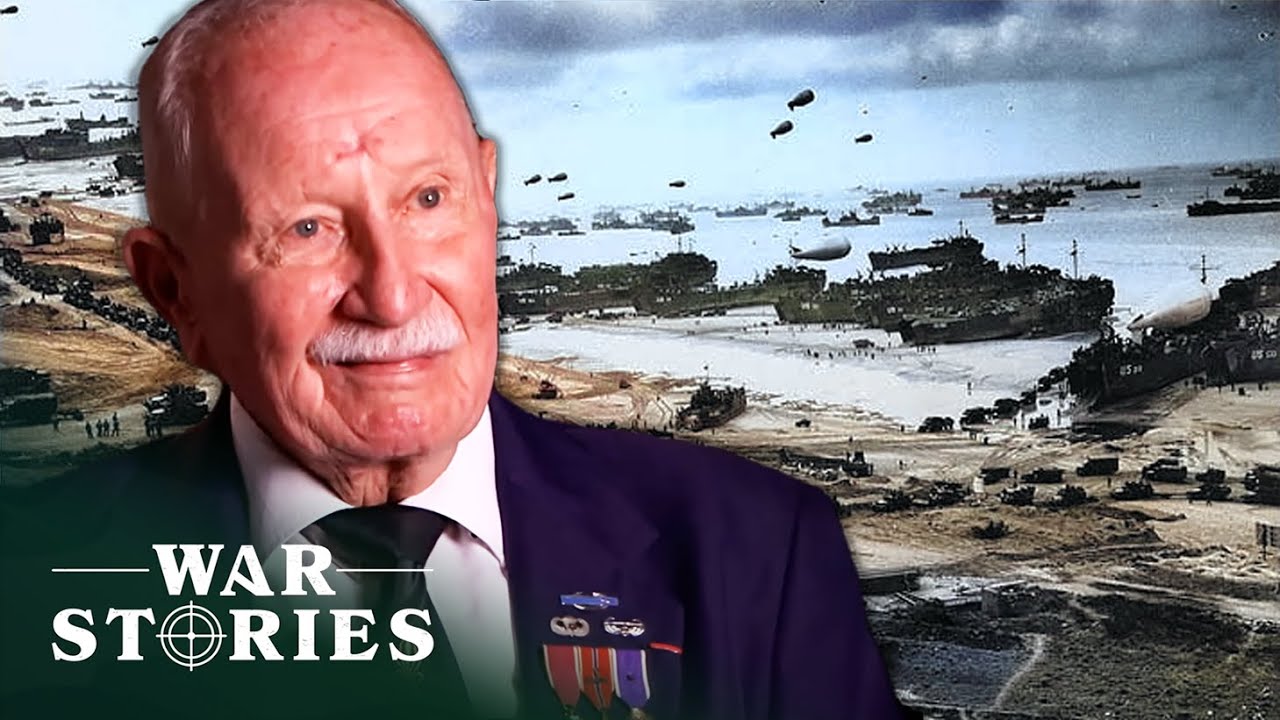
On June 6, 1944, 136,000 Allied soldiers launched the D-Day invasion at Normandy, marking a pivotal moment in the fight against Nazi Germany.
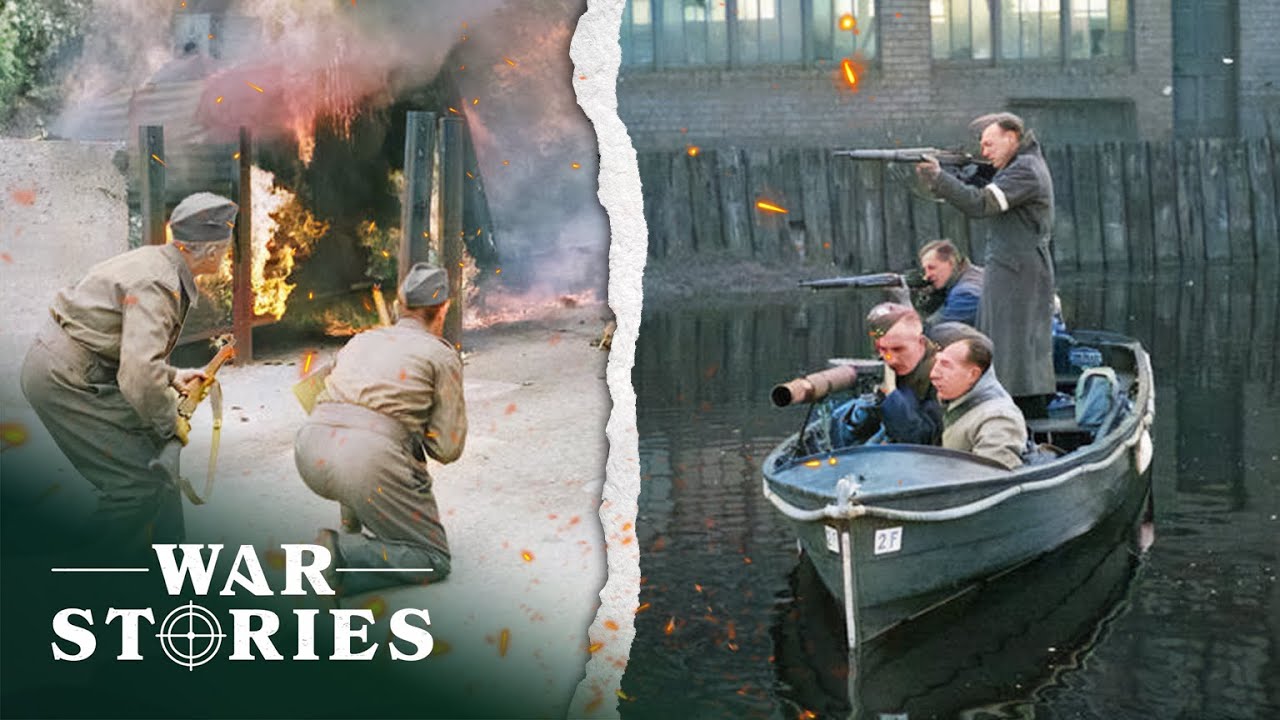
The British Home Guard, formed in 1940 as the Local Defence Volunteers, comprised civilians who trained and improvised to defend against a potential Nazi invasion during World War II.
In 1918, Germany launched the Kaiserschlacht offensive on the Western Front, aiming for a decisive victory before American forces could impact the war.
The Gallipoli Campaign of 1915, orchestrated by Winston Churchill, resulted in a catastrophic defeat for Allied forces, with significant casualties and no strategic advantage.
Over 300,000 Allied soldiers were evacuated from the beaches of Dunkirk in May and June 1940, as German forces advanced from the north.
The final days of World War II in Europe are marked by the Allied invasion on D-Day, Hitler's suicide in Berlin, and Germany's surrender in May 1945.
Norman expansion from Northern Europe into the Mediterranean and the Middle East led to the establishment of the culturally diverse Kingdom of Sicily under Roger II.
The USS Enterprise's mid-battle repair at Guadalcanal, the Rolls Royce Merlin Engine, and the Skoda Arms Factory's resistance against the Nazis highlight WWII engineering feats.
Life in the trenches of the Western Front during World War I was marked by constant fear of death, squalid living conditions, and severe psychological torment.
RAF Pathfinders, led by RV Jones, played a crucial role in countering Nazi Germany's radio navigation systems during the Blitz, guiding Allied bombers with precision.
In 1918, Allied forces, including the ANZACs, faced fierce resistance while attempting to breach the heavily fortified Hindenburg Line during World War I.
American soldiers describe the harsh conditions in Italy during World War II, where heavy rains and mud made advancing difficult and morale challenging to maintain.
The 1st Infantry Division of the U.S. Army played a crucial role in World War II, with significant involvement in the North African campaign and the D-Day landings at Normandy.
On May 10, 1940, Winston Churchill assumed the role of Prime Minister as Germany launched its offensive into Western Europe.
Fort Knox, the U.S. Bullion Depository, houses an estimated $73 billion in gold within its highly secure vaults, serving as a symbol of national wealth and security.
Law enforcement and military personnel confront the challenges posed by unidentified flying objects in a series that examines their encounters and responses.