From over 100,000 films, discover the handful you'll love.
Free or premium access to the world's largest documentary library.
2821 films(Page 16 of 59)
Avrocar developments are documented through static testing, the first flight on November 12, 1959, and wind tunnel modifications at Ames Research Center.
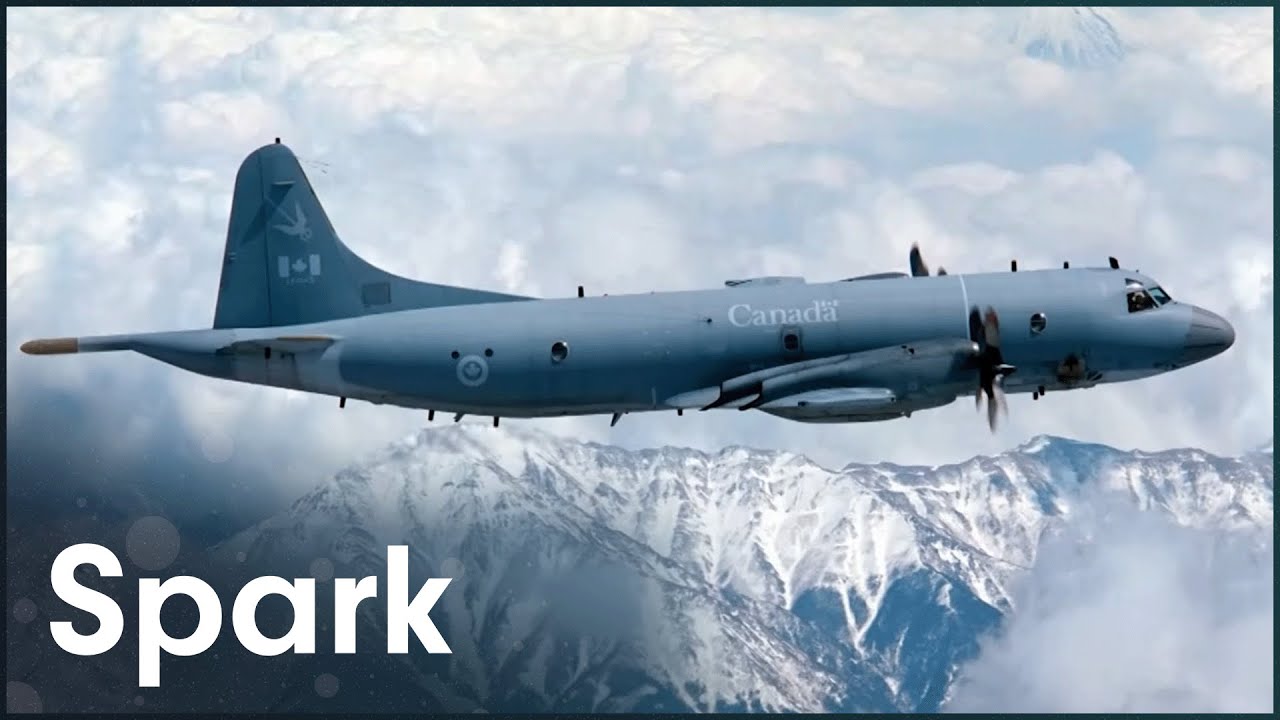
A CP-140 Aurora aircraft must locate and eliminate a mock submarine target in a 145 square kilometer ocean range off British Columbia's coast.
Almost five million allied troops participated in the liberation of Western Europe, leading to the unconditional surrender of Nazi forces on May 7, 1945.
Operation Fortitude was a strategic deception plan by Winston Churchill that used inflatable tanks and fake equipment to mislead Hitler about the D-Day invasion's true location.
Key events of 1942, including the attack on Pearl Harbor, the fall of Singapore, and the Battle of Midway, significantly influenced the outcome of World War II.
In December 1944, the Battle of the Bulge marked Hitler's last major offensive, highlighting the failed advance of Kampfgruppe Peiper and the defense of Bastogne.
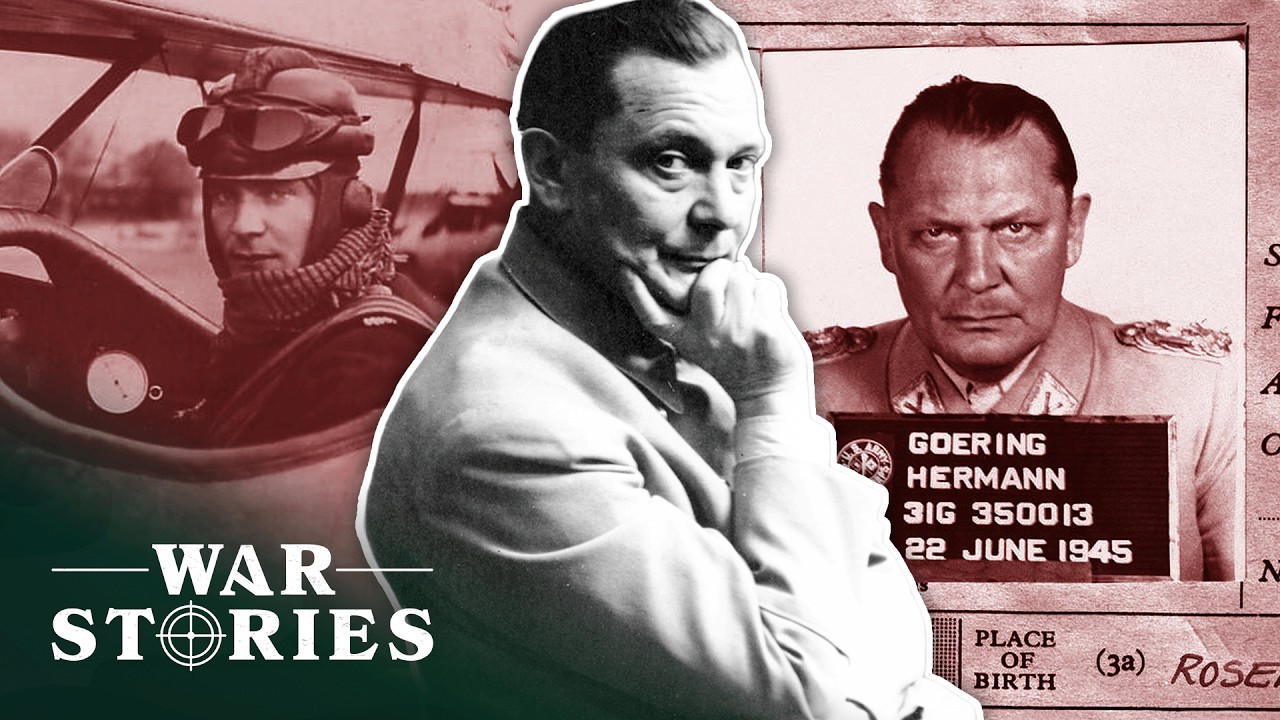
Hermann Goering's transformation from a World War I fighter ace to a key Nazi leader is examined, highlighting his role in the Luftwaffe and the Nuremberg Trials.
Real-life veterans share their experiences and challenges in reintegrating into society after service, inspired by the events depicted in The Long Road Home.
Nazi leadership retreated underground during World War II, creating extensive facilities for weapons production, including V2 rockets at Mittelbau-Dora.
Operation Fabian details the SAS's covert missions in 1944 to locate and neutralize Nazi V2 rocket launchers while seeking justice for executed comrades.
The brutal Russian winter of 1941 significantly halted the advance of the Wehrmacht during the early years of the German invasion of the Soviet Union.
In Norway, elite commandos targeted Hitler’s Atomic Bomb program, while the US Army faced brutal combat in the Hurtgen Forest during World War II.
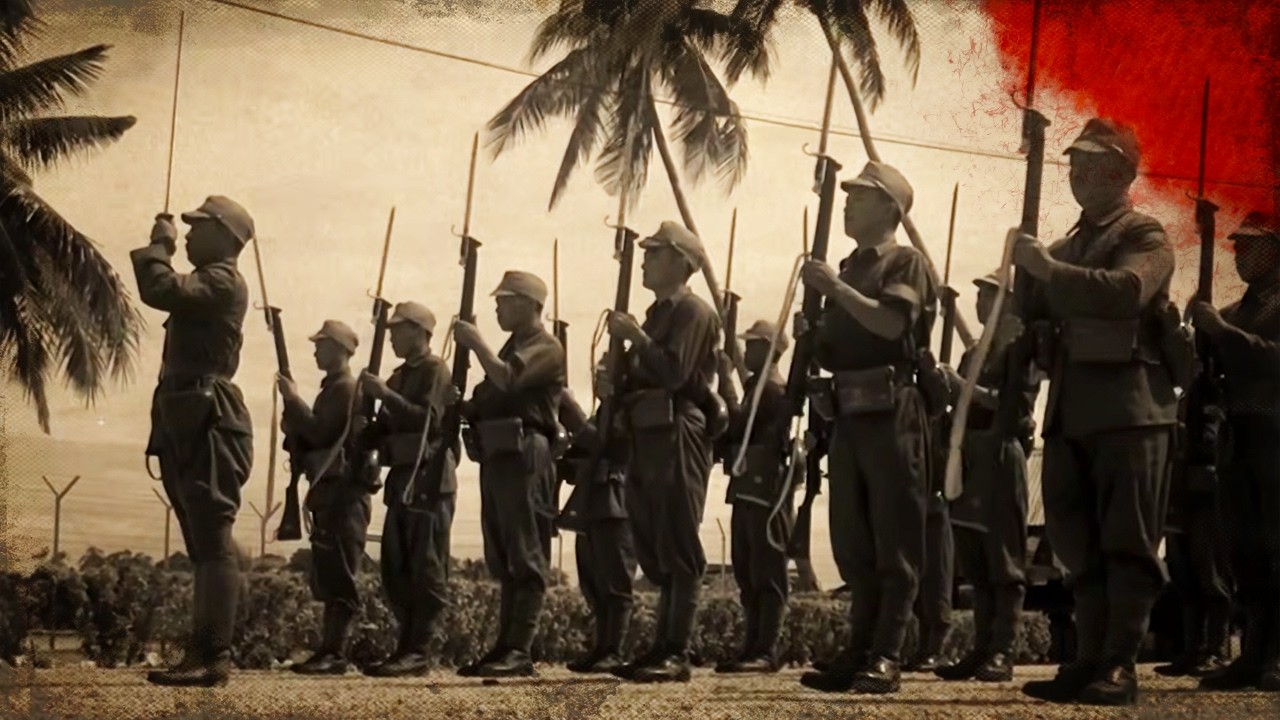
In June 1944, while Allied forces stormed France, American troops launched a critical offensive on Saipan in the Marianas Islands, supported by the USS Enterprise.
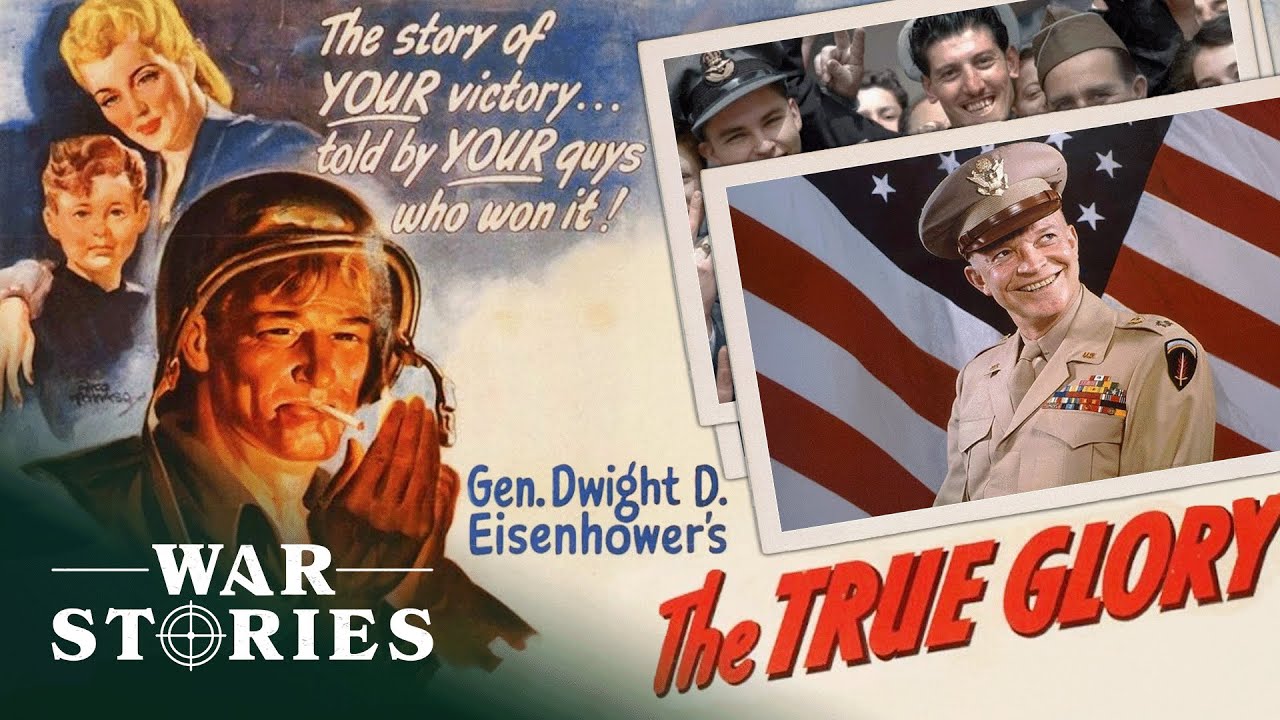
In 1945, Dwight D. Eisenhower introduced an archive film co-produced by the US Office of War Information and the British Ministry of Information, capturing the Allied nations' sentiments as they advanced against Nazi Germany.
The final years of World War II, marked by the Siege of Leningrad, D-Day, and the Tehran Conference, highlight the collapse of the Axis Powers.
In June 1944, the Allied forces launched the Normandy landings, leading to a year of intense battles across the Western Front, culminating in the push into Nazi Germany.
On November 8, 1918, German, British, and French delegates negotiated the armistice in a railway carriage, setting the stage for future conflicts.
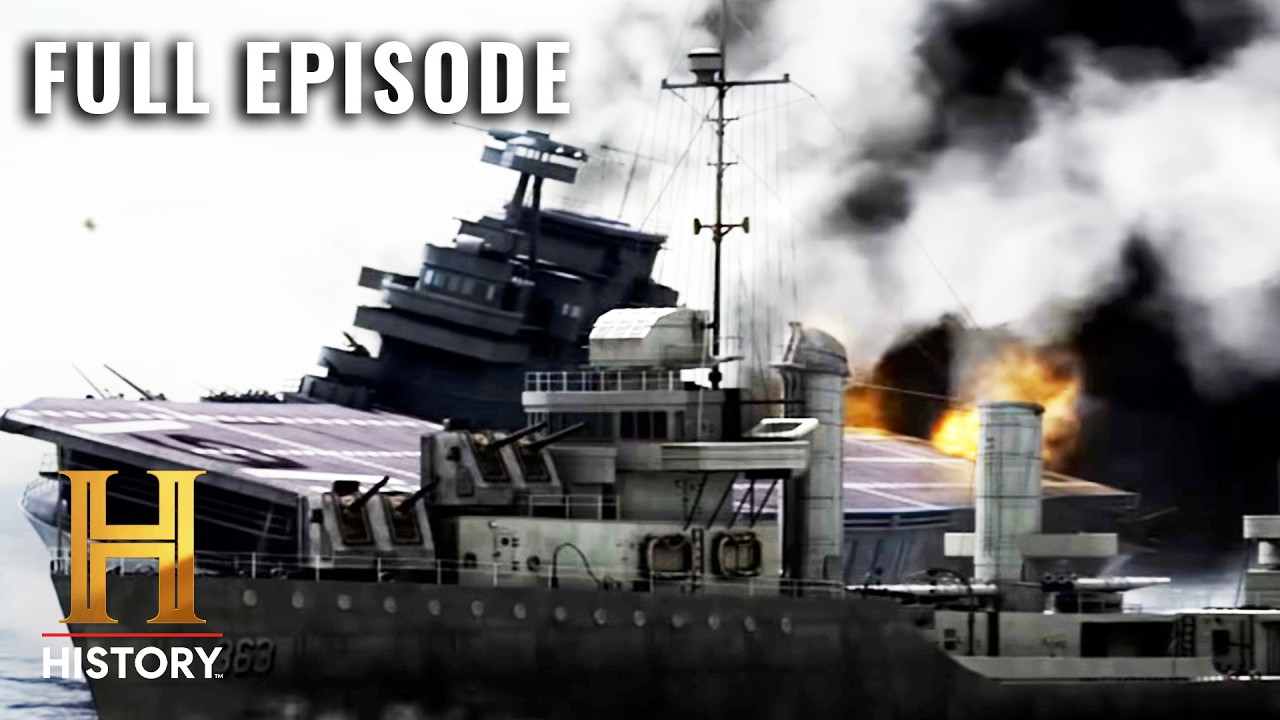
In November 1942, the USS Enterprise, the only battle-ready American aircraft carrier in the Pacific, faces intense combat against Japanese forces.
By May 4, 1941, Liverpool had suffered three consecutive nights of bombing, resulting in nearly 150 deaths and extensive destruction across the city.
One of the most advanced helmets in the world undergoes rigorous testing at BAE Systems' Rochester facility to ensure pilot safety and performance.
American women veterans face challenges readjusting to life at home after combat deployment.
Joseph L. George, a Boatsman's Mate on the USS Vestal, defied orders during the Pearl Harbor attack to save six survivors from the USS Arizona.
In 1942, significant military developments in Eastern Europe, North Africa, and the Asia Pacific shifted the dynamics of World War II.
Over 20,000 German 88 millimeter anti-aircraft guns were produced during World War II, marking a significant advancement in defensive military technology.
American advisors began laying the groundwork for village defense in South Vietnam in September 1961, teaching locals to protect themselves against communist attacks.
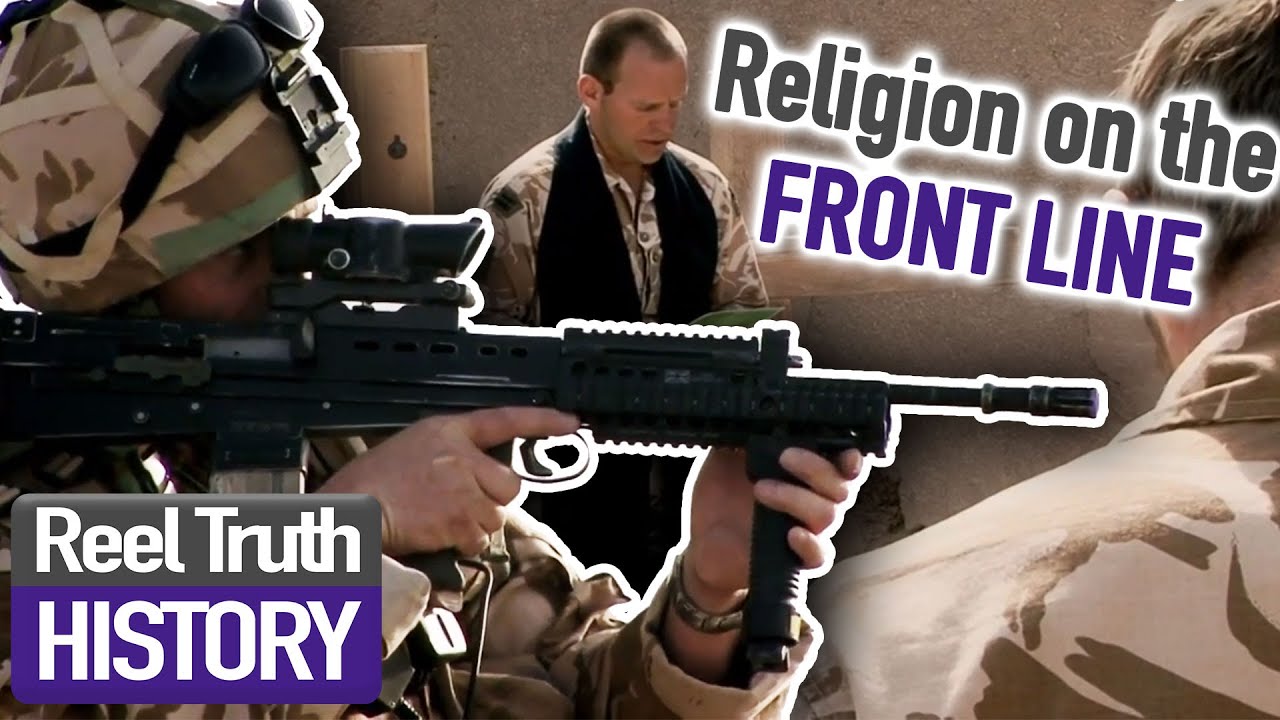
8300 British troops are stationed in Afghanistan, where Royal Navy chaplains provide spiritual support amid the dangers of the War on Terror.
In the summer of 1942, the American Navy launches its first offensive in the Solomon Islands, marking a significant moment in the Pacific Theater of World War II.
Temperatures reach -30°C as soldiers train to climb the equivalent altitude of summiting Mount Everest ten times in their preparation to become mountain guides.
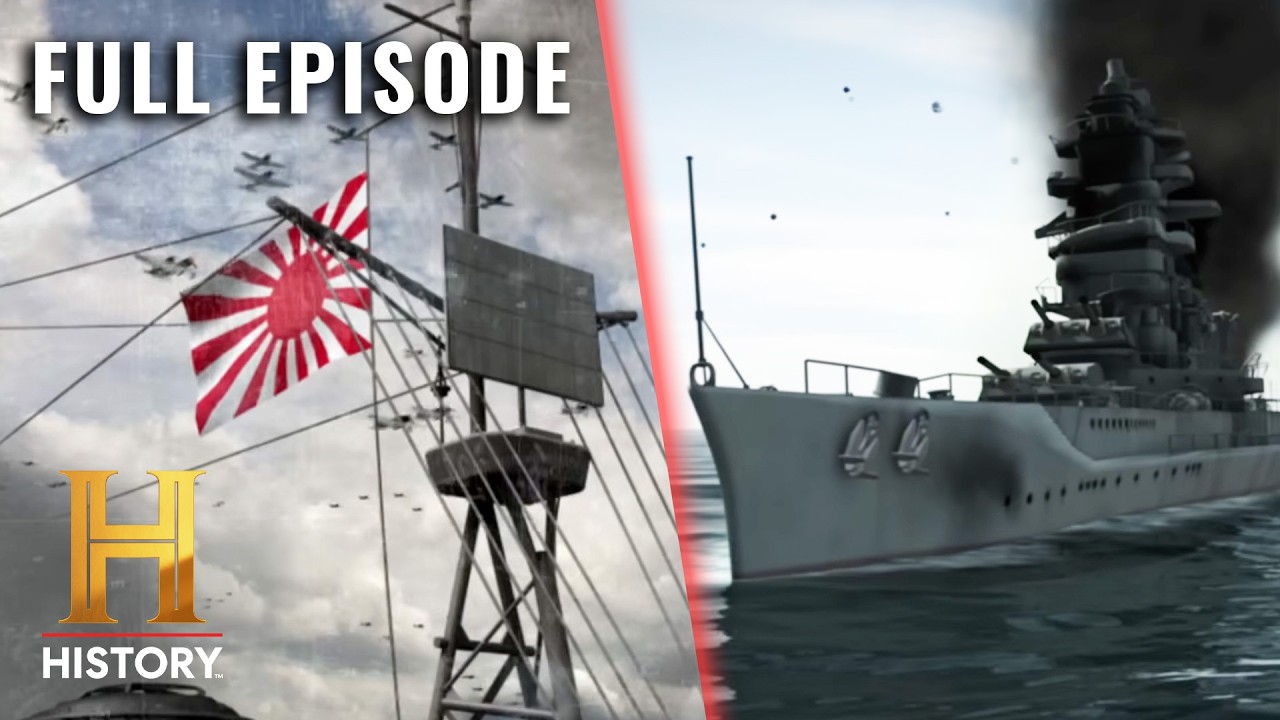
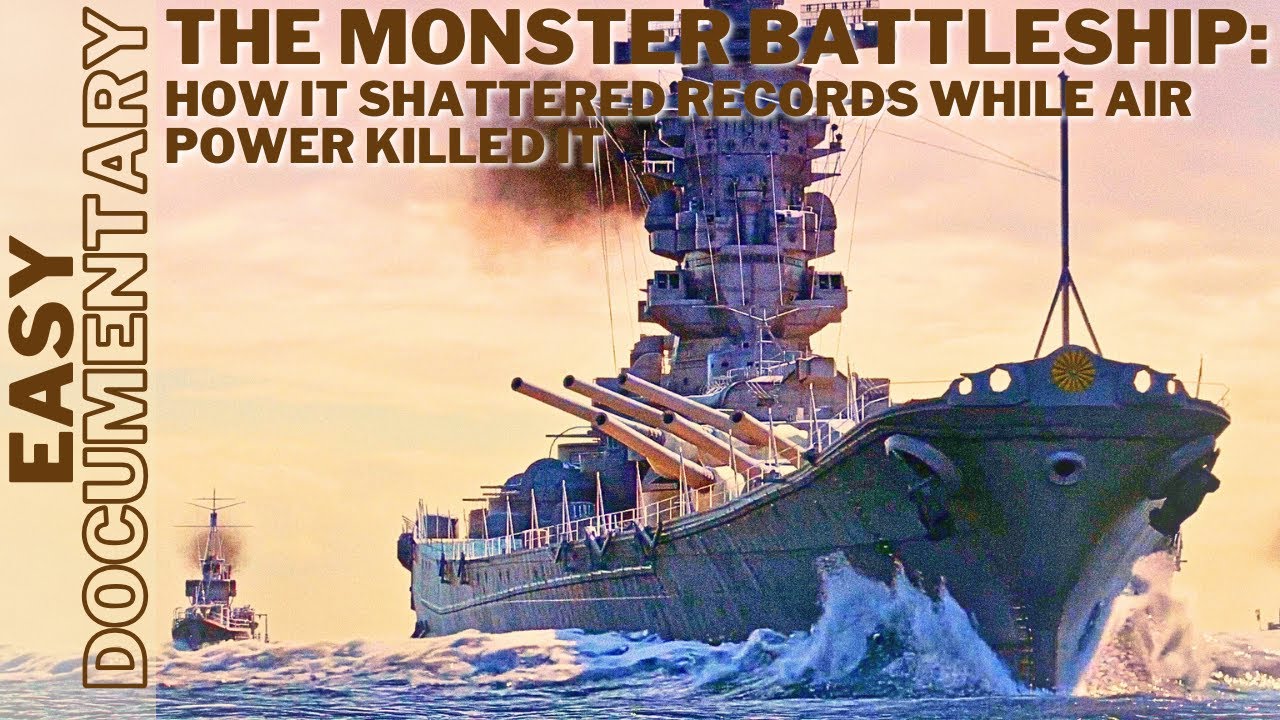
In 1945, Japan's Yamato, the largest battleship ever built, faced the devastating impact of air power, challenging the effectiveness of traditional naval warfare.
A single Ohio class submarine carries 24 ballistic missiles, each capable of striking with little or no warning under extreme stealth.
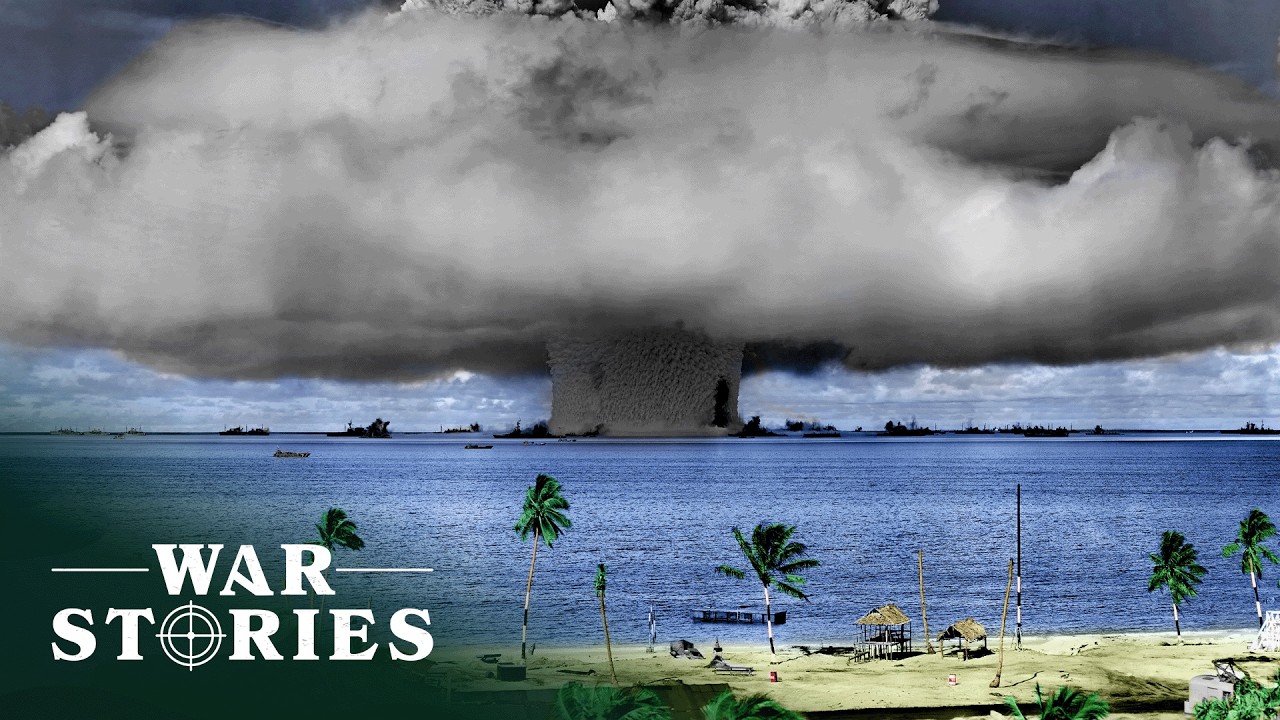
Bikini Atoll, site of the 1946 Operation Crossroads atomic tests, became a radioactive ship graveyard, highlighting the lasting impact of nuclear warfare.
On Christmas Day 1943, the German battlecruiser Scharnhorst launched an attack on Allied Arctic convoys, but the Royal Navy, aided by Bletchley Park intelligence, was prepared.
In May 1940, Germany's rapid military strategy, known as Blitzkrieg, marked the end of the Phony War and initiated the invasion of Western Europe.
Over 200 kilometers of harsh Antarctic terrain challenge Prince Harry and four injured British soldiers in a race against teams from the Commonwealth and the USA.
King Leonidas I of Sparta led 300 elite warriors at Thermopylae in 480 BC, holding off the Persian army and influencing future Greek victories.
In Northwest Germany's Senne, a military training area for over 130 years, rare wildlife thrives in a largely undisturbed natural habitat.
The Eastern Front of World War II highlights the brutal conflict between the Red Army and Nazi Germany, featuring key events like the Siege of Leningrad and the Battle of Stalingrad.
In 1940, the Battle of Britain marked a crucial turning point in World War II, highlighting the resilience of the British Empire against Nazi Germany's aggression.
Germany served as a critical intelligence battleground during the Cold War, highlighting espionage efforts by NATO and the USSR, including the 1985 killing of Major Arthur D. Nicholson.
In 500 BC, Greek city-states revolted against Persian rule, leading to a series of battles that would alter the course of European history.
In May 1941, the Royal Navy launched a massive hunt for the German battleship Bismarck after it sank HMS Hood, culminating in a decisive naval confrontation.
At 200 meters long and weighing 22,000 tons, the Thunder Boat is the second-largest vessel in the French navy, designed for diverse military operations.
In Louisiana's swamps, alligator hunters face perilous challenges as one swamper is thrown overboard during a gator fight and another risks his season's success.
In 1914, as World War I erupted in Europe, most Americans remained indifferent, focused on their own prosperity and the perceived insignificance of the conflict.
Royal Canadian Air Force training centres prepare recruits from across Canada to operate and manage the country's aerial defence systems.
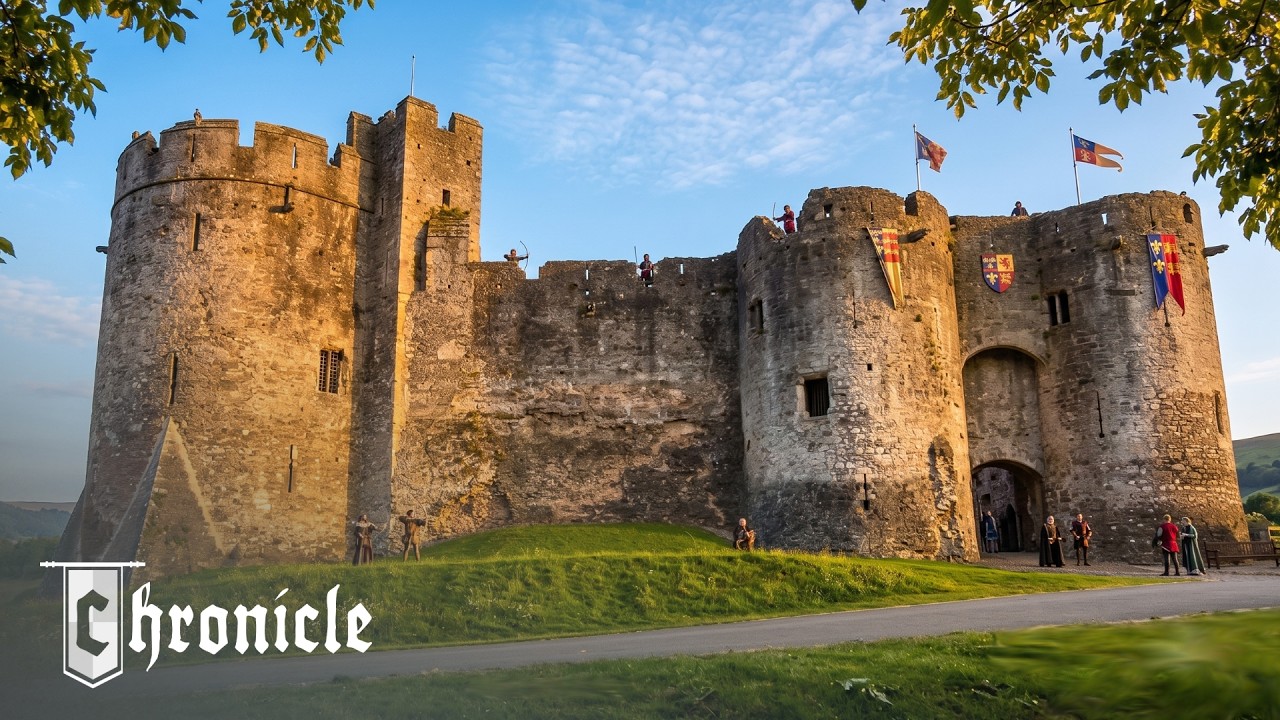
Medieval fortresses, such as Caernarfon Castle and Chteau Gaillard, were engineered using innovative techniques and materials to withstand sieges and evolving military strategies.
Arctic convoys during World War II transported vital supplies to the Soviet Union from 1941 to 1945, facing extreme cold and German U-boat attacks.
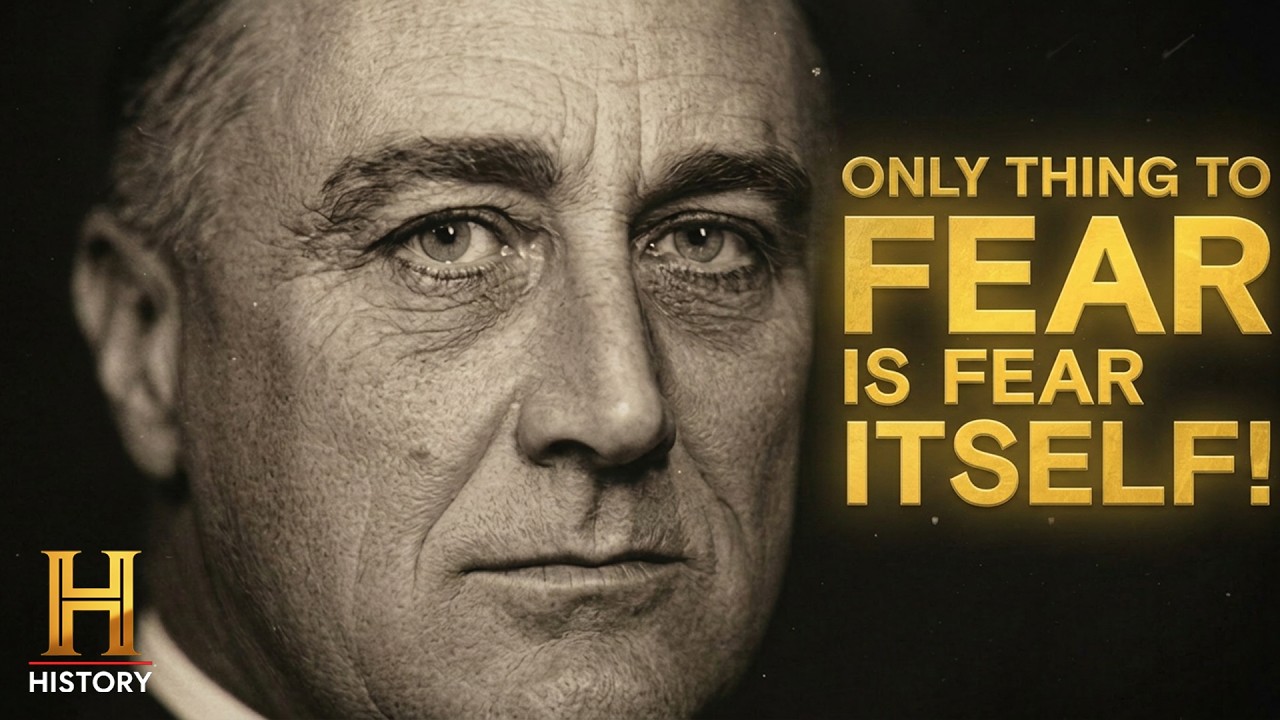
Franklin D. Roosevelt's leadership during World War II is examined, highlighting D-Day and his unexpected death amid crucial wartime negotiations.