From over 100,000 films, discover the handful you'll love.
Free or premium access to the world's largest documentary library.
2821 films(Page 23 of 59)
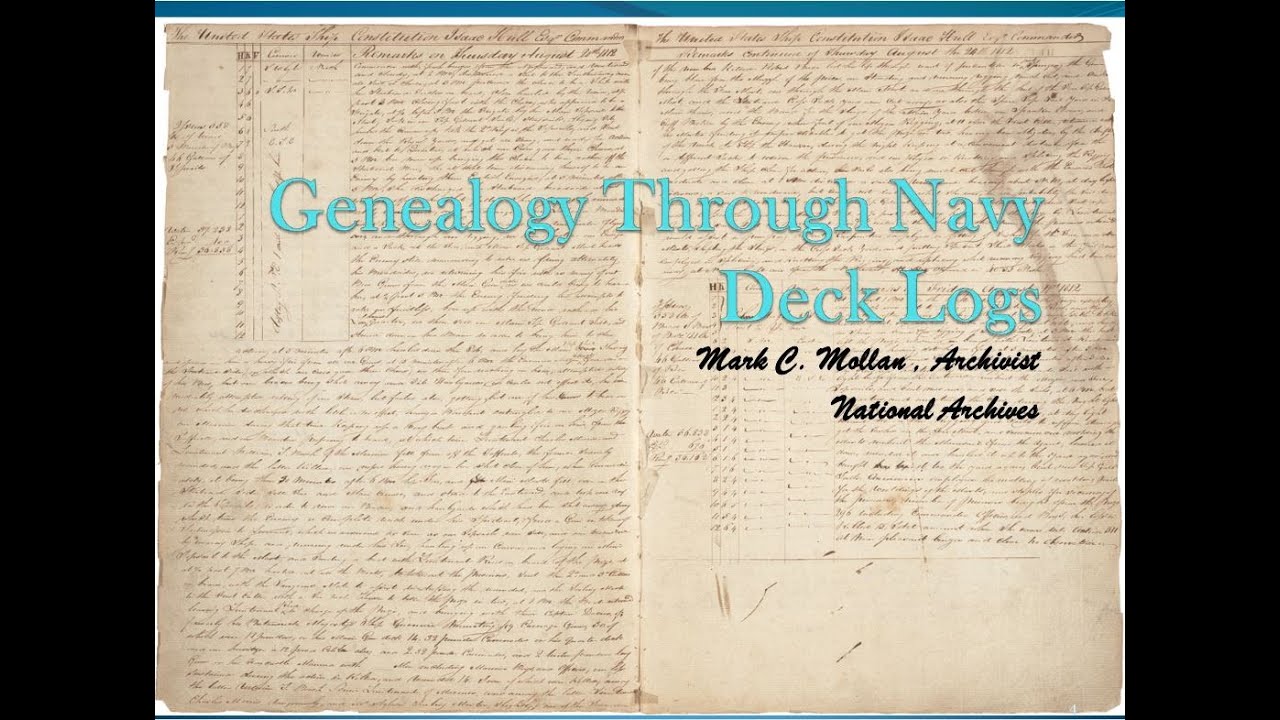
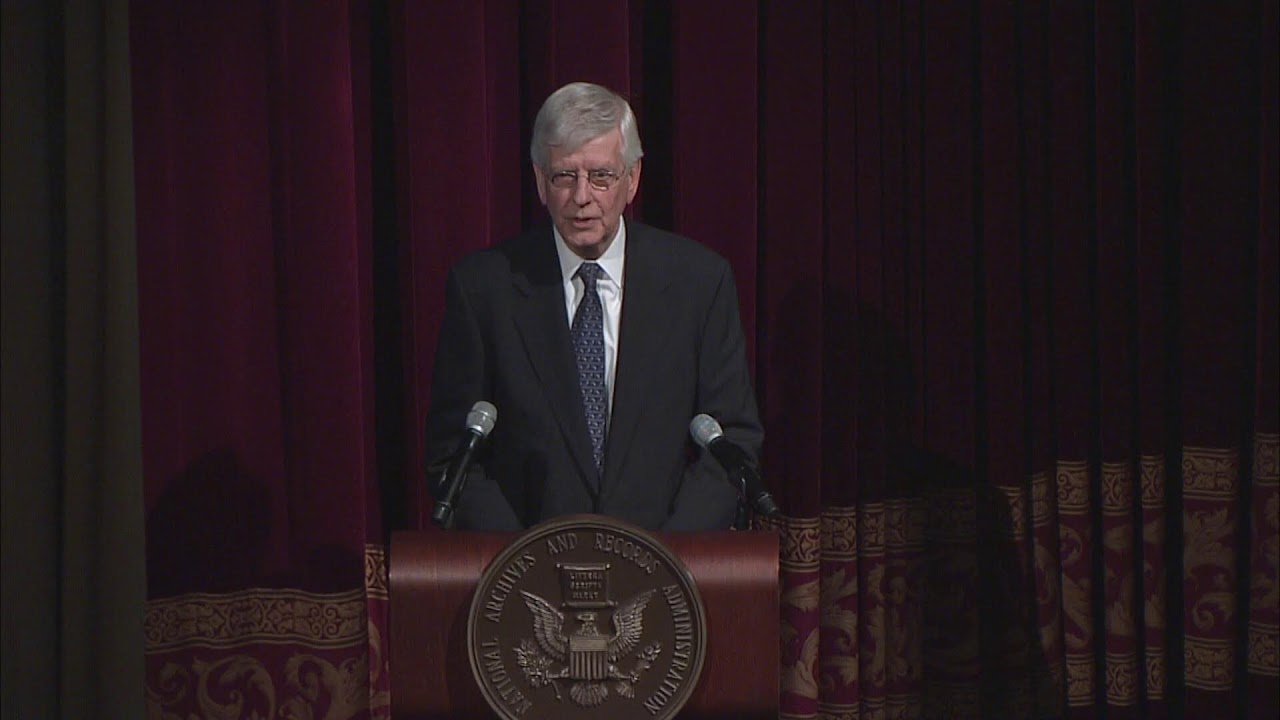
Mark C. Mollan, a Navy Maritime reference archivist, discusses the genealogical value of U.S. Navy deck logs and ongoing digitization efforts at the National Archives.
In 1977, Congress granted veteran status to the Women Airforce Service Pilots, who had served in non-combat roles during World War II.
More than 4,000 men and women work to convert military aircraft into commercial airliners after World War II.
Chuck Robb recounts his life from Marine service in Vietnam to his political career in Virginia and the U.S. Senate, alongside insights from historian Michael Beschloss.
5,000 requests from veterans are processed daily at the National Personnel Record Center in St. Louis, providing essential documentation for military service.
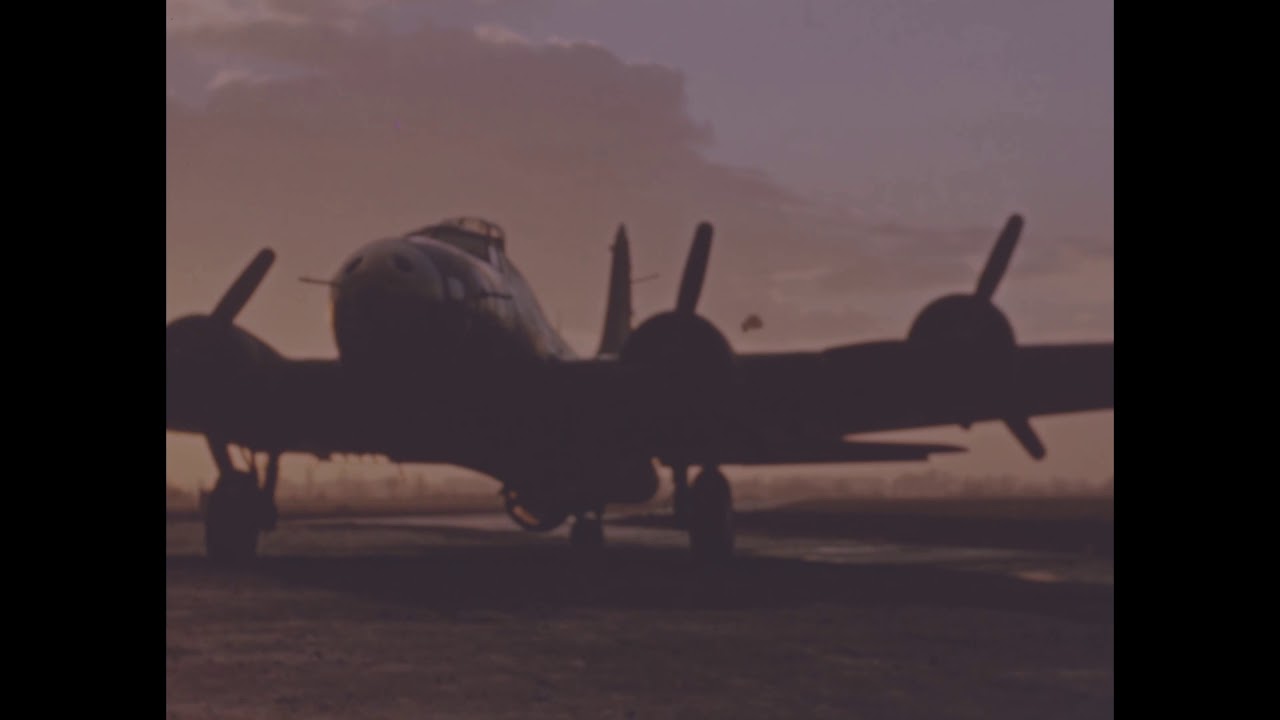
Eighth Air Force activity during World War II is documented through silent footage of the B-17 bomber Memphis Belle and its combat missions from 1942 to 1943.
General John J. Pershing receives the Legion of Honor and Distinguished Service Medals at Chaumont, alongside various military decorations presented to U.S. and Allied officers.
Private John Parr from Middlesex was the first Allied soldier to die in World War I, while Private George Price from Nova Scotia was the last, linking their stories through the war's history.
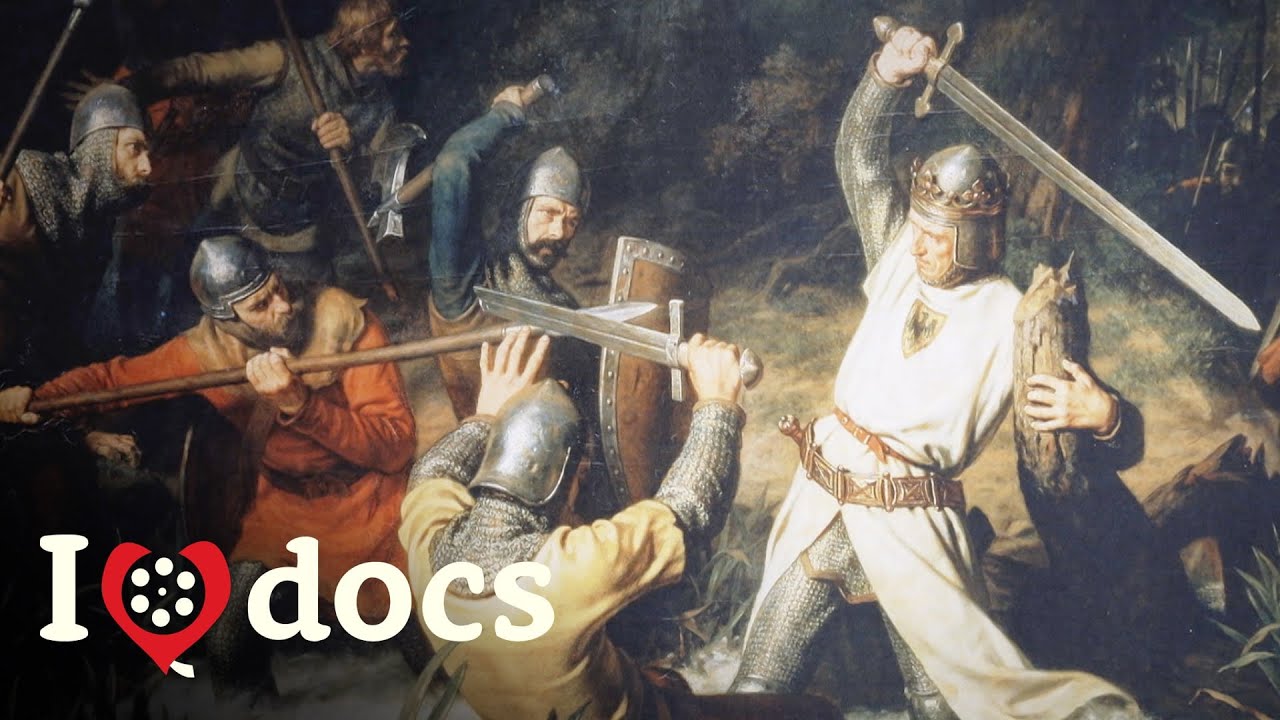
On August 26, 1278, the Battle of Marchfeld marked the largest cavalry engagement in European history, pitting Habsburg King Rudolph I against Bohemian King Přemyslid Ottkar II.
Since 1861, 60 Americans of Hispanic heritage have received the Medal of Honor for their acts of bravery, as detailed by author Michael Lee Lanning.
More than 4 million American soldiers served in the Army during World War I, with half of them fighting overseas.
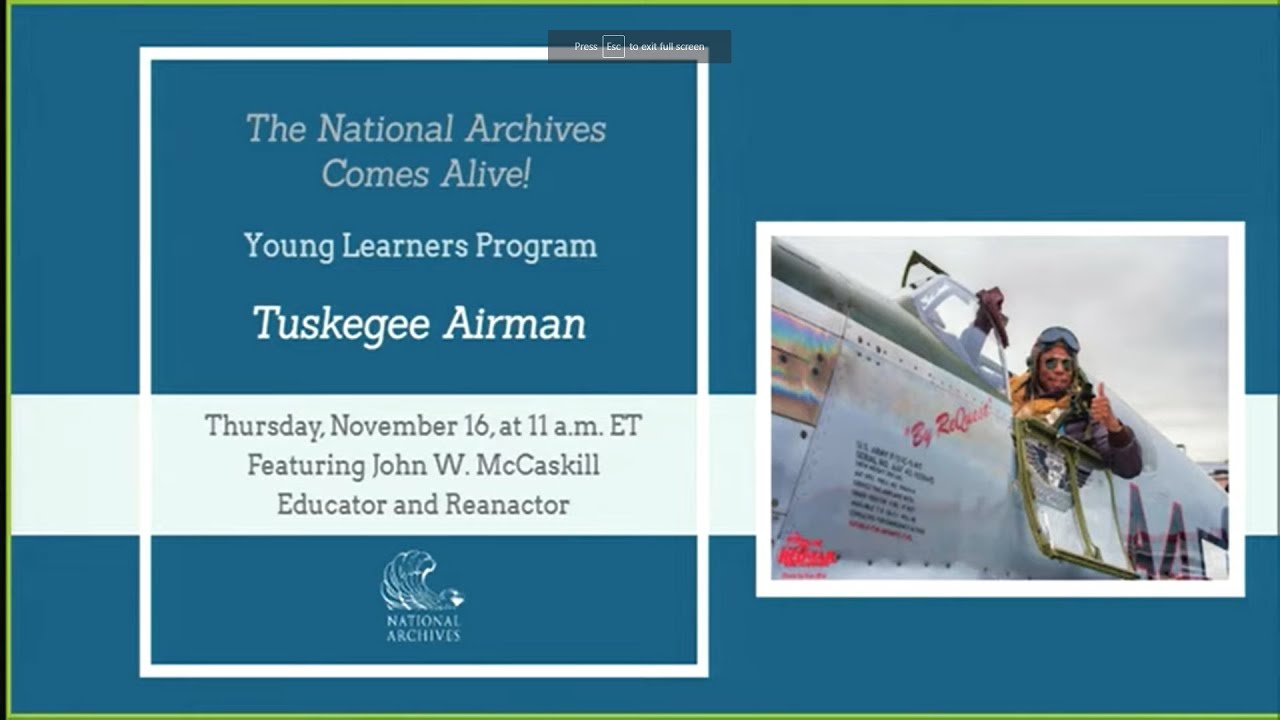
John McCaskill, an educator and reenactor, presents the legacy of the Tuskegee Airmen, the first African American flying unit in the U.S. military during World War II.
Deborah Sampson, the first woman to fight in the American Revolutionary War, served in the Fourth Massachusetts Regiment under the alias "Robert Shurtlieff."
On May 17, 1943, the crew of the Boeing B-17 Memphis Belle completed their final mission, leading to a discussion on the film's restoration with Criss Austin and Catherine Wyler.
Vietnam War veterans share their experiences and the impact of their service on families, as recounted by professor James Wright in a reflective narrative.
Hitler's military decisions during World War II, including the refusal to retreat from Stalingrad and the mismanagement of the Normandy invasion, contributed significantly to Germany's defeat.
The American Battle Monuments Commission commemorates a century of honoring U.S. armed forces sacrifices through its military cemeteries and memorials worldwide.
Military aviation activities conducted by the U.S. Air Force from October 1955 to October 1956 are documented in a silent film series archived at the National Archives.
The Army Nurse Corps was established in 1901, followed by the Navy Nurse Corps in 1908, marking the beginning of military nursing in the United States.
Gondrecourt camp in France served as a training ground for the 1st Division during World War I, showcasing military exercises and daily life from July to September 1917.
The Black Watch sniper platoon, which suffered the highest casualties among Canadian regiments in World War II, shares their experiences from the liberation of Western Europe.
Montana served as a critical training ground for the Devil's Brigade, the elite commando unit that fought against the Axis powers during World War II.
In June 1964, the U.S. Air Force provided critical assistance to Niigata citizens following a devastating earthquake that caused extensive damage and an oil refinery fire.
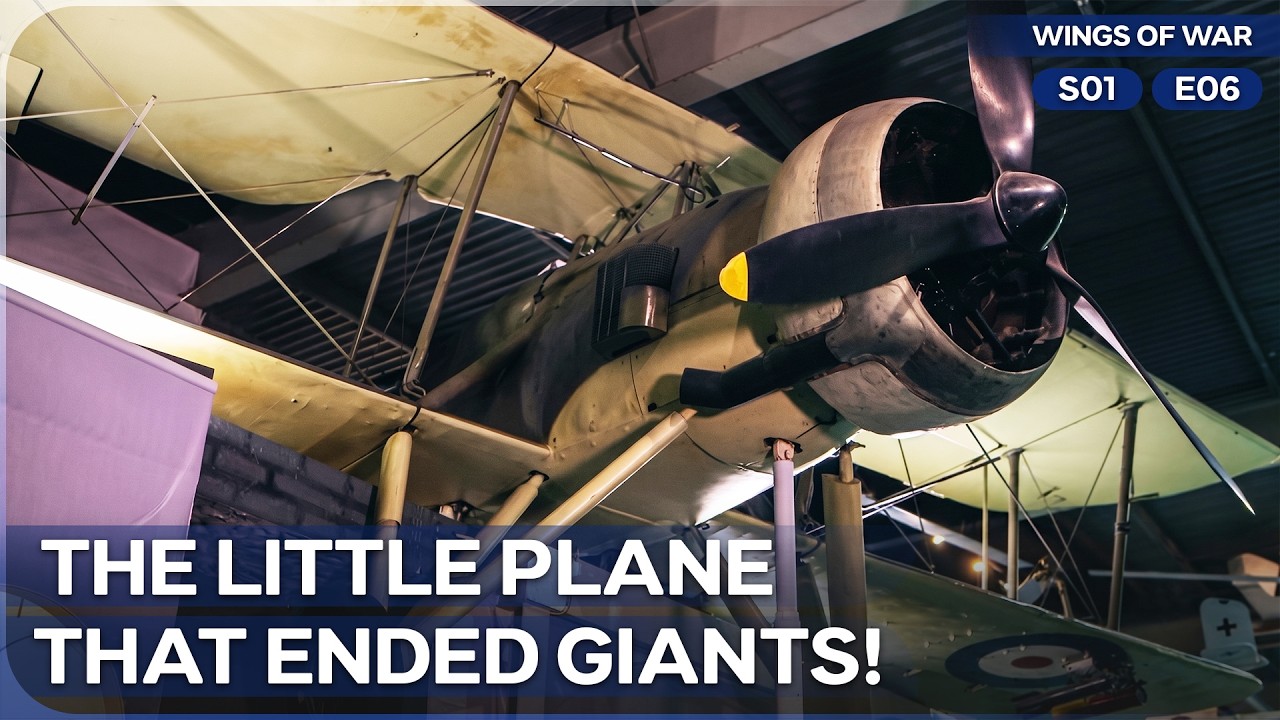
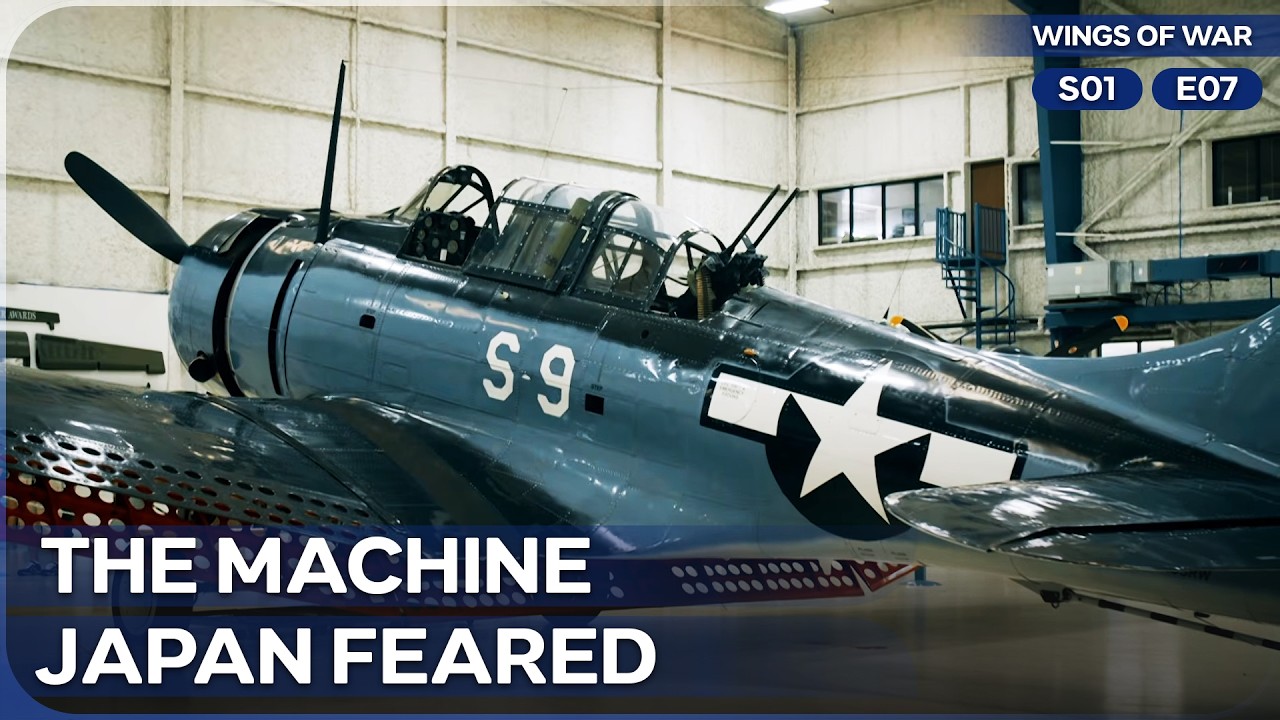
Military bomber aircraft, from the Avro Lancaster to the B-52 Stratofortress, have significantly influenced warfare strategies and historical conflicts.
Young Israeli soldiers navigate the challenges of transitioning to civilian life after combat, focusing on resilience, community, and personal growth.
In 1963, Cape Canaveral hosted significant events including missile launches, the construction of the Titan III facility, and a tour by President John F. Kennedy.
Brest's harbor in 1918 showcases the arrival of U.S. troops, including the 304th Field Artillery and 61st Infantry, as they debark from various transports and set up camp.
The Battle of Okinawa, lasting 82 days, marked a pivotal conflict in World War II, showcasing intense combat between the United States and Japan.
In Central California, a naval disaster in 1923 resulted in the loss of seven Navy destroyers and 23 sailors due to a collision with rocks in thick fog.
Military bomber aircraft, from the Avro Lancaster to the B-52 Stratofortress, have significantly influenced warfare strategies and historical outcomes.
Jari Osborne reflects on her father's experiences as a Chinese-Canadian veteran in World War II, highlighting the discrimination faced by British Columbia's Chinese-Canadian community.
Civic action initiatives in Micronesia, supported by the U.S. Army, focused on community development and humanitarian assistance from 1974 to 1984.
General Dwight D. Eisenhower reports to Congress on the defeat of Germany, British-American relations, and the ongoing military efforts in the Pacific during World War II.
Military bomber aircraft, from the Avro Lancaster to the B-52 Stratofortress, have significantly transformed warfare strategies and historical outcomes.
Four Western volunteers risk their lives to fight ISIS alongside Kurdish forces in a complex exploration of their motivations and experiences.
Military bomber aircraft, from the Avro Lancaster to the B-52 Stratofortress, have significantly influenced warfare strategies and outcomes from World War I to the Cold War.
On June 6, 1944, military cameramen like George Stevens and John Ford documented the D-Day invasion at Normandy, capturing crucial footage that shaped historical memory.
Military bomber aircraft, from the Avro Lancaster to the B-52 Stratofortress, have significantly influenced warfare strategies and historical outcomes throughout the 20th century.
In 1918-1919, the 35th Division conducted military maneuvers in France, featuring inspections by Generals Bullard, Dugan, and Traub at various locations.
In Mouzon, France, the 77th Division participates in post-armistice training activities, including troop reviews and military inspections by Generals Pershing and Alexander.
3.3% of the U.S. population was Jewish during World War II, a fact that Sammy Bernstein faced as he served as a Marine in the battle of Iwo Jima.
One military spouse reports her husband has been deployed over 20 times, including short-term assignments, which adds strain to family life.
A RAF Bomber Pilot recounts his experiences flying 31 missions during World War II, including crucial support for the D-Day landings.
Veterans of the United States military services participate in the H.O.O.V.E.S. program, aimed at promoting mental health and personal development.
Three speakers from the National Archives discuss how military personnel data and Selective Service records can aid in tracing family histories.
In Delaware, Nick Kessler and Brian Fulmer explore historical sites related to gunpowder, including cannons, battle axes, and a cozy tavern.
















![Documentary backdrop image for Base Section No. 5 (Brest), Troop Arrival and Rest Camp Scenes [1918] (2018)](https://i.ytimg.com/vi/LaJs65kfKl4/maxresdefault.jpg)






![Documentary backdrop image for Post Armistice Training, 35th Division [1918-1919] (2018)](https://i.ytimg.com/vi/BrFVucgYuZg/maxresdefault.jpg)
![Documentary backdrop image for Post Armistice Training, 77th Division [1918-1919] (2018)](https://i.ytimg.com/vi/HLW_VLWJfGo/maxresdefault.jpg)