From over 100,000 films, discover the handful you'll love.
Free or premium access to the world's largest documentary library.
2821 films(Page 19 of 59)
The catastrophic surrender of the German Sixth Army at Stalingrad marked a pivotal turning point in World War II's Eastern Front, influencing subsequent battles in Kursk and Italy.
The surrender of Japan is documented through key events in the Pacific Theater, including General MacArthur's return and the signing aboard the USS Missouri.
Fu-Go Balloon Bombs, developed by Japan during World War II, were designed to carry explosives across the Pacific to target the United States.
Vietnam veterans, activists, and historians recount critical episodes of the Vietnam War, including America's entry, the Tet Offensive, and Nixon's promises.
In February 1942, British paratroopers launched a night assault on the German Würzburg radar station to recover crucial radar technology during World War II.
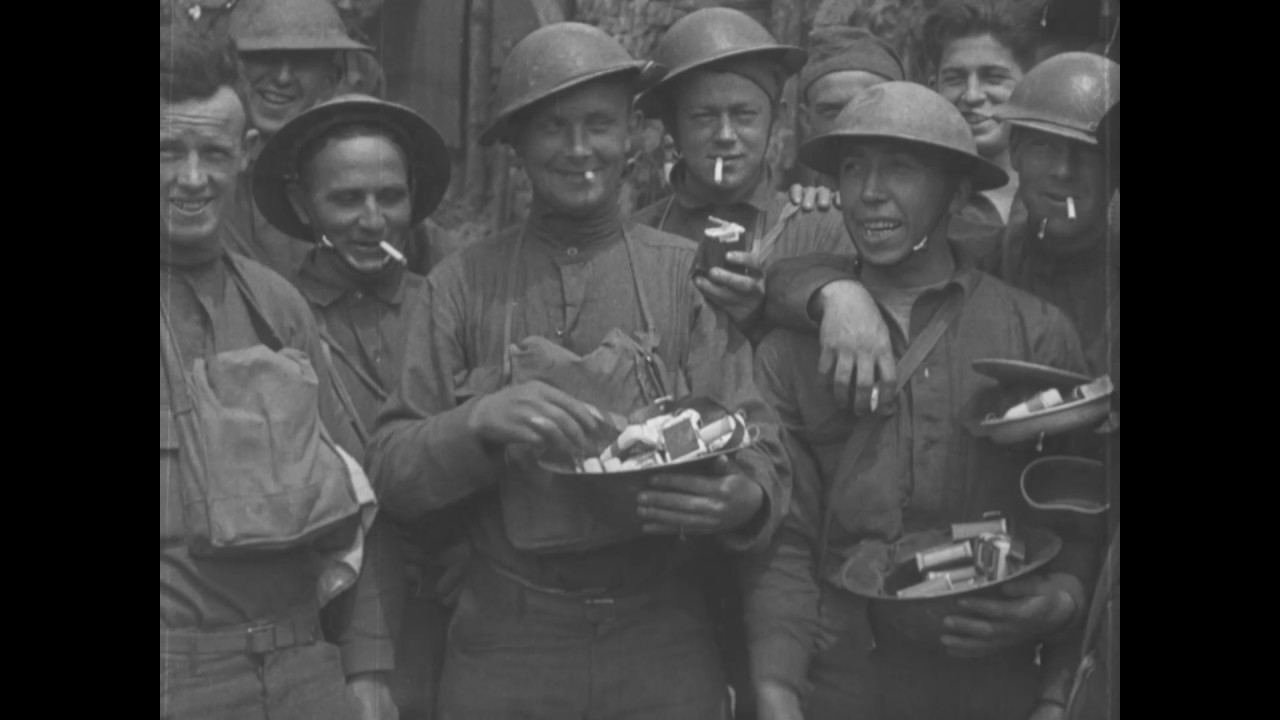
In April 1918, the 26th Division's occupation of the Toul-Boucq sector in Lorraine is documented, showcasing troop activities, trench conditions, and military operations.
Forensic scientists analyze the stories of soldiers who went missing in combat, investigate a serial killer's confession, and use forensics to solve poisoning cases.
Generals Robert E. Lee and Stonewall Jackson formed a strategic partnership that enabled the Confederate Army to achieve significant victories during the Civil War.
Medieval castles across Europe, from Spain to Scotland, evolved from impenetrable strongholds to vulnerable structures as artillery changed warfare forever.
In January 1968, the Viet Cong and North Vietnamese forces launched a coordinated series of attacks across South Vietnam during the Tet Offensive.
Everyday locations around the world, from beaches to military bases, are becoming sites for UFO sightings that challenge our understanding of reality.
Cara Moore Labonic, a reference archives specialist, discusses the challenges of locating personnel records for women who served as cryptographers during World War II.
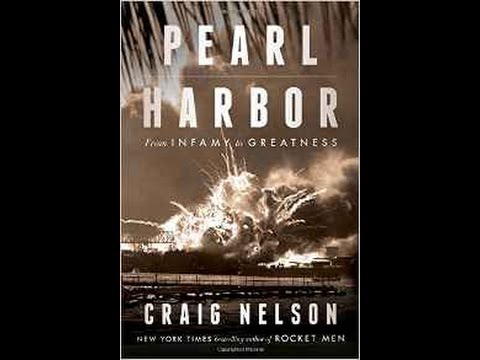
On December 7, 1941, Japan launched a surprise attack on Pearl Harbor, marking a significant turning point in American involvement in World War II.
German submarine warfare during World War I is depicted through the successful missions of a U-boat, including the sinking of multiple British and other vessels.
United States Army Ranger Combat Training School in Hawaii is depicted through silent footage from World War II, showcasing military training techniques and exercises.
On June 6, 1944, Operation Overlord's success hinged on a coordinated air assault by 11,000 Allied aircraft that neutralized German defenses along the Normandy coast.
A test dummy simulates injuries from improvised explosive devices to train combat medics in realistic medical scenarios.
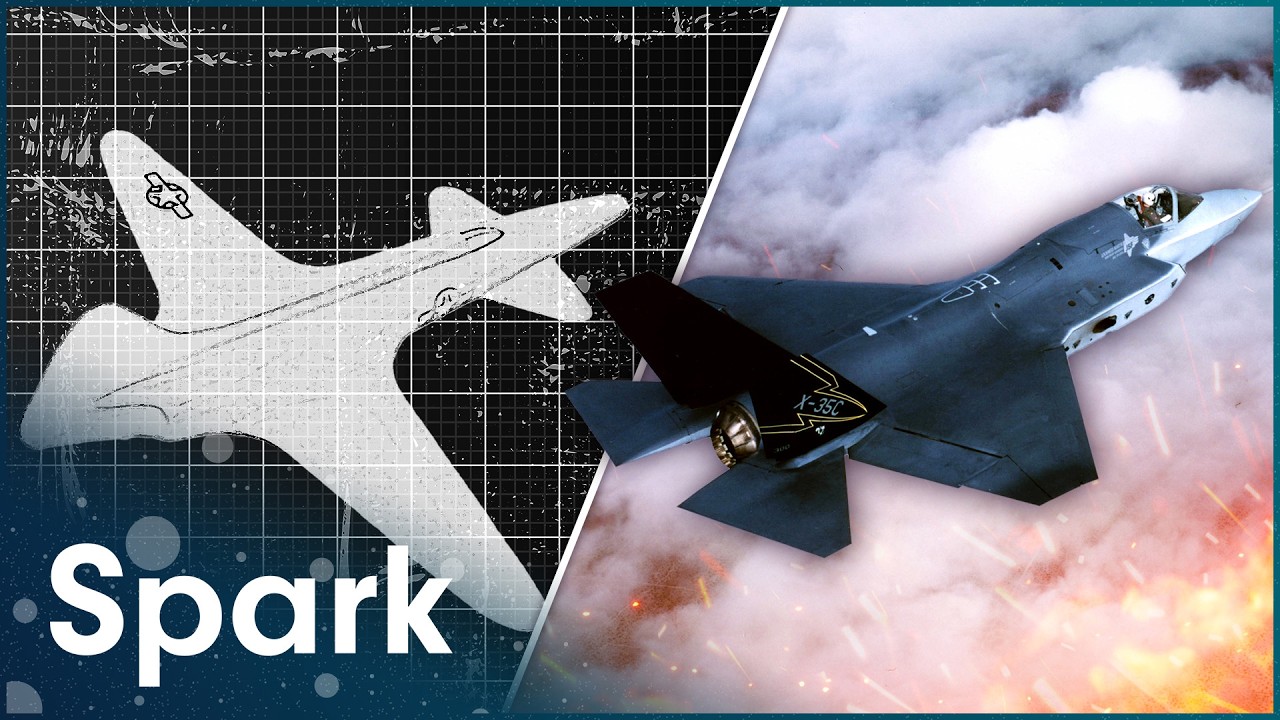
The Lockheed L-133, a jet-powered interceptor designed in 1939, represents a pioneering yet forgotten chapter in aviation history before World War II.
Combat operations of the U.S. Army First Air Cavalry and the contributions of Vietnamese Rangers are highlighted alongside training by the Vietnamese Women's Army Corps.
Rare, digitized archival footage from World War II captures frontline combat and civilian life, providing a comprehensive view of the global conflict.
In April 1862, the Battle of Shiloh erupted in Tennessee, marking a brutal surprise attack by Confederate forces against Union troops led by General Ulysses S. Grant.
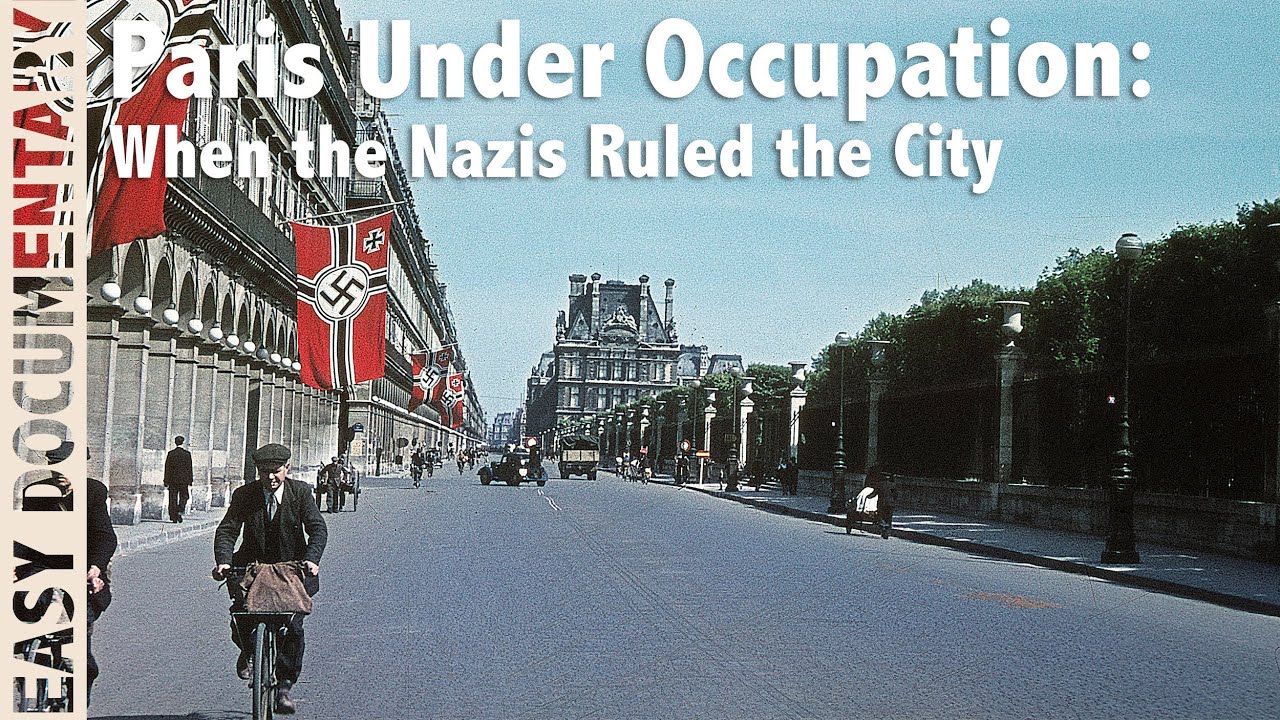
Paris, under Nazi occupation from June 1940, became a battleground of resistance and repression, with its iconic monuments serving as both targets and symbols of defiance.
2,403 Americans died during the Japanese attack on Pearl Harbor on December 7, 1941, which led to the United States entering World War II.
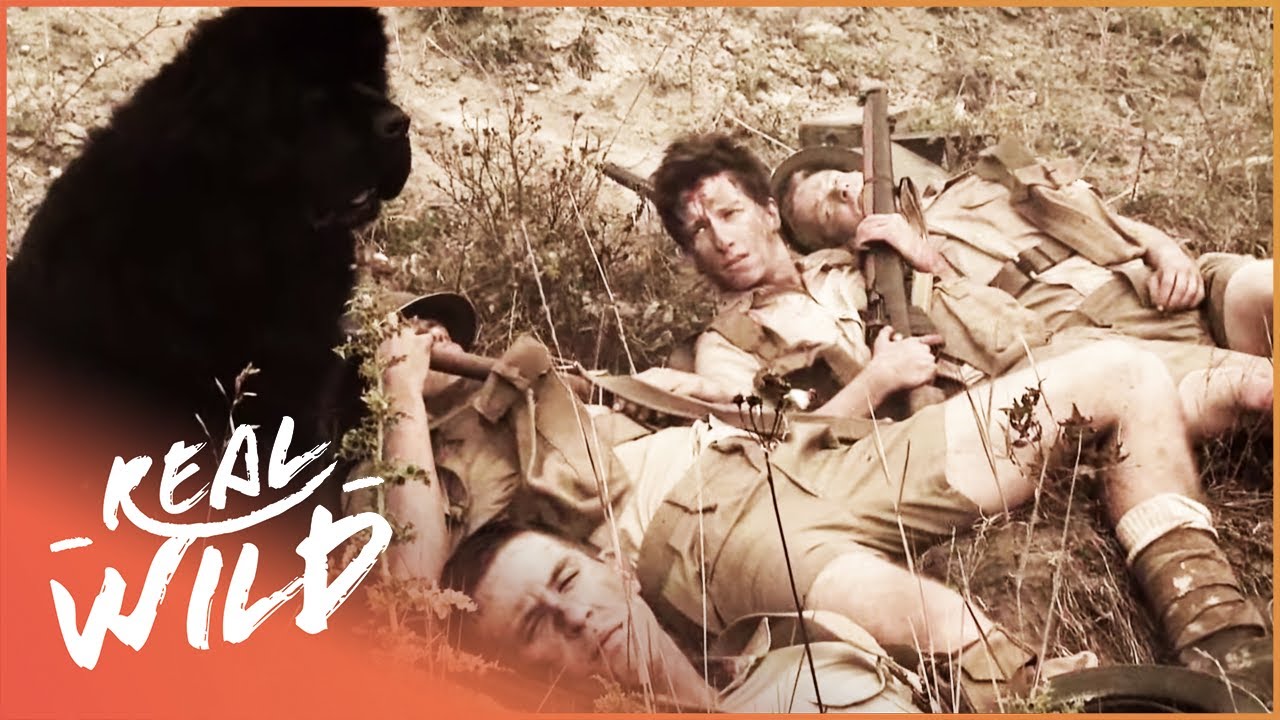
A military dog sacrifices its life to save its squadron from a live grenade during a firefight, highlighting the deep bond between soldiers and their K9 companions.
The final stages of World War II are examined, highlighting key events from the Battle of Leyte Gulf to the atomic bomb's impact and the Nuremberg Trials.
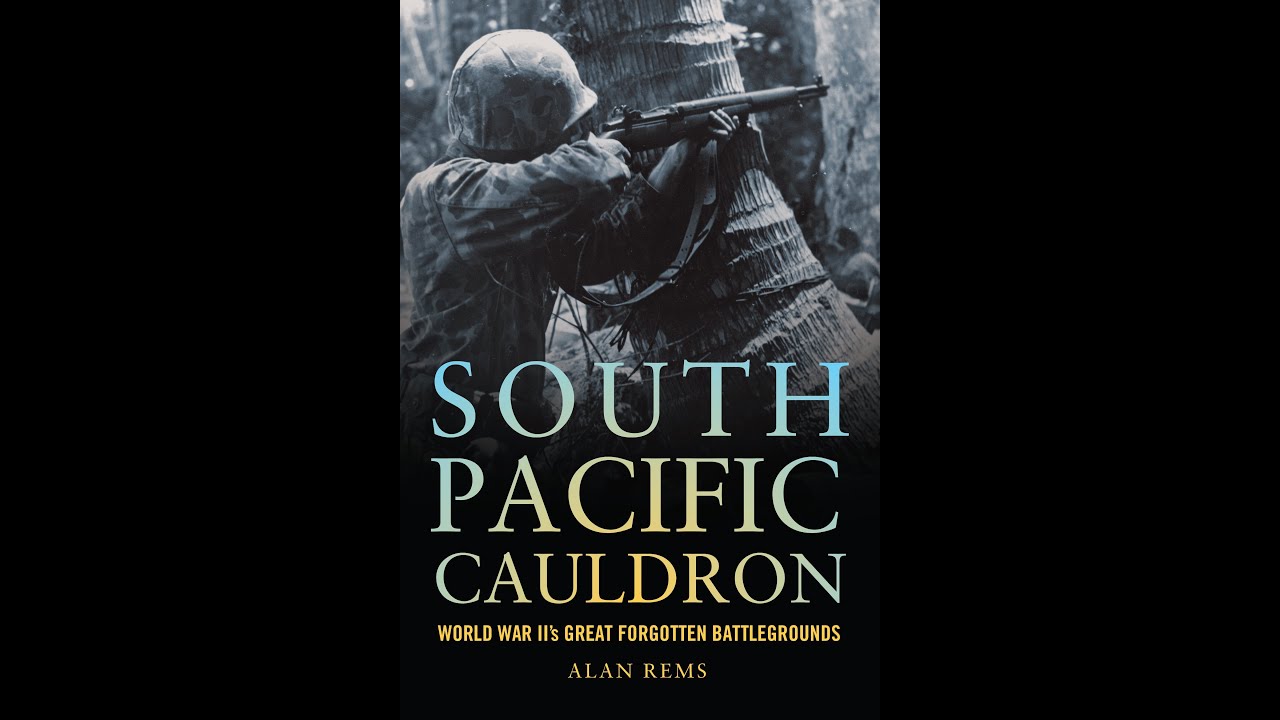
Forgotten battlegrounds of World War II in the South Pacific, including Buna and Rabaul, are examined by author Alan Rems alongside key military figures.
In early 1945, the Allied forces launched Operations Veritable, Plunder, and Varsity to breach the Rhine River and advance into Nazi Germany, resulting in significant casualties.
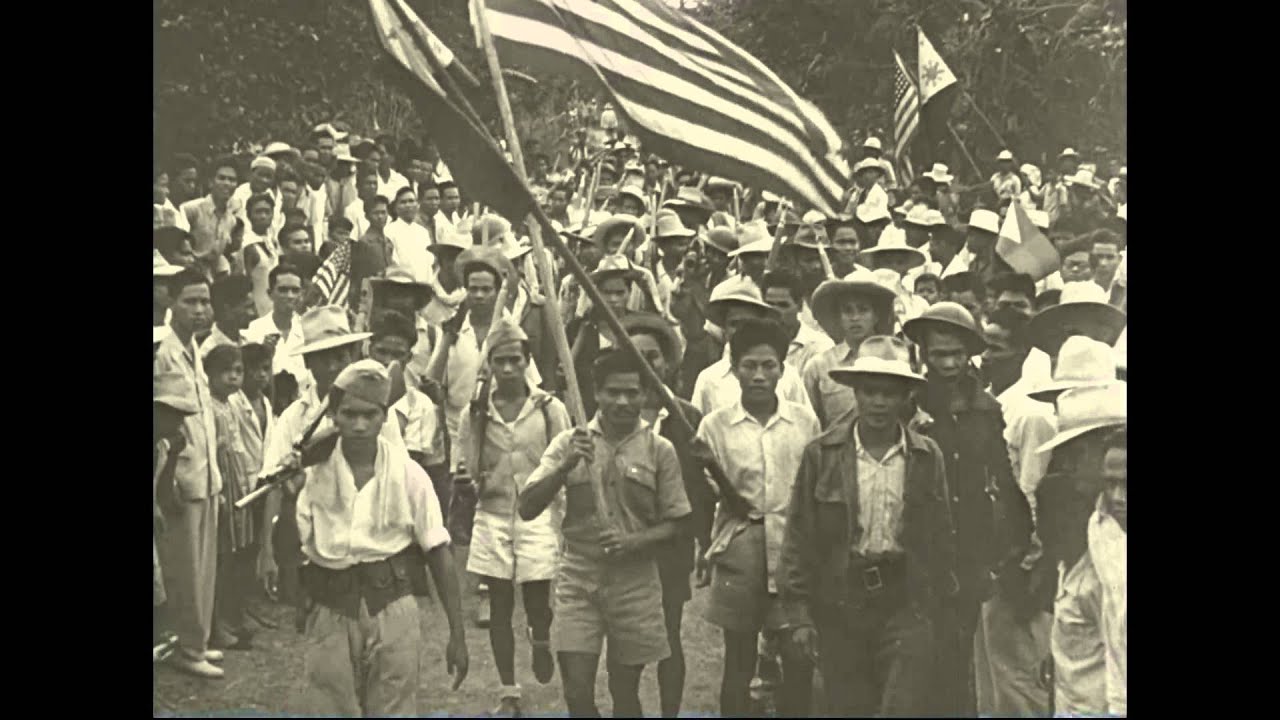
In the Philippines during World War II, US missionaries and civilians faced a perilous rescue operation as they became trapped underwater.
World War II's industrial mobilization, from Roosevelt's "Arsenal of Democracy" to Stalin's Five-Year Plans, reshaped labor and resource allocation on a massive scale.
HMS Prince of Wales, a $3 billion aircraft carrier, showcases the Royal Navy's advanced modular assembly and global logistics in naval engineering.
The 125th anniversary re-enactment of General Robert E. Lee's surrender at Appomattox Court House is captured in silent footage produced by the National Park Service.
In commemoration of Veterans Day, two classic U.S. Government films from World War II, including John Ford's Academy Award-winning work, are screened.
David Pratt's photographic archives and personal accounts highlight over 40 years of conflict in Afghanistan and Iraq, revealing the complexities of modern warfare.
Four Singaporean heroes, including pilot Tan Kay Hai and Captain Ho Weng Toh of the Flying Tigers, faced extraordinary challenges during World War II.
Since the launch of the first Sputnik satellite in 1957, more than 10,000 satellites have been sent into space, with half still active today.
Operation Barbarossa marked a critical turning point in World War II, as strategic decisions at Stalingrad and El Alamein shifted the balance of power from the Axis to the Allies.
Homosexual behaviour among Canadian soldiers during and after World War II led to military tribunals and public exposure, as revealed by veterans in José Torrealba's documentary.
Dogs have served in the U.S. military for over a century, performing tasks such as interior guard duty and tactical operations in combat zones.
January 1945 marks the end of the Battle of the Bulge, highlighting fierce counter-offensives, intelligence failures, and veteran testimonies, including the 'Airborne Beer.
The early months of World War 2, from late 1939 to mid-1940, highlight the "Phoney War," the invasion of Norway, and Germany's rapid victories in France and the Low Countries.
Winston Churchill's leadership during the critical days of May 1940, from Dunkirk to the London Blitz, shaped Britain's resistance against Nazi Germany.
In 1915, German agents, led by Paul Hilken in Baltimore, executed sabotage missions to disrupt British supply lines during World War I.
Operation Overlord, launched on June 6, 1944, was a pivotal military campaign that included the deception of Operation Fortitude and the brutal assault on Omaha Beach.
Nazi Germany's strategic failures in the Battle of Britain are examined through the lens of air campaigns, aircraft engineering, and the Royal Air Force's resilience.
World War II's advancements in weaponry are examined through innovations like the M1 Bazooka, STG-44, and the Zielgerät 1229 Vampir, highlighting their impact on modern warfare.
Stanislav Petrov, a Russian officer, played a crucial role in averting a potential nuclear war during a false alarm in 1983, as detailed in this documentary.
Montgomery C. Meigs served as the chief architect of the Union Army's logistics and infrastructure during the American Civil War under President Abraham Lincoln.
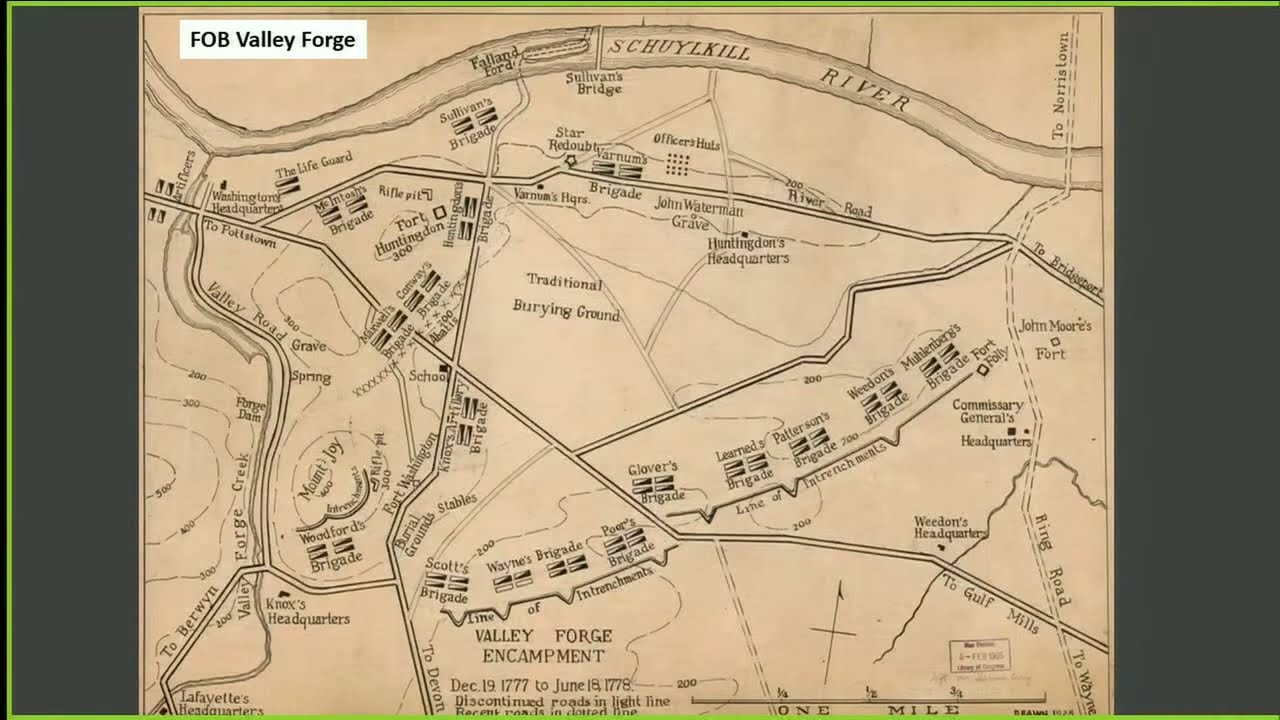
In the winter of 1778 at Valley Forge, the Continental Army faced starvation while executing the Grand Forage, highlighting the resilience of soldiers and leaders like George Washington.