
Atlantic Patrol
Synopsis
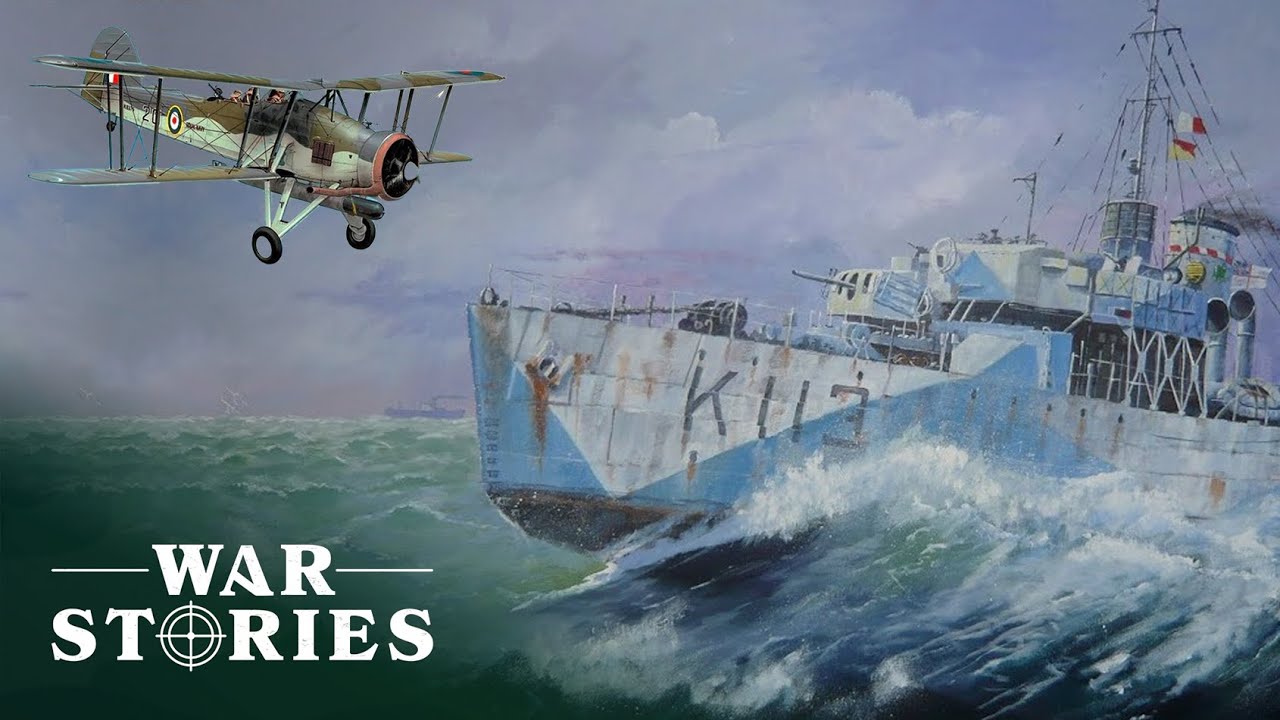
Twenty destroyers escort convoys of freighters across the North Atlantic, ensuring the safe transport of vital military supplies during World War II.
Synopsis
Commodore Howard Reed commands the Royal Canadian Navy's Atlantic Coast from naval headquarters, plotting the routes for vital supply convoys during World War II. Ships depart from eastern Caribbean ports, escorted by destroyers to protect against German U-boats. Each convoy carries essential military supplies across the treacherous North Atlantic. As the seamen navigate both calm and stormy seas, they remain vigilant against unseen threats. Directed by Stuart Legg in 1940, "Atlantic Patrol" captures the daily operations and challenges faced by these maritime defenders.
Deep Dive
Why Watch
- See how Canadian sailors protect vital supply lines.
- Find out about the dangers of North Atlantic shipping routes.
- Meet Commodore Howard Reed and his strategic planning.
Did You Know
- The distance between Canada and her allies is three thousand miles.
- Convoys typically consist of 20 to 40 ships for protection.
- The documentary features Commodore Howard Reed, who commands Canada's Atlantic Coast.
- Destroyers escorting the convoys are armed and carry over 100 Canadian sailors.
Perfect For
Frequently Asked Questions
What is the role of the Royal Canadian Navy in the Atlantic Patrol?
The Royal Canadian Navy's duty is to escort convoys of ships carrying war supplies across the Atlantic to ensure their safe passage.
How far is Canada from its allies across the Atlantic?
Between Canada and her allies lies three thousand miles of ocean.
What type of ships are used to escort the convoys?
The convoys are escorted by destroyers, which are speedy ships armed and carrying a complement of over 100 Canadian sailors.
What are people saying?
Play More Like This







Where else to watch




Related Films
Is this your film?
If you made this film or hold the rights to it, we'd like to talk. We can license it and pay you a share of what it earns.
Comments