From over 100,000 films, discover the handful you'll love.
Free or premium access to the world's largest documentary library.
1954 films(Page 24 of 41)
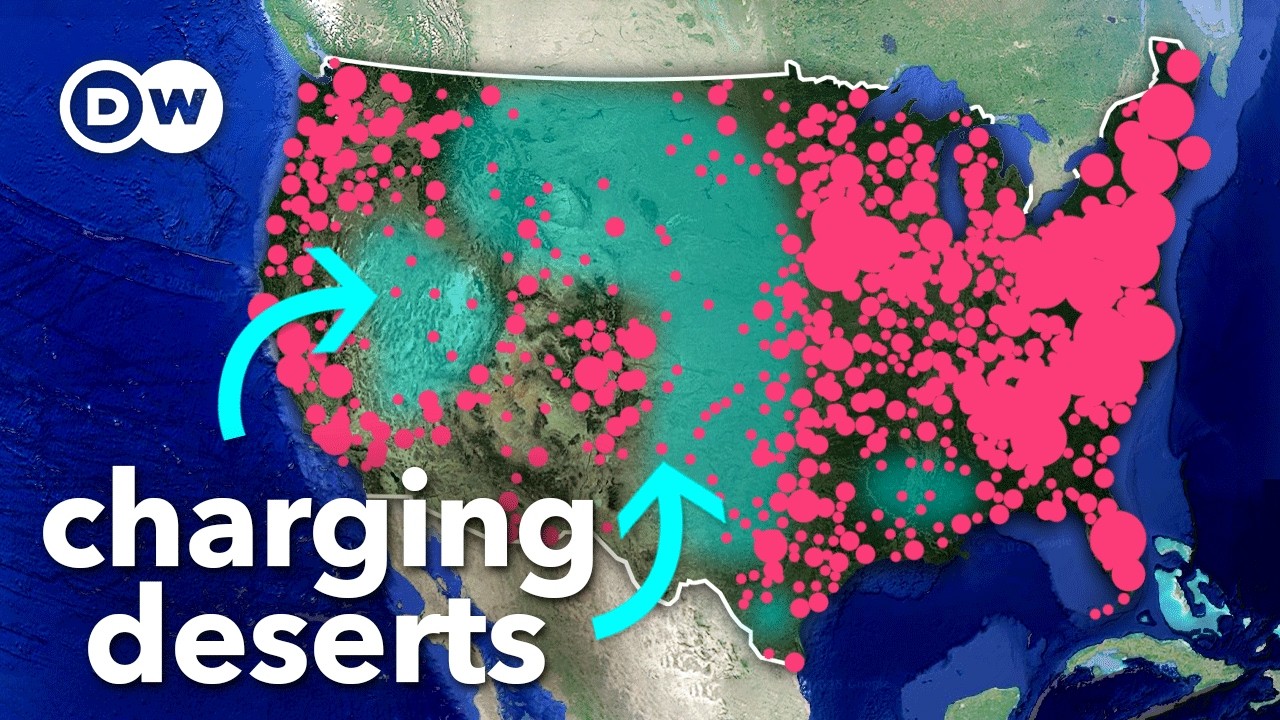
One in five public charging stations in the U.S. do not work, creating significant barriers for electric vehicle users, especially in rural areas.
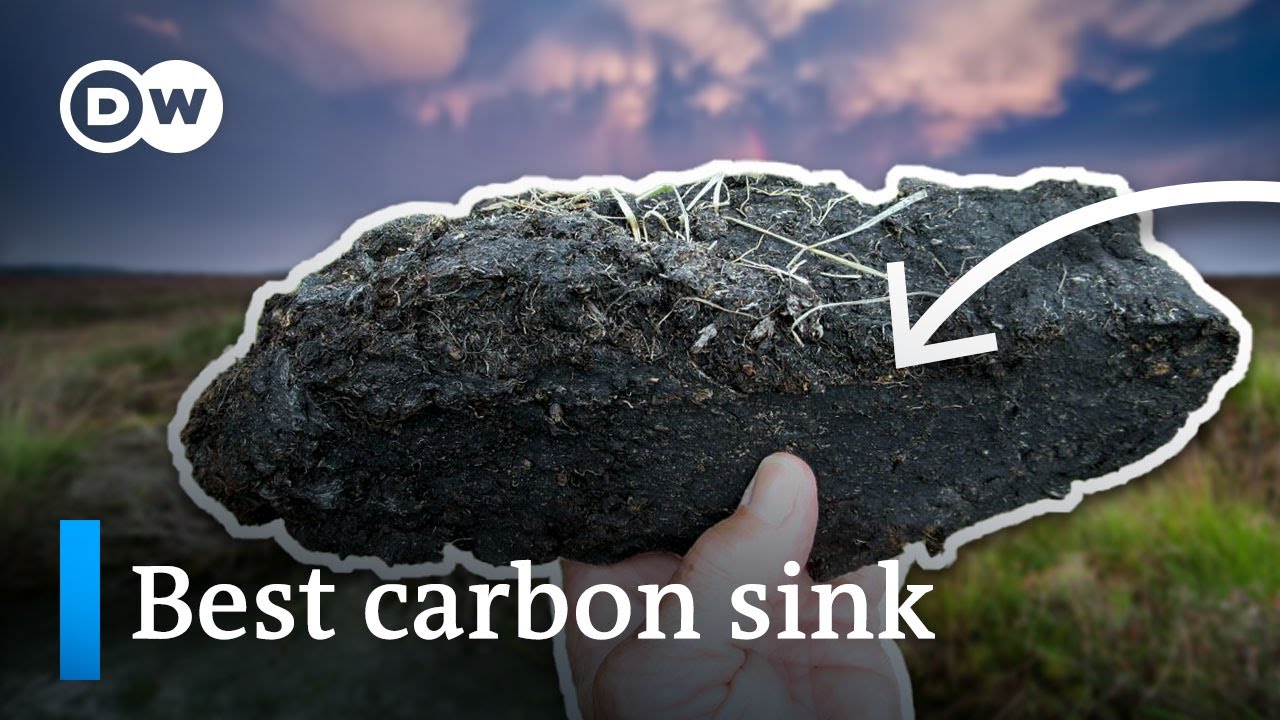
300,000 square kilometers of cropland worldwide need rewetting to reduce greenhouse gas emissions from damaged peatlands.
The U.S. first commercial nuclear power plant began in 1958, leading to a nuclear energy future.
A storm chaser captures a tornado, urging viewers to find their safe place amid the chaos.
In the Mendip Hills of the UK, paleo climatologist Gina Mosely studies calcite crystals in Shatter Cave to reveal climate changes over the last 600,000 years.
The Exxon Valdez oil spill and the Deepwater Horizon explosion highlight significant gaps in the oil industry's preparedness for environmental disasters.
An initiative by Arbor Day and DroneSeed aims to plant 20 million trees using drones, showcasing innovative technology to combat climate change.
Vienna's initiative to reclaim urban space from parked cars aims to address the city's parking problem and enhance its climate strategy.
Oregon researchers create waves to harness energy, aiming to meet 64% of U.S. needs.
MIT scientists teach first graders about climate change and Bionic plants using firefly enzymes.
Landfills, responsible for nearly 40% of global waste and significant methane emissions, require innovative solutions like waste segregation and composting to mitigate their environmental impact.
Just Stop Oil activists threw a can of tomato soup on Van Gogh's Sunflowers painting in London, sparking widespread debate about their protest tactics.
Solar power capacity has tripled globally in the last five years, yet many high-potential regions still lack adequate solar installations.
Winds in hurricanes can exceed 200 miles per hour, causing extreme rainfall and devastating storm surges when they make landfall.
Evidence and theories are presented regarding the role of human activity and climate change in the extinction of mammoths and other Ice Age giants.
In Moldova, second-hand shop owner Ludmila reveals that 45% of clothes from recycling bins end up in landfills, challenging the effectiveness of clothing recycling.
Companies from British Airways to Facebook commit to achieving net zero emissions.
Gerard Barron discusses The Metals Company's deep-sea mining as an alternative to traditional methods.
The globally average surface temperature has not increased in any significant way since 1998, raising questions about climate change predictions.
250 years after his birth, Beethoven's music will be used as an anthem to unite millions against climate change in 2020.
More than 1.2 billion people are highly vulnerable to at least one critical climate hazard, contributing to a global housing crisis marked by rising costs and gentrification.
Greenland's strategic location in the Arctic is increasingly significant in global geopolitics, influencing relations among the United States, China, and Denmark.
Martin Greguš Jr. captures a polar bear dreaming in an iconic drone video.
Experts discuss climate change responsibility among governments, businesses, and individuals.
More than 1,000 people died in catastrophic flooding in Pakistan, prompting legal actions against governments and fossil fuel companies for climate change damages.
Sweden generates 90% of its electricity from hydro and nuclear power, while Australia relies on coal for 80% of its energy needs.
In Västerås, Sweden, a former Cold War oil storage cave has been transformed by the local energy company into a heated water reservoir for district heating.
Morland Sanders explores climate change and its impact on heatwaves in London.
The ocean is our life support system and the largest habitat on Earth, facing major threats.
A solar car built by Team Sonnenwagen weighs around 160 kilograms and features four square meters of solar cells for energy generation.
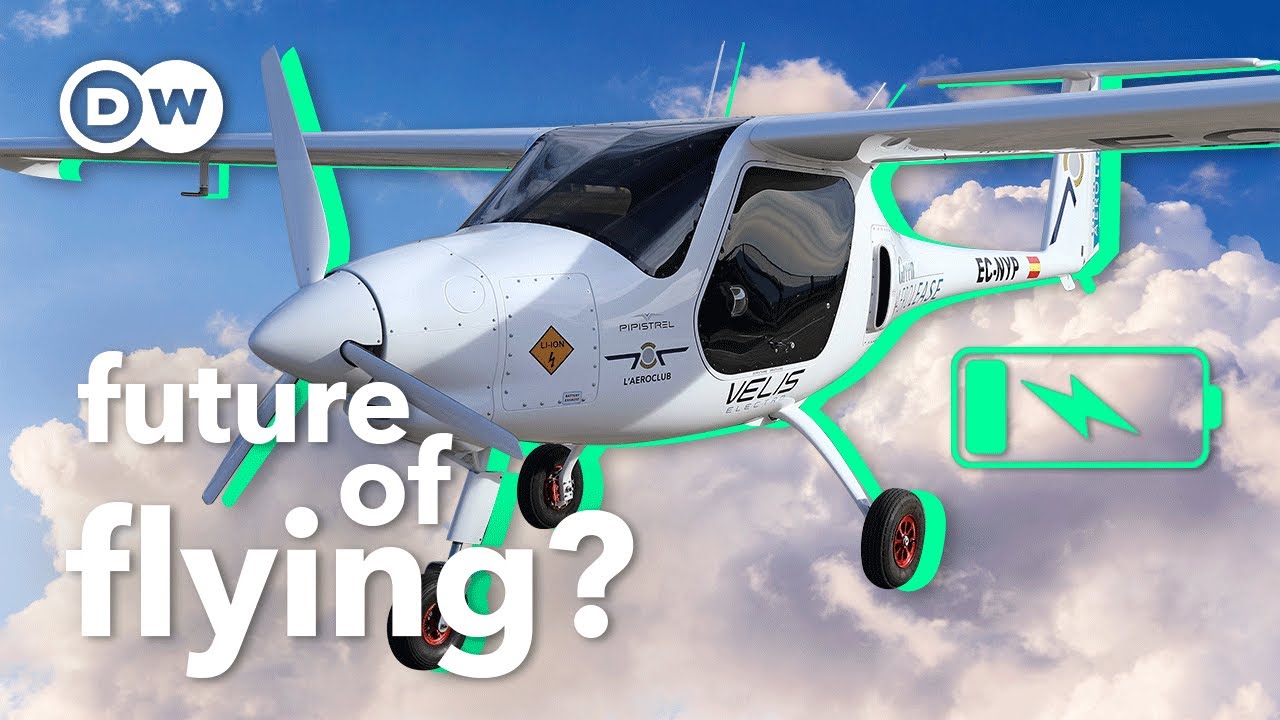
Aviation accounts for around 3% of global emissions, a figure projected to rise to over 24% by 2050 without significant changes in technology.
$100 million was spent by BP to market the concept of carbon footprints, shifting focus from corporate emissions to individual responsibility.
New bike lanes in cities around the world aim to reduce car reliance amid the climate crisis.
Carbon capture and storage (CCS) technology has failed to meet its promises, with many companies still relying on it two decades after its introduction.
Major polluting companies are increasingly relying on carbon offsets to meet climate pledges, raising questions about the legitimacy and effectiveness of these practices.
Deception Valley's harsh climate creates a pristine wildlife habitat in the Kalahari.
During the Permian period, climate changes and declining oxygen levels contributed to the extinction of the giant centipede Arthropleura, highlighting environmental impacts on prehistoric life.
Trillions of dollars are invested in the fossil fuel sector each year, despite widespread commitments to reduce carbon emissions.
400,000 metric tons of waste are processed annually at a garbage incineration plant in Copenhagen, generating energy and heat for the city.
Almost 30 countries worldwide have implemented a form of carbon tax to address pollution from fossil fuels and combat climate change.
By 2050, more than 5 billion people could face water shortages globally, prompting cities like Windhoek to adopt innovative water recycling methods.
Over 90 percent of spruce trees in Germany's Harz region are dead or dying, prompting a shift towards a more diverse forest ecosystem.
A 25% reduction in greenhouse gas emissions by 2020 was mandated by the Dutch Supreme Court in a landmark climate litigation case.
Ridership in Tallinn dropped from 42% to 30% after the introduction of free public transport, while car use increased by 5%.
Jakarta is sinking at a rate of up to 25 centimeters a year, prompting Indonesia to build a new capital city called Nusantara on Borneo.
Decommissioning the Greifswald Nuclear Power Plant in Germany is projected to cost ten times the original estimate and take decades longer than planned.
US news networks dedicated 212 minutes to Jeff Bezos's space flight in 2021, nearly matching the 267 minutes spent on climate change coverage that year.
Lithium is so valuable that it is referred to as 'white gold', essential for powering devices and transitioning away from fossil fuels.