From over 100,000 films, discover the handful you'll love.
Free or premium access to the world's largest documentary library.
1954 films(Page 23 of 41)
Life along the Ganges River in India highlights the historical, cultural, and spiritual significance of this sacred waterway for millions of people.
Over 120,000 people have been displaced in Germany to make way for coal mining, with the village of Lützerath facing imminent demolition.
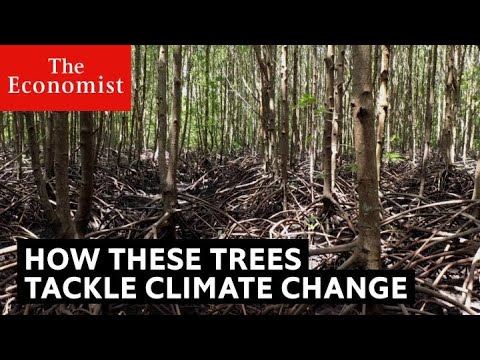
615 hectares of mangrove forests in Ghazi Bay, Kenya, are monitored by local scientists to assess their health and combat climate change.
One million of the estimated eight million species on Earth are at risk of extinction, with populations of mammals, birds, and fish declining by 68% on average since 1970.
Plant-based meat alternatives, popularized in recent years, have roots in the 1970s counterculture movement led by Frances Moore Lappé's influential book, "Diet for a Small Planet."
Nuclear meltdowns at Three Mile Island and Fukushima have raised public fears, yet the increasing demand for energy may lead to a renewed interest in nuclear power.
The world needs nuclear power to achieve net zero electricity grids and combat climate change.
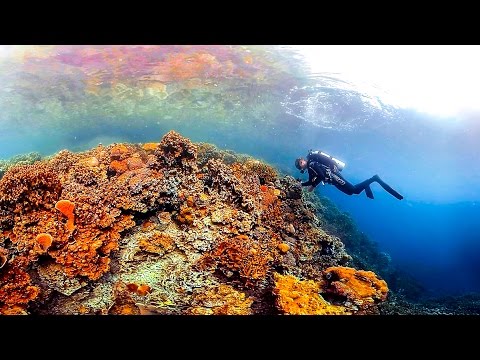
Lukas Isall discusses Palau's vibrant corals and their role in combating climate change.
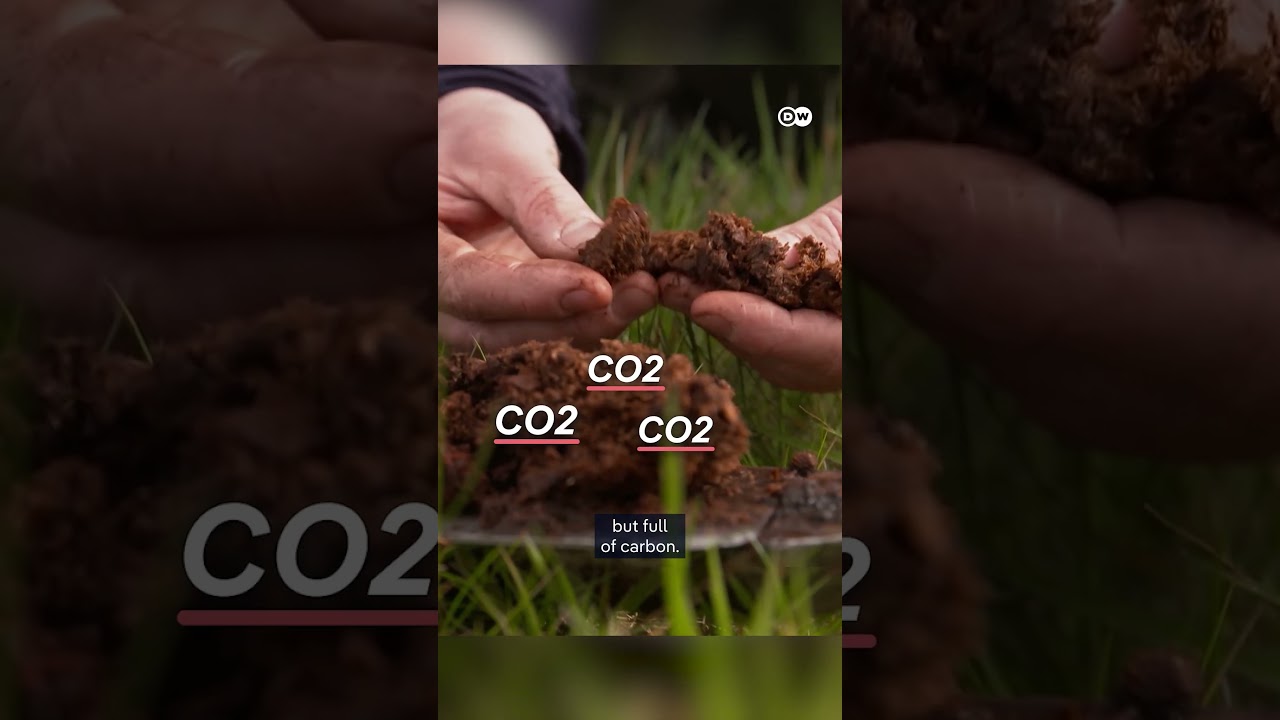
Peatlands are vital ecosystems that store more CO2 than forests and play a key role in regulating the climate by limiting organic matter breakdown.
Falk Gärtner transformed a dry, sandy plot into a profitable permaculture farm, using no machines or toxins while growing multiple crops.
NASA public service announcements featuring James Cameron are blended with imagery from Avatar to emphasize the urgent need for environmental action and awareness.
Maria Garcia protects medicinal plants and forests vital to Maya descendants in Belize.
Harita Nickel, one of the largest nickel mining companies, contaminated waters on Obi Island with toxic heavy metals while misleading investors during a $660 million IPO.
In Dubai, entrepreneurs restore coral reefs to combat climate change and protect our planet.
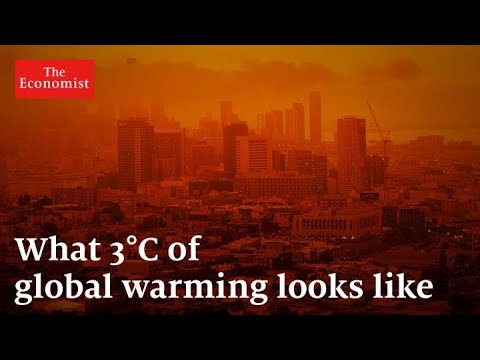
A one in four chance exists that global temperatures could rise by three degrees Celsius by the end of the century under current policies.
Stratospheric aerosol injection could potentially cool the planet by reflecting sunlight, similar to the cooling effect observed after the 1991 Pinatubo eruption.
On April 28, over 50 million people experienced a historic blackout in Spain, raising concerns about the stability of solar energy on electrical grids.
Proxima B, a planet slightly more massive than Earth, may be our best option for colonization, but it is still thousands of years away.
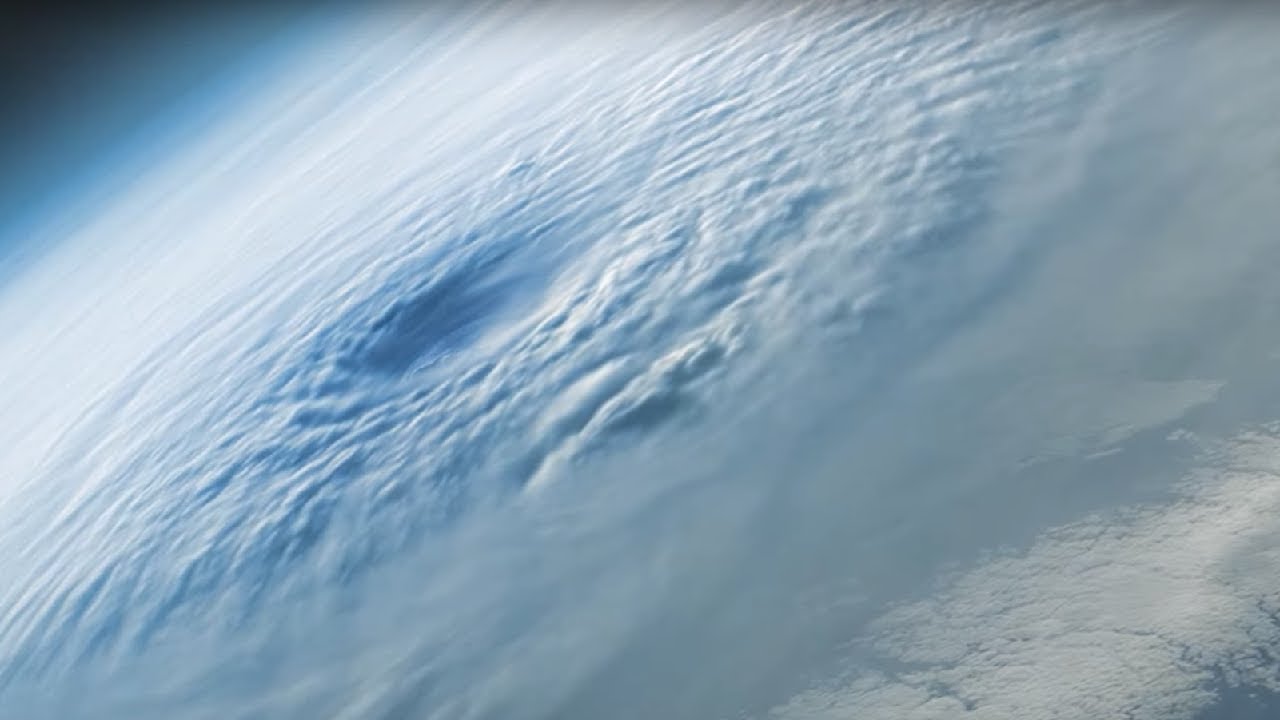
The latest episode of Cosmic Journeys examines the rise of super hurricanes and their impacts.
The Ocean Twilight Zone, a mesopelagic region rich in undiscovered life, is explored by scientists seeking insights into climate change and global ecosystems.
Military spending worldwide grew by 3.7% on average in 2022, with Eastern Europe seeing a 58% increase following Russia's invasion of Ukraine.
1% of all fires in the United States account for 90% of the area burned, illustrating the growing threat of catastrophic wildfires.
Human activity disrupts Earth's carbon balance, prompting urgent climate change solutions.
Protecting the planet is a difficult task despite warnings about climate change and inaction.
In 2018, Harvard University scientists conducted a solar geoengineering experiment to test the effects of stratospheric aerosol injection on climate change.
In Texas, the oil boom has led to increased production and job promises, yet it poses significant environmental risks and limited benefits for local communities.
Humankind faces climate change and AI threats, illustrated in a cartoon for The Economist.
By 2050, 80% of Switzerland's glaciers are projected to vanish due to global warming, raising critical concerns about mountain ecosystems and permafrost.
Ancient trees are vital for biodiversity, and Meg Lowman leads efforts to protect them.
One bitcoin computer today would have powered the entire bitcoin network back in 2013, illustrating the industry's rapid energy demands.
Nitrous oxide levels in the atmosphere have increased by 30% in the past 40 years, making it the largest remaining threat to the ozone layer.
Farmers rethink soil management due to climate change and its impact on agriculture.
Tim Maltin investigates his theory that a mirage may have obscured an iceberg from the Titanic's crew, challenging established narratives of the disaster.
8,500 shipwrecks worldwide are at risk of leaking oil, threatening marine life and coastal communities as they corrode beneath the ocean's surface.
Billions of euros in illegal hydrofluorocarbons (HFCs) are smuggled into Europe, posing significant environmental threats and challenging law enforcement efforts.
A 360-meter-high wind turbine can produce 40% more electricity than a standard model, reflecting significant advancements in wind energy technology.
The video highlights America's sanitation inequities affecting communities of color in 2022.
Germany could save up to 6.7 million tonnes of CO2 per year by implementing a speed limit of 120 km/h on its Autobahn.
This coming episode of Cosmic Journeys questions if Earth is unique in the galaxy.
Maria Banks studies Antarctic ice sheets and Hawaiian volcanoes to reveal Mars-like geology.
Shipping emits more CO2 than all coal plants in the U.S., yet the industry pays no taxes on its fossil fuel use.
Hydrogen could supply up to 20 percent of global energy needs by 2050, a significant increase from nearly zero today.
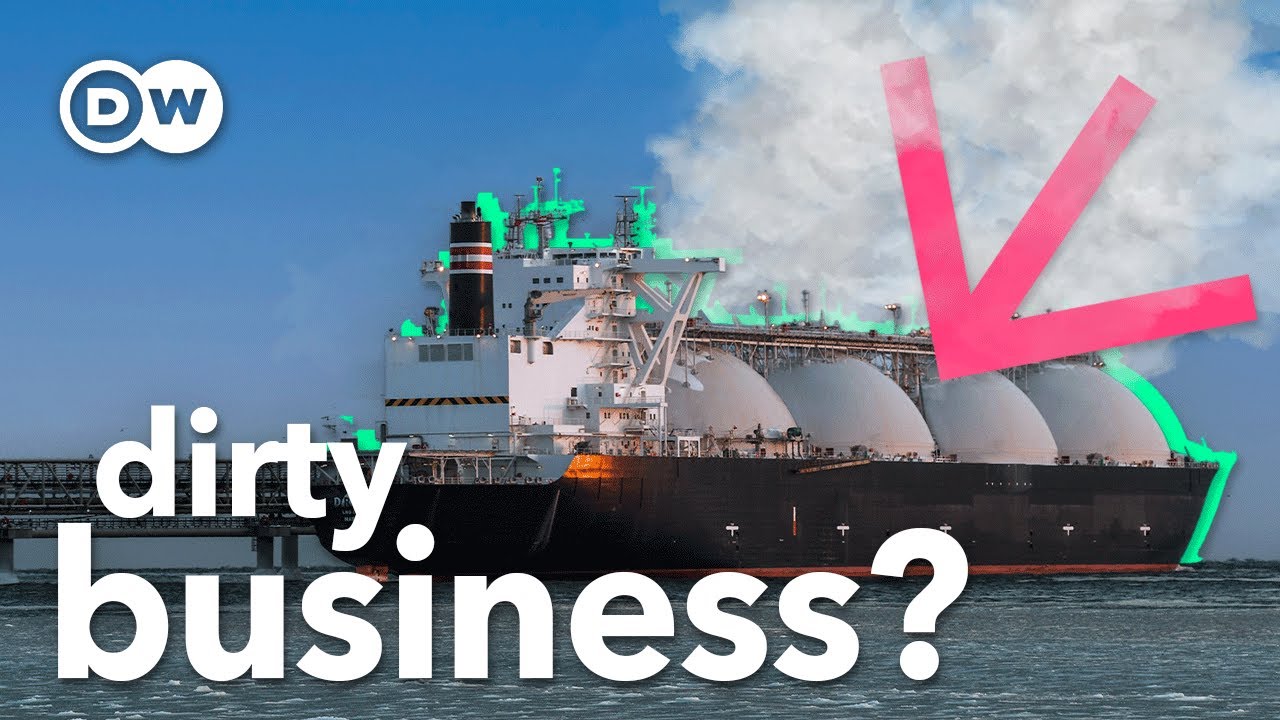
More than 600 tankers currently transport liquefied natural gas (LNG) worldwide, as demand surges amid geopolitical tensions and energy crises.
Columbia University has logged more than 100 efforts by the Trump administration to scale back federal climate measures since January 2025.
Clouds play a crucial role in the Earth's climate system, influencing weather patterns and challenging common misconceptions about their formation and behavior.
Methane heats the planet more than 80 times more than CO2 over a 20-year period, yet fossil fuel companies often ignore emissions from their facilities.
In the spring of 1930, Alfred Wegener and his team conduct an expedition in Greenland to gather evidence supporting the theory of continental drift and Pangea.
The Global North has emitted 92% of the CO2 that pushed the planet beyond safe levels, while Asia, Africa, the Middle East, and Latin America contributed just 8%.