From over 100,000 films, discover the handful you'll love.
Free or premium access to the world's largest documentary library.
1964 films(Page 4 of 41)
The Boreal forest spans almost 5.5 million square miles across the northern hemisphere and stores approximately 703 gigatons of carbon in its biomass.
Elephants exhibit remarkable intelligence and emotional depth, as highlighted by research from the African Wildlife Foundation on their adaptive behaviors in changing environments.
More than 1 million people died in earthquakes over the last century, with predictions suggesting that number could increase tenfold in the next century.
A four-dog team pulls a freight sled on an overnight trip to Little Donna Lake, testing equipment and training for upcoming expeditions.
Pope Francis, the first non-European pope in over 1,000 years, has focused on reforming the Catholic Church since his election in 2013.
Over 400-year-old kapok trees are among the giants threatened by deforestation and climate change in the Amazon rainforest.
Eight astronauts with over 1,000 days in space share their experiences and insights about Earth's violent and beautiful nature.
Thwaites Glacier, known as the "Doomsday Glacier," is melting rapidly, as reported by Miles O'Brien and a team of scientists from New York University and the British Antarctic Survey.
Sir David Attenborough's career spans over sixty years, showcasing the evolution of natural history filmmaking from black-and-white television to advanced series like Planet Earth.
Frank Harsch recalls the catastrophic flooding on 29 May 2016 amid changing weather patterns.
Earth's 23-degree axial tilt significantly influences global weather patterns and seasonal changes, shaping climates and ecosystems over 4.5 billion years.
Permafrost in the Arctic Circle contains twice the amount of carbon found in the atmosphere, posing risks as it melts and releases greenhouse gases.
99% of all species that ever lived were wiped out in global catastrophes, but these events also set the stage for the evolution of life on Earth.
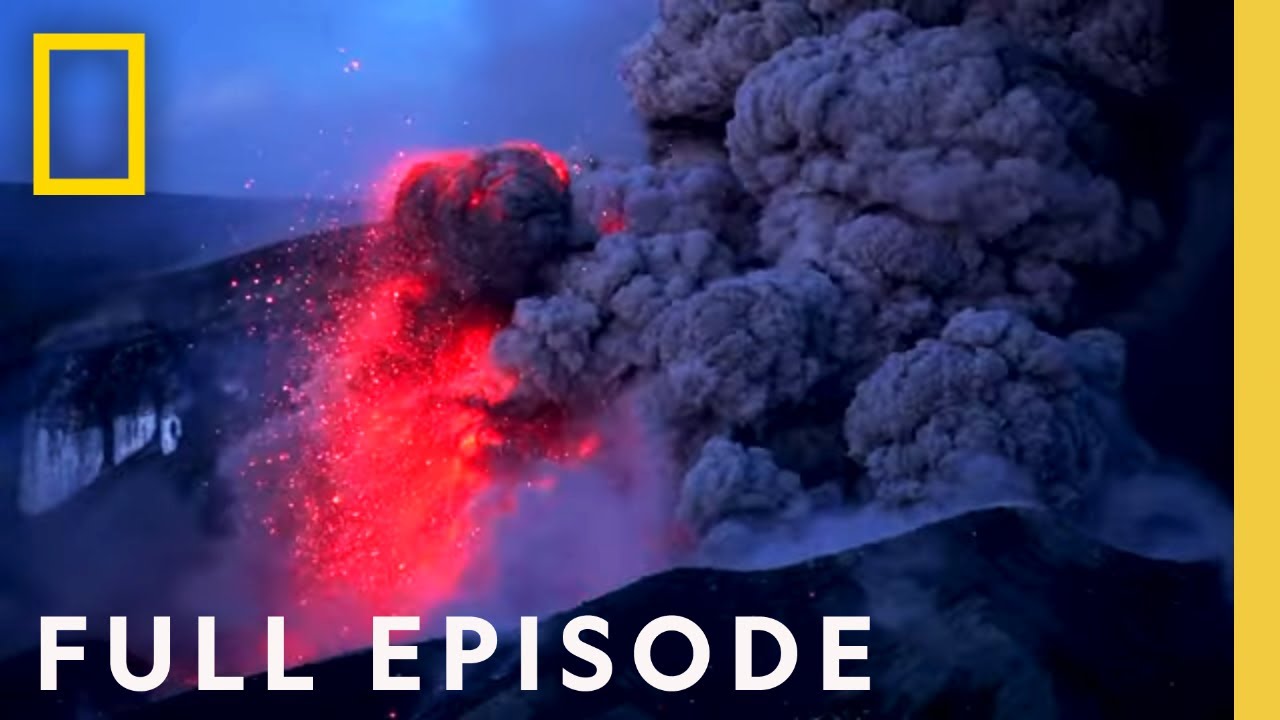
Nyiragongo, located in the Democratic Republic of Congo, poses a constant threat to Goma's one million residents due to its active lava lake and potential eruptions.
Tim Ralston has spent between $20,000 and $30,000 on supplies to prepare his family for a potential electromagnetic pulse attack.
Bangladesh faces a future where 20% will disappear beneath rising waters due to climate change.
Eight million people live in New York City, and three preppers plan their escape routes in case of a catastrophic event.
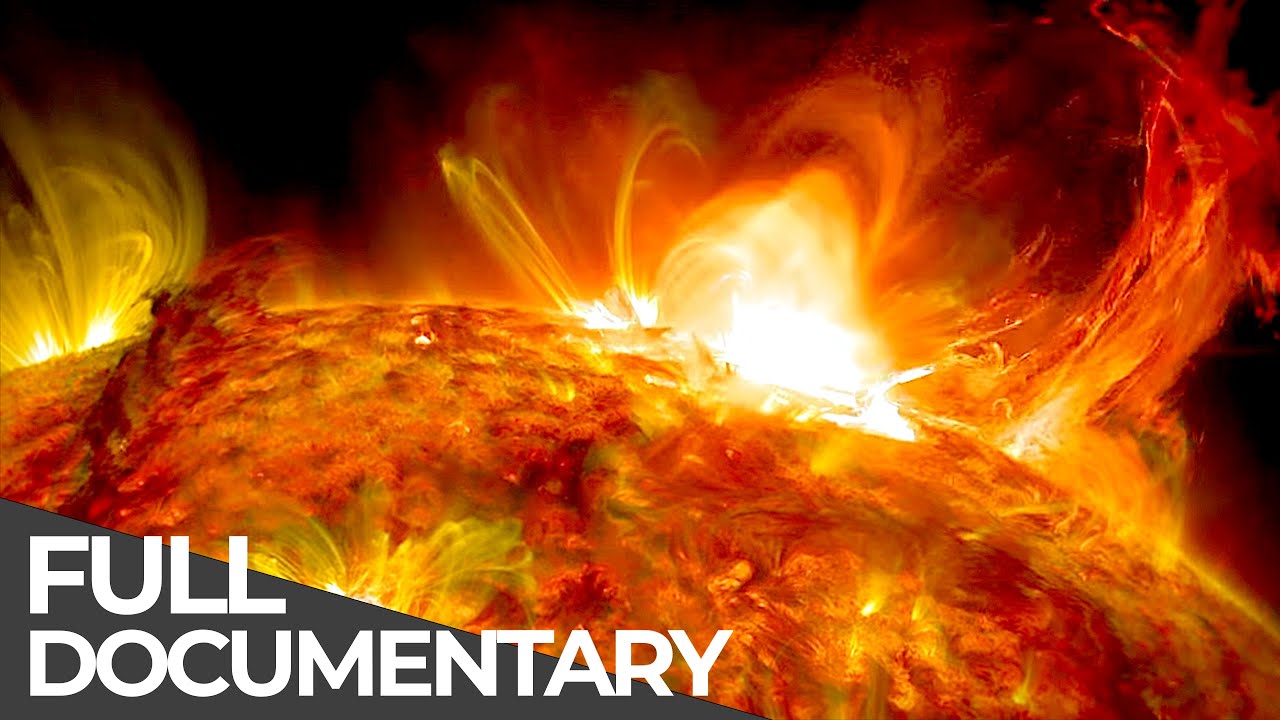
The sun, a massive nuclear reactor at the center of our solar system, will eventually expand into a red giant, leading to the end of life on Earth in approximately 900 million years.
In the Arctic Circle, glaciologist Heidi Sevestre, snowkiter Aleksander Lyngberg, and ice musician Terje Isungset showcase life and creativity in Norway.
Every minute, 150 cars are built, reflecting their deep integration into daily life and the challenges of their environmental impact.
Genetic engineering has advanced a thousand-fold since Gregor Johann Mendel's pea experiments, reshaping the future of medicine and agriculture.
In December 2021, Carolin Volk and Holger begin building their straw house in Burgenland, Austria, using locally sourced renewable materials.
A team sails over 3,000 miles through the Drake Passage and sub-Antarctic islands, retracing Ernest Shackleton's historic expedition route.
In Memphis, Louisiana, and Texas, grassroots leaders Justin J. Pearson, Roishetta Ozane, and Sharon Wilson confront the fossil fuel industry and its environmental impacts.
The Deepwater Horizon disaster in April 2010 resulted in the largest oil spill in history, significantly impacting the Gulf of Mexico and surrounding communities.
More than 20,000 km are covered by a camera team traveling through remote Pacific islands, including Hawaii and the Cook Islands, with a population of 1.5 million.
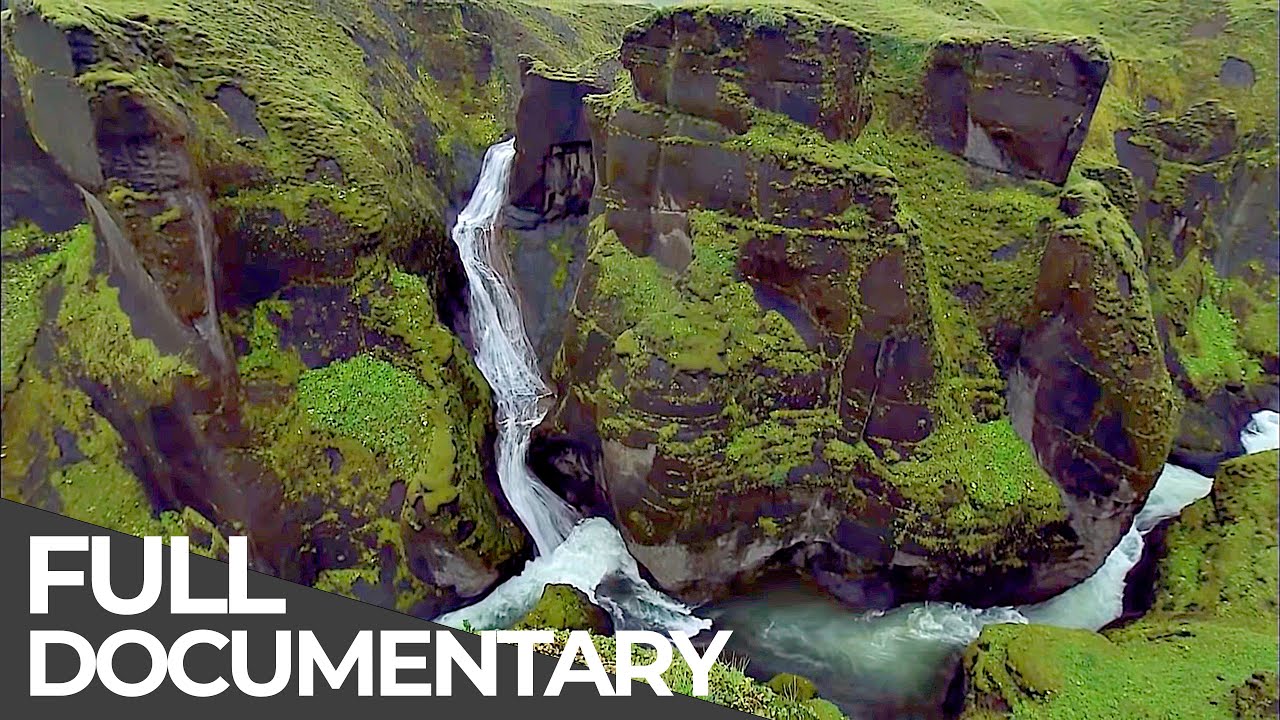
Iceland sits on the world's most active hotspot, where scientists observe the formation of the planet in real time.
A herd of 300,000 reindeer in Swedish Lapland faces increasing threats from rising temperatures and unpredictable winter weather conditions.
1859 marked a year of extreme solar activity, leading to the first documented link between solar storms and disruptions on Earth.
In Arizona's Glen Canyon, filmmaker Taylor Graham and his team kayak 350 miles to document the impacts of the 1963 dam that created Lake Powell.
More than two-thirds of people across the world go to sleep dehydrated, facing daily struggles to access clean water.
Bay houses, established in the late 1800s, represent a unique lifestyle cherished by families for generations along the South Shore of Long Island, New York.
Tim Slessor retraces his 1955 journey from Singapore to London in the World's Toughest Car Trip.
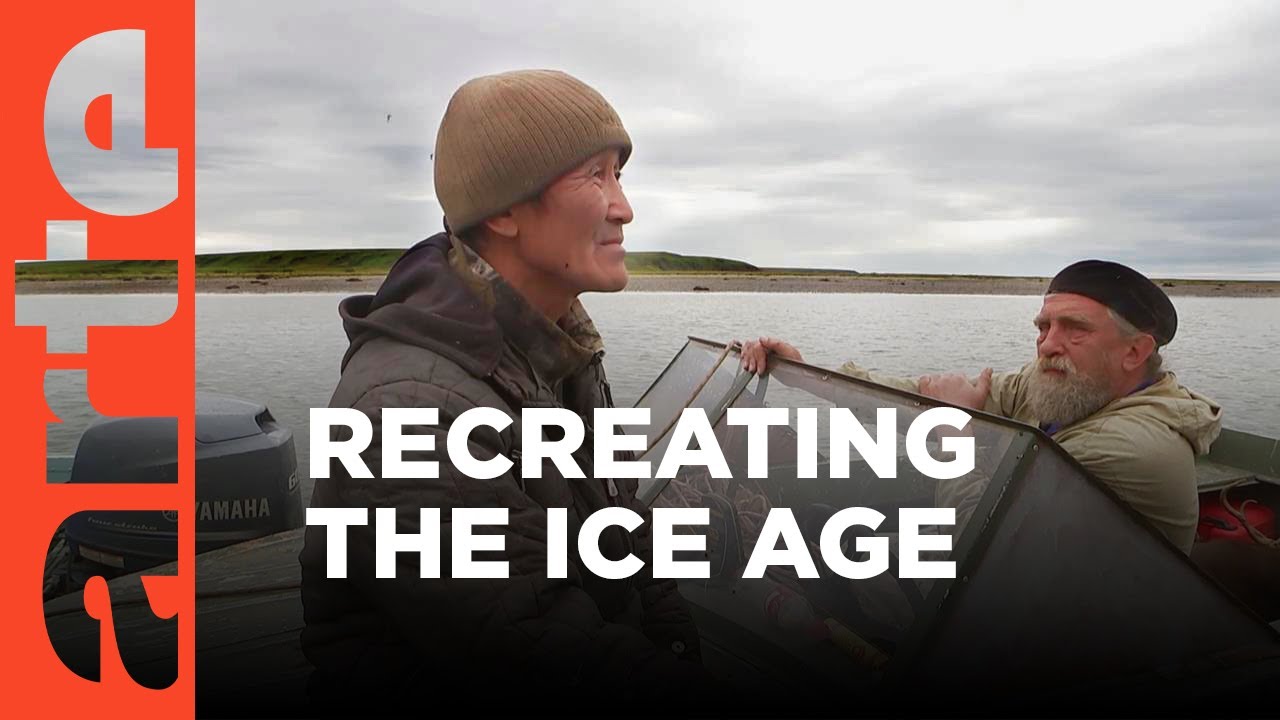
Russian geophysicist Sergei Zimov and his son Nikita investigate methods to recreate a Pleistocene ecosystem in Siberia to combat melting permafrost.
In 2020, archaeologists discovered the remains of a harbor where Viking king Ivar docked hundreds of ships filled with slaves.
Indigenous Peoples of Alaska navigate the challenges of winter's short days to secure food for their families and communities.
Anuta, a remote island in the South Pacific, showcases sustainable practices among its inhabitants while highlighting global conservation challenges faced by the Sedna IV team.
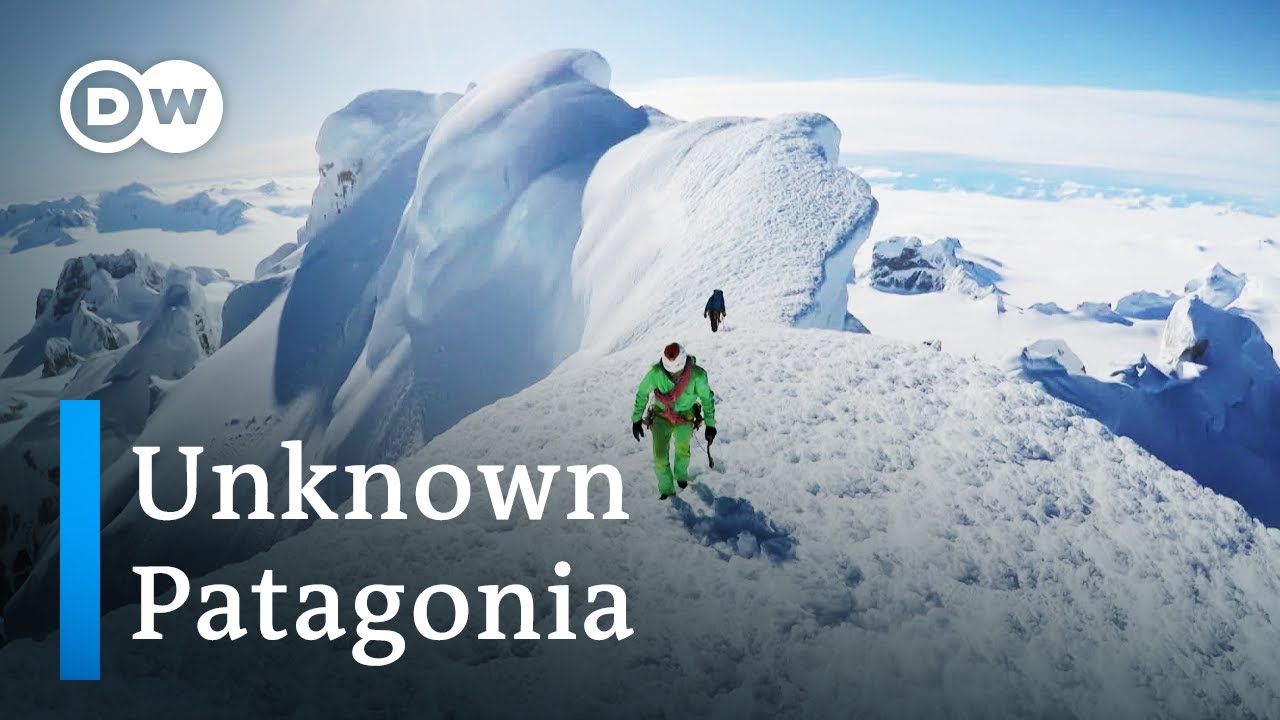
Patagonia's icefields challenge climate researchers like Tobias Sauter, who, alongside mountaineers Robert Jasper and Jörn Heller, seeks vital data on climate change impacts.
Papua New Guinea's forests host over 20,000 plant species and 750 bird species, yet deforestation threatens this biodiversity and the communities that depend on it.
Dr. Lonnie Thompson embarks on a mission to recover historical records from glaciers before they vanish due to climate change.
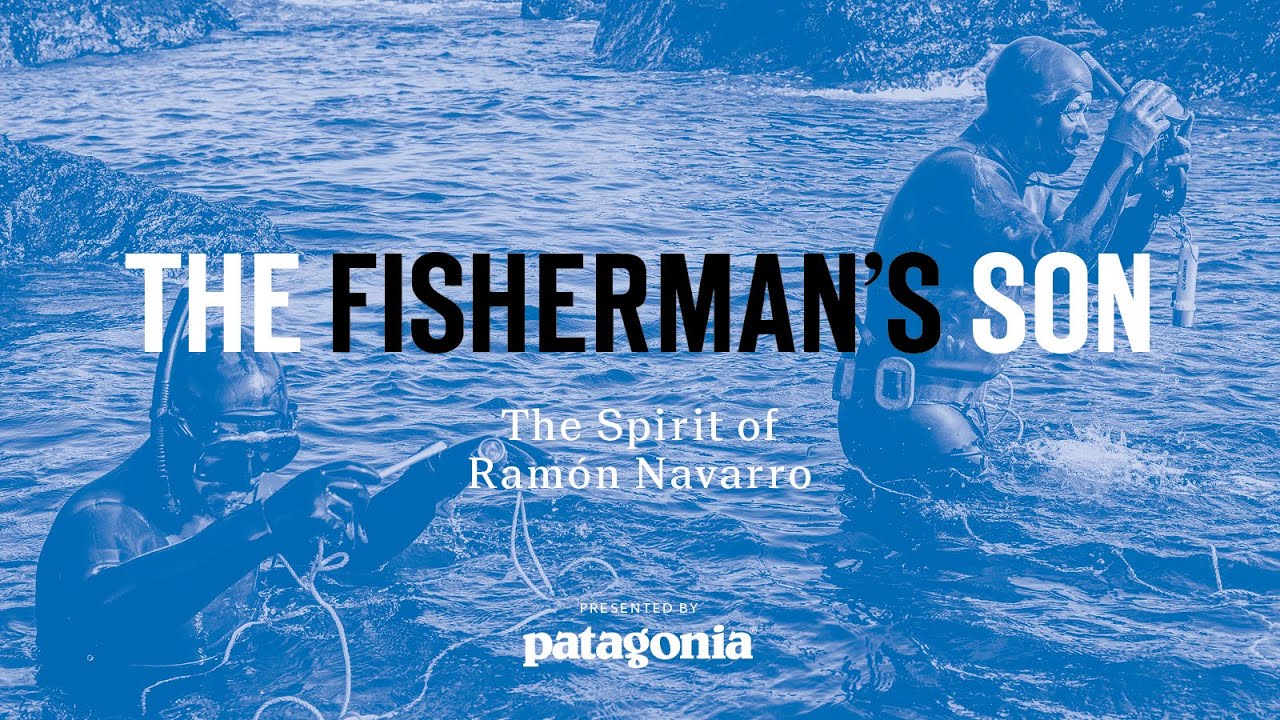
Ramon Navarro fights to protect Pichilemu's La Puntilla from a sewage pipeline threat.
Ancient shipwrecks and artifacts from the Black Sea are explored by leading underwater archaeologists, revealing insights into the region's historical significance.
Mobility has become a critical focus of industry and globalization, highlighting the need for a revolution in travel due to its environmental and economic impacts.
A trained marksman teaches his children to forage and eat bugs as part of their preparation for a potential series of dirty bomb attacks in the U.S.
In 2003, a severe heatwave in Europe resulted in approximately 70,000 deaths, highlighting the deadly impact of rising global temperatures and carbon emissions.
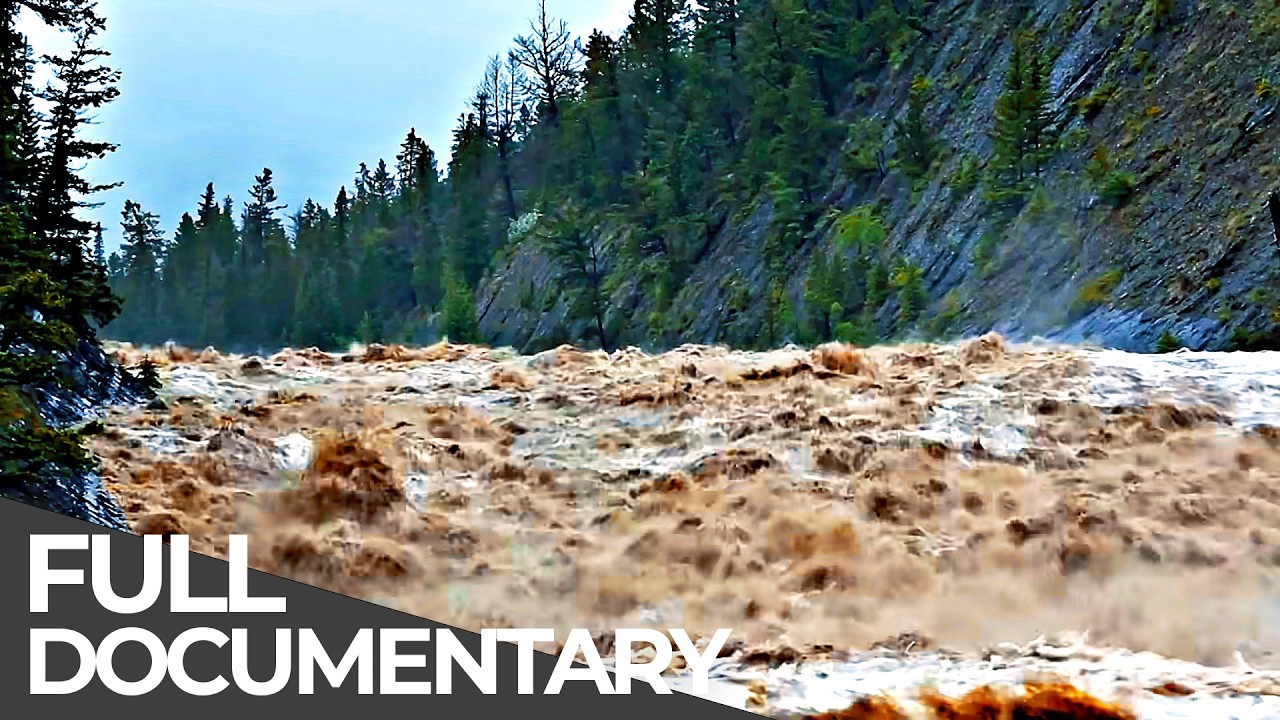
In 2013, relentless torrential rains in Alberta, Canada, caused the “Flood of Floods,” displacing over 100,000 residents and resulting in billions in damages.
China's gross domestic product has reached around $19 trillion, positioning it as a major player in the global economy alongside the United States.
Hurricanes, powerful tropical cyclones with wind speeds up to 230 miles per hour, pose increasing risks as climate change intensifies their unpredictability.