From over 100,000 films, discover the handful you'll love.
Free or premium access to the world's largest documentary library.
1964 films(Page 7 of 41)
Oyster farmers in Arcachon Bay have decreased from 1,000 to 300 in the past 30 years, facing challenges from climate change and theft.
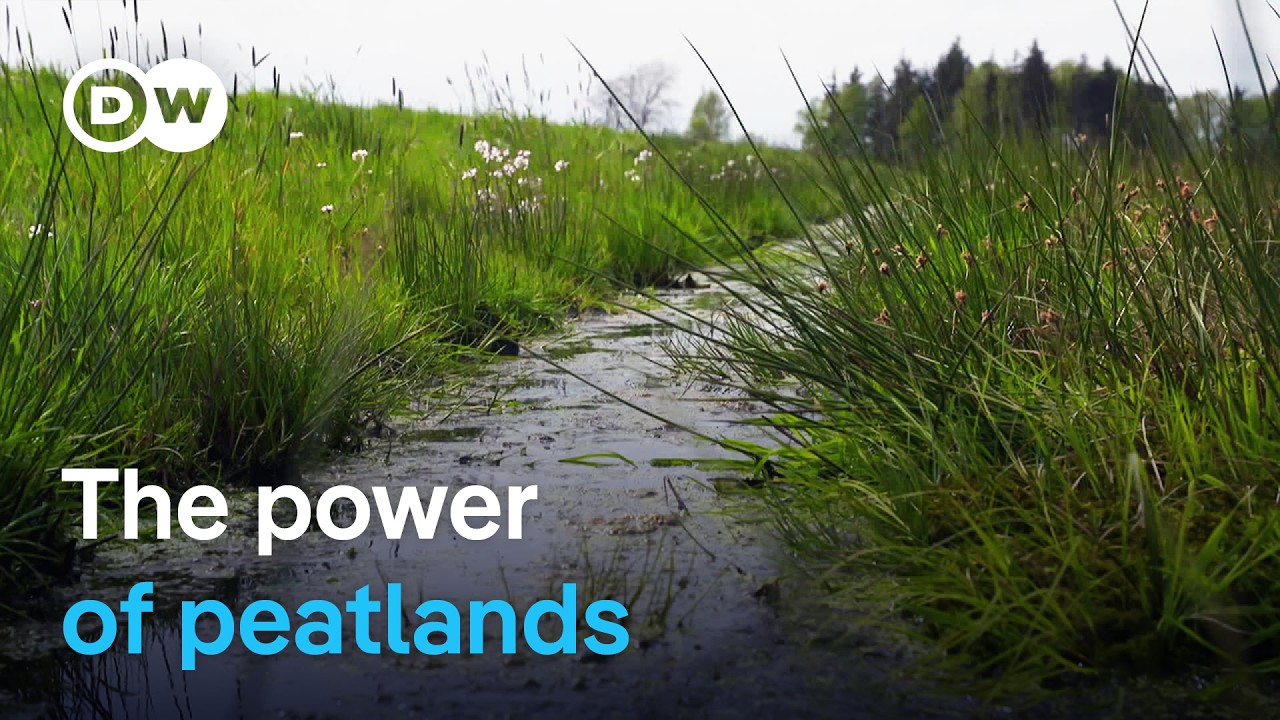
Germany's drained peatlands emit greenhouse gases while efforts to rewet them continue.
Four times more weather-related disasters have occurred in the last 50 years than in the previous century, driven in part by animal agriculture.
Eve gave a speech in front of 2,000 people, sharing her thoughts on living sustainably and connecting with nature.
Rapidly melting ice sheets in the Arctic and Antarctic reveal critical climate change indicators, prompting scientists to study their ecological impacts and ancient secrets.
Iceland sits on the world's most active hotspot, where scientists observe the formation of the planet in real-time.
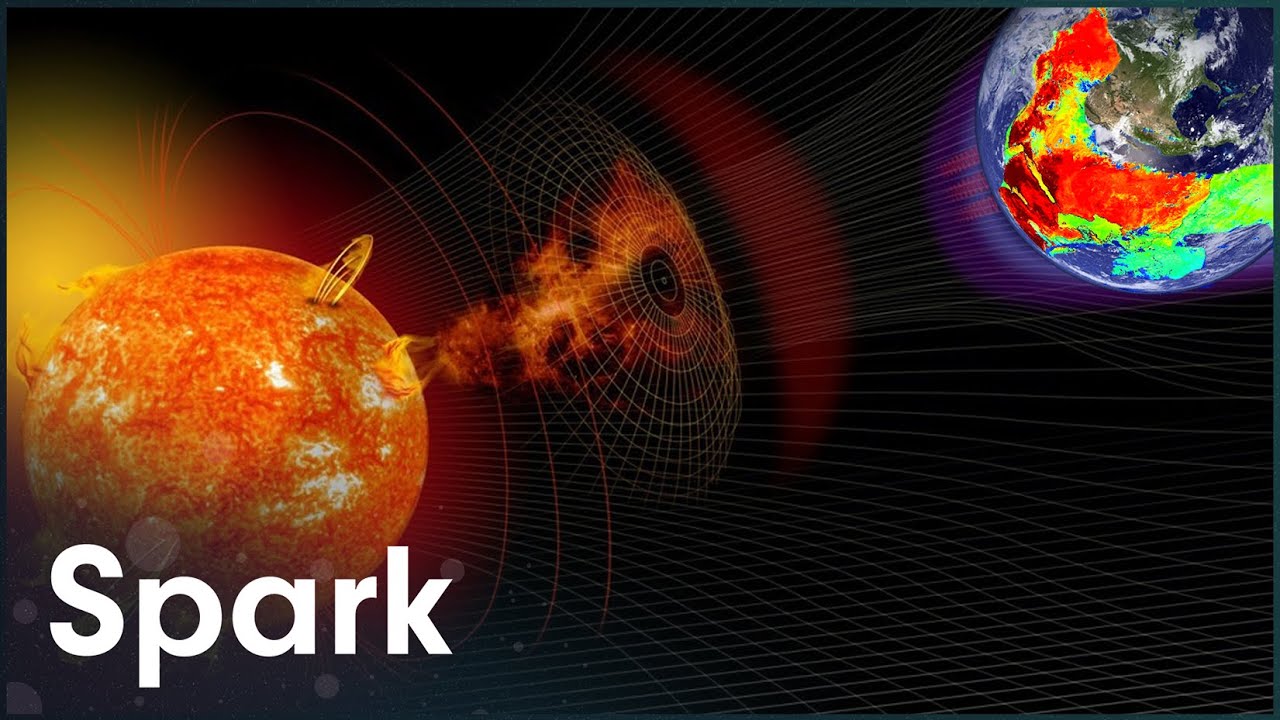
A solar storm can release billions or trillions of tons of matter from the sun at speeds of up to one million miles per hour.
The Carneddi herd of ponies numbers less than 300 and has adapted to survive the harsh winter conditions of Snowdonia's mountains.
A river fed by a volcanic hot spring remains 50 degrees warmer than the surrounding air, attracting various hungry animals during winter.
In September 2021, the volcanic eruption on La Palma, Spain, forced the evacuation of thousands as lava destroyed homes and reshaped the landscape.
Ancient civilizations submerged beneath the Black Sea are examined through archaeological findings and historical analysis, revealing their lost cultures and societies.
Half of the 400 residents in Kivalina, Alaska, are under 18, facing an uncertain future as climate change threatens their community's existence.
A solar blast recorded in 1859 traveled at over 8 million kilometers per hour, causing widespread disruptions to telegraph systems across the globe.
A 290-kilometer-long river in New Zealand was granted the same legal rights as a human being in 2017, symbolizing a cultural recovery for the Maori people.
In the cloud forests of Sri Lanka, unique species like blue magpies and purple-faced monkeys thrive in isolated microclimates shaped by dual monsoons.
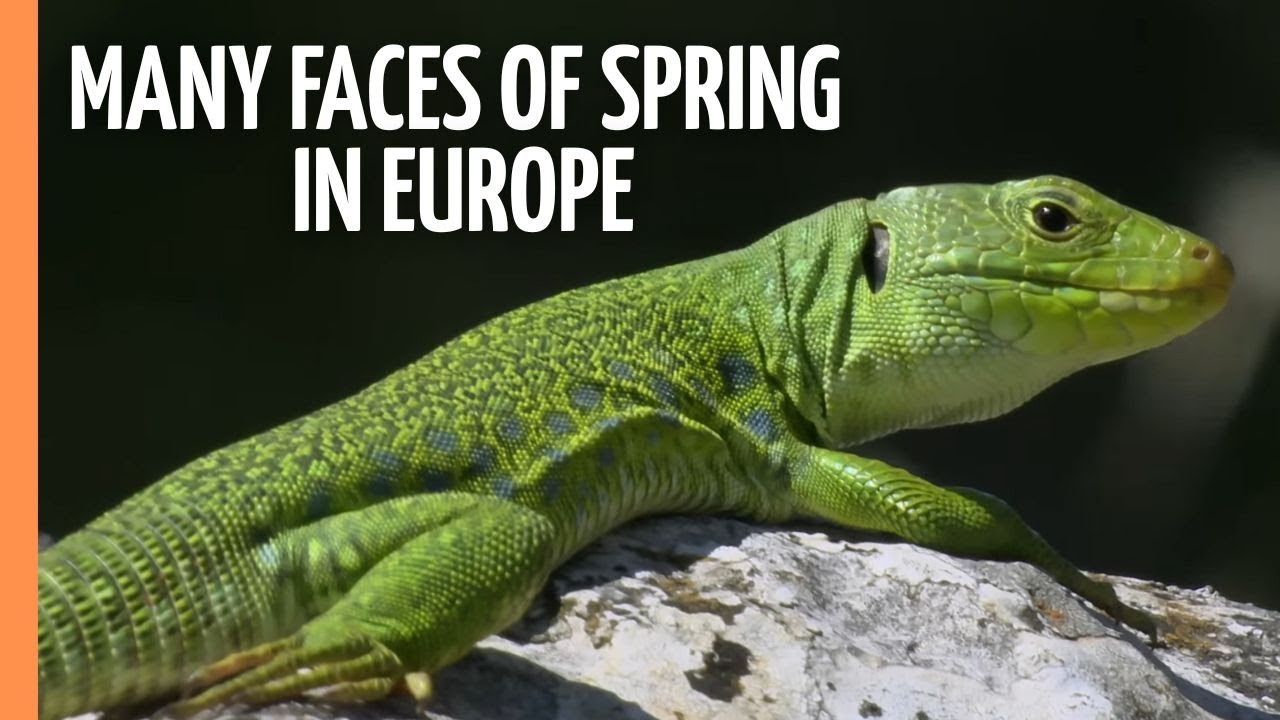
Temperatures in Spain reach 20 degrees Celsius as spring awakens wildlife and transforms landscapes from the Mediterranean to the high mountains.
In China and India, long-haul truck drivers like Guo Quan and Yogita navigate perilous highways and extreme weather to deliver essential goods.
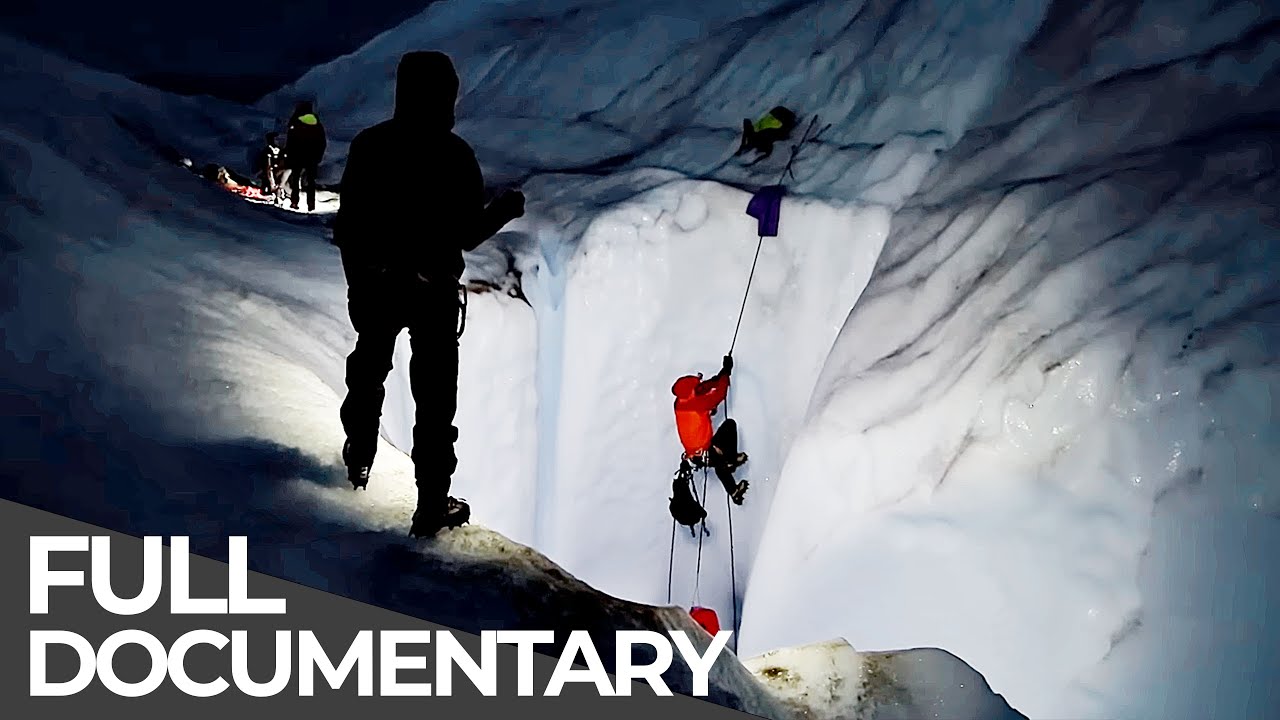
A team of scientists and adventurers embarks on a 50-day expedition across 100 kilometers of Greenland's remote Renland Peninsula to study melting glaciers.
Earth's rotation significantly influences climate patterns and weather systems, playing a crucial role in sustaining life over the past 4 billion years.
Mike Lebecki has completed over 60 expeditions, including a significant trip to Antarctica with National Geographic.
Refrigerators, a staple in modern households, are examined for their environmental impact, highlighting the urgent need for sustainable refrigeration solutions.
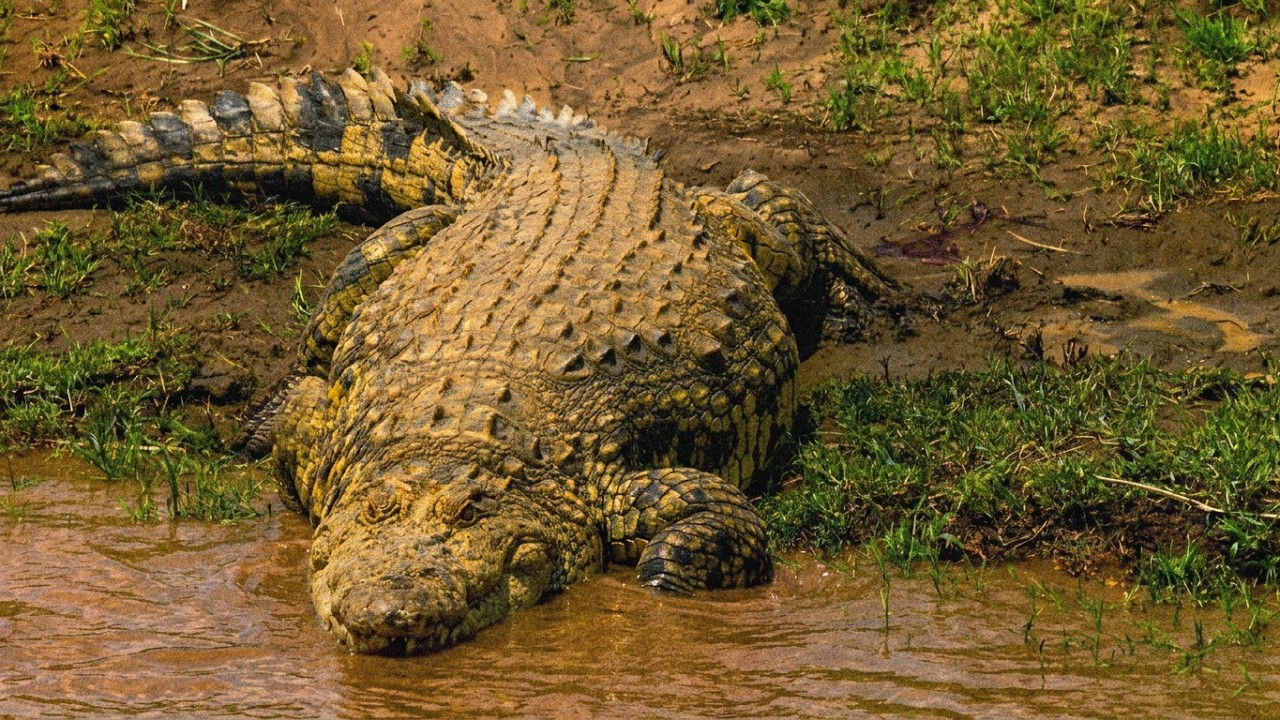
In the African savanna, the intricate balance of life and death among species like elephants and cheetahs faces critical threats from habitat loss and climate change.
Unchecked global warming threatens to drive into extinction one out of every two creatures on Earth, according to the film's analysis of climate change impacts.
In Alaska's remote wilderness, veteran photographer Michael Melford explores the conflicting futures faced by local residents amid environmental changes.
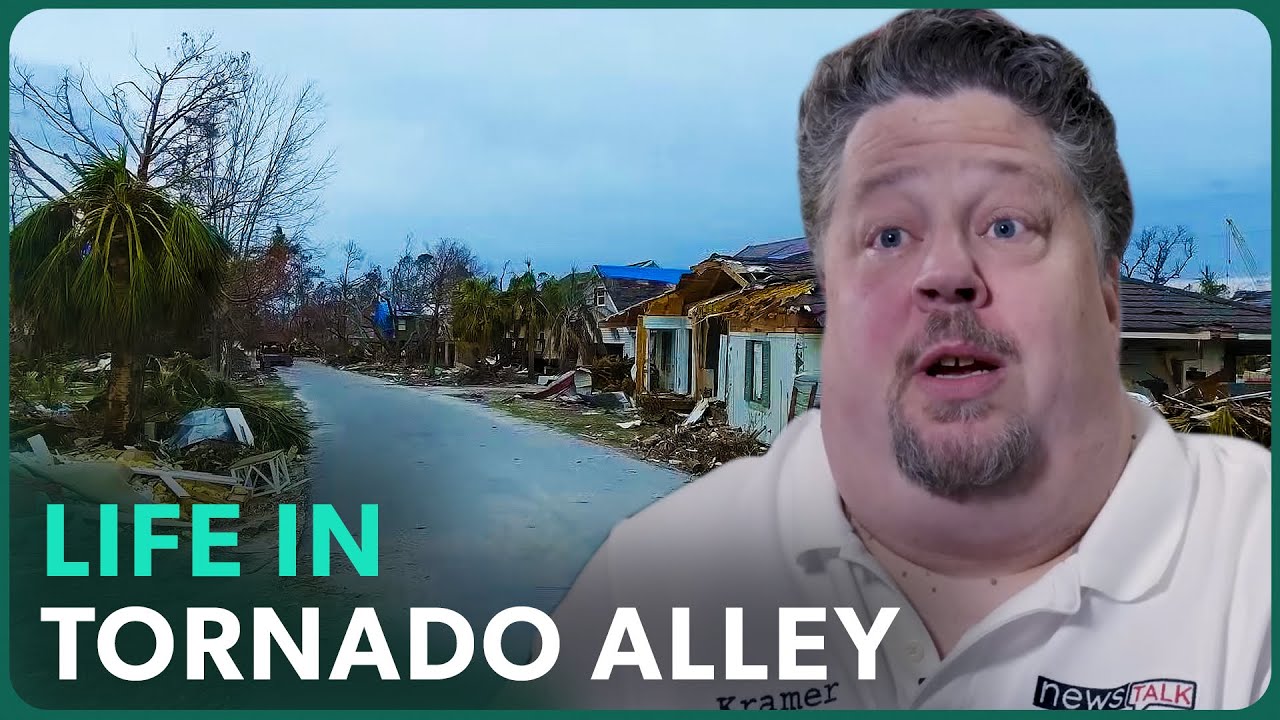
In Tornado Alley, a construction industry veteran critiques building practices and highlights the urgent need for homes that can withstand extreme weather events.
500 millimeters of rain fell on Taiwan in 24 hours during a record-breaking typhoon, marking one of the extreme weather events of 2015.
African penguins, the only penguin species native to Africa, are facing extinction despite conservation efforts on their breeding islands.
In four parallel stories from Asia, Greenland, Siberia, and the Gulf Stream, the vital role of oceans in climate regulation and their connection to human life is explored.
Madagascar, the Galápagos Islands, and the South Pacific are home to unique wildlife and ecosystems that face threats from climate change and invasive species.
Humanity seeks new habitats in space as Earth grapples with overpopulation and climate change.
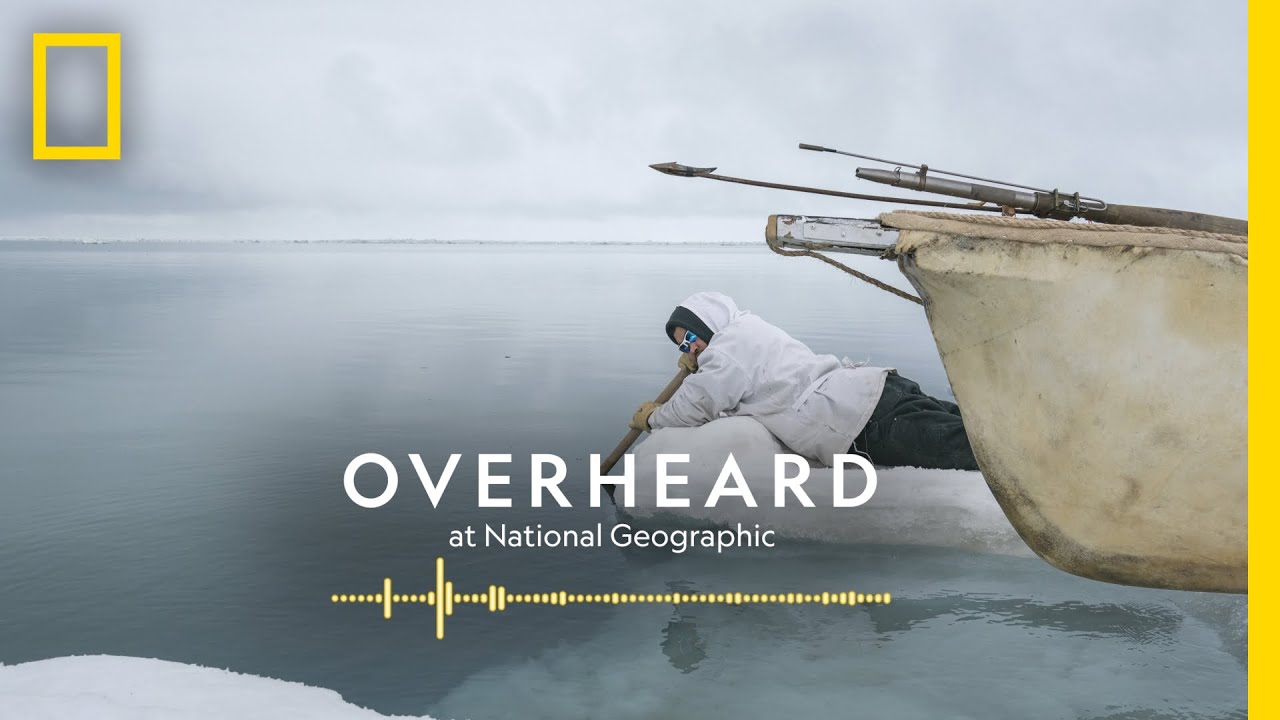
Kiliii Yuyan camped on Arctic sea ice in 2018 with Inupiaq hunters, documenting their bowhead whale hunting rituals amid unstable ice conditions.
The Red Sea's vibrant coral reefs and historic shipwrecks are showcased through immersive lenses, highlighting the region's rich marine biodiversity.
More than two billion dollars were spent on the development of the hydrogen bomb, a project that Richard Garwin played a significant role in.
Pittsburgh has nearly 450 bridges, more than any other city in the world, as it shifts from an industrial past to a focus on climate solutions.
Stephen Wilkes documented sea stacks over 100 feet tall at Shi Shi Beach, a remote location in Olympic National Park, in May 2022.
Ten lions make up the Marsh pride in Savute, Botswana, where they compete for survival against other apex predators in a harsh environment.
The global dependence on crude oil is examined through the lens of the 2010 Deepwater Horizon disaster, highlighting the risks and environmental costs of extraction.
Around 260 cubic kilometers of water flows down from the Alps every year, supplying vital resources to millions across Europe.
In Costa Rica, scientists study endangered jaguars using photo-identification while addressing the threat of a deadly fungus affecting local frog populations.
Over 80 hurricanes form each year around the world, with one-third of those striking the United States, causing billions in damages and loss of life.
Close to 56 million tons of clothes are sold every year in Europe, with barely 1% of clothing able to be resold annually.
One hundred sixty-six million square kilometers make up the Pacific Ocean, a region marked by violent clashes among its diverse wildlife.
One farmer commits suicide every 42 minutes in India, reflecting the severe impact of climate change on agriculture and rural livelihoods.
Extreme heatwaves cause thousands of deaths in Russia and Europe, highlighting deadly disasters.
Season Five of Cosmic Vistas examines how solar and lunar eclipses reveal critical information about Earth's atmosphere, climate, and geological processes.
In September 2003, Keith Ladzinski fell 35 feet while rock climbing, resulting in multiple injuries, including a broken neck and collapsed lung.
New scientific research indicates that climate change drove the Vikings from Scandinavia to establish settlements and an empire in Britain and Ireland, including Dublin's Viking harbour.
Droughts cause crop failures and water shortages, threatening survival and economies worldwide.