From over 100,000 films, discover the handful you'll love.
Free or premium access to the world's largest documentary library.
1954 films(Page 10 of 41)
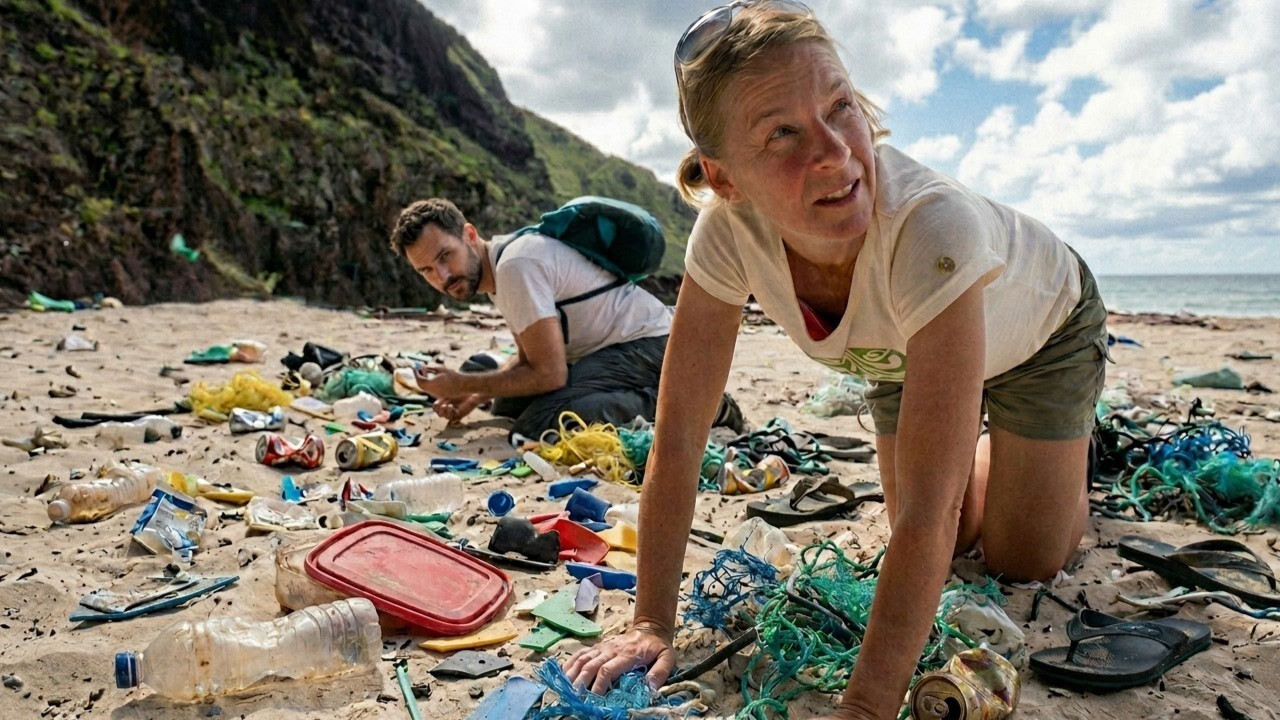
Six million metric tons of plastic enter the oceans each year, a volume comparable to the world's total production in 1960.
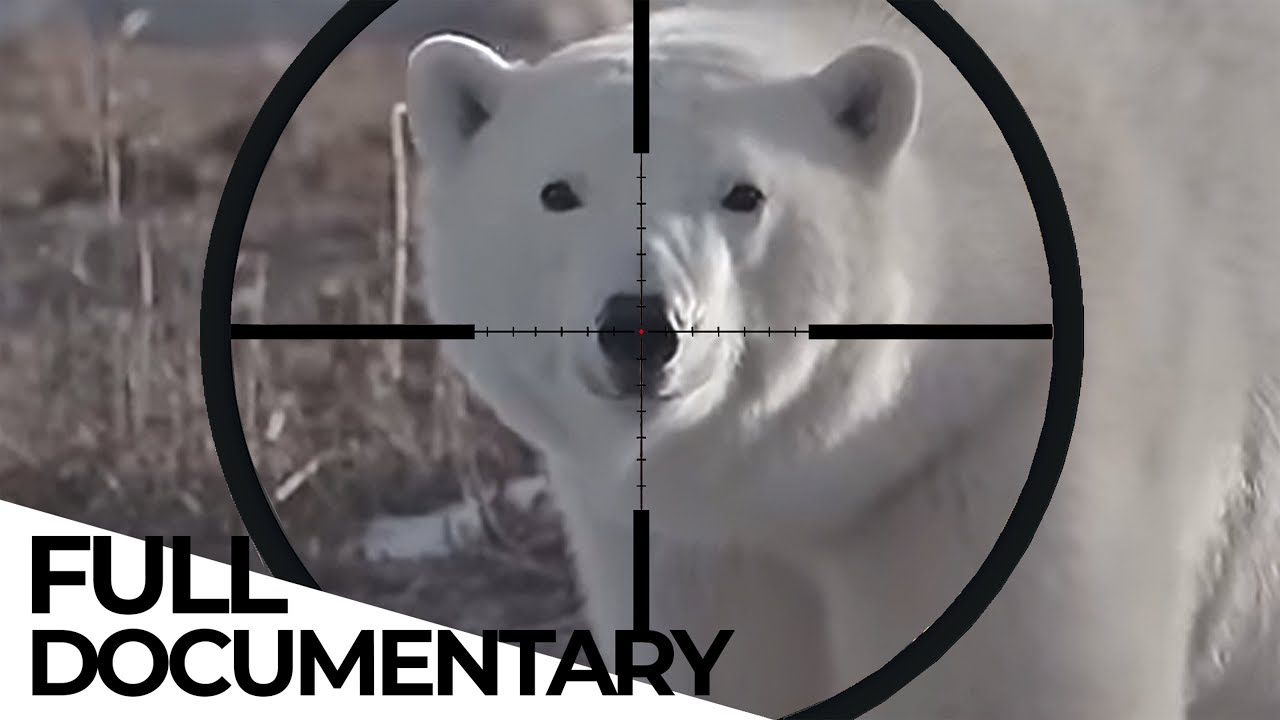
A polar bear is spared from hunting, revealing climate change as the real threat to its survival.
Yellowstone's white bark pine ecosystem faces threats from blister rust and climate change, impacting wildlife reliant on its seeds, as scientists work to protect it.
By the end of the century, sea levels are expected to rise as much as 1 meter, inundating coastlines around the world.
500,000 citizens in the Maldives welcome 600,000 visitors each year, while rising sea levels threaten their island nation and its coral reefs.
Firefighters in the Bouches du Rhone prepare to combat wildfires using a fleet of 330 all-terrain vehicles designed for rugged terrain and emergency response.
Extreme weather events, including powerful hurricanes and unprecedented wildfires, are intensifying due to accelerated climate change, posing significant threats to life on Earth.
Air pollution is linked to respiratory diseases and may alter DNA, with microscopic particles potentially traveling from the nose to the brain and increasing dementia risk.
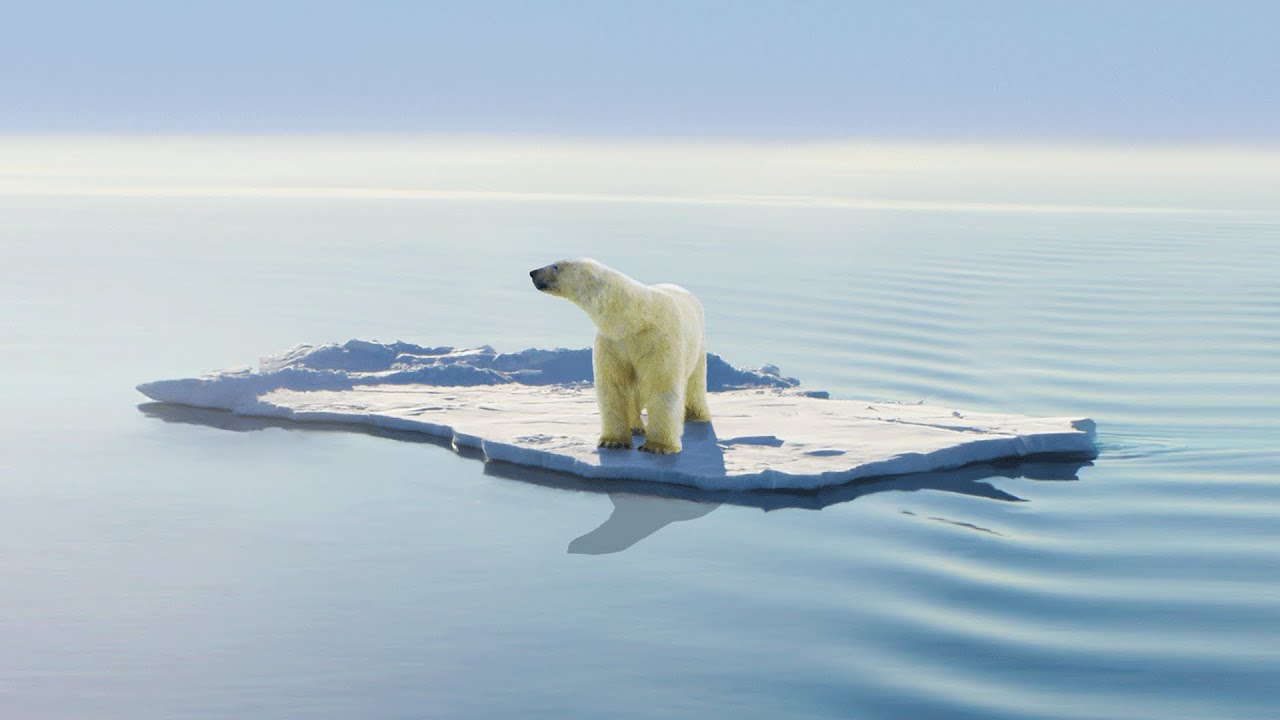
In extreme Arctic environments, polar bears and orcas are among the deadly predators competing for survival amid freezing temperatures and shrinking ice.
In Yakutsk, the coldest city on Earth, rising temperatures are causing permafrost to melt, threatening the stability of buildings and infrastructure.
European forests face severe health declines due to climate change, prompting initiatives to reintroduce climate-resistant tree species and restore ecosystems.
Fisherman Zosimo struggles to support his family in Oslob while facing typhoons and overfishing.
Wetlands and deserts are examined for their unique ecosystems, showcasing species like saltwater crocodiles, camels, and the adaptations that enable their survival.
In the animal kingdom, species such as bees, lions, and dolphins demonstrate how teamwork is essential for survival amid challenges like habitat loss and climate change.
Fifteen percent of the continental United States has been leased by oil and gas companies, raising concerns about environmental and public health impacts.
Human activity profoundly reshapes the Earth, marking the Anthropocene era and its consequences.
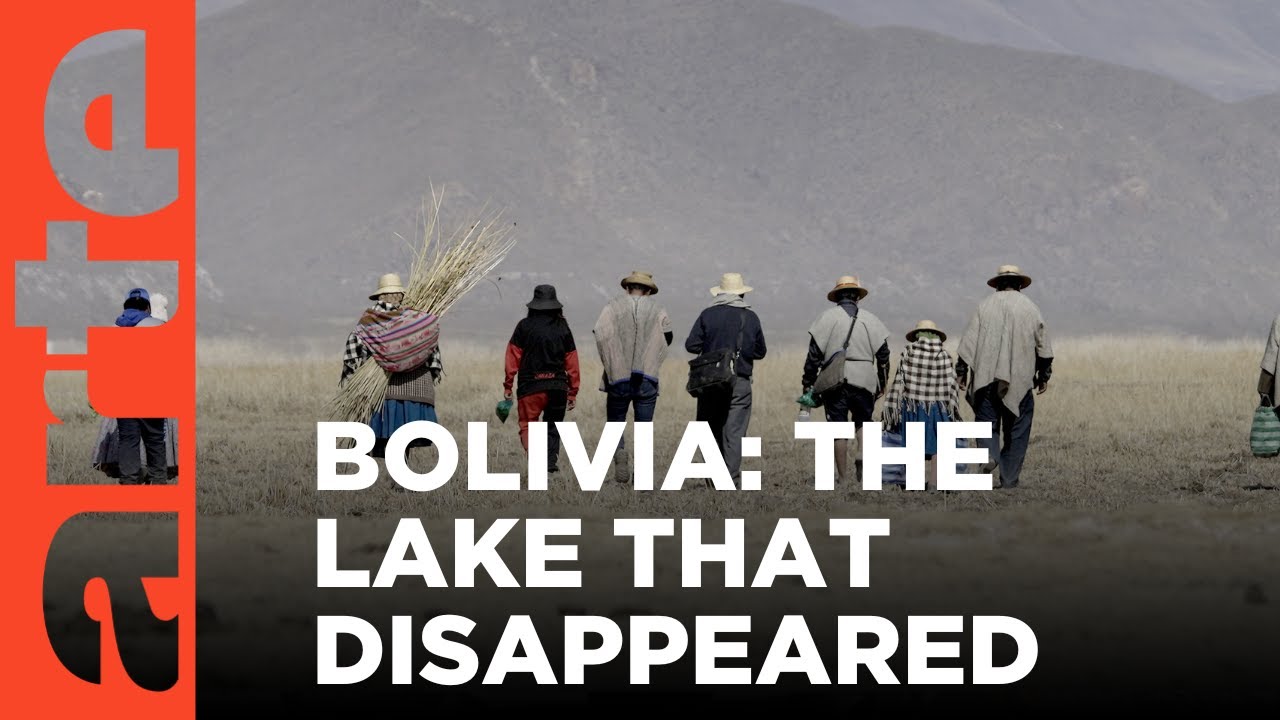
Lake Poopó in Bolivia has transformed into a salt desert, severely impacting the Aymara people's livelihoods and highlighting the effects of climate change and water mismanagement.
Innovative firefighting strategies in Portugal, developed after the catastrophic megafires of October 2017, aim to mitigate future wildfire risks and offer lessons for Europe.
Monarch butterflies and Saint Francis' satyr face critical threats from habitat loss and climate change, prompting urgent conservation efforts to protect these vital insects.
Climate change is addressed through the actions and solutions proposed by individuals around the world, highlighting positive initiatives rather than negative outcomes.
Reindeer breeding in Norway faces decline due to climate change affecting the Sami culture.
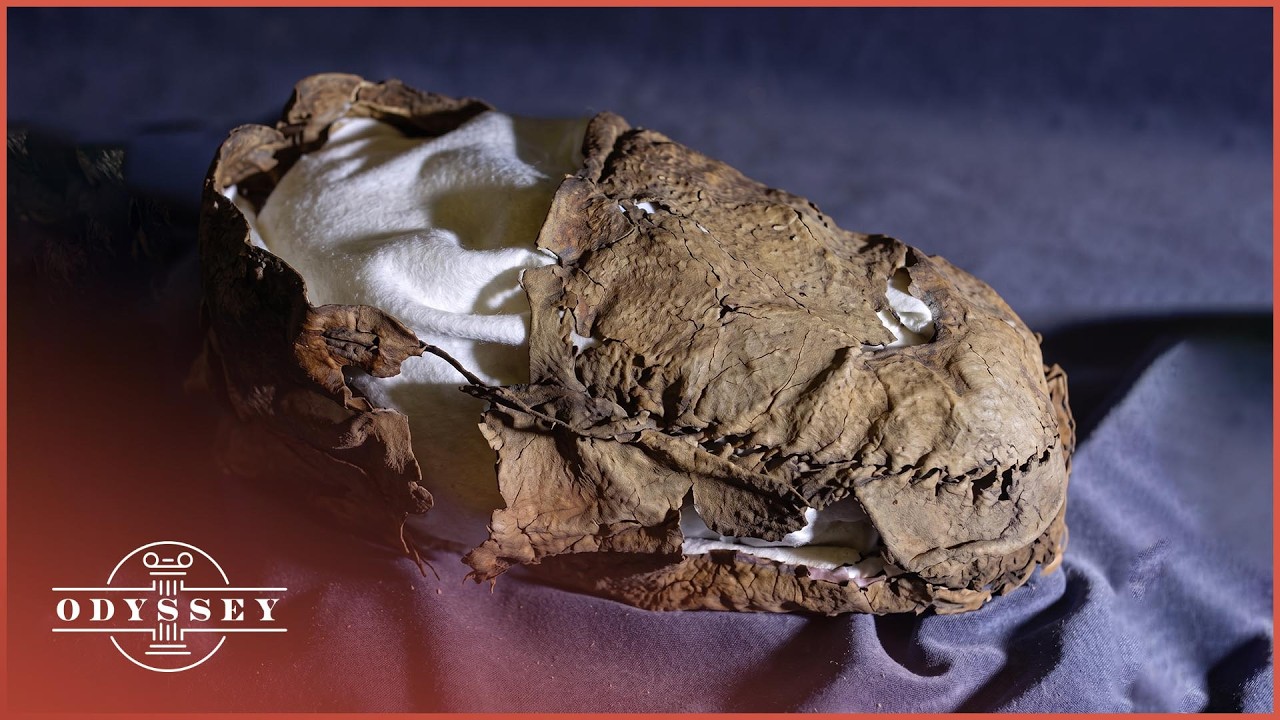
Ancient ice patches in the Yukon and Norway are revealing well-preserved artifacts and human remains, prompting archaeologists to collaborate with local communities.
Baltic Sea Divers undertake complex salvage operations to recover a 30-meter climate change measuring mast and a 60-kilo sonar from freezing depths.
Penguins, from the Emperor in Antarctica to the Yellow-eyed in New Zealand, face increasing threats from climate change and habitat loss worldwide.
Nobel Laureate Mario Molina and Emerging Explorer Iain Couzin explore the links between locust swarms and ozone depletion.
The Pearl River Tower in Guangzhou, China, is one of the greenest structures on earth.
Cow flatulence, particularly methane emissions from cattle, significantly contributes to greenhouse gas levels, prompting Albert Nerenberg to investigate climate change's local impacts.
Tasmania's ancient rainforests and unique wildlife, including the platypus and Tasmanian devil, highlight the ecological diversity of Australia's national parks.
After decades of work and billions of dollars spent, the environmental movement has failed to protect the planet, according to a group of lifelong environmentalists.
Evidence from South Australia’s deserts supports the theory that Earth was once entirely covered in ice, raising questions about future climate implications.
4.6 billion years ago, the sun ignited, marking the beginning of the solar system and the eventual formation of Earth as a unique planet capable of supporting life.
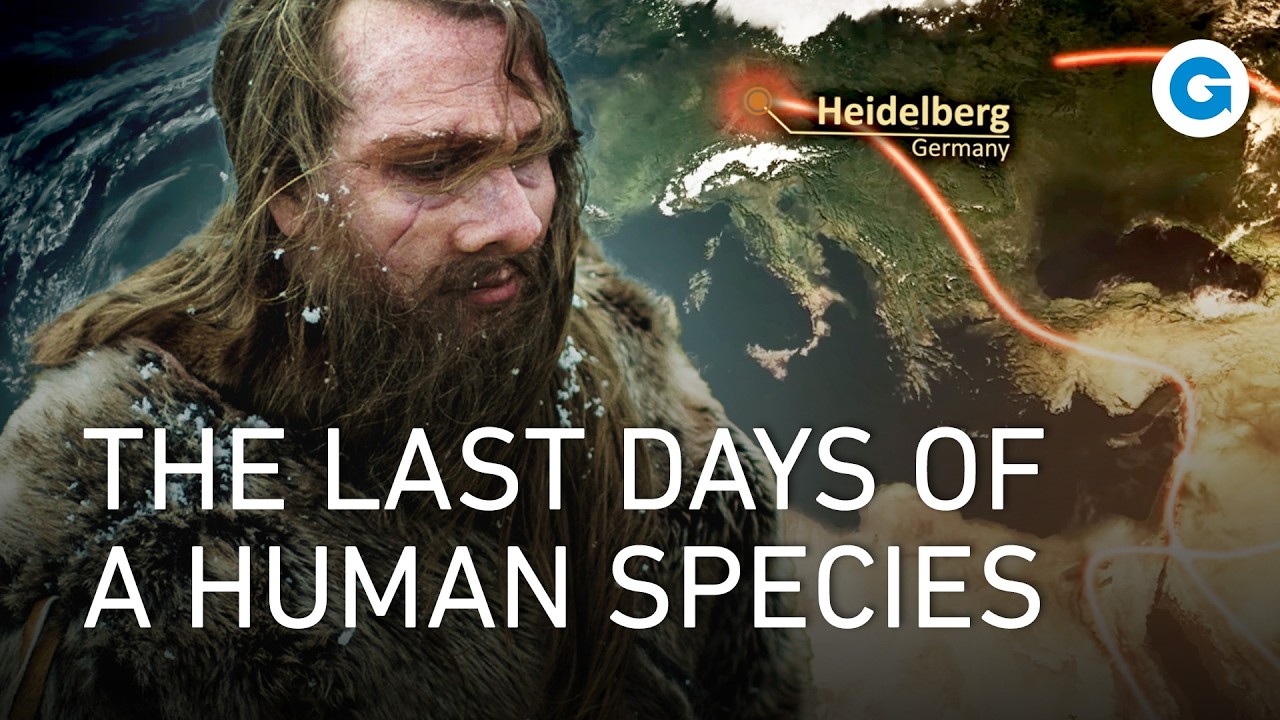
Neanderthals lived for 300,000 years, but they vanished from the Earth around 24,000 years ago, leaving behind clues in caves along the Mediterranean coast.
A 2000-km expedition to the northernmost tip of Canadian soil, 412 km from the North Pole, showcases the Arctic's beauty and challenges.
Geologist Ian Stewart highlights water's vital role in Earth's evolution and humanity's challenges.
Each canister of spent nuclear fuel at San Onofre contains as much radiation as was released from the Chernobyl disaster in 1986.
More than 350 million hectares of land are consumed by fire each year, equivalent to one third of Europe’s total area.
Oil pollution in the Niger Delta, exacerbated by multinational companies, devastates local communities while activists and legal experts seek ecological restoration and accountability.
In Adélie Land, the Cap Prud'homme science base hosts a team of researchers studying the impacts of climate change and deglaciation in Antarctica.
In Churchill, known as the 'Polar Bear Capital,' journalist Michel Abdollahi examines the legalities and ethical implications of polar bear hunting.
A 52-foot steel-hulled schooner named Apollonia sails the Hudson River, offering a carbon-neutral alternative to traditional freight shipping.
In Greenland, polar bears coexist with traditional subsistence hunters while scientists study the impact of global pollution on Arctic ecosystems.
Polar bear cubs in the Arctic face challenges for survival as their habitat continues to shrink due to climate change and environmental pressures.
A 65-kilometer drive across ice leads to Mawson's Huts, a historic base camp from the 1911-1914 Australasian Antarctic Expedition.
Entomophagy, the practice of eating insects, is explored as a potential solution to global food insecurity and climate change, featuring insights from entomologists and a Bay Area company.
Wildfires in British Columbia's Okanagan Valley prompt Indigenous voices, firefighters, and evacuees to share their experiences and insights on fire stewardship and resilience.
A 44-minute examination reveals how environmental changes threaten the floating gardens of Inle Lake, a vital source of income for local farmers.
Factors contributing to the decline of historical societies, such as the Roman Empire and Easter Island's inhabitants, reveal vulnerabilities relevant to modern civilization.
Historical climate shifts, such as the Permian-Triassic extinction event, reveal complex interactions between biodiversity and environmental changes.