From over 100,000 films, discover the handful you'll love.
Free or premium access to the world's largest documentary library.
1964 films(Page 5 of 41)
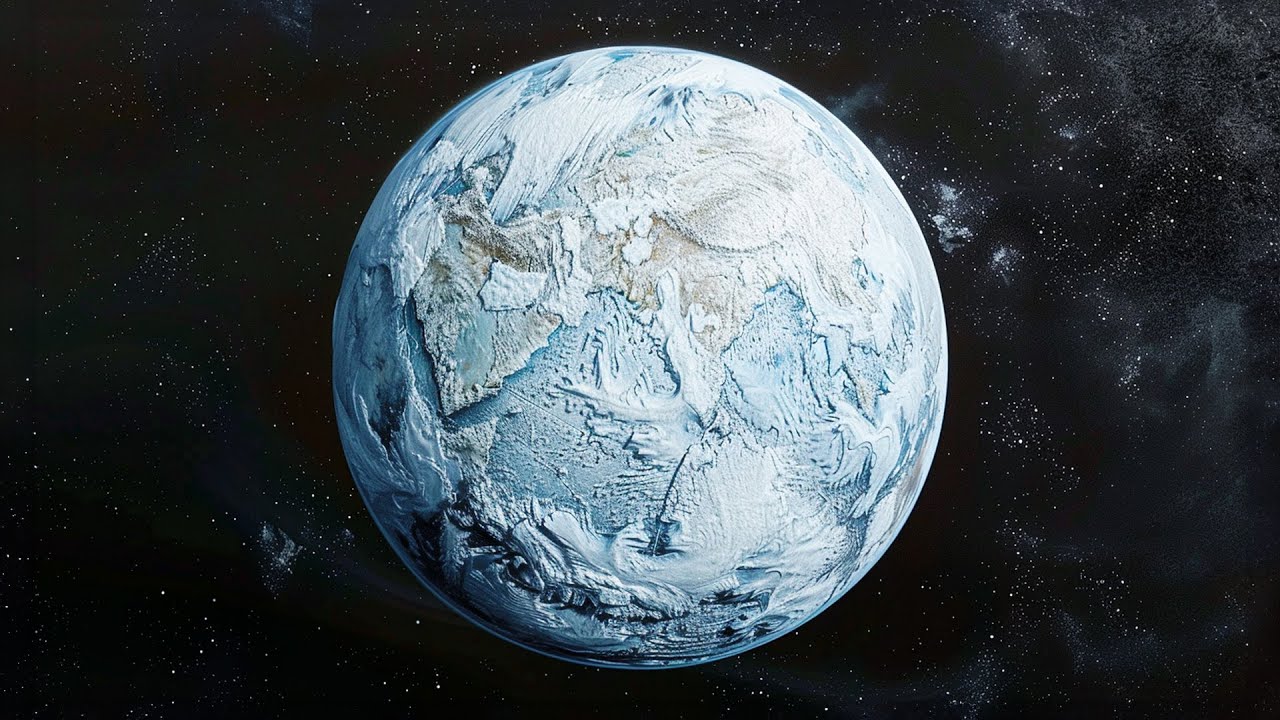
650 million years ago, Earth was locked in ice for 25 million years, nearly wiping out all life and setting the stage for complex organisms to evolve.
The cruise industry faces significant challenges related to environmental impacts and health risks, as more ocean-liners dock in European ports post-pandemic.
93% of Mediterranean fish stocks are overfished, leaving Greek fisher Evgenia Floris with only 5 kilos of fish worth 15 euros after a long day at sea.
A healthy steer can be worth $1,000 to local cowboys in Guyana, who manage their cattle in the vast savannahs.
A shark targets Alex Dodds four miles off the Australian coast, biting his leg and launching him into the air during a spearfishing dive.
Since the Apollo 8 mission in 1968, Earth's population has more than doubled, raising concerns about the planet's delicate balance and environmental threats.
An asteroid up to 50 kilometers in diameter struck East Antarctica 250 million years ago, leading to one of the worst mass extinctions in history.
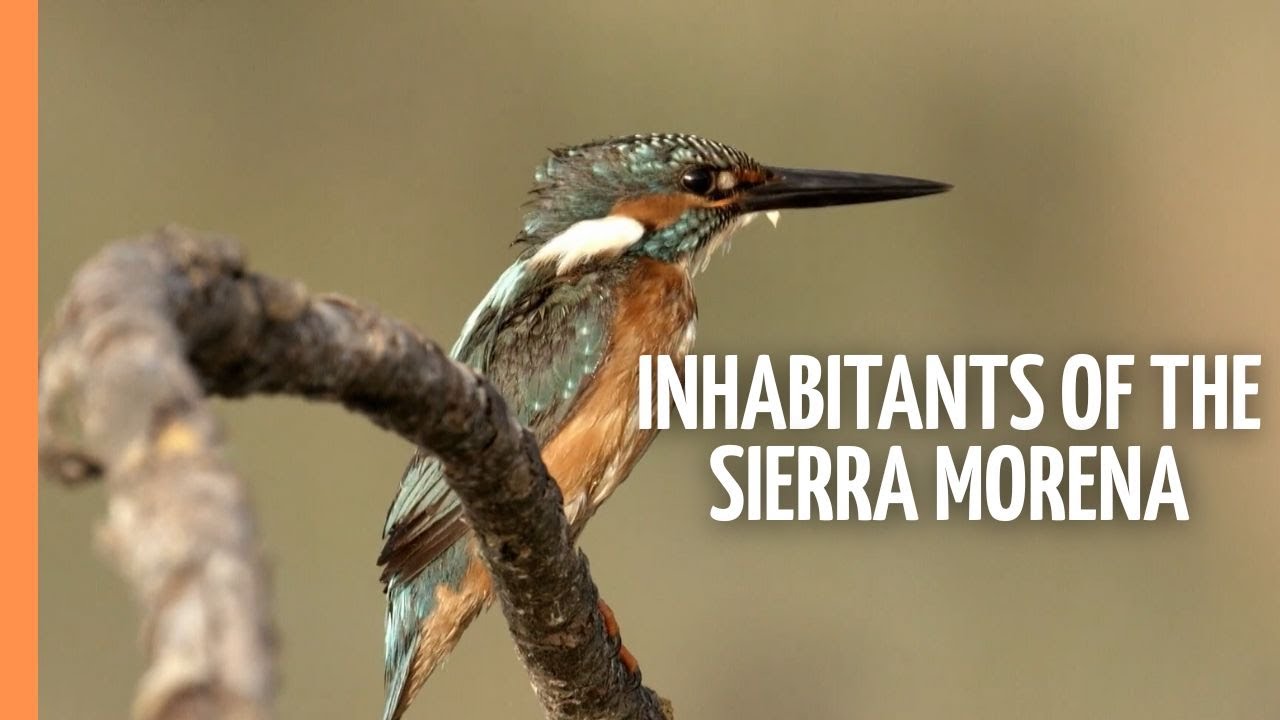
Summer temperatures in the Sierra Morena often exceed 30 degrees Celsius, while the region receives less than 500 millimeters of rain each year.
On-orbit observation and advancements in Space Communication and Telescopes are essential for understanding Earth's climatic systems and future directions.
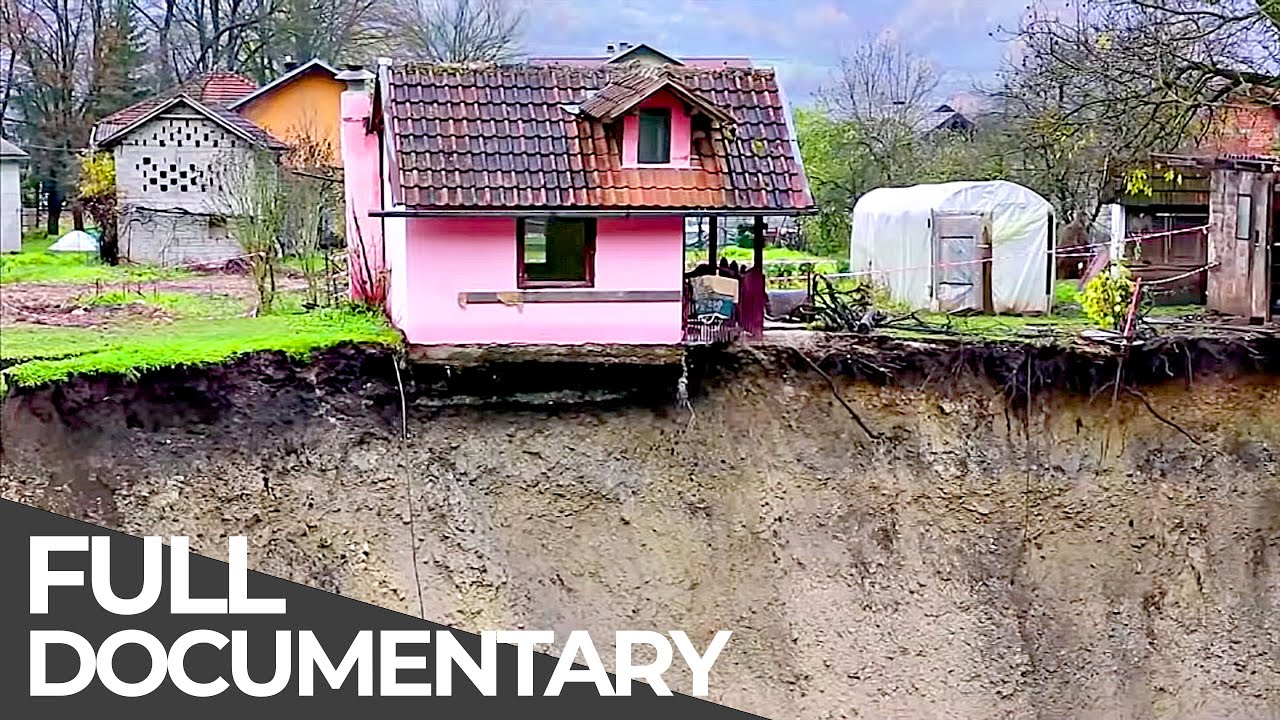
Geological disasters, including heat waves in New Delhi and landslides, can cause significant casualties and suffering, rivaling more catastrophic events like earthquakes and volcanoes.
25 years ago, Fletcher Chouinard founded FCD Surfboards, which has since focused on creating durable and eco-friendly surfboards.
Up to 1,836 people died during Hurricane Katrina in August 2005, which caused widespread flooding and destruction in New Orleans and along the Gulf Coast.
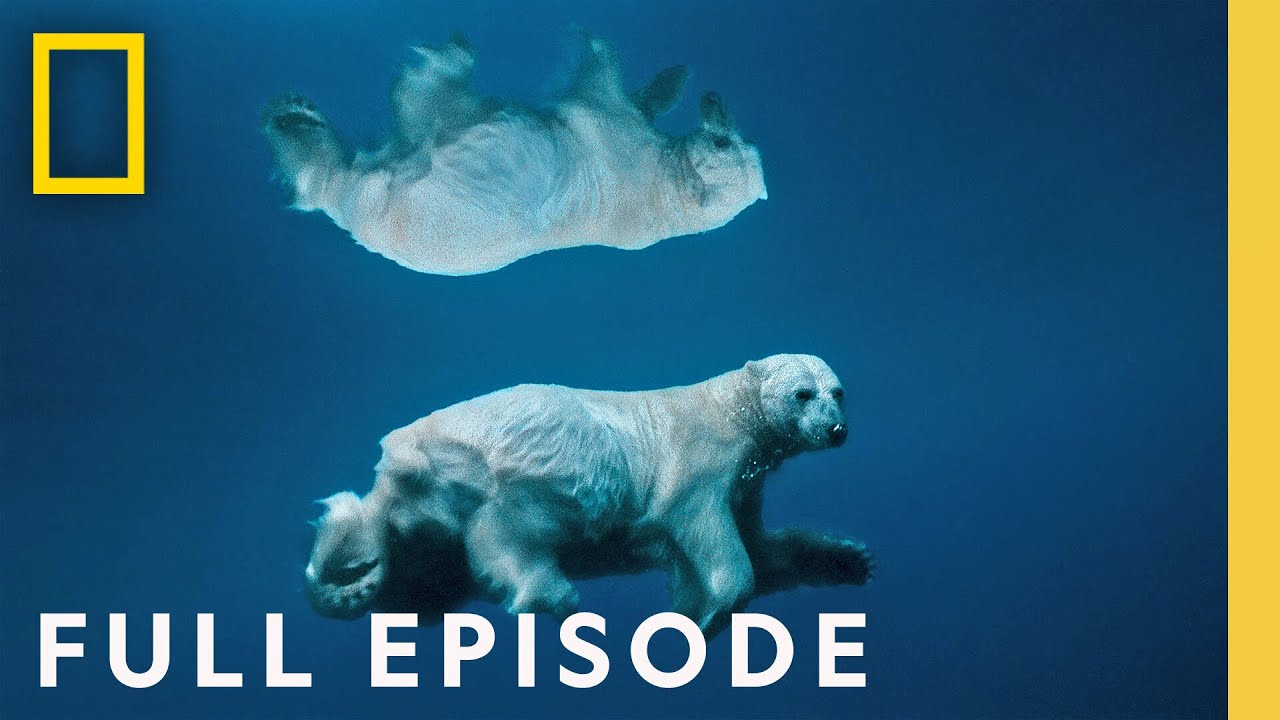
The Hudson Bay population of polar bears has declined by 16 percent in the past two decades, primarily due to the effects of global warming.
Morocco currently imports about 90% of its total energy, relying heavily on coal and oil while seeking to transition to renewable sources.
A hurricane can unleash as much energy in a day as 10,000 nuclear bombs, causing catastrophic damage to low-lying areas when they make landfall.
North and South America, rich in biodiversity, are home to 14 wild cat species that face significant challenges in their fight for survival.
On August 6, 2002, the discharge of the Vltava River in Prague reached an alarming 1,500 cubic meters per second during a catastrophic flood event.
Paul Nicklen and Cristina Mittermeier conduct a four-year mission to stop oil drilling in the Bahamas using their photography and social media reach.
Avalanche blasters, cold weather workers, tornado hunters, iceberg cowboys, and airspace surveillance systems highlight some of the world's most challenging and dangerous jobs.
In the Florida Everglades, an unprecedented cold snap challenges the invasive Burmese python population, prompting Python Hunters to study and manage their impact.
Asteroids cause death and destruction on Earth, as shown in Season 1, Episode 10.
The 2016 Disaster Diaries captures La Nina's powerful impact on global weather in Ultra High Definition.
In Öland, Sweden, a moose detective investigates the mysterious deaths of moose calves, linking potential causes to climate change and food shortages.
In Uganda's Rwenzori mountains, brothers Makumbi and Musa guide a group of foreigners through a surreal landscape of giant bamboo forests and diverse wildlife.
3,700 exoplanets have been identified so far, yet no signals from extraterrestrial civilizations have been detected in nearly 60 years of searching.
A 31-meter tall lighthouse on Nantucket Island is at risk of falling off a cliff, prompting a team to move it to safety before winter storms arrive.
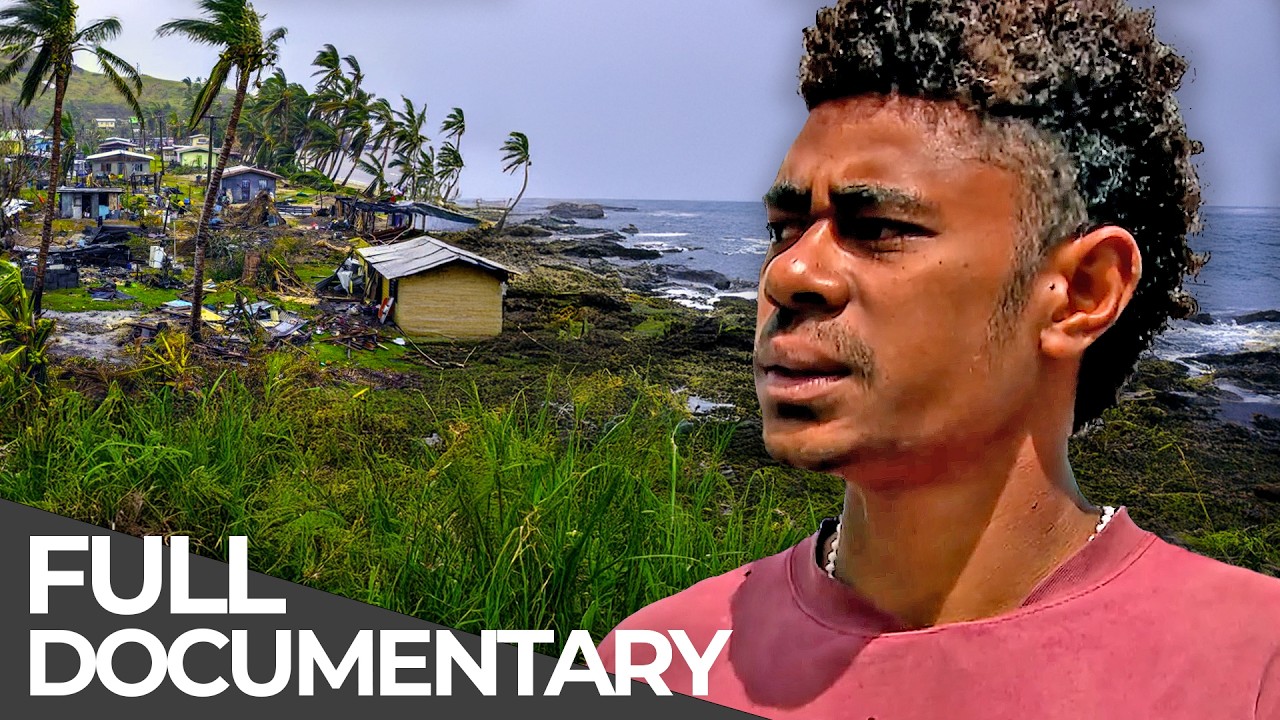
Fiji faces frequent tropical cyclones, with the last category 5 storm recorded as the most violent in the country's history, threatening its vulnerable communities.
Desperate Hours highlights Environmental Disasters and their impact on life on Earth.
More than half of Malawi's 16,000 kilometers of road network remains unpaved, complicating transportation and access to essential services.
In collaboration with the IPCC and leading climate scientists, critical insights from the Fifth Assessment Report reveal urgent challenges posed by climate change.
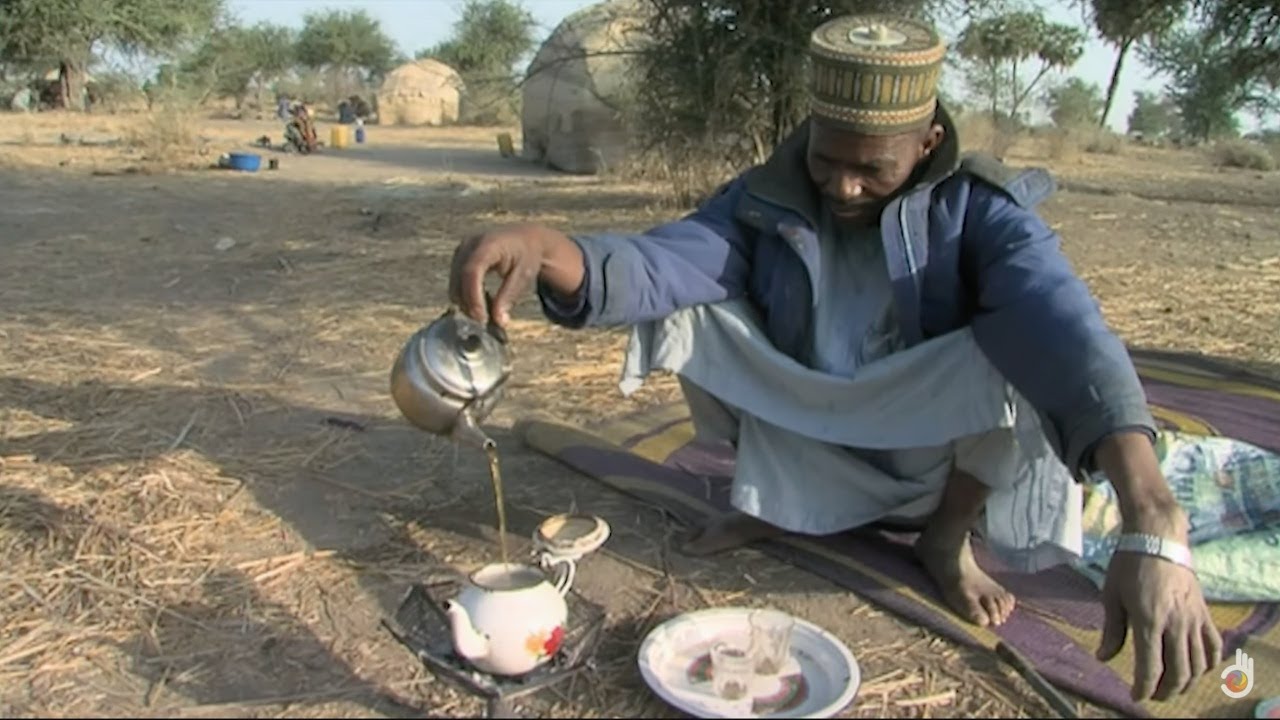
95% of the Fulani shepherds' livelihood relies on pasture that produces only 350 to 700 pounds of hay per acre, threatening their traditional way of life.
In the high zones of the Alps, unique species have adapted to survive extreme conditions, human exploitation, and the pressures of mass tourism.
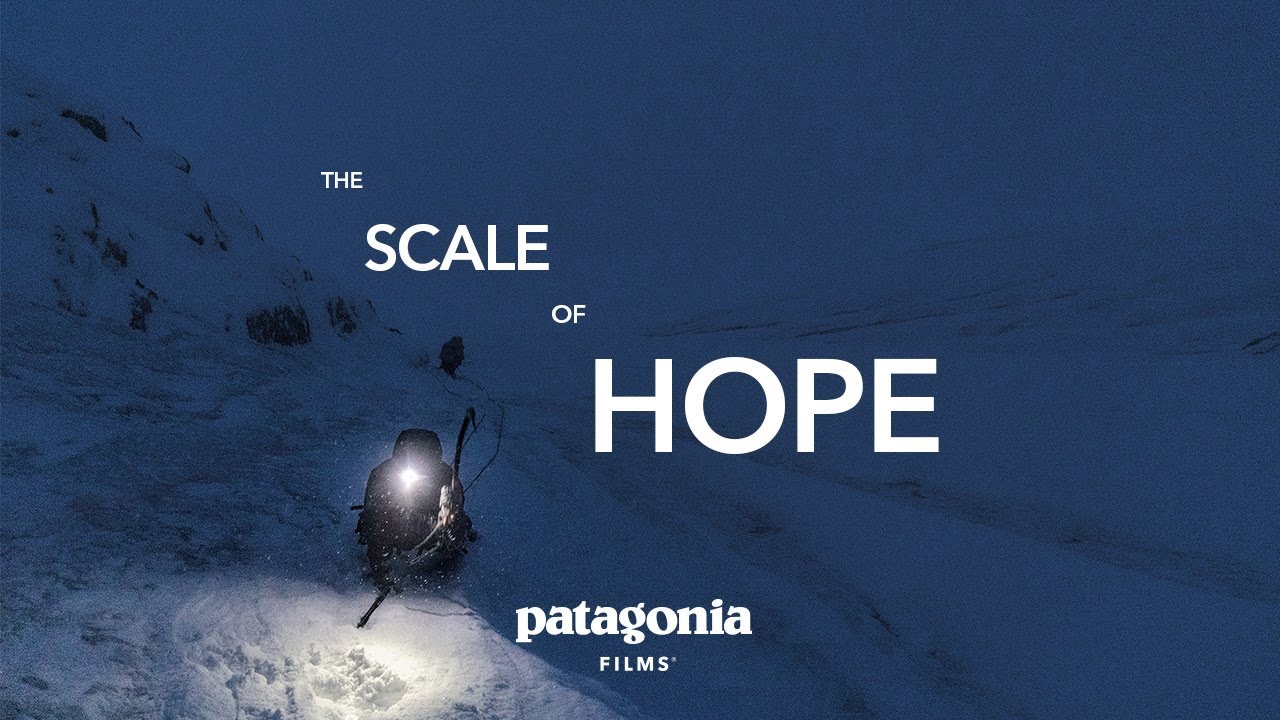
Molly Kawahata, a former climate advisor, emphasizes the need for hope in the climate movement while reflecting on her experiences with mental illness and alpine climbing.
Volcanoes, including Sinabung in Indonesia and Mount Etna in Europe, continue to pose significant threats to human life and infrastructure through unexpected eruptions.
Bangkok faces severe environmental challenges from rising sea levels, land subsidence, and extreme weather, threatening its livability and survival.
Only 116 helicopters of a specific model were made worldwide, with one still in use in Greenland for research and hunting activities.
Over 90% of the warming from climate change is absorbed by the oceans, impacting coral reefs and local communities in Australia and beyond.
Botswana is home to 130,000 elephants, primarily in the northern regions along the Okavango, Kwando, Linyanti, and Chobe river systems.
Crocodile populations in the Northern Territory now outnumber humans, leading to increased conflicts as urban development expands into their habitats.
Marmots in the Austrian Alps adapt to climate change and emerge from hibernation in spring.
A series of landslides in Venezuela buried an estimated 30,000 people and destroyed a 100-kilometer stretch of coastline.
10 million hectares of fertile land are lost each year to desertification, threatening the livelihoods of millions worldwide.
Since 1995, astronomers have discovered more than 100 planets orbiting distant stars, raising hopes for finding a new home for humanity.
Agriculture 4.0 introduces digital solutions to combat climate change in farming practices.
It rained for 40 days and 40 nights, flooding the Earth and leading to the survival of Noah, his family, and pairs of every animal species.
A snow leopard must patrol a territory of 80 square miles in search of food as rising temperatures threaten its survival in the Himalayas.
Innovators seek alternatives to factory farming for animal welfare and ecological reasons.
Only 10% of Olive Ridley turtle hatchlings on the Costa Rican coast will survive after emerging from their nests.