From over 100,000 films, discover the handful you'll love.
Free or premium access to the world's largest documentary library.
1964 films(Page 8 of 41)
A hailstone weighing 700 grams fell in Coffeyville, Kansas, in 1972, illustrating the potential severity of storms linked to ancient climate disasters.
Benoît Bringer investigates how dietary practices in various communities can mitigate climate change by promoting sustainable food models and recipes.
The ice around the North Pole has shrunk by seven percent over the past 30 years, threatening the survival of polar bear populations.
Humanity faces existential threats from climate change, planetary collapse, and the eventual demise of Earth, prompting discussions on survival through space colonization and AI evolution.
850 kilovolts of simulated lightning zap a volunteer, demonstrating the extreme conditions the human body can endure during severe weather events.
Yellowstone National Park showcases dramatic wildlife interactions, featuring otters, bald eagles, and the master builders of the wild in their natural habitat.
In the rare grasslands of the Chilcotin in British Columbia, declining Bighorn herds are examined alongside the filmmakers' reconnection with nature over two years.
Temperatures could plummet to below zero even at the equator during a potential snowball Earth scenario, threatening human survival and ecosystems.
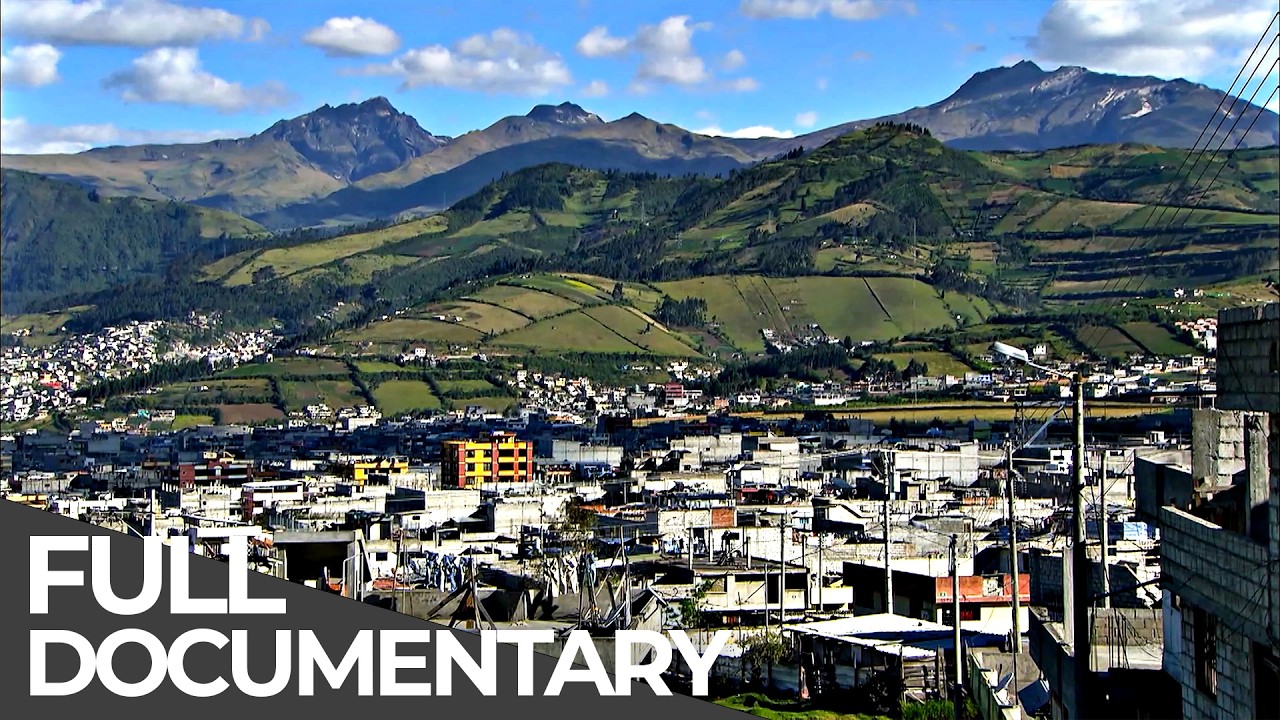
Cotopaxi, one of Ecuador's most iconic volcanoes, poses a significant threat to Quito due to potential eruptions that could trigger devastating landslides.
Cyclone Sandy struck New York on October 29, 2012, causing $19 billion in damage and resulting in 53 fatalities.
Tiberius Gracchus's political actions in Ancient Rome incited mob violence, leading to significant social and political upheaval.
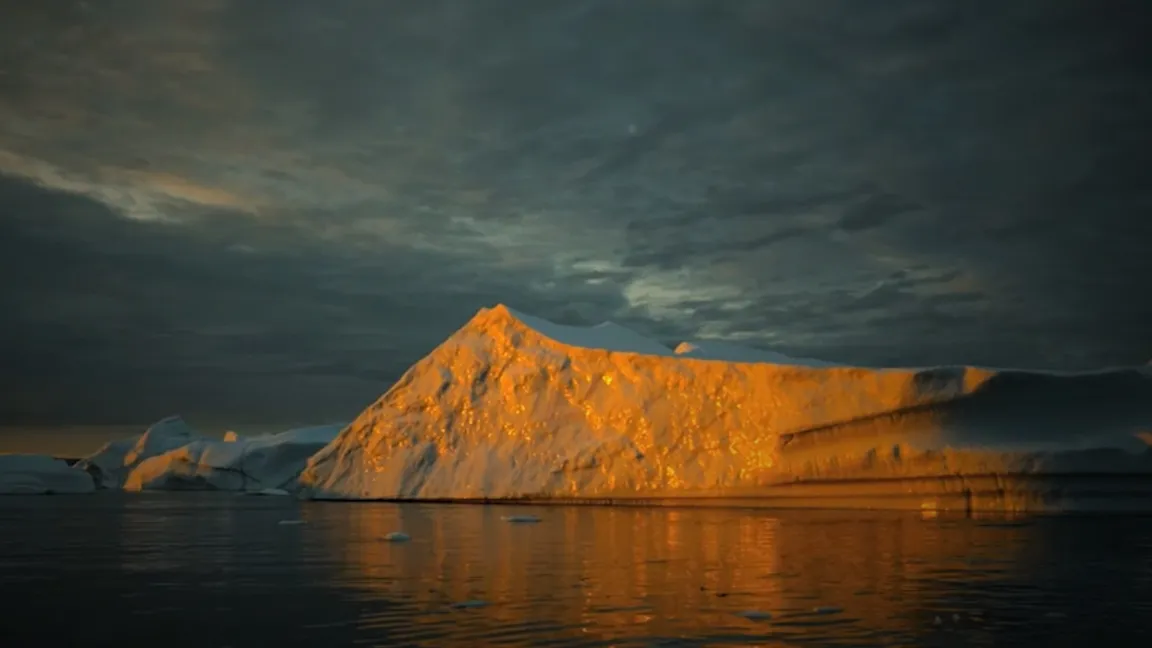
Around 25 million square kilometers of sea ice will gradually disappear during the summer thaw, revealing islands that support diverse Arctic wildlife.
What would happen to Earth and the solar system if the Moon suddenly disappeared, alongside explorations of light speed and cosmic objects?
Four meters is the potential rise in sea levels if the West Antarctic ice sheet breaks up, threatening coastal communities worldwide.
The Haïda tribe, known as the Salmon People, faces cultural and environmental challenges as salmon populations decline off the northwestern coast of Canada.
One out of every two creatures on Earth faces extinction due to unchecked global warming, which threatens agriculture, sea levels, and civilization itself.
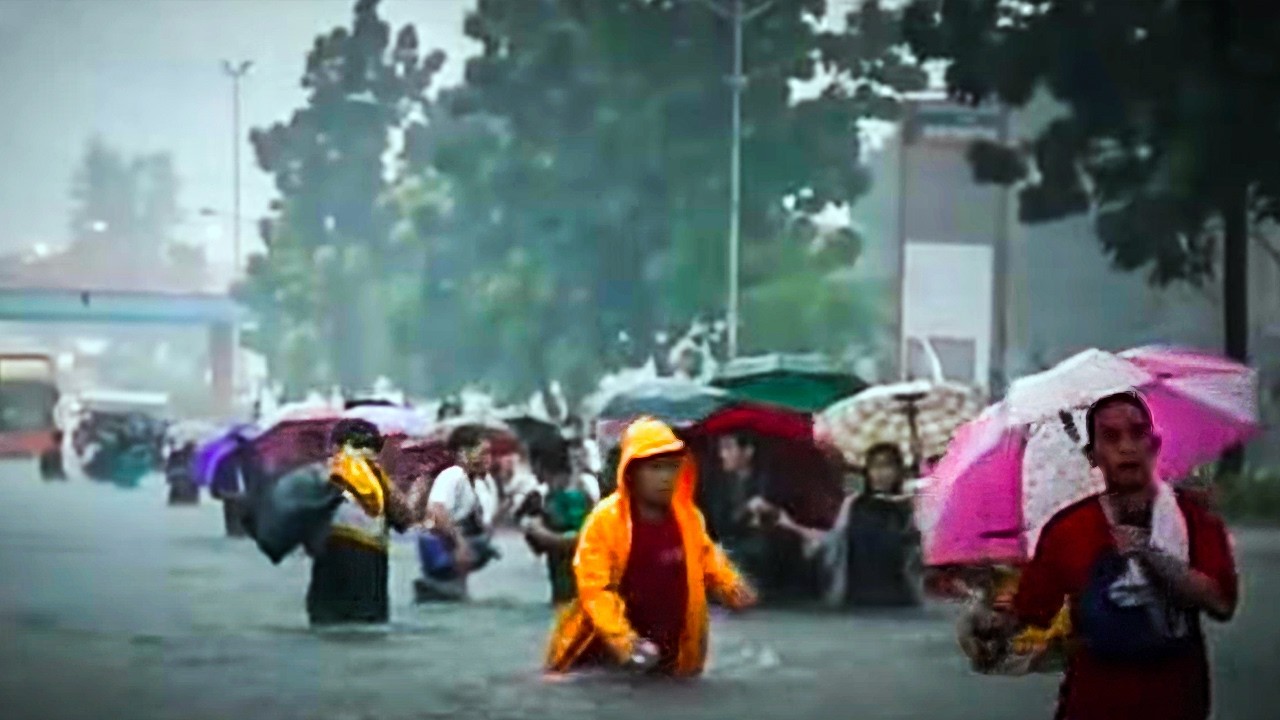
Floods kill more people each year than any other form of extreme weather, with damages reaching up to 440 billion US dollars annually in the United States alone.
Bertie Gregory films great white sharks in South America without a protective cage, highlighting their hunting behavior and the impact of climate change on their environment.
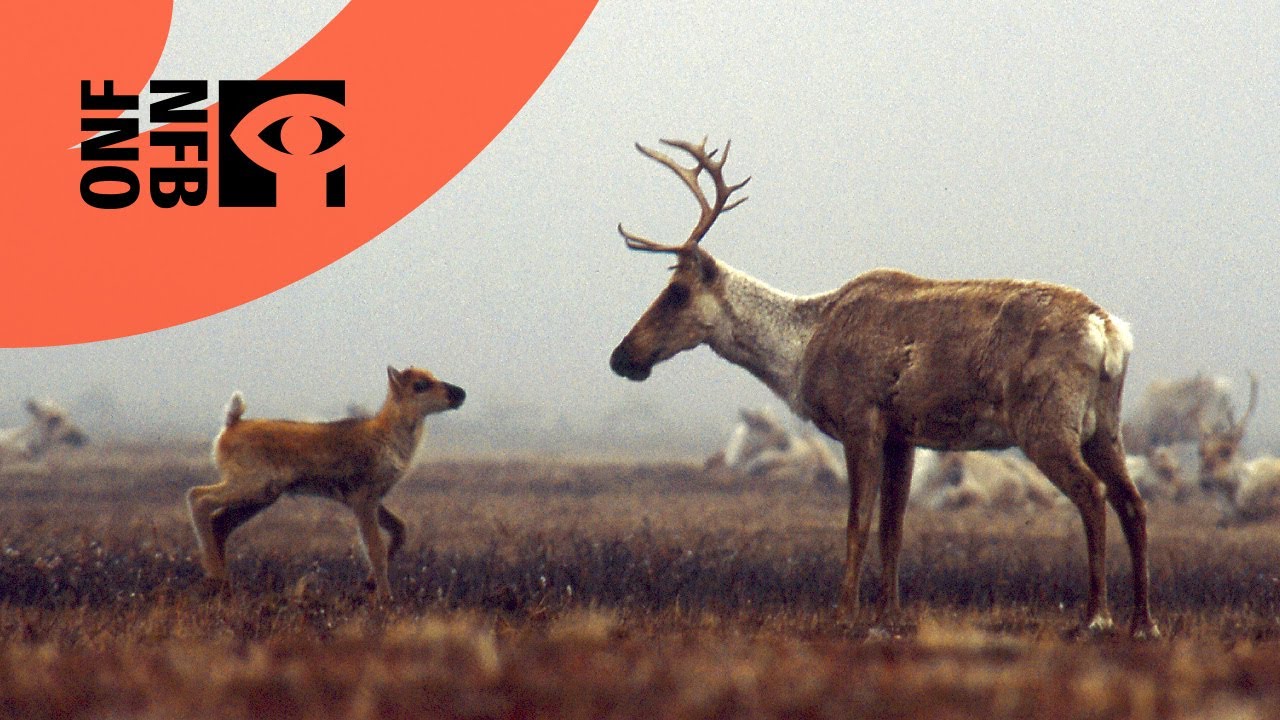
In the Arctic tundra, wildlife biologist Karsten Heuer and environmentalist Leanne Allison track a herd of 120,000 caribou, documenting the environmental threats they face.
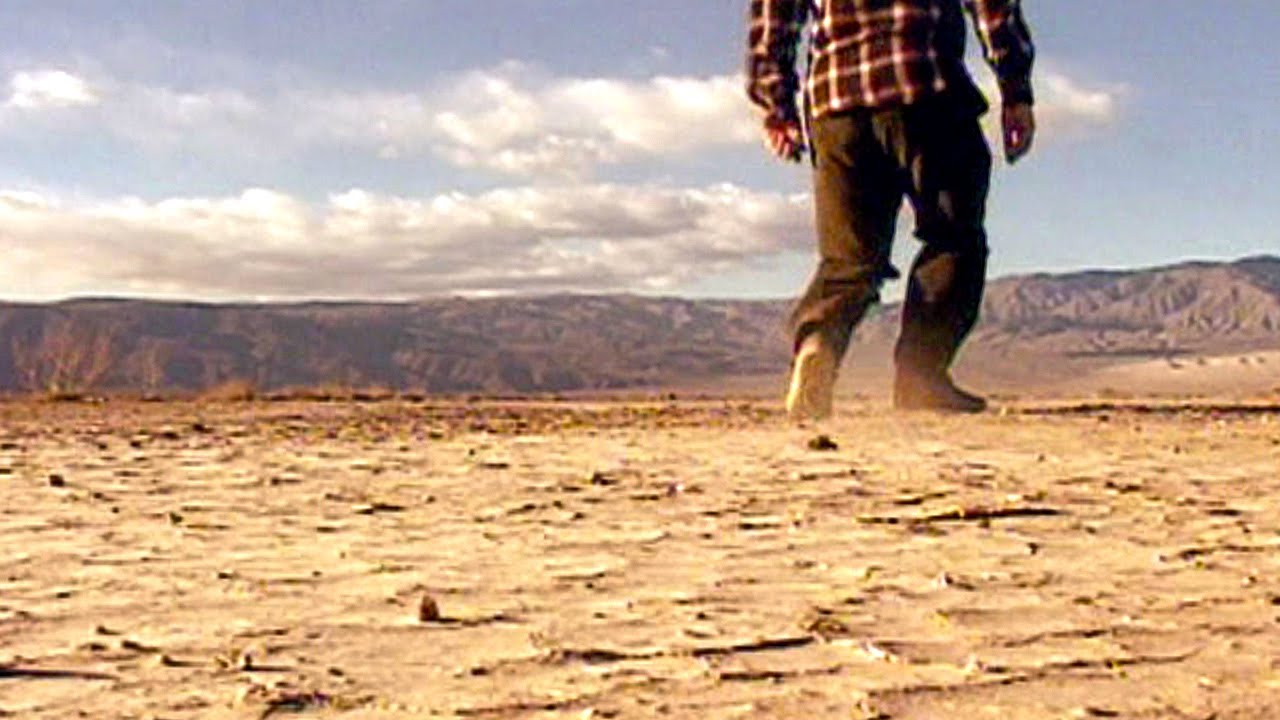
Drought conditions in the United States and India, exacerbated by human activity and climate change, lead to significant economic and agricultural challenges.
Up to 10 tons of raw sand can be extracted from a single wind turbine blade through a new recycling process.
Mark Synnott, a Explorer, attempts to retrace the ill-fated 1845 expedition of Sir John Franklin through the perilous Northwest Passage.
Hydrogen, with three times the energy density of petrol and a low environmental impact, presents a viable alternative to fossil fuels for future energy needs.
Deforestation in South America destroys the equivalent of 20 football fields of jungle every minute, threatening vital ecosystems and global climate health.
An eruption from Yellowstone released an estimated 1,000 cubic kilometers of ash and rock, far surpassing the output of Mount St Helens and Mount Pinatubo.
A remote island in the South Pacific may hold clues to the Maya civilization's astronomical knowledge, as archaeologist Jim Turner investigates a massive rock formation aligned with celestial events.
A football field of land disappears every hour in Louisiana due to erosion and rising sea levels, threatening homes and communities in the Bayou.
A mother bear can gain up to 3 kg a day as she prepares for winter hibernation in the harsh conditions of Europe's far north.
Sea level has been rising at an average rate of 3.2 millimeters per year since the 1990s, with recent acceleration pushing it above 4 millimeters annually.
Ecuador's government proposed to forgo $7 billion in oil revenue from the Yasuni National Park to protect its unique biodiversity and combat climate change.
Venus has a surface temperature of 900°F, making it one of the most hostile environments in the solar system, raising concerns about Earth's future.
Six astronauts aboard the Space Shuttle Endeavour experience the view of Earth from 233 kilometers above, describing it as a stunning sight.
Temperatures in parts of the northern hemisphere could drop to -9° F, leading to infrastructure collapse and societal struggles during a potential ice age.
Rising sea levels threaten Jakarta, Indonesia's capital, home to 31 million residents, with significant flooding projected by 2050 if urgent action is not taken.
Digital data travels an average of 15,000 kilometers at the speed of light, relying on energy sources that significantly impact the environment.
More than a million Earths could fit inside the sun, which will eventually become too hot and bright, making life on Earth impossible.
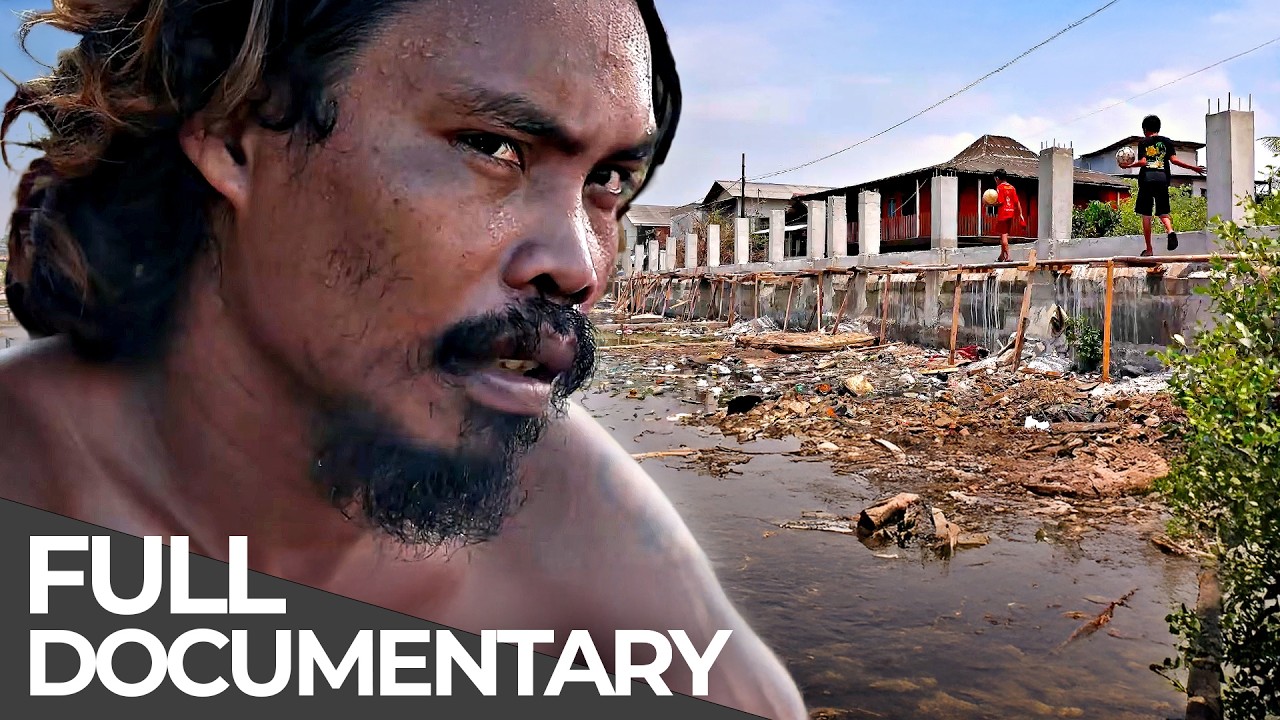
In Bali, activist Daru confronts Indonesia's ecological crisis driven by plastic pollution, illegal waste imports, and aggressive industrialization threatening local communities.
Eleven workers died in the 2010 Deepwater Horizon disaster, which leaked millions of barrels of oil into the Gulf of Mexico and devastated local ecosystems.
More than 50 people died and damages exceeded 3 billion euros when a powerful cyclone struck Oman on June 5, 2007.
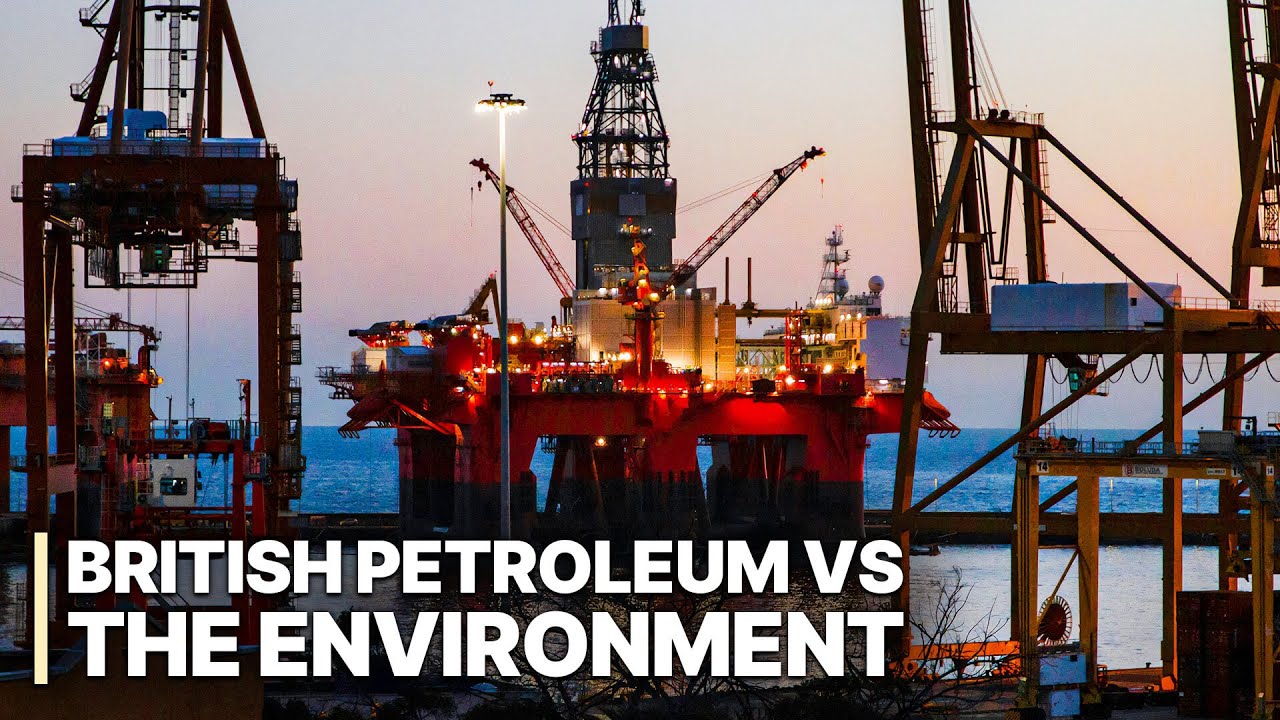
Fifteen percent of the continental United States has been leased by oil and gas companies, raising concerns about environmental and social impacts.
Sea levels are currently rising at a rate of 3.6 centimeters a decade, putting 3 million people at risk of annual coastal flooding.
Toba's eruption 74,000 years ago released nearly 3,000 cubic kilometers of ash and rock, causing a volcanic winter that may have nearly wiped out humanity.
Nearly 2,000 years ago, a population of salmon was forced to abandon their natal river due to volcanic eruptions that poisoned their habitat.
A super volcano's magmatic chamber could fill the Grand Canyon in Colorado more than 11 times, posing a significant threat to global ecosystems.
Venice faces an existential threat from rising sea levels and high tides, prompting the implementation of the MO.S.E. project to protect the city's future.
More than 20 homes were burned to ashes as bushfires engulfed suburbs in Queensland, Australia, amid catastrophic drought-like conditions.
North America changes shape as glaciers form the Great Lakes during the Ice Age.
In Bangladesh, the deadliest tornado in recorded history strikes again, echoing the devastation of a similar disaster in 1973, while Calgary faces a catastrophic hailstorm.