From over 100,000 films, discover the handful you'll love.
Free or premium access to the world's largest documentary library.
1954 films(Page 29 of 41)
32 hectares of garbage near Moscow create unbearable air quality for residents, forcing some families to relocate to escape the pollution.
Sandra Postel advocates for sustainable water practices and highlights the importance of freshwater conservation through everyday actions.
Sarah and Eric McNair-Landry kite-ski over 2,000 miles through Canada's Arctic archipelago, facing polar bears and extreme weather conditions.
The Fortington-Neave family reduces their carbon footprint from over 14 tons per person to around 11.5 tons while learning to live more sustainably.
This episode reveals how Earth came to exist and how long will humans call it home.
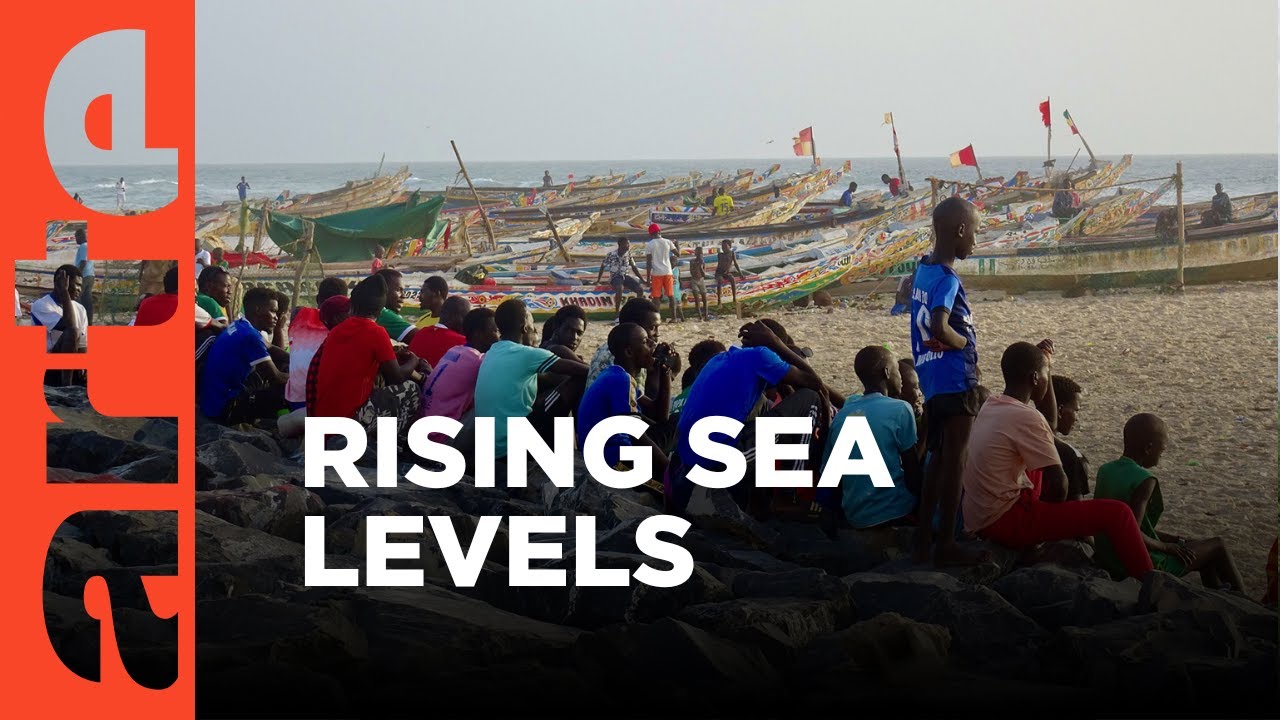
More than 10,000 people will need to be relocated from the Langue de Barbarie peninsula due to rising sea levels and coastal erosion.
In Kenya's savannah, drought severely affects wildlife, as elephants gather near the last green patches on limestone hills to survive the harsh conditions.
Austria experiences record snowfall, prompting assistance from soldiers and volunteers as residents cope with the challenges and joys of winter conditions.
Madagascar, Borneo, and Hawaii are showcased from above, highlighting their unique ecosystems, diverse wildlife, and vulnerable human cultures.
On May 25, 2009, Cyclone Aila struck Bangladesh, affecting nearly 4 million people and resulting in 190 deaths as it devastated villages and farmland.
Over 70 percent of the world's coral species are found in Southeast Asia's Coral Triangle, where scientists study super corals that resist climate change.
Half of the coral population in the Southern Line Islands was lost during a 2015-16 warming event, but a 2021 return visit showed significant recovery.
In France, survivalism integrates ecological and social ideals, emphasizing sustainability and community over the extreme measures often seen in American prepping.
Polar bears along Hudson Bay face survival challenges during summer months as melting ice limits their hunting grounds and food sources.
Zanskar, a remote region in the Himalayas, features a perilous 120-kilometer trek along the Chaddar river, highlighting the resilience of its inhabitants.
During the Cretaceous Period, Earth's ecosystems faced extreme conditions that led to a significant depletion of oceanic oxygen for half a million years.
Ten years after its premiere, the film revisits Pete Postlethwaite's confrontation with Ed Miliband over a proposed coal power station in 2009.
The Alpine region, spanning eight countries, faces challenges from climate change, Covid-19's impact on tourism, and the future of winter sports.
Evgenia Arbugaeva reflects on her childhood in Tiksi, a Siberian village that became a ghost town after the Soviet collapse, exploring the Arctic's hidden beauty.
Polar bears in the Arctic are showcased through their playful cubs, social interactions, and the challenges they face in a changing environment.
The Mofu people perform rituals involving blood and python fat to awaken stones believed to bring rain, as they face a severe drought in northern Cameroon.
Leo Ikhakik protects Arviat from polar bears amid climate change challenges.
Hurricane Ida made landfall in Louisiana as a category 4 storm with winds of 150 miles per hour, causing significant destruction and flooding.
56% of Americans deny that climate change is happening and that human activity is a contributing factor, according to Paul Douglas in this 23-minute film.
In September 2020, wildfires create a red sky, leaving residents in fear and confusion.
Humans have produced enough concrete to cover the Earth in a layer two millimeters thick, fundamentally altering every major Earth system.
Over 500 tornadoes struck the central plains in April and May 2019, killing 13 people and damaging towns from Texas to Iowa.
7.7 gigawatt hours of energy is produced annually by the Naysudin 2 wind turbine, enough to power approximately 1,500 homes.
By the end of the century, sea levels are expected to rise as much as 1 meter, inundating coastlines around the world.
1.7 billion years ago, precambrian rock formed in the Colorado Rockies, shaping the land long before life as we know it existed.
300,000 square kilometers of plains in Venezuela face severe drought, impacting wildlife and the indigenous Huaoranis as oil extraction threatens their lands.
In just 10 days, harp seal pups must gain at least four pounds and learn to swim before their mothers leave them on melting ice.
Thirty thousand people work as scavengers in the coal mines of Jharia, where toxic fumes and illegal conditions threaten their health and safety.
Throughout the Pleistocene Epoch, the woolly rhino's range fluctuated in response to climate cycles, highlighting the interconnectedness of species and environmental changes.
Graptolites reveal significant changes in ocean conditions during the Silurian period, highlighting periods of toxicity and subsequent ecological recovery.
Baltazar Ushca harvests glacial ice from The Chimborazo in Ecuador for his market sales.
Navigating the Northern Sea Route, the ice-class bulk carrier highlights the impact of melting Arctic ice on global shipping logistics and trade routes.
By 2050, the global population is projected to reach nearly 10 billion, increasing the demand for clean water amid rising pollution and climate change.
A third of the fishing licenses in Matheson Island were sold due to a government buyout, impacting the local fishing community significantly.
Poplar River First Nation monitors 11 sites to track changes in muskeg and peat moss as part of their efforts to protect their traditional territory.
In the Arctic, a female polar bear faces a critical decision between nurturing her newborn cub and embarking on a 40-mile trek to hunt for food.
A canoe is being built in Sarayak to carry a message from the Ecuadorian Amazon to Paris, addressing climate change and human rights issues.
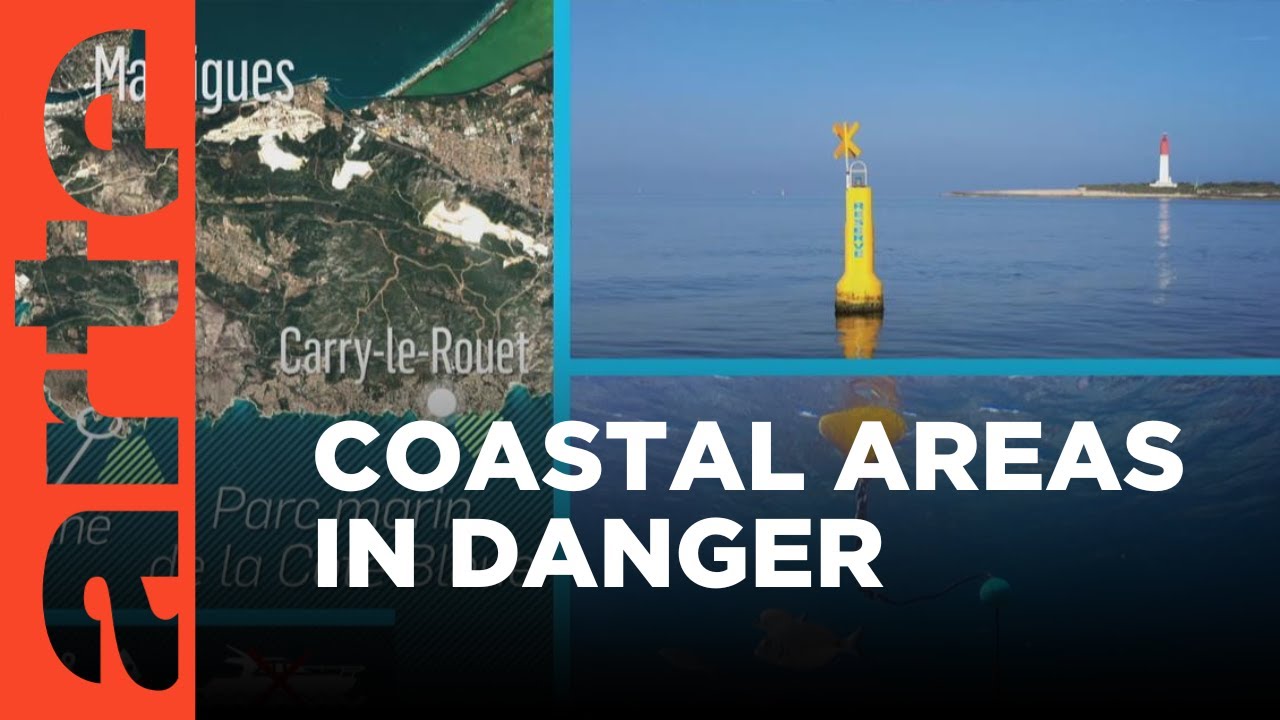
Overpopulation, overtourism, and increased maritime traffic are significantly threatening the health of the Mediterranean Sea and its coastal ecosystems.
Putin leverages climate change as the Arctic melts, reshaping geopolitical dynamics.
Casey Murdock discusses drought challenges in Oklahoma, linking them to the Dust Bowl era.
New rivers appear in Shaba within hours of the long-awaited rain, transforming the dry land into a thriving ecosystem.
The Arctic, an ocean surrounded by continents, contrasts sharply with Antarctica, a continent encircled by oceans, highlighting their unique climates and ecosystems.
James Balog's Extreme Ice Survey employs time-lapse photography to provide compelling evidence of the rapid disappearance of glaciers worldwide.