From over 100,000 films, discover the handful you'll love.
Free or premium access to the world's largest documentary library.
1954 films(Page 14 of 41)
A recent UN report stated that one million species are threatened with extinction, including 60% of all large mammals and a significant number of plants.
Five military coups have occurred in the central Sahel in just a few years, leading to a power vacuum that Russia is now filling with military support.
Five billion people from Generation Z and Generation Alpha view digital connectivity as a human right amid the challenges of climate change and resource scarcity.
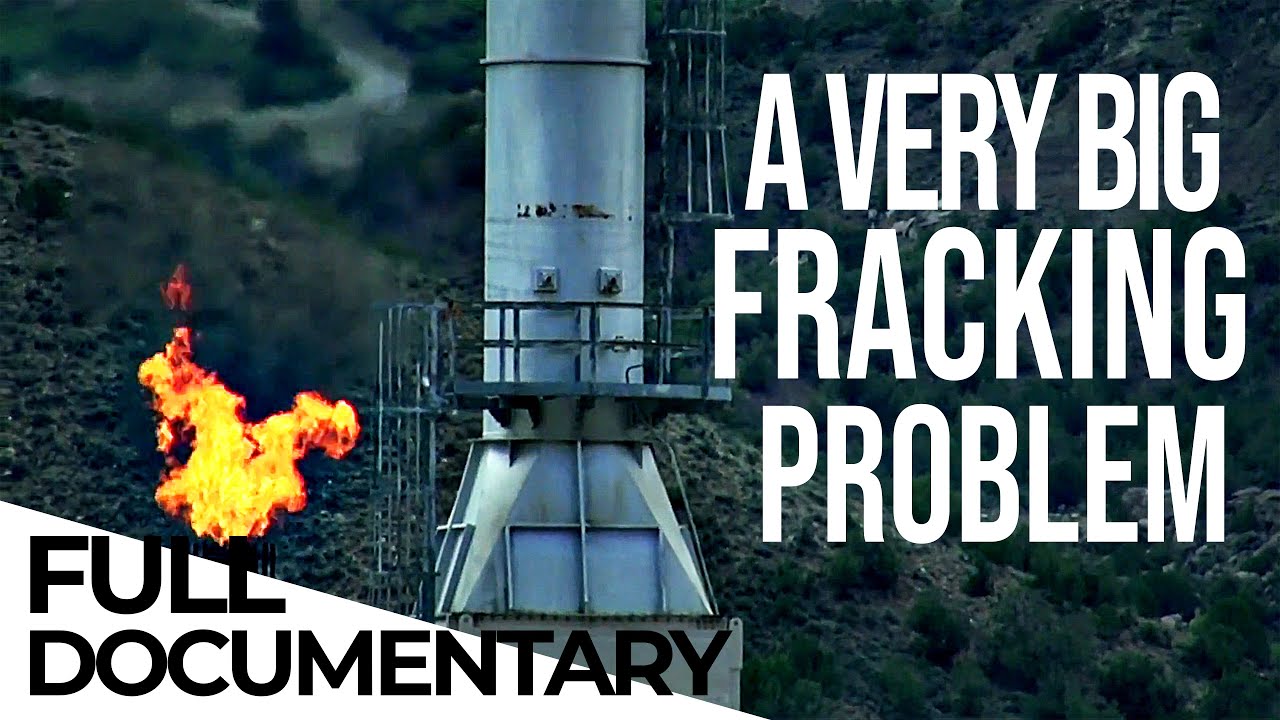
At least 15 percent of the continental United States has been leased by oil and gas companies for hydraulic fracturing operations.
Panama's canal connects the Atlantic and Pacific Oceans but faces drought-related challenges.
More than 10,000 illegal gold panners work in Guyana, contributing to severe environmental damage and health risks from mercury contamination.
More than half the UK is now available for shale gas exploration as the government pushes forward with fracking despite community opposition.
For the first time in 30 years, the Brazilian army is deployed in Rio de Janeiro to assist police in combating drug gangs controlling the city.
Australia's Great Artesian Basin, a major water reserve, is running dry after taking two million years to fill, raising concerns about the country's water management.
In the Maldives, overtourism and strict Sharia law coexist, threatening the fragile ecosystem and cultural integrity of this idyllic archipelago.
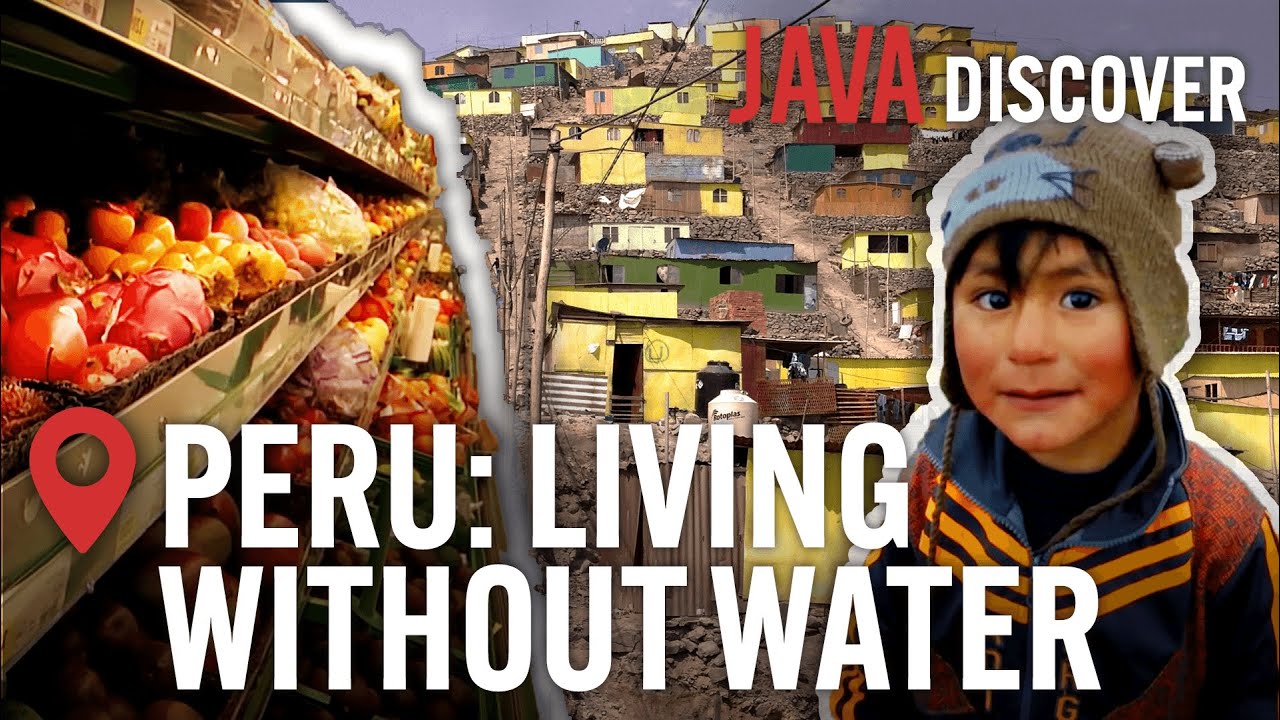
In Peru, millions live without running water, facing dire consequences for water access.
During a storm surge, rubble on the Holik islands shifted by 2 meters, raising concerns about the future of the community amid rising sea levels.
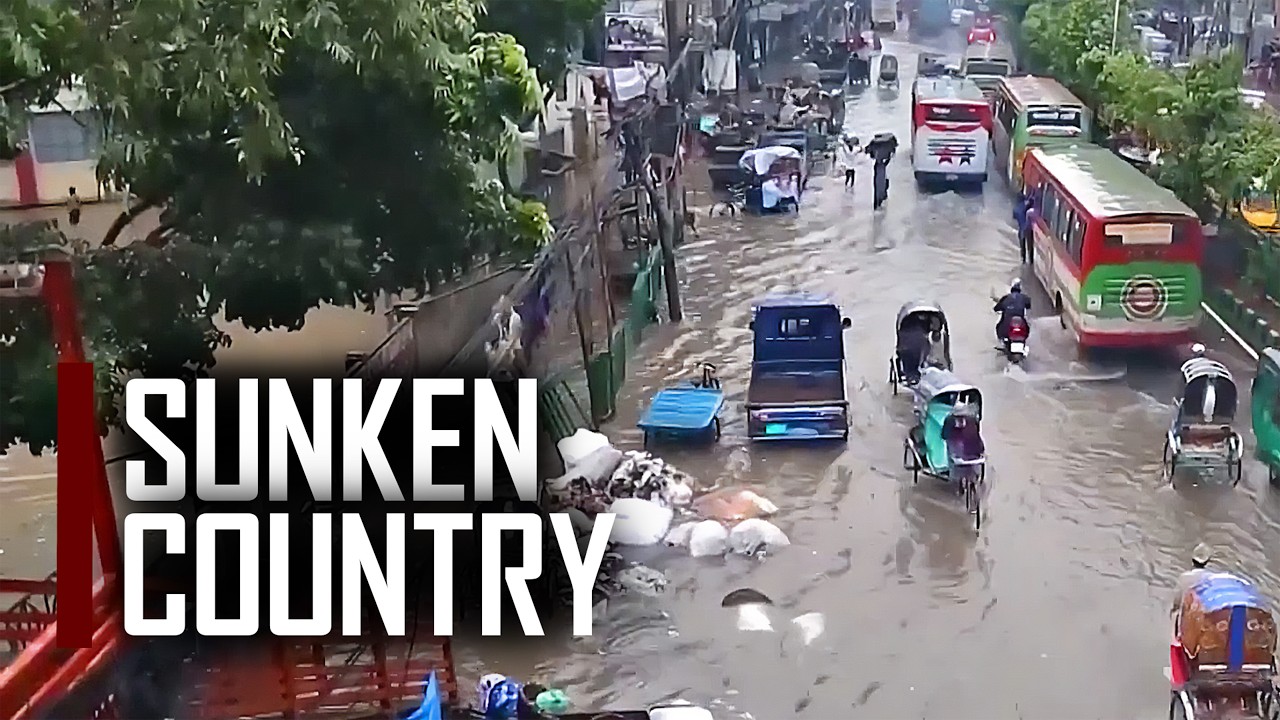
By 2050, rising sea levels and extreme weather events threaten to submerge 30% of Bangladesh, displacing millions and disrupting the economy.
In northern Borneo, fish bombers are causing environmental devastation, while Karachi faces severe water shortages due to climate change and mismanagement.
More than 1,100 homes have been destroyed in the worst wildfires to hit the country in a decade, prompting urgent calls for climate action.
Children in Ethiopia risk their lives daily to reach school in extreme heat and terrain.
Pakistan's Himalayan glaciers are melting at the fastest rate in human history, with nearly 36 percent expected to disappear by 2100.
China's ambitions in the Arctic rise as global warming opens new opportunities.
By 2050, rising sea levels threaten to submerge 30% of Bangladesh, displacing millions and forcing many, like tricycle driver Korban Ali, to seek survival in Dhaka.
Air pollution in Ulaanbaatar, Mongolia, often reaches levels close to 900 PM 2.5, more than 35 times the World Health Organization's safe limit.
The People’s Climate March, featuring voices like James Hansen and Naomi Klein, highlights the urgent climate crisis and the political failures to address it.
On July 29, 2014, Australian farmer Ian Turnbull shot state environment officer Glen Turner while he investigated illegal land clearing, highlighting the violent defense of land ownership in Australia.
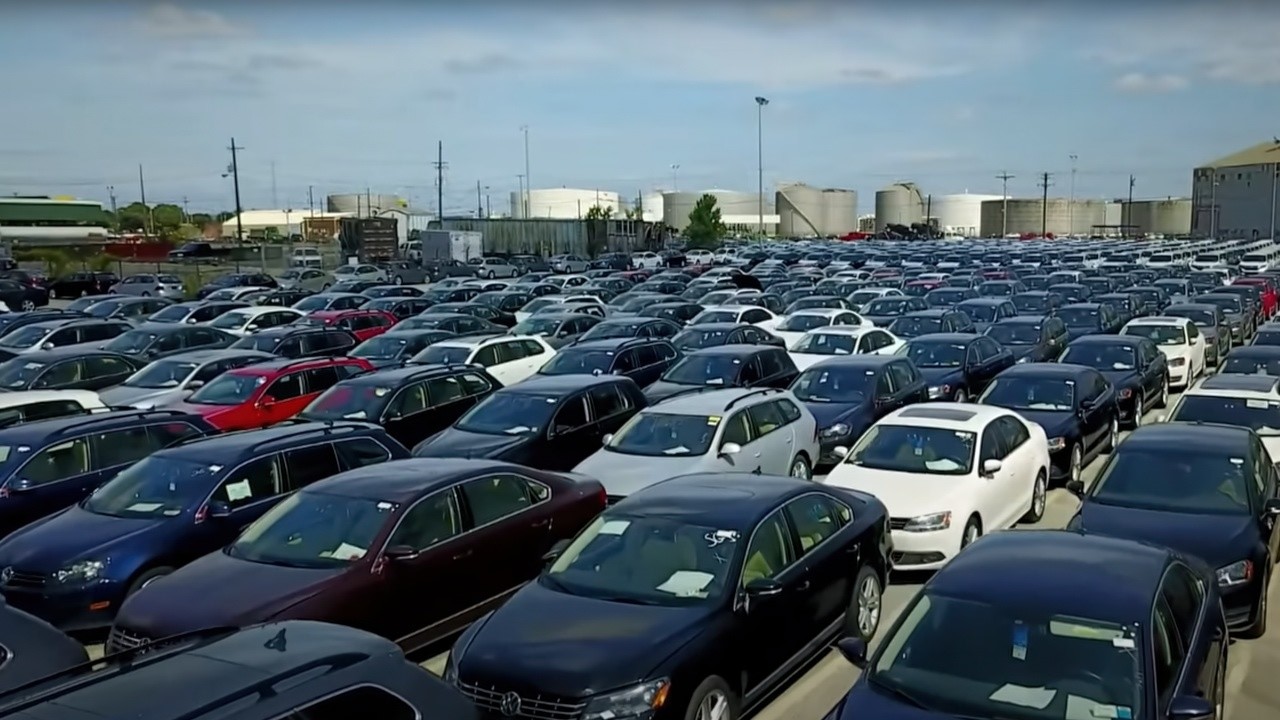
11 million cars were implicated in Dieselgate, revealing that Volkswagen and other manufacturers manipulated emissions tests to meet regulations.
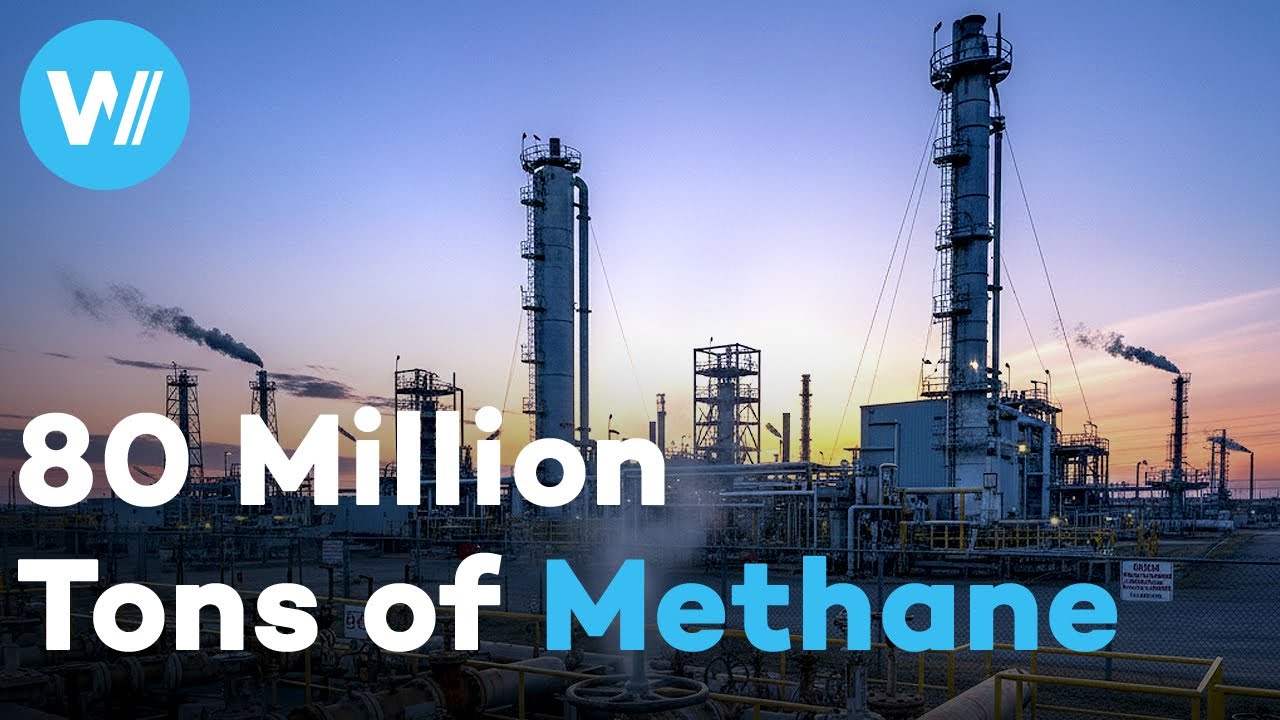
Over 80 million tons of methane are released annually from the oil and gas industry, highlighting negligence and profit-driven practices in extraction processes.
More than 70 people were injured and at least four fatalities reported as tornadoes devastated Little Rock, Arkansas, on March 31, 2023.
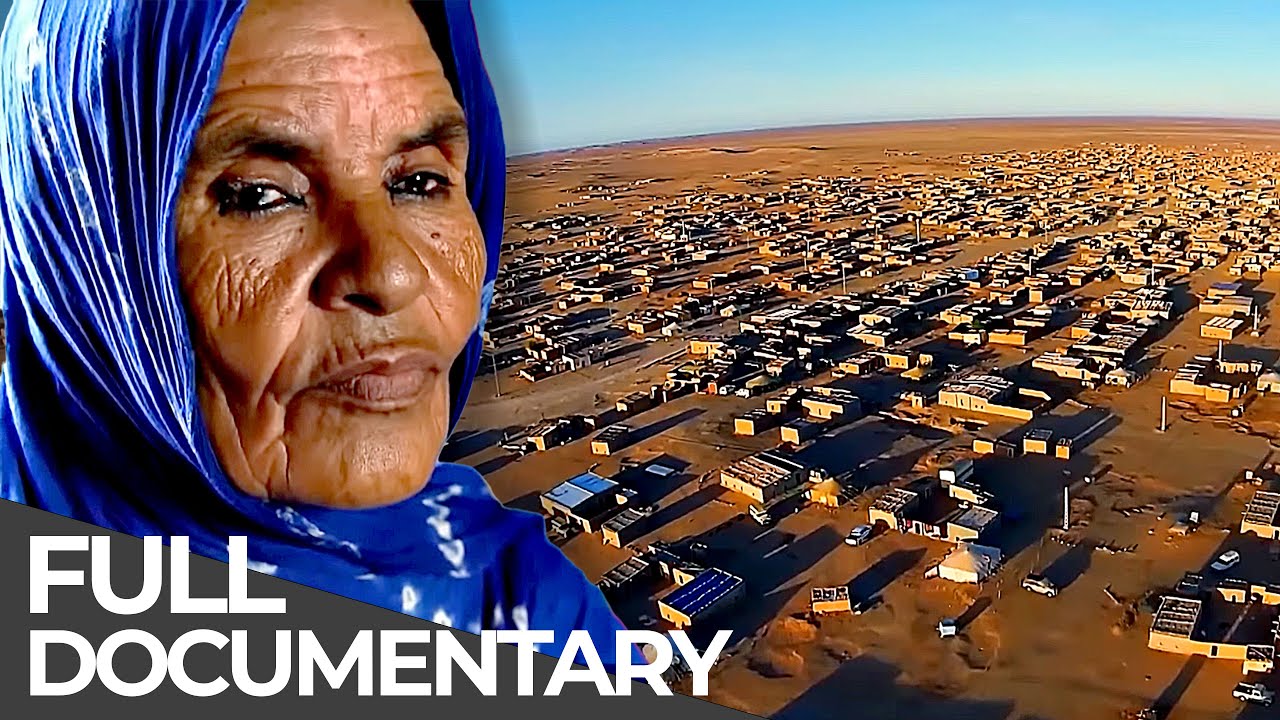
In the Sahara, 165,000 Sahrawis endure life in refugee camps under extreme conditions, while Greenland faces rapid ice melt threatening its Inuit population.
98% of intelligence reports indicate that climate change significantly increases the risk of conflict and instability in various regions worldwide.
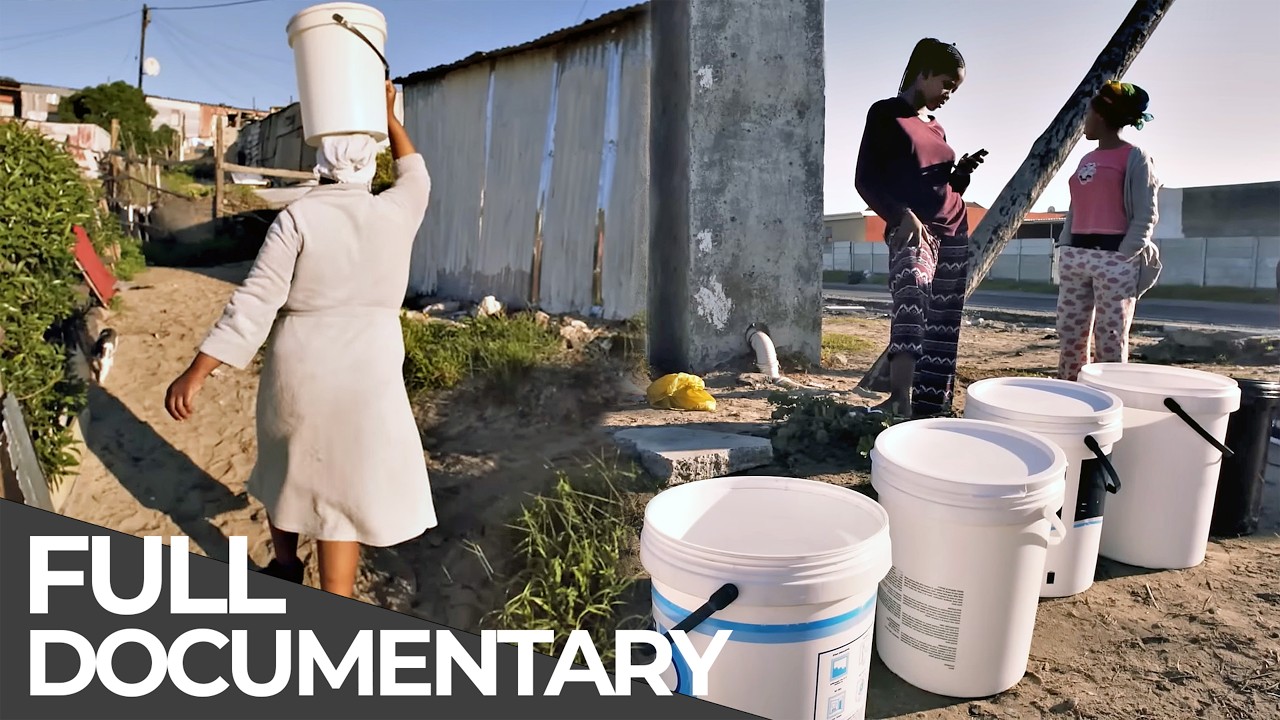
Residents in Cape Town queue for hours to collect 50 liters of water, as a severe water shortage has persisted for two years in the Western Cape.
Sky News Breakfast reports on Storm Eunice and its impact across the UK on February 18th.
Sea levels are rising by up to 3.6 mm per year, threatening coastal cities and island nations with displacement and flooding.
Öland faces a crisis as moose calves die shortly after birth, prompting expert investigation.
Christine Lagarde discusses the ECB's response to COVID-19 with Rula Khalaf in London.
Kinmen Islands reveal the daily struggles of residents at Taiwan's China frontline.
Global CO2 concentration reached 415 parts per million, prompting urgent discussions on the role of nuclear energy in reducing emissions and preventing climate change.
Danish freelance photojournalist Daniel Rye recounts his 398-day captivity by ISIS in Syria while covering the refugee crisis and his subsequent return to photography.
Extreme weather events in the United States are becoming more severe, with storms growing stronger and droughts leading to water scarcity.
More than 20 homes were burnt to ashes during catastrophic bushfires in Queensland, as communities oppose the proposed Carmichael Coal Mine.
Hundreds of boats operate nightly in Cambodian waters, where local fishermen report that illegal fishing has left them powerless and without fish.
At 's Future of Food forum in 2014, experts including Dan Glickman and Tjada D'Oyen McKenna discussed strategies to feed a global population projected to exceed nine billion by 2050.
Traffic in the skies has almost returned to pre-Covid levels this month, raising questions about the environmental impact of air travel.
RES delivers noise data to Mike Hulme in Devon after a High Court victory regarding the windfarm.
Around 25,000 people protested in Belgrade in August 2024 against the reopening of a lithium mine in Serbia's Jadar Valley by Rio Tinto.
Mike Hulme fights for noise data from Rachel's company regarding a wind farm's impact.
Andalusia faces an unprecedented drought, impacting agriculture and water resources.
The global electric commercial vehicle market was valued at $71.04 billion in 2023 and is projected to reach $145.01 billion by 2031.
Portugal faces significant challenges with energy poverty, as over two million residents endure inadequate heating and poor insulation during winter months.
Montreal has recorded over 100 murder victims in a crime war linked to underworld drug runners, as reporter Jason Brady investigates industrial pollution's impact on children.
Over 750 deaths have been reported due to extreme weather events linked to climate change, prompting urgent calls for action against fossil fuel dependency.