From over 100,000 films, discover the handful you'll love.
Free or premium access to the world's largest documentary library.
1954 films(Page 21 of 41)
From 1940 to 1987, Costa Rica's forest cover dropped from 75 percent to 21 percent, driven by agricultural expansion and economic growth.
Trees could remove nearly 25% of carbon dioxide from the atmosphere, according to a significant study from the Crowder lab published in July.
Over 38,000 fires burned across the Amazon in summer 2019, contributing to nearly 17% of the rainforest being cleared in the last 50 years.
Vanessa O'Brien collected water samples nearly 11,000 meters below the surface of the Pacific Ocean to aid research on ocean acidification.
On November 20, 2022, rich countries agreed to establish a fund to compensate for climate damage caused by their emissions, impacting developing nations.
Today, Haiti and Congo are trapped in a $1 trillion debt crisis rooted in colonialism.
Catherine Bayik discusses COP27 outcomes in Charnel Shake, Egypt, highlighting key wins and losses.
Copenhagen aims to be the first carbon neutral city with three simple ways to achieve it.
Coral grows slowly, about six inches a year, facing threats from global warming and pollution.
Darwin in Palau faces coral decline, while Dr. Ruth Gates in Hawaii fights to save reefs.
Robots like these assist farmers by improving efficiency and reducing labor costs in agriculture.
Only 12 wild ancestors remain in the gene pool of Przewalski's horses, prompting scientists to clone Kurt to increase genetic diversity.
Scientists use selective breeding to create climate-resistant coral for the Great Barrier Reef.
The 1991 eruption of Mount Pinatubo in the Philippines demonstrated the potential of solar geoengineering to lower global temperatures, raising questions about its viability against climate change.
There are 40,000 nuclear warheads in the inventories of the U.S. and the Soviet Union today, raising concerns about the potential for catastrophic climate effects.
75% of the world's freshwater is stored in Antarctic ice sheets, raising concerns over territorial claims and resource extraction in the region.
Chernobyl has remained empty since a nuclear reactor explosion in 1986, serving as a stark symbol of humanity's impact on the environment.
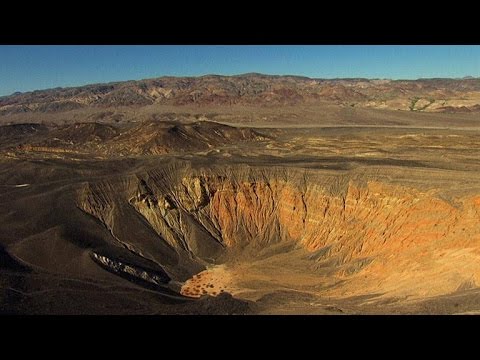
Temperatures in Death Valley reached 134 degrees Fahrenheit in 1913, marking the hottest recorded temperature on Earth.
Desertification threatens 40% of Earth's land due to climate change and human activity, with the Sahara expanding by 10% since 1920 and Lake Chad shrinking by 90%.
Short-distance flights in Europe face increasing scrutiny as countries like France implement bans to address climate change and reduce emissions.
By 2050, the world is expected to double its nuclear power capacity to help meet clean electricity goals amid rising climate concerns.
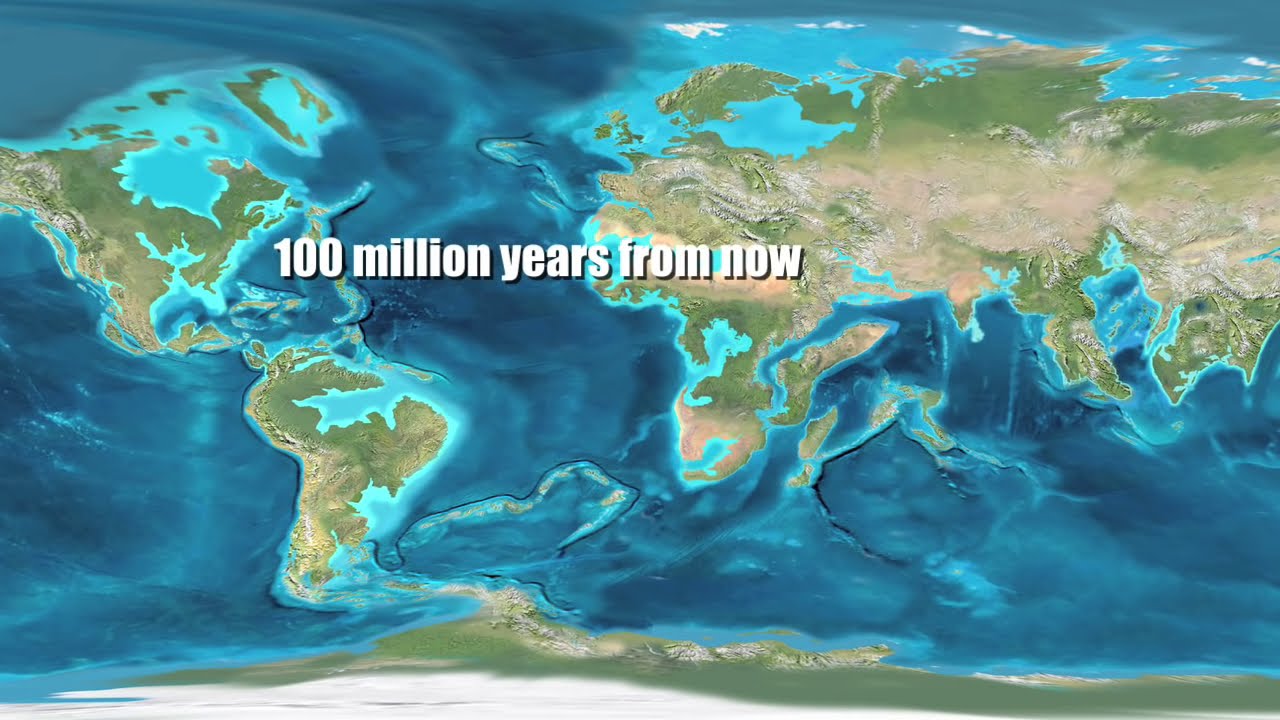
The video shows how Earth's continents evolved over 600 million years and their future in 100 million years.
The upcoming episode of COSMIC JOURNEYS looks at the Eemian climate period and its relevance today.
Arctic sea ice expansion and contraction, alongside human-induced changes like the Antarctic ozone hole, illustrate Earth's evolving landscape over time.
Europe's hydrogen strategy, backed by the European Union, faces scrutiny over its feasibility and environmental impact amid significant lobbying efforts.
Patrick Aryee explores nature's solutions to humanity's challenges in this docu-series.
Retro Report and the Foreign Policy Association provide educational resources focused on climate change and global environmental policy for teachers.
More than 100 million dollars a year flows from undisclosed sources to lobby groups opposing renewable energy in the United States.
A British painter struggles to create art as his eyesight worsens and the Arctic melts due to climate change.
The fashion industry faces environmental crises from cotton and chemical waste in Asia.
Pollution threatens the coral reefs of the Florida archipelago and the North Atlantic Ocean.
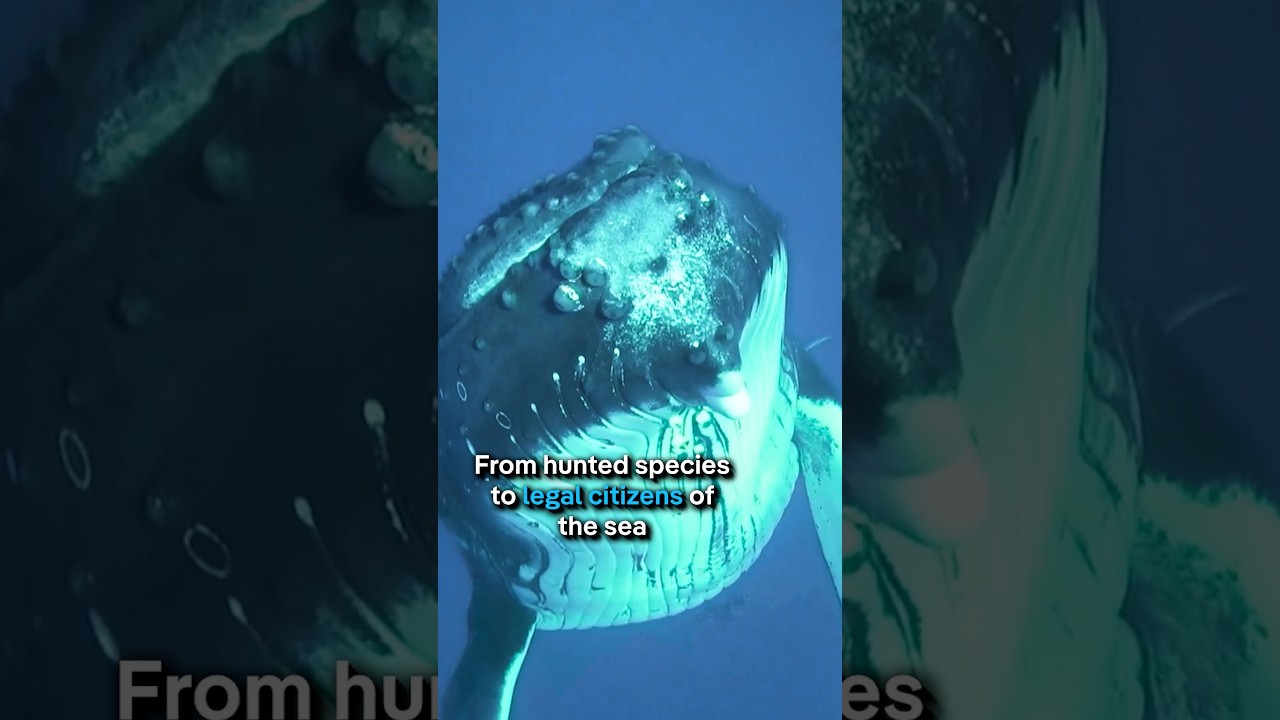
In 2024, indigenous leaders from Polynia signed a declaration recognizing whales and dolphins as legal persons with inherent rights.
Geothermal energy could provide 50,000 times the energy of all oil and gas resources combined, yet much of it remains untapped due to various challenges.
A 23-year study in Cirs Marshland reveals that many native plants struggle to adapt to rising CO2 levels, allowing invasive species to thrive.
Modern life relies on huge amounts of energy, primarily from fossil fuels, impacting climate change.
NASA's Operation IceBridge has flown over Greenland more than 100 times since 2009, collecting data to create a 3D map of the ice sheet's age.
The European Union produces only 0.1% of the world's lithium, forcing it to rely heavily on imports for battery manufacturing.
A heat pump in Mannheim can push through 800 liters of river water per second to provide heat for 3,500 households year-round.
Record heat waves hit Spain, Siberia, and India, with England surpassing Caribbean temperatures.
The Salton Sea, once a thriving resort, is now a toxic ghost town plagued by pollution.
Forty-five carbon reduction projects in China, worth an estimated one billion euros, are under suspicion for fraud by German authorities.
Cyclone Bhola killed between 250,000 and 500,000 people in 1970, prompting Bangladesh to invest heavily in disaster management and early warning systems.
Resale companies Oxfam and Vinted hosted a catwalk show at London Fashion Week 2024, reflecting the growing influence of secondhand fashion.
Netflix and Meta purchased over a quarter million tons of carbon offsets from the Northern Kenya Rangelands Carbon project by 2022.
30 percent of Napa County was consumed during the 2020 fire season, affecting businesses in California's wine-growing region.
Severe drought conditions in Mesopotamia played a crucial role in the collapse of the Akkadian Empire, highlighting the impact of climate on ancient civilizations.
European farms have decreased by roughly a third since 2005, prompting widespread protests from farmers demanding systemic changes to agriculture.
Groundbreaking technology captures carbon dioxide to produce carbon-neutral fuel, demonstrating potential applications in locations like Beijing and the Sahara Desert.