From over 100,000 films, discover the handful you'll love.
Free or premium access to the world's largest documentary library.
1964 films(Page 2 of 41)
California's largest freshwater lake, the Salton Sea, has been drying up for decades, serving as a stark warning of the region's water crisis.
90 percent of the world’s earthquakes occur in the Ring of Fire, threatening millions living along the Pacific coast, including Seattle and Tokyo.
A 1,240-kilometer road, the Carretera Austral, faces challenges like ferry crossings and difficult terrain as it pushes deeper into Chilean Patagonia.
321 people died during a four-day tornado outbreak in April 2011, which produced 362 tornadoes and caused over $11 billion in damages.
Over 80 experts were consulted in a five-year investigation into the climatic disaster of A.D. 536, which led to two years of darkness and widespread famine.
A desert covering over 800 square kilometers is advancing in Romania, driven by climate change and illegal garbage dumps, threatening the region's biodiversity.
Every four years, lemmings experience a population explosion, allowing snowy owls to raise up to eleven chicks, each needing four rodents daily to survive.
Humaitá, na Amazônia, é lar da empresa de ônibus 'Siquiera', dirigida por Luis e Leandro.
Scientists aim to plant over a trillion trees as part of a broader strategy to combat climate change and reduce carbon dioxide levels in the atmosphere.
20 tons of amasal are loaded onto a truck in Tidjikja as sand dunes frequently block roads, complicating supply deliveries in Mauritania.
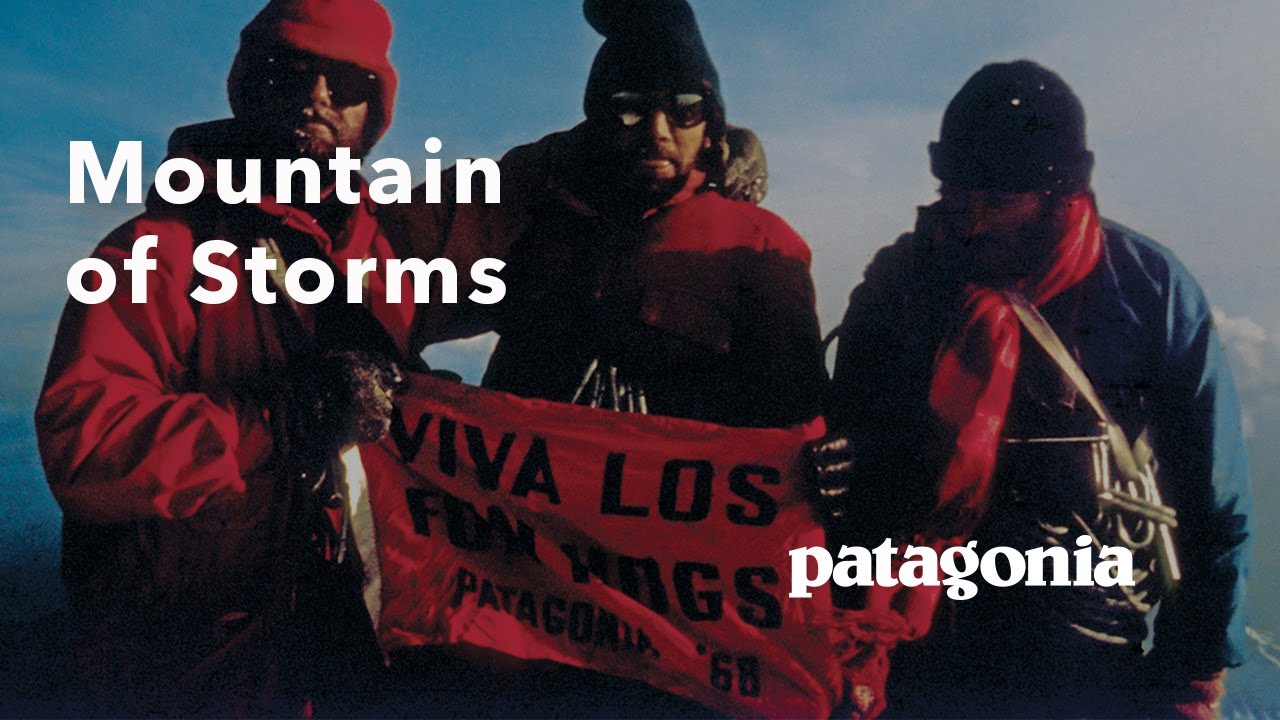
Fitzroy, an 11,000-foot mountain in Patagonia, Argentina, challenges climbers Yvon Chouinard, Doug Tompkins, Dick Dorworth, and Chris Jones on their ascent.
This special examines if mankind will eventually disappear from Earth and its impact.
Three-quarters of a black bear's food comes from the beach during spring, as a mother bear searches for crabs to feed her cubs.
Cruising through the Arctic Ocean at 20 knots an hour, a large cruise ship takes tourists from Svalbard to Eastern Siberia.
Sea levels have risen by about 20 centimeters since the 19th century, with projections of up to three meters by the end of the century.
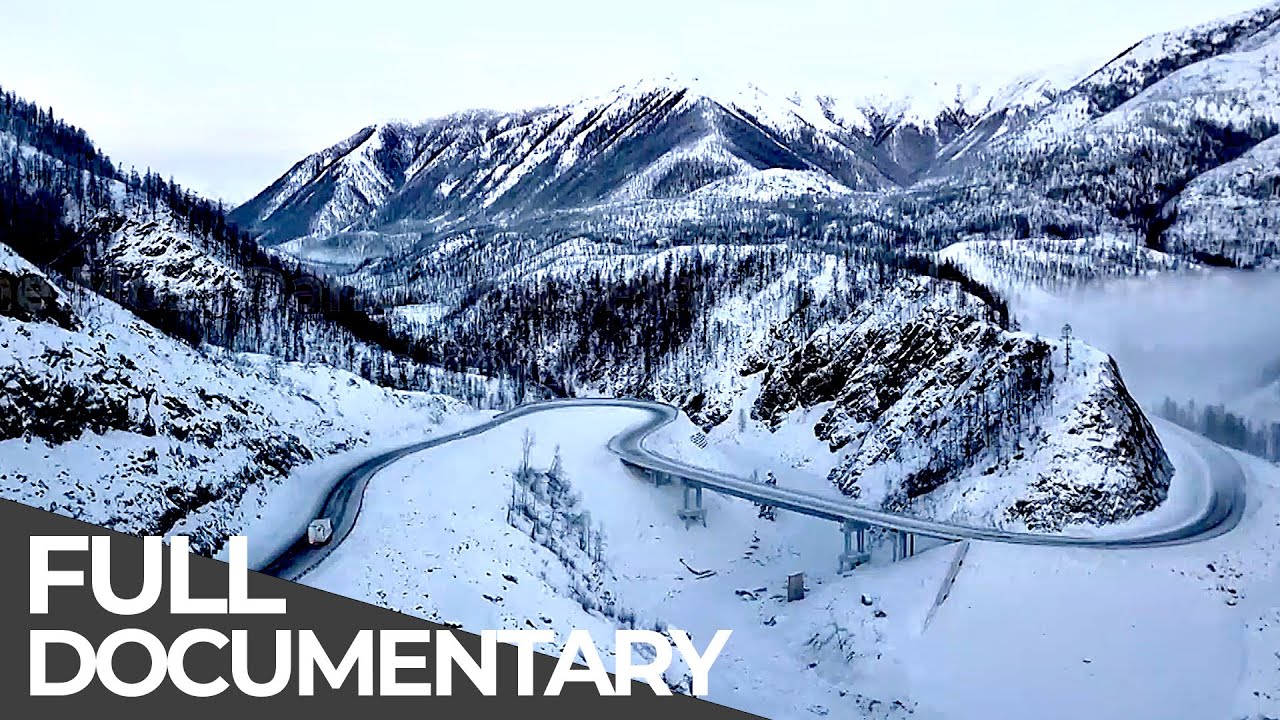
A five-ton truck must cross a frozen ice sheet on the world's coldest road, where temperatures can drop to minus 50 degrees Celsius.
A 50-mile round trip is required to catch king crab in Alaska's remote waters, where traditional practices guide survival amid environmental changes.
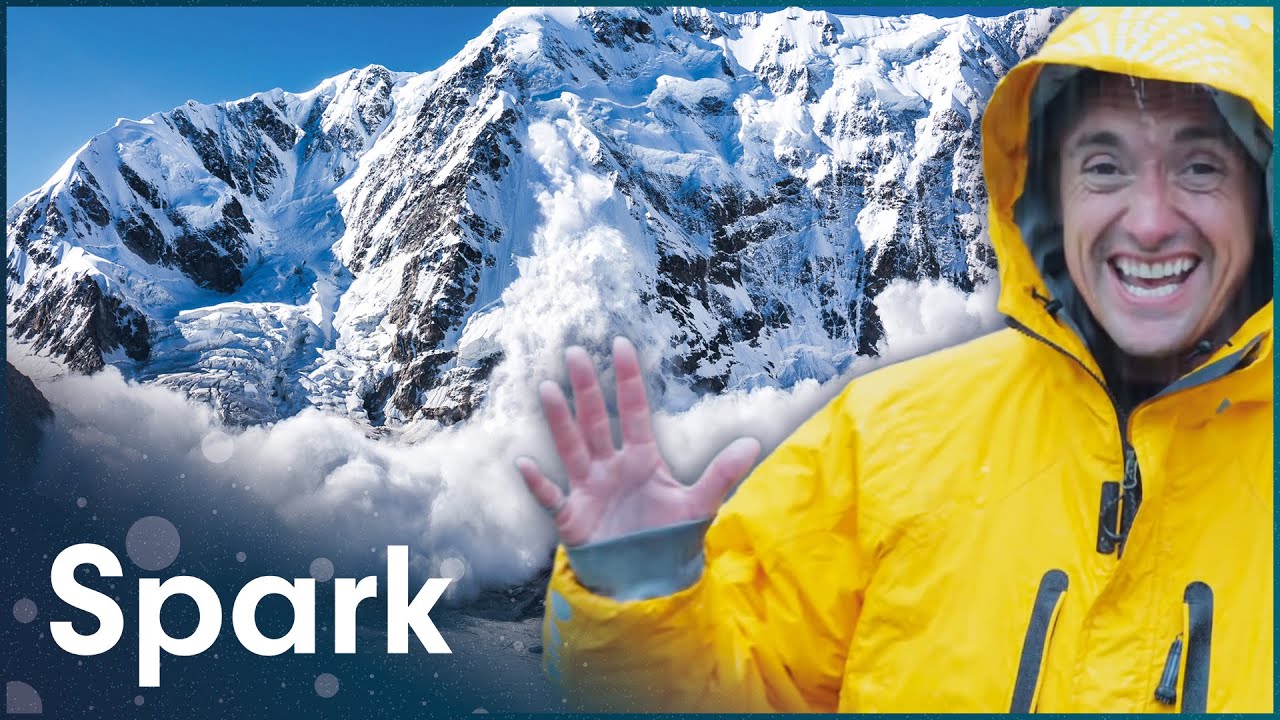
An avalanche can move four times faster than the fastest flash flood ever measured, demonstrating the powerful effects of water in nature.
By 2030, continued fossil fuel consumption could trigger irreversible climate events, threatening humanity's survival and prompting global calls for change.
Prajwal, the mayor of a remote village, must travel 100 kilometers through the high mountains to deliver essential medicine to 1,500 residents.
350 people live in Ittoqqortoormiit, a remote Greenland village 800 kilometers from its nearest neighbor, surrounded by towering icebergs and drifting ice.
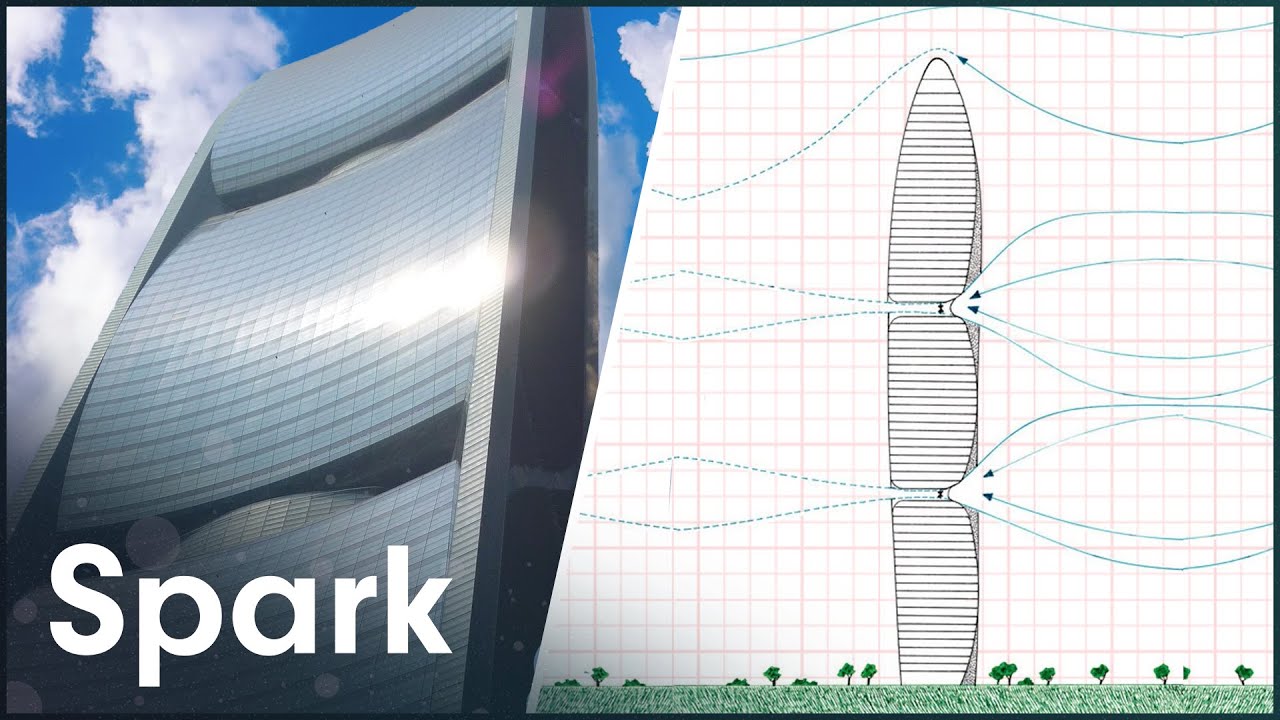
71 stories high, the Pearl River Tower will generate all its own electricity and use 60% less energy than a typical building of its size.
Five percent of global atmospheric CO2 comes from concrete production, prompting researchers to investigate algae as a climate-neutral alternative.
Extreme preparations for potential cataclysmic events are showcased through the lives of various individuals committed to survival strategies.
Switzerland's glaciers lose about 2% of their mass each year, threatening the water supply for millions in central Europe.
A mother polar bear must travel over 50 meters with her cubs to reach the nearest seal kill, facing significant challenges in their harsh environment.
Temperatures in Yakutsk can drop as low as -70 degrees Celsius, raising concerns about the stability of buildings built on permafrost.
Extreme weather events in the U.S. are multiplying, with meteorologist John Morales stating, "I don't think meteorologists have lived through an era that's worse than this."
Three thousand inhabitants rely on tractor deliveries, as it takes over 30 hours to cover just 30 kilometers on Madagascar's treacherous roads.
An adult bear can gain up to 180 kilos during the summer months as it feeds on plants and prepares for hibernation.
On April 27, 2011, 62 tornadoes touched down in Alabama, resulting in 252 fatalities and widespread destruction across the region.
The ITER project, the largest fusion research initiative in the world, aims to create a Tokamak reactor that will weigh 23,000 tons.
Global temperatures are rising three times faster than the average, forcing desert animals to adapt to increasingly harsh conditions.
Approximately 100,000 residents were left behind in New Orleans as Hurricane Katrina approached in August 2005, facing a chaotic evacuation.
More than 350,000 tons of fish and seafood are offloaded each year at Dutch Harbor, a key U.S. fishing port in the Aleutian Islands.
Ten hours on the road yields €200 for Adam, who faces delays from bad weather and poor infrastructure while buying fish from Lake Victoria.
Only 2,000 people live in Tasiilaq, the largest settlement on Greenland's east coast, where residents rely on helicopters for supplies for much of the year.
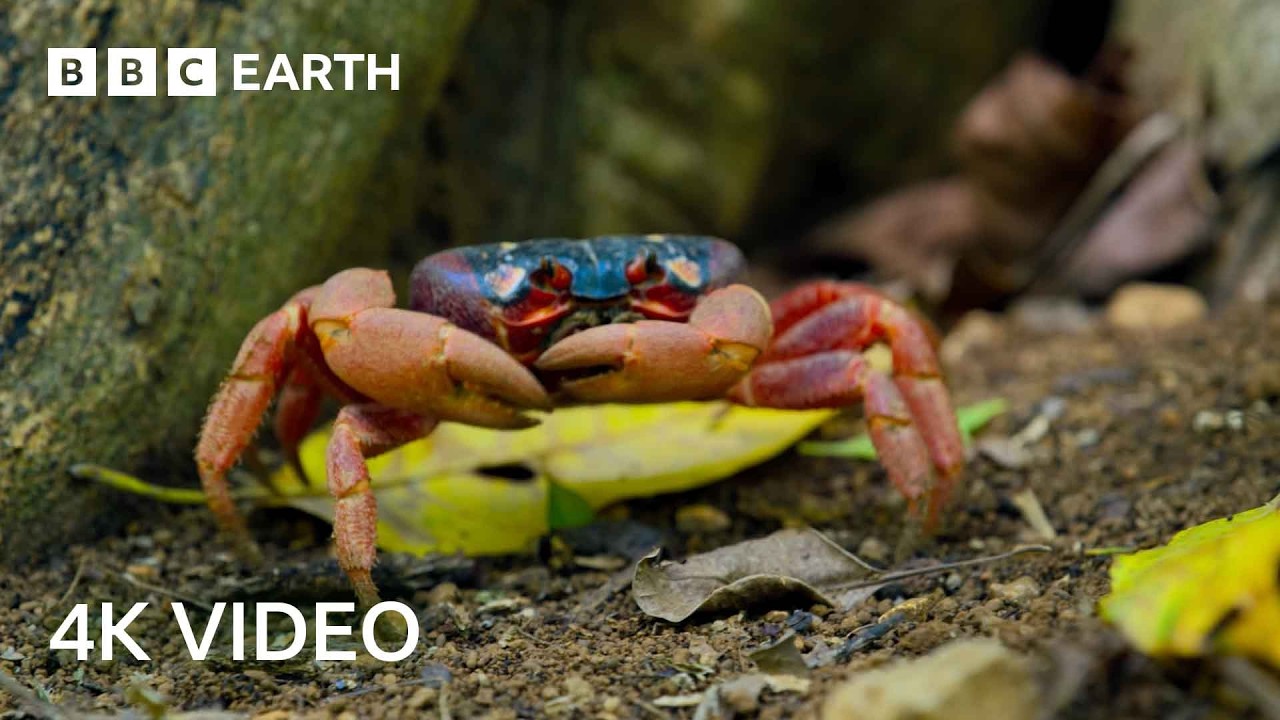
Fifty million red crabs march annually from Christmas Island to the sea, but invasive yellow crazy ants threaten their survival.
Artificial Intelligence could transform agriculture and help ensure food security worldwide.
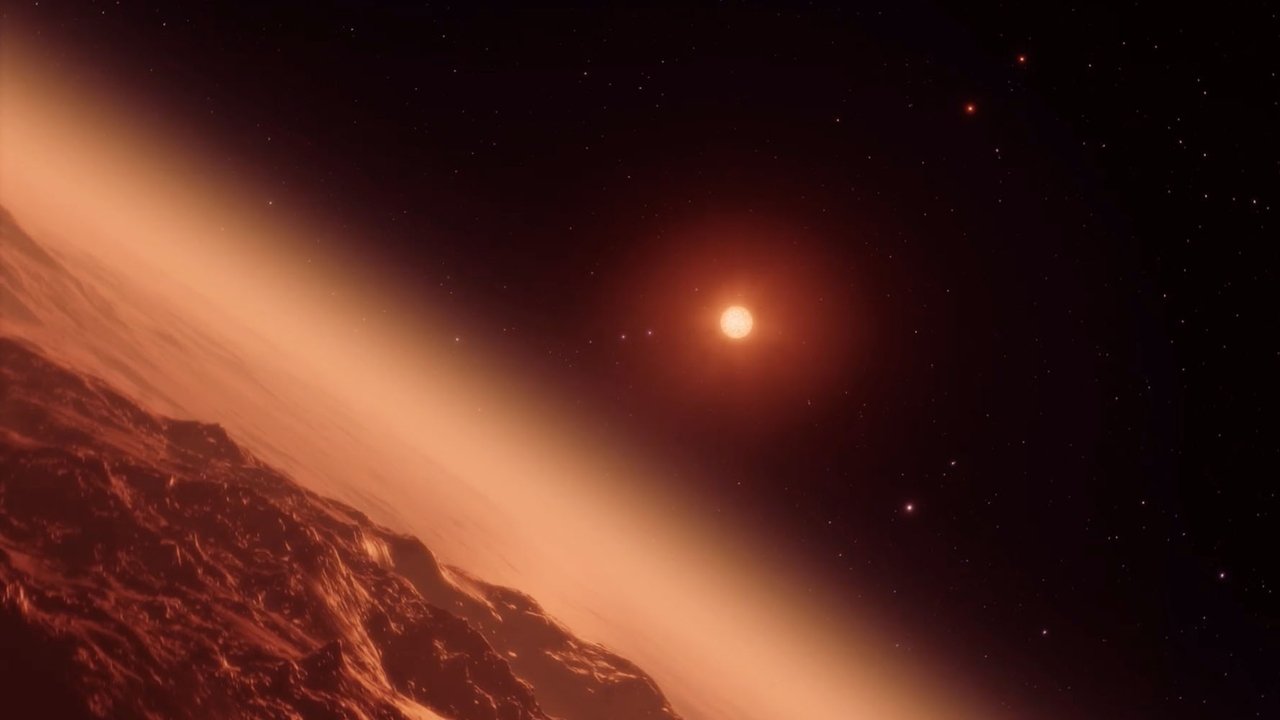
Over 40 trillion kilometers from the Sun, Proxima Centauri b is considered a potential candidate for extraterrestrial life due to its size and location.
149 lamps, each as powerful as a large cinema projector, are used in research to produce green hydrogen from light and water without greenhouse gas emissions.
70 percent of the world's fresh water is used for agriculture, raising questions about the connection between food production and water scarcity.
If 99% of the world's population were wiped out, millions could still survive, resembling the population levels of the Bronze Age.
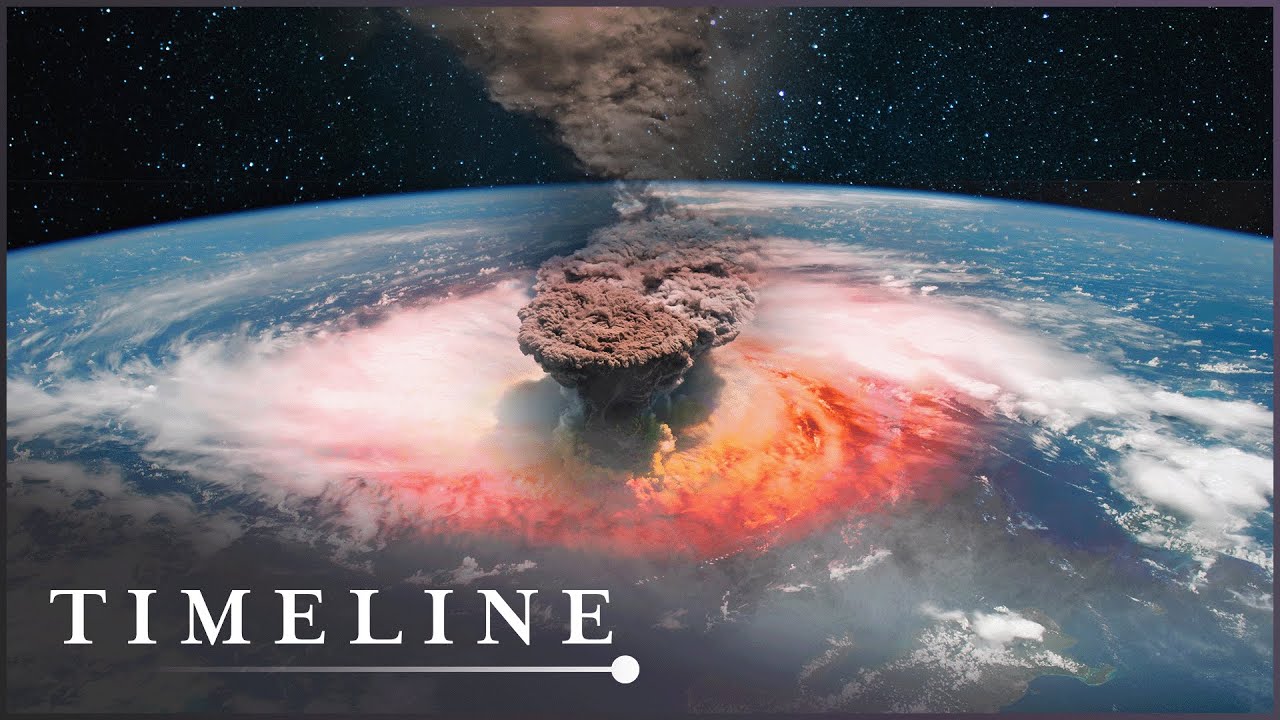
Supervolcanoes, such as Yellowstone and Toba, have caused catastrophic eruptions that reshaped Earth's climate and contributed to mass extinction events.
BBC Earth and Ocean X Media showcase a 10-hour visual experience of the serene oceanic landscapes and ice formations of the Arctic and Antarctic regions.
At least 10,000 aircraft would be needed to inject sulfur particles into the stratosphere every two years to reflect sunlight and cool the planet.
A category five typhoon intensified from tropical storm strength in less than 24 hours, causing record-breaking flood damage in Japan.
88,000 residents of Fort McMurray, Alberta, were forced to evacuate as a massive wildfire engulfed the city on May 3, 2016.